
Spotted Camel Cricket
Ceuthophilus maculatus
A wingless, humpbacked cricket relative with mottled markings and enormous hind legs, more often found lurking in damp basements and cellars than singing in a meadow.
- Size
- 0.5-0.75 in (13-19 mm) long
- Habitat
- damp caves, crawl spaces, basements, leaf litter, and rotting logs in eastern North America
- Danger
- Harmless
Spotted a bug like this?
Identify any bug or insect from a photo, free.
Overview
The spotted camel cricket is a species of camel or cave cricket in the family Rhaphidophoridae, a group named for their humped, arched back and long, spider-like legs, which give them a distinctive silhouette unlike true crickets. Unlike field and house crickets, camel crickets are entirely wingless and produce no chirping song, relying instead on their long antennae and legs to navigate dark, humid environments.
The body is mottled brown and tan with darker spotting, which provides camouflage against soil, wood, and cave walls. The head is small and bent downward beneath the arched thorax, and the hind legs are greatly elongated and powerful, enabling strong jumps when the insect is disturbed. Long, thread-like antennae, often longer than the body itself, help the cricket feel its way through dark spaces where eyesight is of limited use.
Spotted camel crickets are common in eastern North America, where they inhabit caves, rotting logs, leaf litter, stone piles, and other cool, moist, dark microhabitats. They frequently wander into damp basements, crawl spaces, and garages, where they are often mistaken for spiders because of their long legs and jumping habit. As omnivorous scavengers, they feed on fungi, decaying organic matter, and other small invertebrates, contributing to decomposition in the leaf litter and cave ecosystems they occupy.
How to Identify
- Wingless body with a distinctly humped, arched thorax giving a camel-like profile
- Mottled brown and tan coloring with darker spotting, providing camouflage
- Very long, thin antennae, often exceeding body length
- Long, powerful hind legs adapted for strong jumping rather than singing
- No wings and no chirping sound, unlike true field or house crickets
- Small, downward-angled head tucked beneath the arched back
Habitat & Range
This species is found across eastern North America in cool, damp, dark habitats such as caves, rotting logs, leaf litter, stone walls, and animal burrows. It readily colonizes human structures with similar conditions, including basements, crawl spaces, sheds, and garages, where humidity is high and light is minimal. Active year-round in sheltered locations, it is most often noticed indoors during cooler months when it seeks refuge from outdoor temperature extremes.
Behavior & Diet
Spotted camel crickets are nocturnal and shun light, spending daylight hours hidden in dark, humid crevices and emerging at night to forage. When startled, they use their powerful hind legs to leap suddenly and unpredictably, a defense that often surprises people who mistake them for spiders due to their long legs. As omnivorous scavengers, they feed on fungi, mold, decaying plant and animal matter, and occasionally other small invertebrates, making them useful decomposers within cave and leaf-litter ecosystems. Because they are wingless and silent, they lack the audible chirping used by true crickets for communication, relying instead on chemical and tactile cues.
Life Cycle
Camel crickets undergo incomplete metamorphosis. Females use a slender ovipositor to lay eggs in moist soil or organic debris. Nymphs hatch resembling small, wingless versions of the adults and pass through several molts as they grow, remaining wingless throughout their entire life since the species never develops functional wings. Development is closely tied to temperature and moisture, and in temperate regions the life cycle typically spans one to two years, with individuals of various life stages often present simultaneously in stable, sheltered habitats like caves and basements.
Frequently asked questions
Do spotted camel crickets bite?
They are not aggressive and are primarily known for their sudden jumping behavior rather than biting.
Why are camel crickets often mistaken for spiders?
Their long legs, wingless humped body, and erratic jumping when disturbed cause many people to confuse them with spiders at first glance.
Do spotted camel crickets chirp?
No, unlike true crickets, camel crickets are wingless and silent and do not produce a chirping song.
What do spotted camel crickets eat?
They are omnivorous scavengers, feeding on fungi, decaying organic matter, and occasionally other small invertebrates.
Spotted Camel Cricket guides
In-depth guides for identifying, understanding, and living alongside Spotted Camel Cricket.
Other bugs you may enjoy
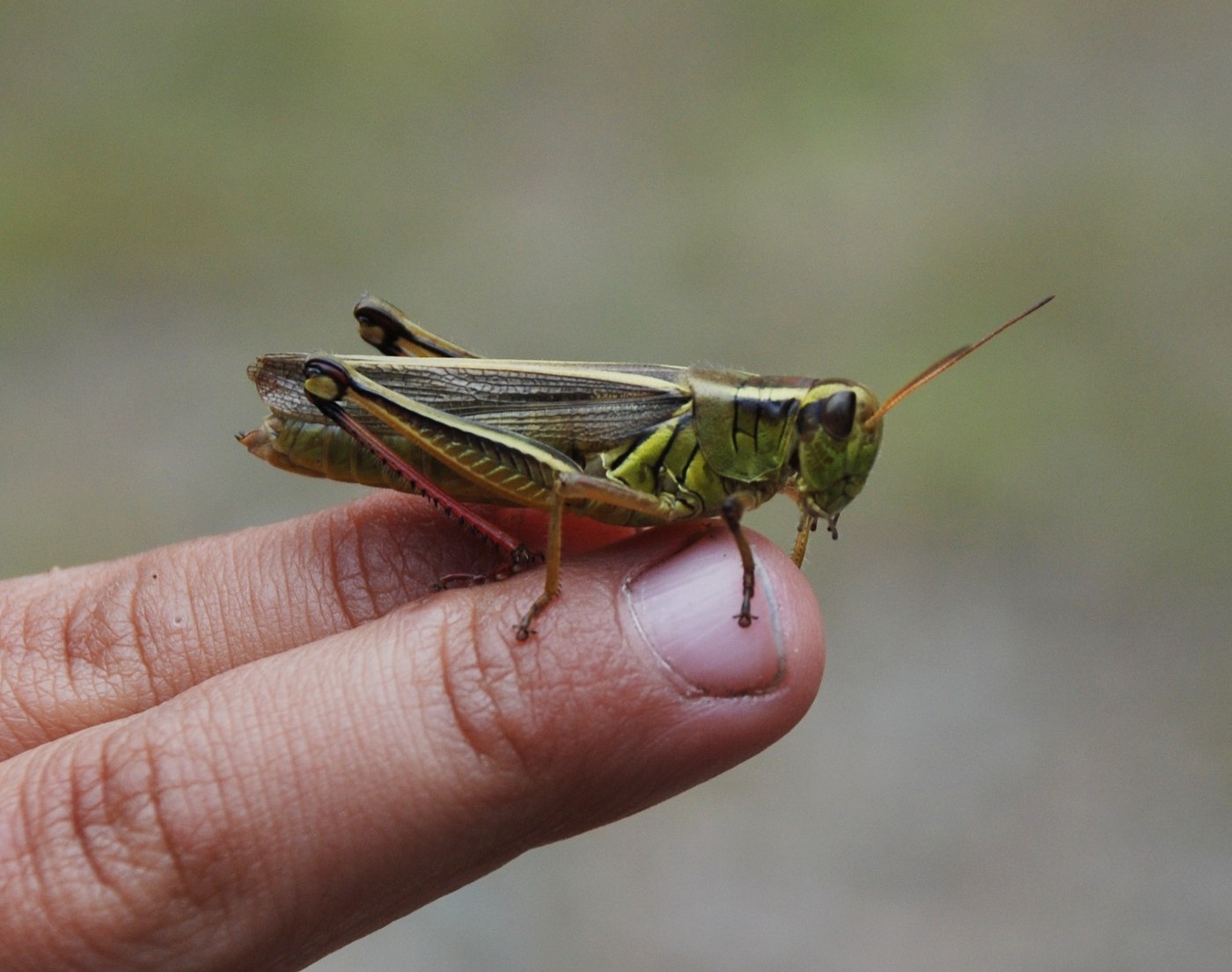
Two-striped Grasshopper
Meadows, pastures, riverbanks, and agricultural fields across North America
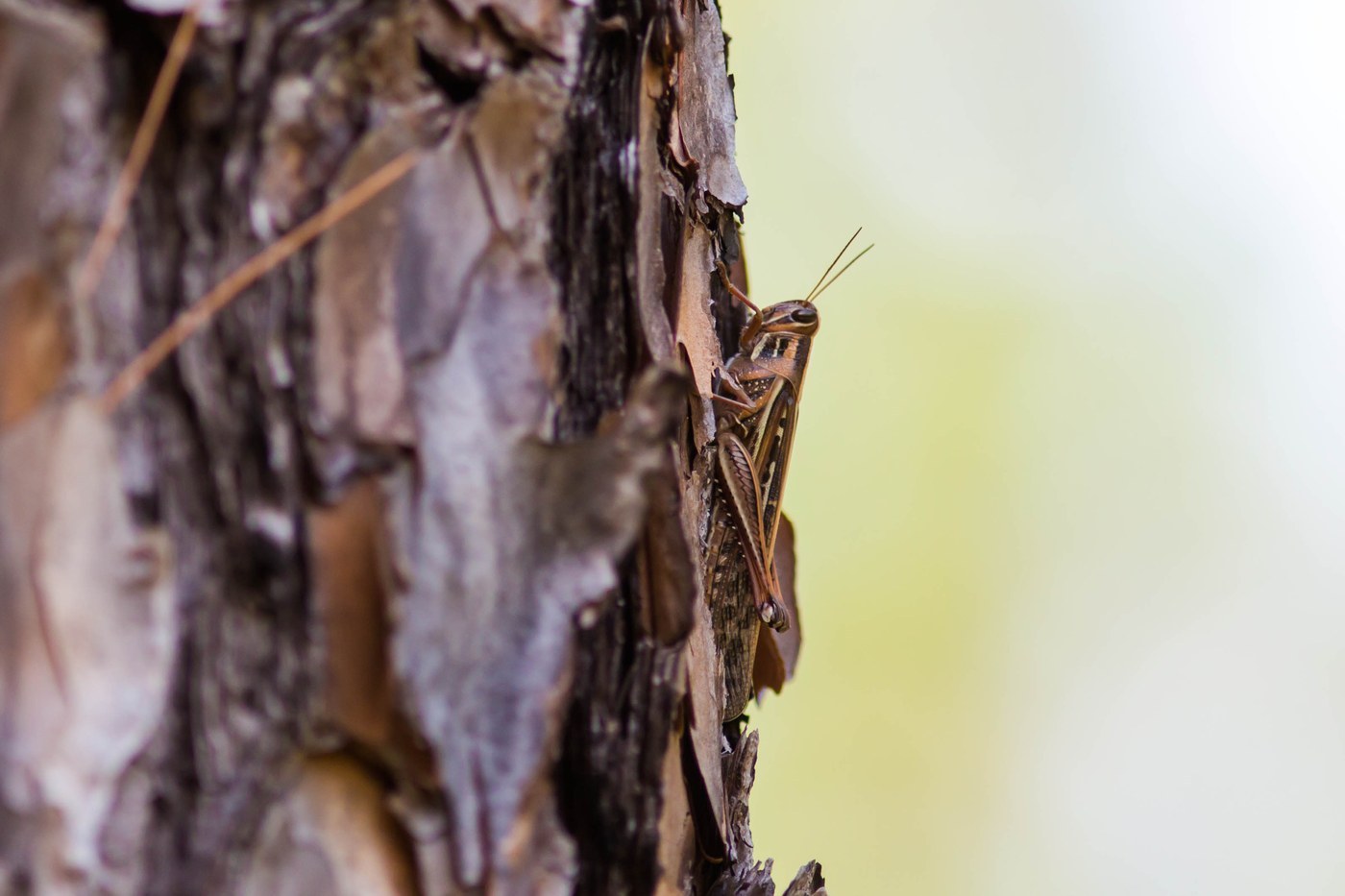
American Grasshopper
Woodland edges, citrus groves, gardens, and open fields across the southern and southeastern United States
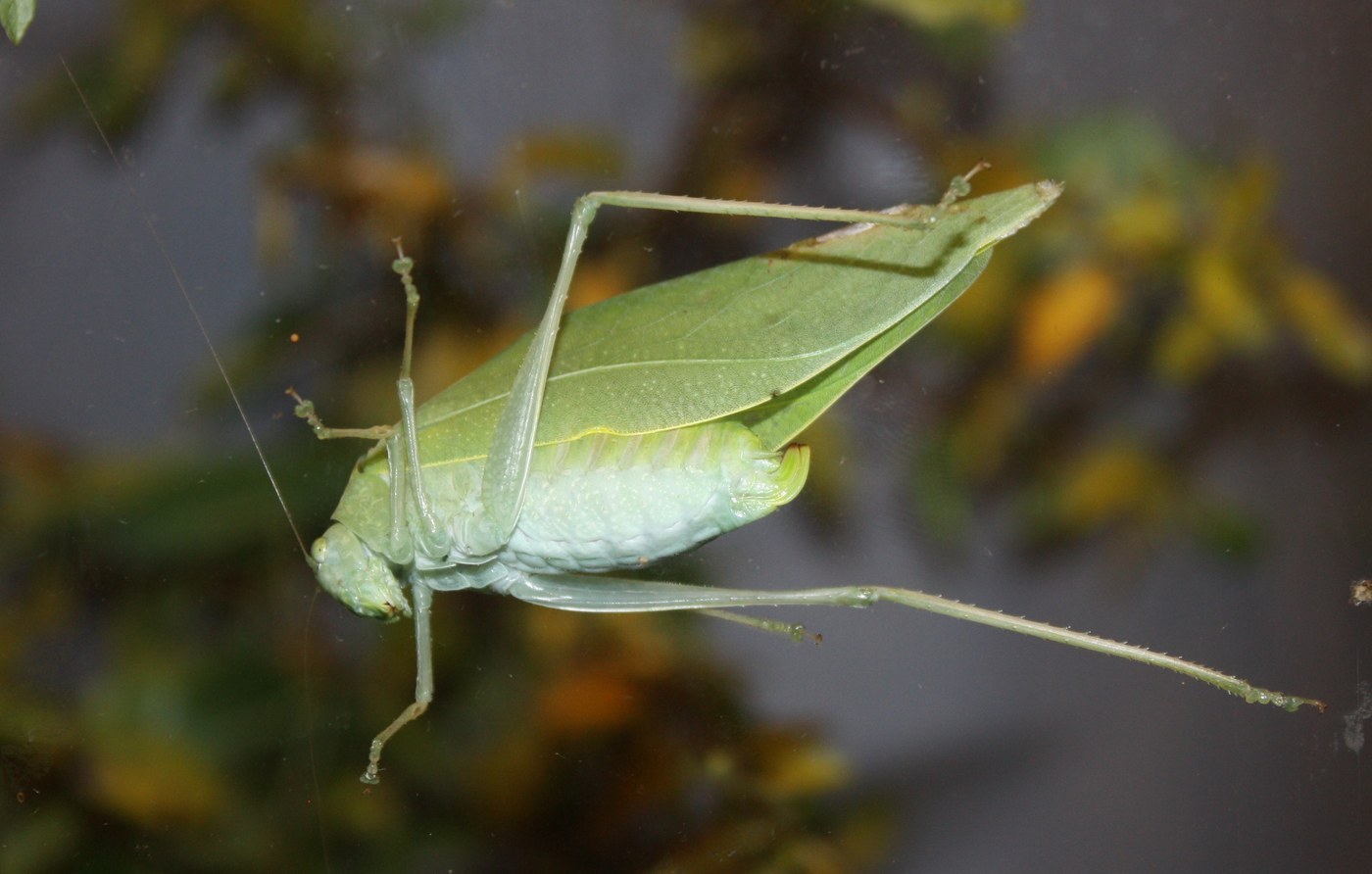
Angular-winged Katydid
deciduous trees, shrubs, and hedgerows across eastern and central North America
Spur-throated Grasshopper
grasslands, meadows, croplands, and roadsides across North America
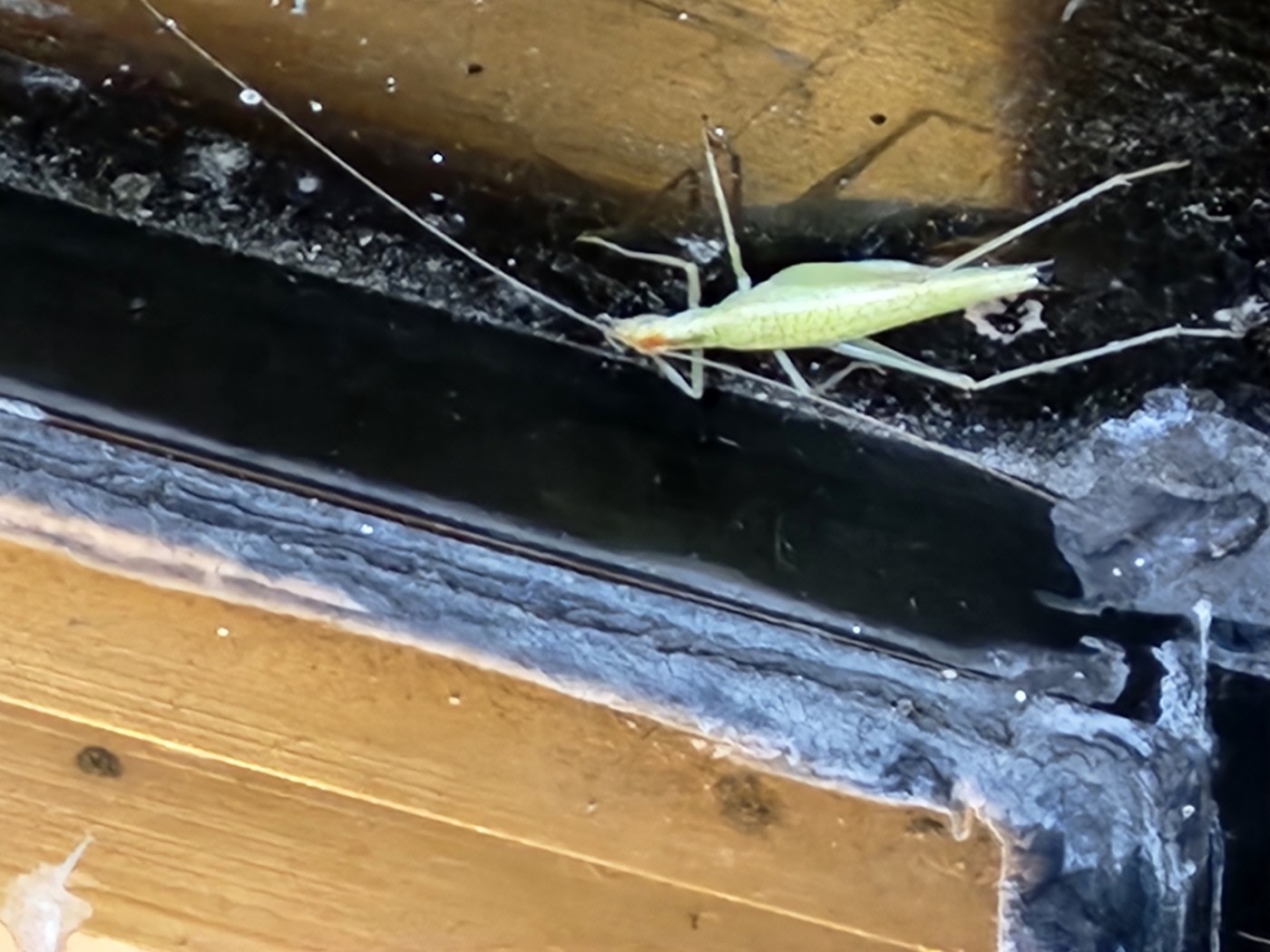
Snowy Tree Cricket
Shrubs, trees, and tall vegetation across North America
Rocky Mountain Locust
historically open grasslands and river valleys of the Rocky Mountains and Great Plains (now believed extinct)
Pygmy Grasshopper
damp soil, mud, and low vegetation near ponds, streams, and marshes
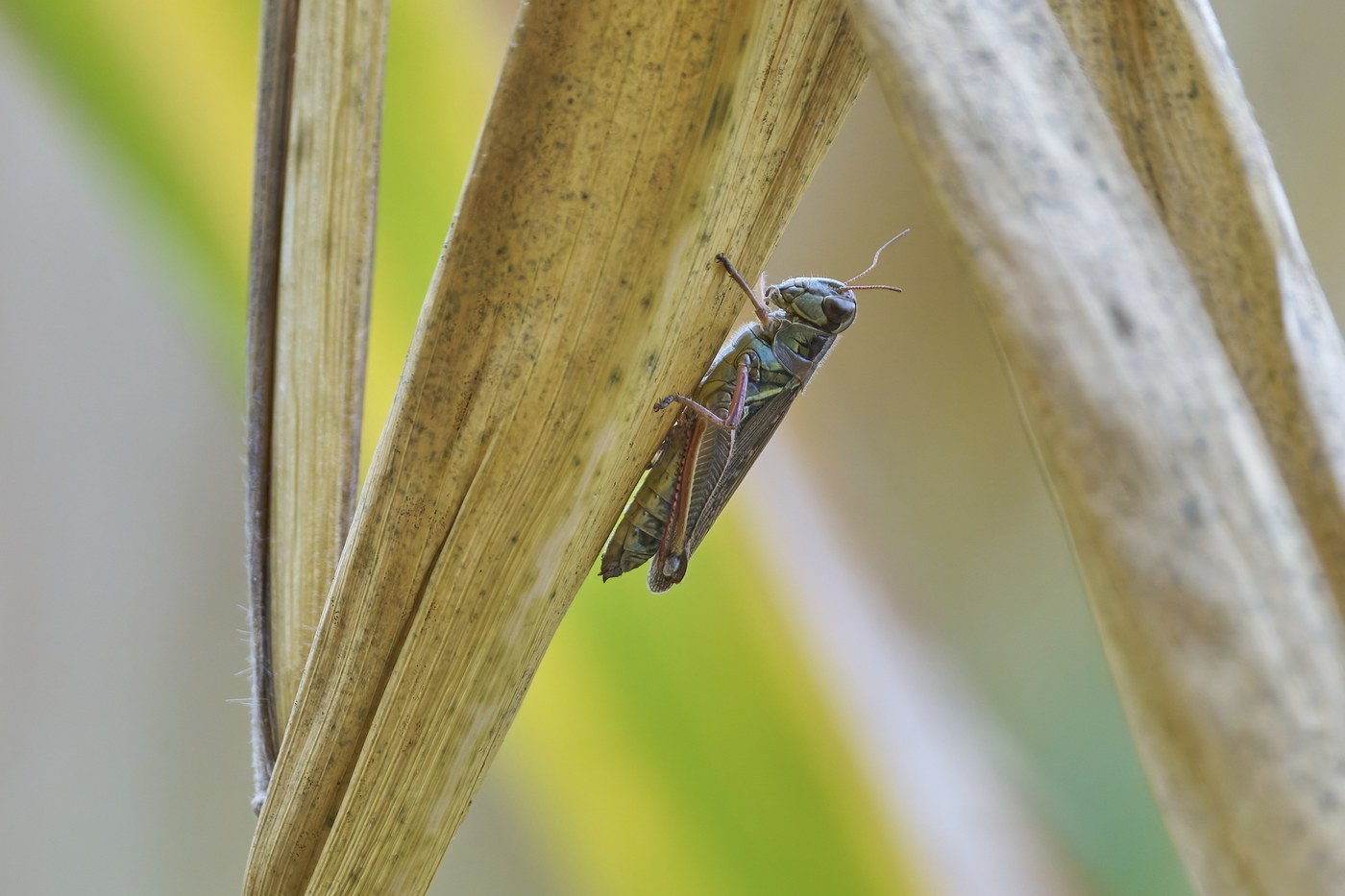
Red-legged Grasshopper
Meadows, pastures, field edges, and gardens across North America
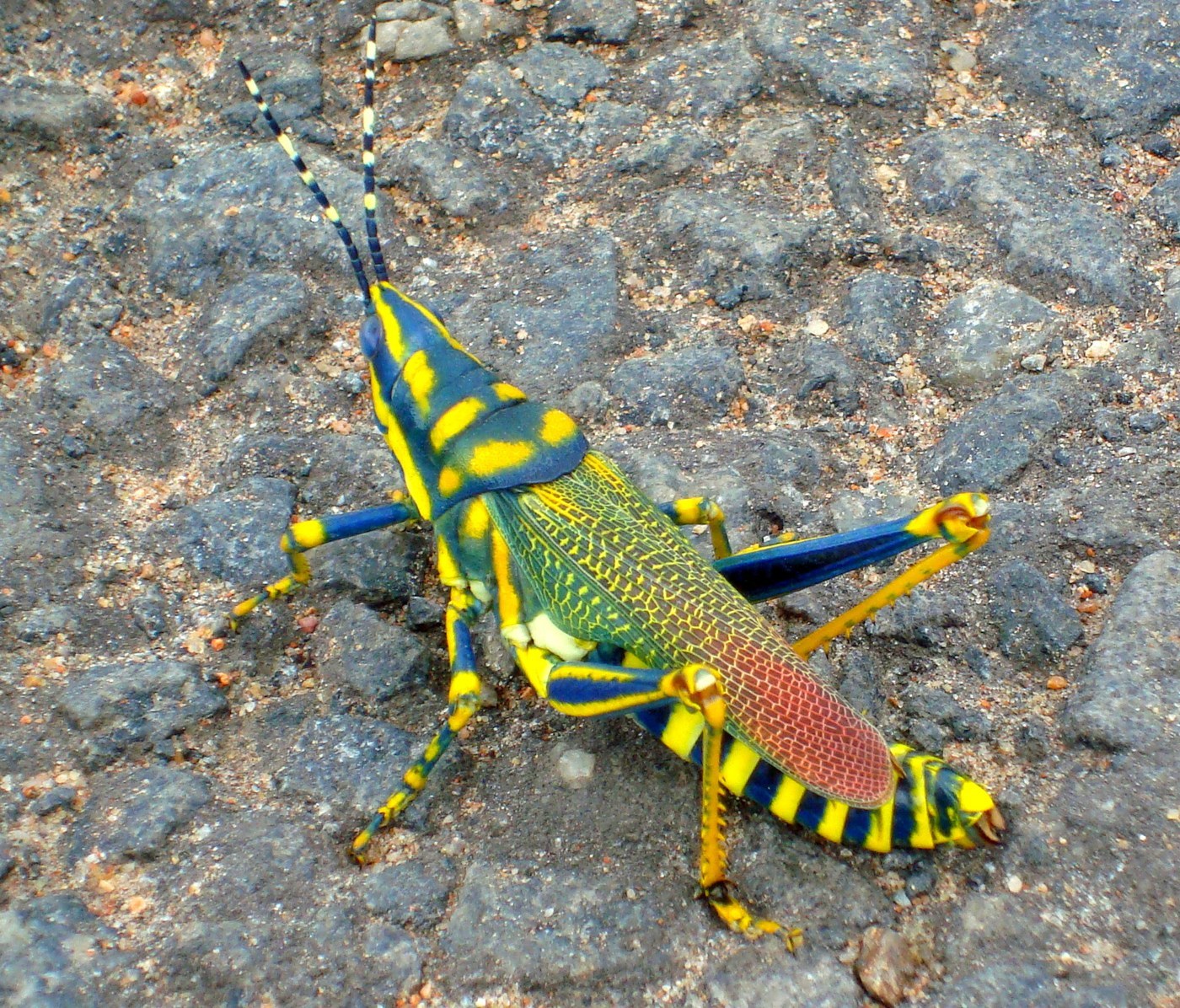
Painted Grasshopper
arid scrub, wastelands, and gardens of the Indian subcontinent, especially near milkweed plants
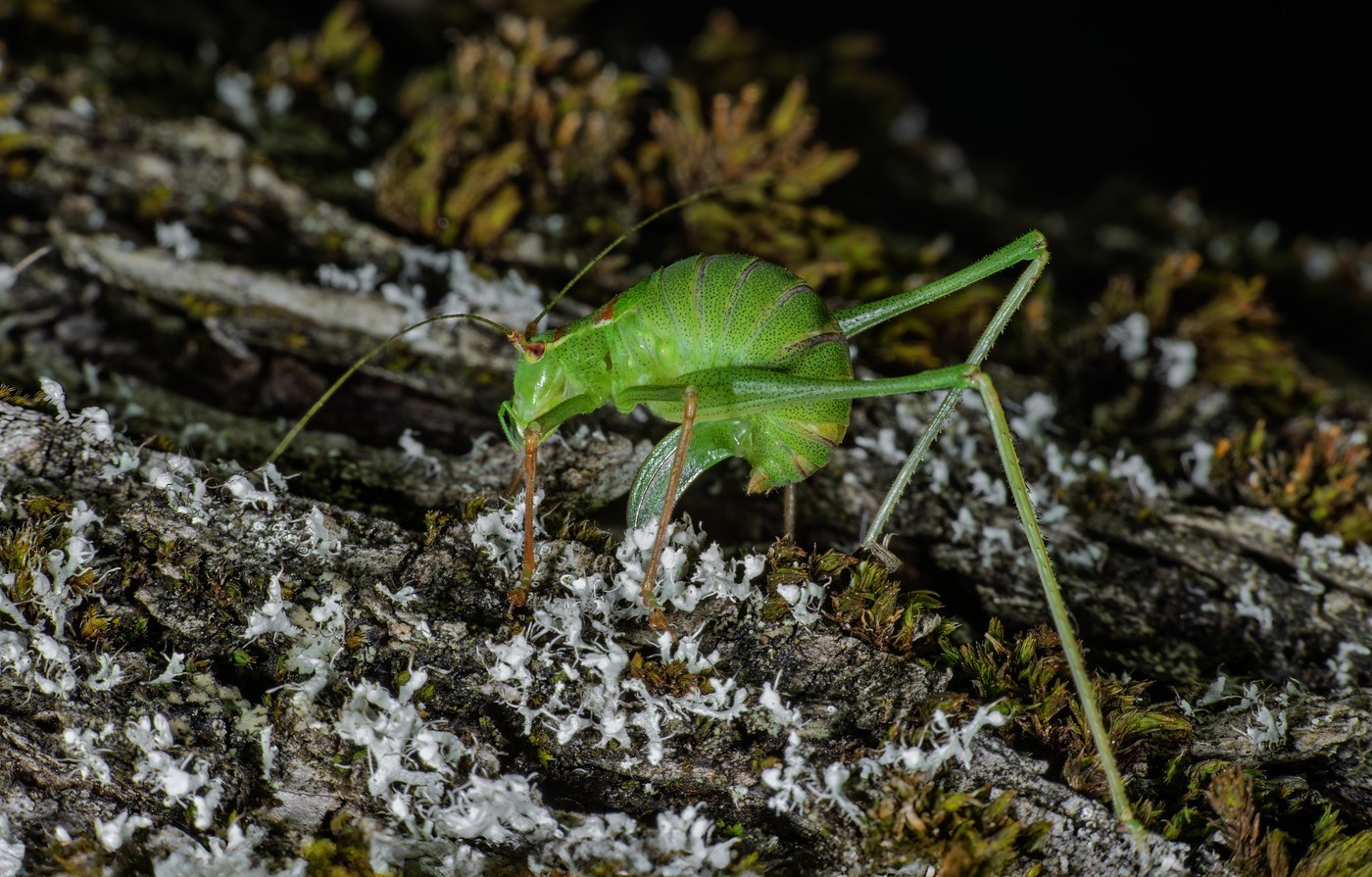
Speckled Bush Cricket
Brambles, hedgerows, nettles, and shrubby vegetation
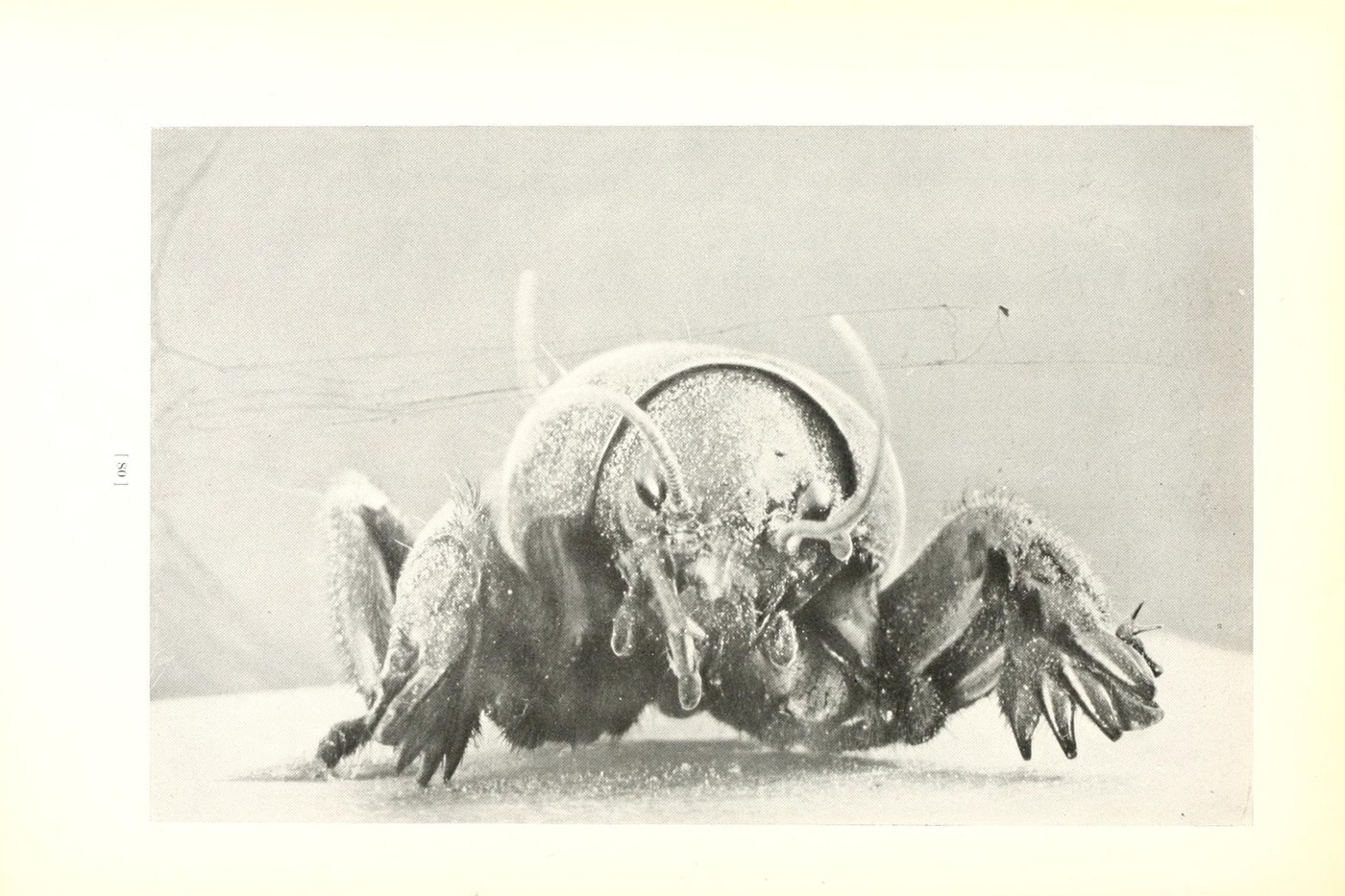
Northern Mole Cricket
wet soil, pond margins, and marshy ground across eastern and central North America
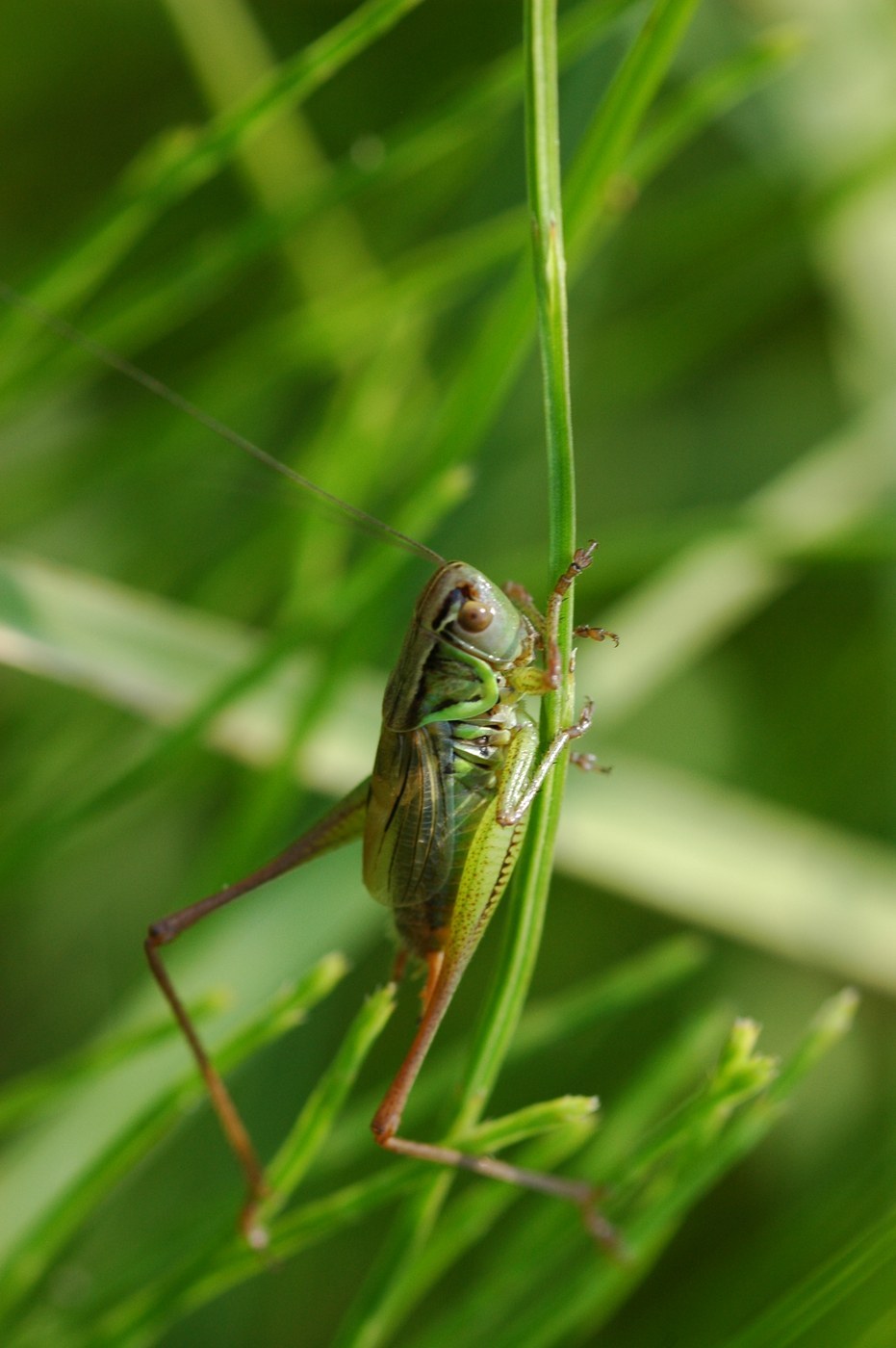
Roesel's Bush Cricket
Damp grasslands, meadows, and roadside verges