
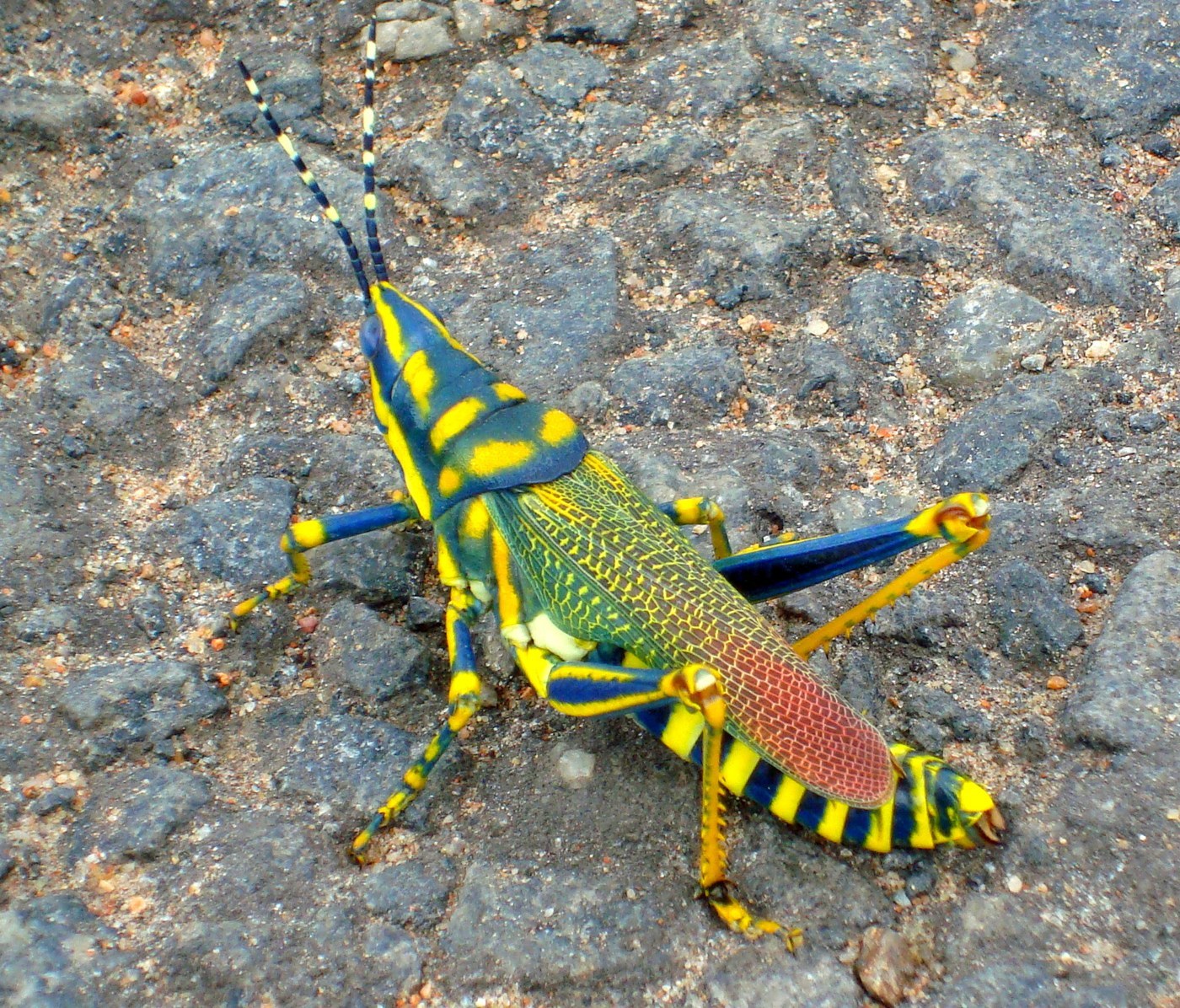
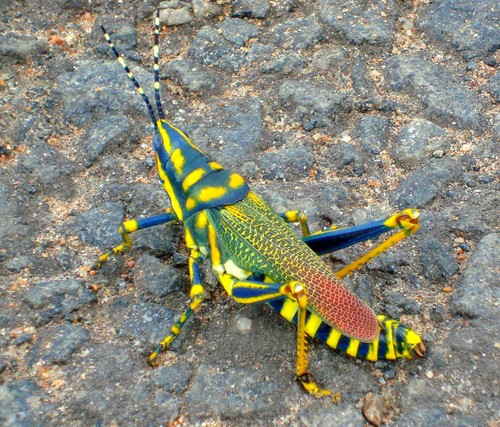
Painted Grasshopper
Poekilocerus pictus
A large, boldly striped grasshopper of South Asia whose vivid green, yellow, and black pattern warns predators that it has fed on toxic milkweed plants.
- Size
- 5–7 cm (2–2.8 in) long
- Habitat
- arid scrub, wastelands, and gardens of the Indian subcontinent, especially near milkweed plants
- Danger
- Harmless
Spotted a bug like this?
Identify any bug or insect from a photo, free.
Overview
The painted grasshopper is a large, conspicuous grasshopper found across the Indian subcontinent, easily recognized by its striking bands of green, yellow, and black. Unlike most well-camouflaged grasshoppers, it relies on bright warning coloration to advertise its unpalatability to predators, a strategy known as aposematism.
This distastefulness comes largely from its diet: the species feeds heavily on Calotropis and other milkweed-family plants, sequestering plant toxins in its body. Both adults and the equally colorful nymphs can also release a foul-smelling defensive froth when disturbed.
How to Identify
- Robust, large-bodied grasshopper, 5–7 cm long
- Bright green or yellow ground color crossed with bold black stripes and bands
- Legs often marked with alternating black and yellow bands
- Wings relatively short in some individuals and do not always fully conceal the colorful abdomen
- Nymphs are wingless but share the same vivid warning coloration as adults
Habitat & Range
Found in arid and semi-arid scrubland, wastelands, roadside vegetation, and gardens across India, Pakistan, and neighboring parts of South Asia, wherever Calotropis (milkweed) and related plants grow.
Behavior & Diet
Feeds primarily on Calotropis and other toxic milkweed-family plants, from which it derives chemical defenses. When disturbed it can spray a foul-smelling defensive froth from spiracles along its body. It is a relatively slow-moving, conspicuous insect that relies on warning coloration rather than concealment, and can occasionally be found feeding on garden ornamentals.
Life Cycle
Eggs are laid in pods in soil. Nymphs hatch already brightly colored and wingless, and pass through several instars while retaining their warning pattern before molting into winged adults. In warm climates the species can produce more than one generation per year.
Frequently asked questions
Why is the painted grasshopper so brightly colored?
Its vivid green, yellow, and black pattern is a warning display (aposematism) signaling that it is distasteful due to toxins absorbed from its milkweed diet.
What does it eat?
It feeds mainly on Calotropis and other milkweed-family plants, along with some other scrubland vegetation.
Is it a garden pest?
It can feed on garden and ornamental plants but is not typically considered a major agricultural pest.
Can it fly well?
It has wings but is a relatively weak flier, spending most of its time walking or hopping among vegetation.
Painted Grasshopper guides
In-depth guides for identifying, understanding, and living alongside Painted Grasshopper.
Other bugs you may enjoy
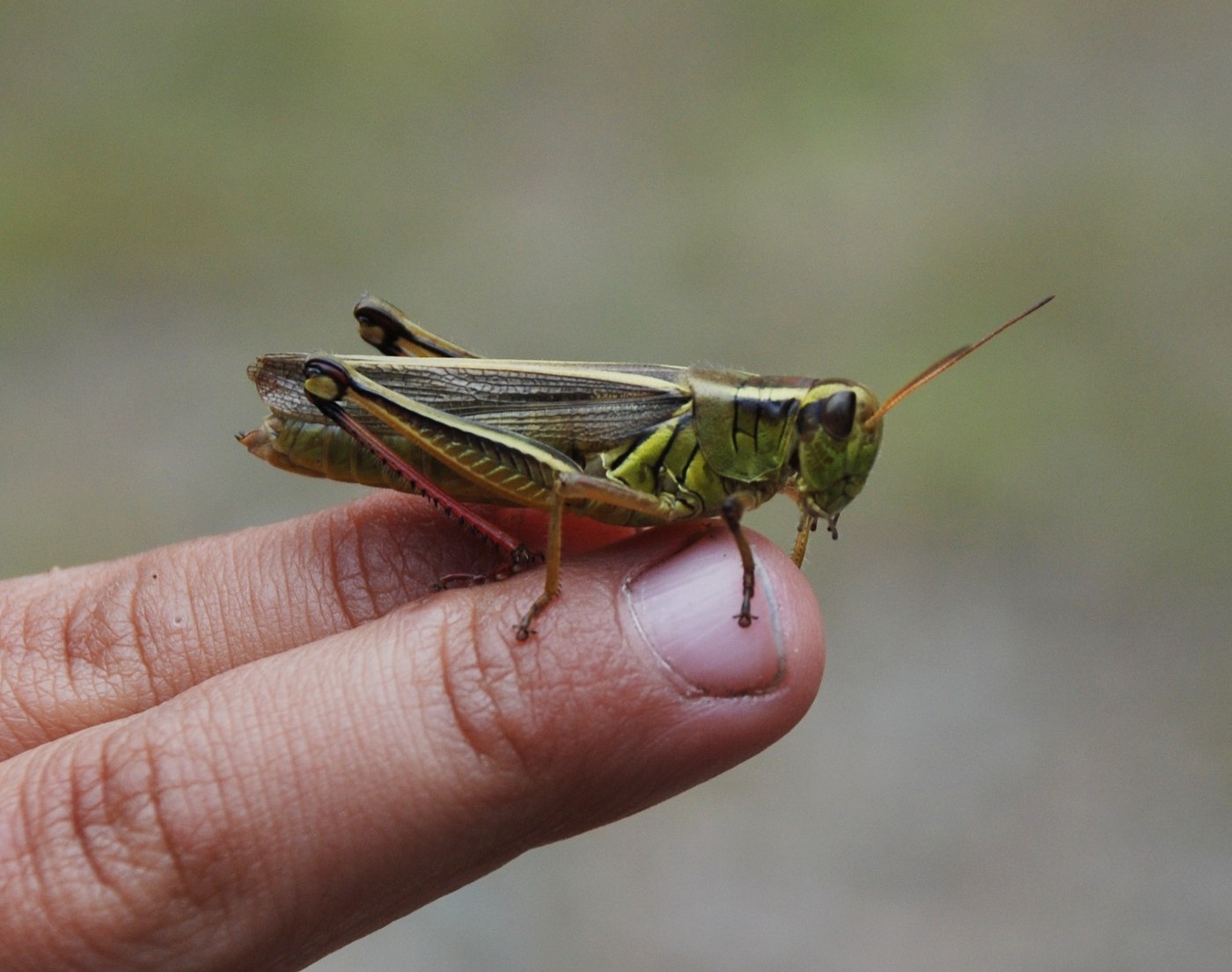
Two-striped Grasshopper
Meadows, pastures, riverbanks, and agricultural fields across North America
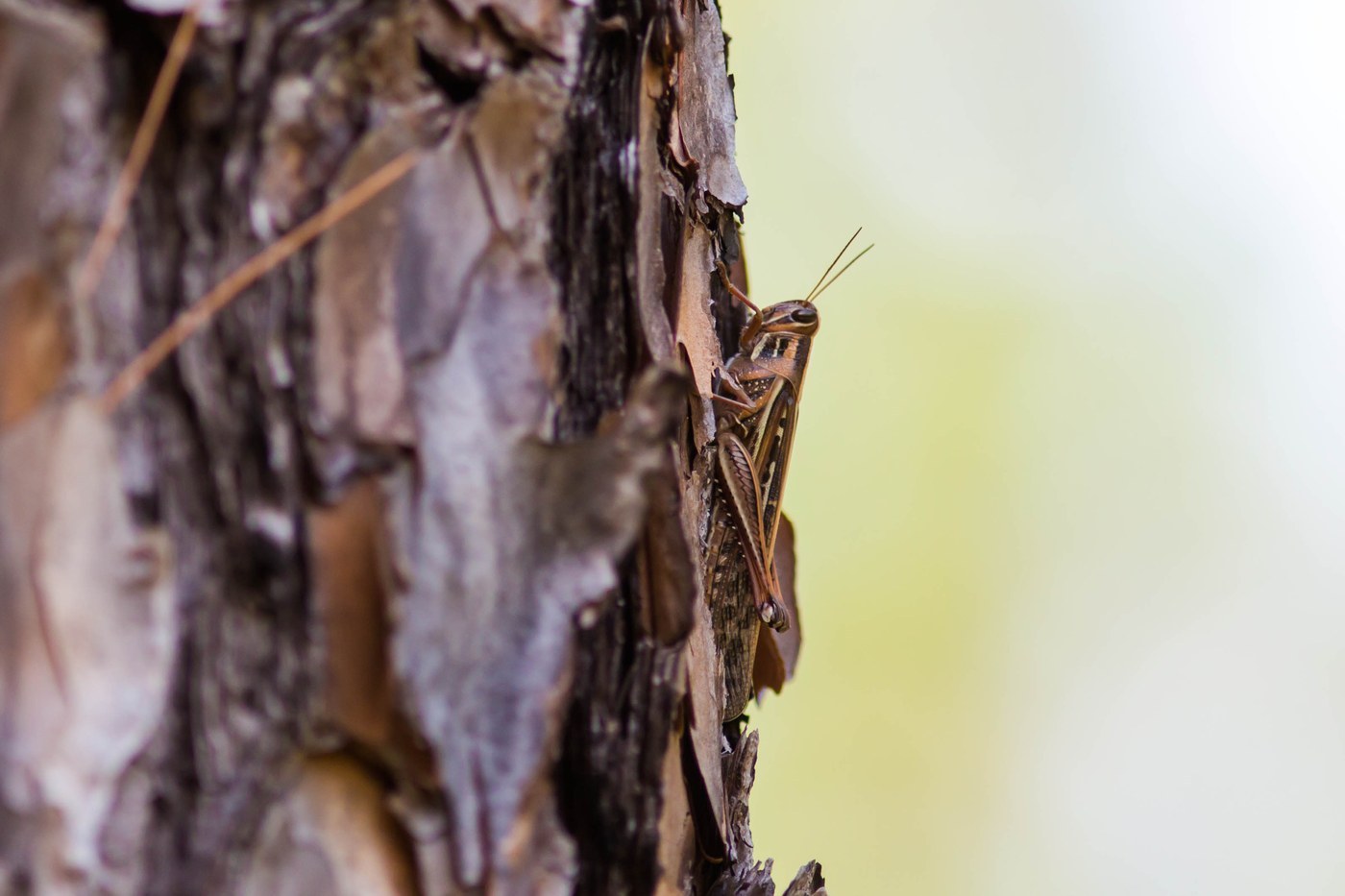
American Grasshopper
Woodland edges, citrus groves, gardens, and open fields across the southern and southeastern United States
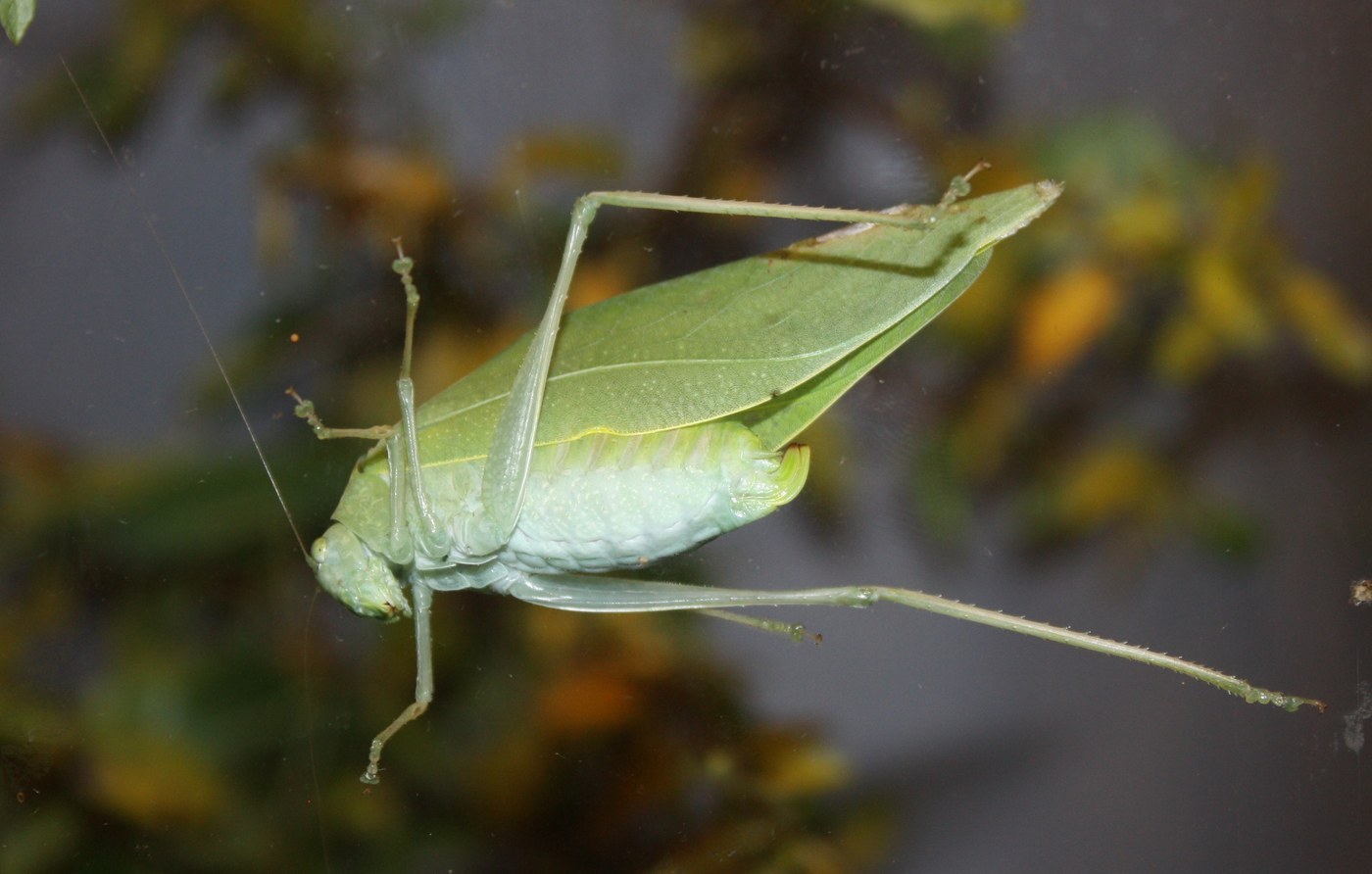
Angular-winged Katydid
deciduous trees, shrubs, and hedgerows across eastern and central North America
Spur-throated Grasshopper
grasslands, meadows, croplands, and roadsides across North America
Snowy Tree Cricket
Shrubs, trees, and tall vegetation across North America
Rocky Mountain Locust
historically open grasslands and river valleys of the Rocky Mountains and Great Plains (now believed extinct)
Spotted Camel Cricket
damp caves, crawl spaces, basements, leaf litter, and rotting logs in eastern North America
Pygmy Grasshopper
damp soil, mud, and low vegetation near ponds, streams, and marshes
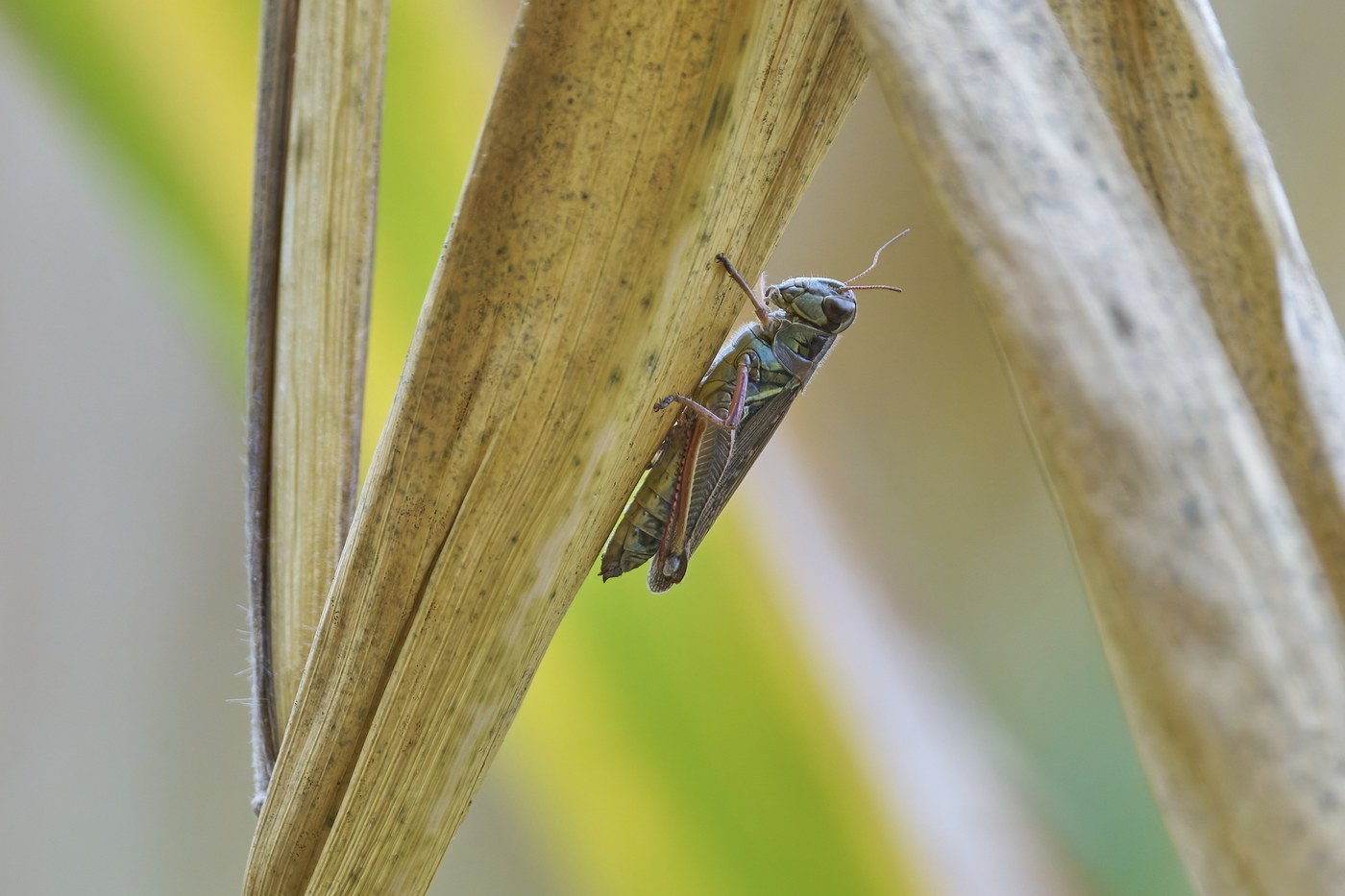
Red-legged Grasshopper
Meadows, pastures, field edges, and gardens across North America
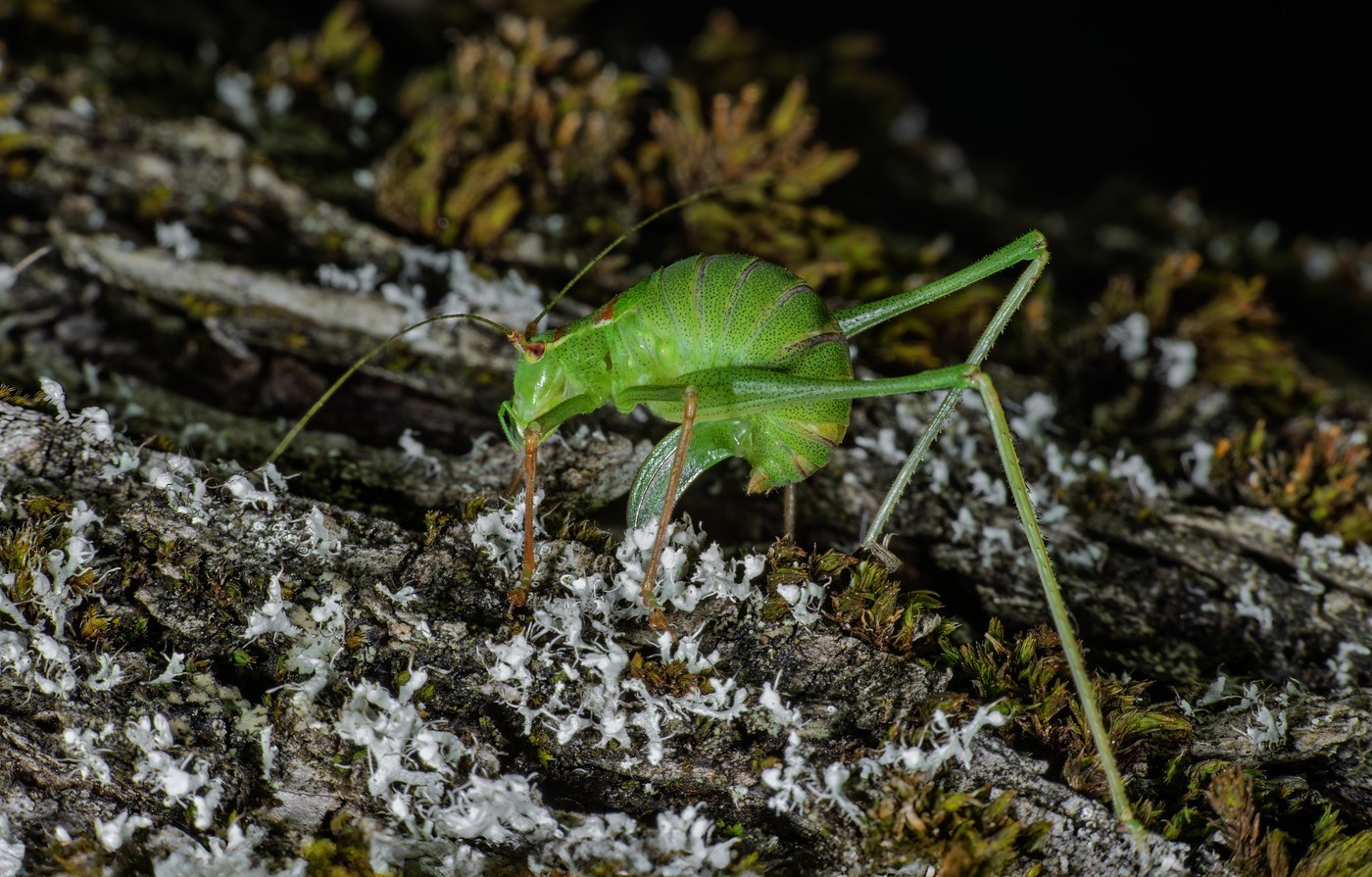
Speckled Bush Cricket
Brambles, hedgerows, nettles, and shrubby vegetation
Northern Mole Cricket
wet soil, pond margins, and marshy ground across eastern and central North America
Roesel's Bush Cricket
Damp grasslands, meadows, and roadside verges