
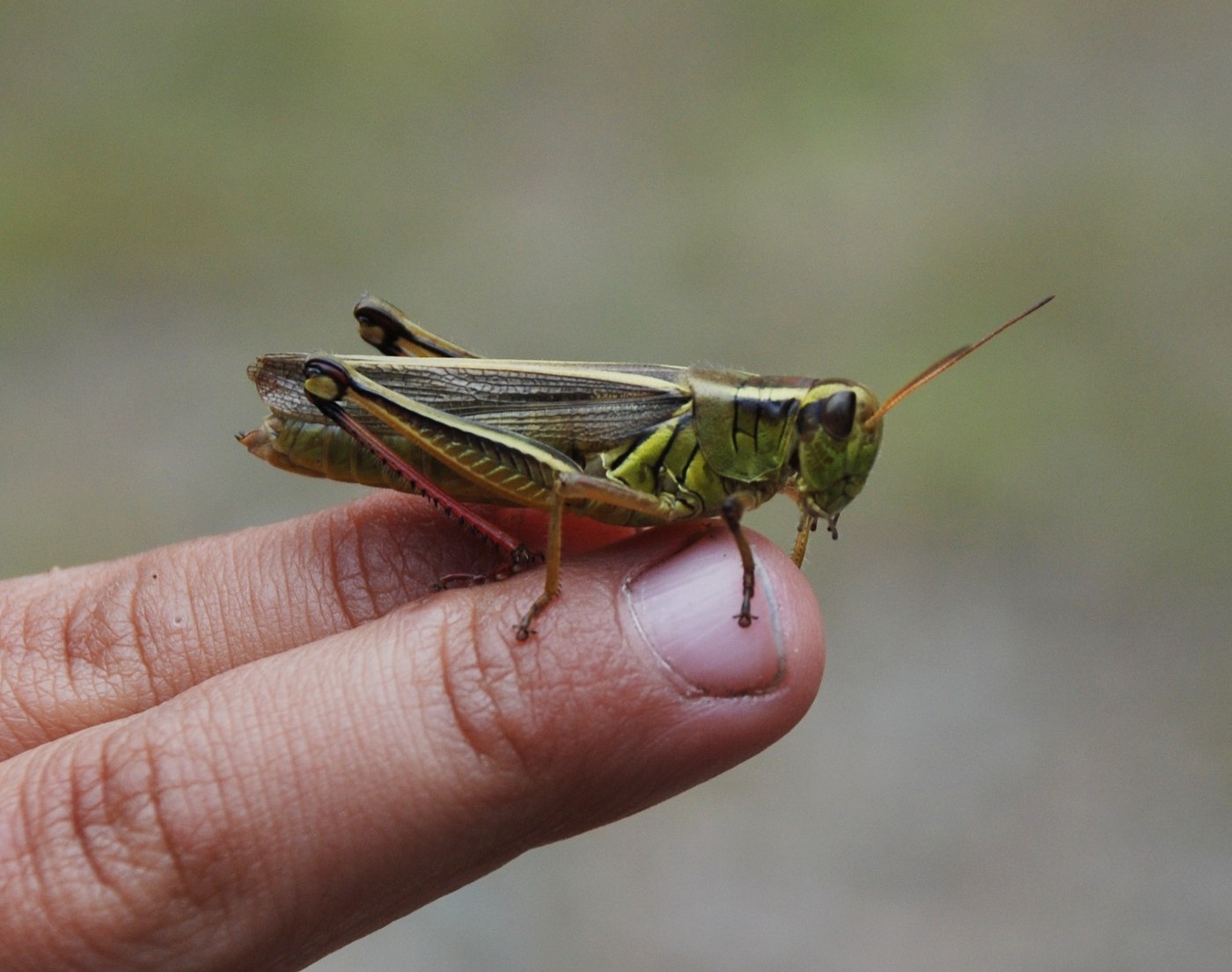
Two-striped Grasshopper
Melanoplus bivittatus
Easily spotted by the pair of pale cream stripes running the length of its body, the two-striped grasshopper is one of the largest and most economically important grasshoppers in North America.
- Size
- 2.5–4.8 cm (1–1.9 in) long
- Habitat
- Meadows, pastures, riverbanks, and agricultural fields across North America
- Danger
- Harmless
Spotted a bug like this?
Identify any bug or insect from a photo, free.
Overview
The two-striped grasshopper is a large, widely distributed species found across most of the United States and Canada, favoring lush, moist grassland habitats such as riverbanks, irrigated fields, and meadows. It is one of the larger native grasshoppers on the continent and is considered an important agricultural pest species in some regions, particularly in the northern Great Plains and Canadian prairies.
The species gets its common name from a pair of distinct pale yellow to cream stripes running from the head, along the top of the pronotum, and onto the forewings, contrasting against an otherwise olive-brown to yellowish body. This bold striping pattern makes it one of the more readily identifiable large grasshoppers in its range.
Because it favors moist, productive habitats often adjacent to or overlapping with cropland, the two-striped grasshopper periodically reaches high densities that can affect hay, grain, and vegetable crops, making it one of the more closely monitored grasshopper species in agricultural pest management programs across the northern United States and Canada.
How to Identify
- Large, robust body with olive-brown to yellowish-green overall coloring.
- Two distinct pale cream or yellow stripes running from the head across the pronotum and onto the forewings.
- Hind femurs are typically yellow with dark markings; hind tibiae often reddish or yellow.
- Wings extend to or beyond the tip of the abdomen in adults.
- Distinguished from the differential grasshopper, which has a herringbone leg pattern rather than dorsal stripes.
- Nymphs show the paired stripe pattern from an early instar.
Habitat & Range
This species is found across most of the United States and Canada, favoring moist, lush grassland habitats including riverbanks, irrigated pastures, roadside ditches, and the margins of agricultural fields. It is especially prevalent in the northern Great Plains and Canadian prairie provinces, where it can become a significant crop pest in outbreak years.
Behavior & Diet
Two-striped grasshoppers are generalist feeders, consuming a wide variety of grasses, broadleaf weeds, and cultivated crops including alfalfa, small grains, and vegetables. They favor moist, green vegetation and tend to concentrate in irrigated or riparian habitats, sometimes moving into adjacent croplands as vegetation dries elsewhere. As abundant grassland herbivores, they are an important food source for birds and other insectivorous predators.
Life Cycle
Females lay egg pods in the soil in late summer and fall, and eggs overwinter before hatching in mid to late spring. Nymphs pass through several instars of incomplete metamorphosis over the summer, reaching adulthood by mid to late summer. There is typically one generation per year.
Frequently asked questions
How do I identify a two-striped grasshopper?
Look for the pair of pale cream or yellow stripes running from the head across the back and onto the wings, combined with its large size.
Where do two-striped grasshoppers live?
They occur across most of the United States and Canada, especially in moist meadows, riverbanks, and irrigated agricultural areas.
Is the two-striped grasshopper a crop pest?
It is considered an economically important pest species in parts of the northern Great Plains and Canadian prairies during outbreak years.
What do two-striped grasshoppers eat?
They feed on a wide range of grasses, weeds, and crops such as alfalfa and small grains.
Two-striped Grasshopper guides
In-depth guides for identifying, understanding, and living alongside Two-striped Grasshopper.
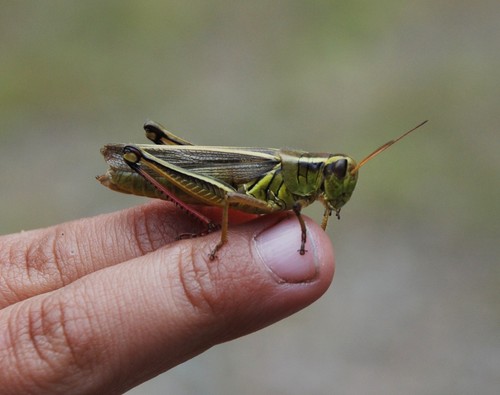
Two-striped Grasshopper identified by the community
Real finds identified with Bug Identifier.
Other bugs you may enjoy
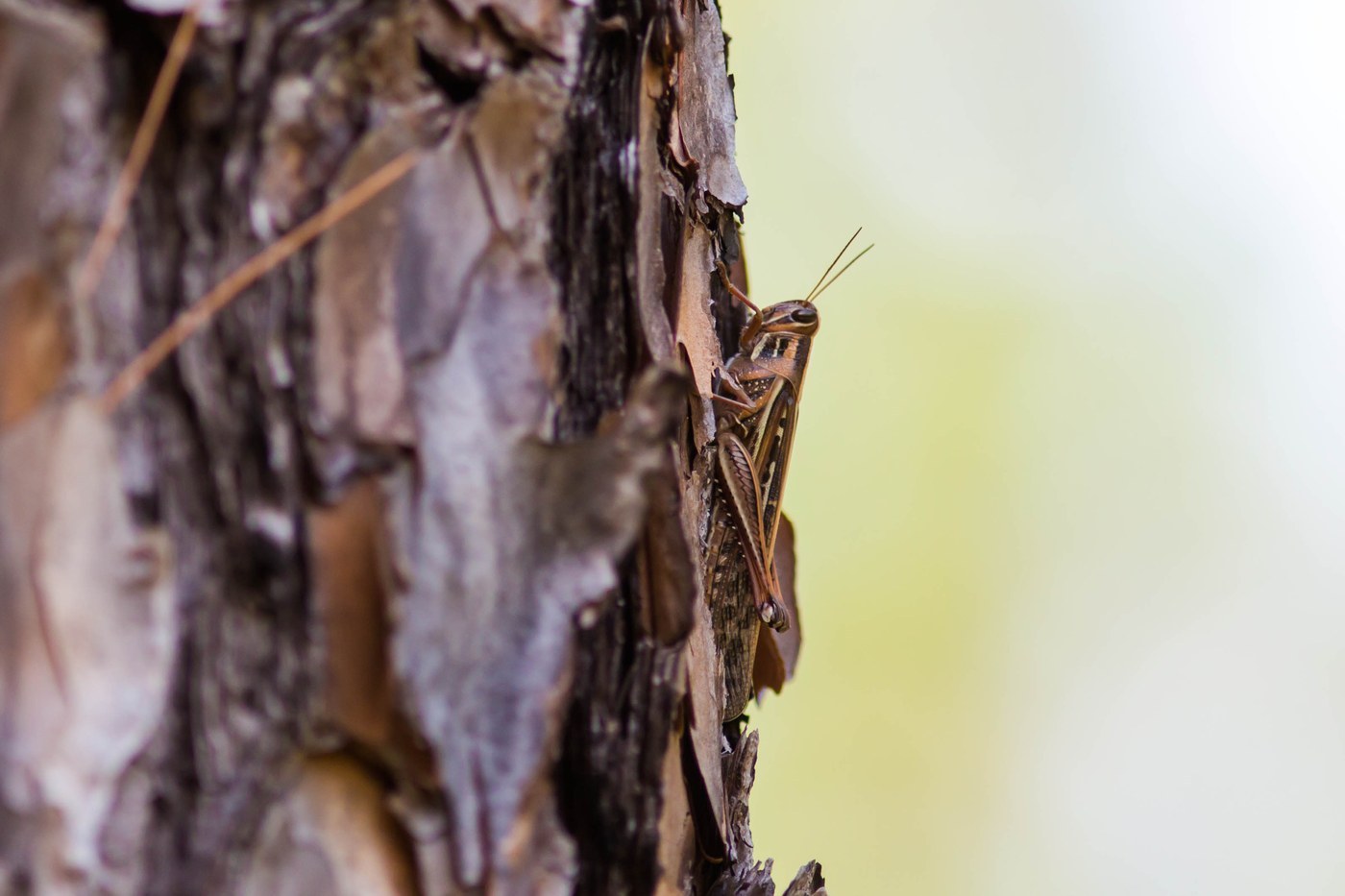
American Grasshopper
Woodland edges, citrus groves, gardens, and open fields across the southern and southeastern United States
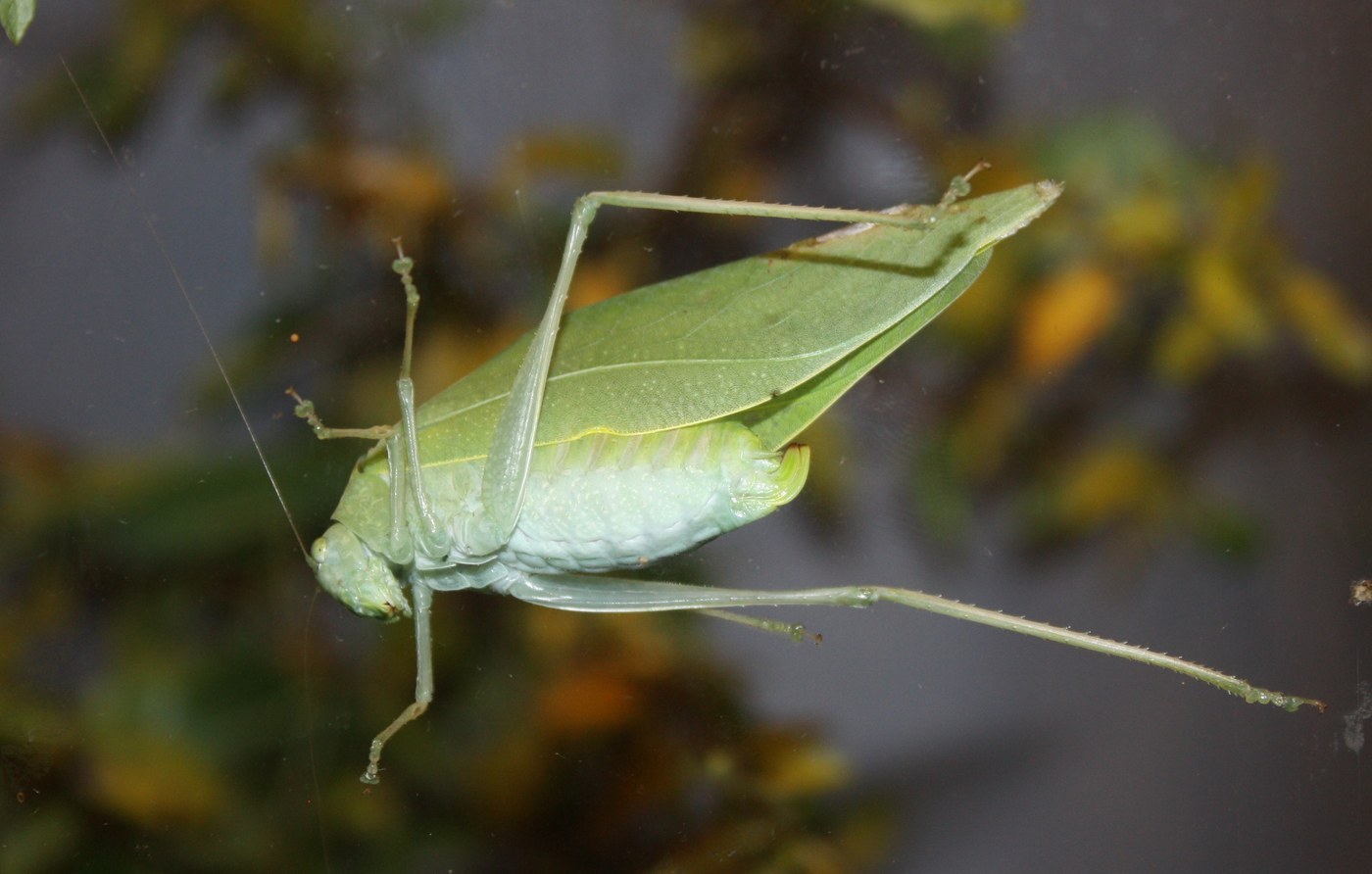
Angular-winged Katydid
deciduous trees, shrubs, and hedgerows across eastern and central North America
Spur-throated Grasshopper
grasslands, meadows, croplands, and roadsides across North America
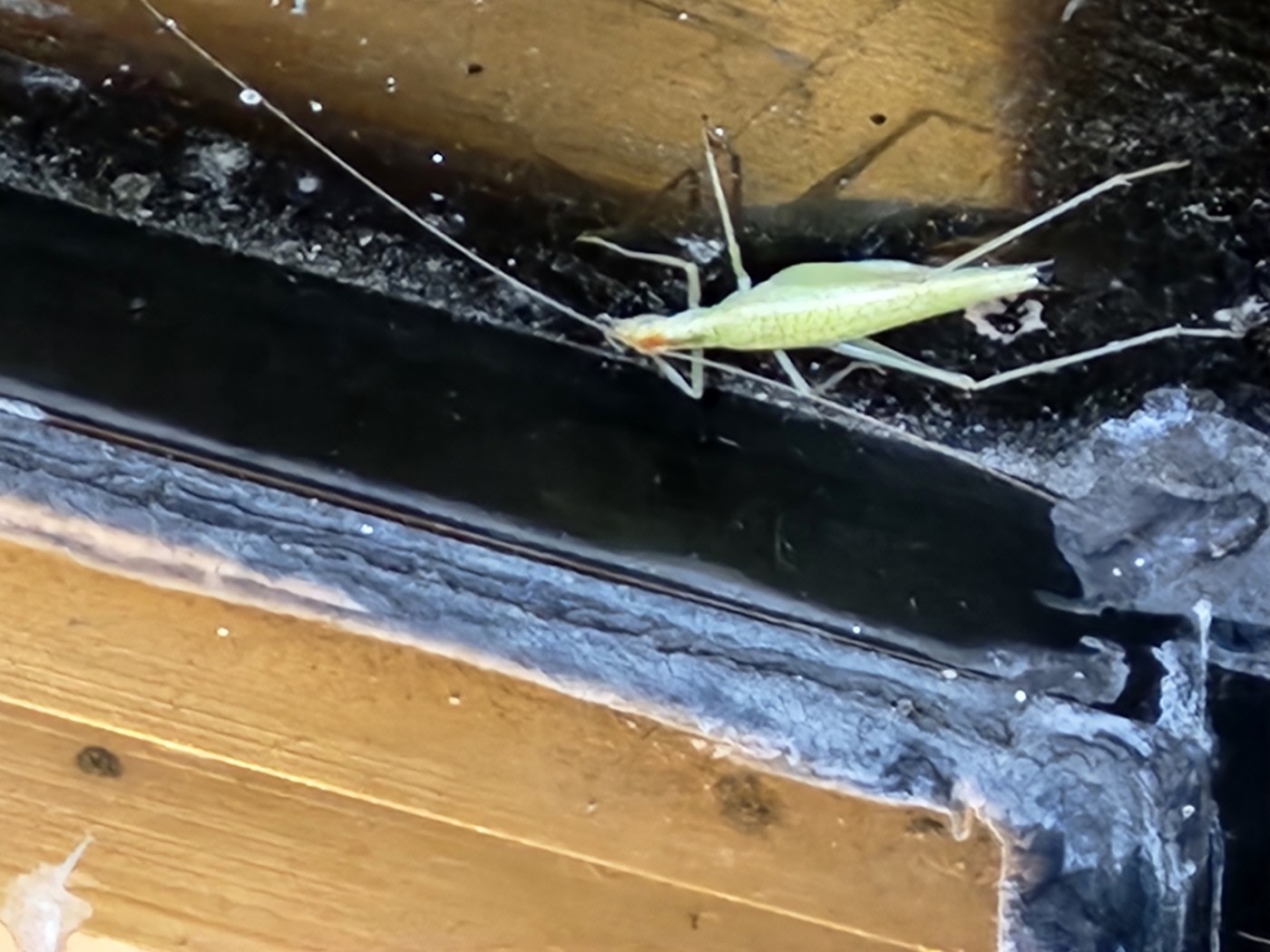
Snowy Tree Cricket
Shrubs, trees, and tall vegetation across North America
Rocky Mountain Locust
historically open grasslands and river valleys of the Rocky Mountains and Great Plains (now believed extinct)
Spotted Camel Cricket
damp caves, crawl spaces, basements, leaf litter, and rotting logs in eastern North America
Pygmy Grasshopper
damp soil, mud, and low vegetation near ponds, streams, and marshes
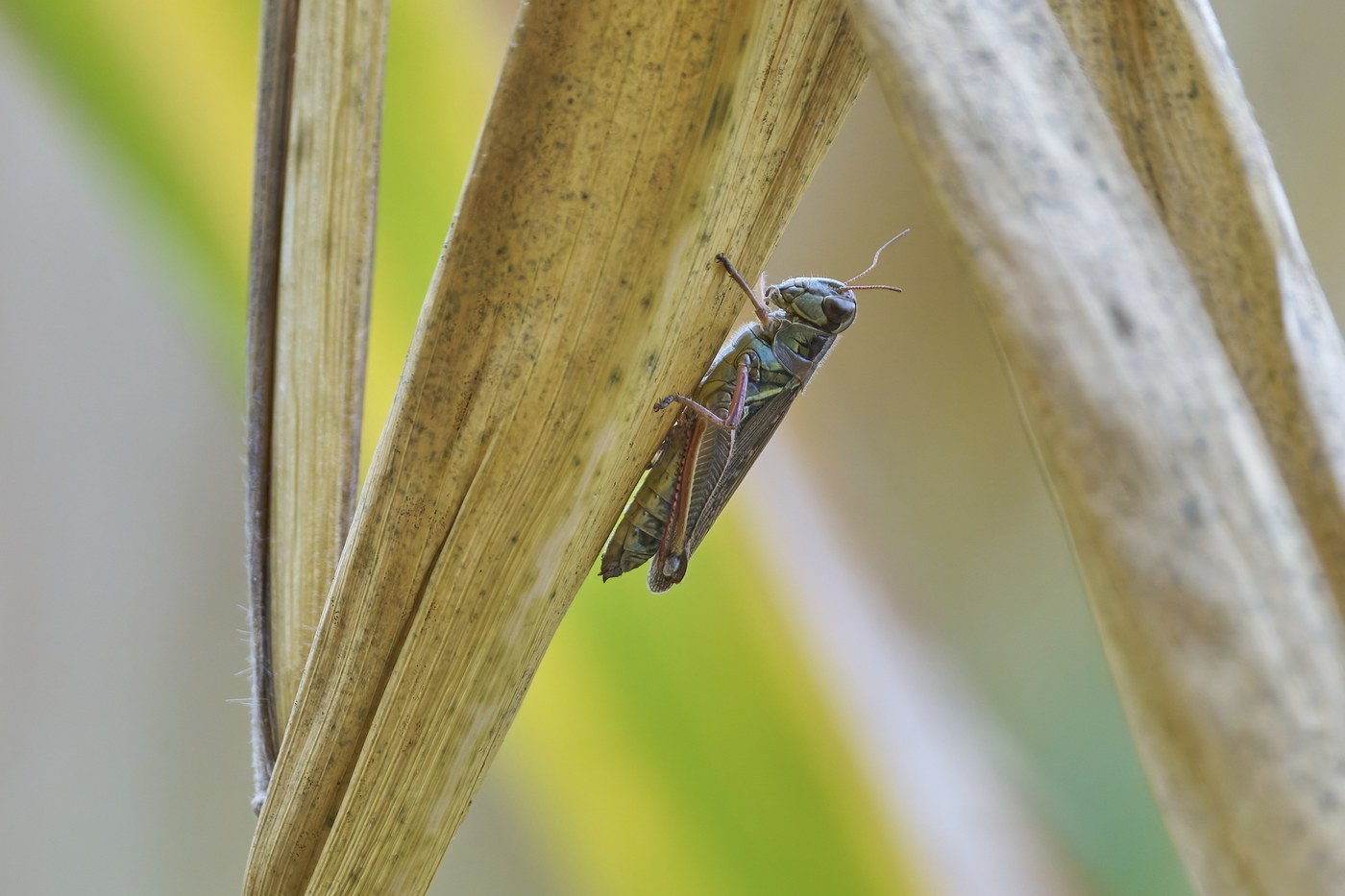
Red-legged Grasshopper
Meadows, pastures, field edges, and gardens across North America
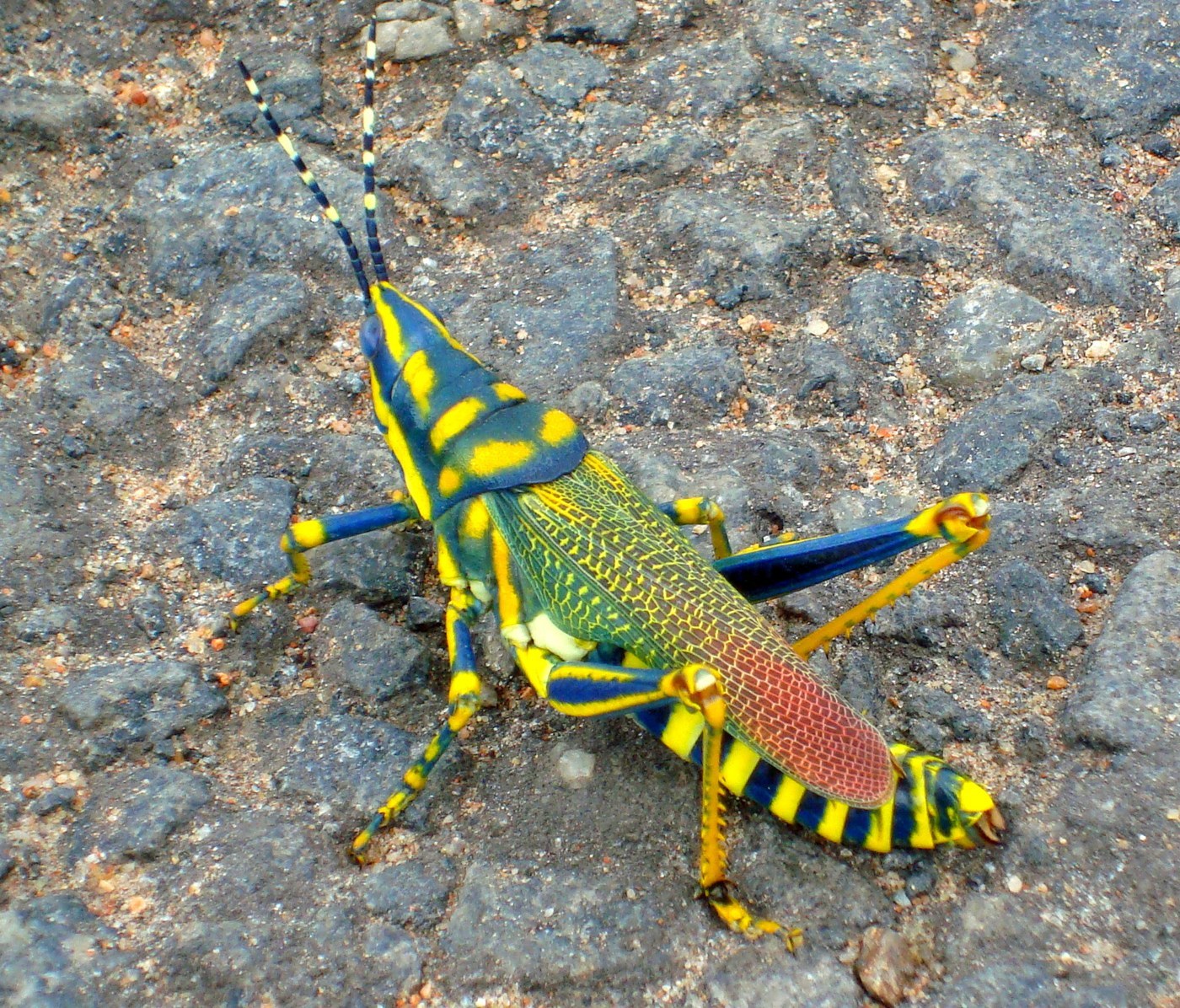
Painted Grasshopper
arid scrub, wastelands, and gardens of the Indian subcontinent, especially near milkweed plants
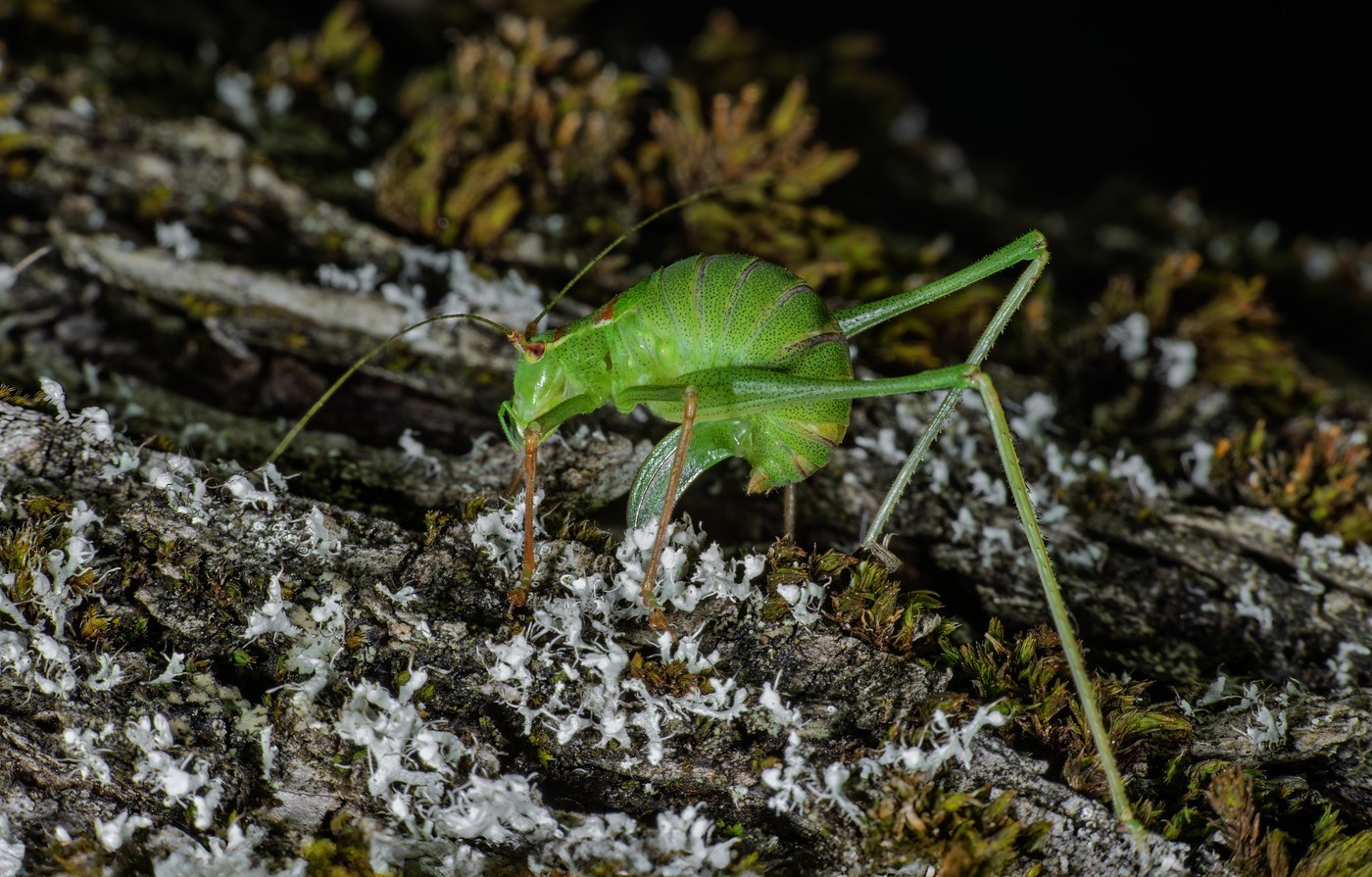
Speckled Bush Cricket
Brambles, hedgerows, nettles, and shrubby vegetation
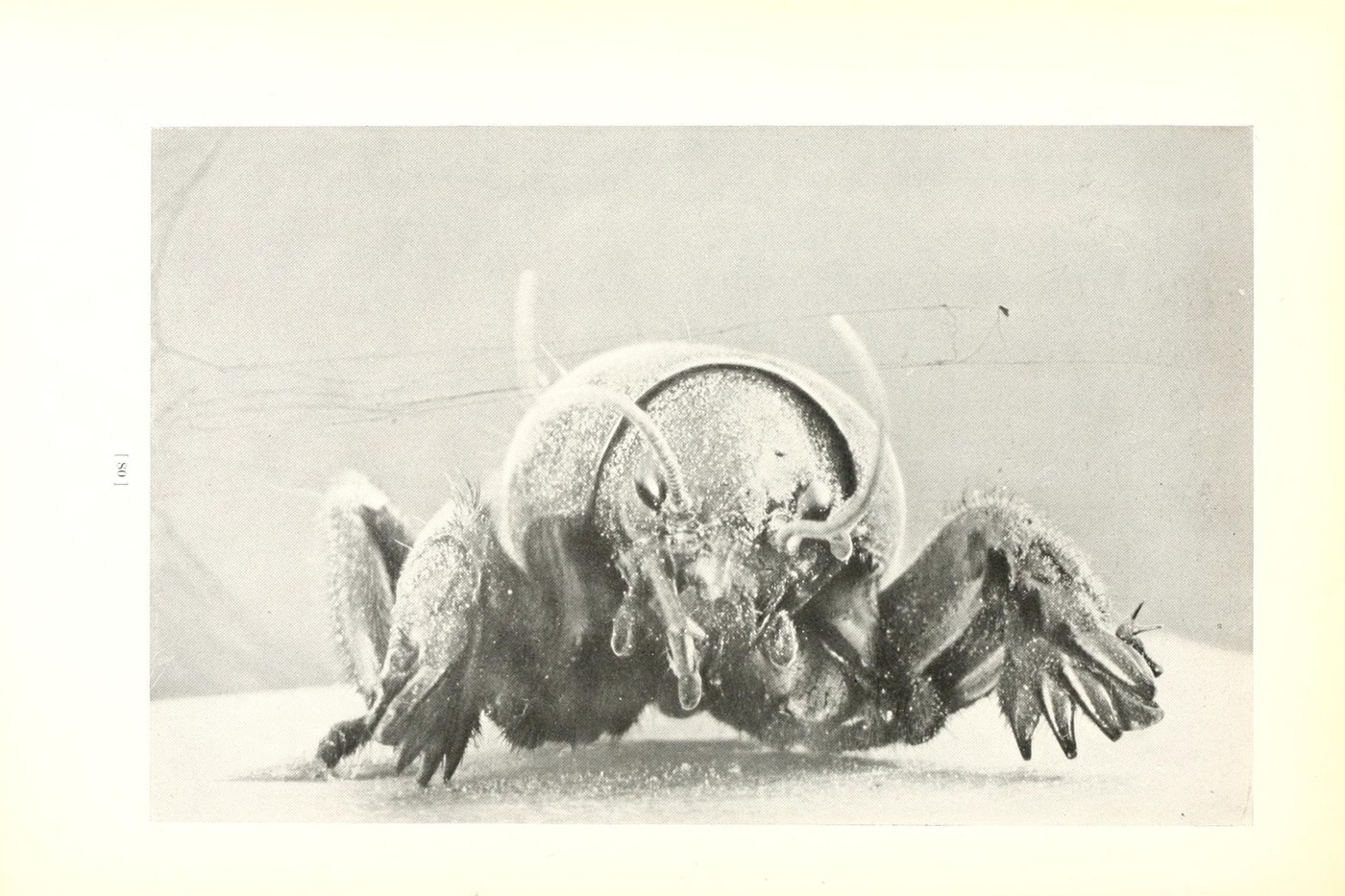
Northern Mole Cricket
wet soil, pond margins, and marshy ground across eastern and central North America
Roesel's Bush Cricket
Damp grasslands, meadows, and roadside verges