
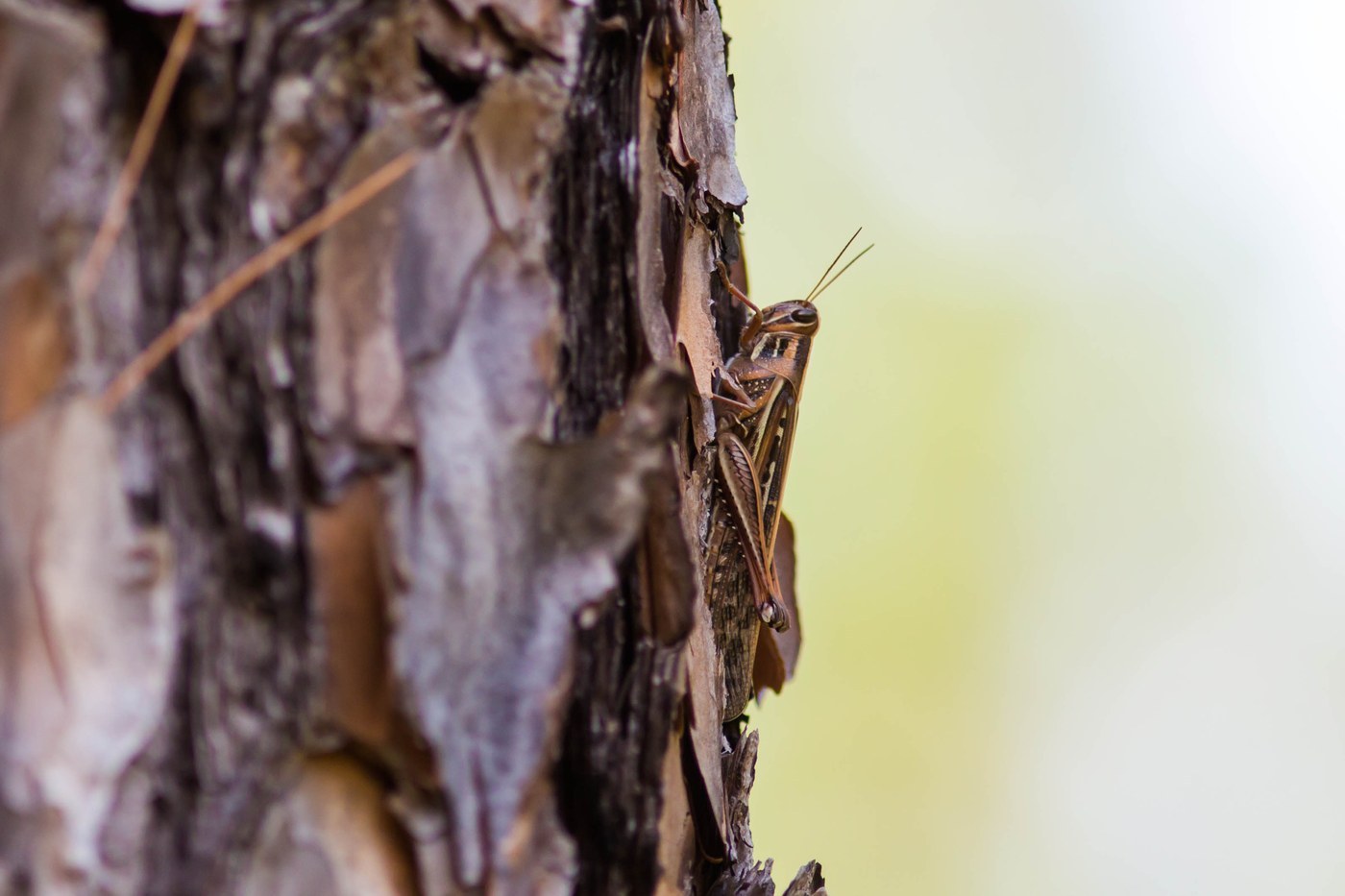
American Grasshopper
Schistocerca americana
A large, strong-flying grasshopper related to the locusts of the Old World, the American grasshopper can occasionally form dense, damaging aggregations across the southern United States.
- Size
- 4.5–7 cm (1.8–2.8 in) long
- Habitat
- Woodland edges, citrus groves, gardens, and open fields across the southern and southeastern United States
- Danger
- Harmless
Spotted a bug like this?
Identify any bug or insect from a photo, free.
Overview
The American grasshopper is a large member of the bird grasshopper group, genus Schistocerca, found primarily across the southern and southeastern United States, with its range extending into Mexico and the Caribbean. As a close relative of the desert locust and other swarming species, it shares the strong flight capability and large size typical of this genus, though it does not form the massive, long-distance swarms associated with true locusts.
Adults are reddish-brown with darker mottling and pale markings along the wings, and their large size combined with strong flight makes them capable of covering considerable distances when disturbed. This species is sometimes considered a minor to moderate agricultural and garden pest in parts of its range, particularly affecting citrus and other tree crops in the Gulf Coast states.
Populations of the American grasshopper can build up periodically in favorable years, leading to locally dense aggregations of nymphs and adults, though outbreaks are typically far more localized and less catastrophic than those of true locust species.
How to Identify
- Large body size with a reddish-brown to tan base color and darker mottled markings.
- Long wings extending well past the tip of the abdomen, enabling strong flight.
- Pale stripe often visible running along the top of the head and pronotum.
- Robust hind femurs, though this species relies heavily on flight rather than jumping alone.
- Nymphs are often gregarious and darker with more contrasting markings than adults.
- Distinguished from other Schistocerca species primarily by geographic range and subtle coloration differences.
Habitat & Range
This species occurs across the southern and southeastern United States, including the Gulf Coast states and Florida, extending into Mexico and parts of the Caribbean. It favors woodland edges, citrus and other tree crop plantings, gardens, and open fields, often congregating on shrubs and trees rather than staying strictly in grassy areas.
Behavior & Diet
American grasshoppers feed on a broad range of plants, including grasses, shrubs, and tree foliage, with citrus and other cultivated trees sometimes affected during periods of high abundance. Nymphs are often gregarious, clustering together on host plants, while adults disperse more widely and are capable of strong, sustained flight. As with other grasshoppers, they serve as prey for birds and other predators and contribute to plant-insect interactions within their habitats.
Life Cycle
Eggs are laid in pods in the soil, and in the warmer parts of its range this species may produce two generations per year, with eggs overwintering to produce a spring generation and a second generation appearing later in the year. Nymphs develop through incomplete metamorphosis over several instars, often remaining gregarious in early stages before dispersing as winged adults.
Frequently asked questions
Is the American grasshopper a true locust?
It belongs to the same genus as the desert locust and shares some traits like strong flight, but it does not form the massive migratory swarms associated with true locust outbreaks.
Where is the American grasshopper found?
It occurs across the southern and southeastern United States, into Mexico and parts of the Caribbean.
What do American grasshoppers eat?
They feed on grasses, shrubs, and tree foliage, including citrus in some areas.
How many generations does the American grasshopper have per year?
In warmer parts of its range it can produce two generations per year.
American Grasshopper guides
In-depth guides for identifying, understanding, and living alongside American Grasshopper.
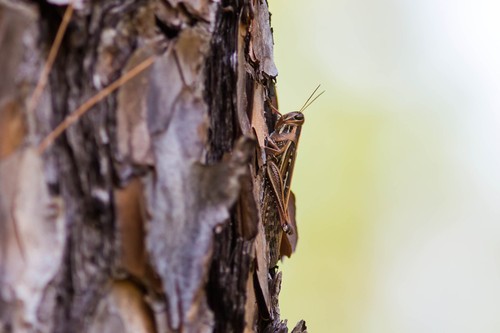
American Grasshopper identified by the community
Real finds identified with Bug Identifier.
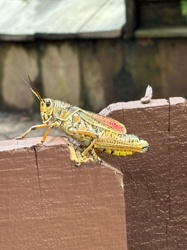
Other bugs you may enjoy
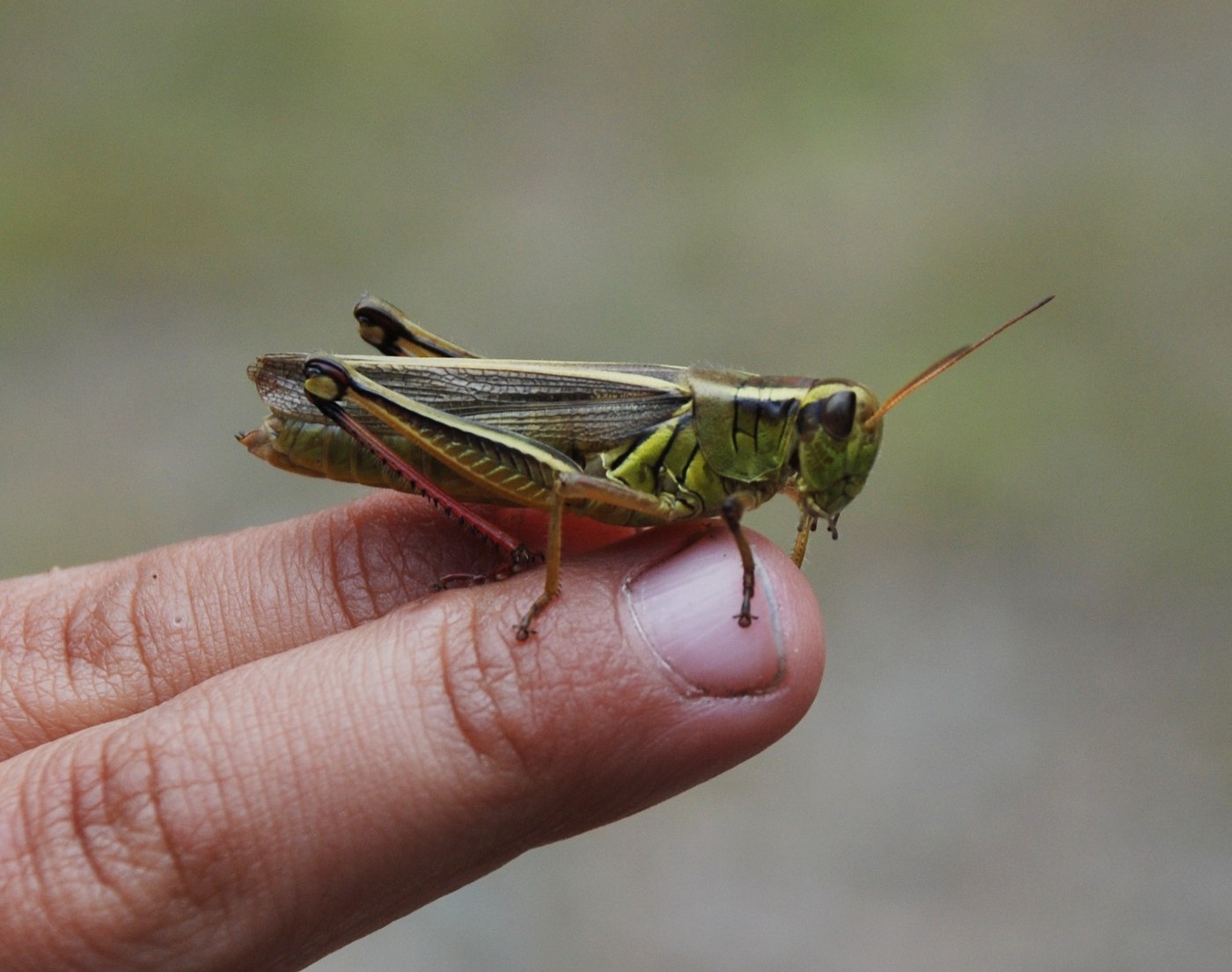
Two-striped Grasshopper
Meadows, pastures, riverbanks, and agricultural fields across North America
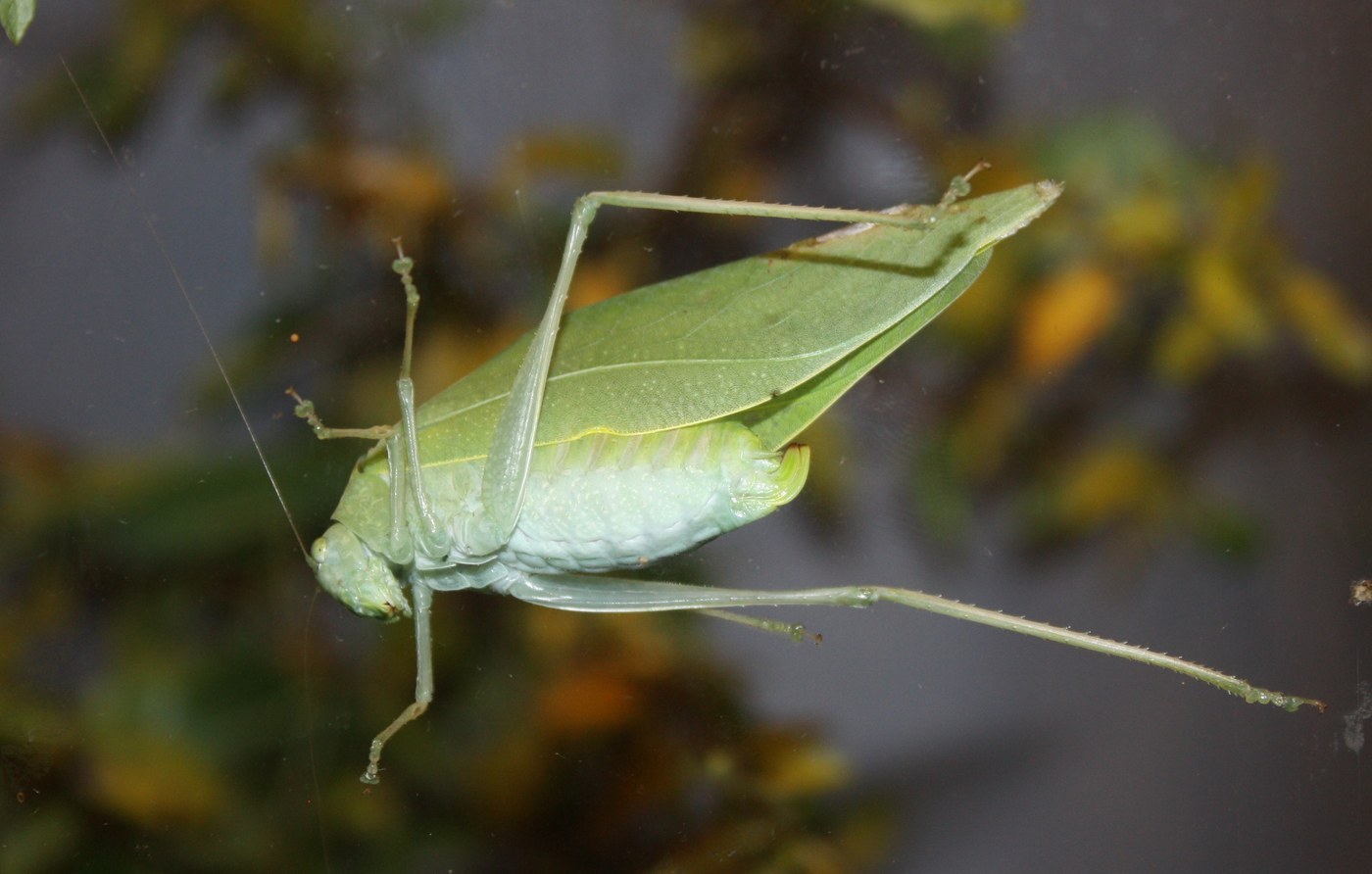
Angular-winged Katydid
deciduous trees, shrubs, and hedgerows across eastern and central North America
Spur-throated Grasshopper
grasslands, meadows, croplands, and roadsides across North America
Snowy Tree Cricket
Shrubs, trees, and tall vegetation across North America
Rocky Mountain Locust
historically open grasslands and river valleys of the Rocky Mountains and Great Plains (now believed extinct)
Spotted Camel Cricket
damp caves, crawl spaces, basements, leaf litter, and rotting logs in eastern North America
Pygmy Grasshopper
damp soil, mud, and low vegetation near ponds, streams, and marshes
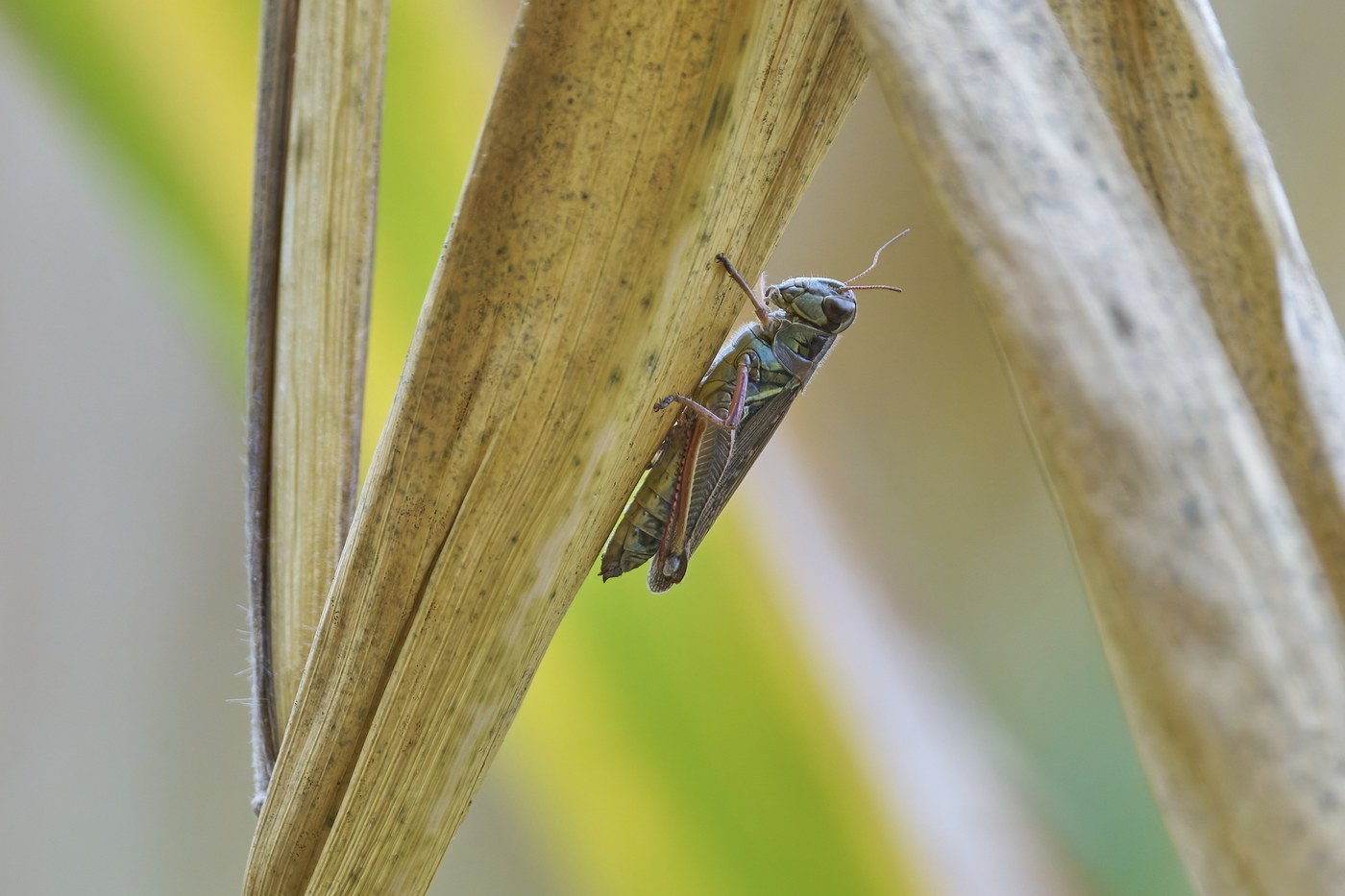
Red-legged Grasshopper
Meadows, pastures, field edges, and gardens across North America
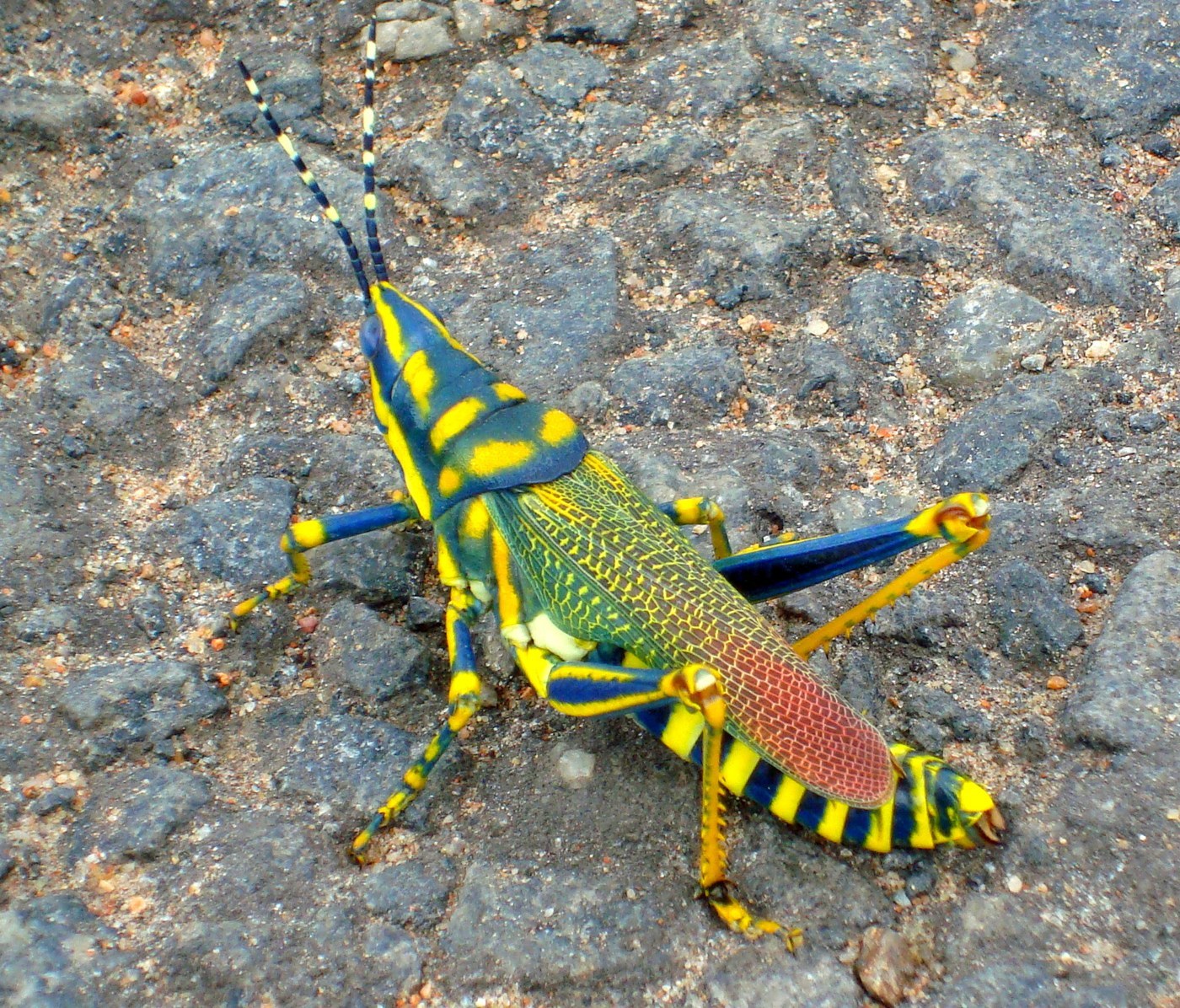
Painted Grasshopper
arid scrub, wastelands, and gardens of the Indian subcontinent, especially near milkweed plants
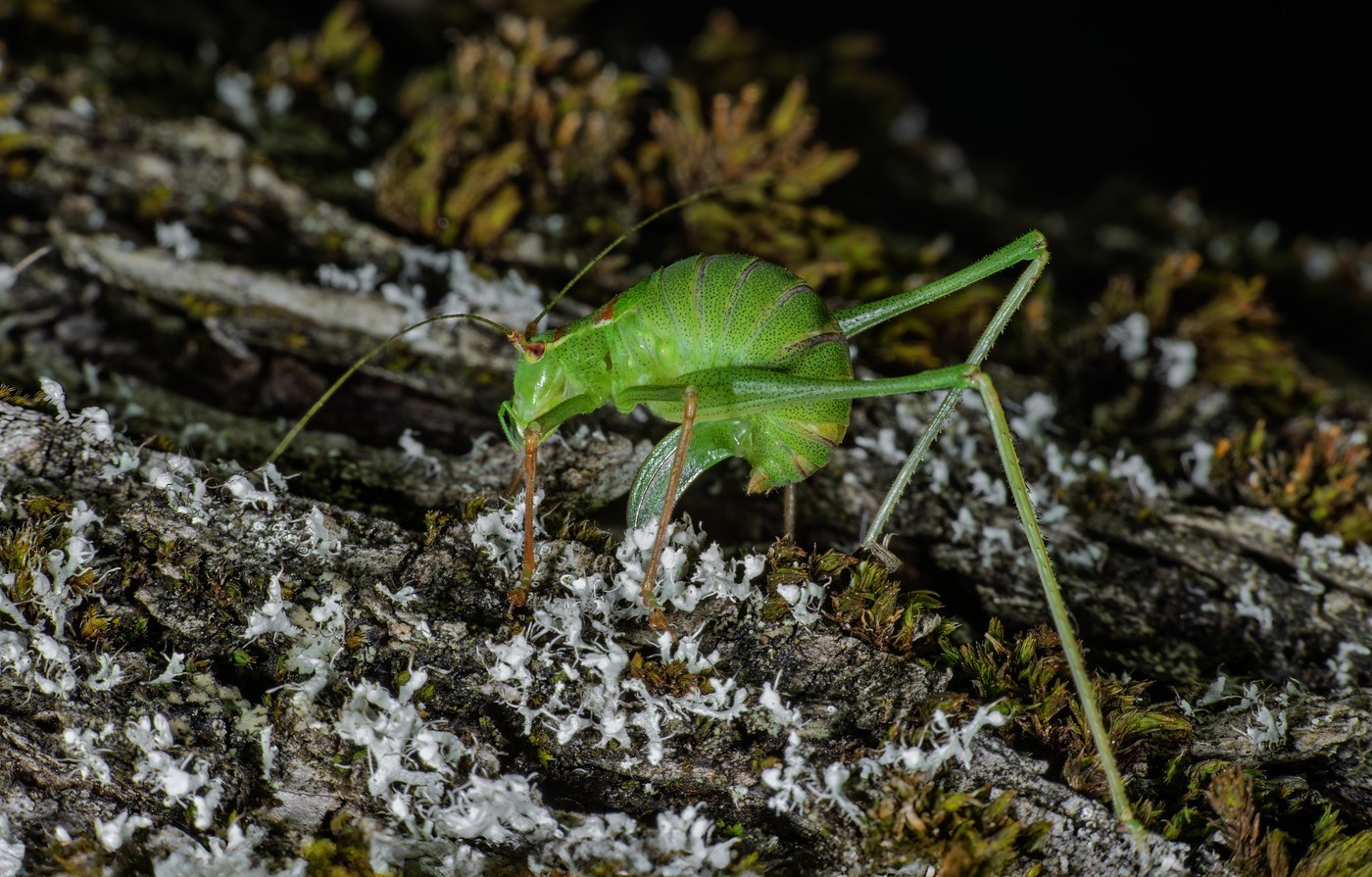
Speckled Bush Cricket
Brambles, hedgerows, nettles, and shrubby vegetation
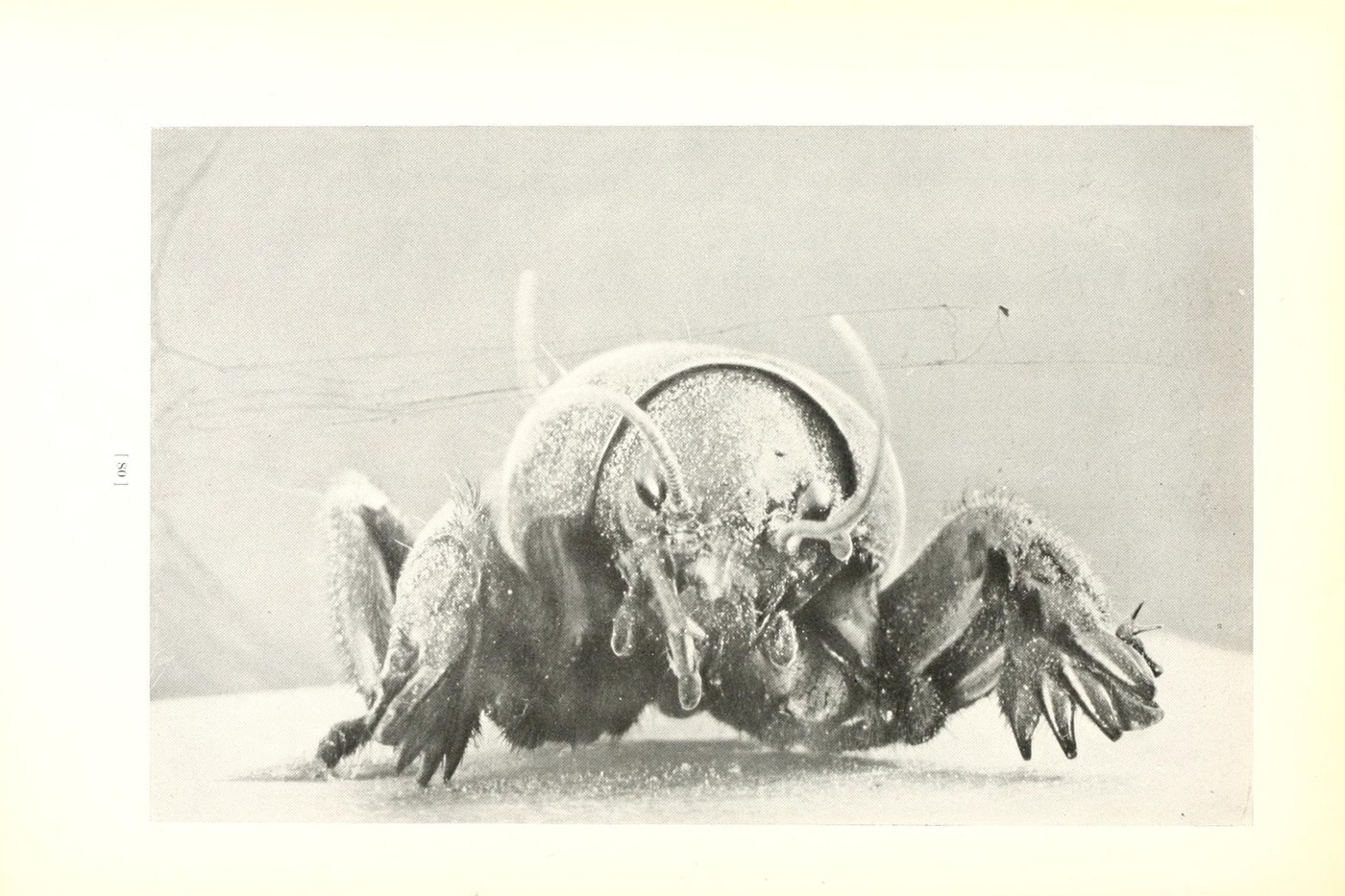
Northern Mole Cricket
wet soil, pond margins, and marshy ground across eastern and central North America
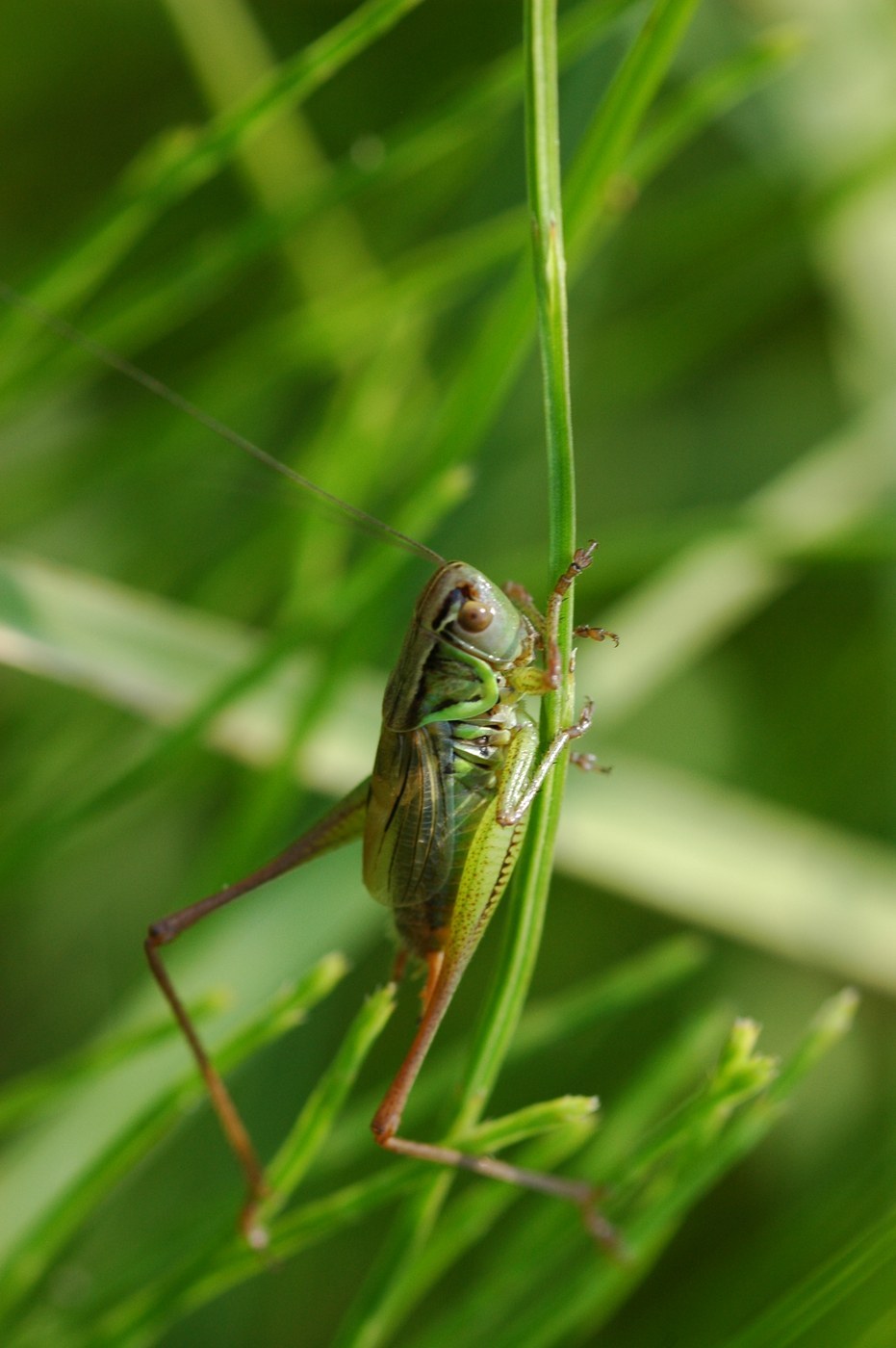
Roesel's Bush Cricket
Damp grasslands, meadows, and roadside verges