
Glowworm Beetle
Phengodes spp.
A beetle whose females remain larva-like and glowing for their entire lives, producing rows of soft greenish light along their segmented, worm-like bodies, while males develop into small, feathery-antennaed flying beetles.
- Size
- 20–50 mm (larviform females); 10–20 mm (winged males)
- Habitat
- Leaf litter, soil, grasslands, and woodland edges
- Danger
- Harmless
Spotted a bug like this?
Identify any bug or insect from a photo, free.
Overview
Glowworm beetles belong to the family Phengodidae, a small but distinctive group of beetles best known for extreme differences between the sexes, a condition called sexual dimorphism. Females remain in a soft-bodied, segmented, larva-like form throughout their entire lives and are capable of producing a soft bioluminescent glow along their bodies, while males transform into small, fully winged beetles with elaborate, feathery antennae used to locate females by scent.
This family is closely related to fireflies (Lampyridae) but is a distinct lineage with its own unique life history. Some phengodid species are also referred to as 'railroad worms' due to the appearance of paired glowing spots running along the sides of the female's body, resembling a lit train.
Glowworm beetles are notable within the beetle world for pushing sexual dimorphism to an unusual extreme, with the wingless, glowing female bearing little resemblance to the winged, non-glowing male of the same species.
How to Identify
- Adult females are elongated, soft, segmented, and worm-like, 20–50 mm long, often brownish with rows of pale glowing spots along each side of the body.
- Adult males are much smaller, 10–20 mm, fully winged, brownish beetles with unusually large, feathery or comb-like antennae used for detecting female pheromones.
- Larvae resemble females but are smaller and less developed, also capable of a faint glow.
- Glow is typically a soft greenish or yellowish light, produced continuously rather than in the flashing pattern typical of true fireflies.
- Lookalikes include firefly larvae, but true phengodid females remain in this larviform state as reproductively mature adults, unlike fireflies whose adults are fully formed flying beetles.
Habitat & Range
Glowworm beetles are found primarily in the Americas, with the greatest diversity in the tropics and subtropics, though some species occur in temperate regions of North America. They inhabit leaf litter, loose soil, grasslands, and the edges of woodlands, where the soft-bodied females and larvae can move through organic debris while hunting.
Activity is largely nocturnal, with the glow of females and larvae most visible after dark during warm months, while winged males are more likely to be seen at lights or in flight at dusk.
Behavior & Diet
Both larvae and adult females are active predators, primarily hunting millipedes, which they subdue and feed upon within leaf litter and soil. Winged males do not share this predatory habit as adults and instead focus on locating glowing, pheromone-releasing females using their large, sensitive antennae.
The steady bioluminescent glow produced by females and larvae is thought to serve dual purposes: attracting mates and potentially signaling unpalatability to predators. Because they remain hidden within leaf litter and soil for most of their lives, glowworm beetles play a quiet but notable role as invertebrate predators within the litter layer of their habitats.
Life Cycle
Development follows complete metamorphosis, though in an unusual form: egg, larva, and adult, since females do not undergo full metamorphic transformation and instead remain in a larviform state as adults. Eggs are laid in soil or leaf litter, and the larvae hatch to begin hunting millipedes.
Males undergo standard complete metamorphosis, passing through a pupal stage before emerging as fully formed, winged adults, while females skip this transformation and instead simply reach sexual maturity while retaining their soft, segmented larval body form. Generational timing varies by species and region, with development from egg to reproductive adult often taking one or more years.
Frequently asked questions
Are glowworm beetles the same as fireflies?
No, they belong to a separate but related family, Phengodidae, and differ from fireflies in that adult females remain permanently larva-like rather than developing into a winged adult form.
Why do only some glowworm beetles fly?
Only the males develop wings as adults; females remain soft-bodied and wingless throughout their lives.
What do glowworm beetle larvae and females eat?
They are predators that primarily hunt and feed on millipedes within leaf litter and soil.
What does the glow look like compared to a firefly's?
It typically appears as a steady, soft greenish or yellowish light along the body rather than the rhythmic flashing pattern seen in true fireflies.
Glowworm Beetle guides
In-depth guides for identifying, understanding, and living alongside Glowworm Beetle.
Other bugs you may enjoy
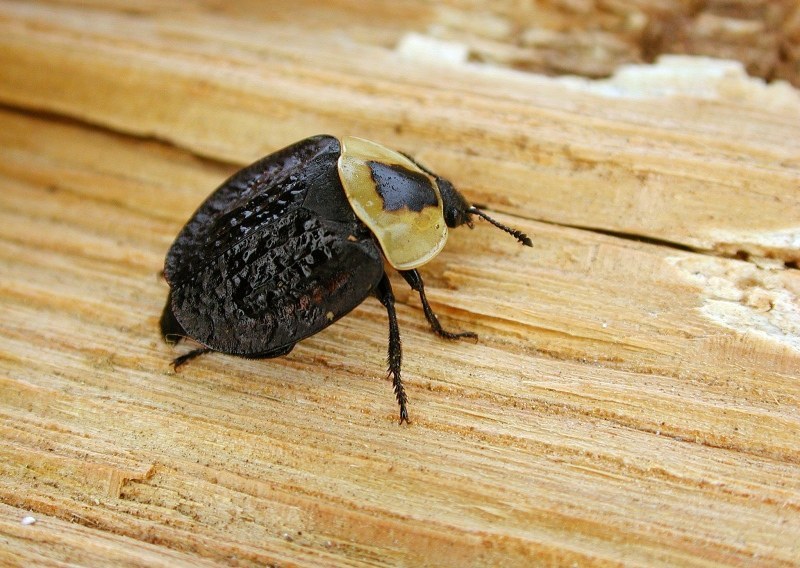
American Carrion Beetle
Forests, fields, and roadsides across North America, near decaying animal carcasses
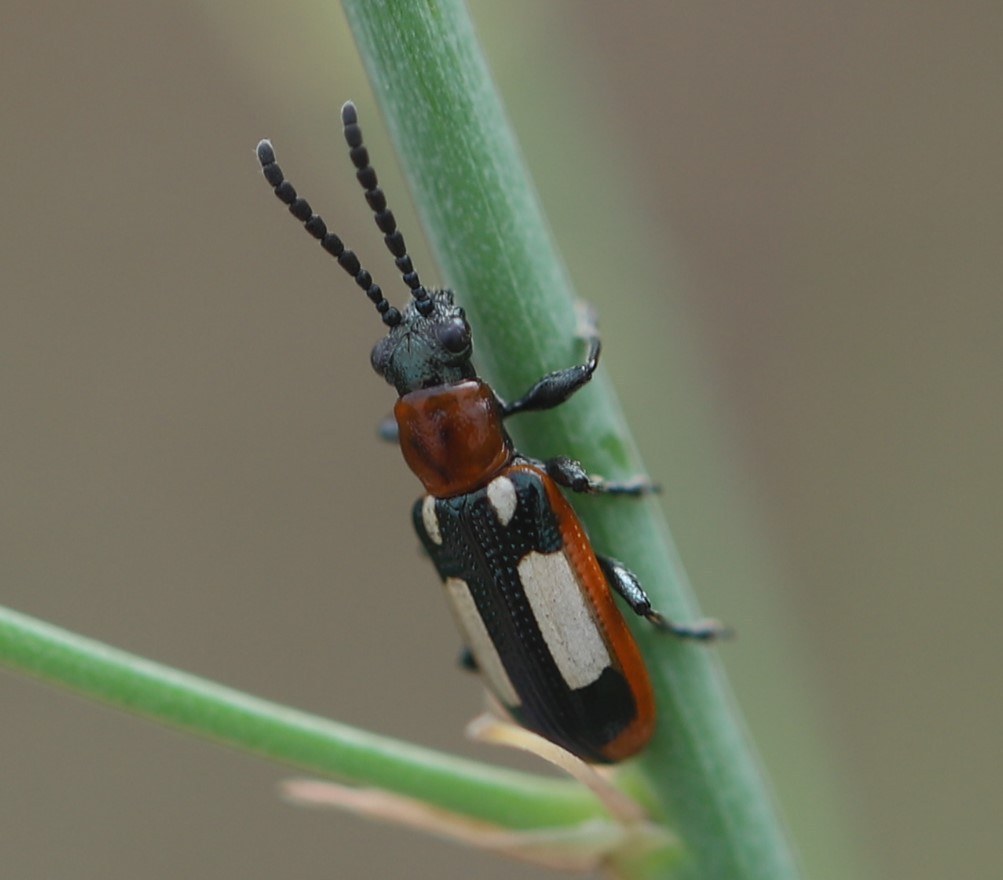
Asparagus Beetle
Asparagus patches, gardens, and farm fields
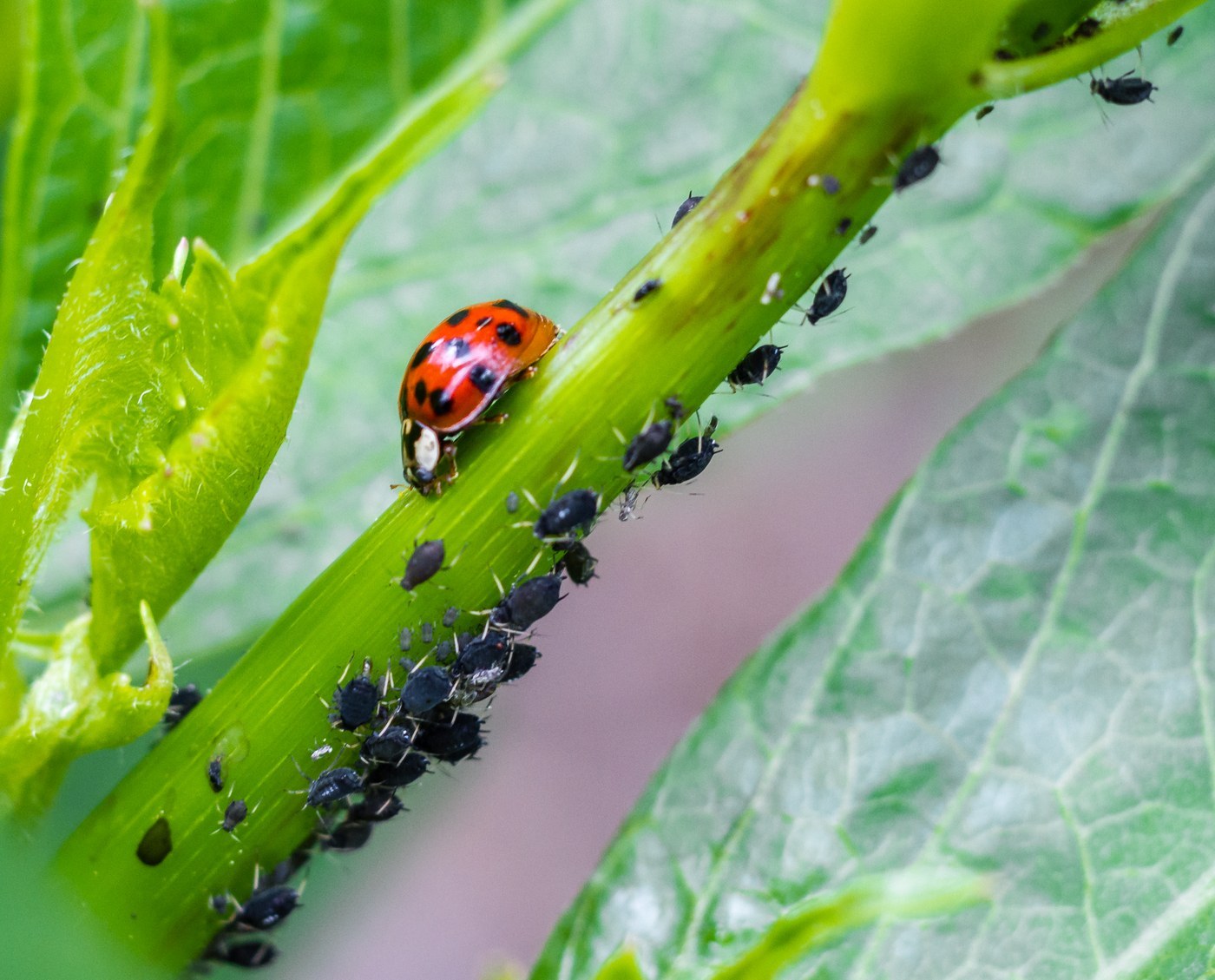
Asian Lady Beetle
Gardens, crop fields, woodlands, buildings
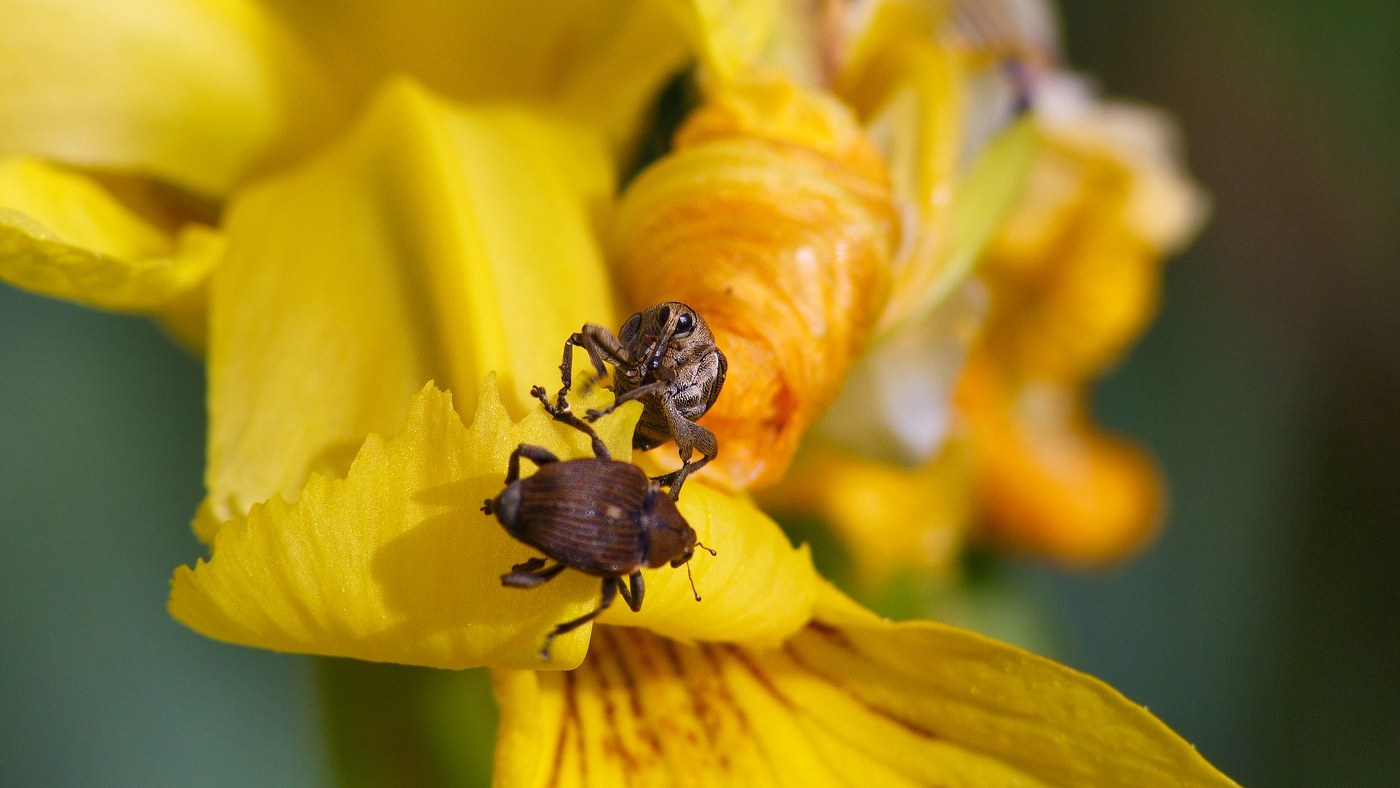
Acorn Weevil
Oak woodlands and forests, on and beneath oak trees
Wireworm
Soil of grasslands, gardens, and cultivated fields worldwide
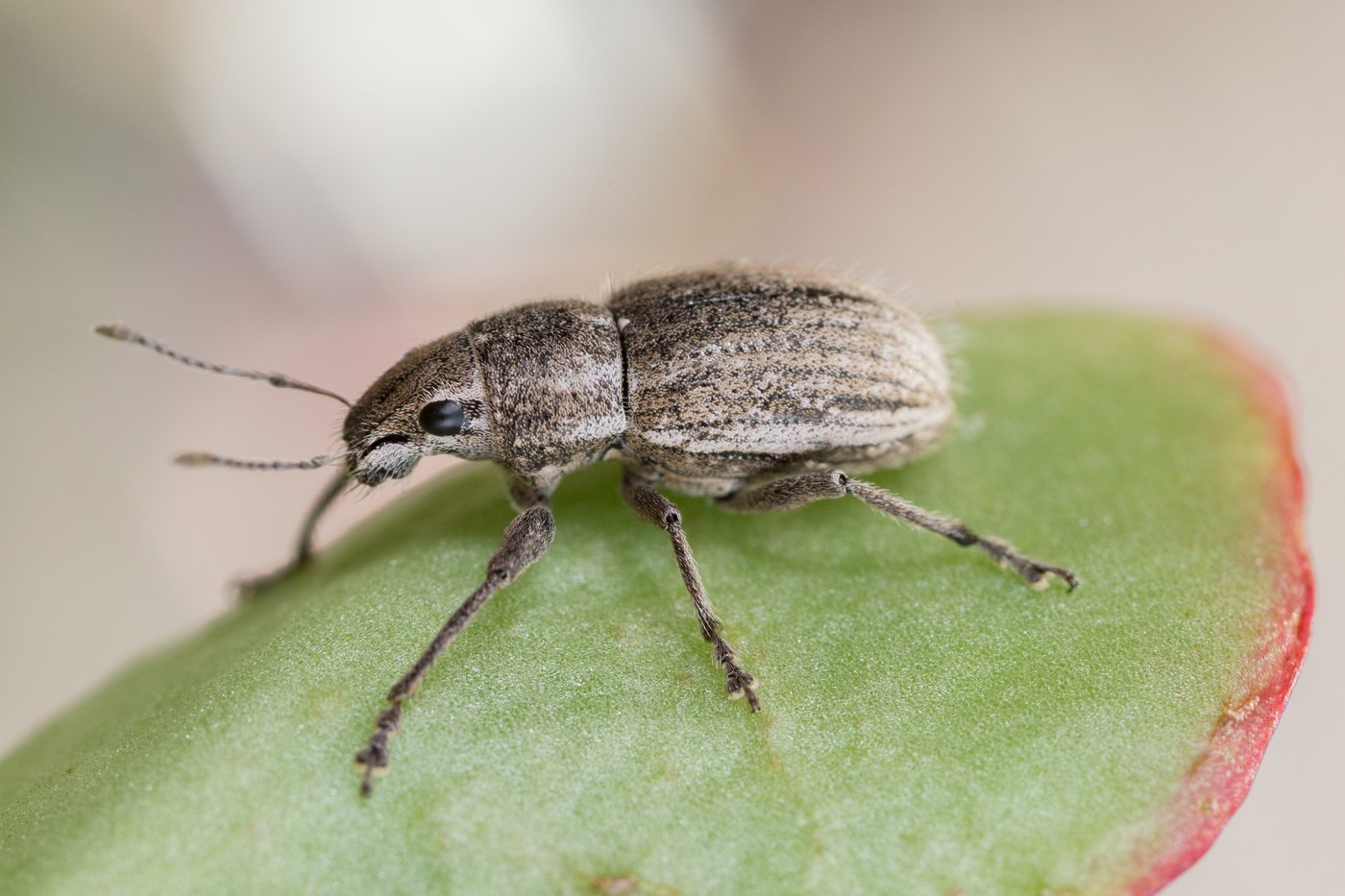
Whitefringed Beetle
Pastures, row crops, lawns, disturbed soils
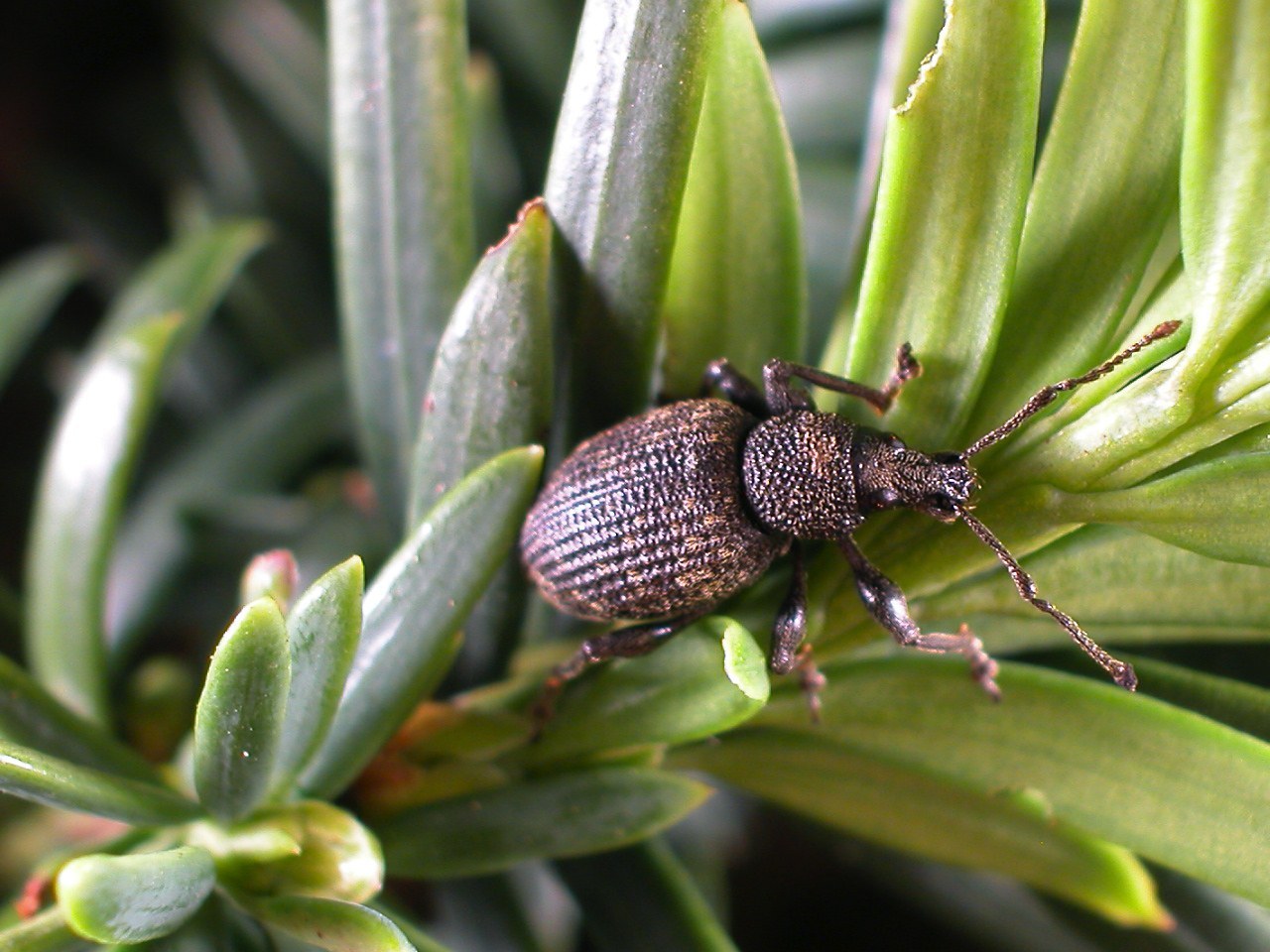
Vine Weevil
Gardens, nurseries, greenhouses, and container plantings
Varied Carpet Beetle
Homes, nests of birds and mammals, and flowers outdoors
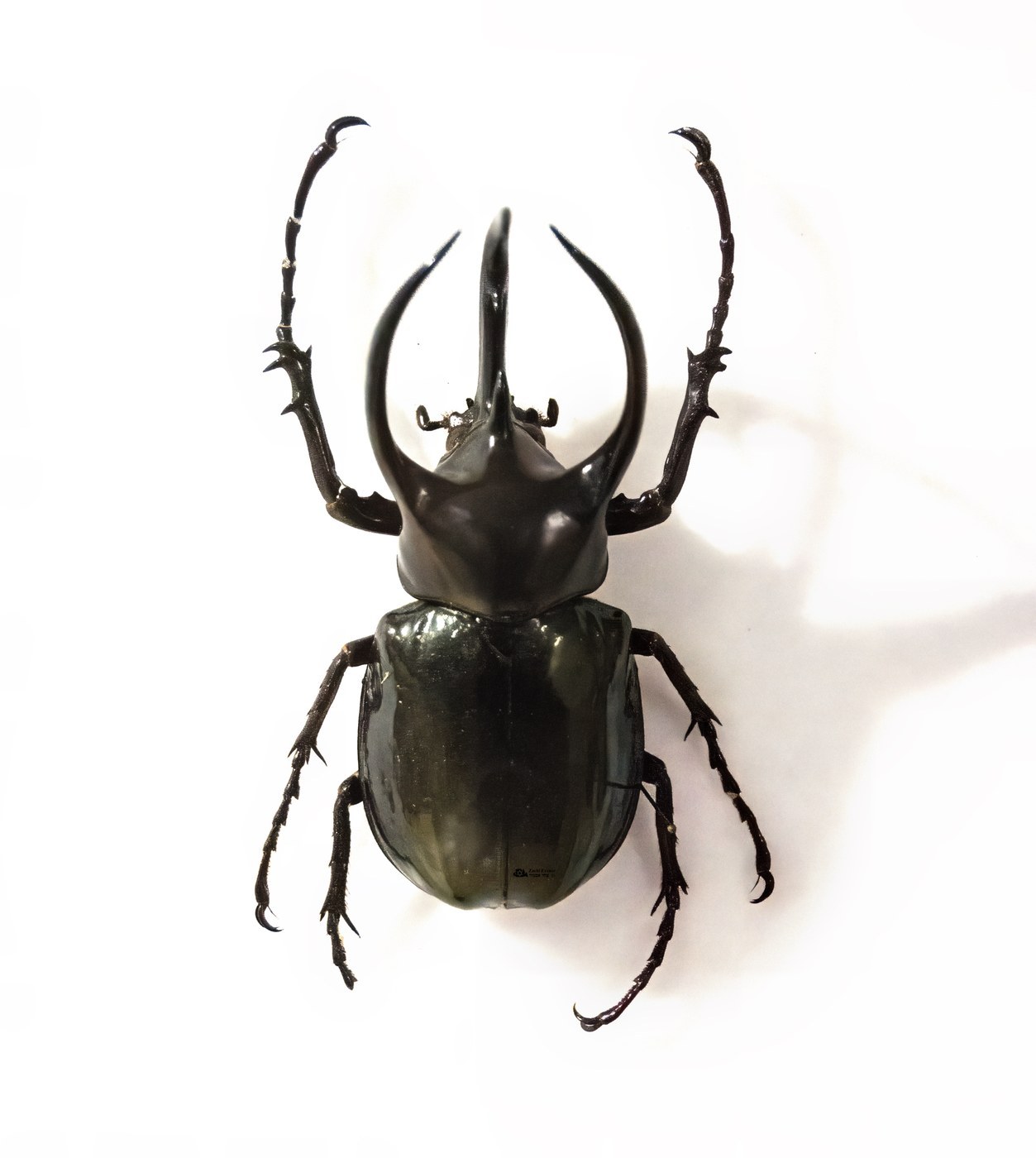
Atlas Beetle
Tropical forests of Southeast Asia
Titan Beetle
Amazon rainforest of South America
Ten-lined June Beetle
Sandy soils, pine forests, and orchards of western North America
Squash Beetle
Vegetable gardens and fields growing squash, pumpkin, and other cucurbits