
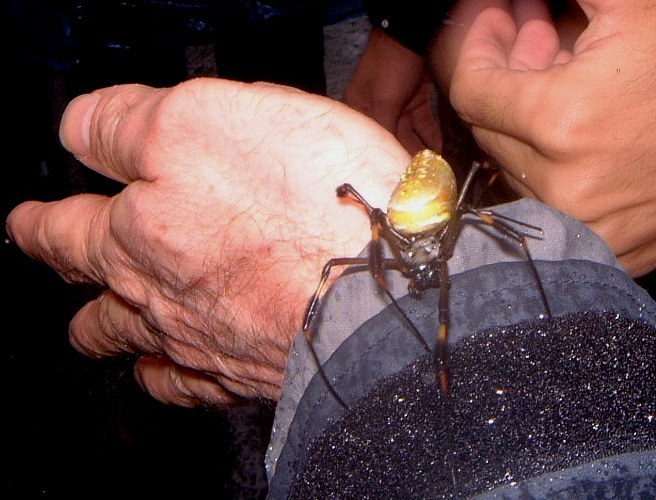
Golden Silk Orb Weaver
Trichonephila clavipes
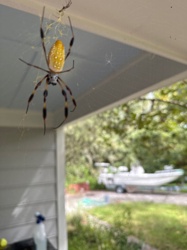
Suspended in a massive, glinting web strung between trees along a forest trail, the golden silk orb weaver is one of the largest and most striking web-building spiders in the Americas, spinning silk with a distinctive yellow-gold sheen.
- Size
- Female body up to 1.5 in (4 cm), leg span to 5-6 in (12-15 cm); males much smaller, about 0.25 in (6 mm)
- Habitat
- Forest edges, gardens, and wooded trails across the southeastern U.S., Mexico, Central and South America
- Danger
- Bites
Spotted a bug like this?
Identify any bug or insect from a photo, free.
Overview
The golden silk orb weaver, Trichonephila clavipes, is named for the golden hue of its silk, which is especially visible in sunlight and is among the strongest natural silks known. Females are large and strikingly patterned, with a long, cylindrical abdomen marked by pale bands and tufts of hair on their legs, while males are dramatically smaller, often less than a tenth the size of females, and are frequently found sharing the female's web.
This species is found across the warmer parts of the Americas, from the southeastern United States through Central America and into South America, where it builds enormous, durable orb webs strung between trees along forest edges and trails, sometimes spanning several feet across. Because the webs are built at a height that intersects human walking paths, hikers frequently encounter them at eye level or just above.
Golden silk orb weavers are significant predators of flying insects and are notable in scientific research for the exceptional strength and elasticity of their silk, which has been studied for potential biomedical and material science applications.
How to Identify
- Females have a long, cylindrical abdomen, typically brownish-yellow with pale markings, and legs with distinctive dark tufts of hair at the joints
- Males are tiny and inconspicuous by comparison, often overlooked entirely on the female's web
- Silk has a noticeable golden-yellow color, especially visible when backlit by sunlight
- Builds a large, strong orb web, often with an irregular barrier of silk above and below the main capture spiral
- Found at head height or higher between trees along forest paths and edges
- Lookalikes include other large Trichonephila and Nephila species found in Asia, Africa, and Australia, which have similar golden silk and body shape
Habitat & Range
This species favors humid, wooded habitats including forest edges, hammocks, and shaded gardens, typically building webs between trees or shrubs along trails and clearings where flying insects are common. It ranges from the southeastern United States, including Florida and the Gulf Coast, south through Mexico, Central America, and much of South America, generally in warm, humid climates.
Behavior & Diet
Golden silk orb weavers build large, strong orb webs and typically remain at the hub throughout the day and night, unlike many orb weavers that hide during daylight. Their webs are reinforced with extra structural silk and can persist for weeks with regular repair rather than being rebuilt nightly. When prey strikes the web, the spider rushes out to bite and wrap it before feeding. Multiple much smaller males often reside on the periphery of a single female's web, waiting for an opportunity to mate. These spiders are not aggressive and generally remain still or retreat along a dragline if disturbed, and they play an important role in controlling flying insect populations in forest habitats.
Life Cycle
Females produce one or more fluffy, silk-wrapped egg sacs in late summer or fall, often attached to nearby foliage or bark, containing hundreds of eggs. Spiderlings hatch the following spring and disperse, some ballooning on silk threads to new locations. They grow through numerous molts over the summer, with females reaching their large adult size by late summer or early fall, when mating occurs. In warmer parts of their range, some individuals may persist into winter, but generally there is one generation per year with adults dying off after breeding.
Frequently asked questions
Why is it called the golden silk orb weaver?
Its silk has a distinctive golden-yellow color, especially visible when sunlight passes through the web.
Why are the males so much smaller than the females?
This species shows extreme size difference between sexes, with males often less than a tenth the size of females, an adaptation seen in many large orb-weaving spiders.
Do golden silk orb weavers rebuild their webs every day?
No, their large, reinforced webs are typically repaired and reused for weeks rather than being completely rebuilt each night.
What do golden silk orb weavers eat?
They feed on flying insects such as moths, flies, and beetles that become trapped in their large orb webs.
Golden Silk Orb Weaver guides
In-depth guides for identifying, understanding, and living alongside Golden Silk Orb Weaver.
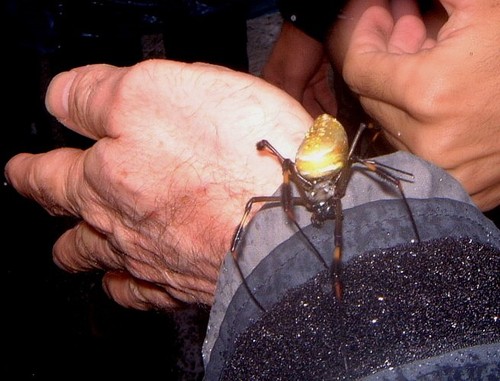
Golden Silk Orb Weaver identified by the community
Real finds identified with Bug Identifier.
Other bugs you may enjoy
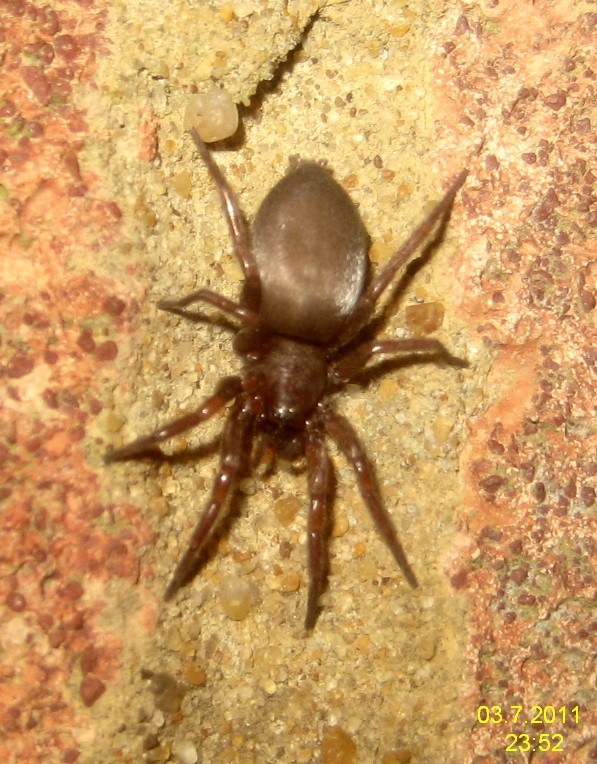
Woodlouse Spider
Damp leaf litter, under logs, stones, and mulch
Wolf Spider
Gardens, grasslands, forests, leaf litter, ground burrows
Wandering Spider
Tropical and subtropical forest floor, foliage, and banana plants
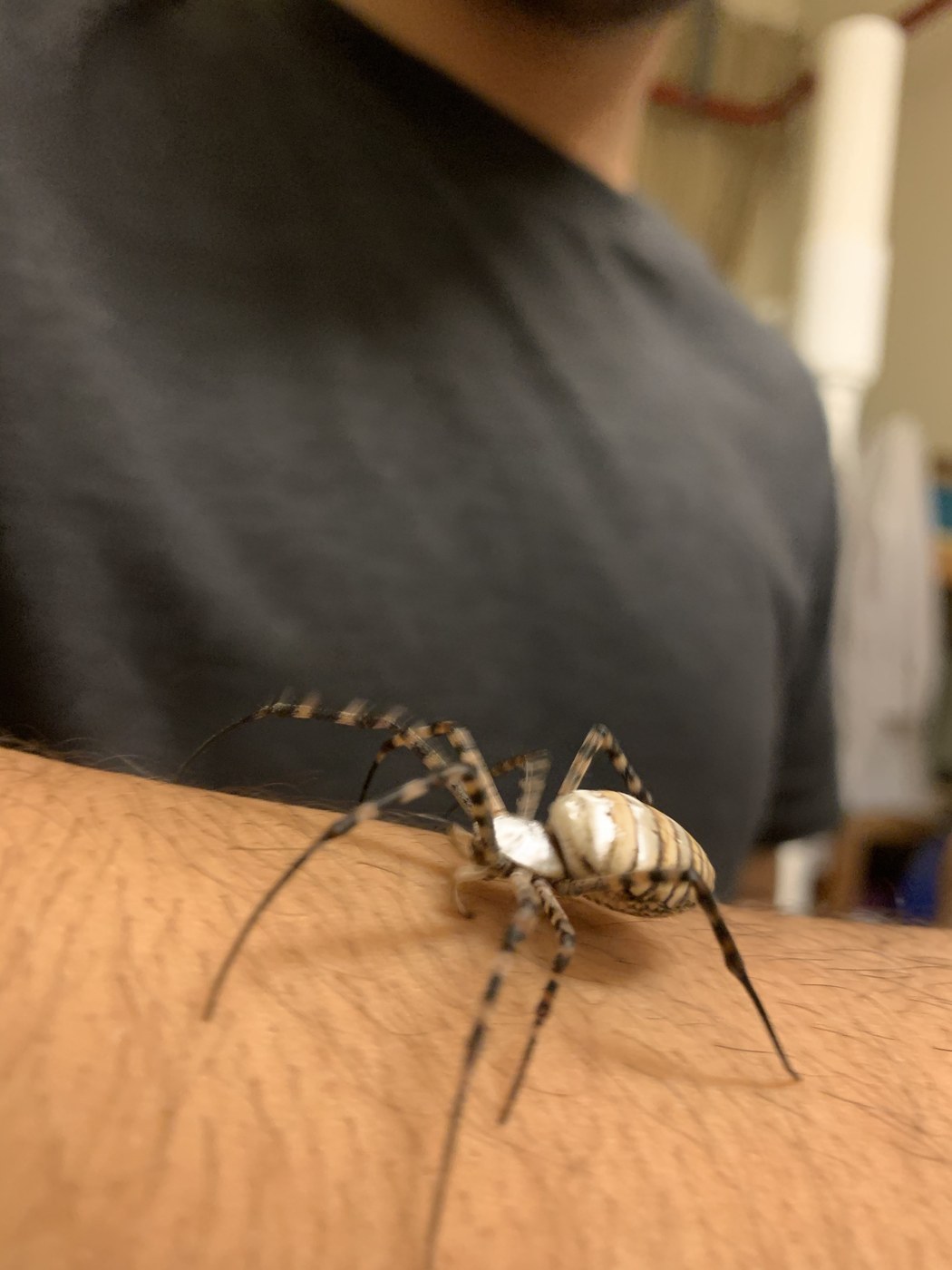
Banded Garden Spider
Tall grass, meadows, and gardens with open sunny vegetation
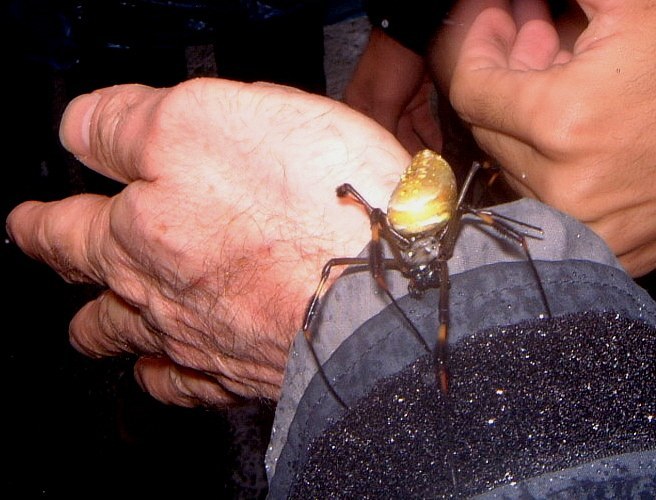
Banana Spider
Wooded trails, forest edges, and gardens across the southeastern U.S. and the American tropics
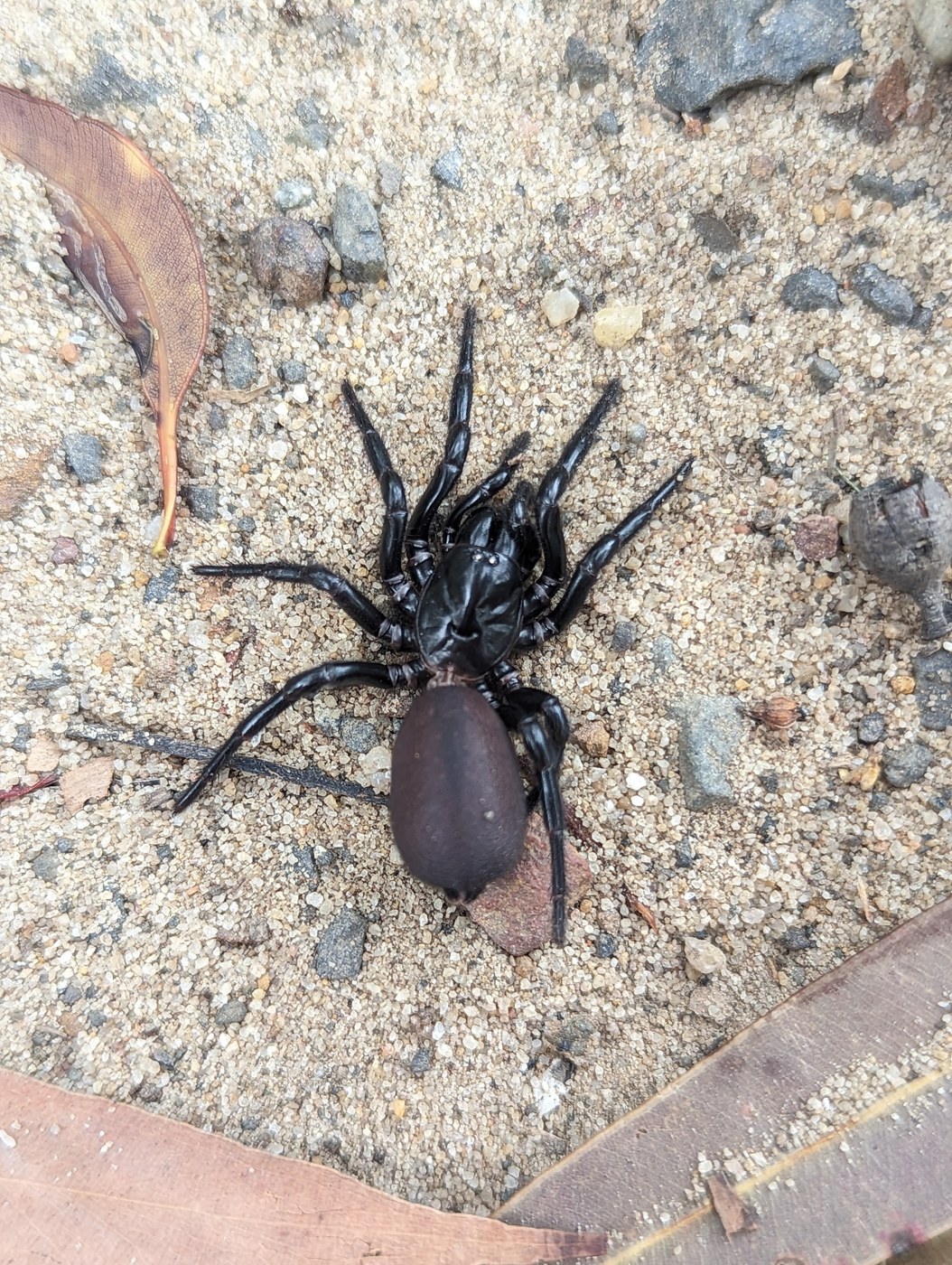
Sydney Funnel-web Spider
Burrows in moist soil, gardens, and forested gullies around the Sydney basin of eastern Australia
Trapdoor Spider
Self-dug silk-lined burrows with a camouflaged door, in dry, well-drained soil worldwide
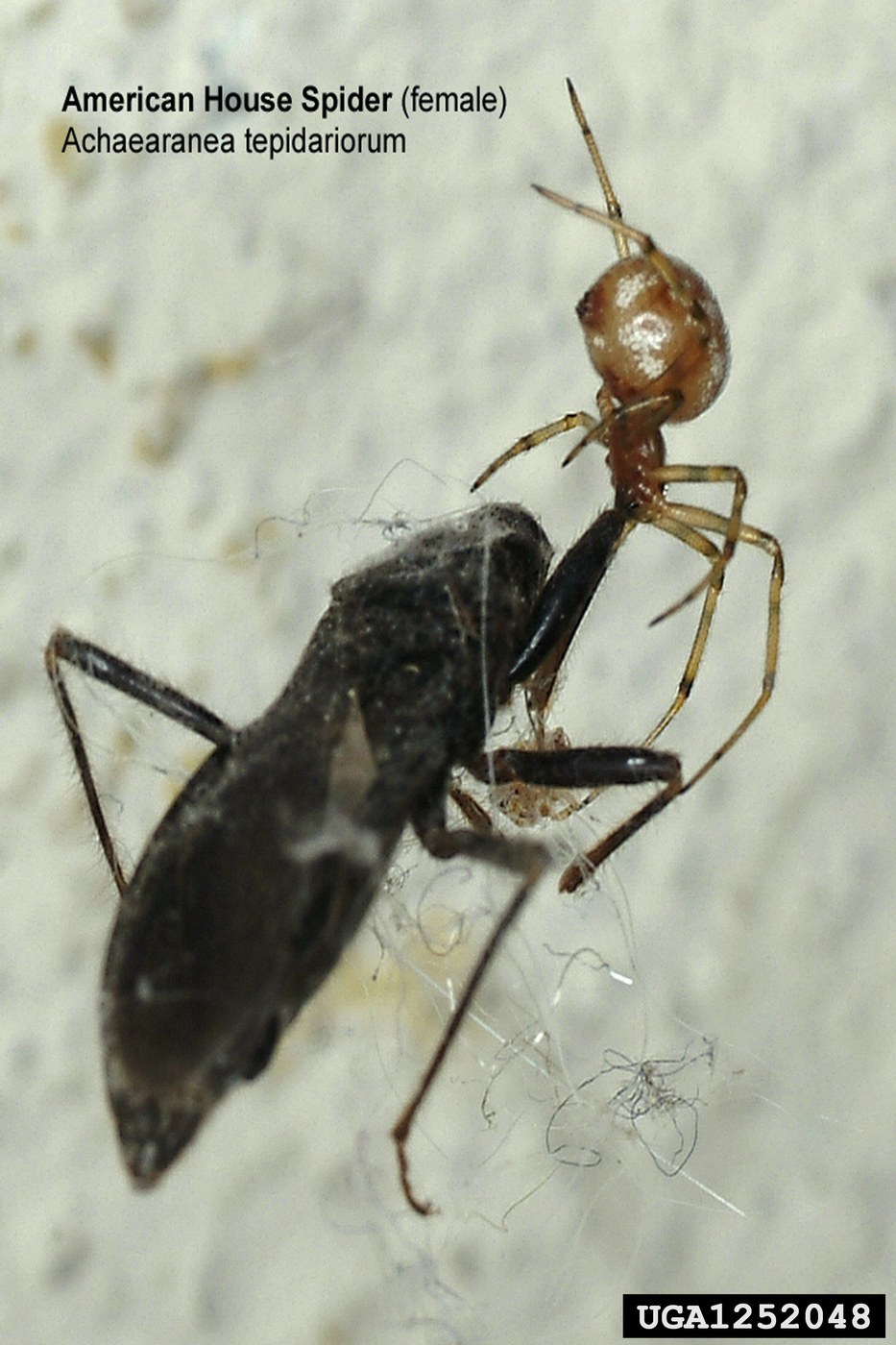
American House Spider
Corners, basements, garages, and outbuildings worldwide
Tube Web Spider
Wall crevices, bark, rockeries, and masonry
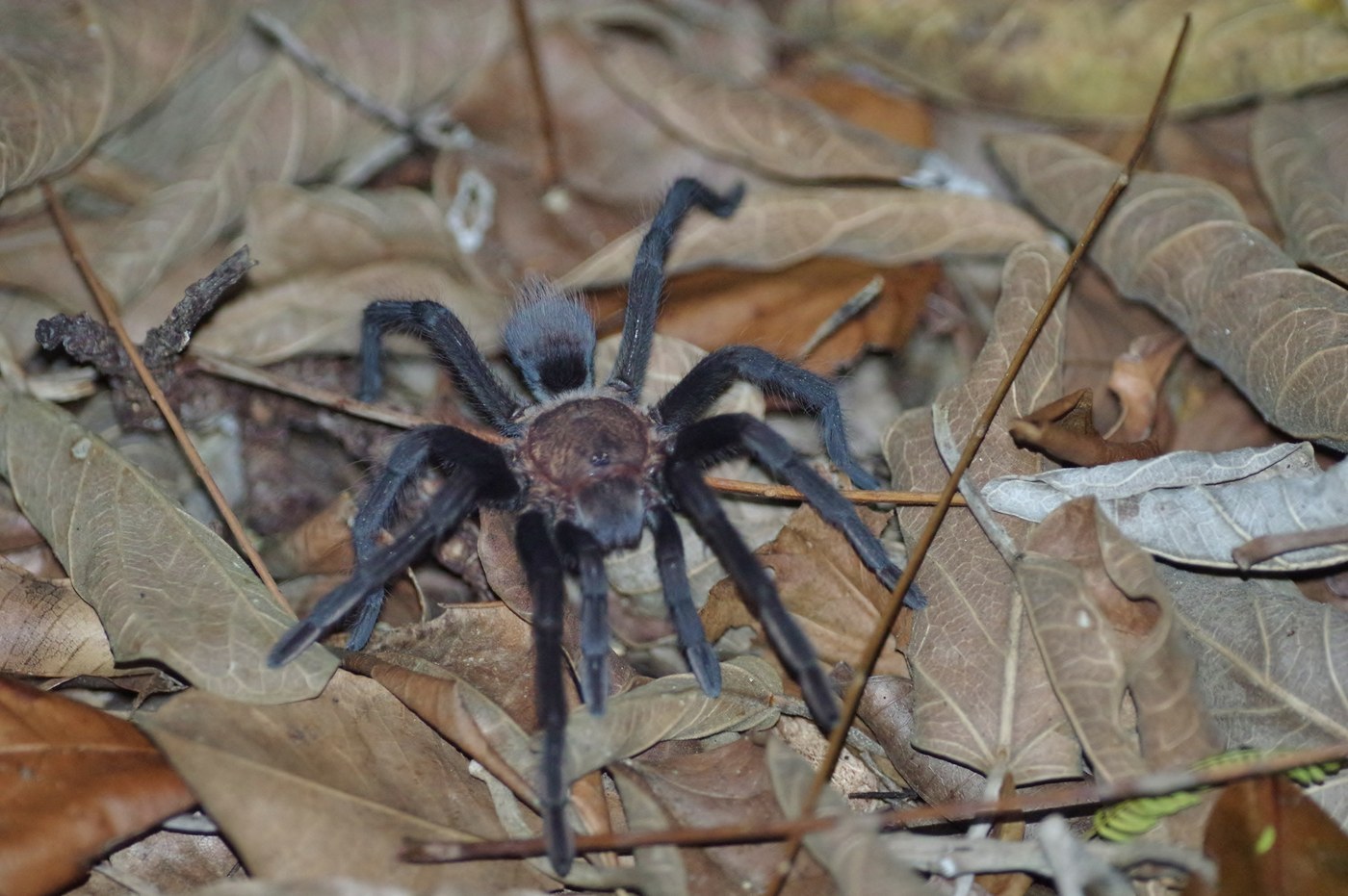
Tarantula
Burrows, rock crevices, and tree hollows in deserts, grasslands, and tropical forests worldwide
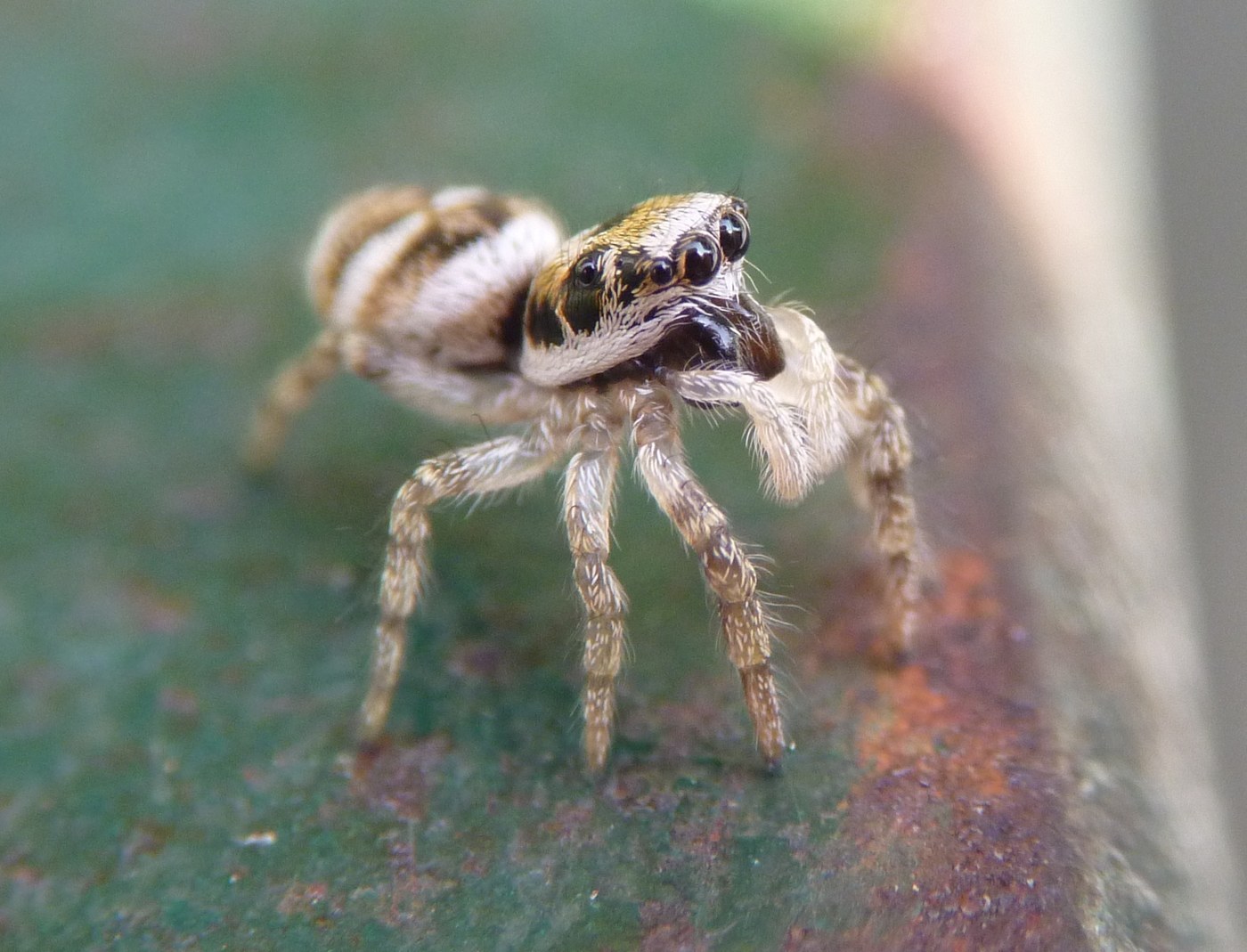
Zebra Jumping Spider
Sunny walls, fences, tree bark, and building exteriors
Wall Spider
Cracks and crevices on exterior and interior walls