
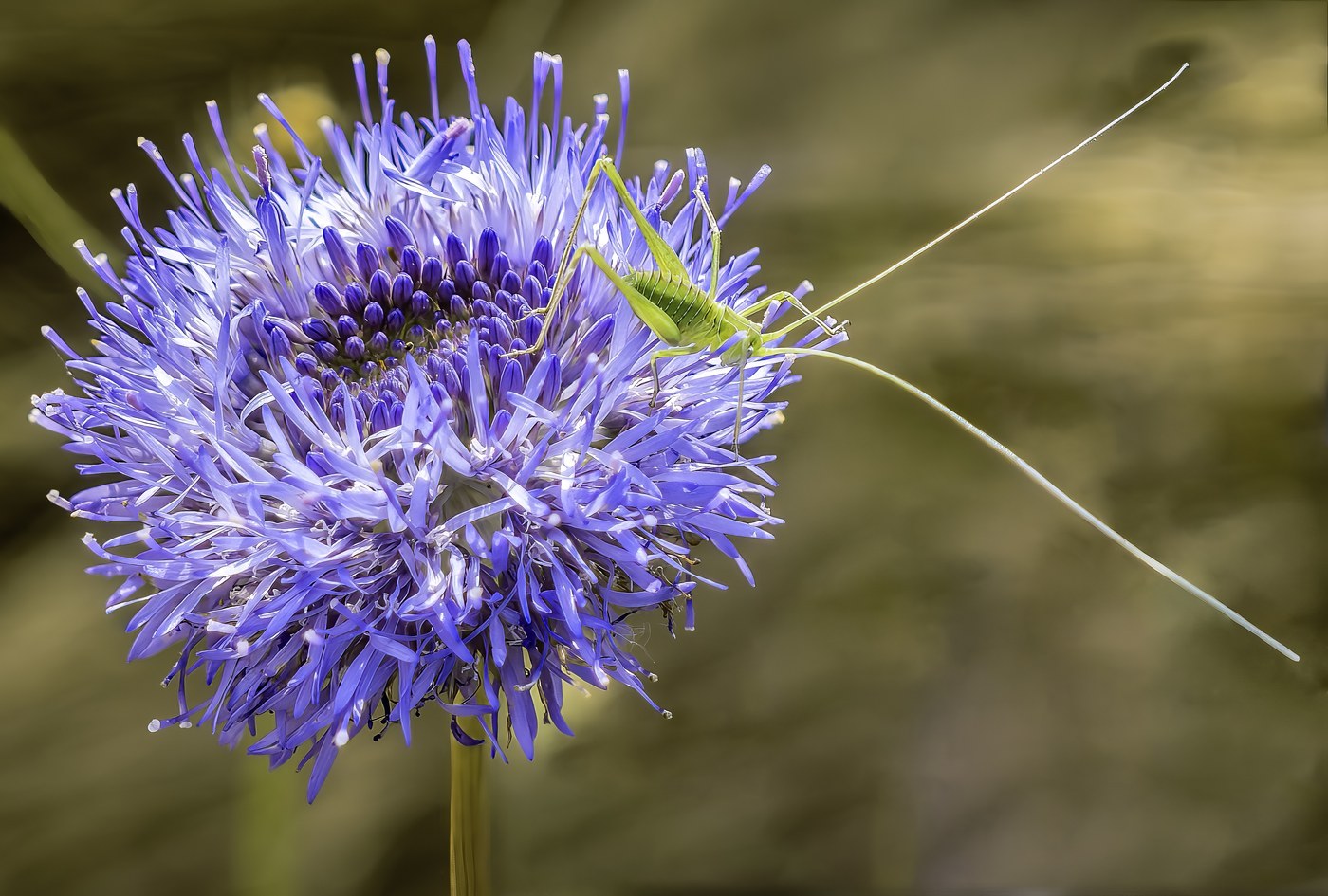
Great Green Bush Cricket
Tettigonia viridissima
Europe's largest bush cricket, this brilliant grass-green insect fills warm summer evenings with a loud, sustained buzzing call audible from a considerable distance.
- Size
- Body 3.2-4.2 cm; females up to about 7 cm including ovipositor
- Habitat
- Grasslands, hedgerows, scrubland, and gardens
- Danger
- Bites
Spotted a bug like this?
Identify any bug or insect from a photo, free.
Overview
The great green bush cricket is the largest bush cricket species found in much of Europe, easily recognized by its vivid grass-green body and a distinctive brown stripe running along the top of its back and head. Its powerful hind legs and long antennae make it well suited to life in dense grassland and scrub, where its coloration provides excellent camouflage.
This species is widespread across southern and central Europe, favoring warm, sunny grassland, hedgerows, and scrub habitats, and is well known for the loud, sustained, buzzing song produced by males on warm summer evenings, one of the loudest insect calls in the region. As one of the larger bush cricket species, it has robust jaws and, if handled, may deliver a firm defensive nip.
How to Identify
- Large body size for a bush cricket, with adults reaching 3.2-4.2 cm and females extending further with a long ovipositor
- Bright grass-green coloration overall, with a brown stripe running along the top of the thorax and head
- Long, thread-like antennae extending well beyond the body length
- Females bear a long, slightly curved, blade-like ovipositor at the rear of the abdomen
- Wings are long and extend past the abdomen at rest
- Distinguished from smaller green bush crickets by its considerably larger size and the loud, sustained nature of its call
Habitat & Range
The great green bush cricket is found across much of southern, western, and central Europe, including the UK, France, and Mediterranean countries, favoring warm grassland, hedgerows, scrubland, and sometimes gardens with dense vegetation. It is most active and vocal during warm summer nights, typically from mid-summer into early autumn, when temperatures are highest.
Behavior & Diet
This species is largely nocturnal, with males producing a loud, continuous, buzzing song from within dense vegetation on warm evenings to attract females, a call that can carry a considerable distance and is one of the most recognizable insect sounds of European summer nights. It is omnivorous, feeding on a mix of plant material and small invertebrates, including other insects, making it more predatory than many other bush cricket species. During the day it remains hidden among grass and shrubs, relying on its green coloration for camouflage, and it can deliver a firm defensive bite with its strong mandibles if handled. Within its ecosystem, it serves as both a predator of smaller insects and prey for birds and other larger predators.
Life Cycle
Females use their long ovipositor to insert eggs into soil, where they overwinter before hatching the following spring. Nymphs emerge resembling small, wingless versions of the adult and pass through several molts over the summer, developing wing pads that become fully functional wings by the final molt in mid to late summer. There is no pupal stage, consistent with incomplete metamorphosis. Adults are typically active from midsummer through early autumn, representing a single generation per year in most of its range.
Frequently asked questions
How loud is the great green bush cricket's call?
Its song is a loud, sustained buzz that can be heard from a considerable distance, making it one of the more noticeable insect sounds on warm summer evenings.
What does the great green bush cricket eat?
It is omnivorous, feeding on both plant material and small invertebrates, including other insects.
Is it the largest bush cricket in Europe?
Yes, it is generally recognized as the largest bush cricket species found across much of Europe.
Can it bite if picked up?
It has strong mandibles and may deliver a firm defensive nip if handled.
Great Green Bush Cricket guides
In-depth guides for identifying, understanding, and living alongside Great Green Bush Cricket.
Other bugs you may enjoy
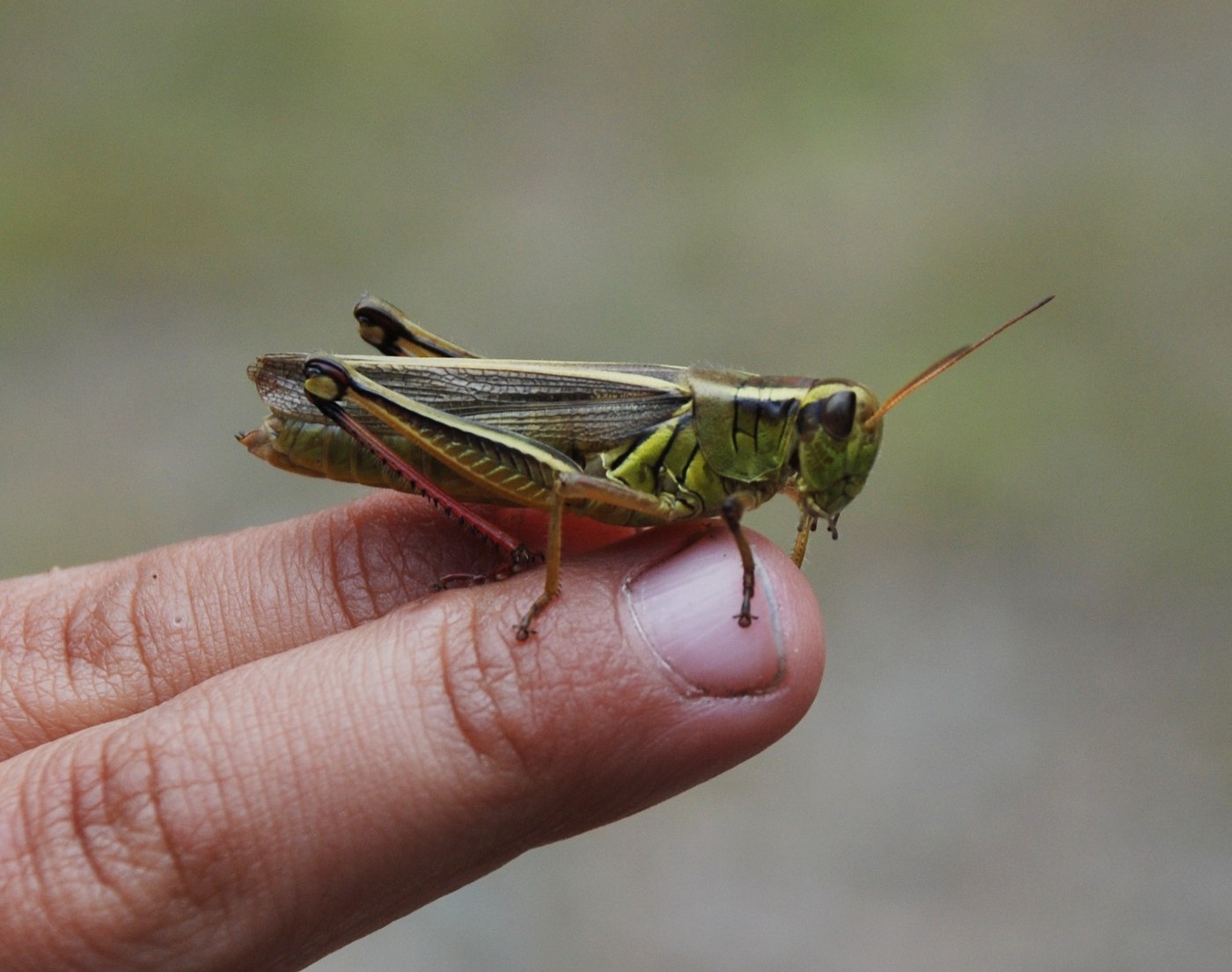
Two-striped Grasshopper
Meadows, pastures, riverbanks, and agricultural fields across North America
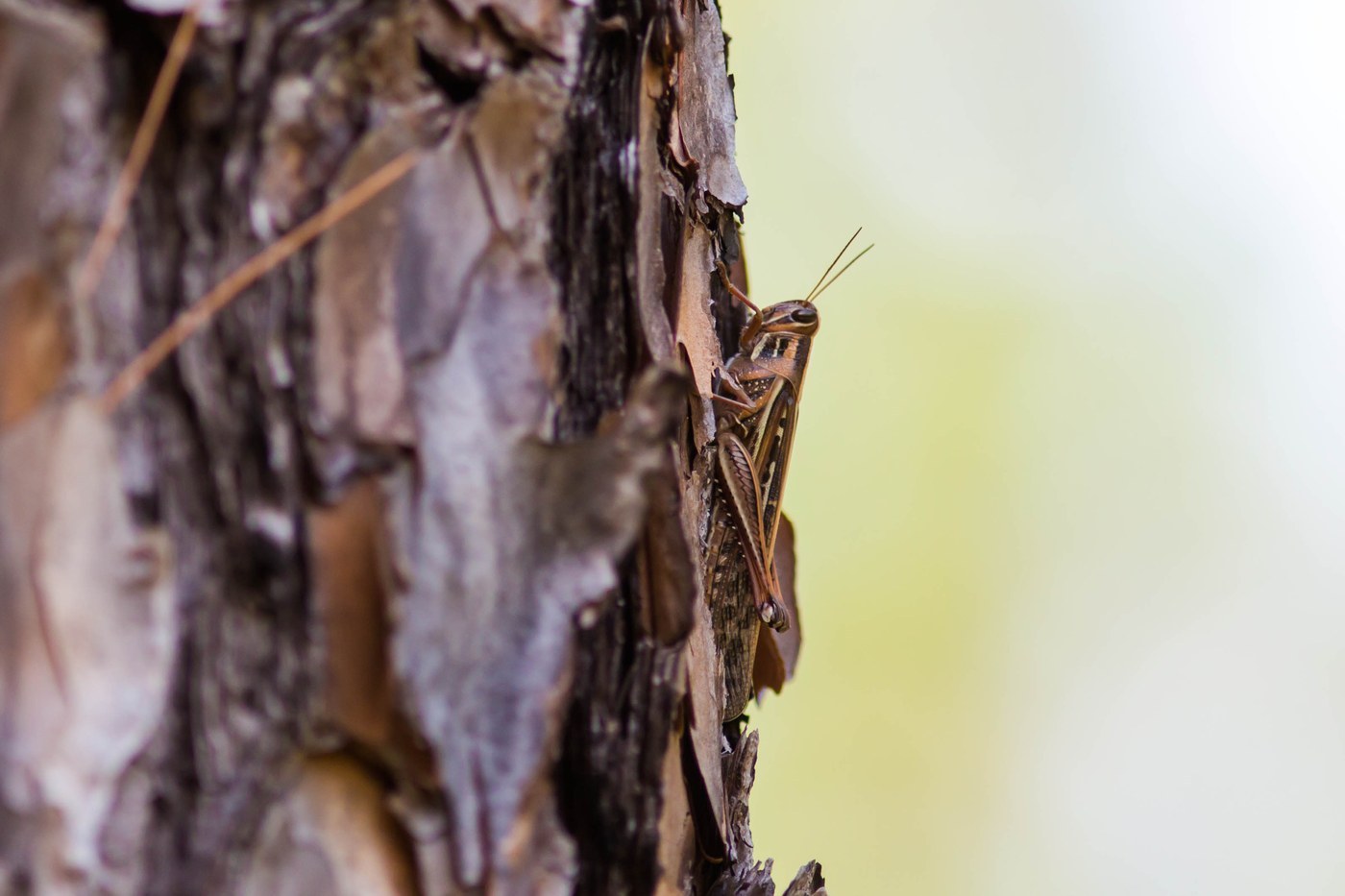
American Grasshopper
Woodland edges, citrus groves, gardens, and open fields across the southern and southeastern United States
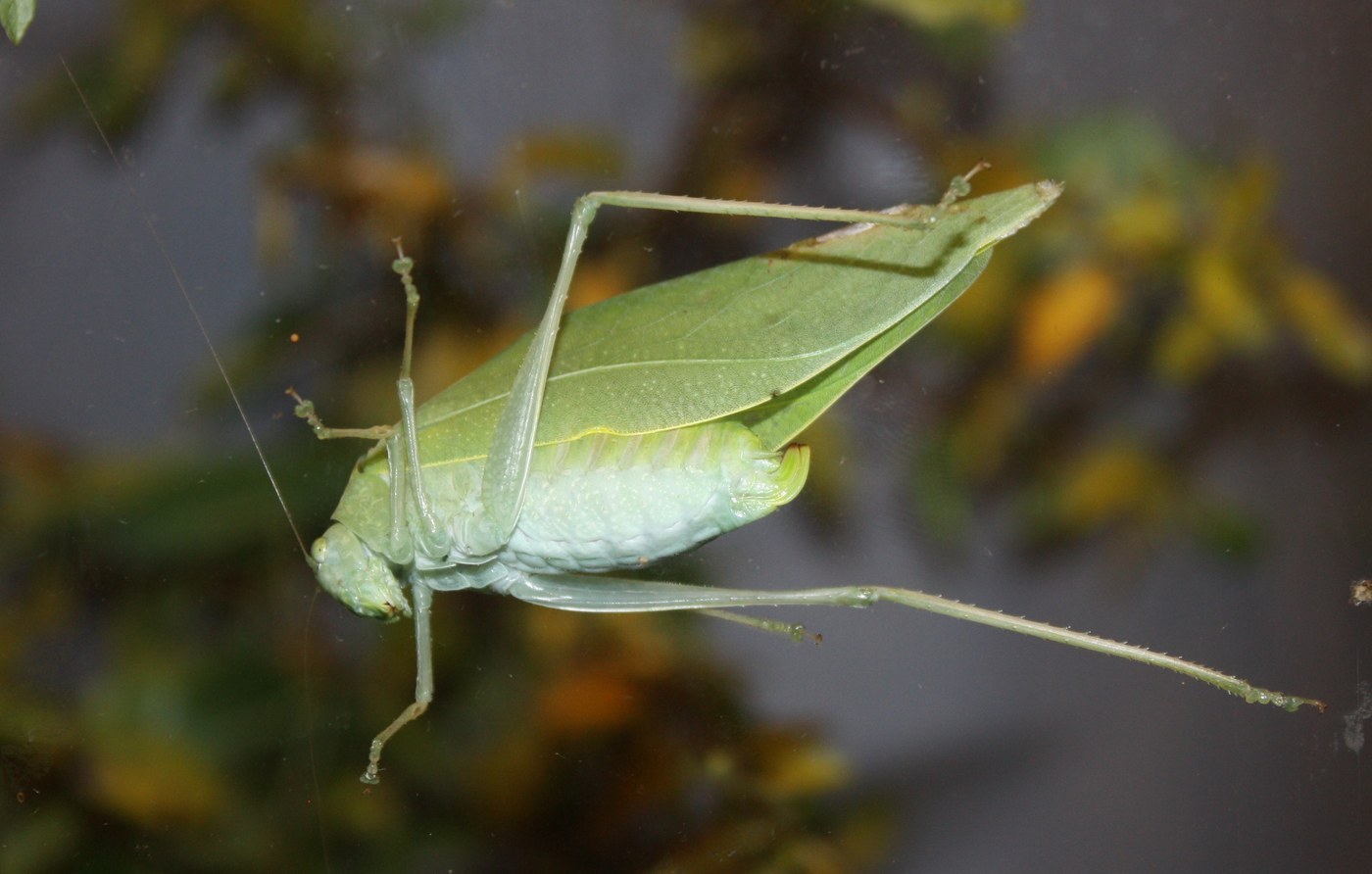
Angular-winged Katydid
deciduous trees, shrubs, and hedgerows across eastern and central North America
Spur-throated Grasshopper
grasslands, meadows, croplands, and roadsides across North America
Snowy Tree Cricket
Shrubs, trees, and tall vegetation across North America
Rocky Mountain Locust
historically open grasslands and river valleys of the Rocky Mountains and Great Plains (now believed extinct)
Spotted Camel Cricket
damp caves, crawl spaces, basements, leaf litter, and rotting logs in eastern North America
Pygmy Grasshopper
damp soil, mud, and low vegetation near ponds, streams, and marshes
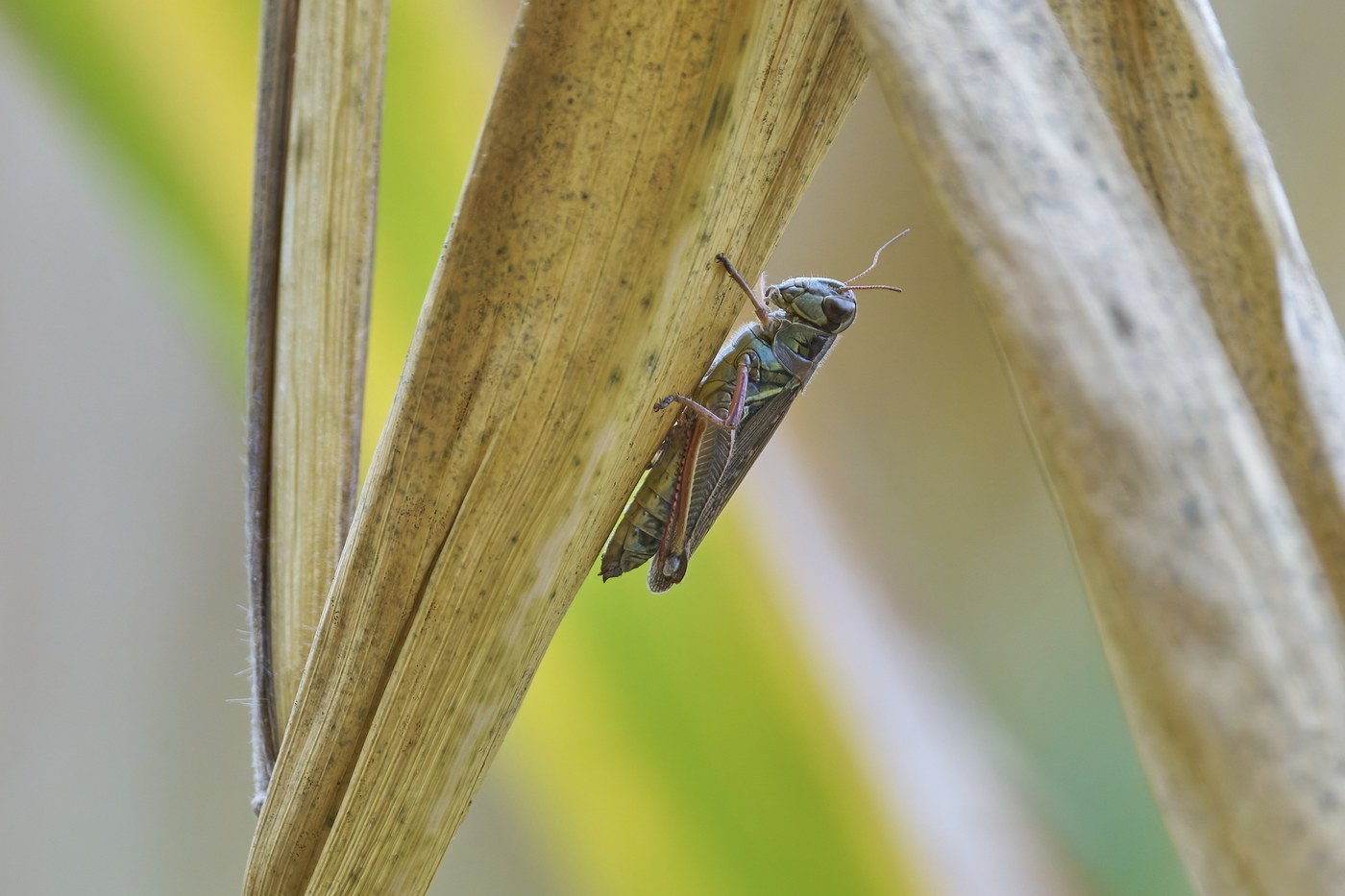
Red-legged Grasshopper
Meadows, pastures, field edges, and gardens across North America
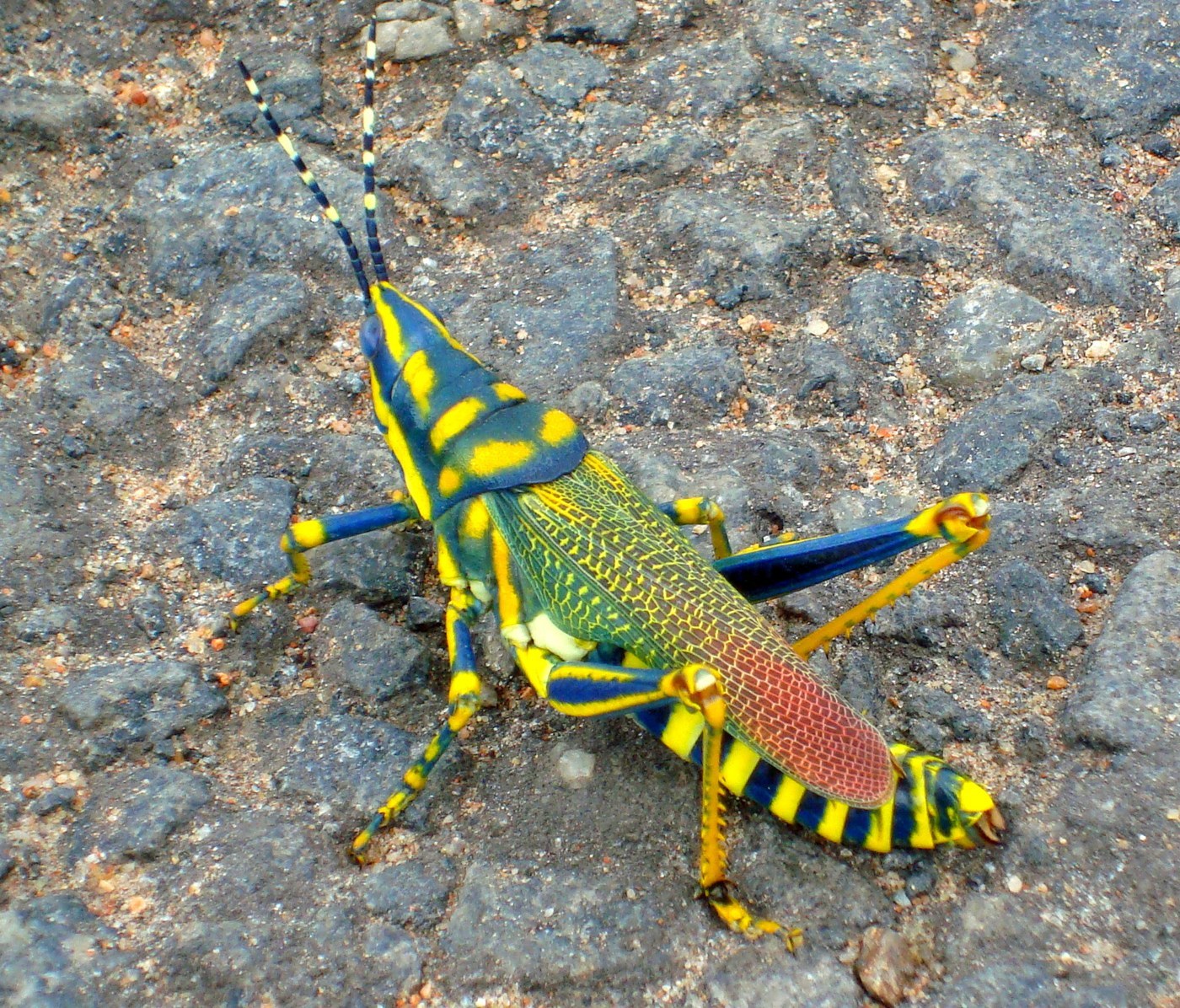
Painted Grasshopper
arid scrub, wastelands, and gardens of the Indian subcontinent, especially near milkweed plants
Speckled Bush Cricket
Brambles, hedgerows, nettles, and shrubby vegetation
Northern Mole Cricket
wet soil, pond margins, and marshy ground across eastern and central North America