
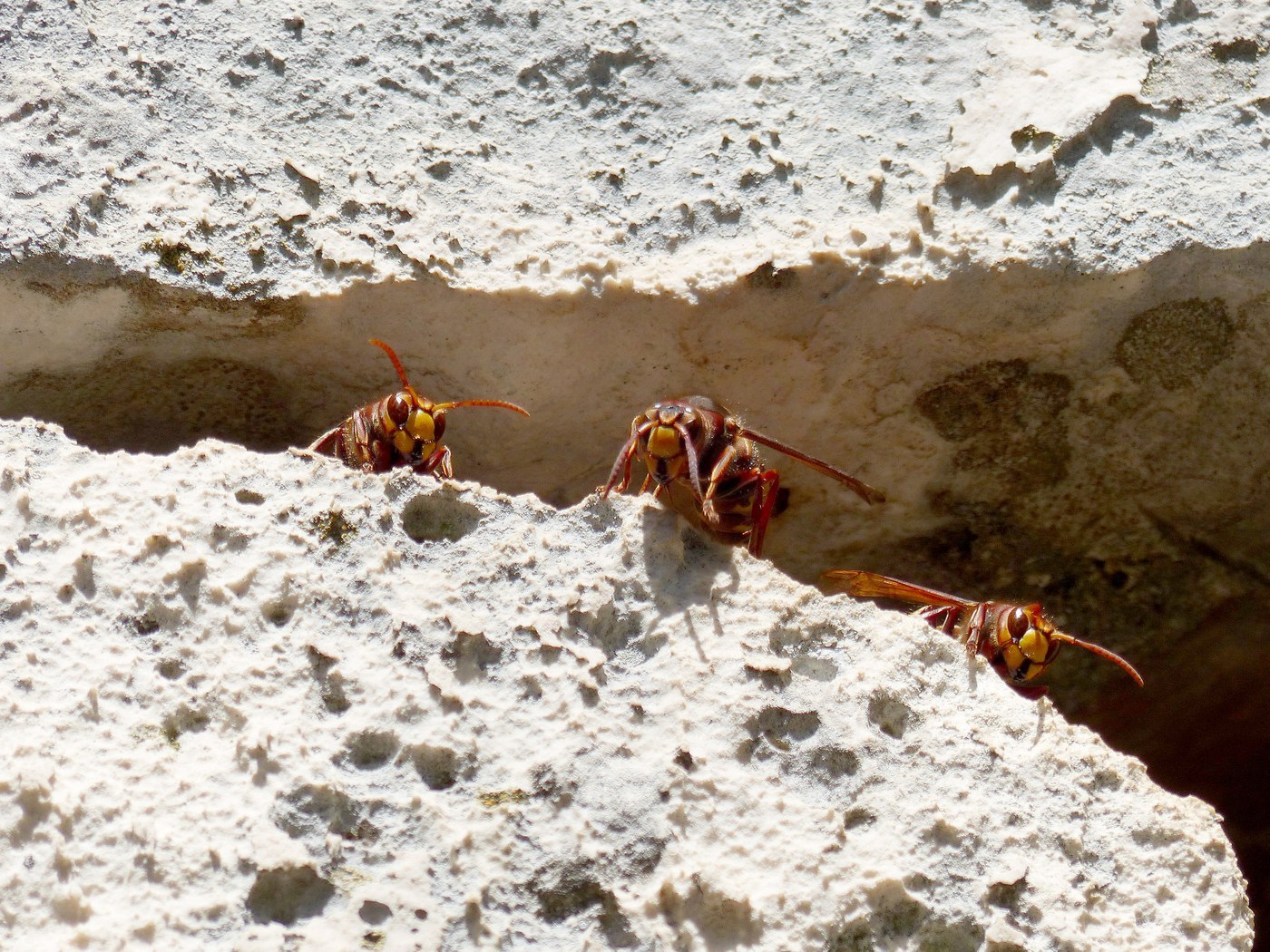
Hornet
Vespa crabro
A large, robust social wasp with a reddish-brown and yellow patterned body, notably bigger than yellowjackets, building enclosed papery nests often high in tree cavities or wall voids.
- Size
- 18–35 mm
- Habitat
- Woodlands, tree hollows, and structures across Europe, Asia, and introduced areas of North America
- Danger
- Stings
Spotted a bug like this?
Identify any bug or insect from a photo, free.
Overview
True hornets belong to the genus Vespa within the wasp family Vespidae, and are the largest of the social vespid wasps, with the European Hornet being the best-known representative in much of the Northern Hemisphere and one of the few true hornets established in North America. They are often confused with other large wasps, but true hornets form a distinct genus recognized by size and specific coloring.
Hornets are notable for their large, enclosed, multi-layered paper nests, often built inside hollow trees, wall cavities, or other sheltered spaces, distinguishing them from the more exposed open-combed nests of many paper wasps. Their size and loud flight sound also make them one of the more conspicuous social insects encountered outdoors.
Ecologically, hornets are effective predators of other insects, including flies, caterpillars, and yellowjackets, helping regulate populations of smaller insects, while adults also take tree sap and ripe fruit as food sources.
How to Identify
- Large, robust body noticeably bigger than a yellowjacket, with a reddish-brown thorax and head contrasting with a yellow-and-black striped abdomen.
- Wings are amber-tinted and folded along the body at rest.
- Head is broad with large eyes and a distinct notch or curved margin near the eye, useful for identification against similar wasps.
- Lookalikes include large yellowjackets and hornet-mimicking robber flies, but true hornets are distinguished by their larger size and reddish-brown coloring on the thorax.
Habitat & Range
European Hornets are native across much of Europe and temperate Asia and have become established in parts of the eastern United States. They favor wooded areas, nesting inside hollow trees, sheds, wall voids, or other enclosed cavities, and are active from spring through fall, often more active at dusk and after dark than many other wasps.
Behavior & Diet
Hornets are active predators, capturing flies, caterpillars, and other wasps to feed developing larvae, while adults themselves feed on tree sap, ripe fruit, and other sugary sources. Colonies function cooperatively, with workers defending the nest and cooperating in foraging and brood care, and hornets are known for their audible buzzing flight and tendency to fly toward lights at night. Their predation on pest insects gives them a beneficial ecological role in the areas where they occur.
Life Cycle
A single overwintered queen founds a nest in spring, initially building and provisioning it alone before her first worker offspring mature and take over colony tasks. The colony grows through summer as workers expand the enclosed paper nest in layers, and toward late summer or early fall the colony produces new queens and males for mating. After mating, only the new queens survive to overwinter in sheltered spots such as under bark or in leaf litter, while the rest of the colony dies off with cold weather, completing one generation per year.
Frequently asked questions
How is a hornet different from a yellowjacket?
True hornets are notably larger, with a reddish-brown thorax and head contrasting the yellow-black abdomen, while yellowjackets are smaller and entirely black-and-yellow patterned.
Where do hornets build their nests?
They typically build enclosed, multi-layered paper nests inside hollow trees, wall cavities, or other sheltered voids rather than out in the open.
Are hornets active at night?
European Hornets are unusual among social wasps in being active well after dusk and are frequently attracted to porch lights.
What do hornets eat?
Adults hunt other insects such as flies and caterpillars to feed their larvae, while adults themselves feed on tree sap and ripe fruit.
Hornet guides
In-depth guides for identifying, understanding, and living alongside Hornet.
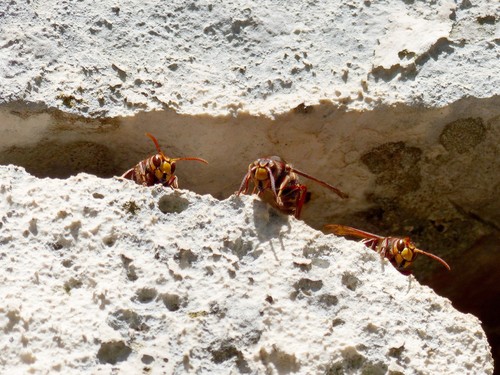
Hornet identified by the community
Real finds identified with Bug Identifier.
Other bugs you may enjoy
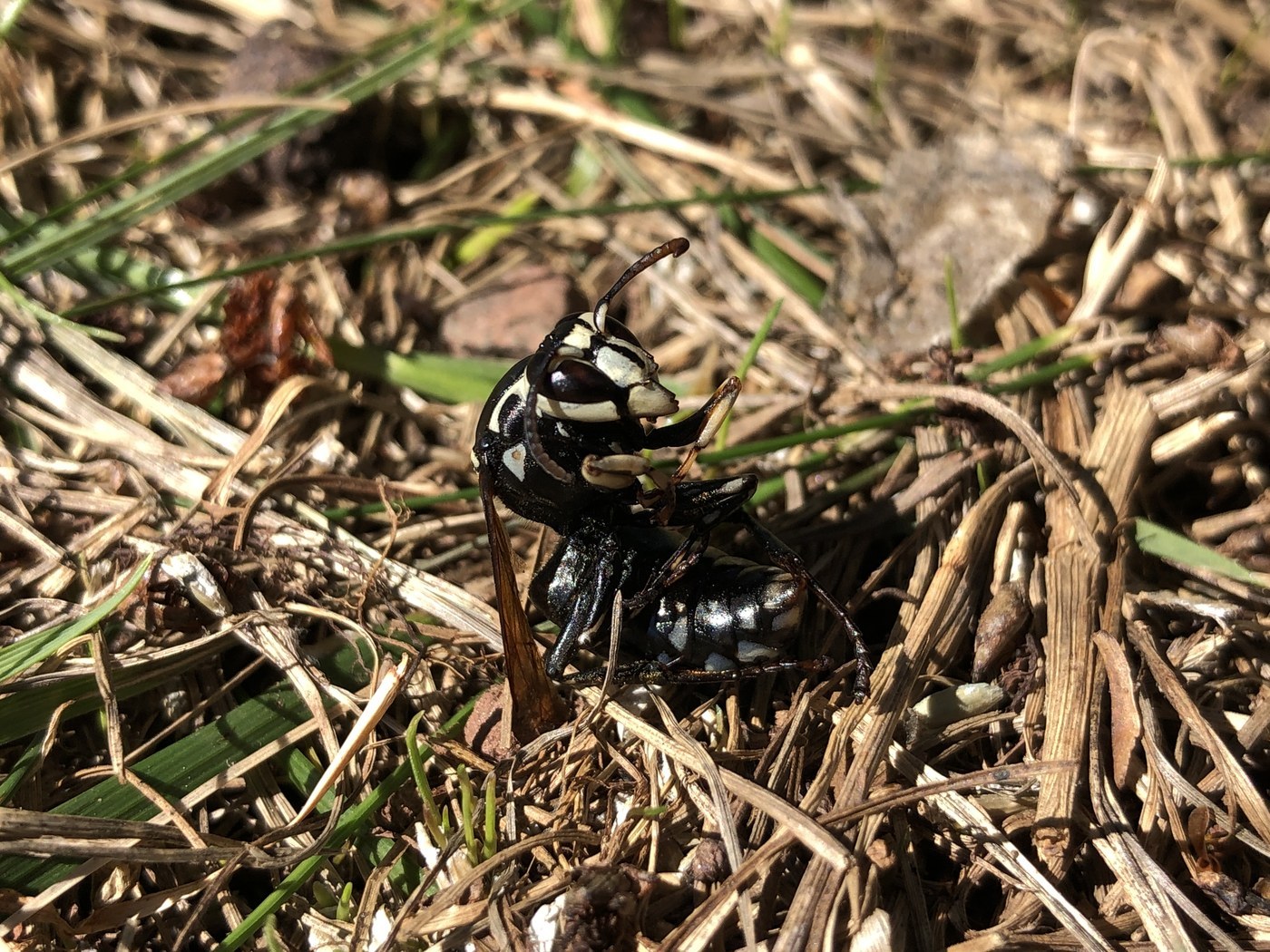
Bald-faced Hornet
Woodland edges, shrubs, and tree branches across North America
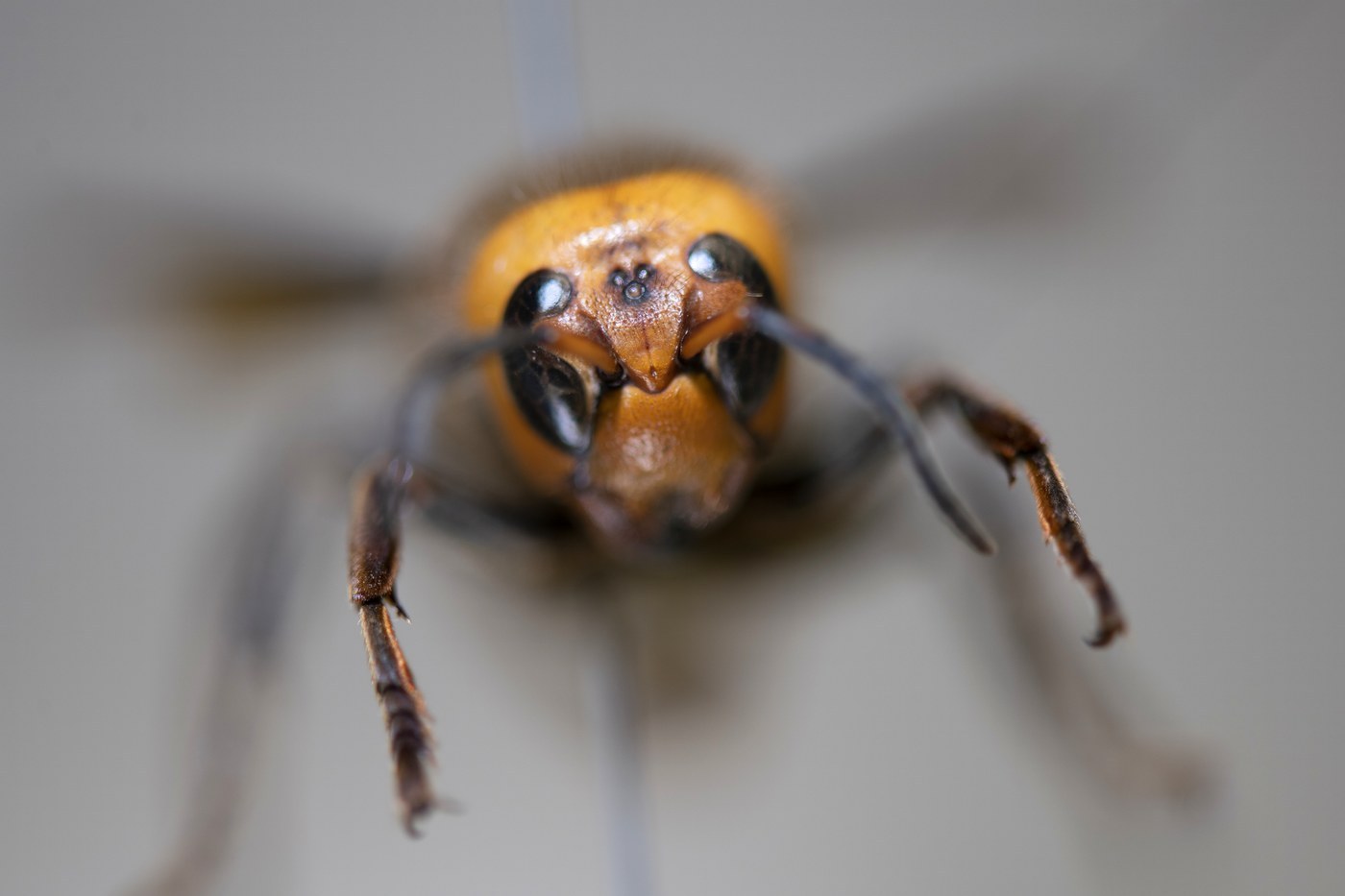
Asian Giant Hornet
Forested lowlands and mountains of East and South Asia; low tree hollows
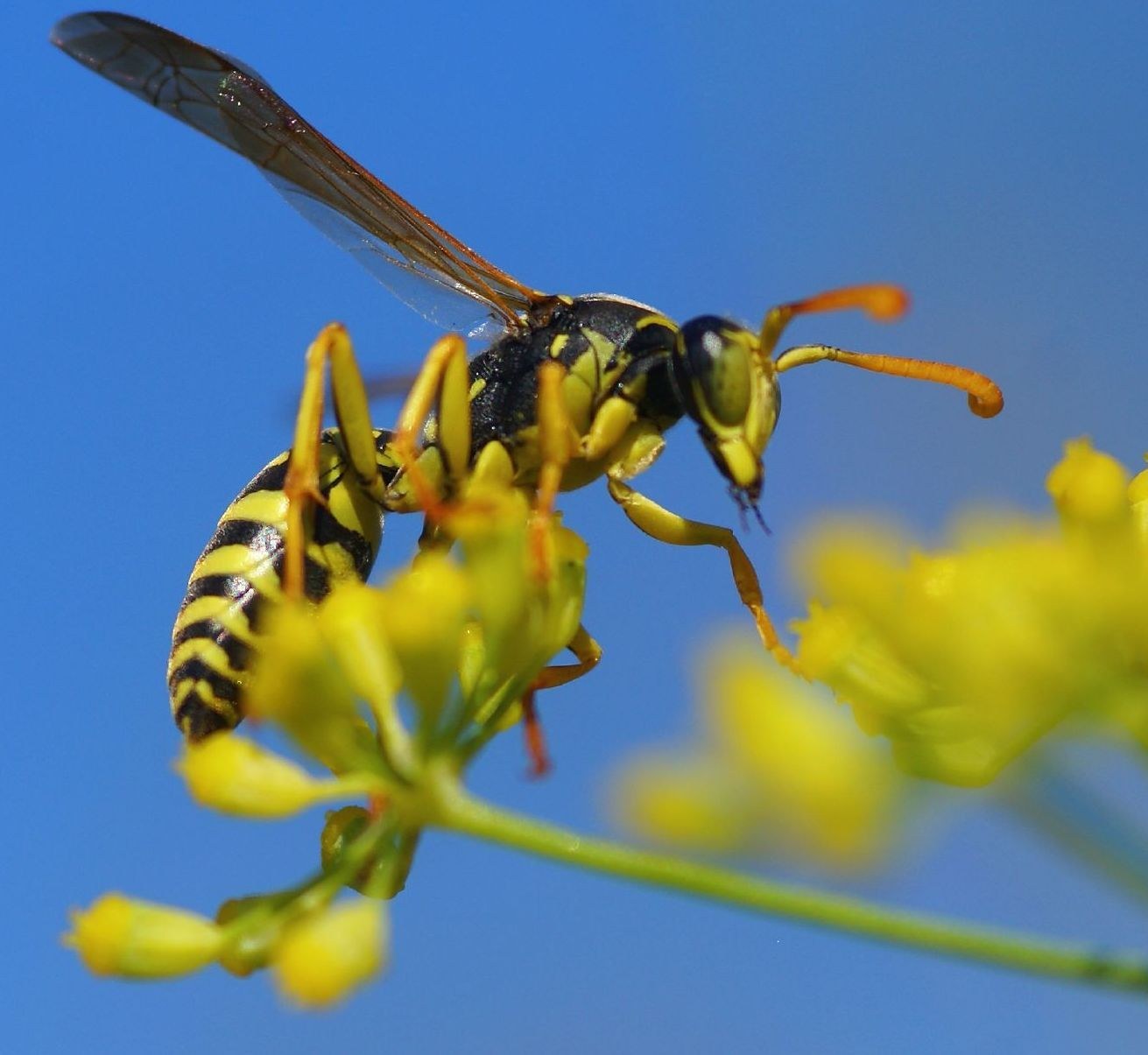
Yellowjacket
Underground nests, wall voids, gardens, picnic areas
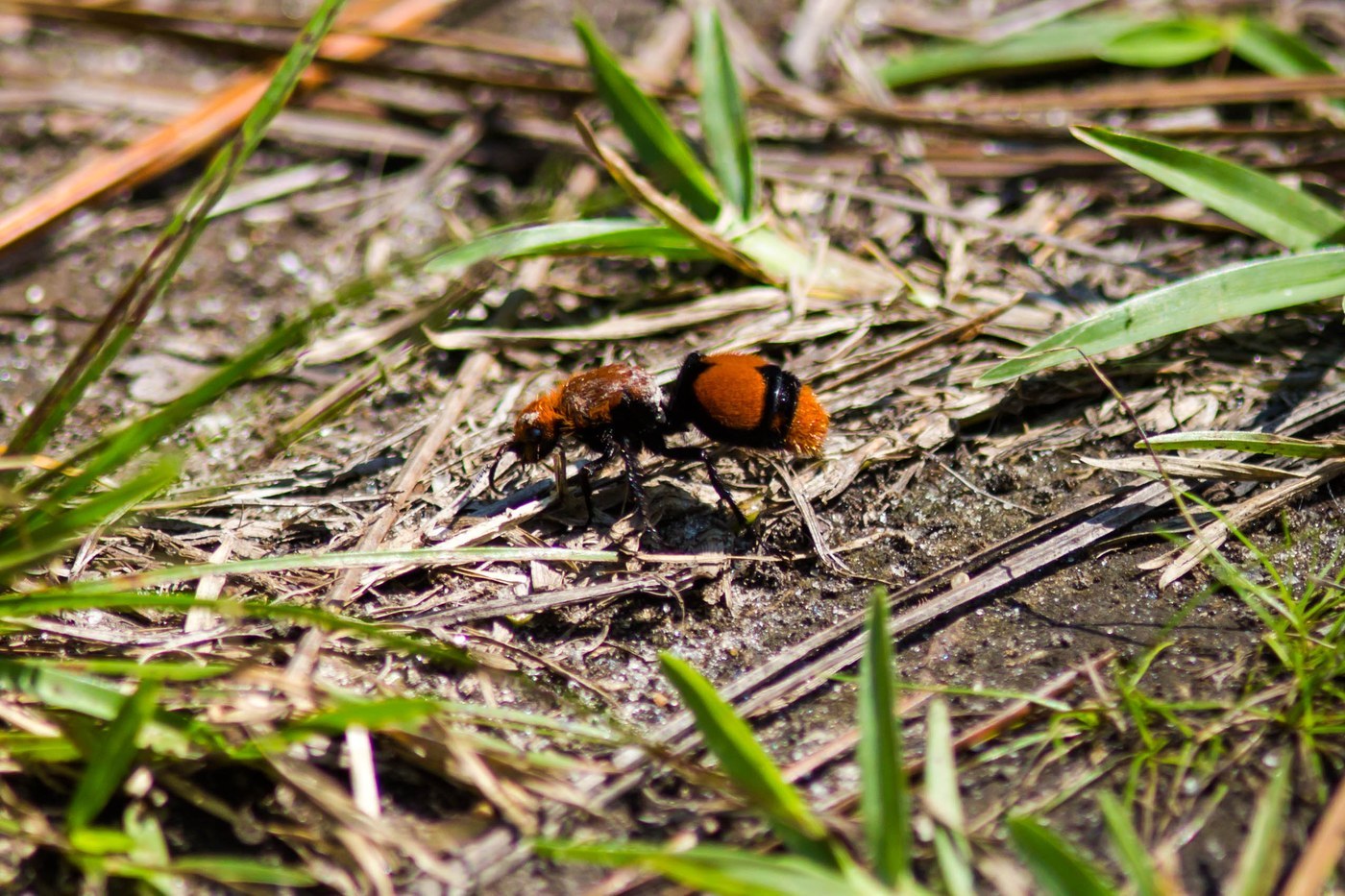
Velvet Ant
Sandy soils, open fields, dunes, roadsides in warm regions
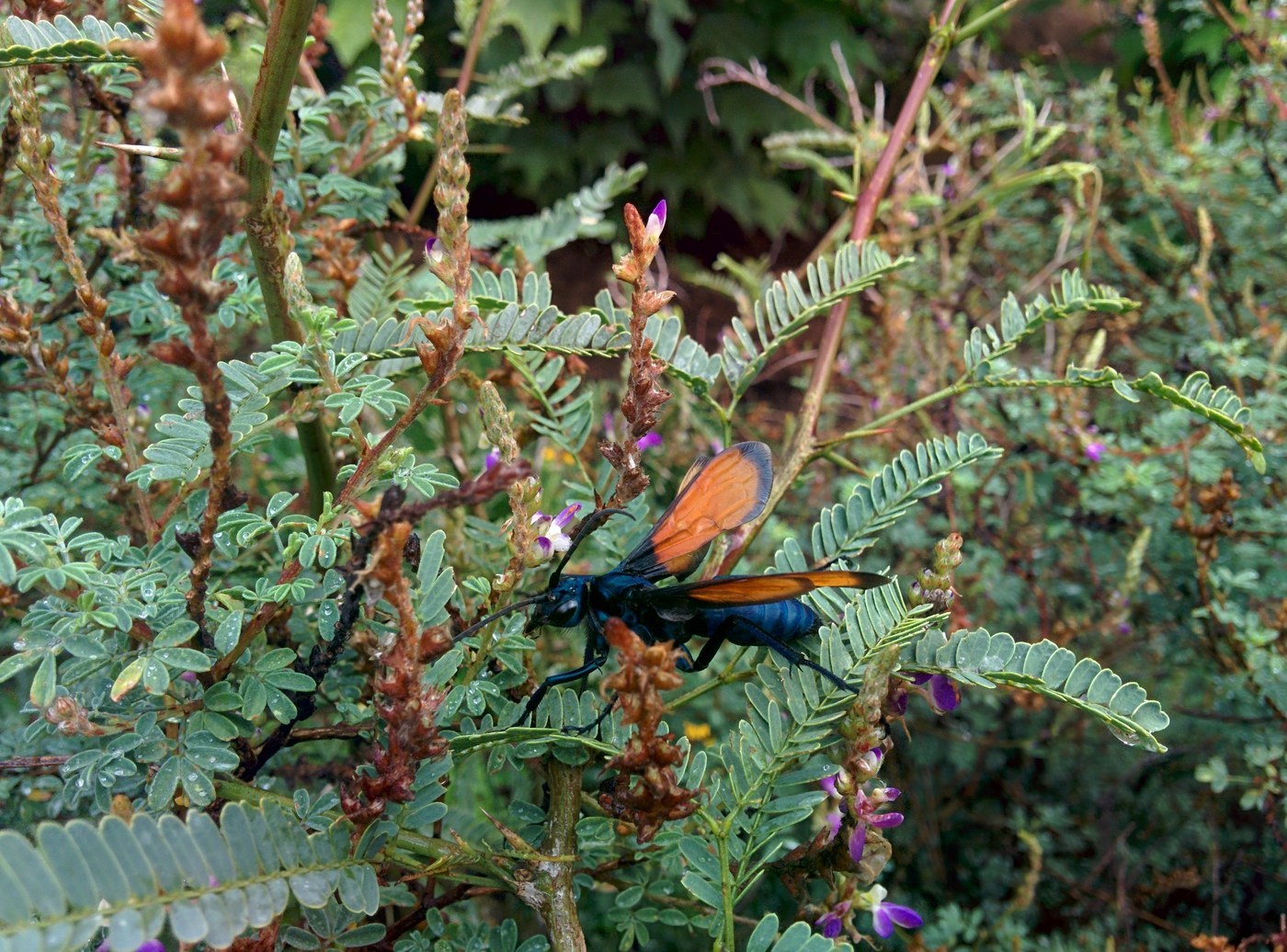
Tarantula Hawk
Deserts, arid scrublands, and dry grasslands
Tarantula Hawk Wasp
Deserts, grasslands, and scrub of the Americas
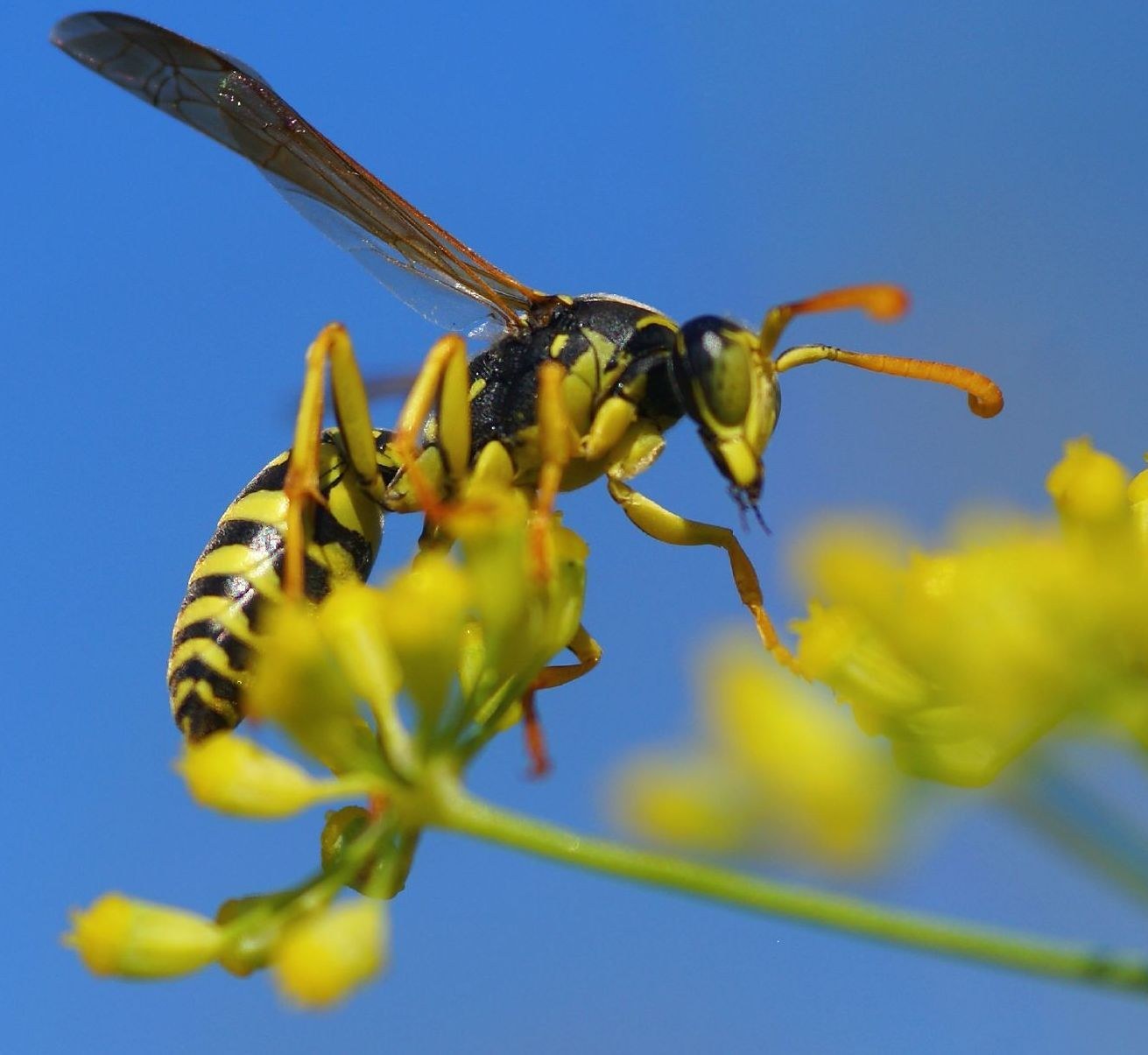
Wasp
Gardens, woodlands, eaves, and urban areas worldwide
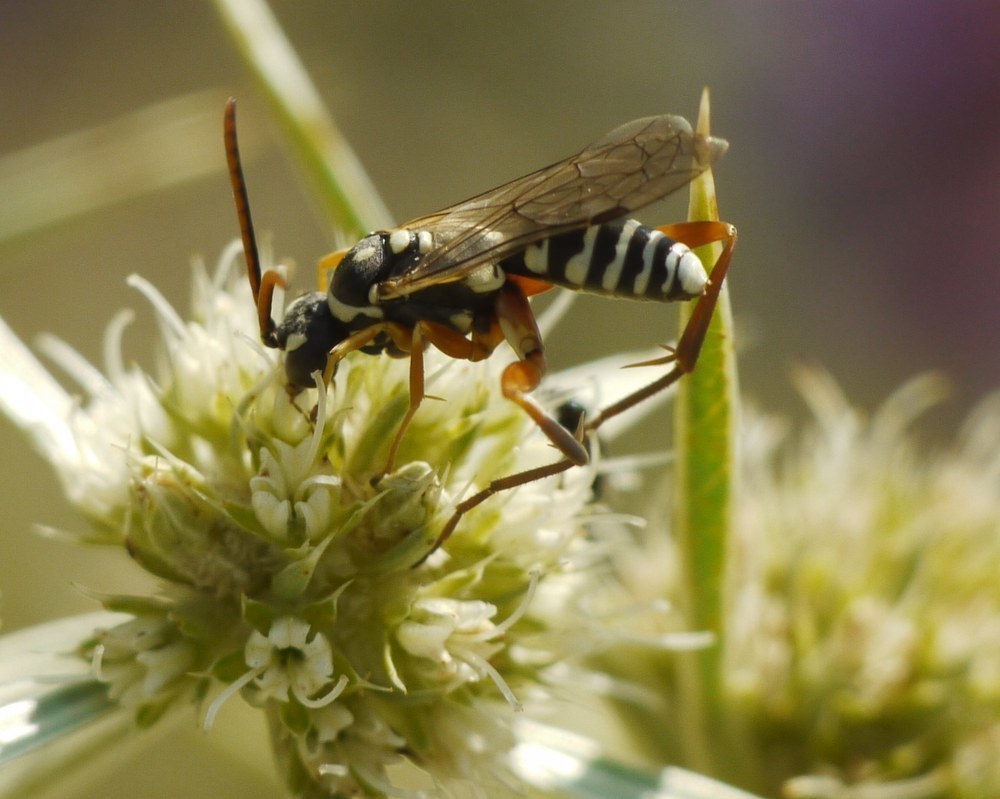
Spider Wasp
Gardens, grasslands, and sandy open areas worldwide
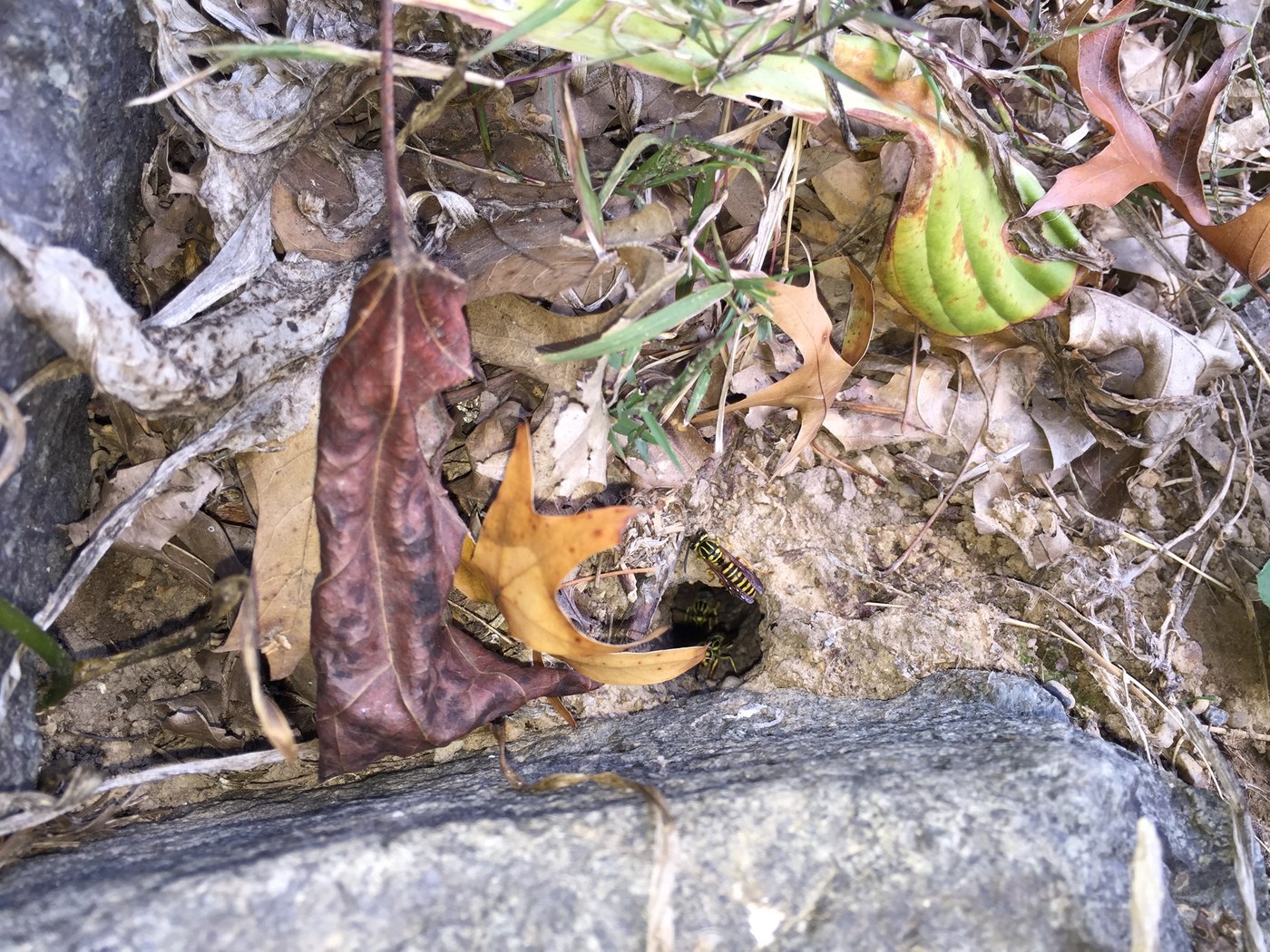
Yellow Jacket
Ground nests, wall voids, parks, and areas near food sources
Sawfly
Gardens, woodlands, and orchards on host foliage
Red Paper Wasp
Eaves, porch ceilings, sheds, open woodland edges, gardens
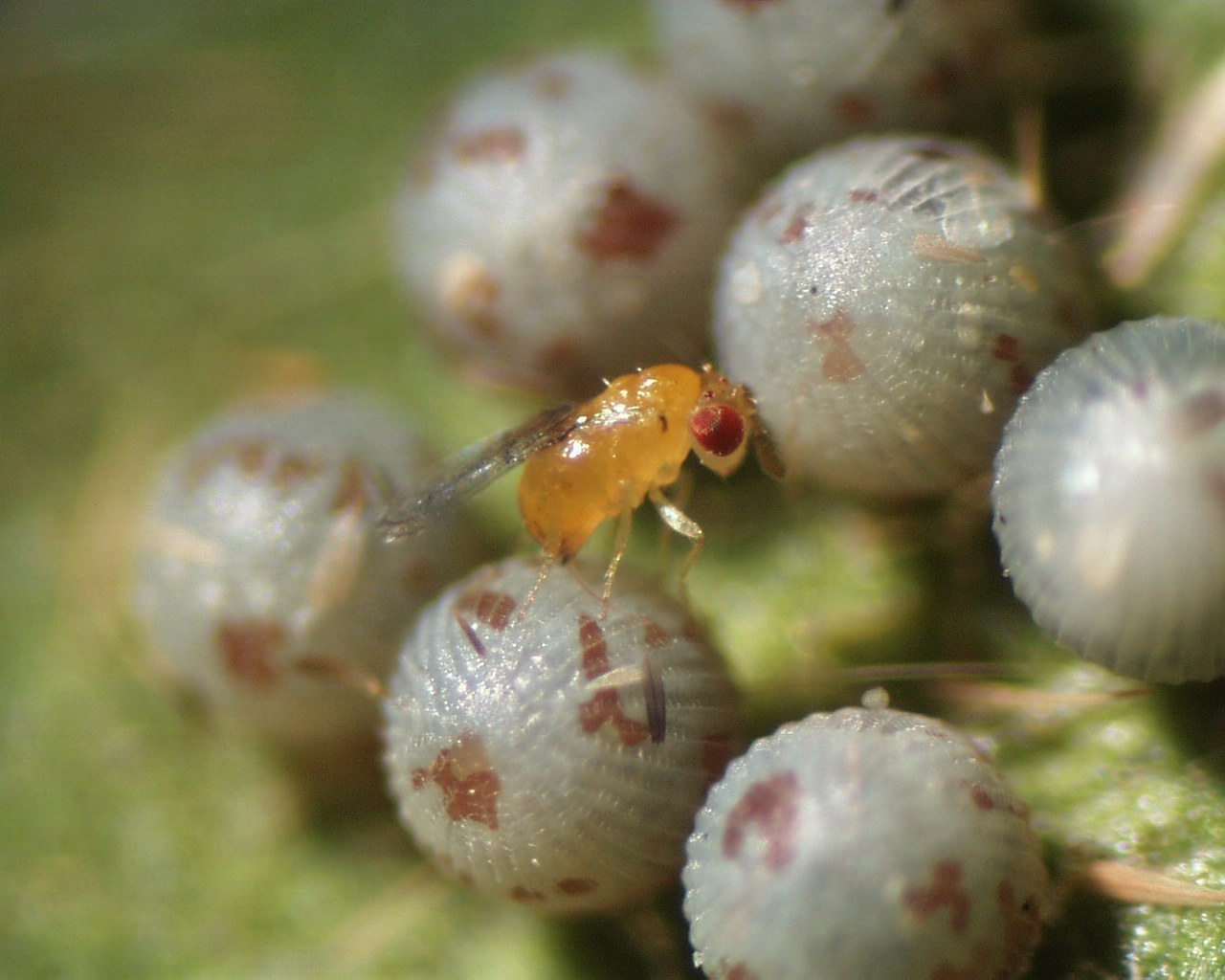
Trichogramma Wasp
Fields, gardens, and crops worldwide