
Horse Fly Larva
Tabanus spp.
Hidden in the wet mud along pond and stream margins, the horse fly larva is a tapered, tough-skinned predator that hunts other small soil and mud-dwelling invertebrates before eventually transforming into the familiar biting fly.
- Size
- 20-30 mm
- Habitat
- Wet mud and soil at the edges of ponds and streams
- Danger
- Harmless
Spotted a bug like this?
Identify any bug or insect from a photo, free.
Overview
The horse fly larva is the immature stage of the large, robust flies known for their persistent biting habits as adults, though the larval stage itself lives an entirely different, hidden existence in wet mud and soil. Larvae are elongated and tapered at both ends, with a tough, segmented skin, and are typically found burrowed just beneath the surface of saturated mud along the margins of ponds, marshes, and slow streams.
Unlike the blood-feeding adults, horse fly larvae are predators of other small invertebrates found in the same wet soil and mud, including worms, insect larvae, and other small organisms, which they subdue with strong mandibles. They are generally solitary and spend most of their time buried and out of sight, making them far less commonly encountered than the conspicuous adult flies.
As fly larvae, they undergo complete metamorphosis, moving to drier soil near the water's edge to pupate before the adult horse fly emerges. This life cycle, spanning wet mud as a larva and open sunny habitats as an adult, links horse flies closely to wetland and pond-margin ecosystems.
How to Identify
- Elongated, spindle-shaped body 20-30 mm long, tapering at both ends, with a tough, ringed or segmented appearance
- Body typically pale gray, cream, or greenish-white
- Faint rings of small fleshy projections (pseudopods) encircling each body segment, aiding movement through mud
- No true legs, but the pseudopod rings distinguish it from the smoother-skinned crane fly larva
- Pointed head end bearing strong mandibles used for subduing prey
- Distinguished from crane fly larvae by its more tapered, pointed profile and rings of small fleshy projections around each segment
Habitat & Range
Horse fly larvae are found burrowed in wet mud, saturated soil, and decaying vegetation along the margins of ponds, marshes, ditches, and slow-moving streams across much of the world, generally staying just below the surface where moisture is high but not fully submerged. They are most active during warmer months and typically overwinter as larvae in the mud before pupating the following season.
Behavior & Diet
Horse fly larvae are solitary predators that move slowly through wet mud and soil, using strong mandibles to capture and feed on other small invertebrates such as worms, insect larvae, and soft-bodied organisms sharing the same habitat. They spend nearly all of their larval life hidden beneath the surface, rarely seen except when soil or mud is disturbed. This subterranean predatory role makes them a minor but steady check on other invertebrate populations within wetland and pond-margin soils, distinct from the blood-feeding role of the winged adult stage.
Life Cycle
Females lay egg masses on vegetation overhanging water or wet soil. The larvae that hatch drop or burrow into the mud below and pass through several instars over one to two years in many species, feeding on other invertebrates and growing slowly, typically overwintering as larvae for one or more seasons. When mature, the larva moves to drier soil near the water's edge to pupate, and after a period of weeks the adult horse fly emerges, ready to mate and, in the case of females of most species, seek out a blood meal to support egg development.
Frequently asked questions
Does the horse fly larva bite like the adult?
No, the larva is a soil and mud-dwelling predator of other small invertebrates and behaves nothing like the blood-feeding adult fly.
Where do horse fly larvae live?
They live burrowed in wet mud and saturated soil along the margins of ponds, marshes, and slow streams rather than in open water.
What do horse fly larvae eat?
They prey on other small invertebrates found in the same wet mud and soil, such as worms and insect larvae, which they capture with strong mandibles.
How long does the horse fly larval stage last?
Depending on the species, larvae may take one to two years to fully develop, often overwintering in the mud before eventually pupating.
Horse Fly Larva guides
In-depth guides for identifying, understanding, and living alongside Horse Fly Larva.
Other bugs you may enjoy
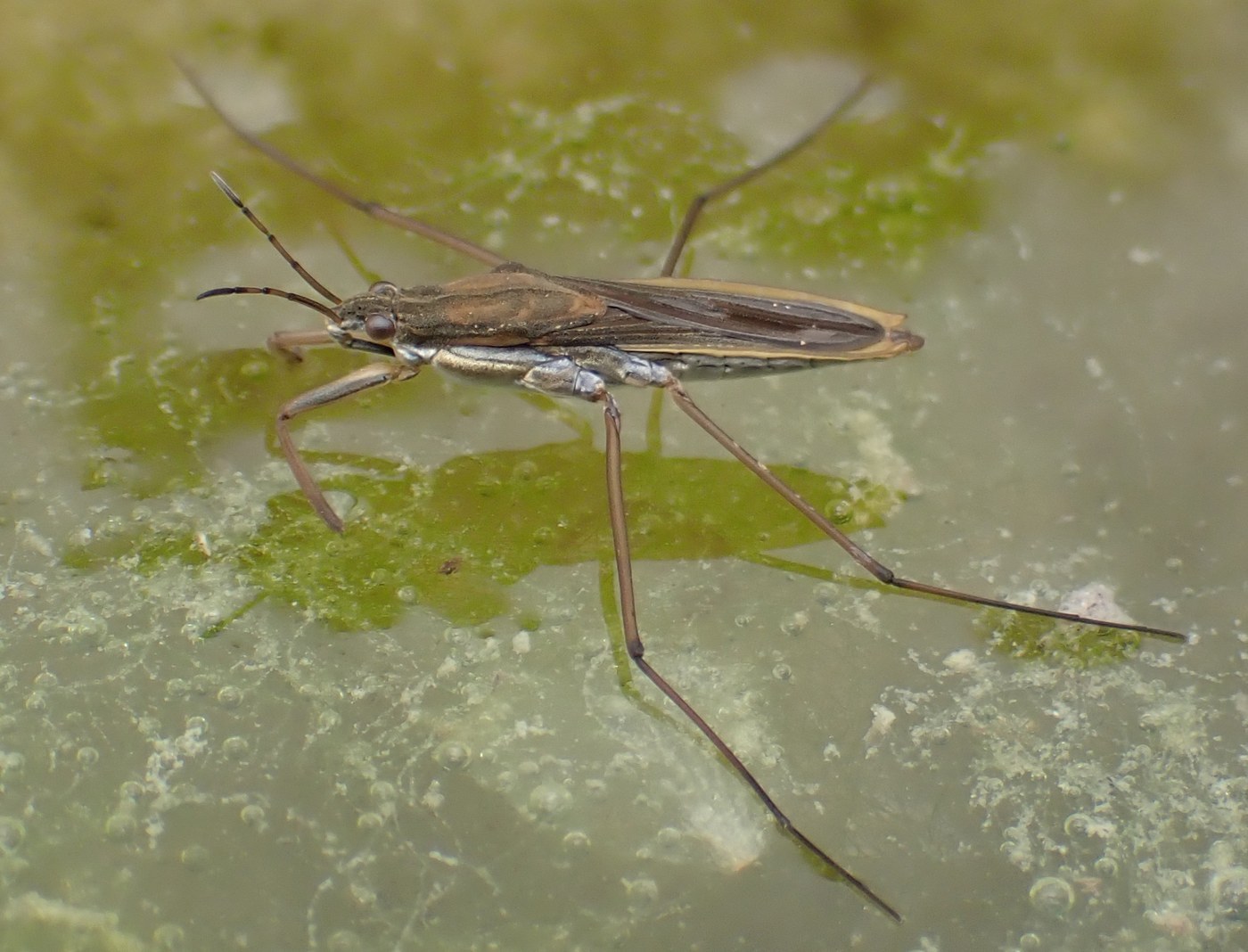
Water Strider
Still or slow-moving fresh water: ponds, lake edges, slow streams, puddles
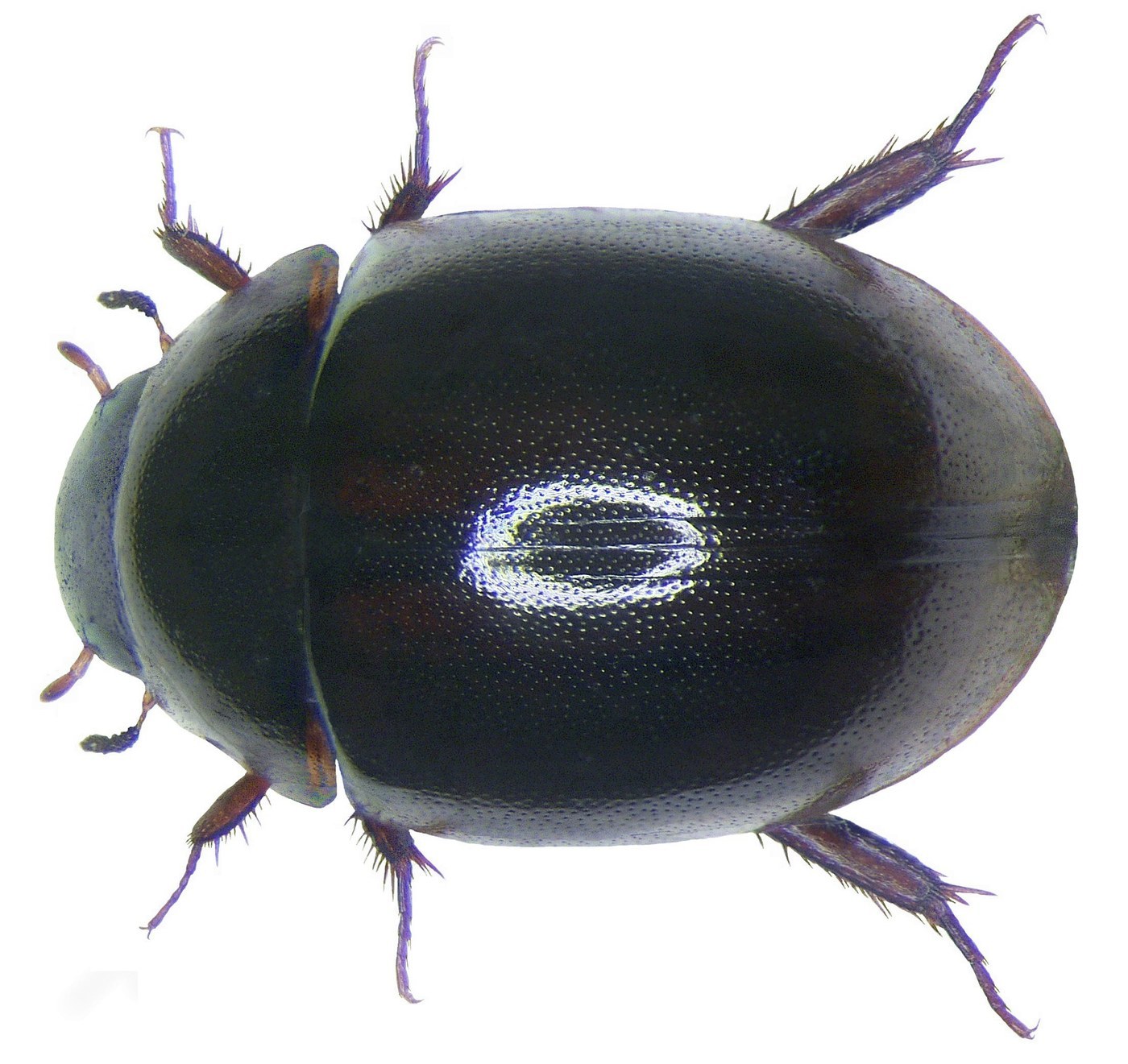
Water Beetle
Ponds, slow streams, marshes, still fresh water
Water Penny Beetle
Fast, rocky, well-oxygenated streams
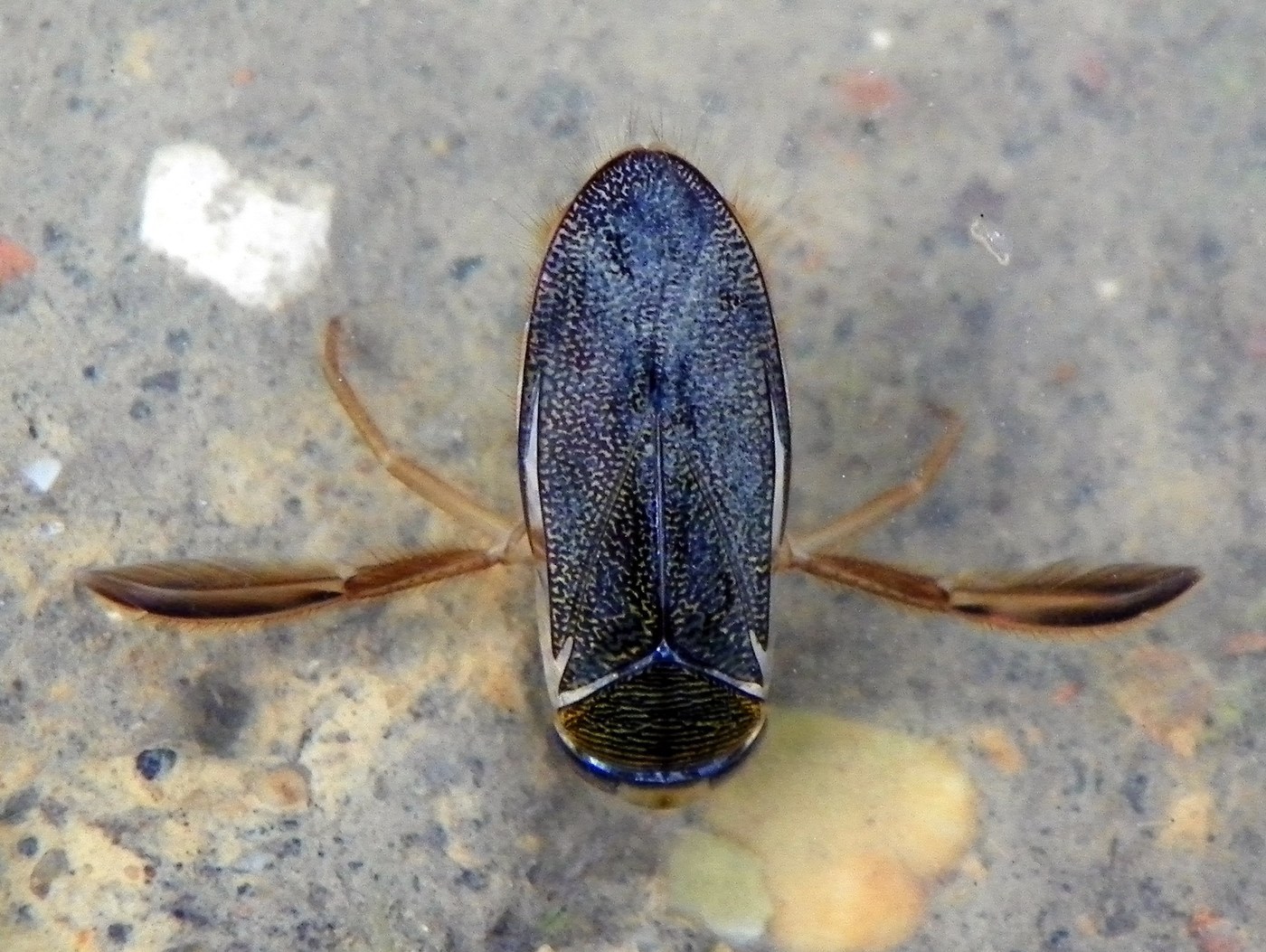
Water Boatman
Ponds, lakes, slow streams, freshwater with vegetation
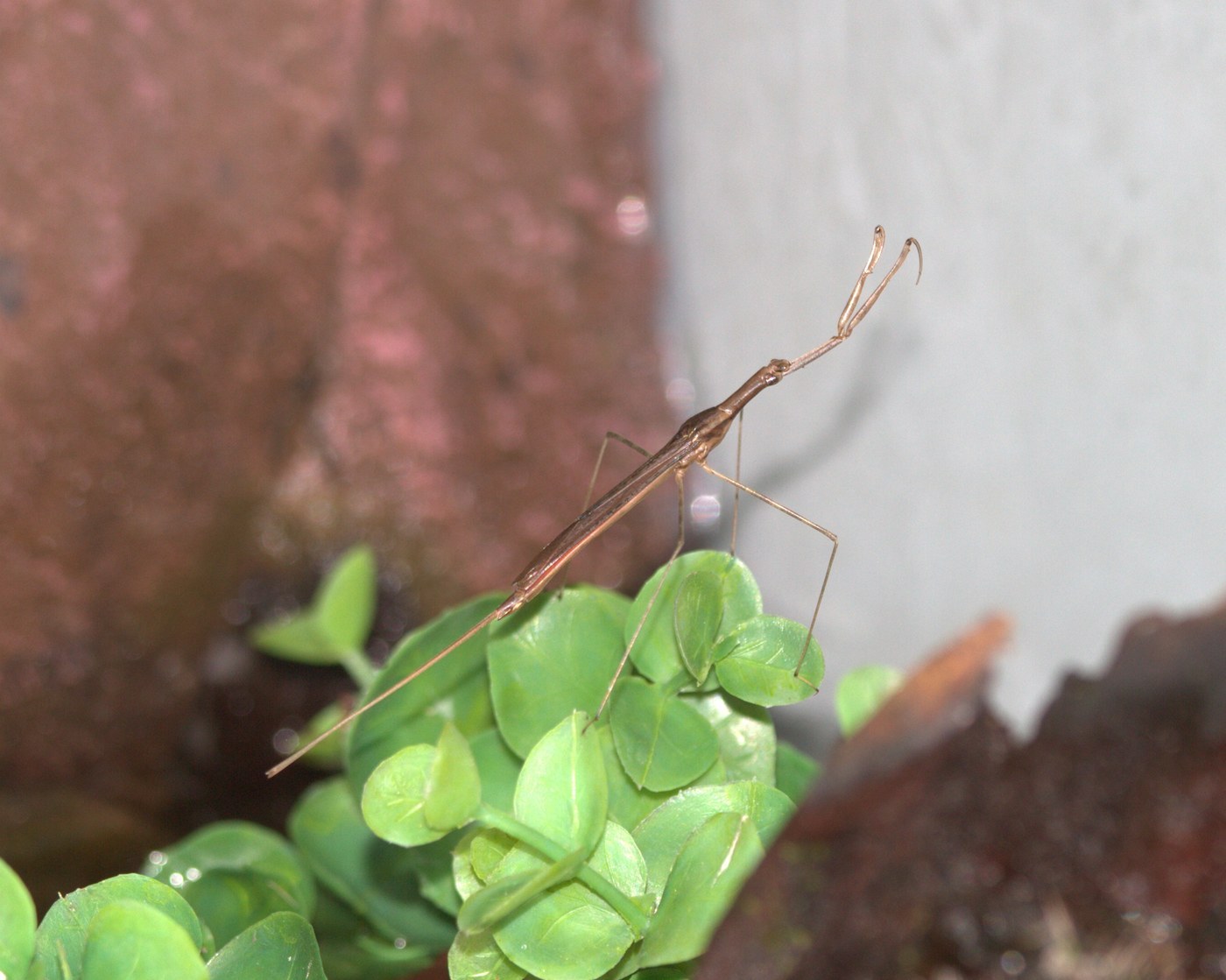
Water Scorpion
Still or slow-moving water with submerged vegetation
Stonefly
Cold, clean, well-oxygenated streams and rivers
Stonefly Nymph
Cold, fast-flowing, well-oxygenated streams
Toad Bug
Muddy or sandy shorelines of ponds, streams, and rivers
Soldier Fly Larva
Ponds, marshes, and slow streams with organic sediment
Mosquito Larva
Standing water in ponds, ditches, containers, and puddles
Whirligig Beetle
Surface of ponds, lakes, and slow streams
Rat-Tailed Maggot
Stagnant, oxygen-poor water such as manure pools, drains, and compost