
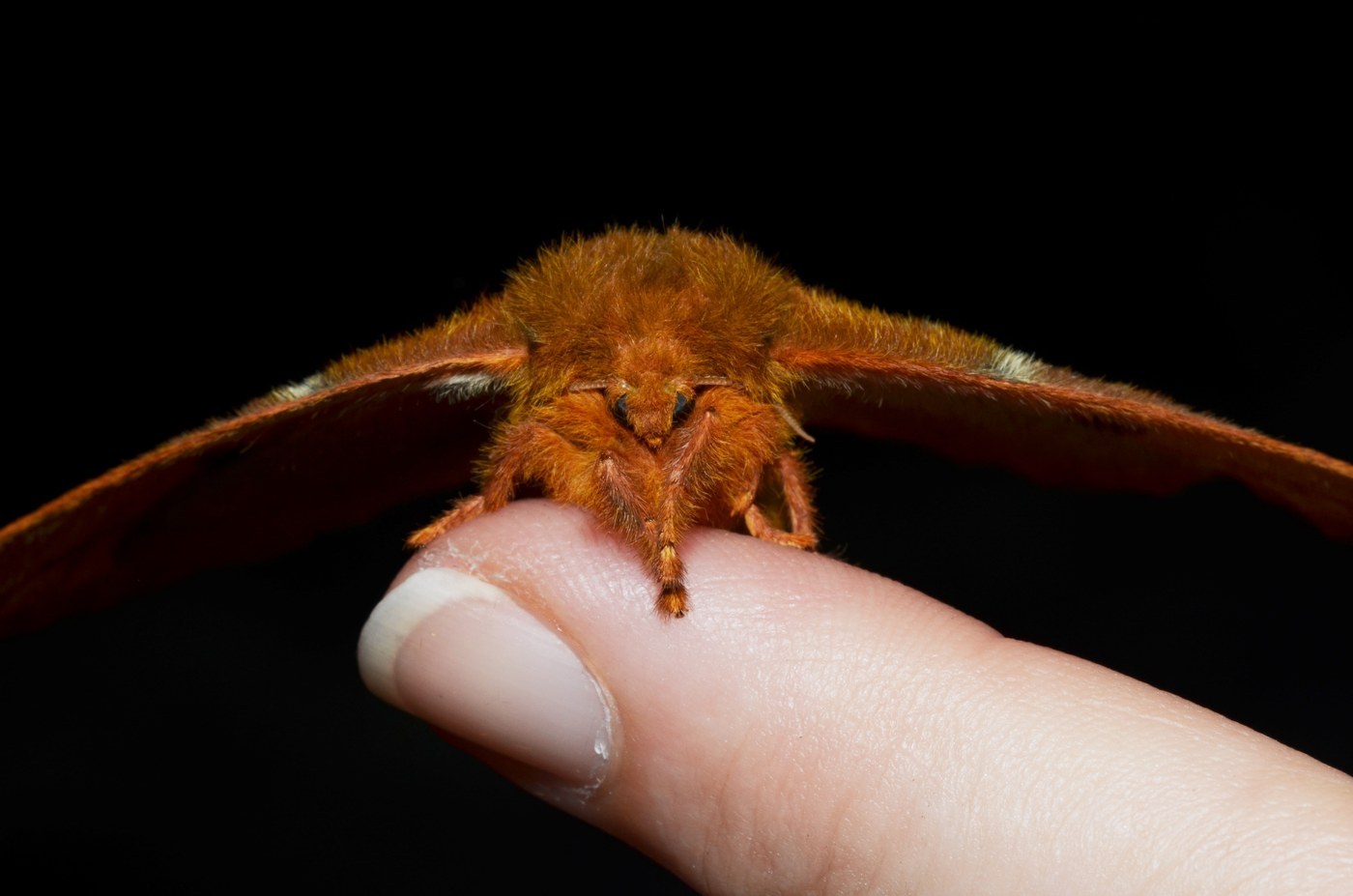
Io Moth Caterpillar
Automeris io
A bright lime-green caterpillar bristling with clusters of branching, stinging spines and thin red and white racing stripes along its sides.
- Size
- up to 6 cm long
- Habitat
- deciduous forests, woodlands, and shrubby edges
- Danger
- Mildly venomous
Spotted a bug like this?
Identify any bug or insect from a photo, free.
Overview
The Io moth caterpillar is the larval stage of Automeris io, a strikingly patterned giant silk moth found throughout much of North America east of the Rockies, from southern Canada down through the eastern and central United States into Mexico. It is one of the most recognizable stinging caterpillars in North America due to its vivid coloring and dense covering of branched spines.
This species feeds on a wide range of woody and herbaceous host plants, including many common trees and shrubs, and often lives gregariously in its early instars, with groups of siblings feeding together in tight clusters before dispersing as they mature. Its bright green body with a bold red and white lateral stripe makes it easy to spot against foliage once noticed, though the color also provides some camouflage among leaves.
The caterpillar's covering of urticating (stinging) spines serves as its primary defense against predators; contact with the spines can cause a defensive sting, but this is purely a passive deterrent used against animals like birds and small mammals rather than an aggressive behavior. The adult moth, which the caterpillar eventually becomes, is famous for the large blue and black eyespots on its hindwings used to startle predators.
How to Identify
- Bright lime-green body covered in clusters of branching, spiny tubercles
- A bold red-and-white (or red-and-cream) stripe running along each side of the body
- Spines are often tipped with a slightly darker color and arranged in star-like clusters along the back and sides
- Grows to about 5-6 cm at full size
- Younger caterpillars are often found feeding in groups, becoming more solitary as they mature
- Lookalikes: other Automeris and saturniid caterpillars, but the Io's combination of lime-green body and red-white side stripe is distinctive
Habitat & Range
Io moth caterpillars are found throughout the eastern two-thirds of North America, from southern Canada through the eastern and central United States and into Mexico. They inhabit deciduous forests, woodland edges, hedgerows, and shrubby areas, feeding on a broad range of host plants including willow, cherry, elm, and many other trees and shrubs. Caterpillars are most commonly encountered from mid to late summer.
Behavior & Diet
Early-instar Io moth caterpillars are gregarious, feeding in tight clusters on leaves as a group, which may help provide collective defense through their combined mass of stinging spines. As they grow, later instars tend to disperse and feed more independently. The caterpillars are generalist herbivores, consuming leaves from a wide variety of woody and herbaceous plants without strong host specificity. Their dense covering of branched, hollow spines can deliver a defensive sting if brushed against, deterring birds, small mammals, and other potential predators from further contact; this is a purely passive defense with no aggressive behavior involved. Despite this defense, they are still preyed upon by some birds and parasitic wasps that are unaffected by or avoid the spines.
Life Cycle
Adult female moths lay clusters of small, pale eggs on the leaves of host plants in late spring to early summer. Eggs hatch within one to two weeks into gregarious young caterpillars that feed together and molt through five instars over about five to six weeks, becoming more solitary and developing full spine coverage as they mature. Mature caterpillars spin a thin, papery brown cocoon among leaf litter or in low vegetation, where they may pupate for a few weeks or overwinter until the following spring in northern parts of their range. Adults emerge as large moths with a wingspan of 5-8 cm, males yellow and females reddish-brown, both bearing prominent blue-black eyespots on the hindwings. The species typically produces one to two generations per year depending on climate.
Frequently asked questions
Why does the Io moth caterpillar have spines?
The branched spines are a defensive adaptation that can deliver a sting if touched, deterring predators from handling or eating the caterpillar.
Do Io moth caterpillars live alone or in groups?
Young caterpillars are gregarious and feed together in clusters, becoming more solitary as they grow into later instars.
What does the adult Io moth look like?
It is a large, colorful moth with prominent blue-black eyespots on its hindwings, males being bright yellow and females a deeper reddish-brown.
What plants do Io moth caterpillars eat?
They are generalist feeders on many woody and herbaceous plants, including willow, cherry, elm, and various shrubs.
Io Moth Caterpillar guides
In-depth guides for identifying, understanding, and living alongside Io Moth Caterpillar.
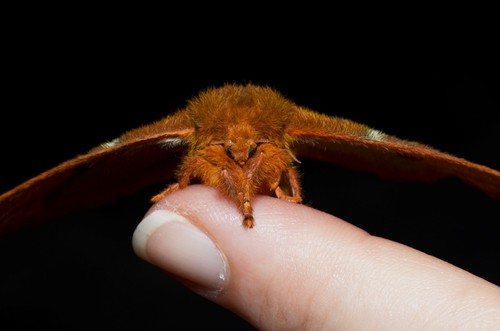
Io Moth Caterpillar identified by the community
Real finds identified with Bug Identifier.
Other bugs you may enjoy
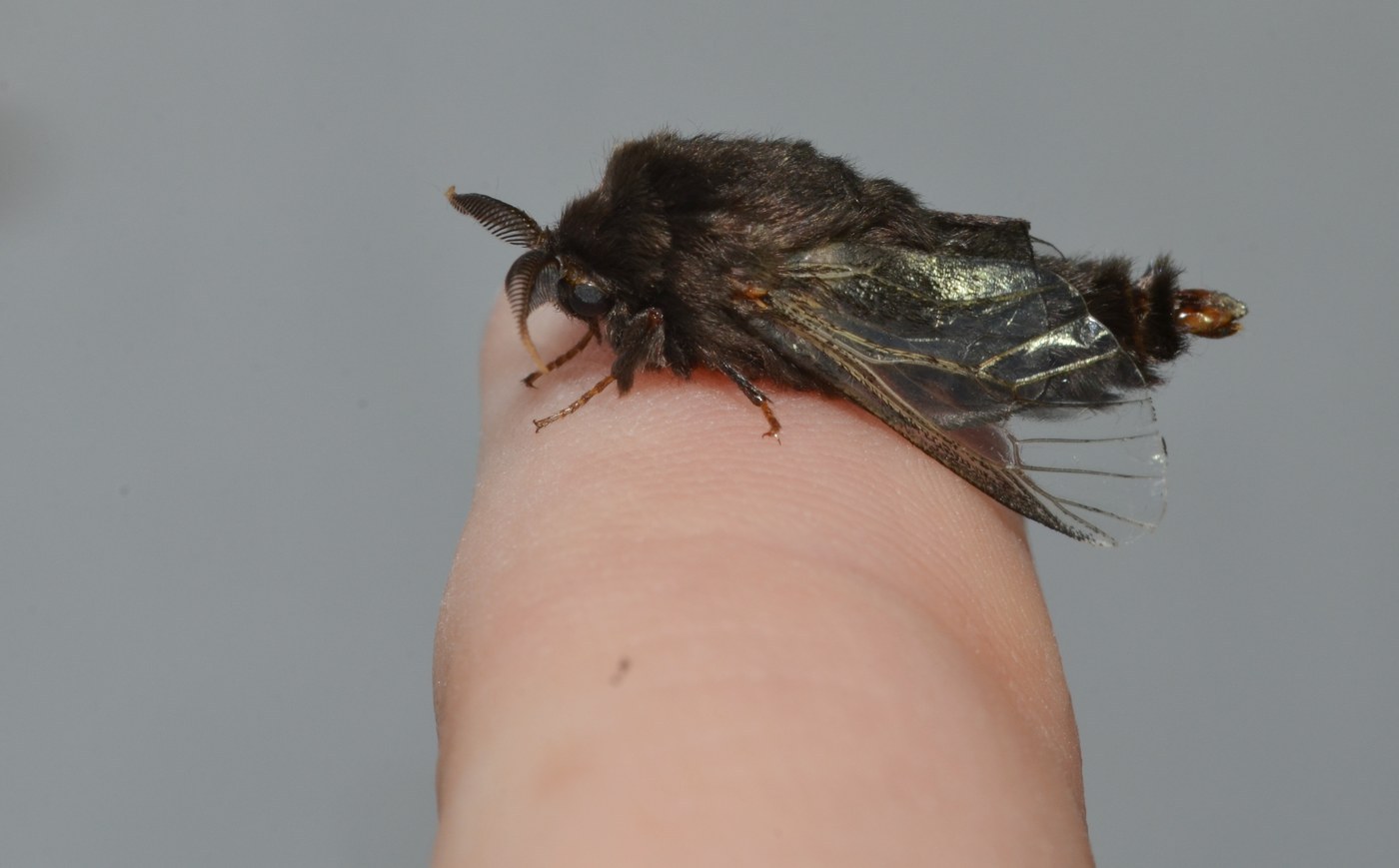
Bagworm
Trees and shrubs, especially conifers and ornamental landscaping
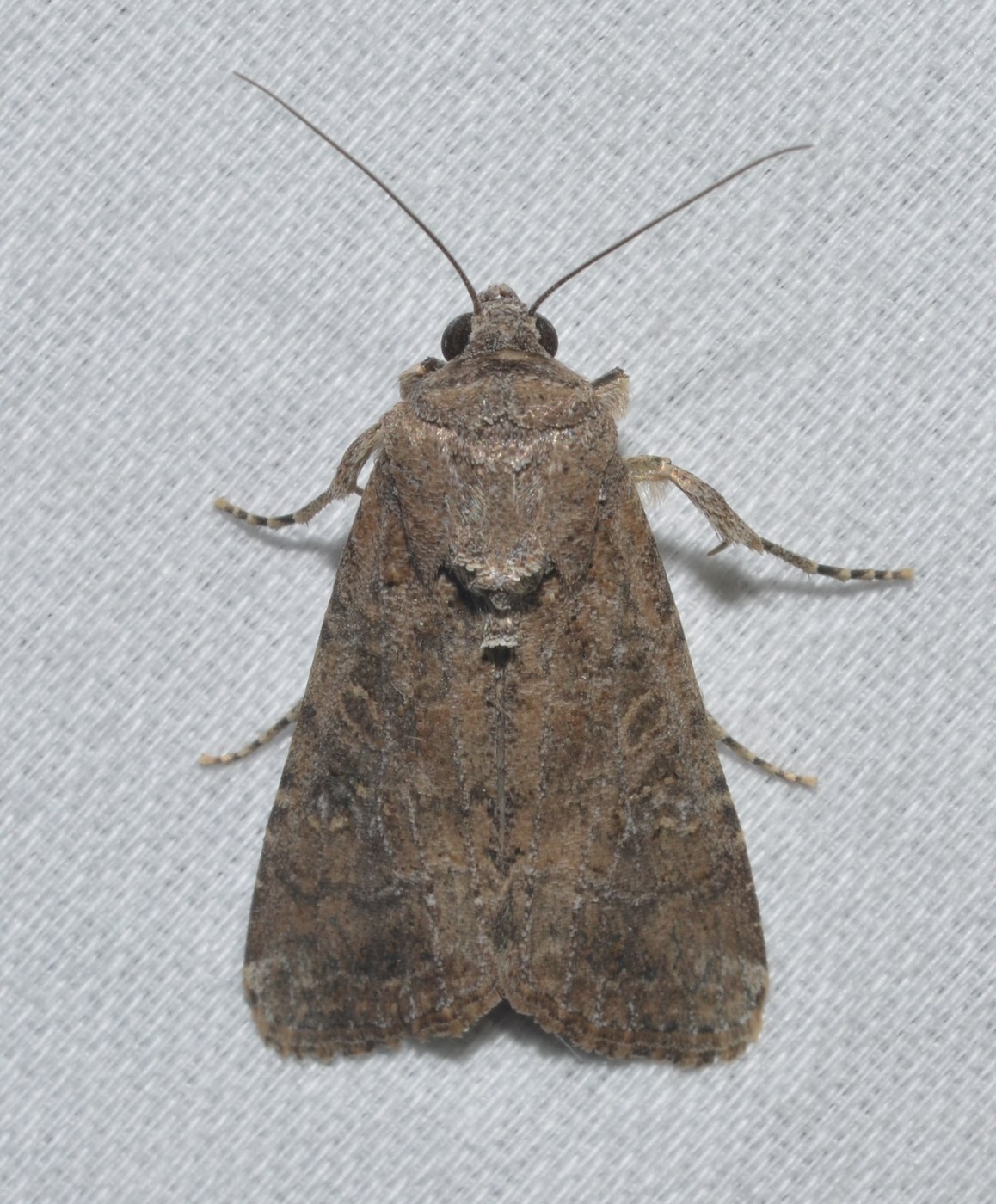
Armyworm
grasslands, pastures, and cereal crop fields
Zebra Longwing Caterpillar
Tropical and subtropical hammocks with passionflower vines
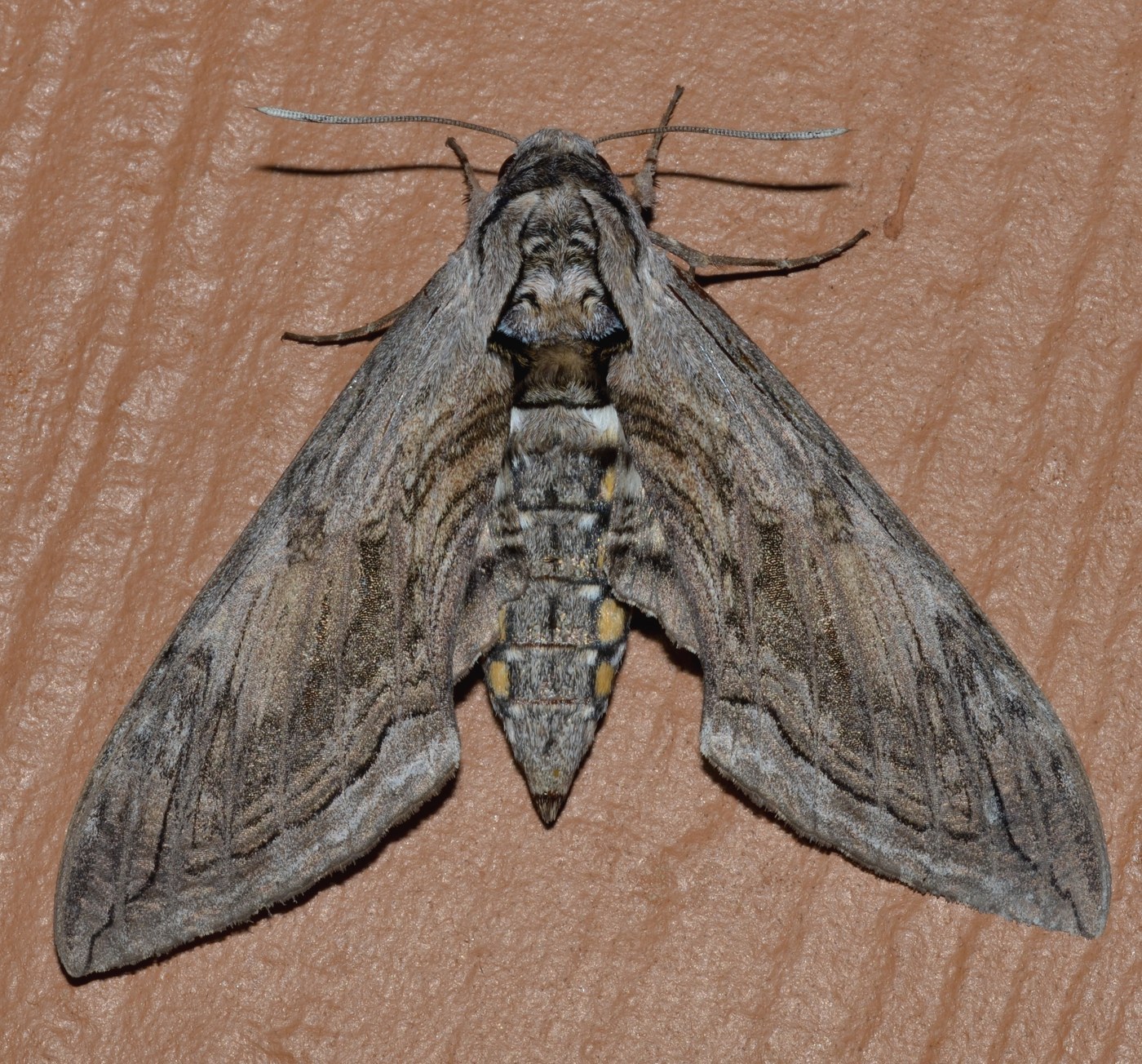
Tomato Hornworm
Gardens and fields with tomato, pepper, and other nightshade plants
Tent Caterpillar
Deciduous trees such as cherry, apple, and other rosaceous species
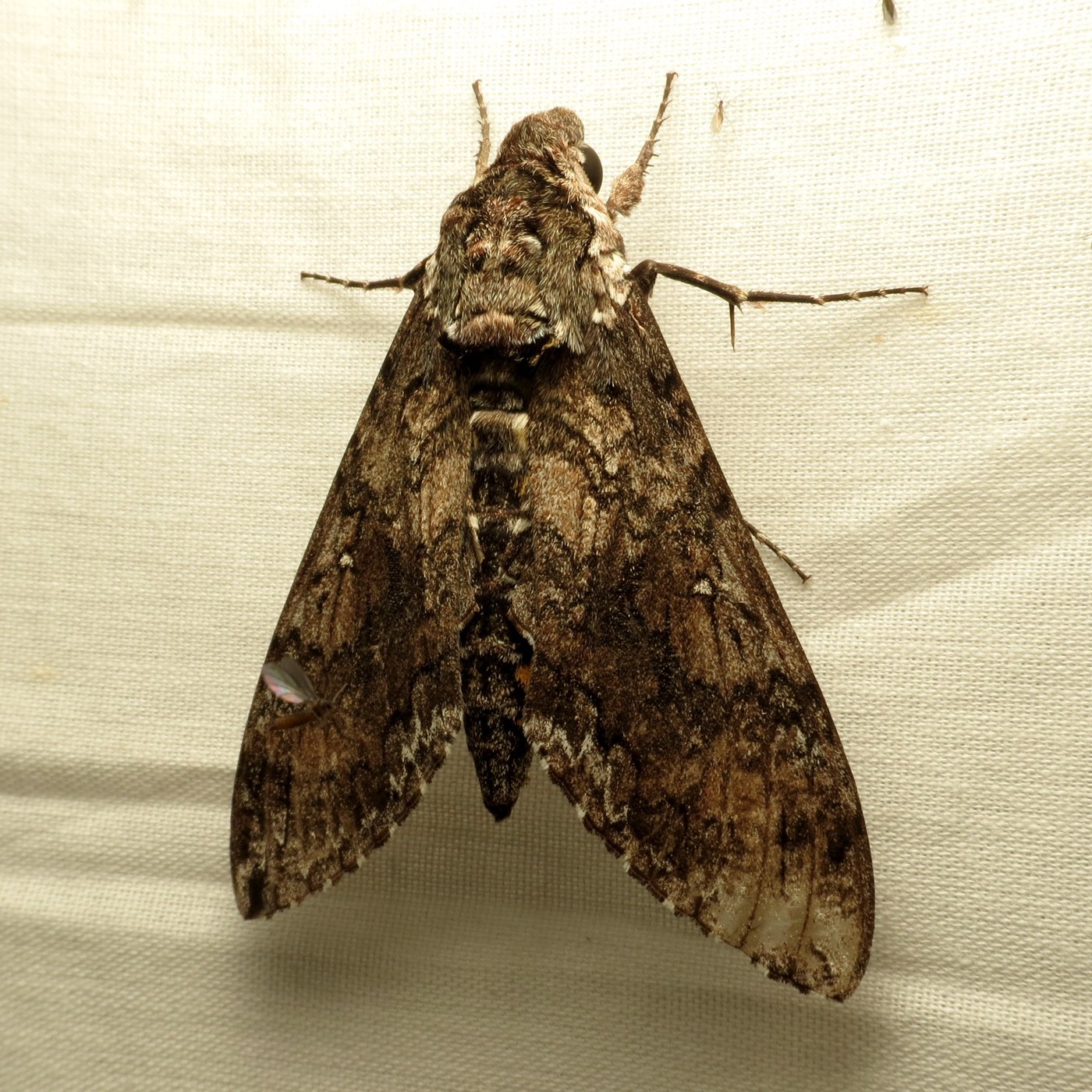
Tobacco Hornworm
tobacco, tomato, and pepper plants in gardens and fields
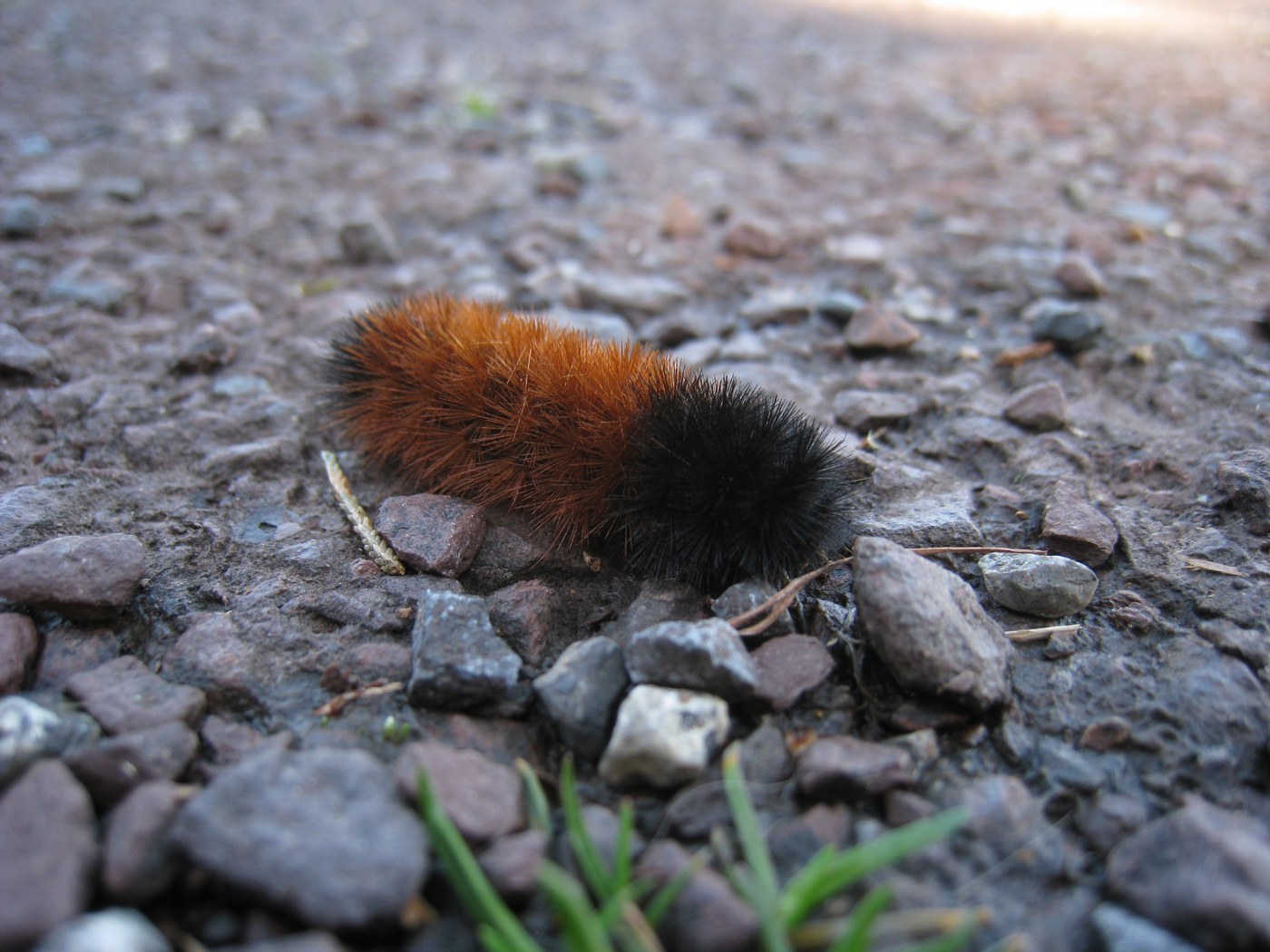
Woolly Bear Caterpillar
Gardens, meadows, roadsides, and woodland edges across North America
Sod Webworm
Turfgrass lawns, golf courses, pastures
Spiny Oak-slug Caterpillar
Deciduous forests and woodland edges with oak and other hardwoods
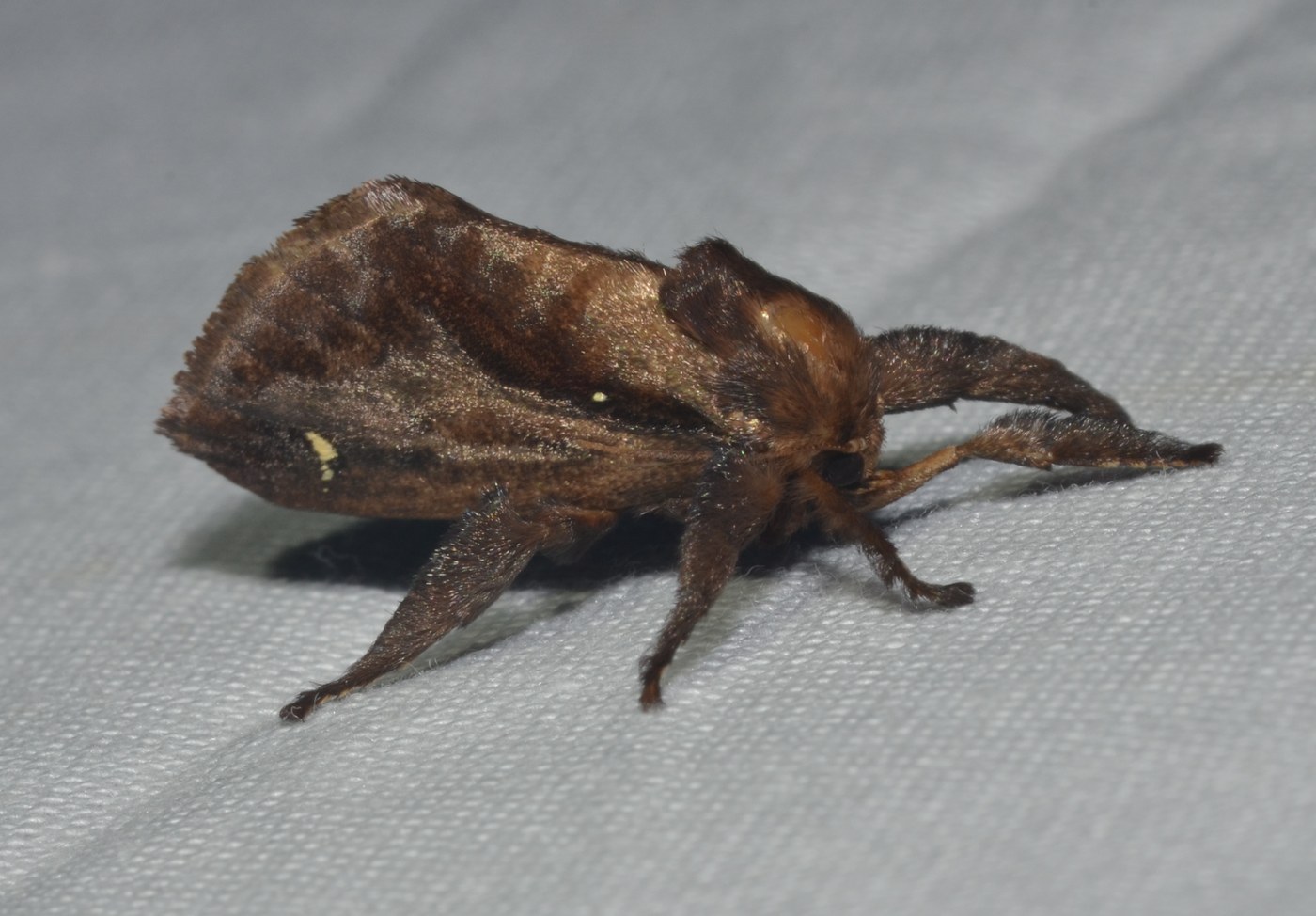
Saddleback Caterpillar
Deciduous trees and shrubs in eastern and southern North America
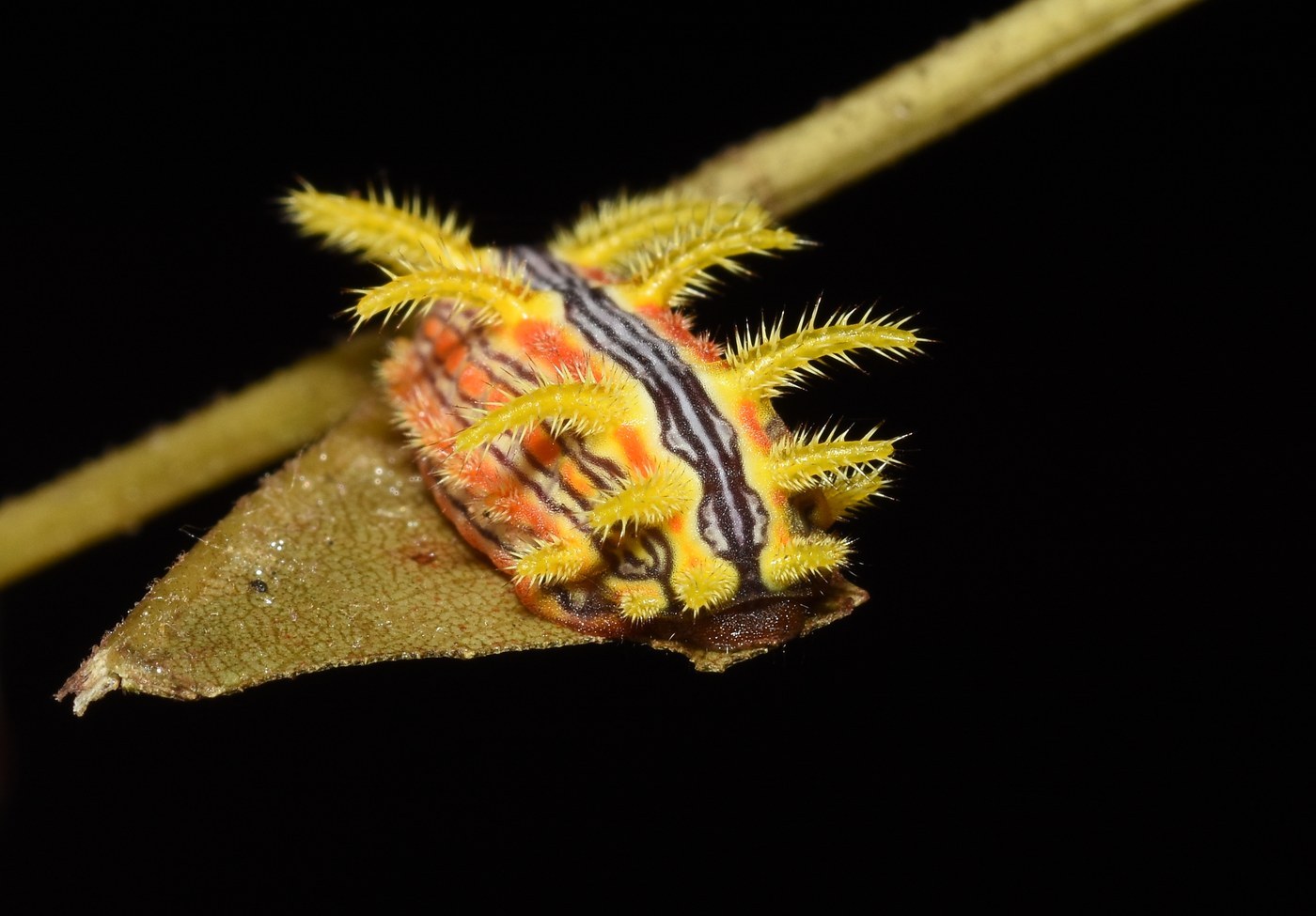
Stinging Rose Caterpillar
Gardens and woodlands with rose, dogwood, or oak
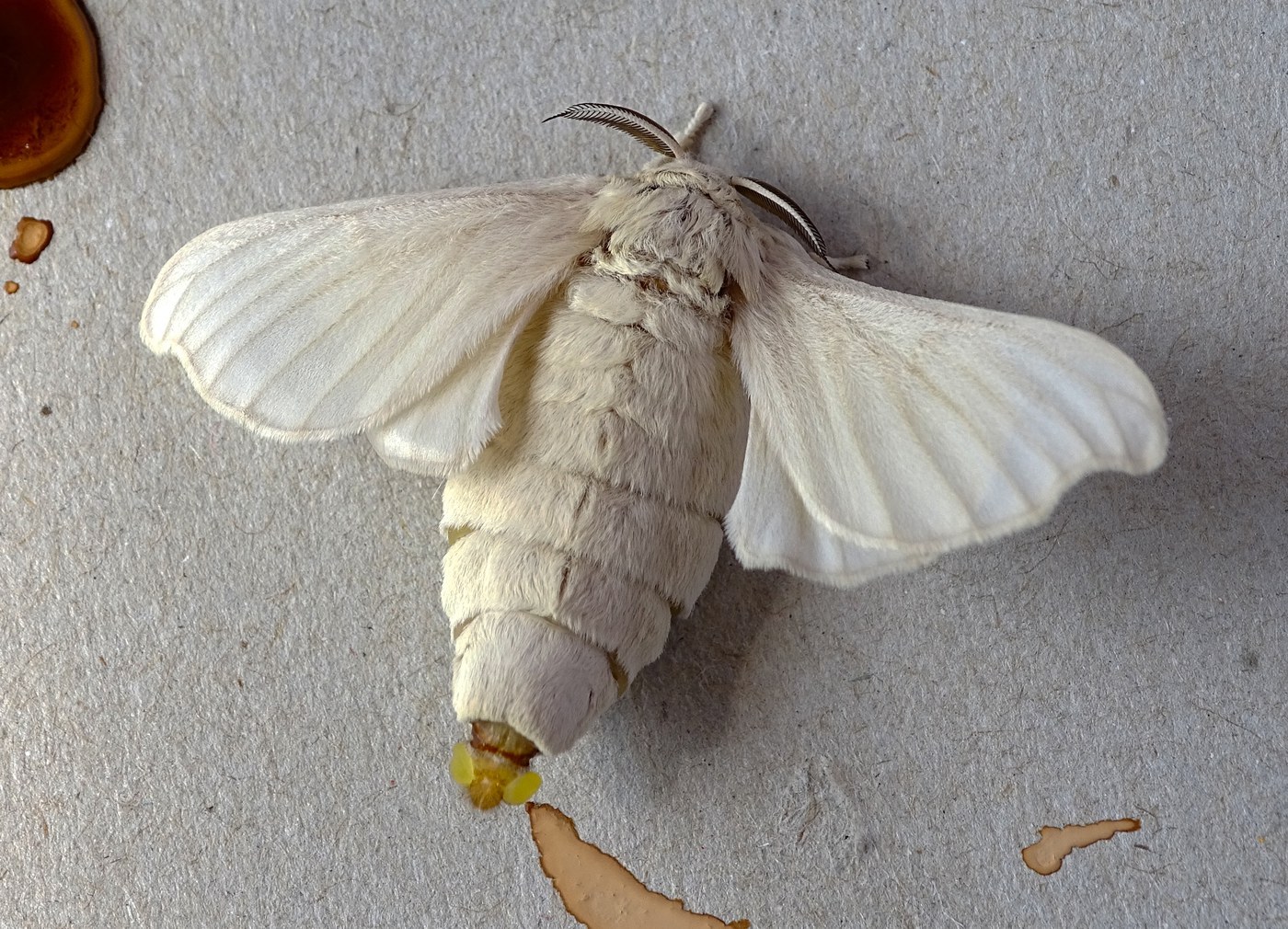
Silkworm
Reared exclusively in captivity on mulberry leaves; no independent wild population