
Ironclad Beetle
Zopherus spp.
A slow-moving, mottled gray beetle famed for having one of the hardest, most crush-resistant exoskeletons of any insect, often found clinging motionless to dead wood or tree bark.
- Size
- 15–30 mm
- Habitat
- Arid woodlands, dead wood, tree bark in deserts and dry forests
- Danger
- Harmless
Spotted a bug like this?
Identify any bug or insect from a photo, free.
Overview
Ironclad beetles belong to the family Zopheridae, a group of darkling-beetle relatives known collectively for their exceptionally tough, armor-like exoskeletons. Several species within the genus Zopherus share this common name, and they are widely recognized among beetle enthusiasts as some of the most physically durable insects known, capable of withstanding pressures that would destroy most other beetles.
These beetles are found primarily in arid and semi-arid regions of North and Central America, where they are closely associated with dead wood, decaying logs, and tree bark. Their remarkably hard cuticle has drawn scientific interest as a model for studying impact-resistant biological materials.
Beyond their toughness, ironclad beetles are notable for their slow, deliberate movements and their tendency to remain motionless for long periods, relying on camouflage and physical resilience rather than speed to avoid predators.
How to Identify
- Broad, flattened, oval body 15–30 mm long, with a bumpy, textured exoskeleton in mottled gray, black, and sometimes cream or yellow patches.
- Elytra are fused in many species, meaning the beetle cannot fly, contributing to its ground-dwelling, slow lifestyle.
- Legs are short and sturdy, well suited for gripping bark and slow walking rather than fast movement.
- The exoskeleton is unusually thick and rigid compared to most beetles, giving the body a rock-like feel.
- Lookalikes include other Zopheridae species, but the mottled, bumpy texture and notable toughness of the cuticle are distinctive among beetles found on dead wood.
Habitat & Range
Ironclad beetles are found in arid and semi-arid regions of the southwestern United States, Mexico, and parts of Central America, typically on or near dead wood, fallen logs, and tree bark in desert scrub and dry woodland habitats. Their mottled coloring provides effective camouflage against lichen-covered or weathered wood surfaces.
They are most commonly encountered during warmer months, often found clinging motionless to bark during the day, which along with their coloring helps them blend into their surroundings.
Behavior & Diet
Ironclad beetles feed primarily on fungi and lichen growing on dead or decaying wood, making them minor contributors to the breakdown of woody debris in their arid habitats. Their movement is notably slow and deliberate compared to most beetles, and when threatened, they often remain motionless, relying on their camouflage and remarkably hard exoskeleton for protection rather than fleeing.
Because many species lack functional flight due to fused elytra, ironclad beetles are entirely ground- and bark-dwelling, dispersing only by walking. Their extreme physical durability is thought to help them withstand being trodden on, pecked at, or otherwise physically compressed by potential predators.
Life Cycle
Ironclad beetles develop through complete metamorphosis: egg, larva, pupa, and adult. Eggs are typically laid in or near decaying wood or bark crevices, where the emerging larvae can access fungal growth and decaying plant material for food.
Larvae develop slowly within dead wood, feeding on fungal material, before pupating in a protected chamber. Adults are notably long-lived for beetles, with some individuals reported to survive multiple years, aided in part by their protective, highly durable exoskeleton.
Frequently asked questions
Why is it called the ironclad beetle?
Its exoskeleton is exceptionally hard and crush-resistant compared to most beetles, giving rise to the 'ironclad' name.
Can ironclad beetles fly?
Many species have fused elytra and cannot fly, relying instead on slow walking to move between locations.
What do ironclad beetles eat?
They primarily feed on fungi and lichen growing on dead or decaying wood.
Where would I find an ironclad beetle?
On dead wood, fallen logs, or tree bark in arid and semi-arid regions of the southwestern United States, Mexico, and Central America.
Ironclad Beetle guides
In-depth guides for identifying, understanding, and living alongside Ironclad Beetle.
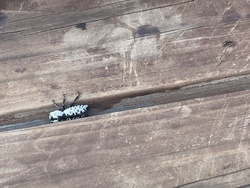
Ironclad Beetle identified by the community
Real finds identified with Bug Identifier.
Other bugs you may enjoy
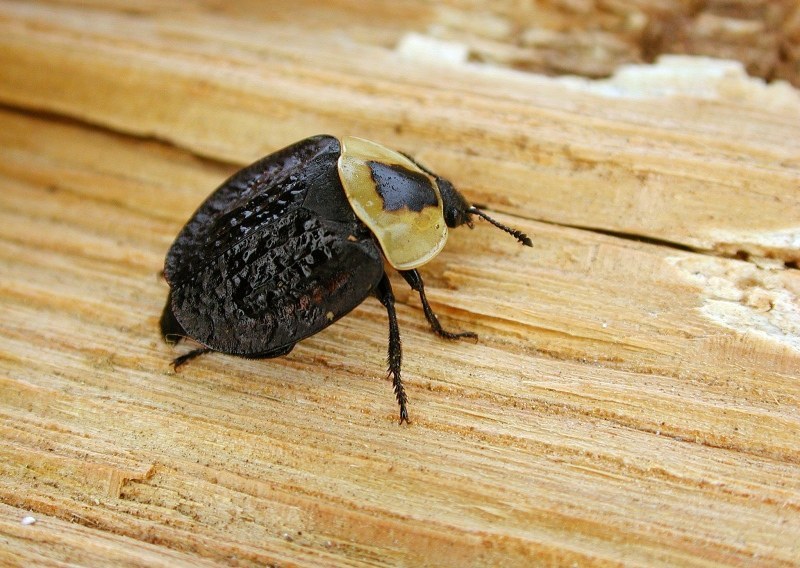
American Carrion Beetle
Forests, fields, and roadsides across North America, near decaying animal carcasses
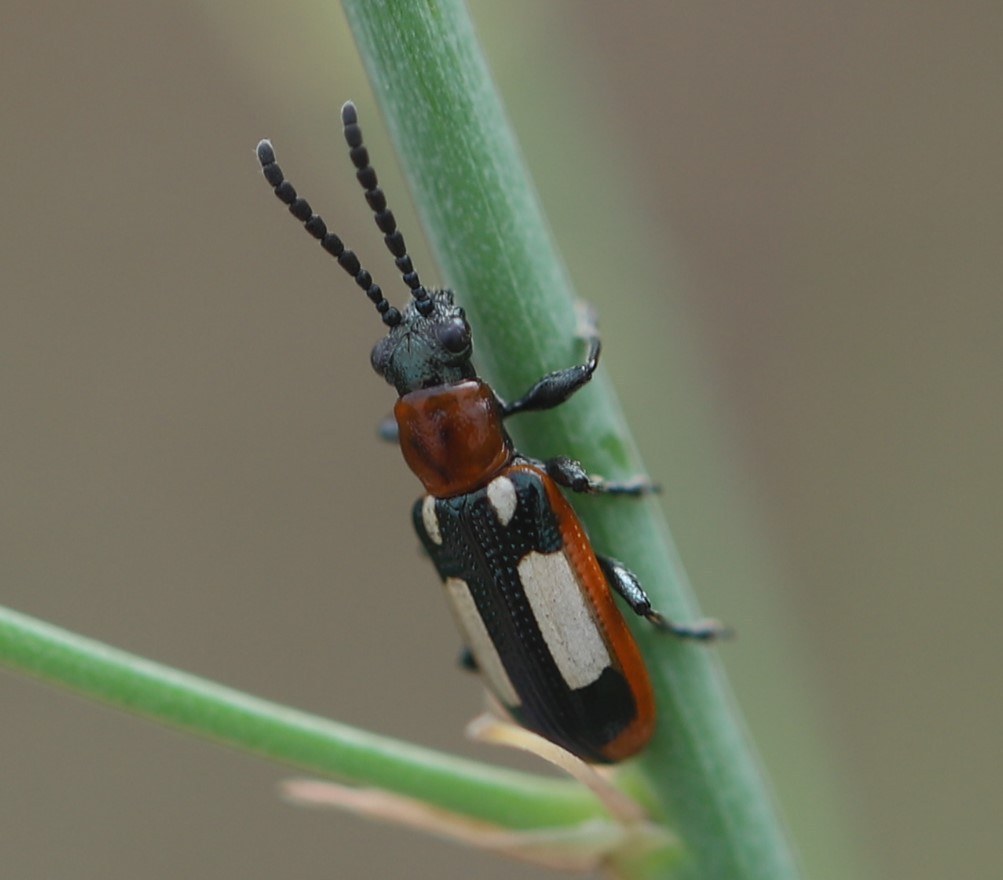
Asparagus Beetle
Asparagus patches, gardens, and farm fields

Asian Lady Beetle
Gardens, crop fields, woodlands, buildings
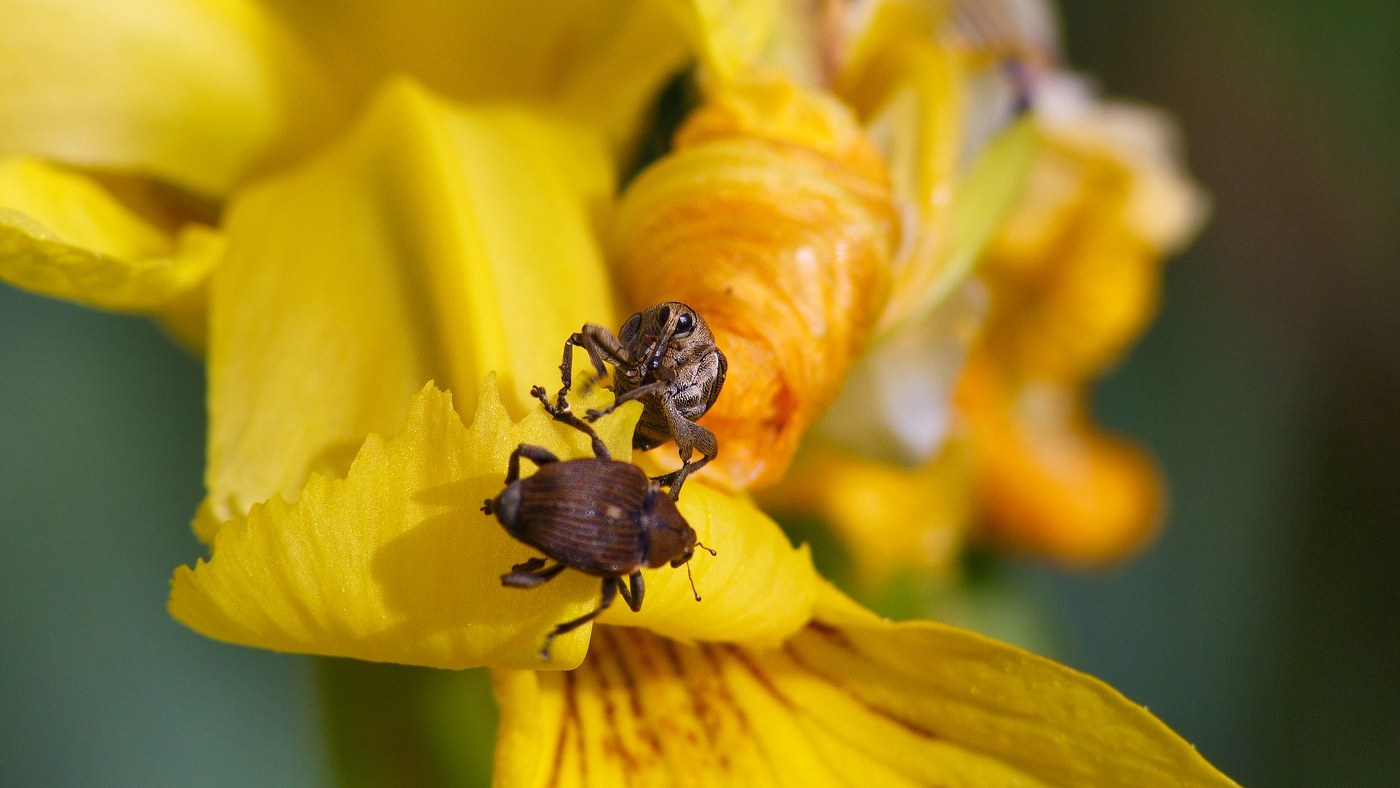
Acorn Weevil
Oak woodlands and forests, on and beneath oak trees
Wireworm
Soil of grasslands, gardens, and cultivated fields worldwide
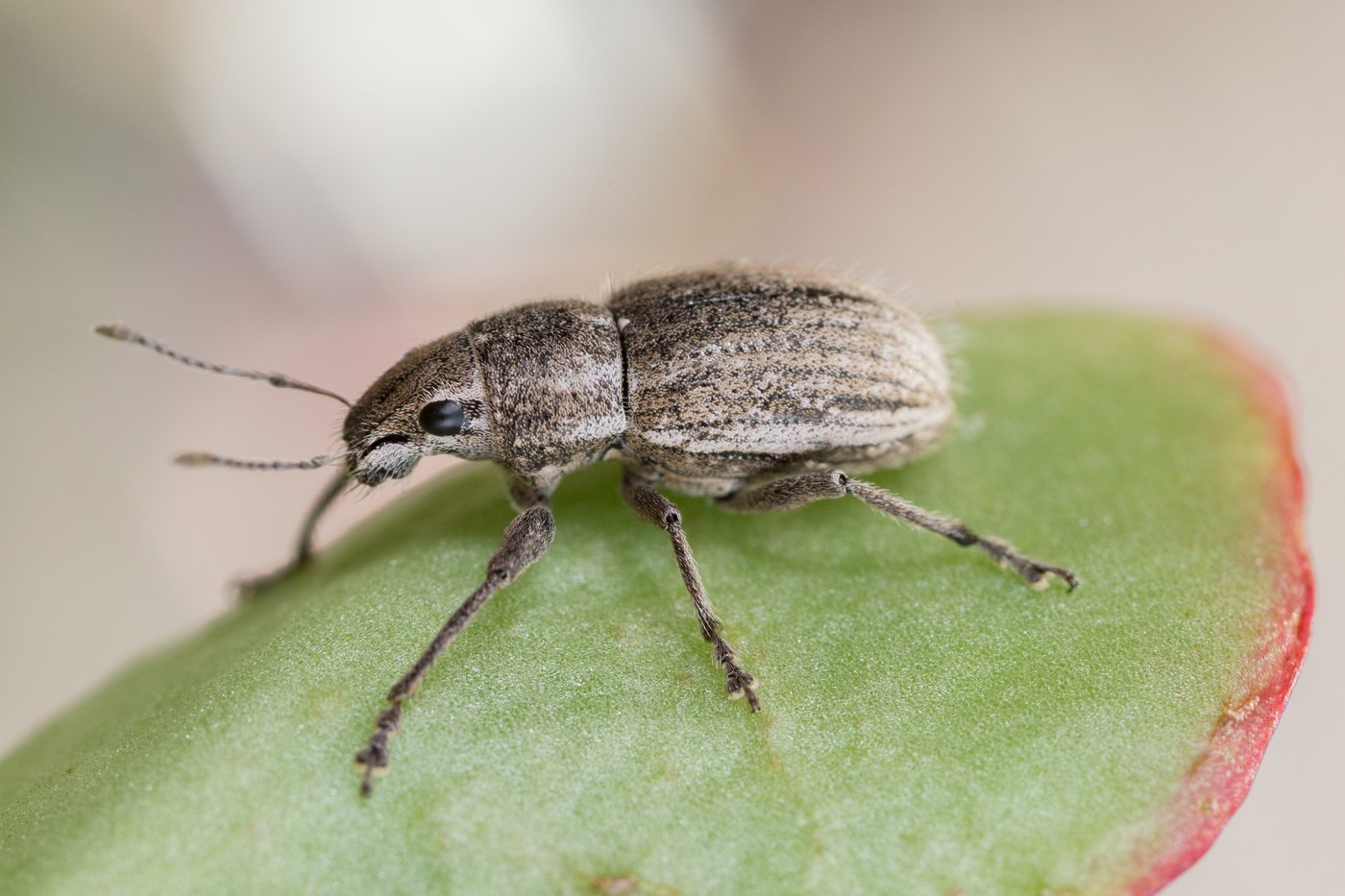
Whitefringed Beetle
Pastures, row crops, lawns, disturbed soils
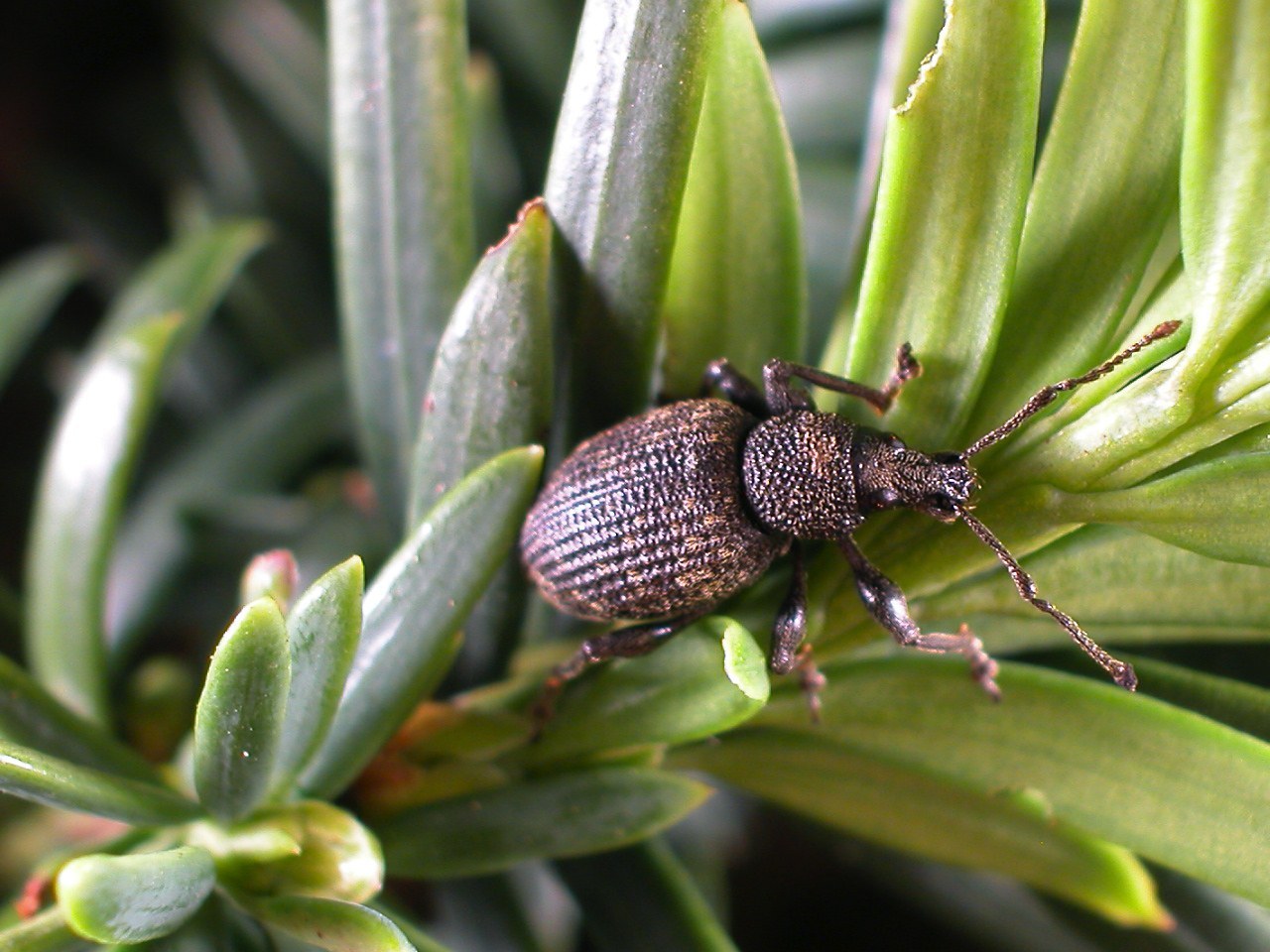
Vine Weevil
Gardens, nurseries, greenhouses, and container plantings
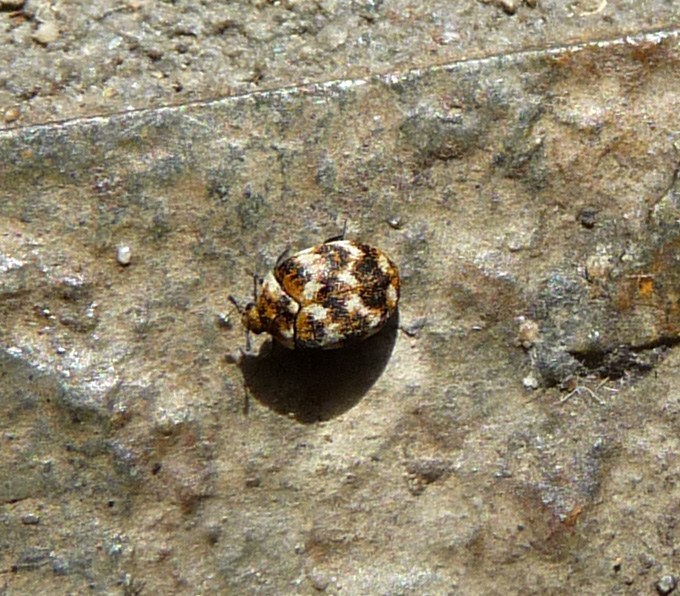
Varied Carpet Beetle
Homes, nests of birds and mammals, and flowers outdoors
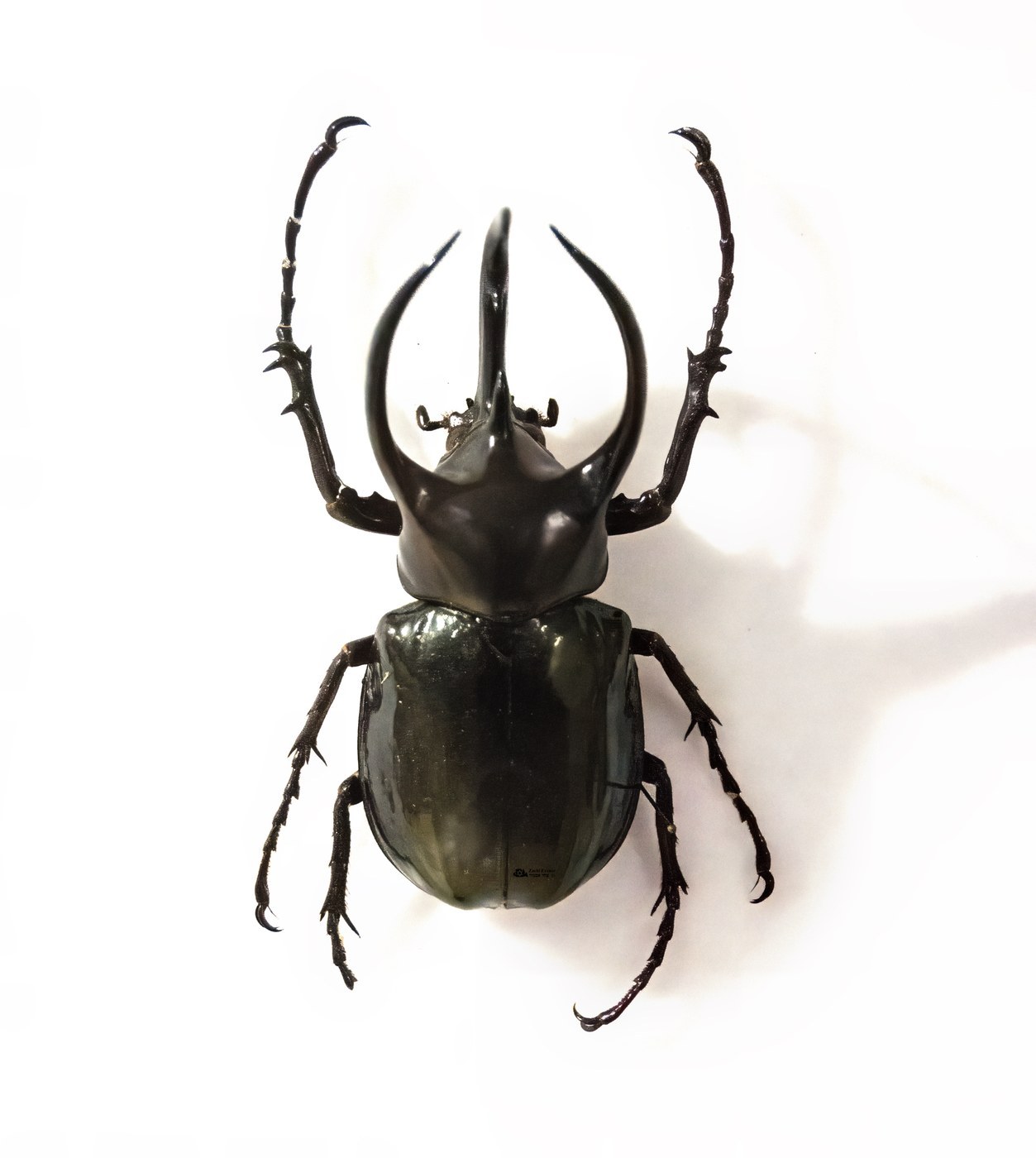
Atlas Beetle
Tropical forests of Southeast Asia
Titan Beetle
Amazon rainforest of South America
Ten-lined June Beetle
Sandy soils, pine forests, and orchards of western North America
Squash Beetle
Vegetable gardens and fields growing squash, pumpkin, and other cucurbits