
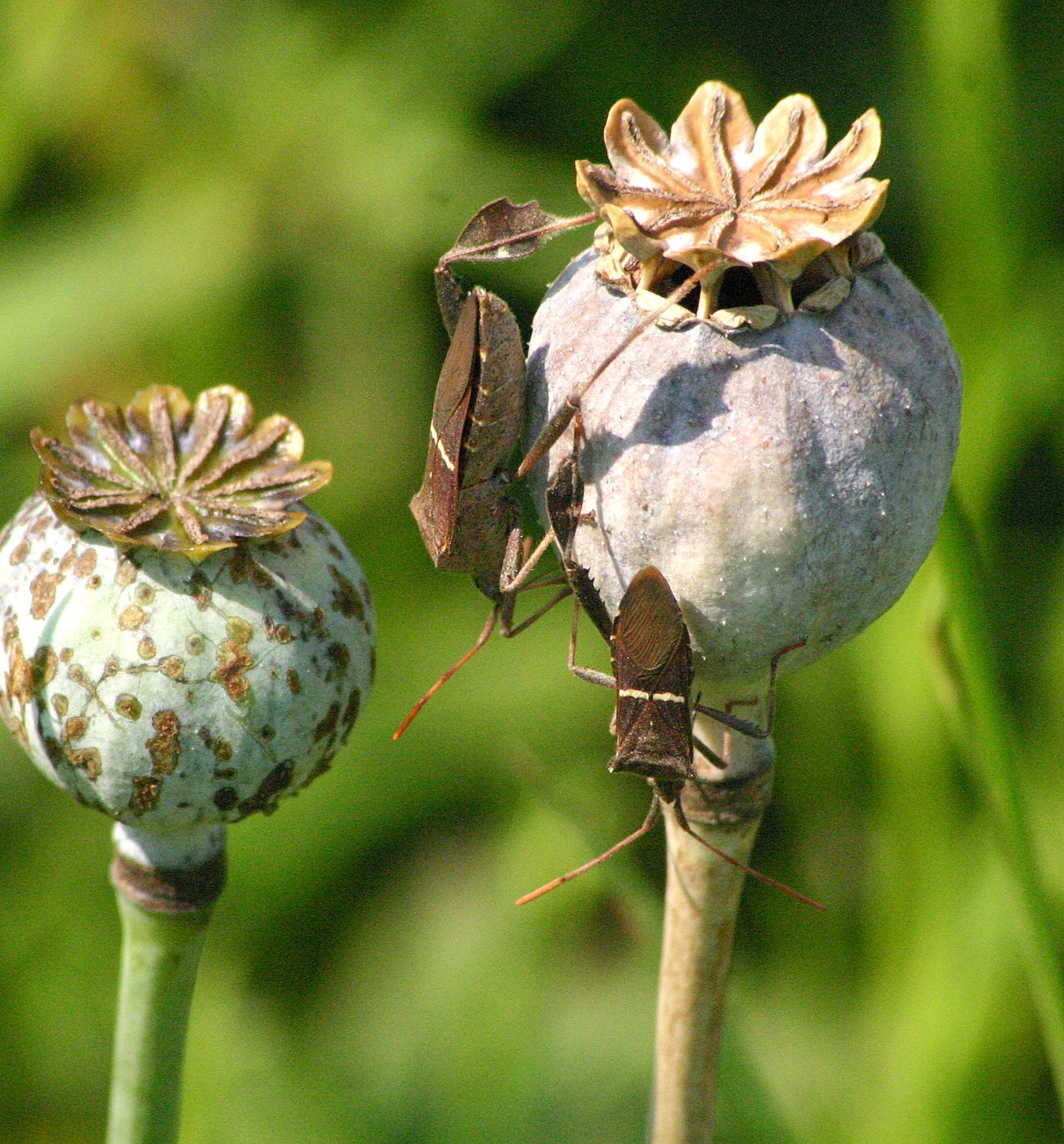
Leaf-Footed Bug
Leptoglossus phyllopus
A large, elongated brown true bug named for the flattened, leaf-shaped expansions on its hind legs, often found feeding on fruits, seeds, and vegetables in gardens and orchards.
- Size
- 16–22 mm
- Habitat
- Gardens, orchards, crop fields, and woodland edges
- Danger
- Nuisance pest
Spotted a bug like this?
Identify any bug or insect from a photo, free.
Overview
The leaf-footed bug belongs to the family Coreidae, order Hemiptera, a group of true bugs known collectively for their sturdy, elongated bodies and, in many species, distinctively flattened or leaf-like expansions on the hind tibiae. Leptoglossus phyllopus is one of the most widespread and commonly encountered species bearing this common name in North America.
These bugs are relatively large and robust compared to many other true bugs, with a narrow, elongated body, prominent antennae, and a characteristic white or pale zigzag band across the middle of the wing covers. The leaf-shaped hind leg segments, which give the group its name, are thought to play a role in balance, signaling, or defense, though their exact function is still debated among entomologists.
As generalist plant-sap feeders with a taste for developing fruits and seeds, leaf-footed bugs are notable agricultural insects across the southern and eastern United States, frequently observed on tomatoes, citrus, cotton, and various ornamental plants.
How to Identify
- Elongated, narrow body with a somewhat cylindrical profile, generally brown to dark gray in color.
- Distinctive flattened, leaf-like or paddle-shaped expansion on the hind leg tibiae, giving the group its name.
- A pale white or cream zigzag band typically crosses the middle of the folded wings.
- Long, segmented antennae and a narrow, pointed head with piercing-sucking mouthparts.
- Distinguished from other Coreidae by the combination of leaf-shaped hind legs and the pale mid-wing band; can resemble the western conifer seed bug but is generally found on fruiting garden plants rather than conifers.
Habitat & Range
Found across the southeastern and south-central United States and into Mexico and Central America, in gardens, orchards, row crop fields, and along woodland edges and hedgerows.
Active from spring through fall, with peak abundance in summer when fruiting vegetables and tree fruits are developing; adults often bask on sunny leaves and stems during the day.
Behavior & Diet
Leaf-footed bugs feed by piercing developing fruits, seeds, and stems with their needle-like mouthparts, which can cause localized discoloration or deformation at feeding sites. They are often found in loose aggregations on host plants, particularly on tomatoes, citrus, pomegranates, and cotton bolls.
When disturbed, they may release a defensive odor characteristic of many Coreidae and related true bugs. They do not bite or sting people; ecologically they function as generalist sap and seed feeders and are preyed upon by birds, predatory insects, and parasitic wasps.
Life Cycle
Females lay strings of eggs in a single row along plant stems or leaf midribs. Nymphs hatch and pass through five instars of incomplete metamorphosis, initially resembling large ants or spider-like insects before developing wings and the characteristic leaf-shaped hind legs as they mature.
Several generations can occur per year in warmer climates. Adults typically overwinter in sheltered locations such as leaf litter, bark crevices, or structures, becoming active again in spring to resume feeding and reproduction.
Frequently asked questions
Why does it have flattened hind legs?
The leaf-shaped expansions on the hind tibiae are a hallmark of the Coreidae family, though their exact function — possibly balance, signaling, or camouflage — is still debated.
Is it the same as the western conifer seed bug?
They are close relatives in the same genus, but the leaf-footed bug is typically found on garden and orchard fruits rather than conifer trees.
Does it bite people?
No, its mouthparts are built for piercing plant tissue rather than biting humans, though it may release a defensive odor if handled.
What plants does it damage?
It commonly feeds on developing fruits and seeds of tomatoes, citrus, pomegranates, cotton, and various other garden and crop plants.
Leaf-Footed Bug guides
In-depth guides for identifying, understanding, and living alongside Leaf-Footed Bug.
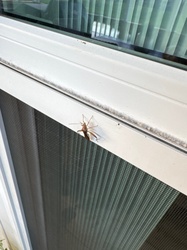
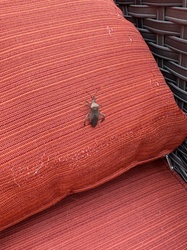
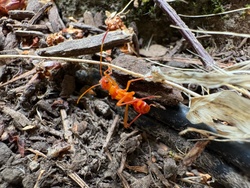
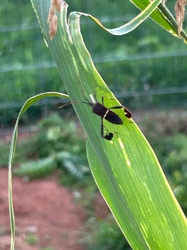
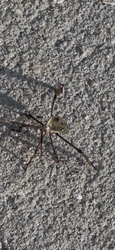
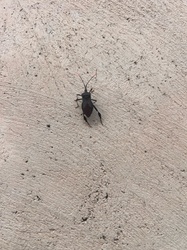
Leaf-Footed Bug identified by the community
Real finds identified with Bug Identifier.
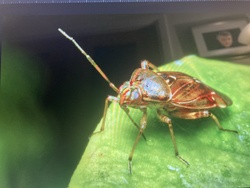
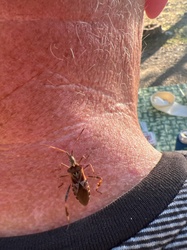
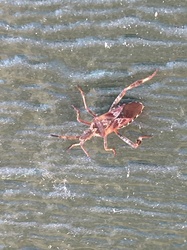
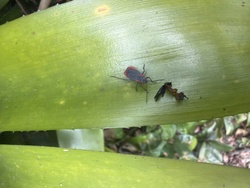
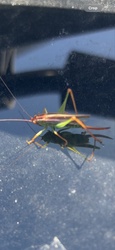
Other bugs you may enjoy
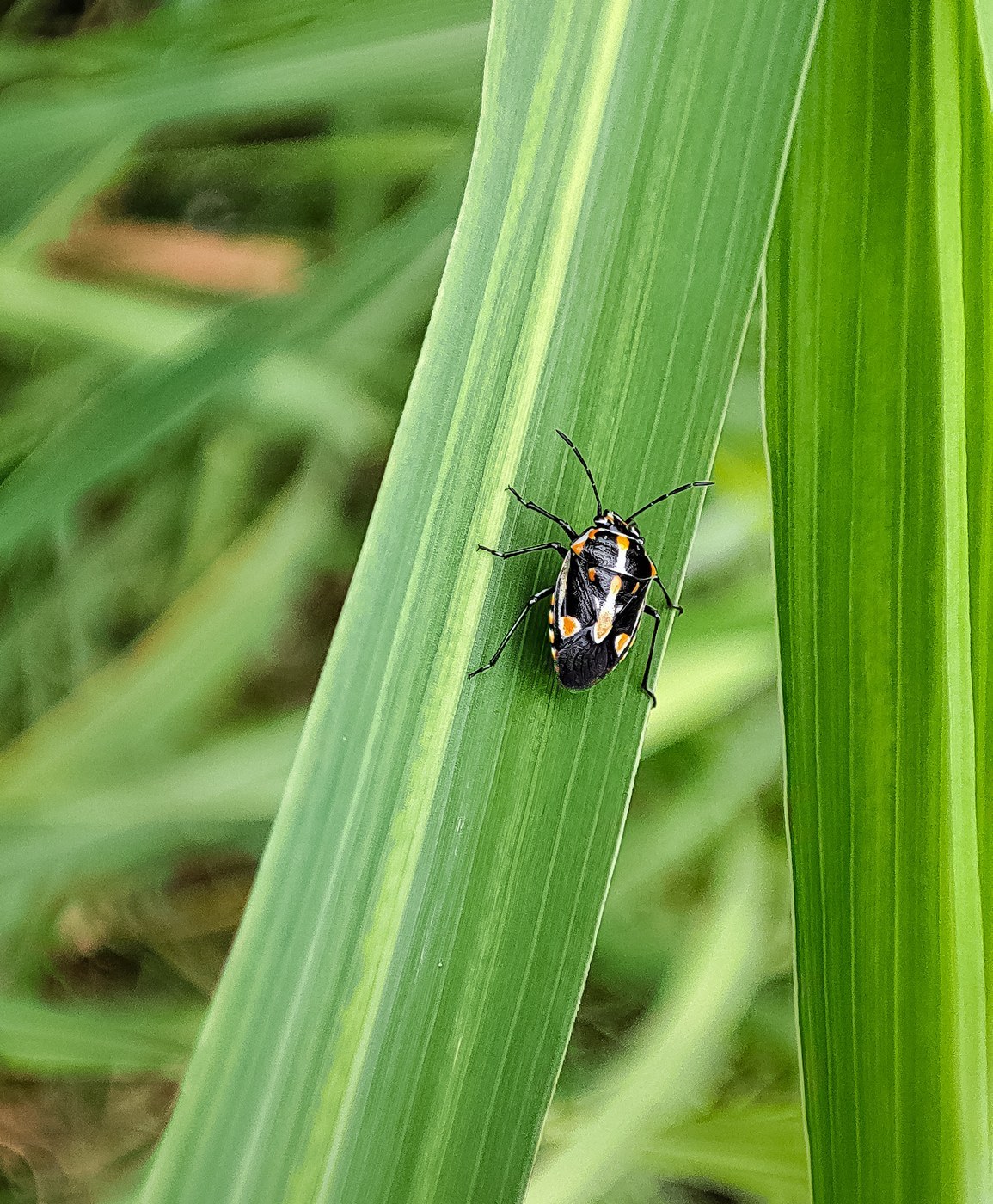
Bagrada Bug
Arid gardens, crucifer fields, desert-adjacent croplands
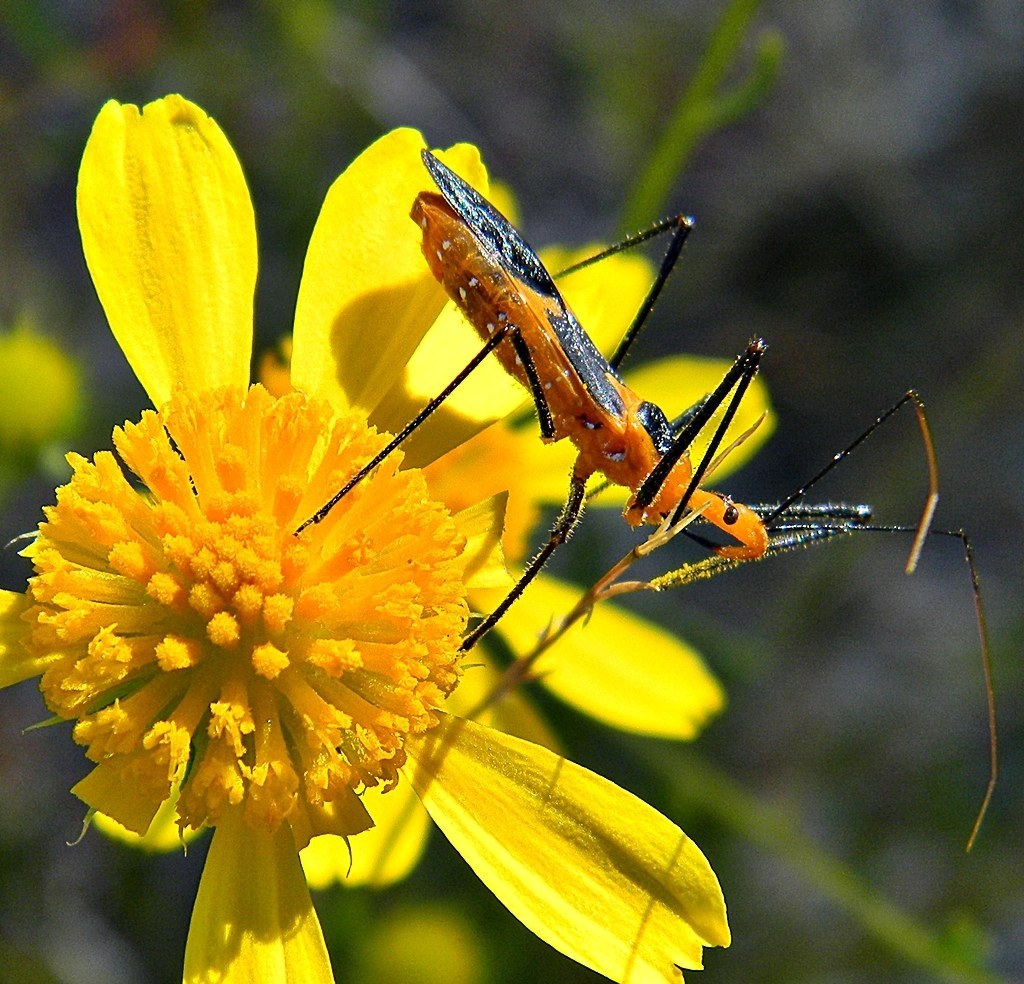
Assassin Bug
Gardens, meadows, and vegetation worldwide
Water Boatman Bug
Ponds, lakes, and slow-moving freshwater
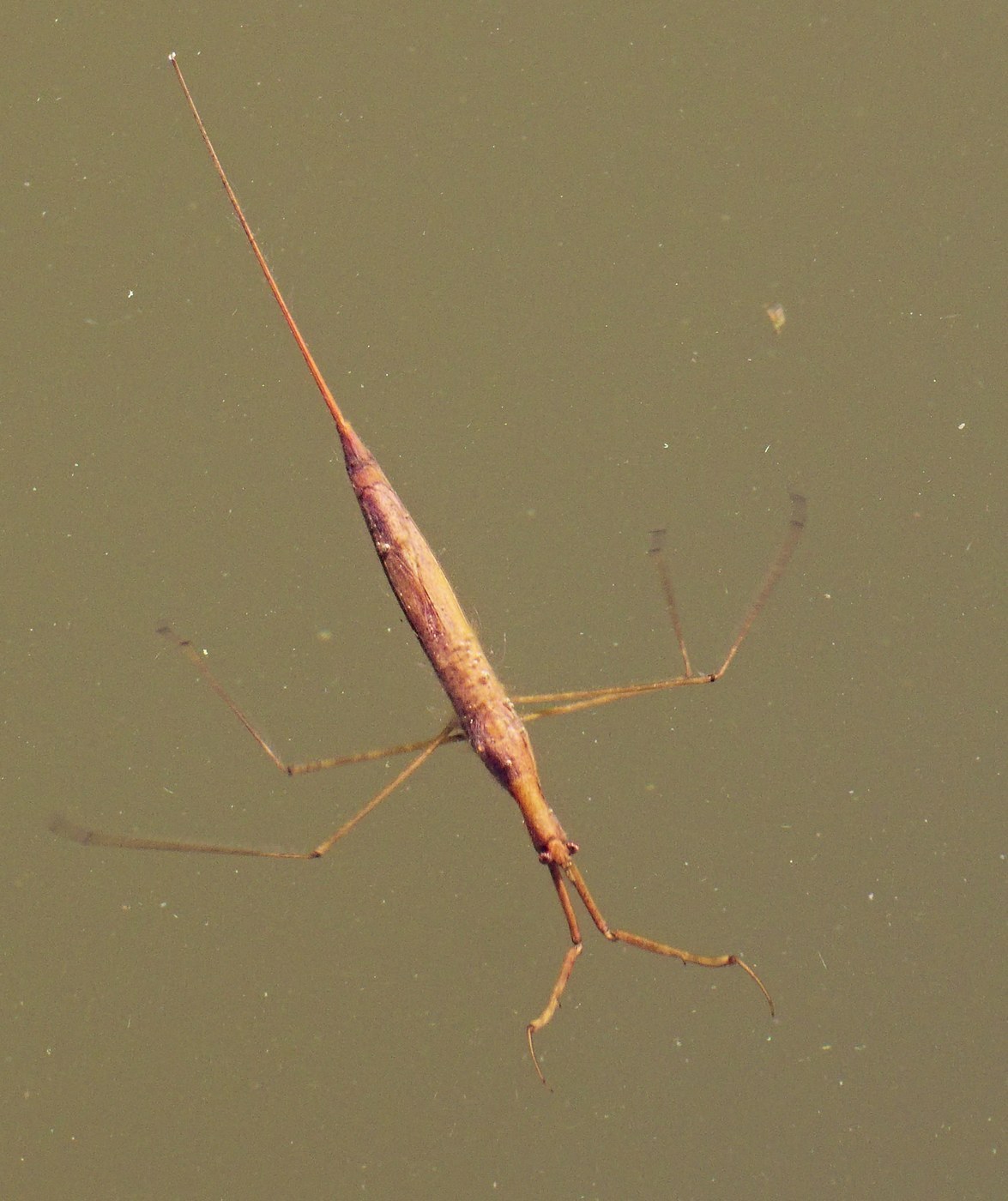
Water Stick Insect
Still and slow-moving water with dense submerged vegetation
Rough Stink Bug
Tree bark, woodlands, orchards, and shrubby vegetation
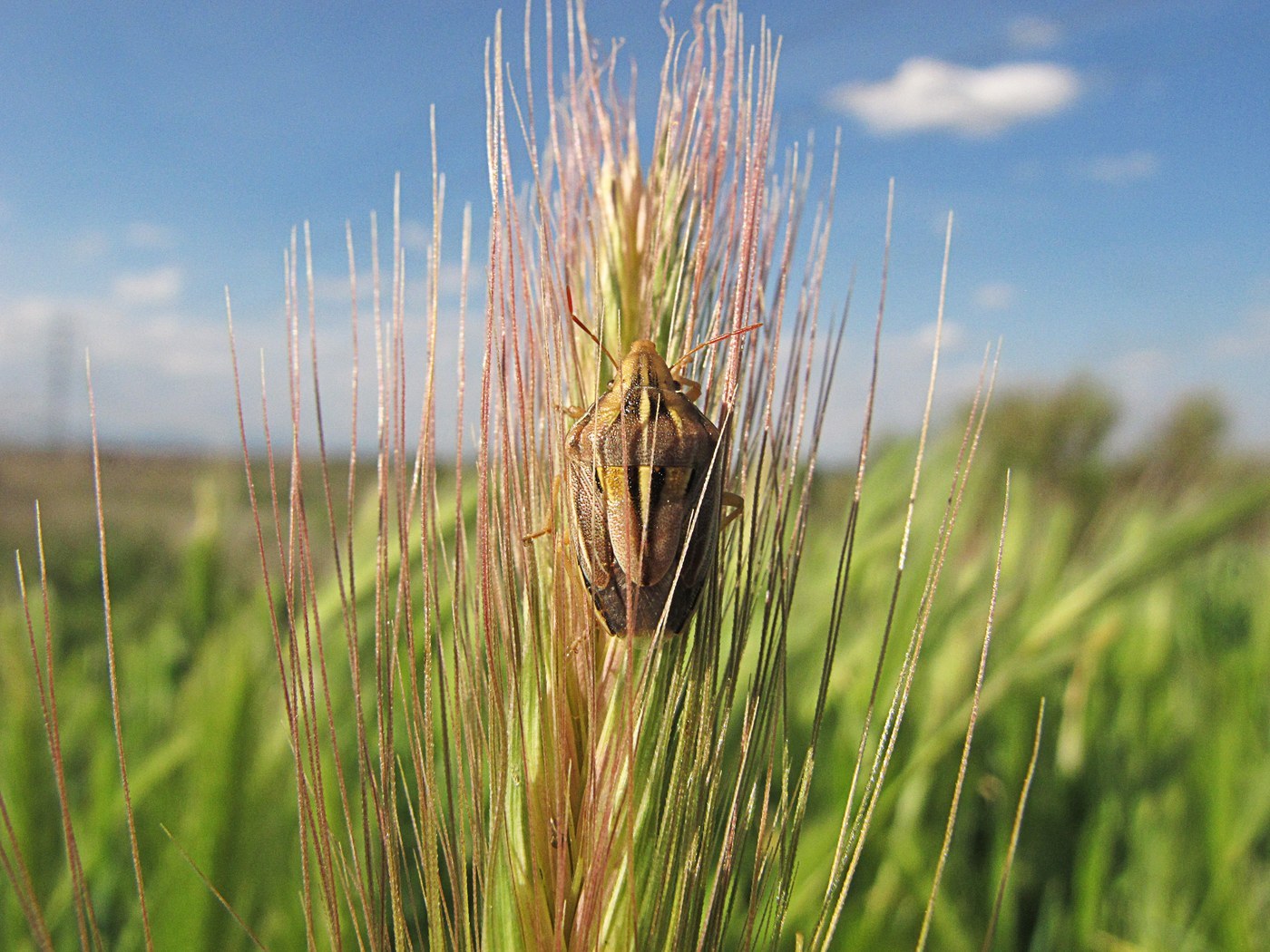
Stink Bug
Gardens, crop fields, and woodlands across temperate and subtropical regions
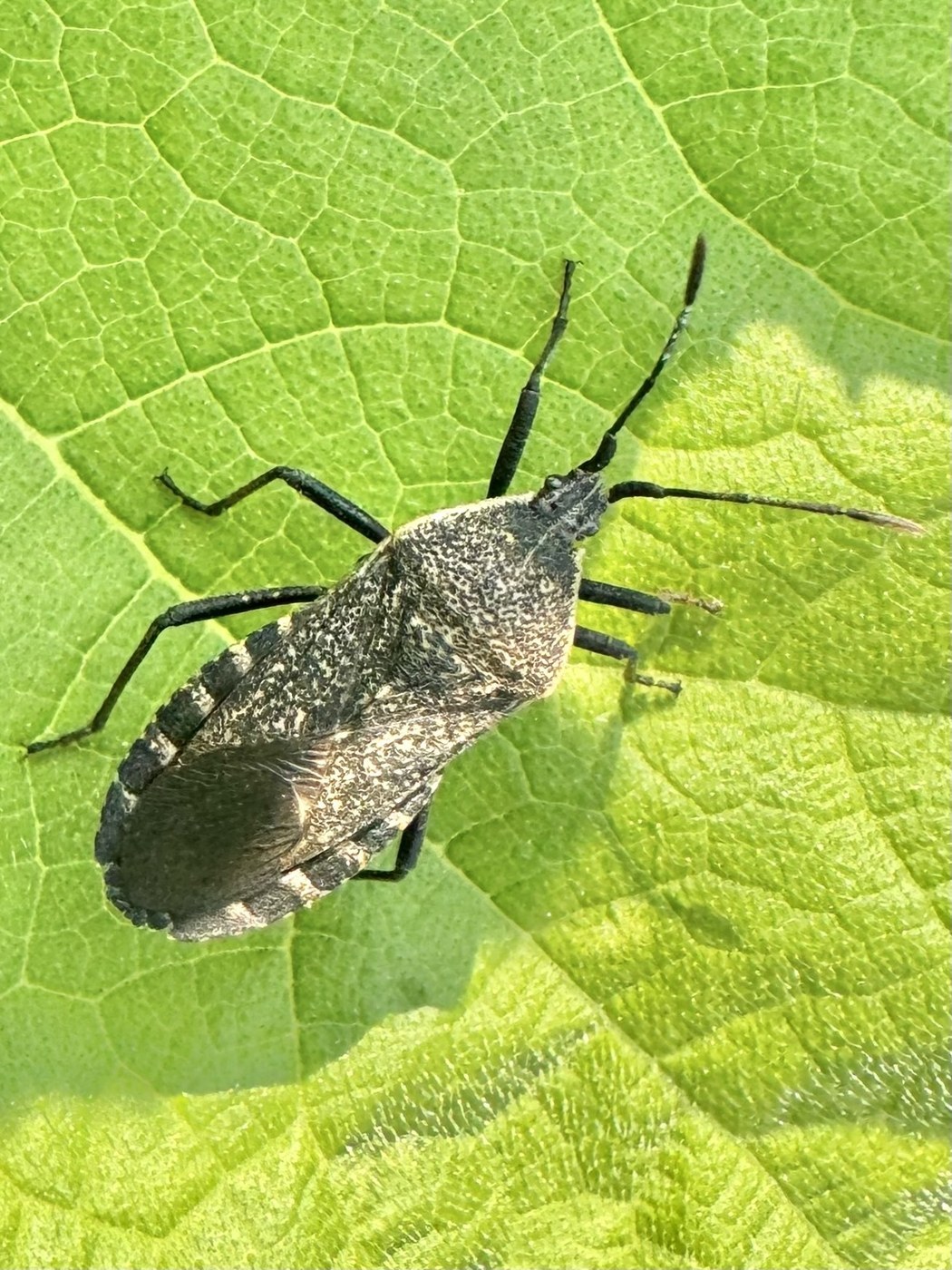
Squash Bug
Vegetable gardens and farm fields growing squash, pumpkin, and other cucurbits
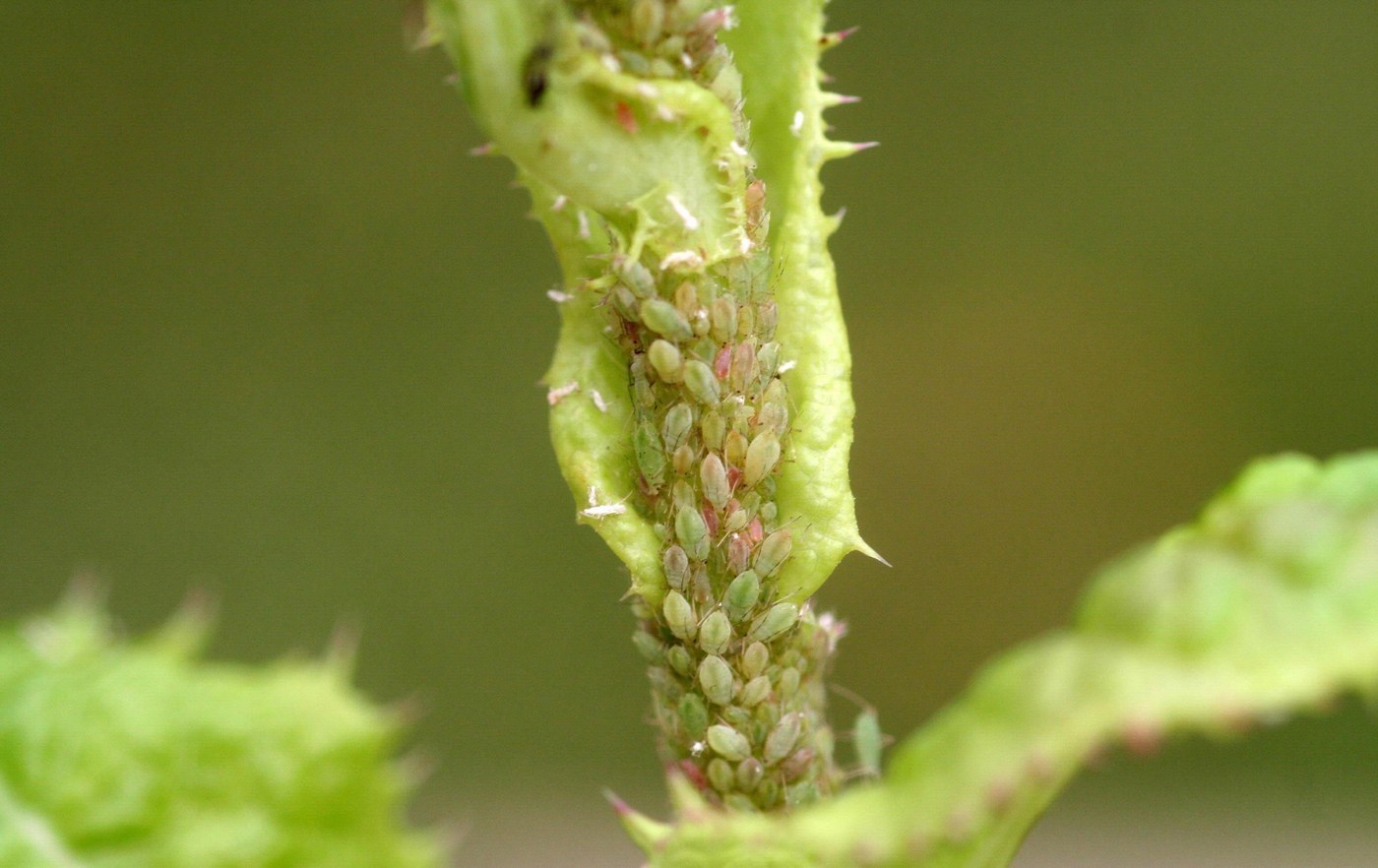
Aphid
On stems, leaves, and buds of a very wide range of host plants
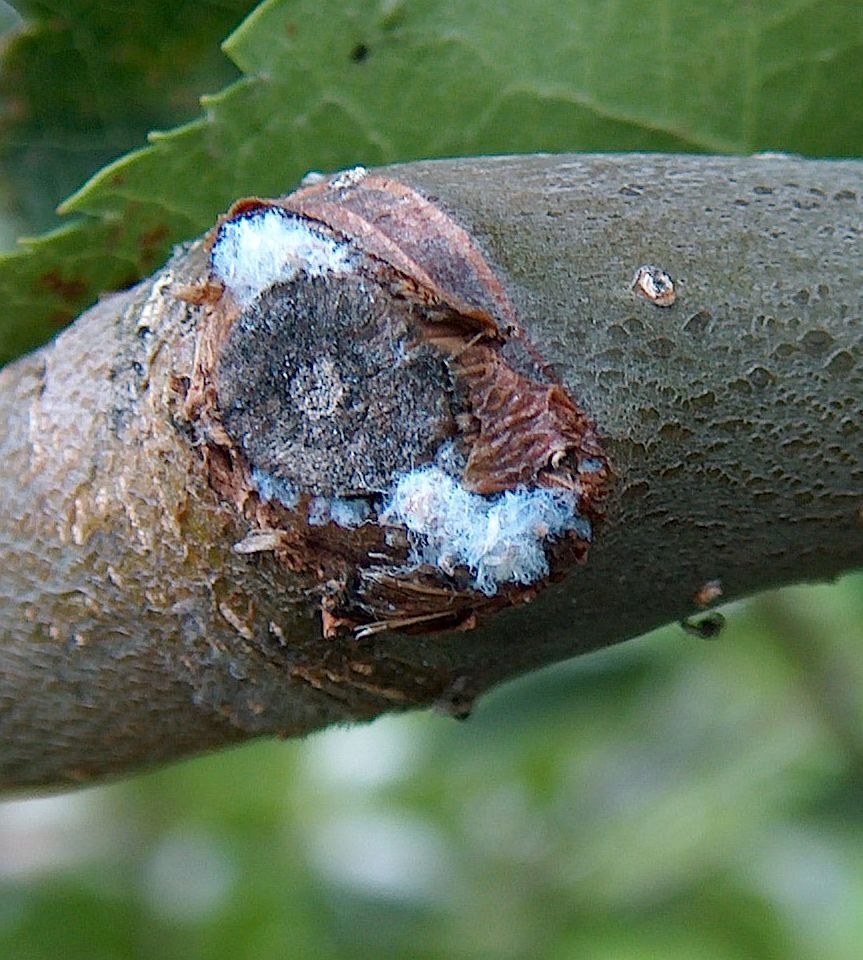
Woolly Aphid
Bark crevices, root collars, and twigs of apple, elm, and alder trees
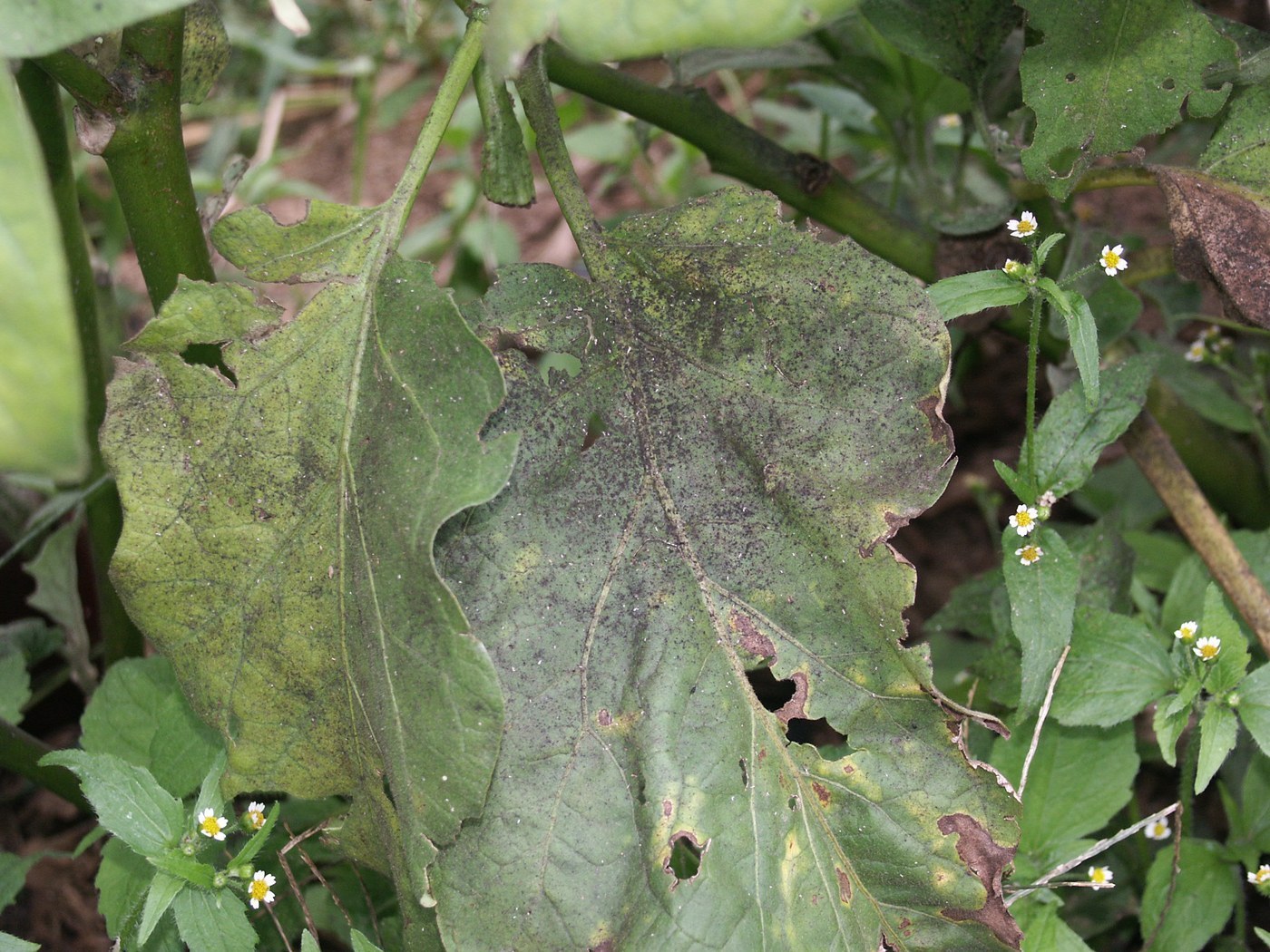
Whitefly
Greenhouses, gardens, and undersides of leaves on host plants
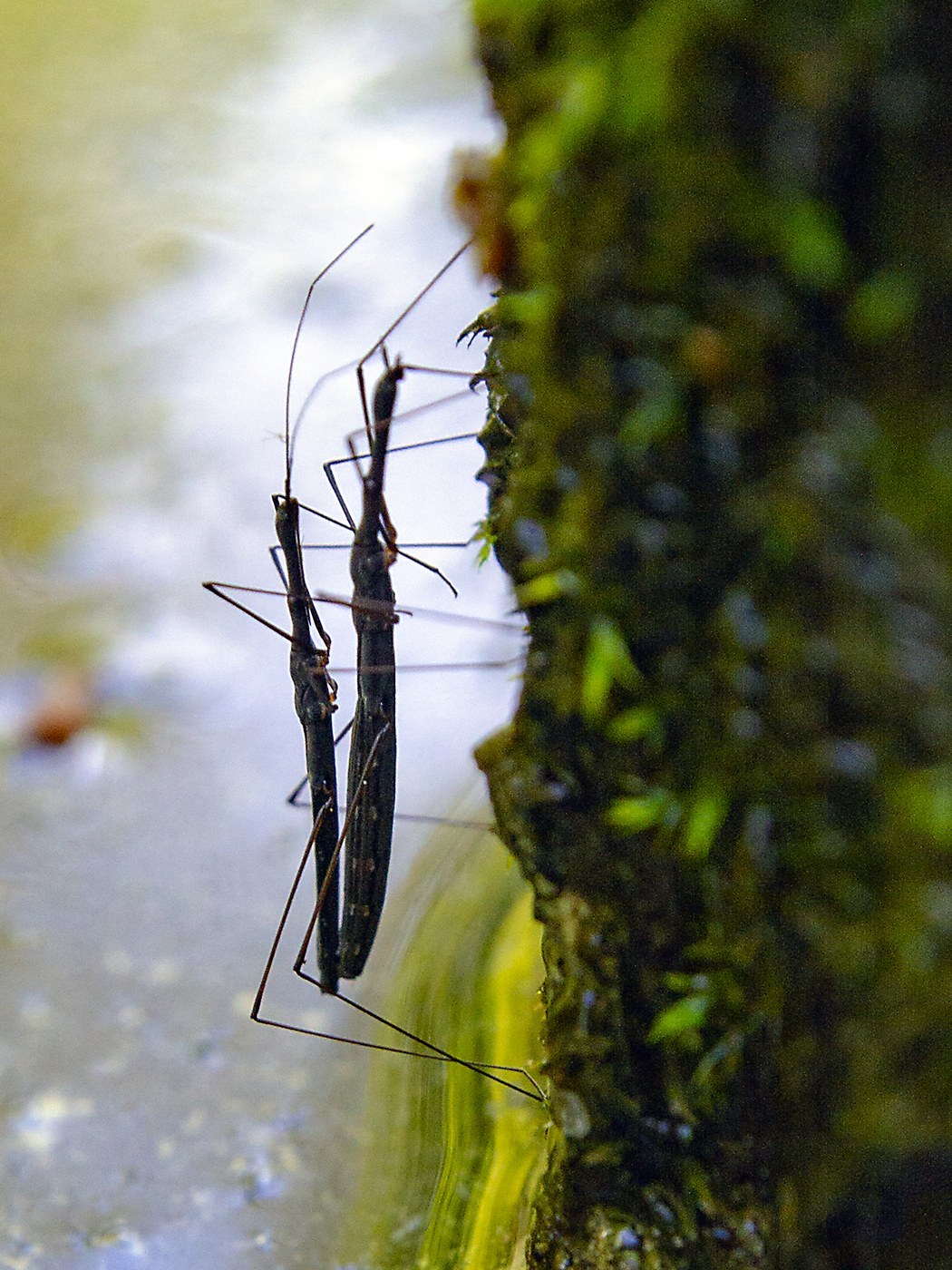
Water Measurer
Quiet edges of ponds, marshes, and slow streams
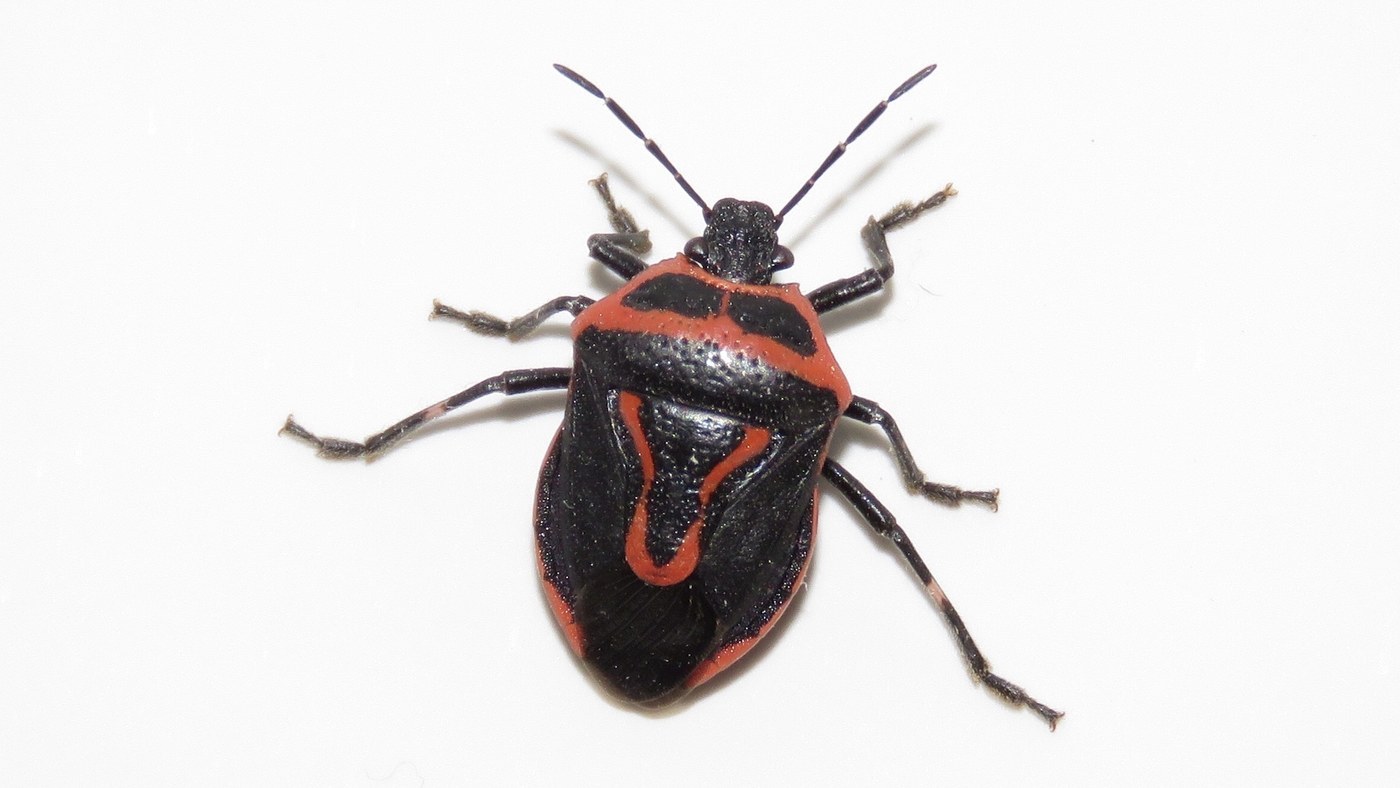
Two-Spotted Stink Bug
Gardens and fields with potato and nightshade-family plants