
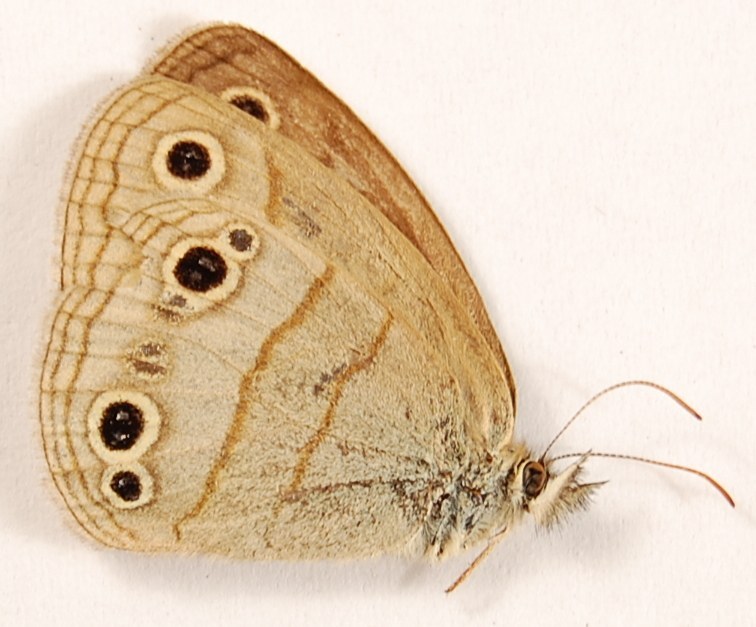
Little Wood-Satyr
Megisto cymela
A small, weak-flying brown butterfly with two prominent yellow-ringed eyespots on each wing, common along shaded woodland edges in late spring.
- Size
- 1.4–1.9 in wingspan
- Habitat
- Woodland edges, shady glades, shrubby fields
- Danger
- Harmless
Spotted a bug like this?
Identify any bug or insect from a photo, free.
Overview
The Little Wood-Satyr is a small member of the satyr subfamily (Satyrinae) within the Nymphalidae, widespread across the eastern half of North America. It is among the first satyrs to appear each year, often flying in good numbers along shaded trails and field edges in late spring.
Its repeated pattern of paired eyespots on both fore- and hindwings is a defining feature of the species, thought to deflect predator attacks toward the wing margins and away from the vulnerable body. The butterfly's association with grasses as larval food links it to the same grassland-woodland transition zones favored by many satyrs.
Although easily overlooked due to its small size and subdued coloration, the Little Wood-Satyr is one of the most frequently encountered butterflies of early summer in wooded parks, hedgerows, and old fields across its range.
How to Identify
- Small brown butterfly with two prominent black eyespots ringed in yellow on each forewing and each hindwing (four eyespots total per wing pair visible at rest).
- Wings are a uniform grayish-brown with little other patterning.
- Underside shows a similar but slightly paler eyespot pattern with fine wavy lines.
- Weak, fluttery, low flight close to the ground or shrubs, rarely straying far or flying high.
- Distinguished from the Common Wood-Nymph by its much smaller size and two (rather than one or two large) eyespots per wing.
Habitat & Range
Found throughout the eastern United States and adjacent Canada, favoring partially shaded habitats such as woodland edges, overgrown fields, hedgerows, and grassy trails bordered by trees. Adults are most commonly seen from late May through July, with a possible smaller second brood in the southern part of the range.
Behavior & Diet
Adults fly with a slow, bobbing, low flight and rarely travel far from shaded cover, often perching on leaves or grass stems with wings closed. They feed on tree sap, rotting fruit, aphid honeydew, and occasionally flower nectar rather than showy blossoms. Caterpillars feed on various grasses at the woodland edge, forming part of the food web for ground-dwelling predators and parasitic wasps.
Life Cycle
Eggs are laid on or near grass blades in shaded, grassy habitat. Caterpillars are pale green and covered in short hair-like setae, feeding on grass and resting camouflaged among the blades by day. In most of the range there is one main generation with a partial second brood further south, and the species overwinters as a partially grown caterpillar.
Frequently asked questions
How can I tell this apart from the Common Wood-Nymph?
The Little Wood-Satyr is noticeably smaller and shows two similarly sized eyespots on each wing, rather than the one or two larger eyespots seen on the Common Wood-Nymph.
When is it most commonly seen?
Late spring into early summer, typically late May through July, is peak flight season across most of its range.
Where does it prefer to fly?
Shaded woodland edges, overgrown fields, and grassy trails bordered by trees or shrubs.
Does it visit garden flowers?
Occasionally, but it more often feeds on tree sap, rotting fruit, and aphid honeydew.
Little Wood-Satyr guides
In-depth guides for identifying, understanding, and living alongside Little Wood-Satyr.
Other bugs you may enjoy
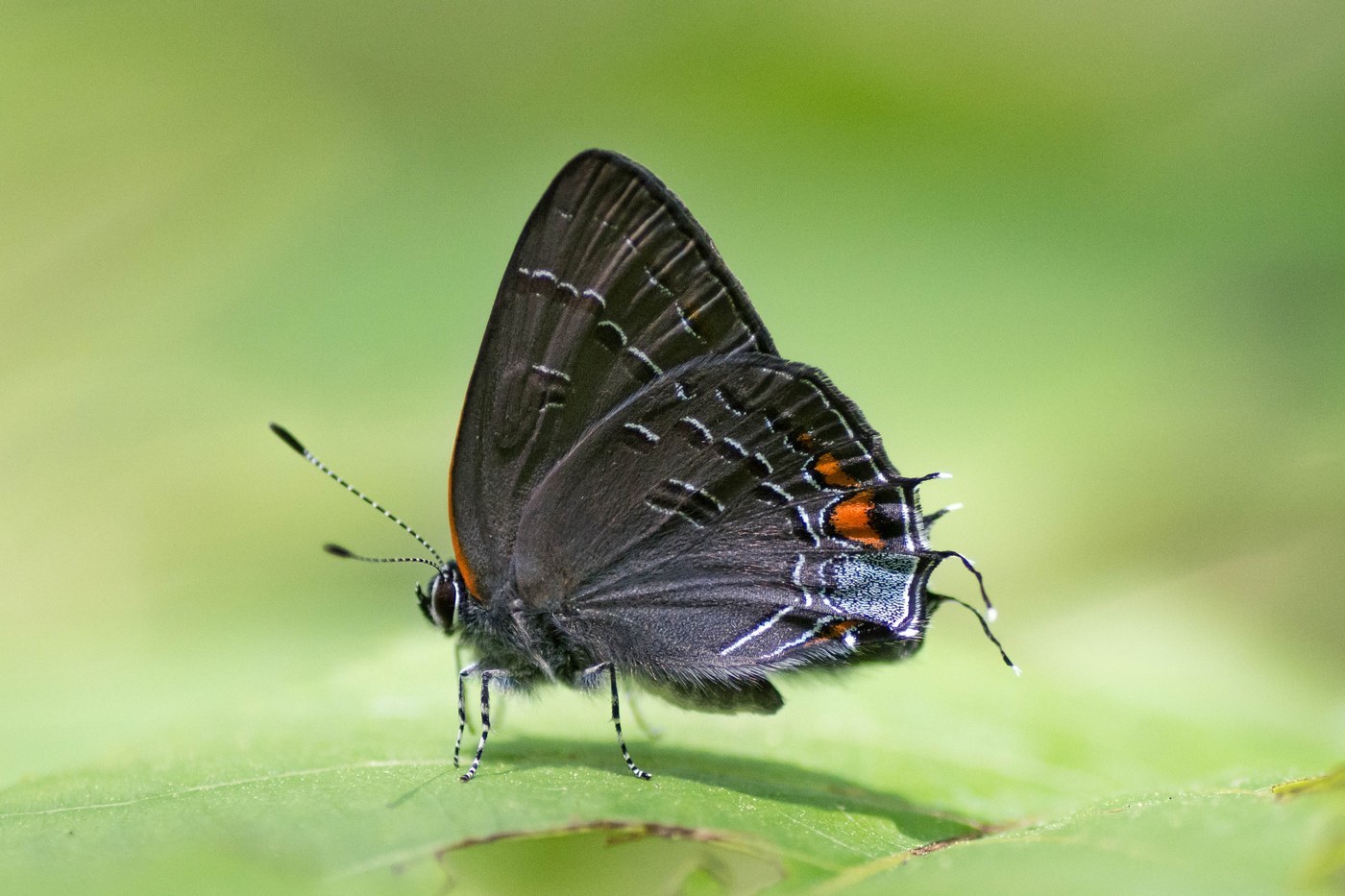
Banded Hairstreak
Deciduous woodlands and edges with oaks and hickories
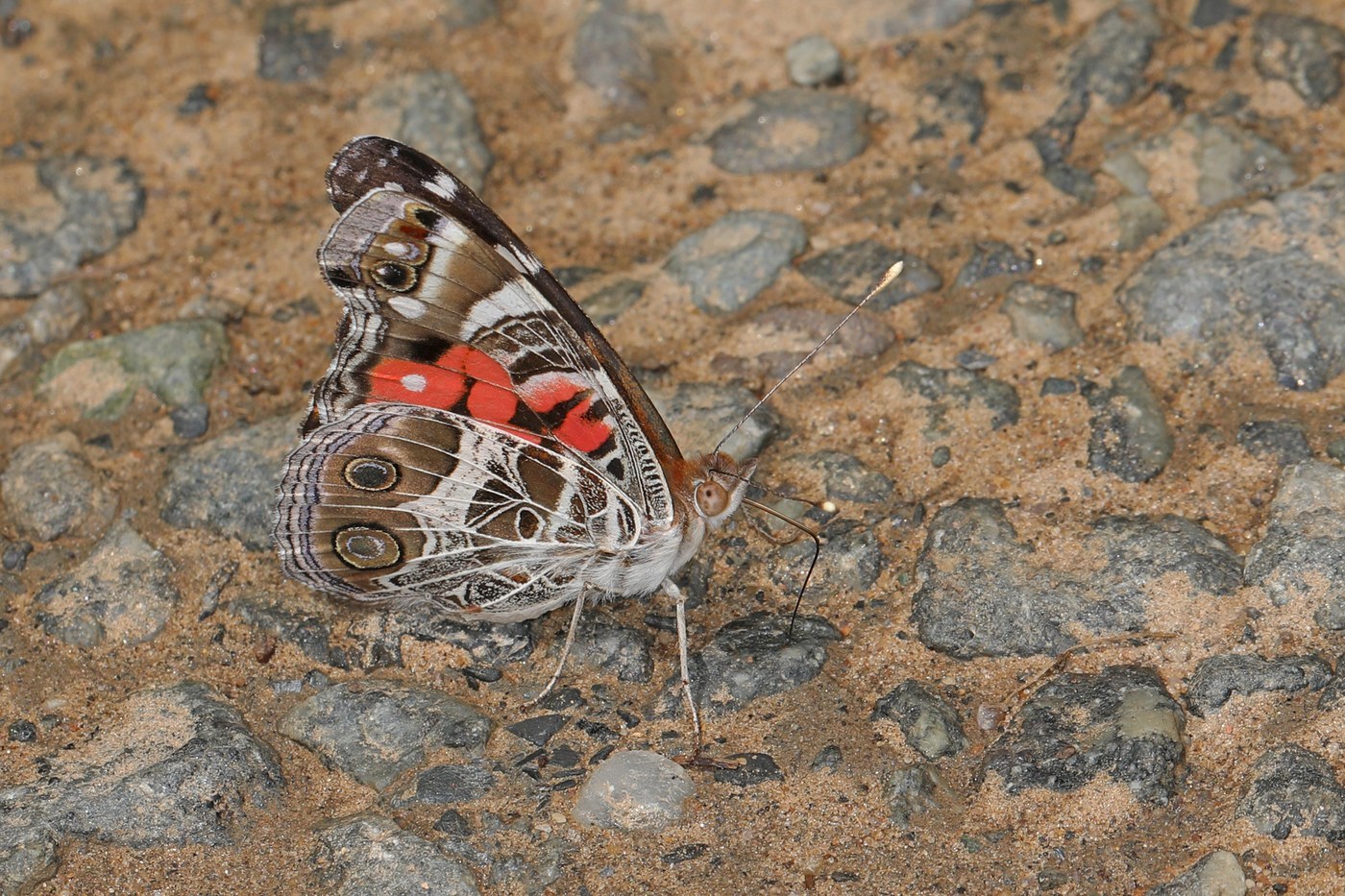
American Lady
Open fields, meadows, gardens, roadsides
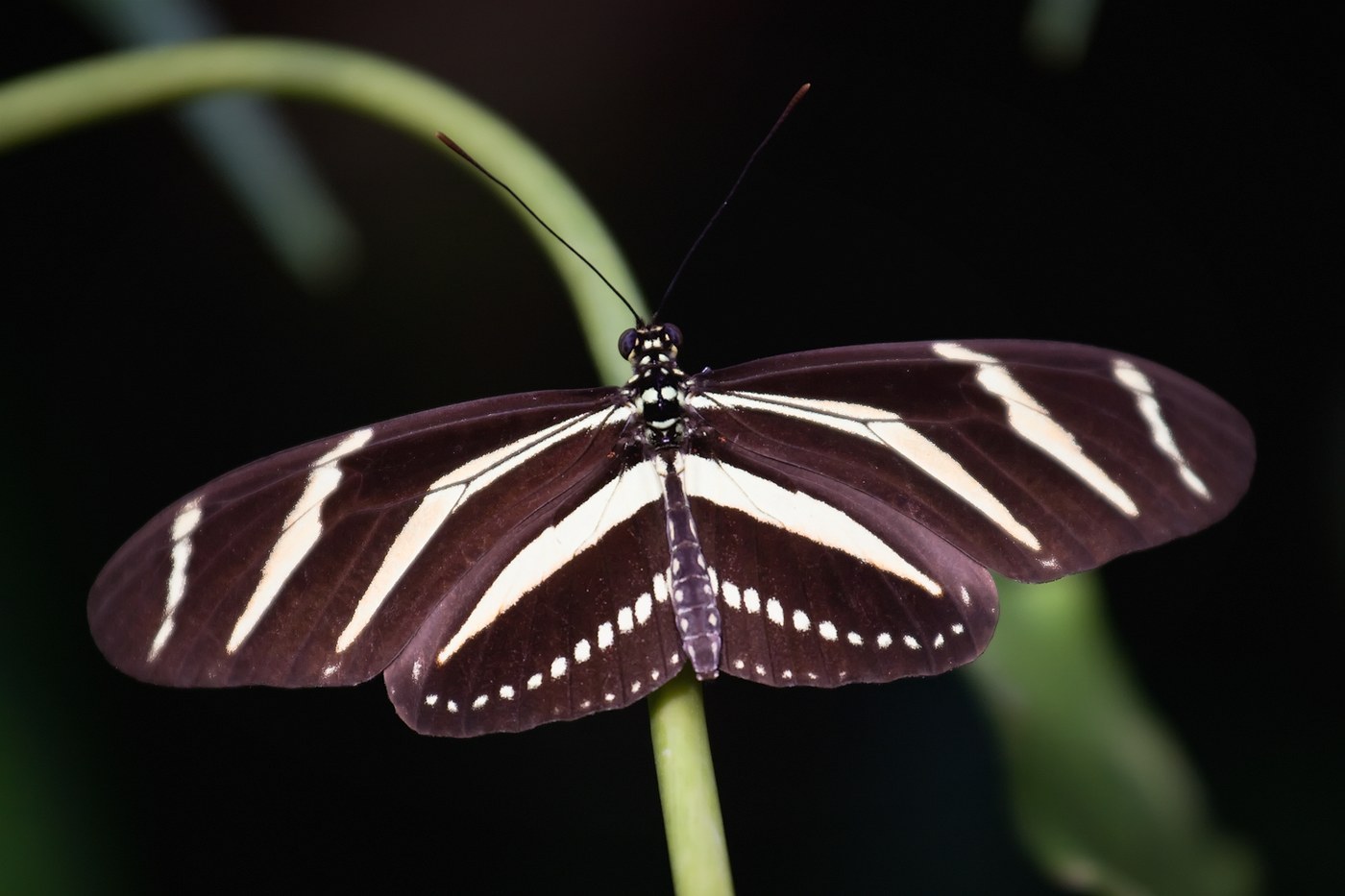
Zebra Longwing
Tropical hammocks, gardens, forest edges
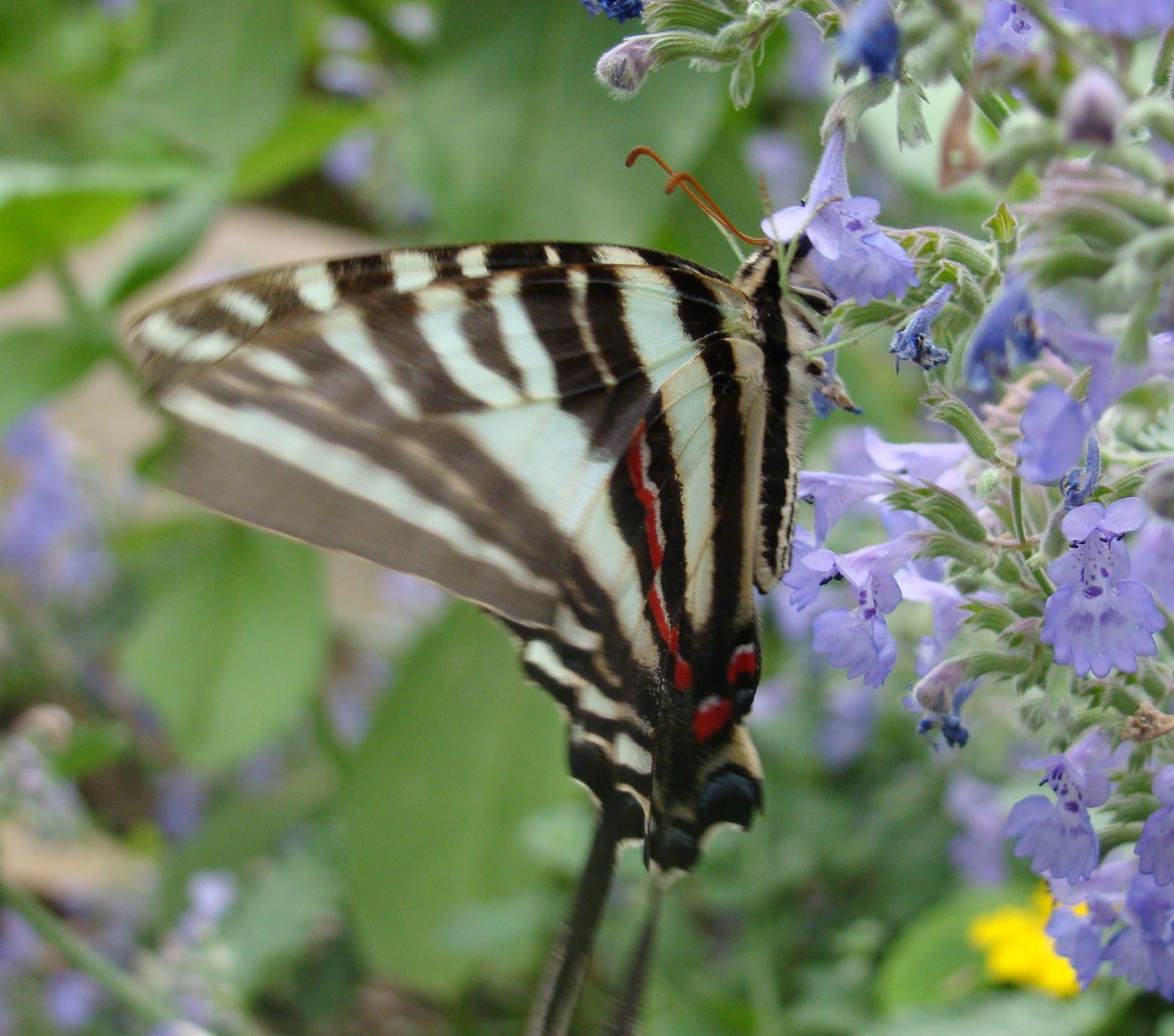
Zebra Swallowtail
Woodlands, floodplains, forest edges near pawpaw
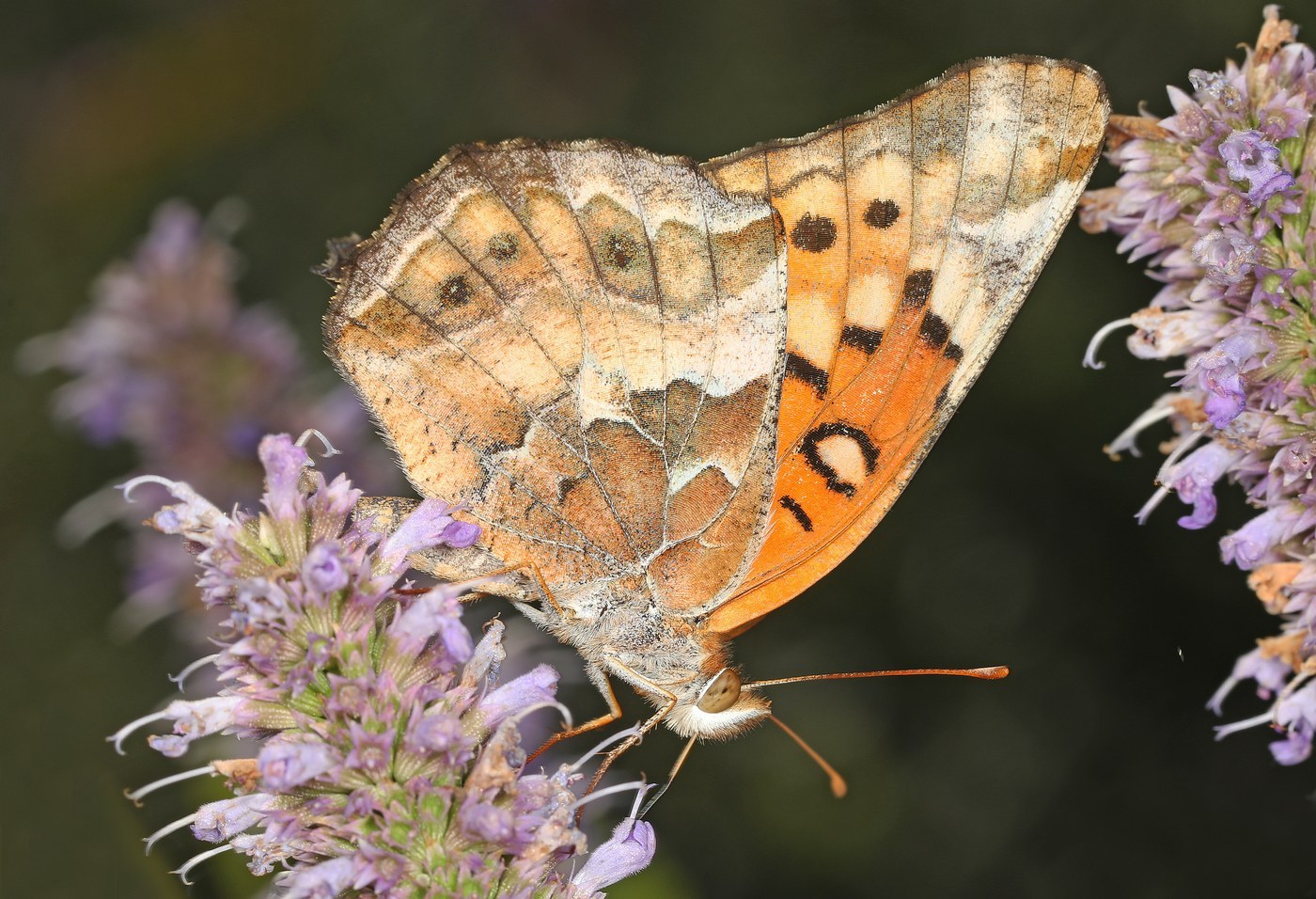
Variegated Fritillary
Open fields, prairies, roadsides, and disturbed ground across most of the United States
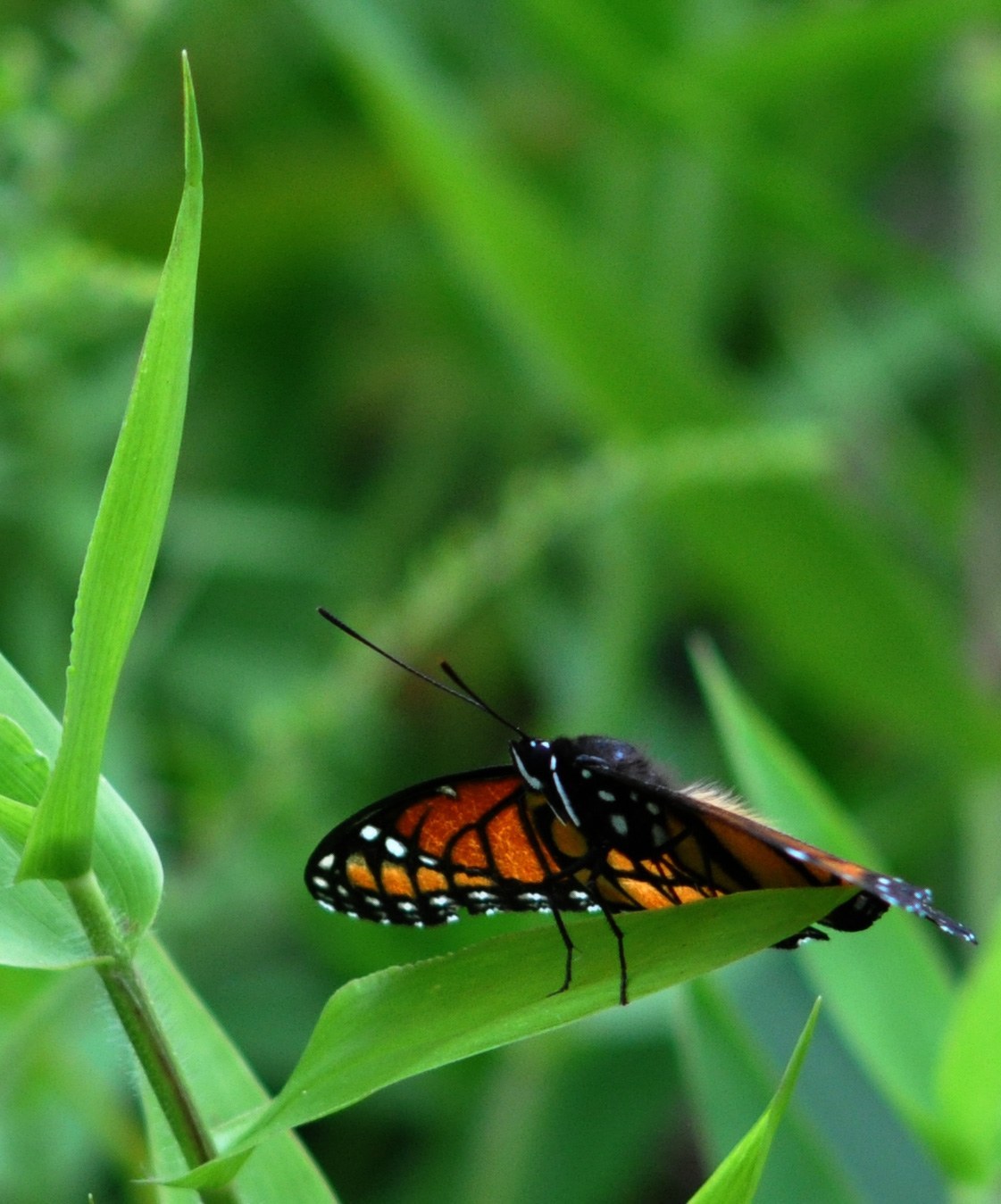
Viceroy Butterfly
Wetlands, meadows, riverbanks, willow thickets (North America)
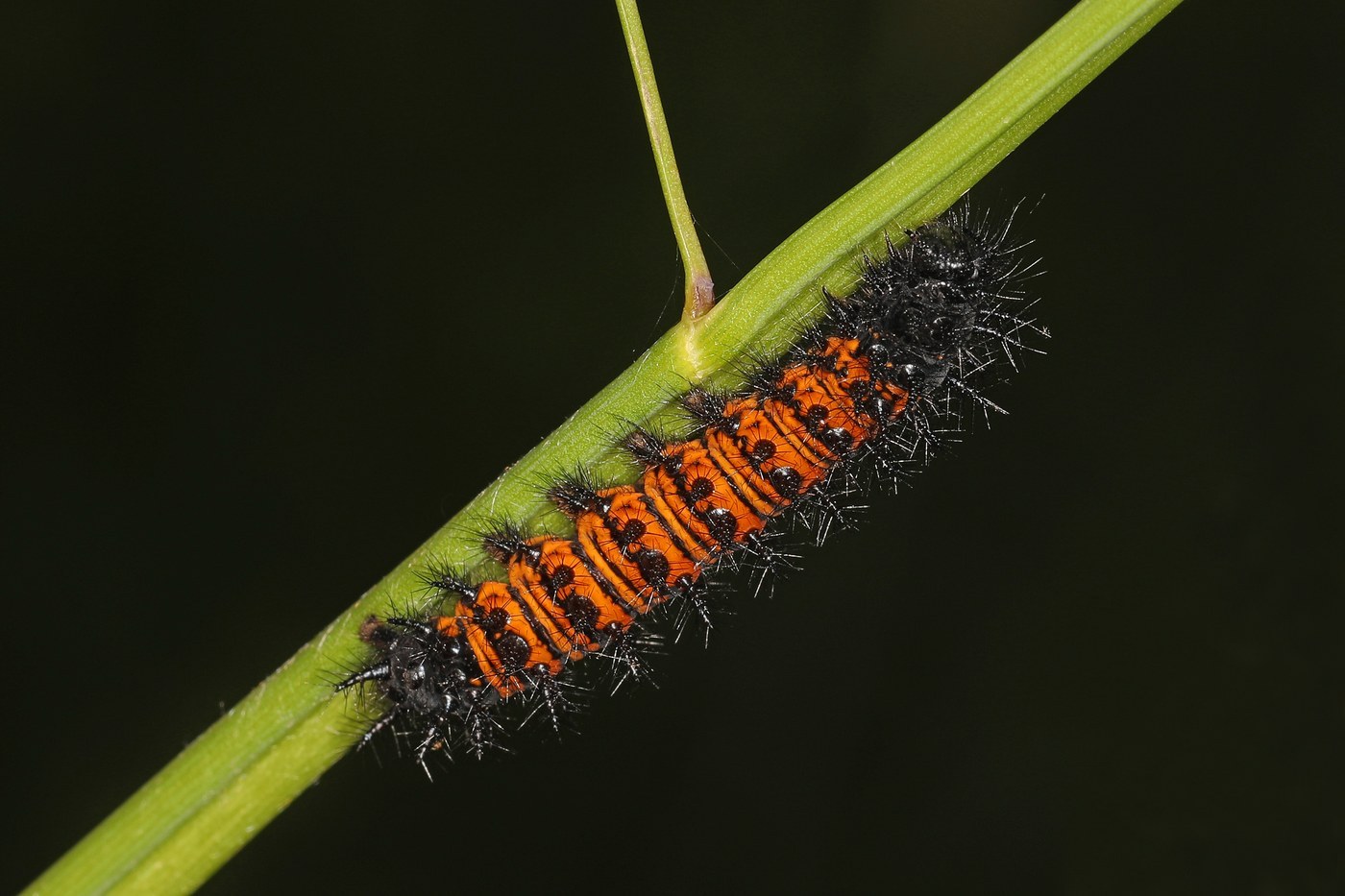
Baltimore Checkerspot
Wet meadows, bogs, and marshy fields in the northeastern and Appalachian US
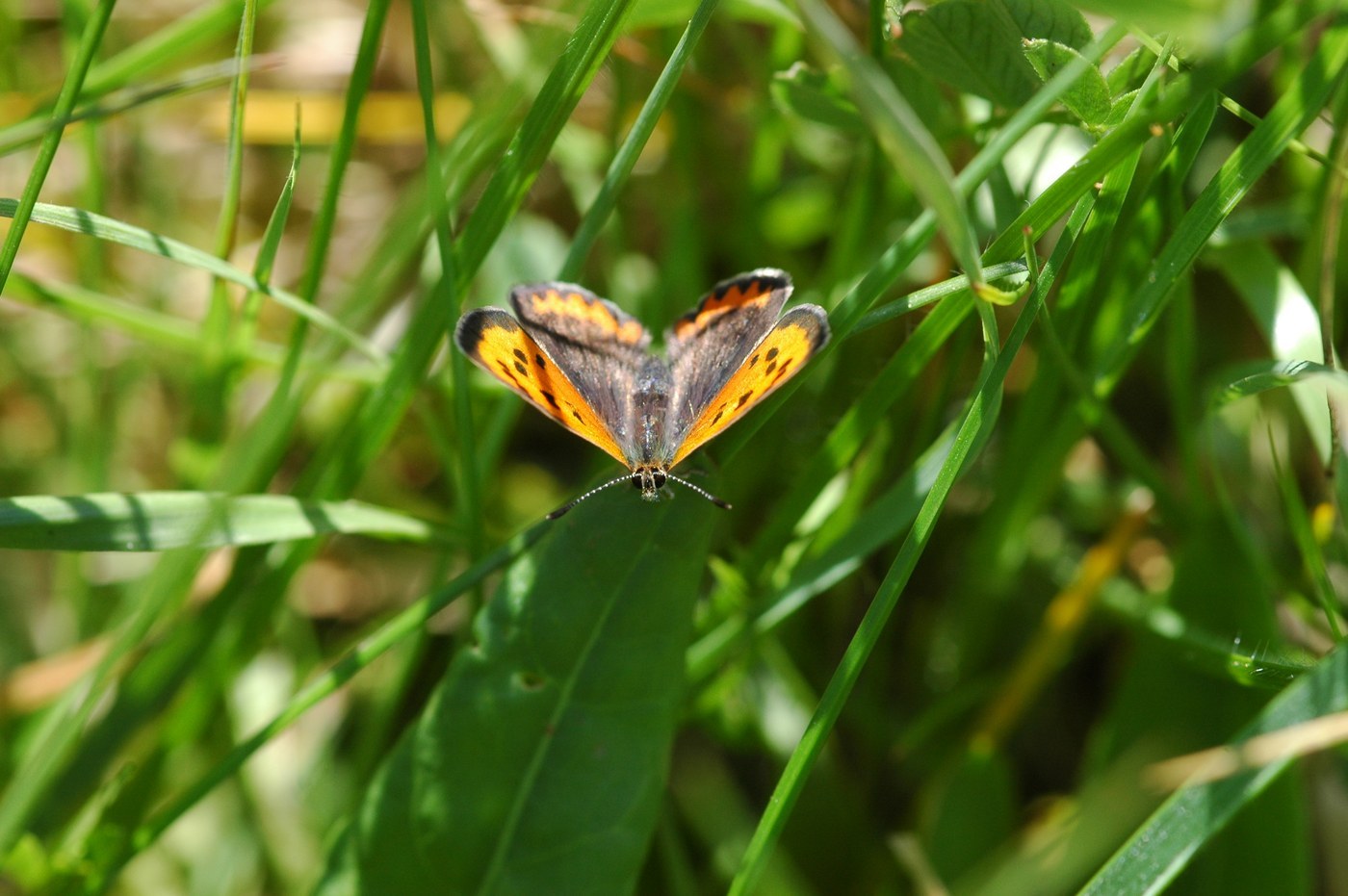
American Copper
Old fields, roadsides, and disturbed open ground with sorrel or dock
West Virginia White
Rich deciduous forest floors, especially near seeps and streams
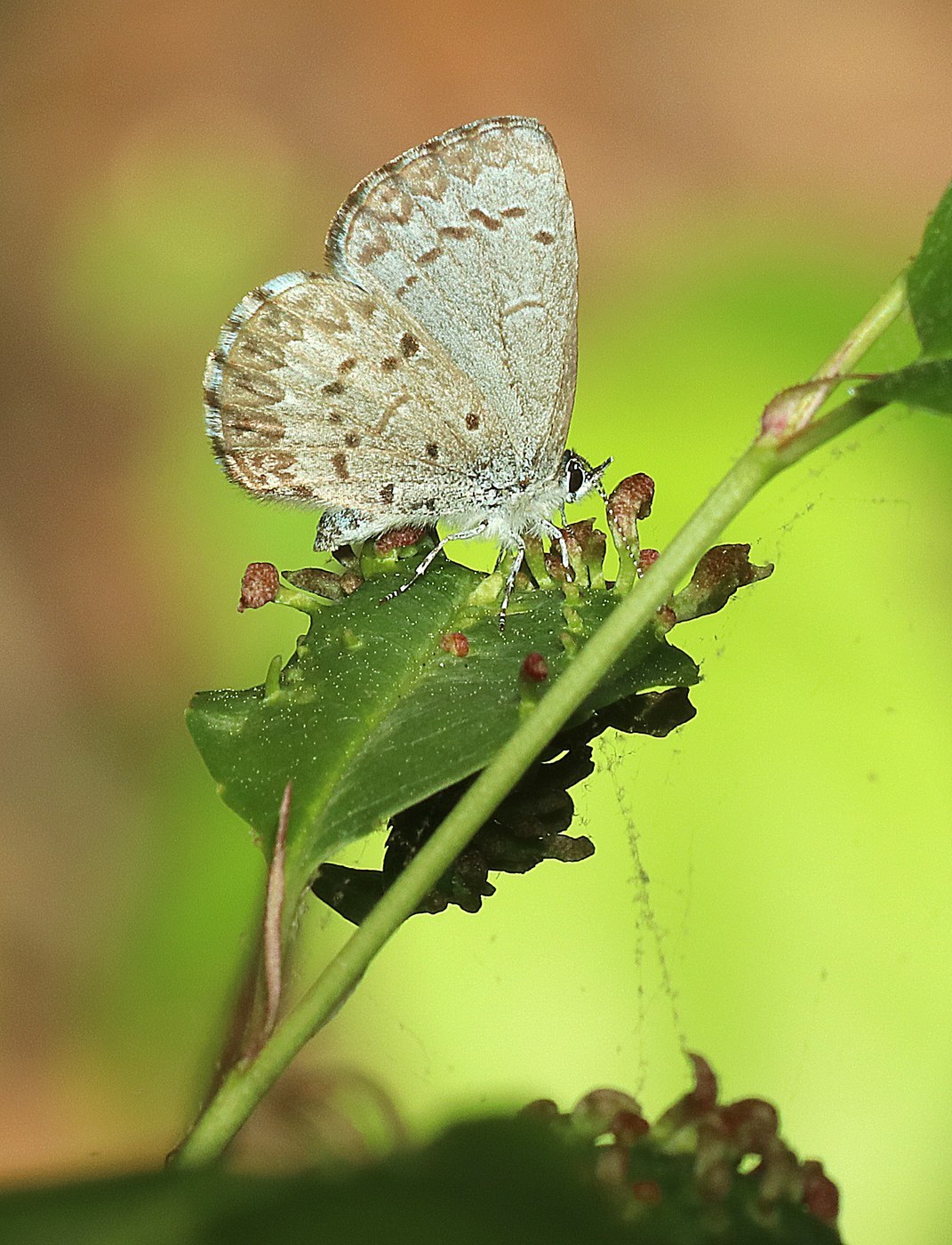
Spring Azure
Woodland edges, gardens, shrubby clearings
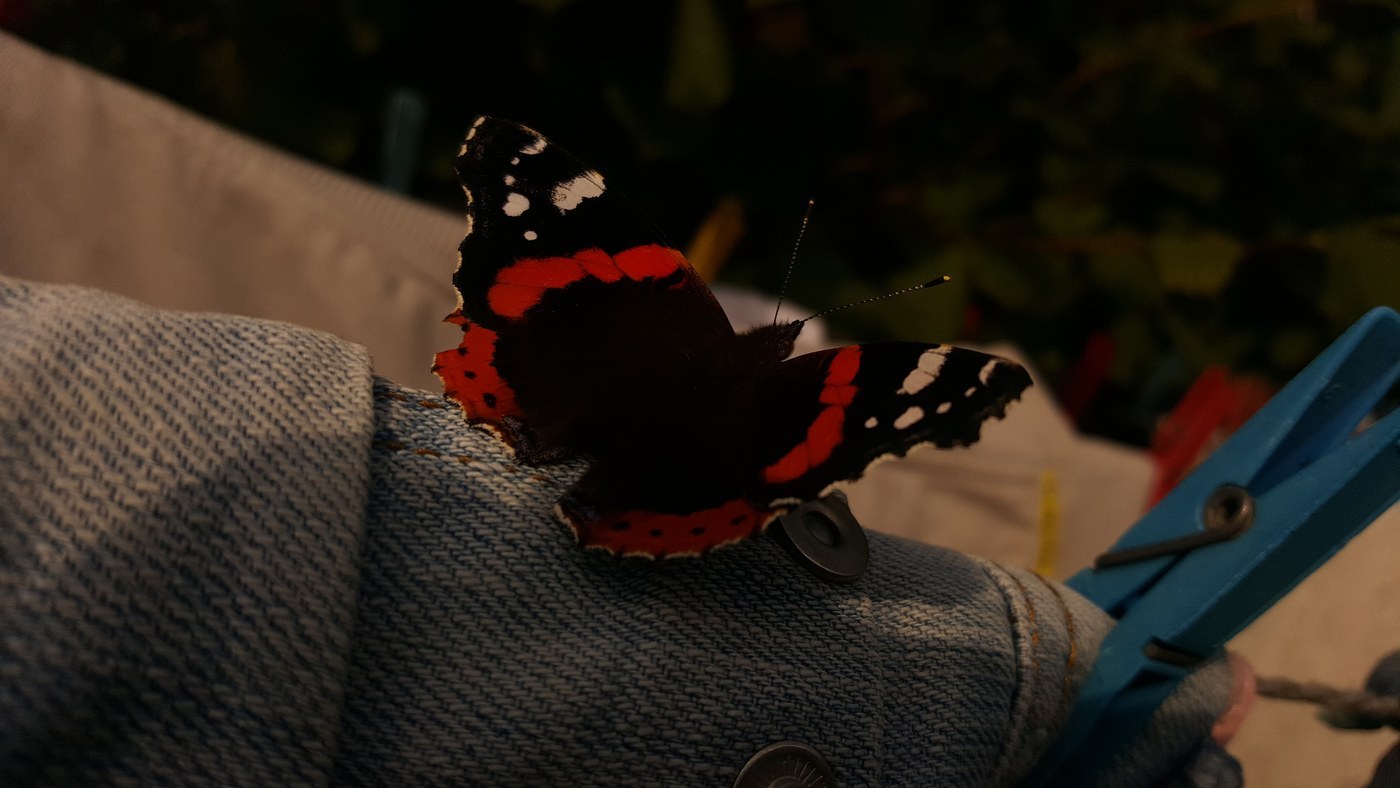
Red Admiral
Gardens, woodland edges, parks, meadows
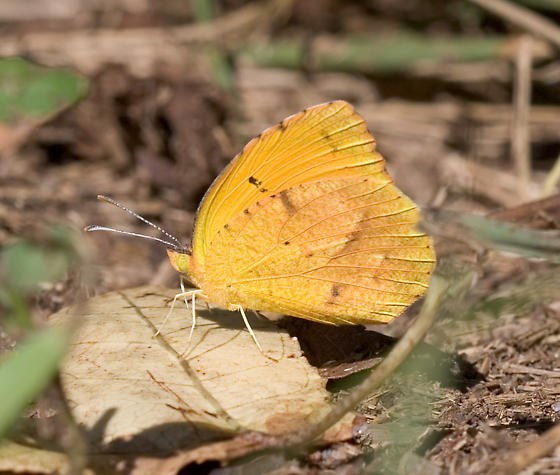
Sleepy Orange
Open woodland, fields, roadsides, and disturbed ground