
Madagascan Sunset Moth
Chrysiridia rhipheus
A day-flying moth with iridescent wings that shimmer through bands of green, blue, red, and gold, so vividly colored that it is frequently mistaken for a butterfly despite being a true moth.
- Size
- 2.8–3.5 in wingspan
- Habitat
- Rainforest edges and clearings in Madagascar
- Danger
- Harmless
Spotted a bug like this?
Identify any bug or insect from a photo, free.
Overview
The Madagascan sunset moth is a member of the family Uraniidae and is endemic to Madagascar, where it is regarded as one of the most visually spectacular insects on the island, and indeed among all Lepidoptera worldwide. Its iridescent, multicolored wings, which shift in hue depending on viewing angle due to structural coloration rather than pigment alone, have made it a frequent subject of both scientific interest and decorative use.
Despite its butterfly-like appearance and daytime activity, it is classified as a moth, illustrating that the traditional distinction between butterflies and moths is not always reflected in appearance or behavior.
The species is tied ecologically to a specific group of host plants in the genus Omphalea, and its populations can fluctuate noticeably from year to year in connection with the availability and toxin levels of these host plants.
How to Identify
- Wings display iridescent bands of green, blue, purple, red, and gold that shift in appearance with the angle of light, produced by microscopic structural elements in the wing scales rather than pigment alone.
- Hindwings have several short, tail-like projections along the margin, adding to its ornate silhouette.
- Body is dark with a slight iridescent sheen, and antennae are thin and thread-like, unlike the clubbed antennae typical of true butterflies.
- Lookalikes: various swallowtail butterflies due to its coloring and daytime flight, but its thread-like (non-clubbed) antennae and moth classification distinguish it from true butterflies on close inspection.
Habitat & Range
Endemic to Madagascar, the sunset moth is found in and around rainforest habitats where its larval host plants in the genus Omphalea grow, including forest edges, clearings, and areas of regenerating vegetation. It is active during the day, unlike most moths, and can be seen flying in sunlit clearings or visiting flowers, with population numbers varying seasonally and annually based on host plant availability.
Behavior & Diet
Unusually among moths, the Madagascan sunset moth is diurnal, flying actively in daylight and visiting flowers for nectar much like a butterfly. Larvae feed on Omphalea vines, plants that contain compounds affecting the caterpillars' chemistry, and the moth's bright coloration is generally understood as a warning signal to predators linked to this larval diet. The species can undergo marked population fluctuations tied to the cyclical availability of its specific host plants, and it plays a role in Madagascar's rainforest ecosystem both as a pollinator in its nectar-feeding adult stage and as a herbivore in its larval stage.
Life Cycle
Eggs are laid on the leaves of Omphalea host vines, hatching into gregarious caterpillars that often feed in groups on the foliage. Larvae pass through several instars before spinning an unusual, open-mesh, basket-like cocoon that allows the pupa to be visible from outside, a distinctive trait among Lepidoptera. Adults emerge after a relatively short pupal period, and the species can produce multiple generations per year in Madagascar's warm climate, with population size closely tracking the seasonal growth and toxicity cycles of its host vines.
Frequently asked questions
Is this actually a butterfly?
No, despite its bright colors and daytime flight, it is classified as a moth, distinguished from butterflies partly by its thread-like rather than clubbed antennae.
Why are its wings so iridescent?
The shifting colors come from microscopic structural features in the wing scales that reflect light differently depending on viewing angle, rather than from pigment alone.
Where is it found?
It is endemic to Madagascar, occurring in and around rainforest habitats that support its specific larval host vines.
What do the caterpillars eat?
They feed on vines in the genus Omphalea, often in groups, which is linked to the moth's warning coloration as an adult.
Madagascan Sunset Moth guides
In-depth guides for identifying, understanding, and living alongside Madagascan Sunset Moth.
Other bugs you may enjoy
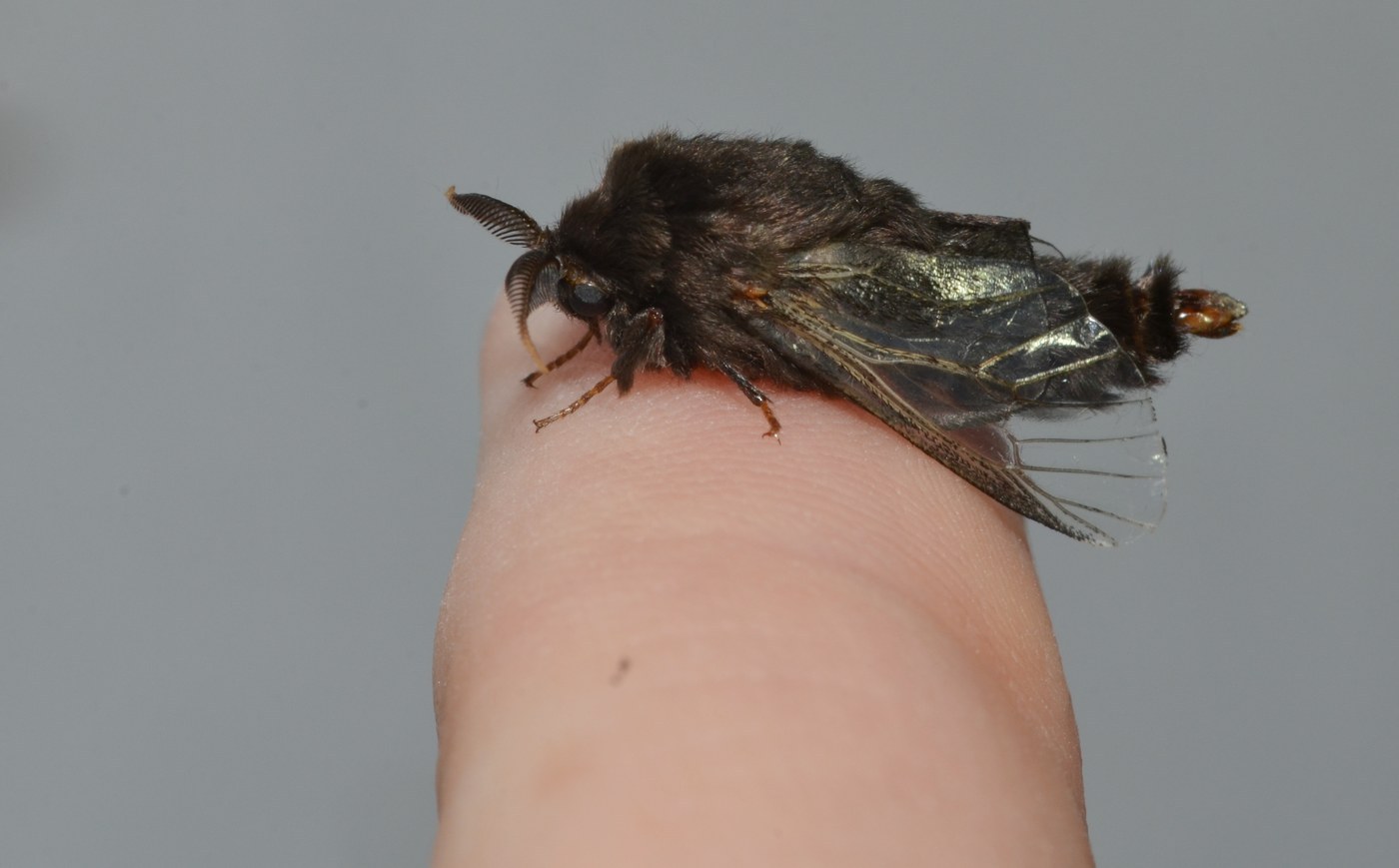
Bagworm Moth
Coniferous and deciduous trees, shrubs, hedges
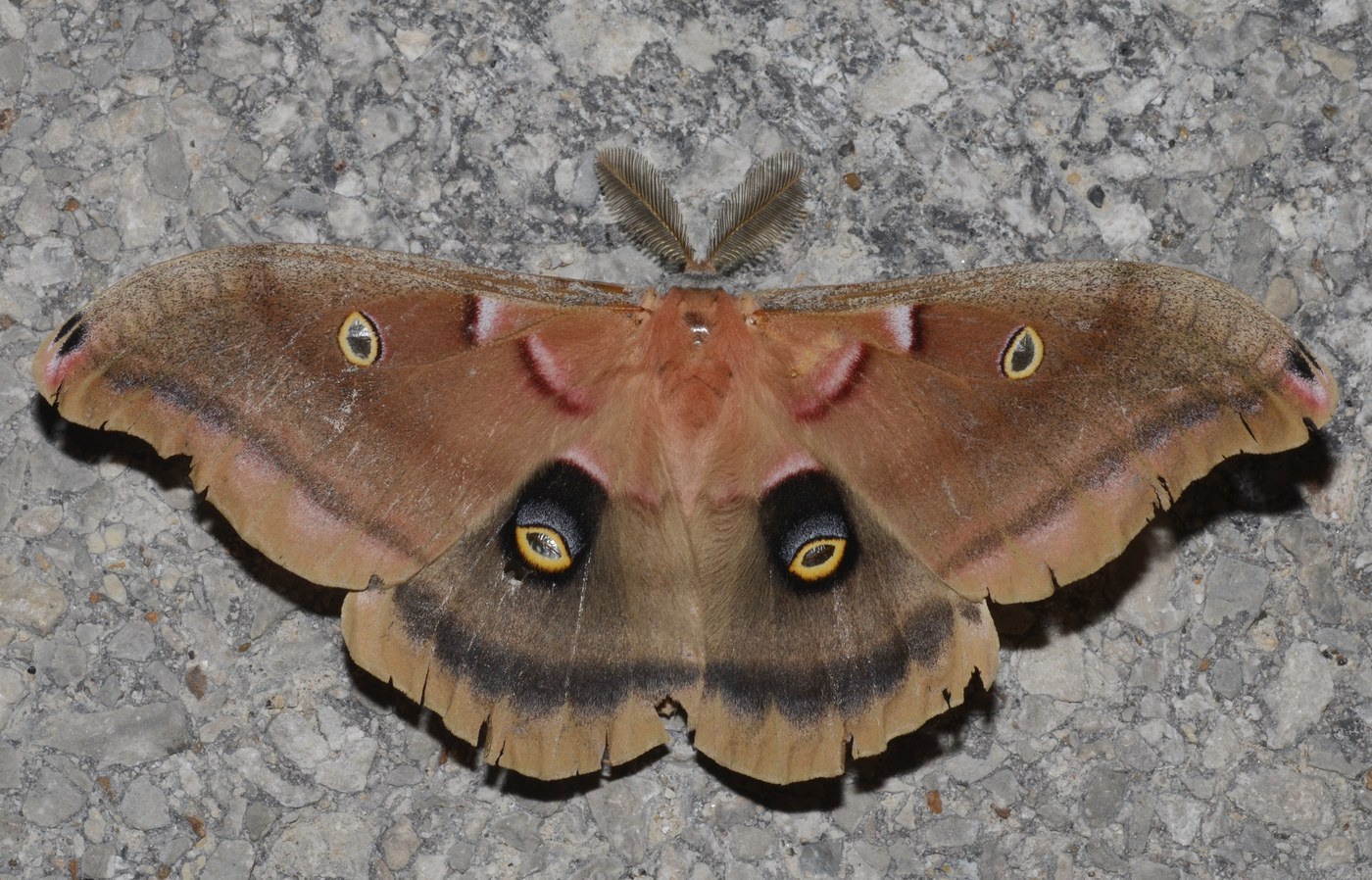
Antheraea Silkmoth
Deciduous forests, woodland edges, orchards
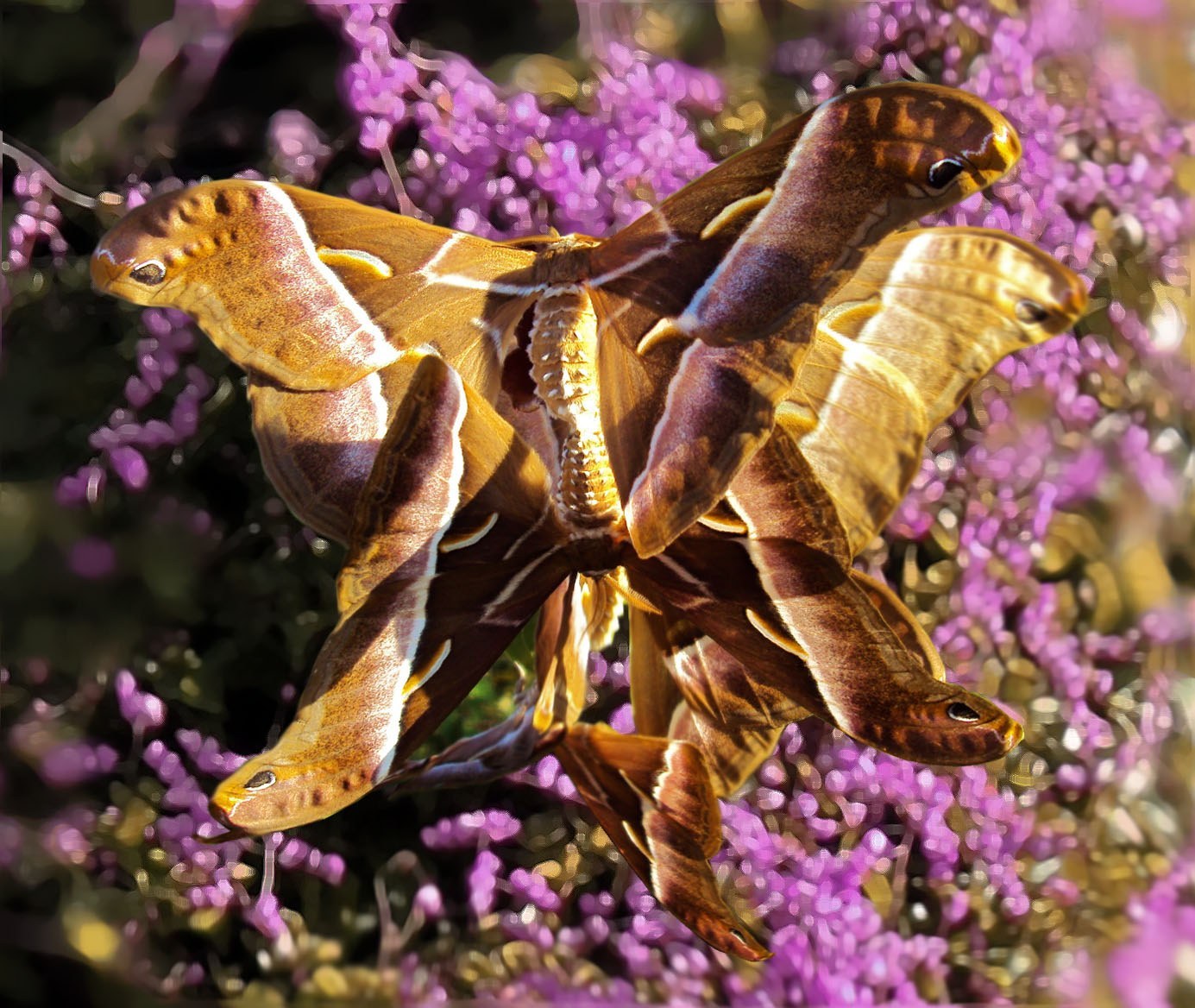
Ailanthus Silkmoth (Cynthia Moth)
Urban parks, wastelands, and woodland edges with tree-of-heaven; native to Asia, introduced in North America and Europe
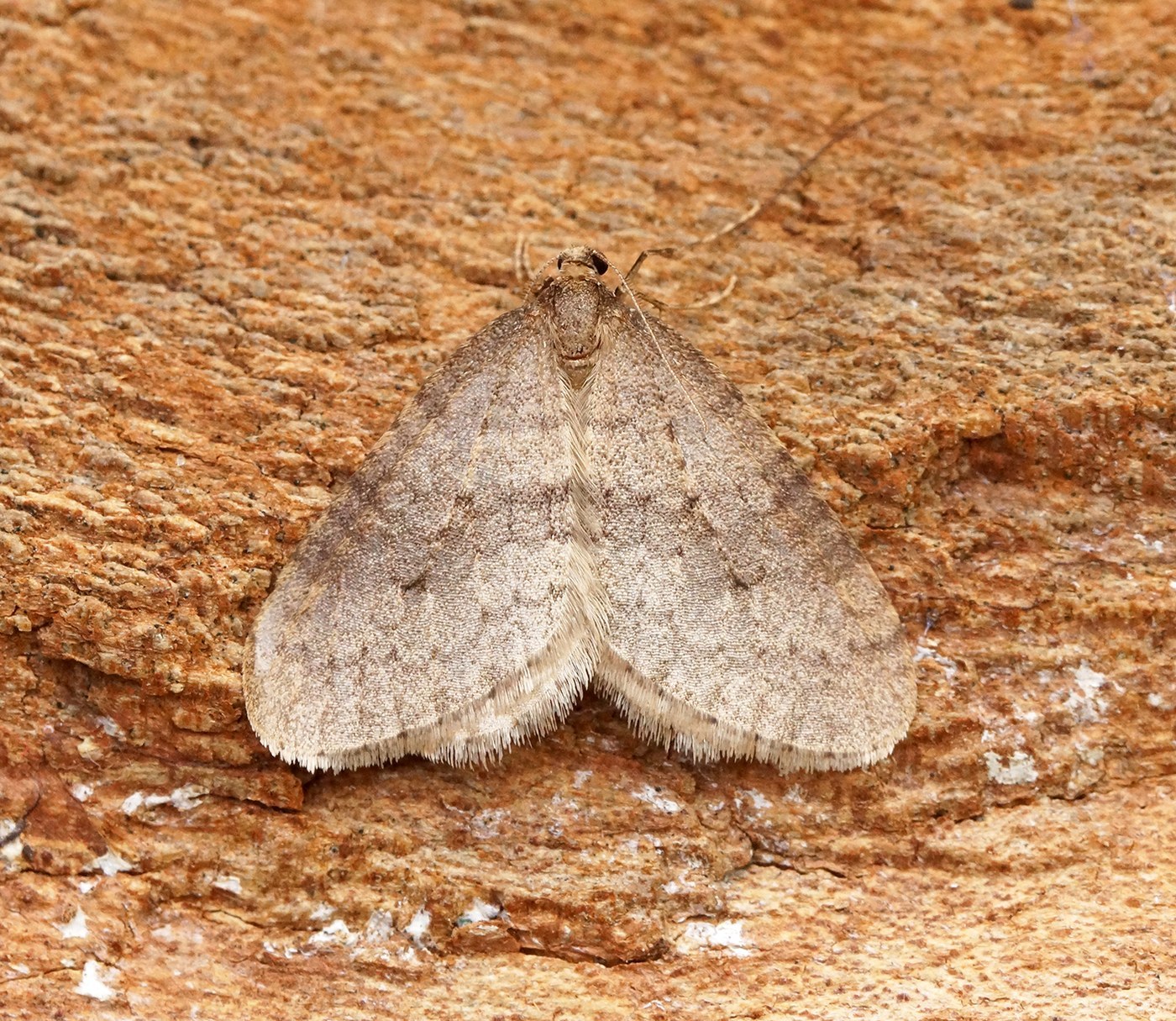
Winter Moth
Deciduous woodland, orchards, gardens, hedgerows
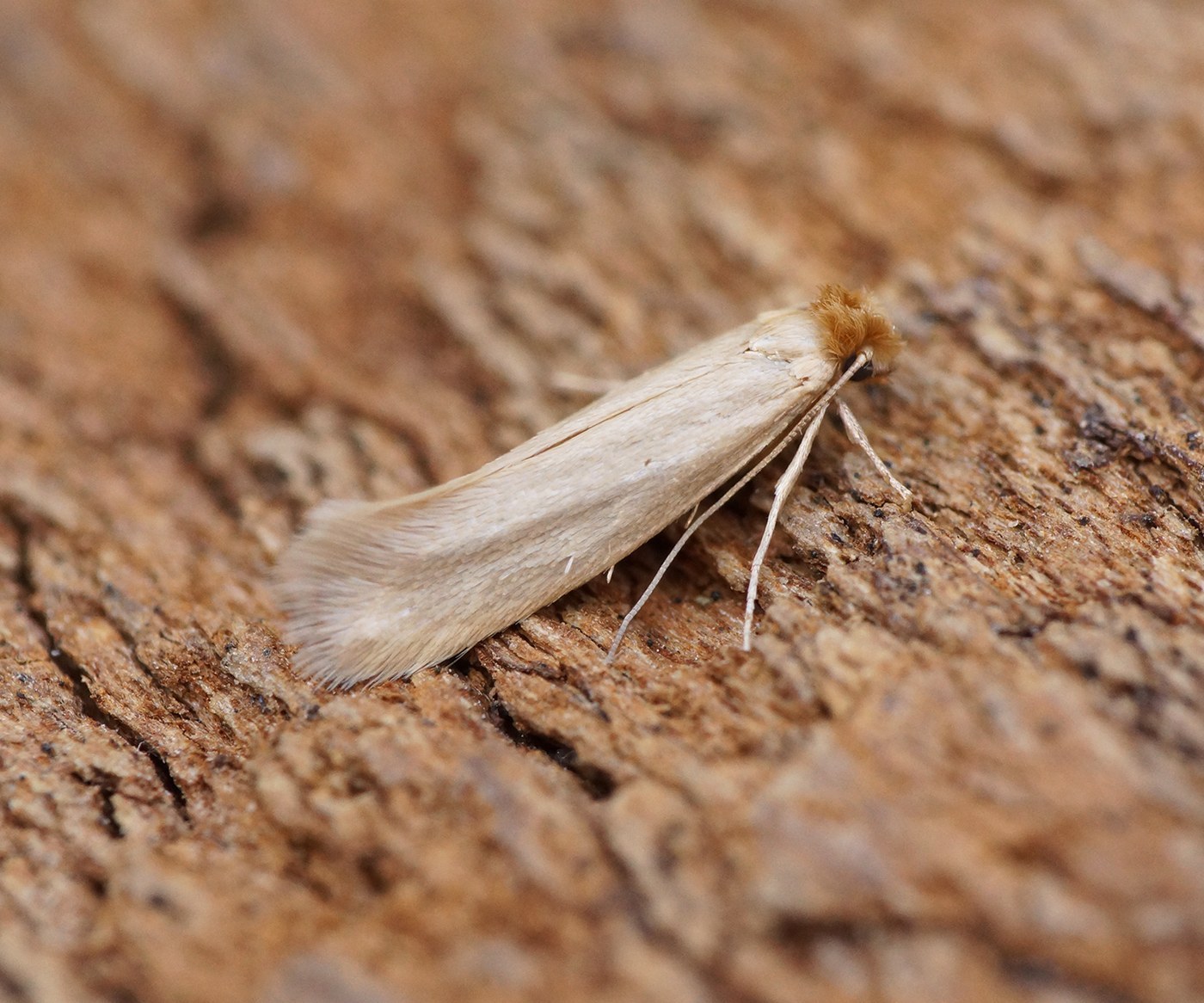
Webbing Clothes Moth
Dark closets, storage areas, and animal nests worldwide
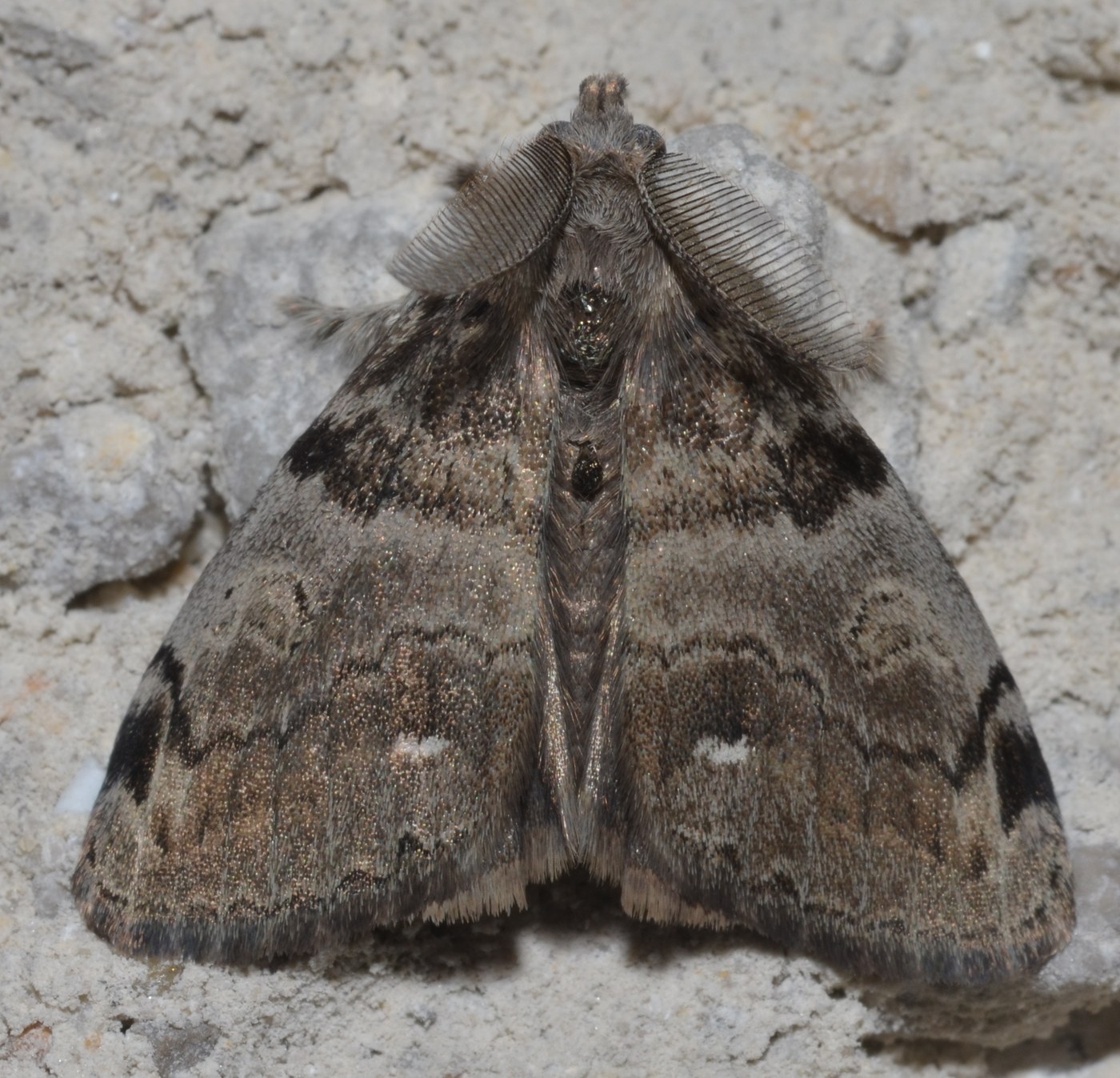
Tussock Moth
Deciduous forests, parks, gardens
Wax Moth
Beehives, apiaries, stored beeswax and comb
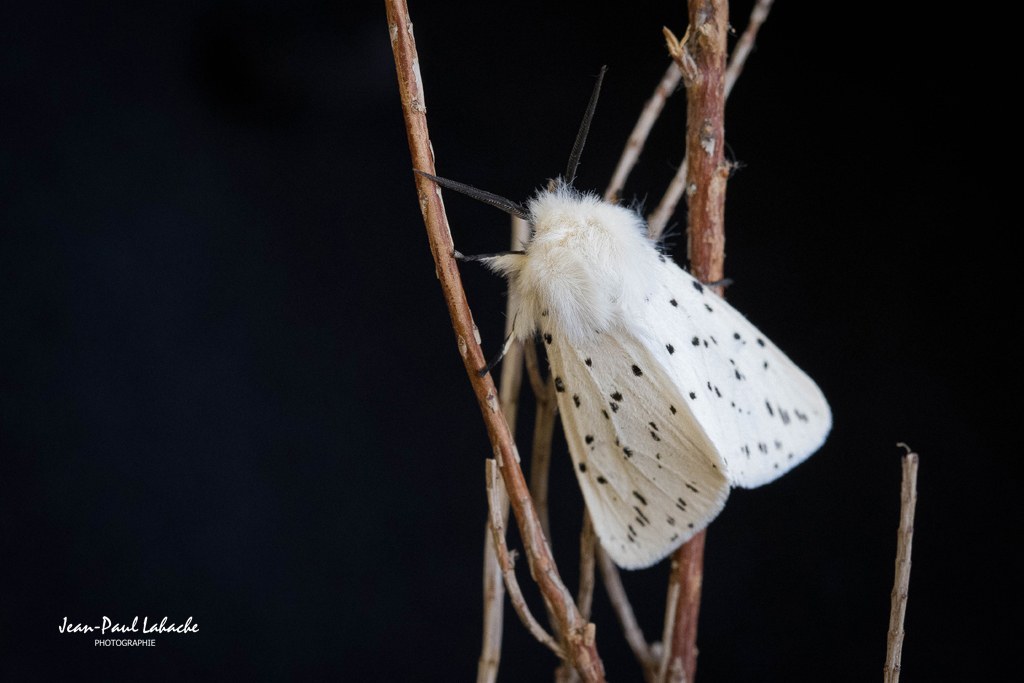
White Ermine Moth
Gardens, meadows, hedgerows
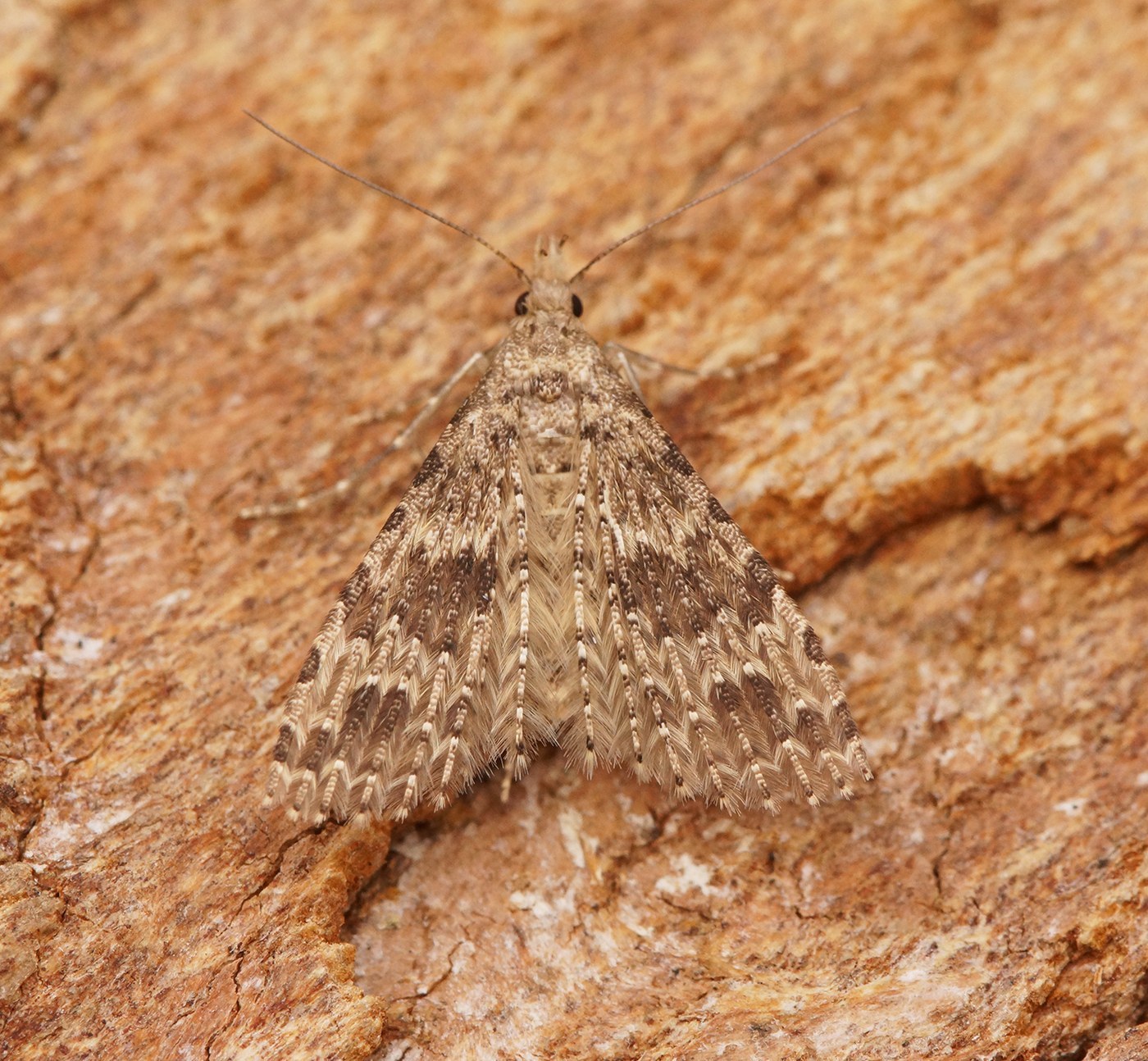
Twenty-plume Moth
Gardens, hedgerows, near honeysuckle
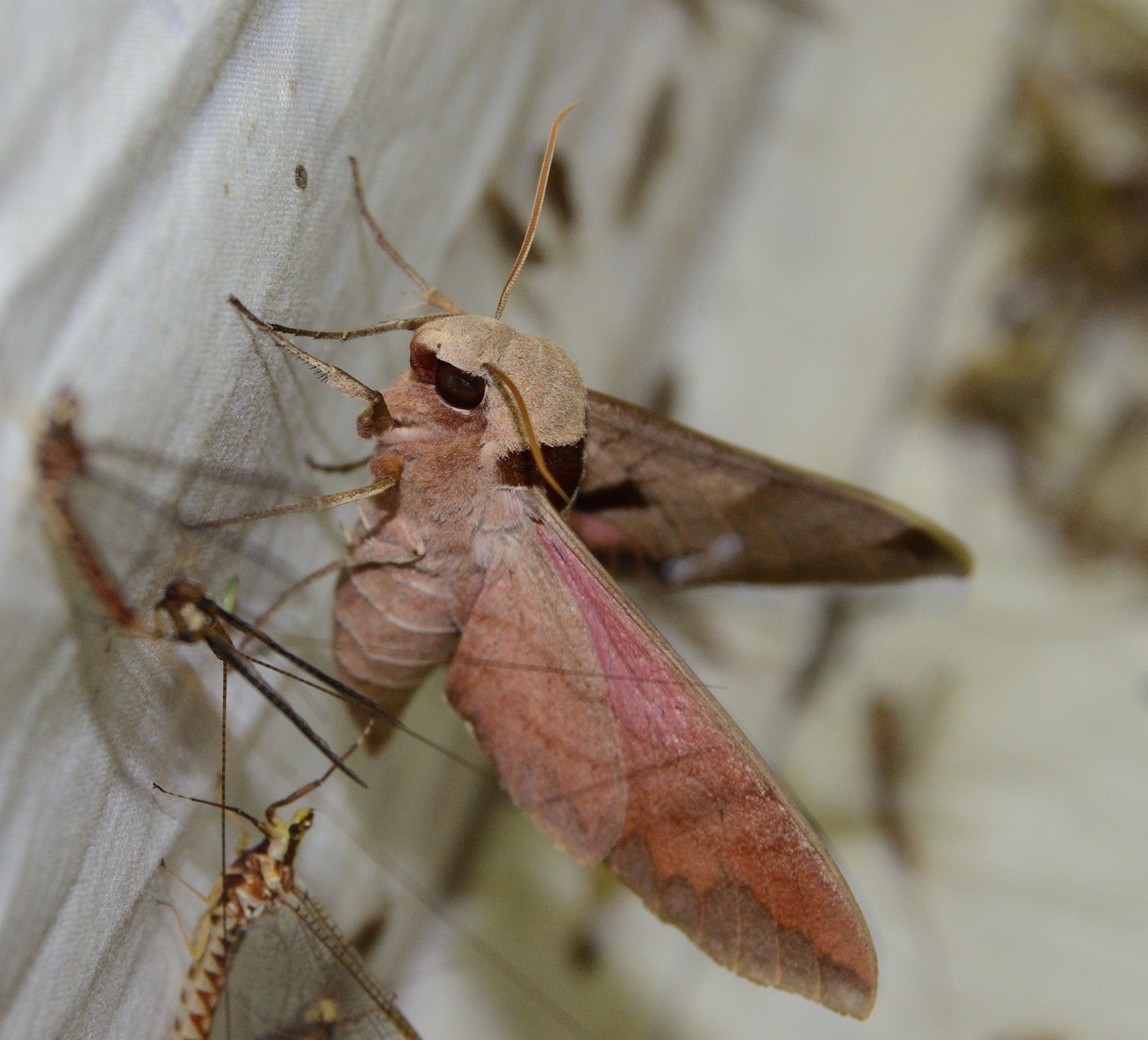
Achemon Sphinx Moth
Vineyards, woodland edges, gardens with wild grape
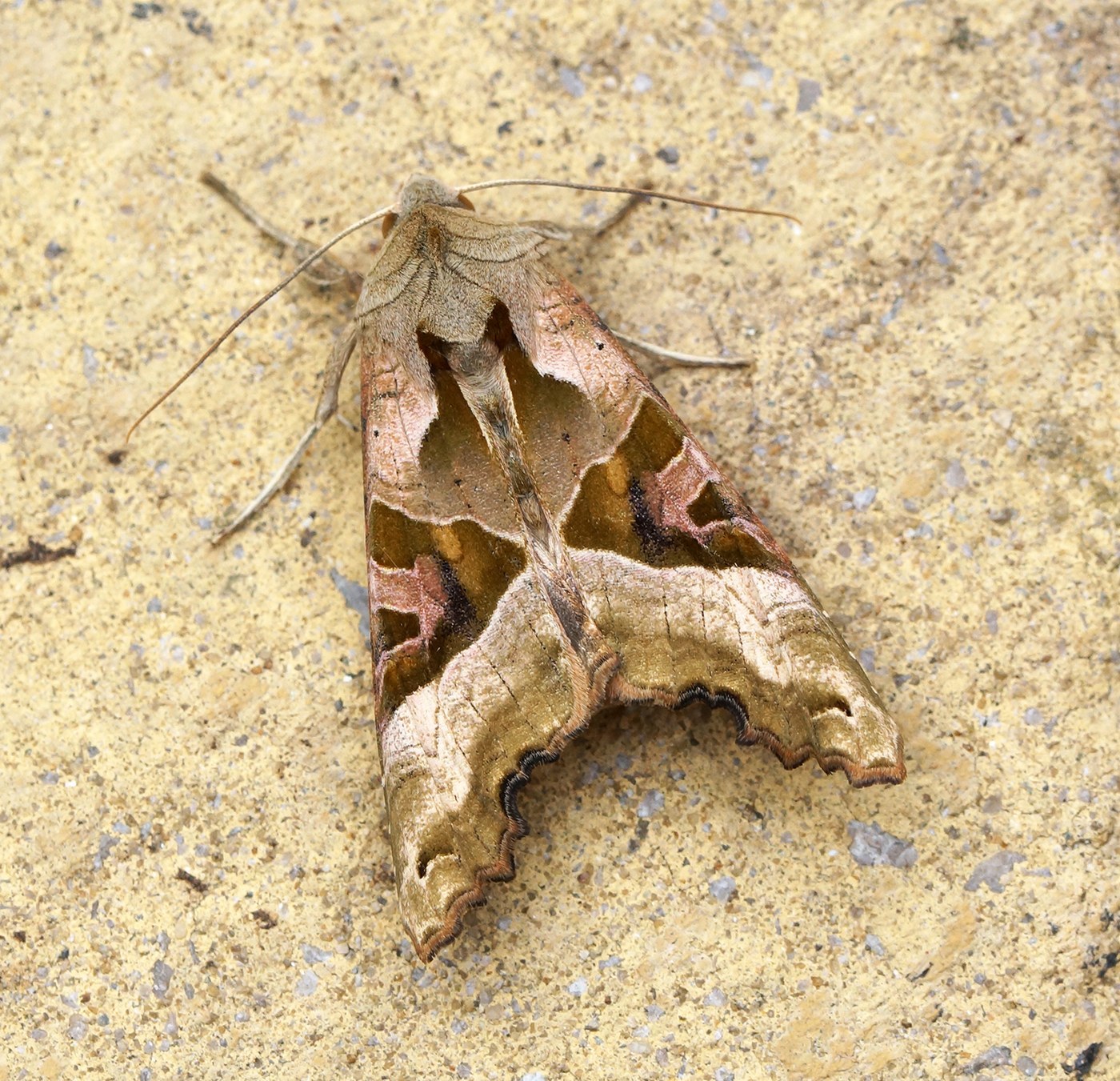
Angle Shades Moth
Gardens, hedgerows, woodland edges, urban parks
Atlas Moth
Tropical and subtropical lowland forests of Southeast Asia