
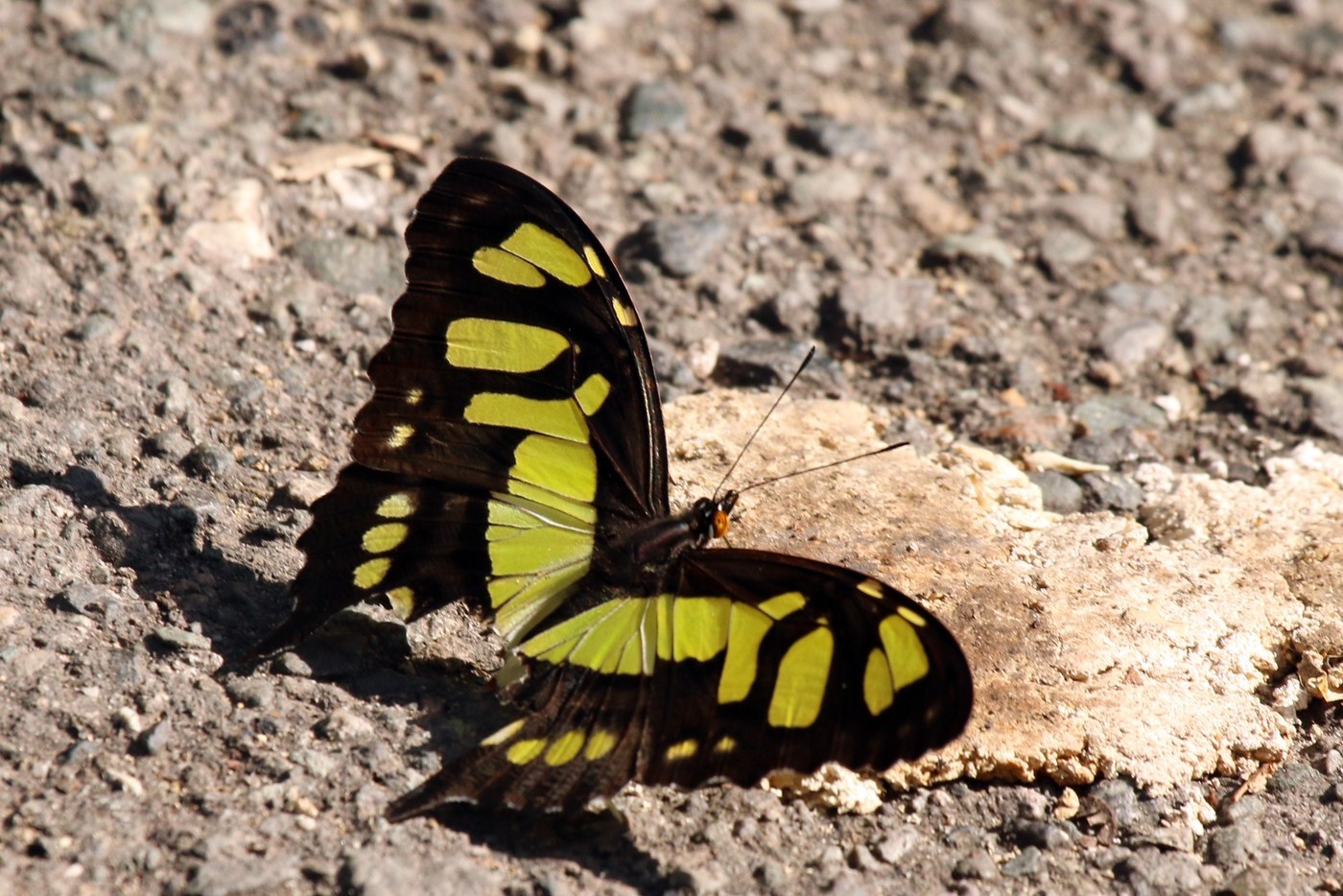
Malachite Butterfly
Siproeta stelenes
A large tropical butterfly named for the vivid green, mineral-like patches that break up its otherwise dark brown wings, giving it a translucent, stained-glass appearance in flight.
- Size
- 3.3–4.0 in wingspan
- Habitat
- Tropical and subtropical forest edges, gardens, hammocks
- Danger
- Harmless
Spotted a bug like this?
Identify any bug or insect from a photo, free.
Overview
The Malachite is a large brush-footed butterfly (family Nymphalidae) native to the American tropics and subtropics, ranging from Central and South America north into southern Texas and Florida. Its name derives from the resemblance of its bright green wing patches to the mineral malachite, and it is frequently featured in butterfly houses and conservatories worldwide for its bold coloring and gentle disposition.
As a strong, gliding flier, the Malachite is often seen patrolling forest trails and garden paths at a consistent height, making repeated circuits of a territory, a habit that makes it relatively easy to observe once located.
The species belongs to the same subfamily as admirals and relatives, and its caterpillars, like many nymphalids, feed on specific host plants within the Acanthaceae family, tying its distribution to the presence of these forest-understory shrubs.
How to Identify
- Wings are dark brown to black, broken by large, translucent patches of pale green to yellow-green, giving a distinctive stained-glass pattern.
- Wing margins are scalloped rather than smooth, with small white spots along the forewing edge.
- Underside coloring is more muted, with tan, brown, and green mottling that provides camouflage at rest.
- It is a large butterfly with a strong, gliding flight, often patrolling forest edges and clearings at a steady height.
- Similar tropical Nymphalids can share patterned wings, but the specific pale green (not blue or orange) patches are diagnostic.
Habitat & Range
The Malachite ranges from Brazil and other parts of South America through Central America and Mexico into the southernmost United States, including south Texas and Florida, where it is considered a rare stray or occasional resident. It favors humid tropical and subtropical forest edges, hammocks, shaded gardens, and trail margins.
In tropical portions of its range it can be found year-round, while in its northern range it is typically seen during warmer months.
Behavior & Diet
Adults feed on nectar from a variety of tropical flowers and are also known to feed on rotting fruit, one of several nymphalid butterflies attracted to fermenting or decaying organic material rather than flowers alone. They fly with a strong, gliding pattern, often patrolling the same route along a forest edge or garden path repeatedly.
Males establish and defend small perching territories along sunlit trails, chasing off rival males and other butterfly species that intrude on their space.
Life Cycle
Eggs are laid singly on the leaves of host plants in the family Acanthaceae, such as ruellia species. Caterpillars are spiny and typically dark with pale markings, feeding on the host foliage through several molts.
Pupation occurs in a hanging chrysalis, often shiny and pale green, mimicking a leaf or bud. In its tropical range the species breeds continuously with overlapping generations year-round, while in cooler, marginal parts of its range breeding is limited to the warmer months.
Frequently asked questions
Why is it called the Malachite?
Its pale to bright green wing patches resemble the green mineral malachite, giving the butterfly its common name.
Can Malachite Butterflies be seen in the United States?
Yes, though mainly as an occasional visitor or local resident in southern Texas and Florida, with its main range in Central and South America.
What do adult Malachite Butterflies feed on?
They visit flower nectar and are also drawn to rotting fruit, a common trait among tropical nymphalid butterflies.
What plants do the caterpillars need?
They feed on plants in the Acanthaceae family, such as ruellia, which limits the butterfly's range to areas where these grow.
Malachite Butterfly guides
In-depth guides for identifying, understanding, and living alongside Malachite Butterfly.
Other bugs you may enjoy
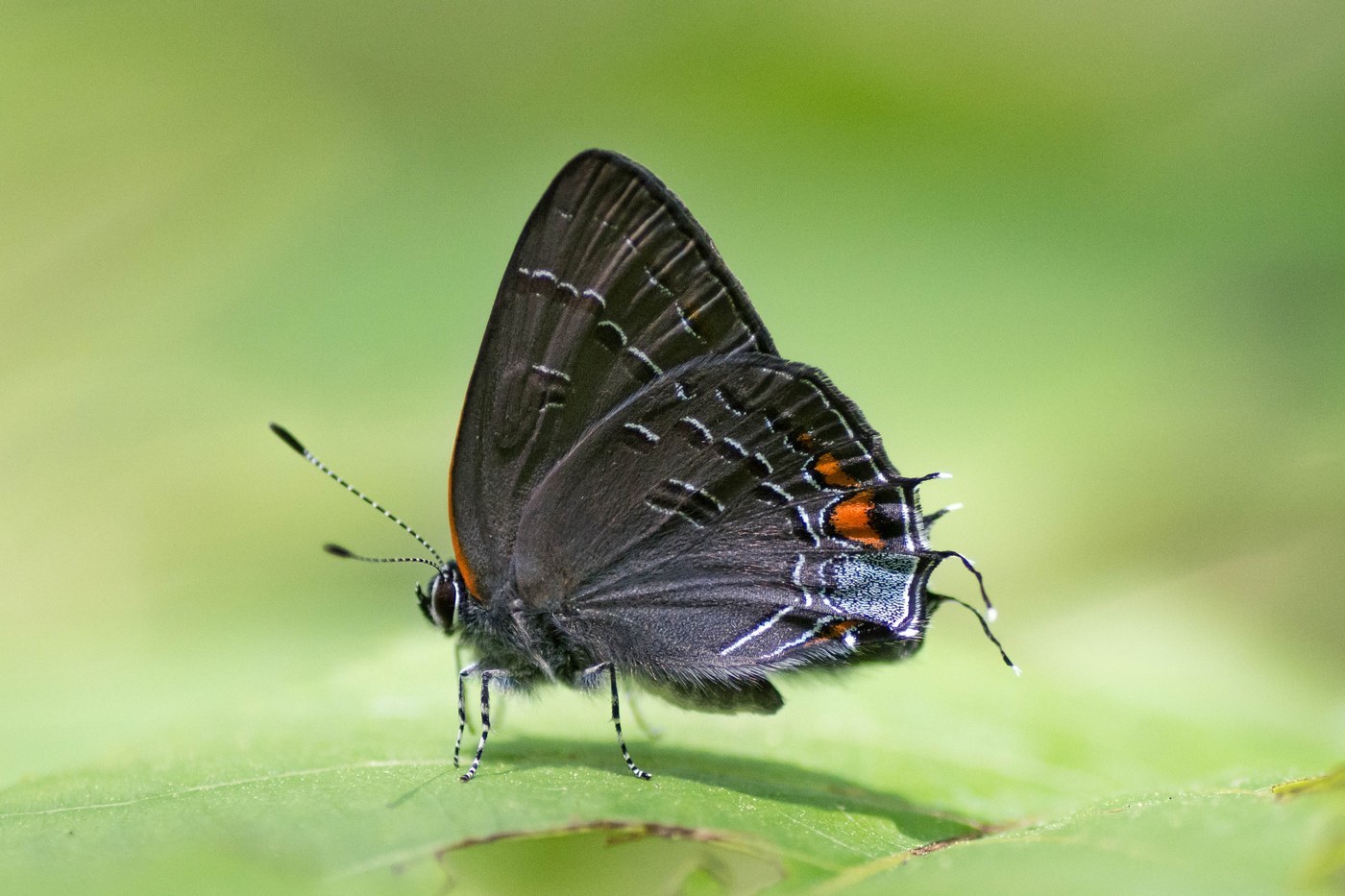
Banded Hairstreak
Deciduous woodlands and edges with oaks and hickories
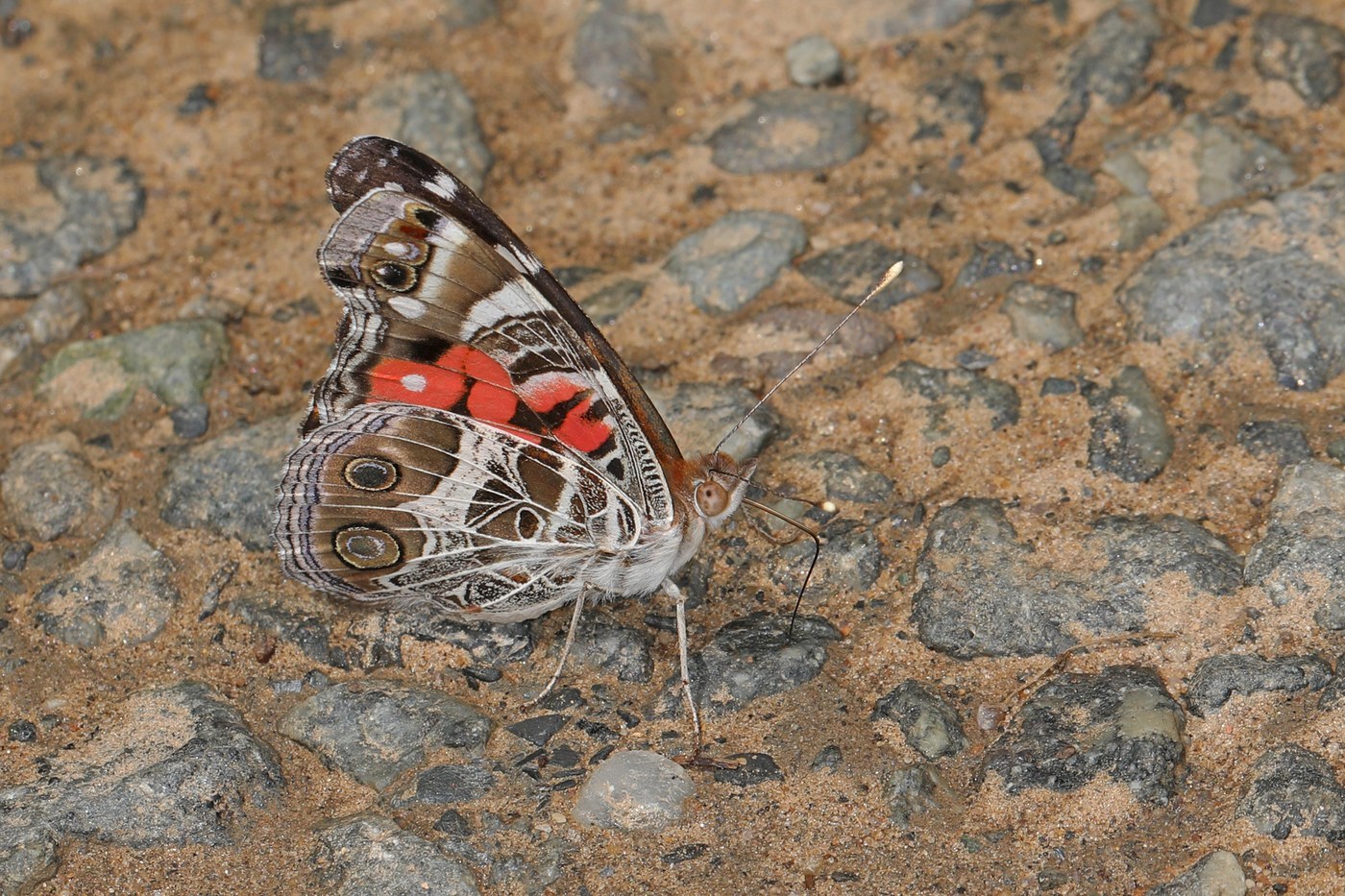
American Lady
Open fields, meadows, gardens, roadsides
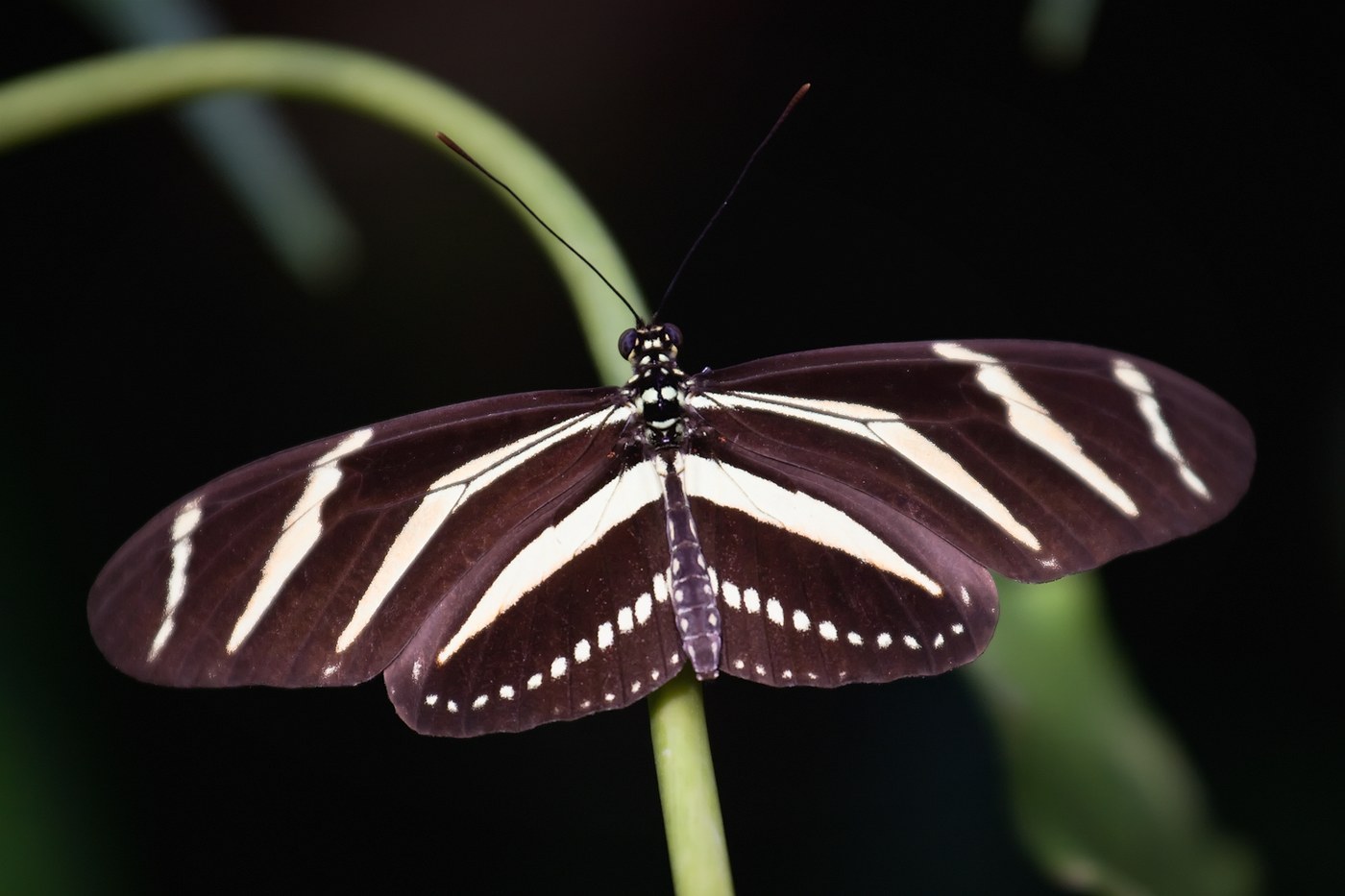
Zebra Longwing
Tropical hammocks, gardens, forest edges
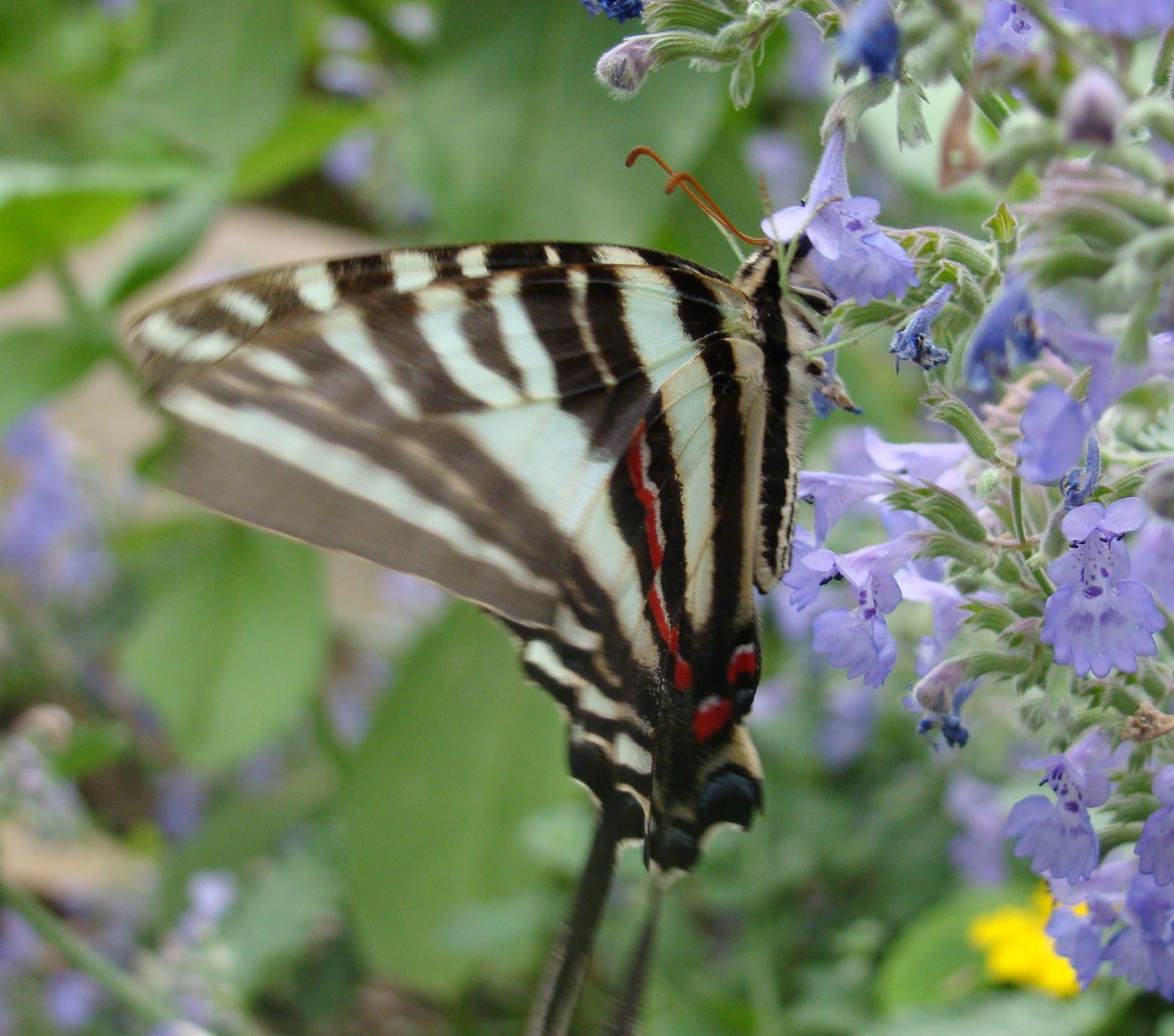
Zebra Swallowtail
Woodlands, floodplains, forest edges near pawpaw
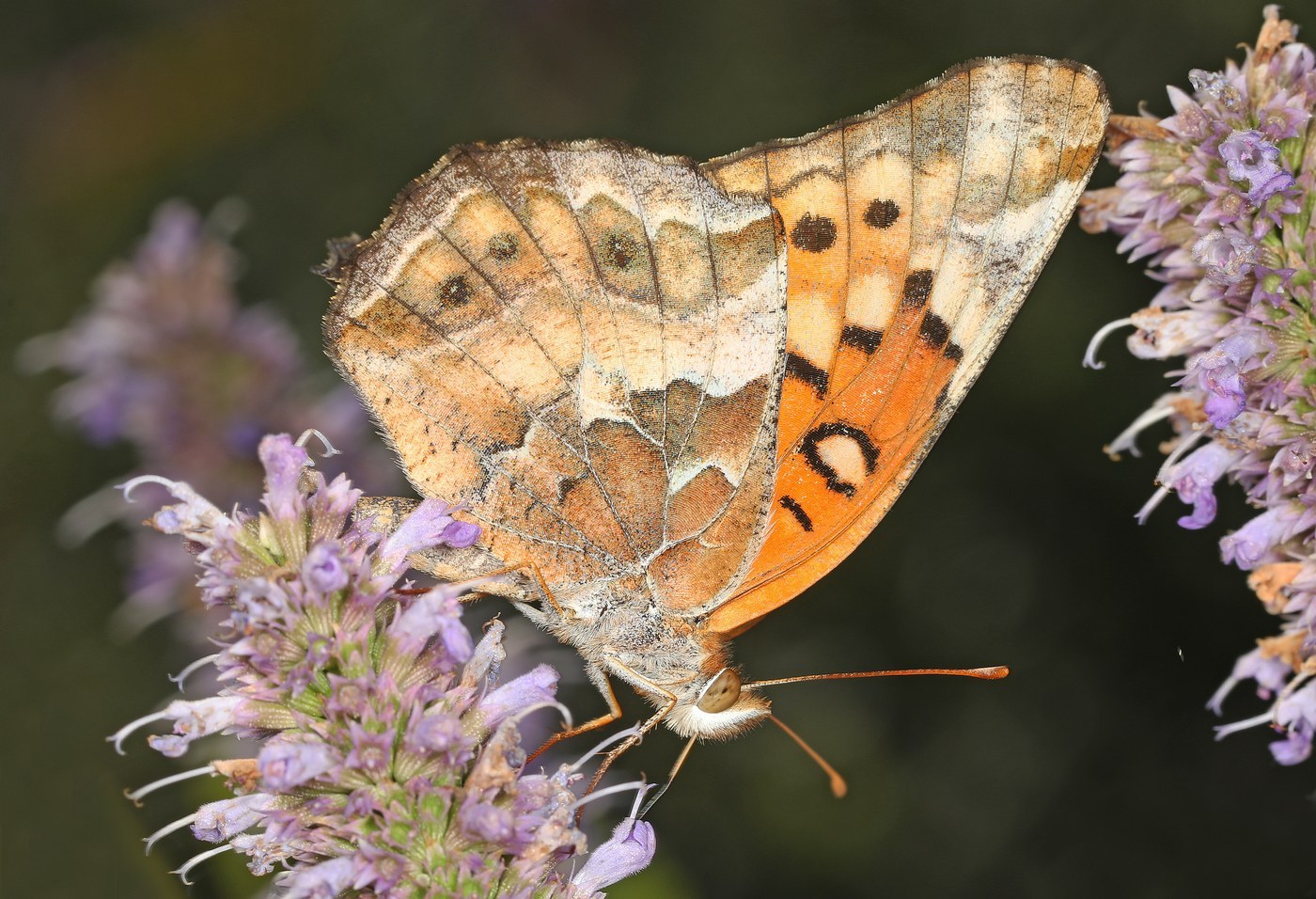
Variegated Fritillary
Open fields, prairies, roadsides, and disturbed ground across most of the United States
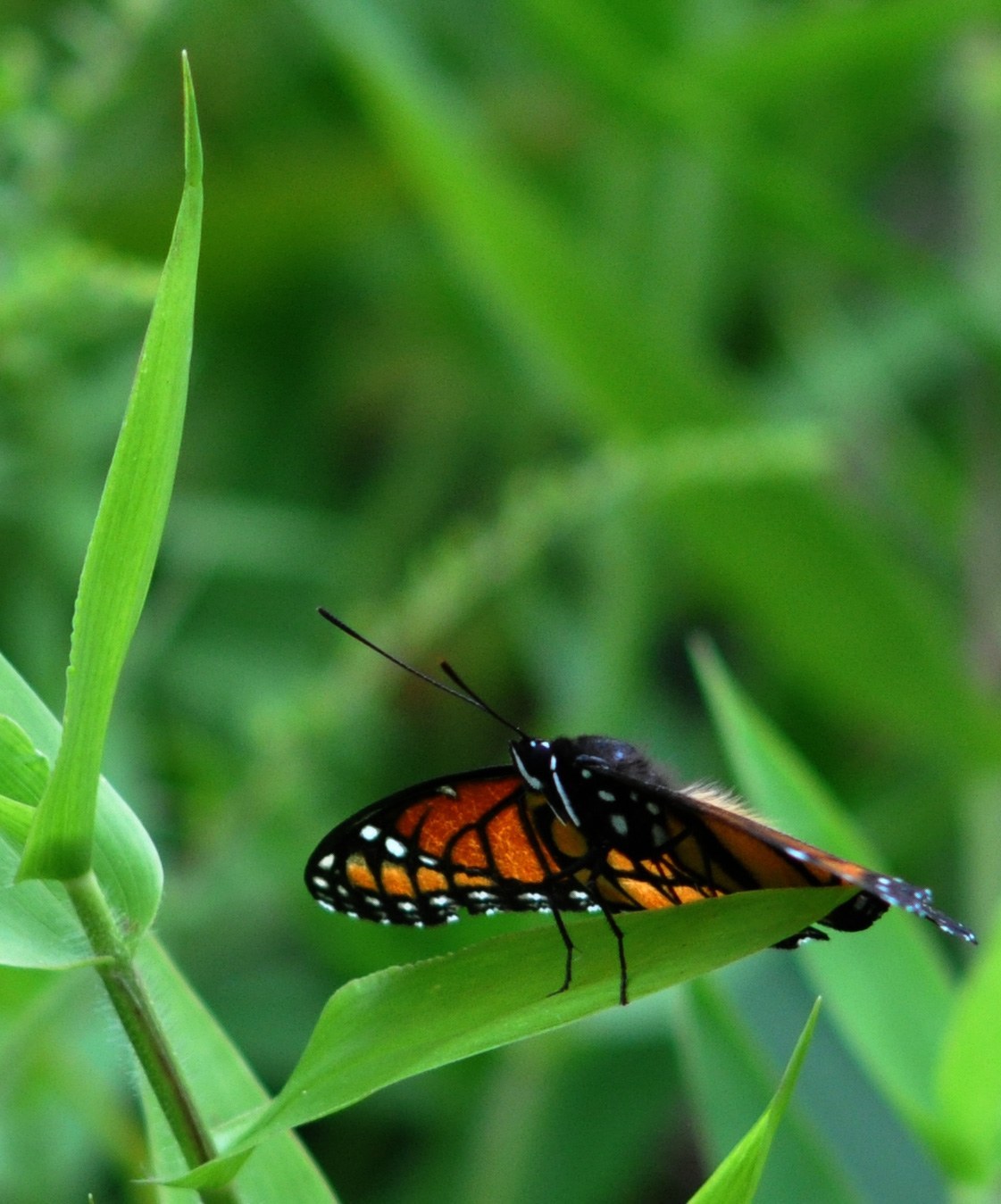
Viceroy Butterfly
Wetlands, meadows, riverbanks, willow thickets (North America)
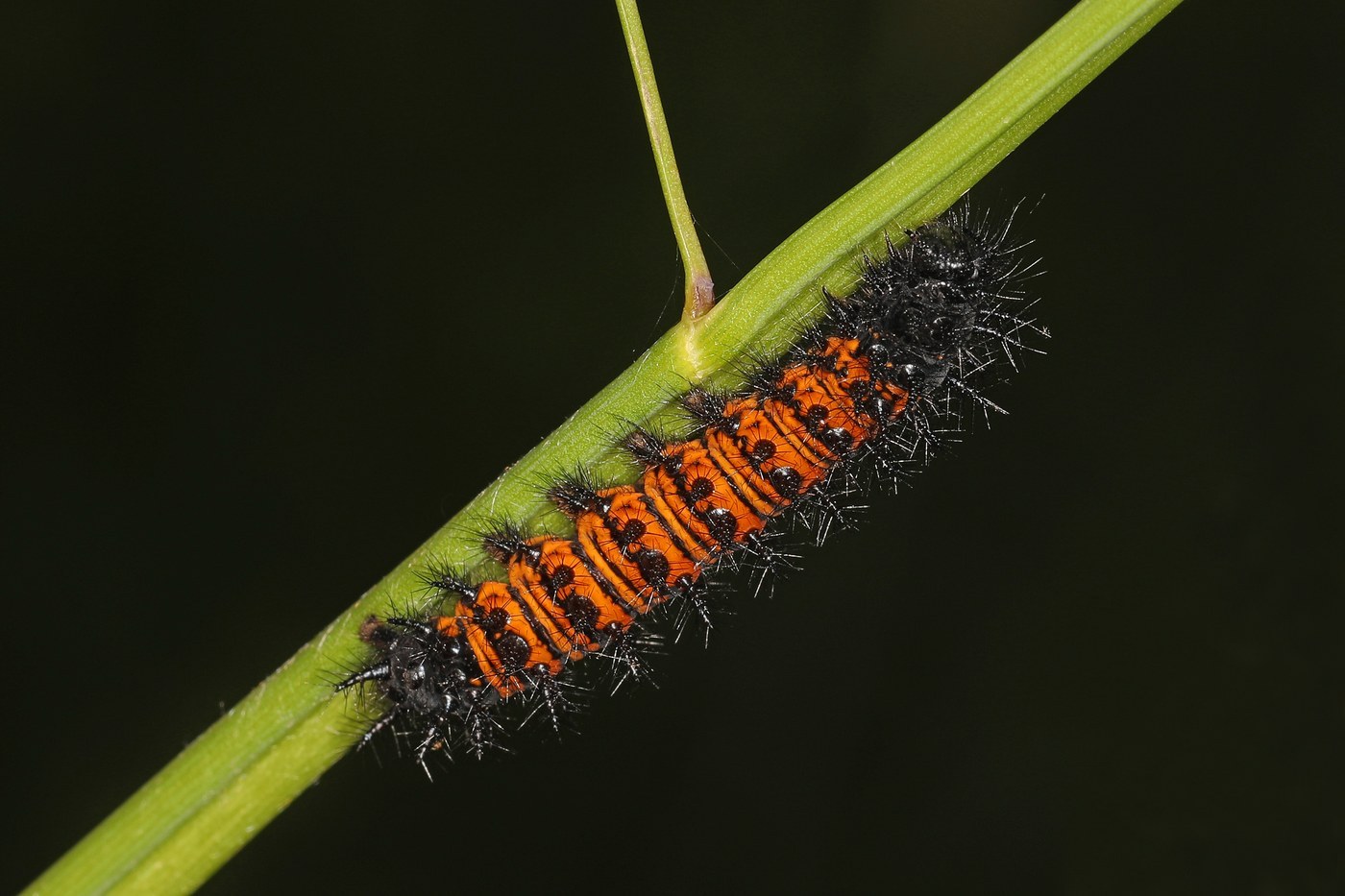
Baltimore Checkerspot
Wet meadows, bogs, and marshy fields in the northeastern and Appalachian US
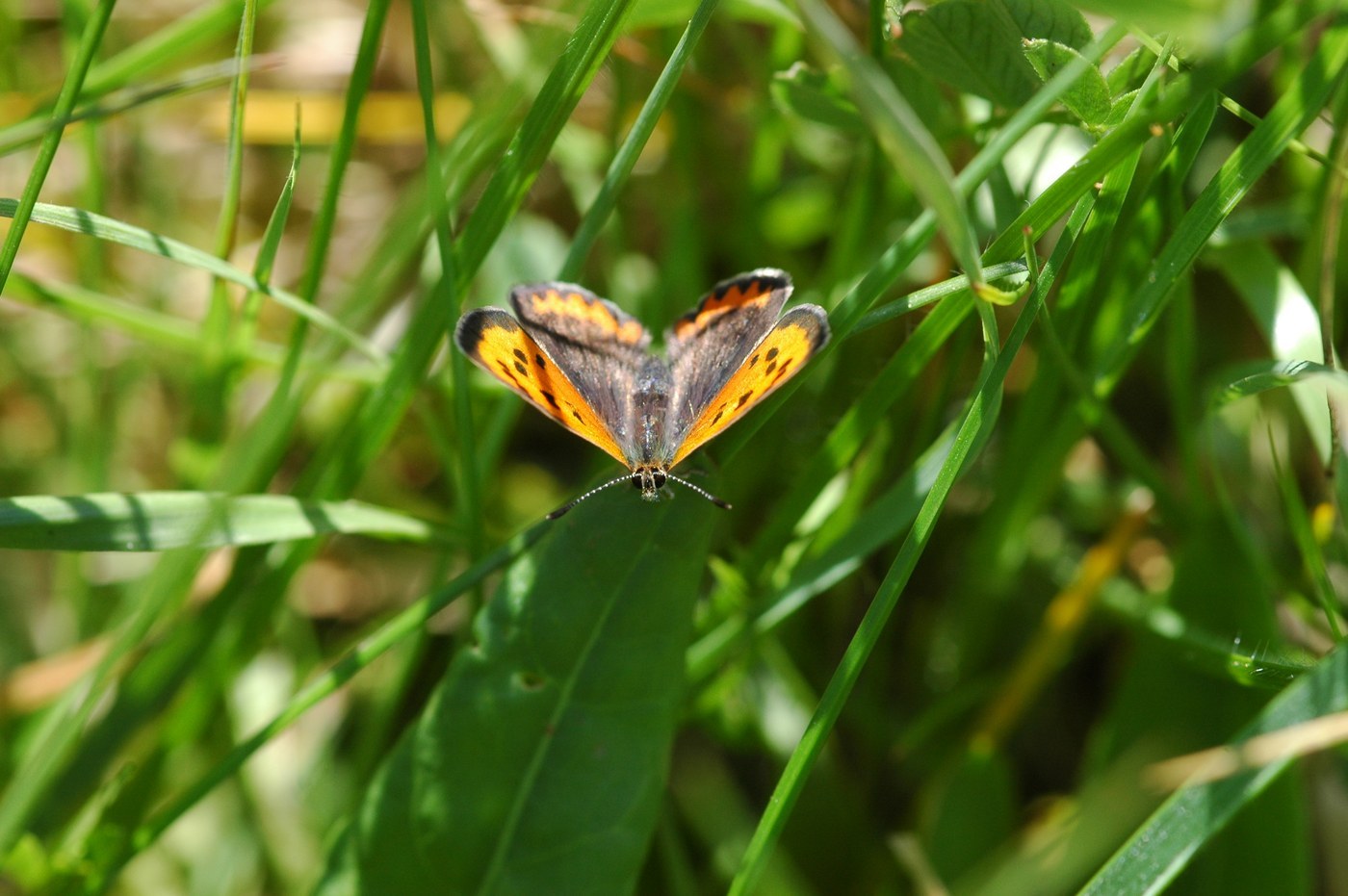
American Copper
Old fields, roadsides, and disturbed open ground with sorrel or dock
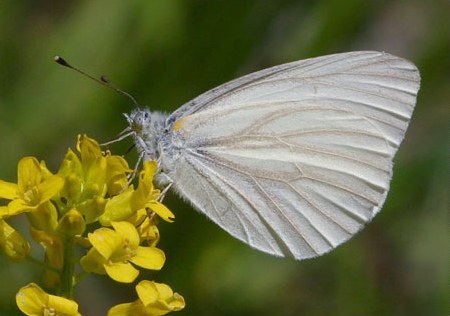
West Virginia White
Rich deciduous forest floors, especially near seeps and streams
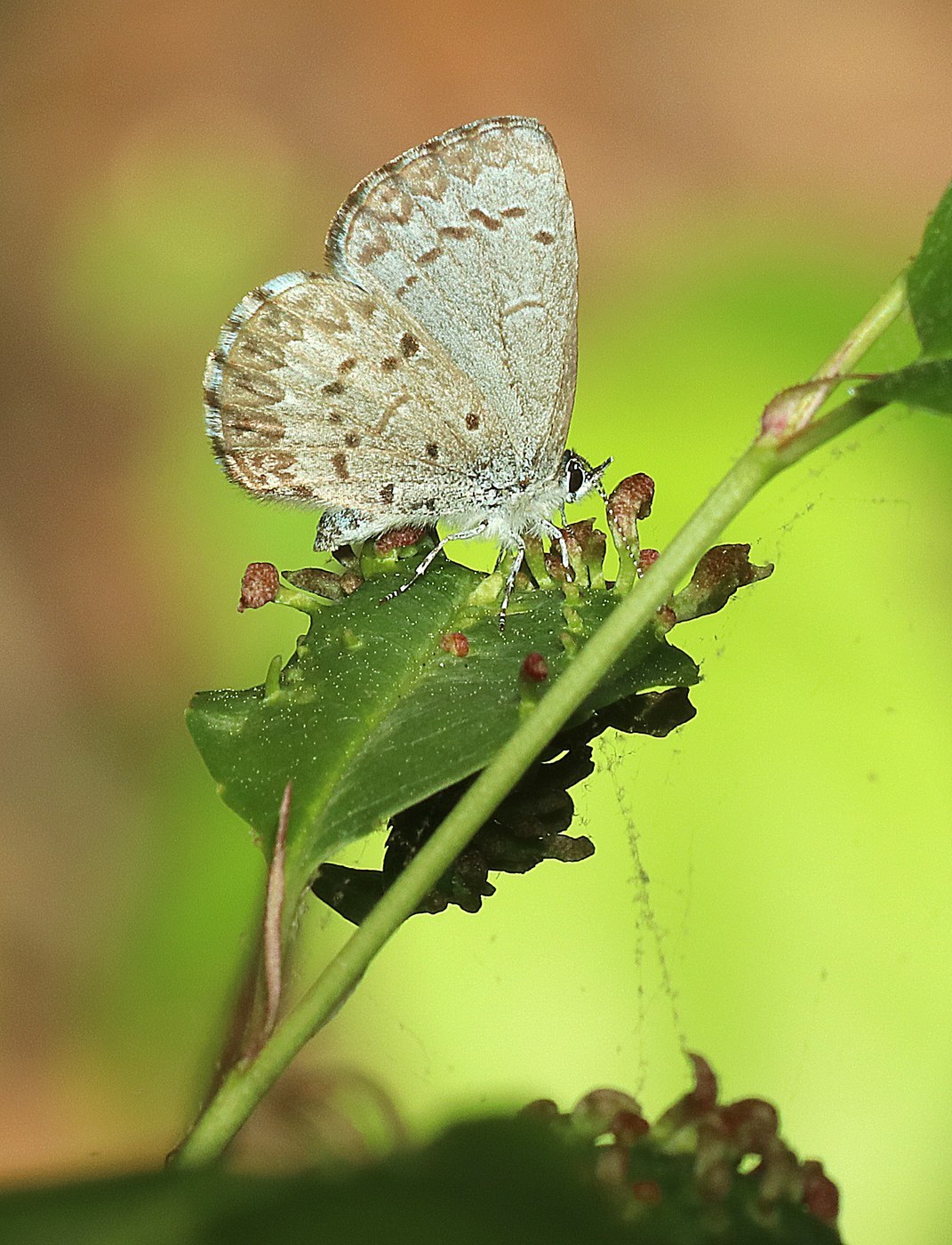
Spring Azure
Woodland edges, gardens, shrubby clearings
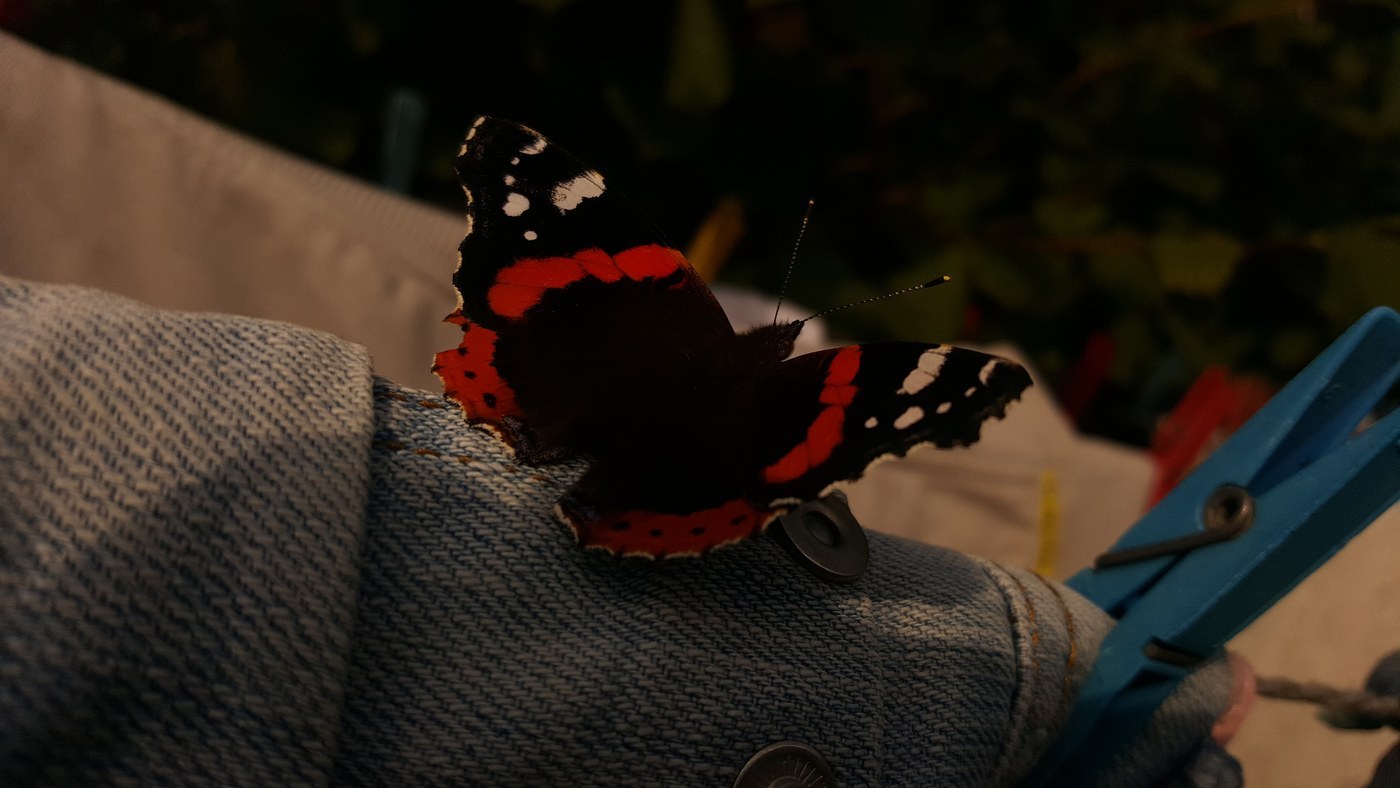
Red Admiral
Gardens, woodland edges, parks, meadows
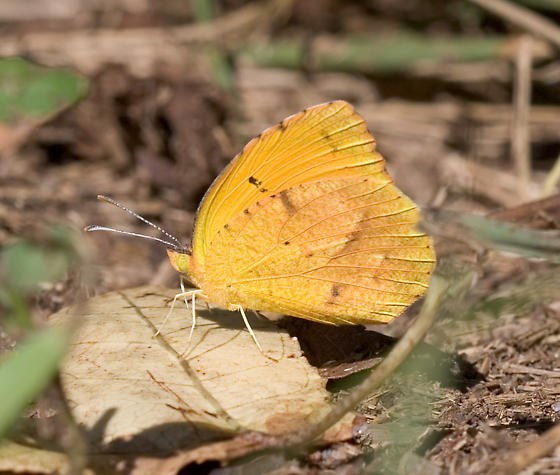
Sleepy Orange
Open woodland, fields, roadsides, and disturbed ground