
Mesh Web Weaver
Dictyna spp.
A tiny, easily overlooked spider that spins a loose, bluish tangle of fuzzy silk over twig tips and seed heads to snare small insects.
- Size
- 0.08-0.2 in (2-5 mm) body length
- Habitat
- Dead flower heads, shrub tips, fences, and low vegetation
- Danger
- Harmless
Spotted a bug like this?
Identify any bug or insect from a photo, free.
Overview
Mesh web weavers are diminutive members of the family Dictynidae, a group distributed almost worldwide and especially common in gardens, meadows, and scrubland. Despite their small size, they are among the most frequently encountered spiders once one learns to spot their characteristic web: an irregular, slightly bluish or grayish mesh draped over the dried tip of a plant stem, a dead flower head, or a twig fork.
The distinctive fuzzy texture of the silk comes from cribellate silk production, a more primitive method of silk-making found in several ancient spider lineages. These spiders possess a sieve-like spinning plate called a cribellum and a comb of bristles on the hind legs, the calamistrum, which they use to card the silk into a fine, hackled band that snags on the tiny hooks and hairs of insect exoskeletons.
Because individual webs are small and often clustered together on a single plant, a shrub or hedge can host dozens of mesh web weavers at once, making them an important, if inconspicuous, part of the garden arthropod community.
How to Identify
- Very small body, often under a quarter inch
- Dull brown, gray, or mottled coloration that blends with dead plant material
- Web appears as an irregular, slightly fuzzy or bluish-gray mesh rather than a neat spiral
- Web typically sits on a dried flower head, twig tip, or fence post rather than spanning open space
- Fine hackled silk band visible under magnification, distinguishing it from ordinary smooth silk
- Lookalikes include other small cribellate spiders, but the combination of tiny size and mesh-over-plant-tip placement is a strong clue
Habitat & Range
Mesh web weavers are found in gardens, meadows, hedgerows, and open woodland edges across much of the temperate and subtropical world. They favor the dried, upright tips of grasses, shrubs, and flower stalks, and are especially noticeable in late summer and autumn when many plants have gone to seed. Populations often persist through winter as the webs remain on standing dead vegetation.
Behavior & Diet
These spiders sit within or beside their mesh, waiting for small flying or crawling insects such as aphids, gnats, and tiny flies to become entangled in the hackled silk. Once prey is snagged, the spider quickly immobilizes it with silk and venom before feeding. Because they occupy the tips of dead plant material, mesh web weavers play a quiet but steady role in controlling small insect populations in gardens and open habitats.
Life Cycle
Females deposit eggs in a small silk sac attached near or within the mesh web, sometimes guarding it until the spiderlings hatch. Young spiders disperse on silk threads carried by the wind, a behavior known as ballooning, and settle to build their own miniature webs. Multiple generations can occur within a year in warmer climates, with the spiders overwintering as eggs, juveniles, or adults depending on the region.
Frequently asked questions
What does a mesh web weaver's web look like?
It is an irregular, slightly fuzzy, bluish-gray tangle of silk draped over a dead flower head or twig tip, quite different from a neat spiral orb web.
Why is the silk fuzzy?
These spiders produce cribellate silk, a hackled band of extremely fine fibers carded from a special spinning plate, which gives the web its soft, matted texture.
Where are mesh web weavers commonly found?
On dried plant stems, seed heads, shrub tips, and fence rails in gardens, meadows, and open woodland edges.
Do mesh web weavers bite people?
They are tiny, non-aggressive spiders that keep to their webs and pose no interest in humans.
Mesh Web Weaver guides
In-depth guides for identifying, understanding, and living alongside Mesh Web Weaver.
Other bugs you may enjoy
Woodlouse Spider
Damp leaf litter, under logs, stones, and mulch
Wolf Spider
Gardens, grasslands, forests, leaf litter, ground burrows
Wandering Spider
Tropical and subtropical forest floor, foliage, and banana plants
Banded Garden Spider
Tall grass, meadows, and gardens with open sunny vegetation
Banana Spider
Wooded trails, forest edges, and gardens across the southeastern U.S. and the American tropics
Sydney Funnel-web Spider
Burrows in moist soil, gardens, and forested gullies around the Sydney basin of eastern Australia
Trapdoor Spider
Self-dug silk-lined burrows with a camouflaged door, in dry, well-drained soil worldwide
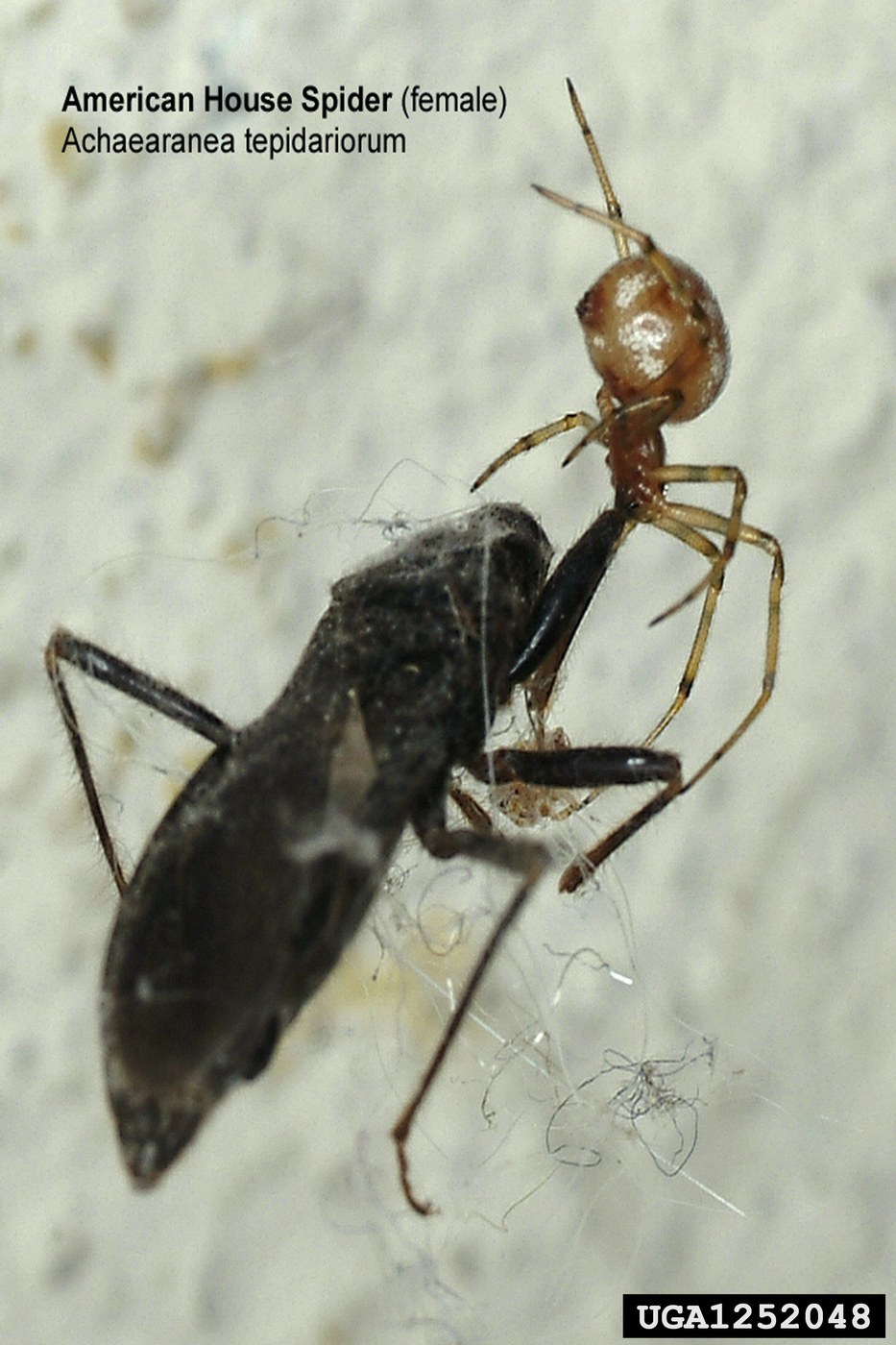
American House Spider
Corners, basements, garages, and outbuildings worldwide
Tube Web Spider
Wall crevices, bark, rockeries, and masonry
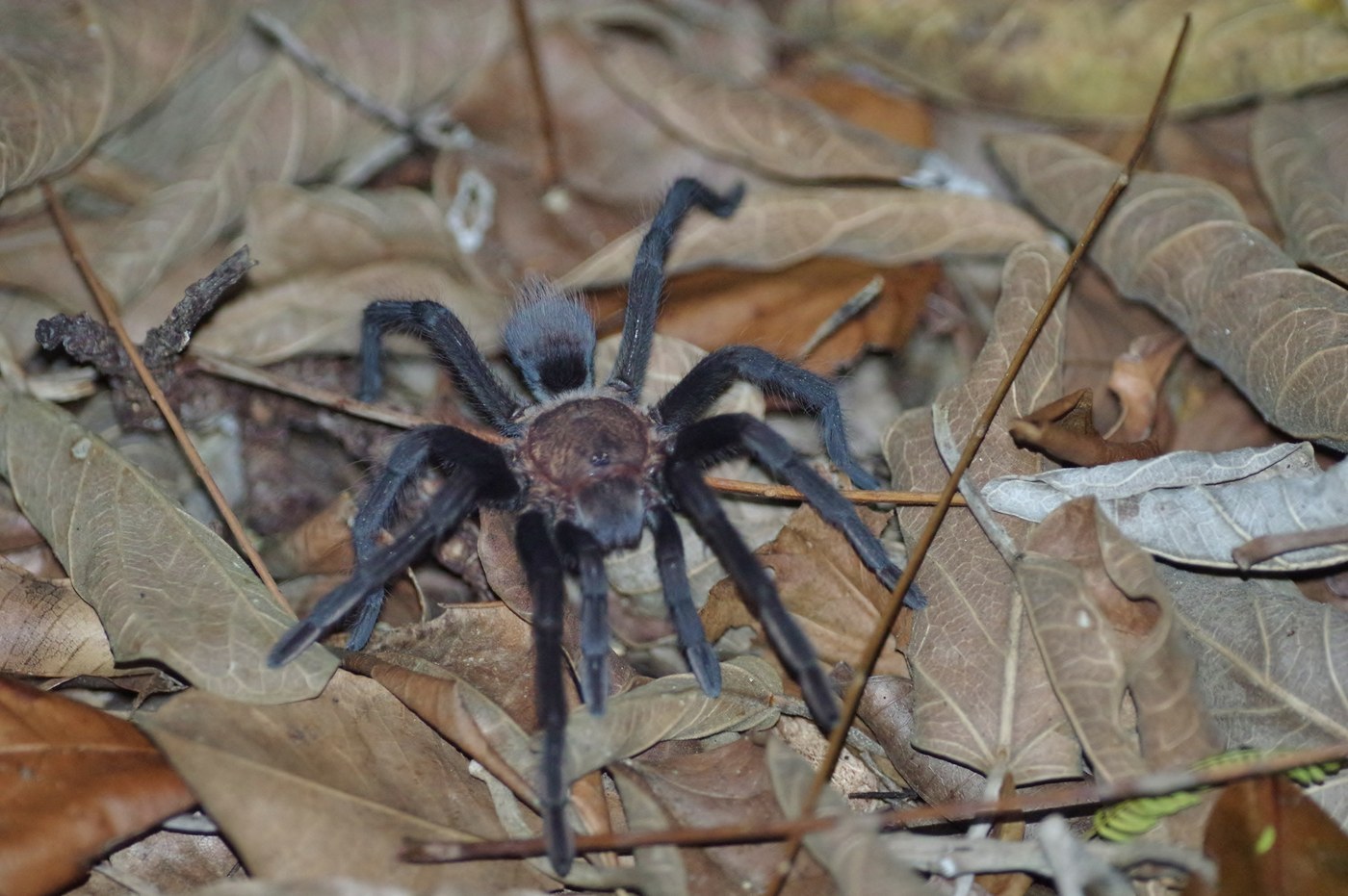
Tarantula
Burrows, rock crevices, and tree hollows in deserts, grasslands, and tropical forests worldwide
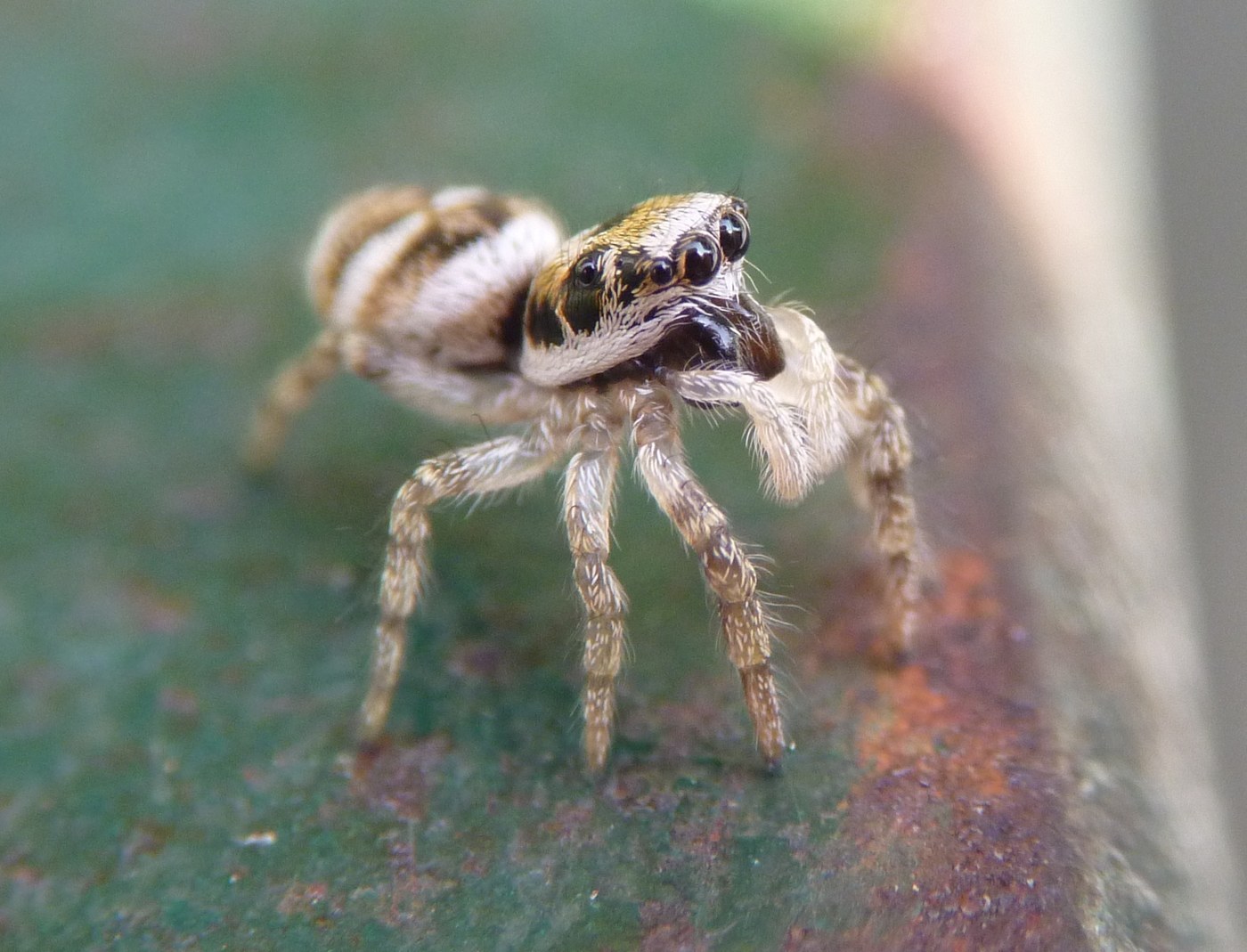
Zebra Jumping Spider
Sunny walls, fences, tree bark, and building exteriors
Wall Spider
Cracks and crevices on exterior and interior walls