
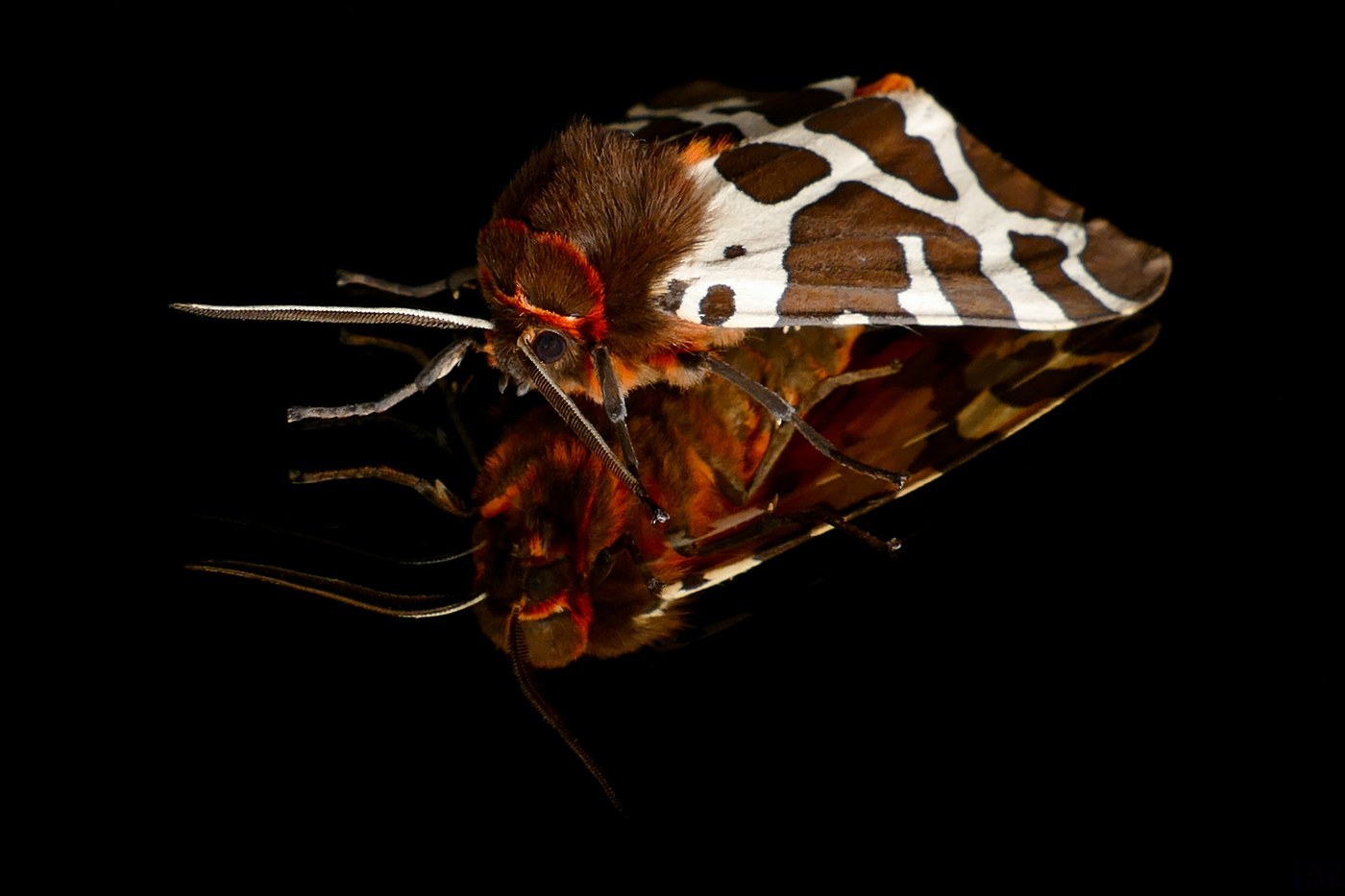
Garden Tiger Moth
Arctia caja
A boldly patterned tiger moth with chocolate-brown, cream-marbled forewings that flash to reveal vivid orange hindwings dotted with blue-black spots when the moth is disturbed.
- Size
- 1.8–2.6 in wingspan
- Habitat
- Gardens, meadows, and hedgerows across temperate Europe and North America
- Danger
- Harmless
Spotted a bug like this?
Identify any bug or insect from a photo, free.
Overview
The garden tiger moth is a classic member of the subfamily Arctiinae within the family Erebidae, renowned for its striking two-toned wing display and its large, extremely hairy caterpillar. It is one of the most recognizable moths across its range, often encountered by gardeners both as the adult moth at night and as the conspicuous, fast-moving caterpillar in spring.
The species has experienced notable population declines in parts of its range, particularly in Britain, which has made it a subject of interest in insect conservation monitoring. Its bold coloration serves as a warning display, a strategy shared with many other tiger moths that sequester distasteful compounds from their larval food plants.
How to Identify
- Wingspan of roughly 45–65 mm; forewings are dark chocolate-brown with irregular cream or white blotches forming a marbled, lattice-like pattern.
- Hindwings are bright orange to reddish-orange with several bold, irregular blue-black spots, normally concealed beneath the forewings at rest.
- Body is stout and furry, brown above with an orange abdomen marked in black spots.
- When alarmed, the moth can flash its hindwings and secrete a distasteful fluid as a defensive display.
- The caterpillar, known as a woolly bear, is covered in long blackish and ginger-brown hairs and grows quite large, up to about 6 cm.
Habitat & Range
Found across northern and central Europe and in similar form across parts of North America, in gardens, meadows, hedgerows, woodland edges, and other open habitats with abundant low vegetation. Adults fly primarily in mid to late summer at night, and are attracted to lights, while caterpillars are most conspicuous in spring as they wander in search of food.
Behavior & Diet
Caterpillars are generalist feeders on a wide range of low-growing plants and shrubs, and their dense hair coat provides some defense against predators and parasites. Adults are nocturnal and rely on their vivid hindwing flash and startling color contrast as a defensive display against predators, a common strategy among tiger moths signaling that the insect may be unpalatable. The species contributes to the food web as prey for birds and other insectivores, particularly in its caterpillar stage.
Life Cycle
Eggs are laid in batches on host plant foliage in summer and hatch into small caterpillars that feed through late summer before entering a dormant state for winter, often as a partially grown larva. Feeding resumes in spring, and the caterpillar grows rapidly before spinning a loose silken cocoon incorporating its own hairs to pupate. Adults emerge in summer to mate and lay the next generation's eggs, with typically one generation produced per year across most of its range.
Frequently asked questions
Why does it flash orange when disturbed?
The bright orange, spotted hindwings are normally hidden and are suddenly revealed as a startle display meant to deter potential predators.
Is the hairy caterpillar the same insect as the tiger moth?
Yes, the large hairy woolly bear caterpillar seen in gardens develops into the adult garden tiger moth.
How big does the caterpillar get?
It can grow to roughly 6 cm long, making it one of the larger hairy caterpillars encountered in gardens.
Is this the same species as the North American woolly bear?
No, it's a related but distinct species from the North American Isabella tiger moth, though both are called woolly bears in their larval stage.
Garden Tiger Moth guides
In-depth guides for identifying, understanding, and living alongside Garden Tiger Moth.
Other bugs you may enjoy
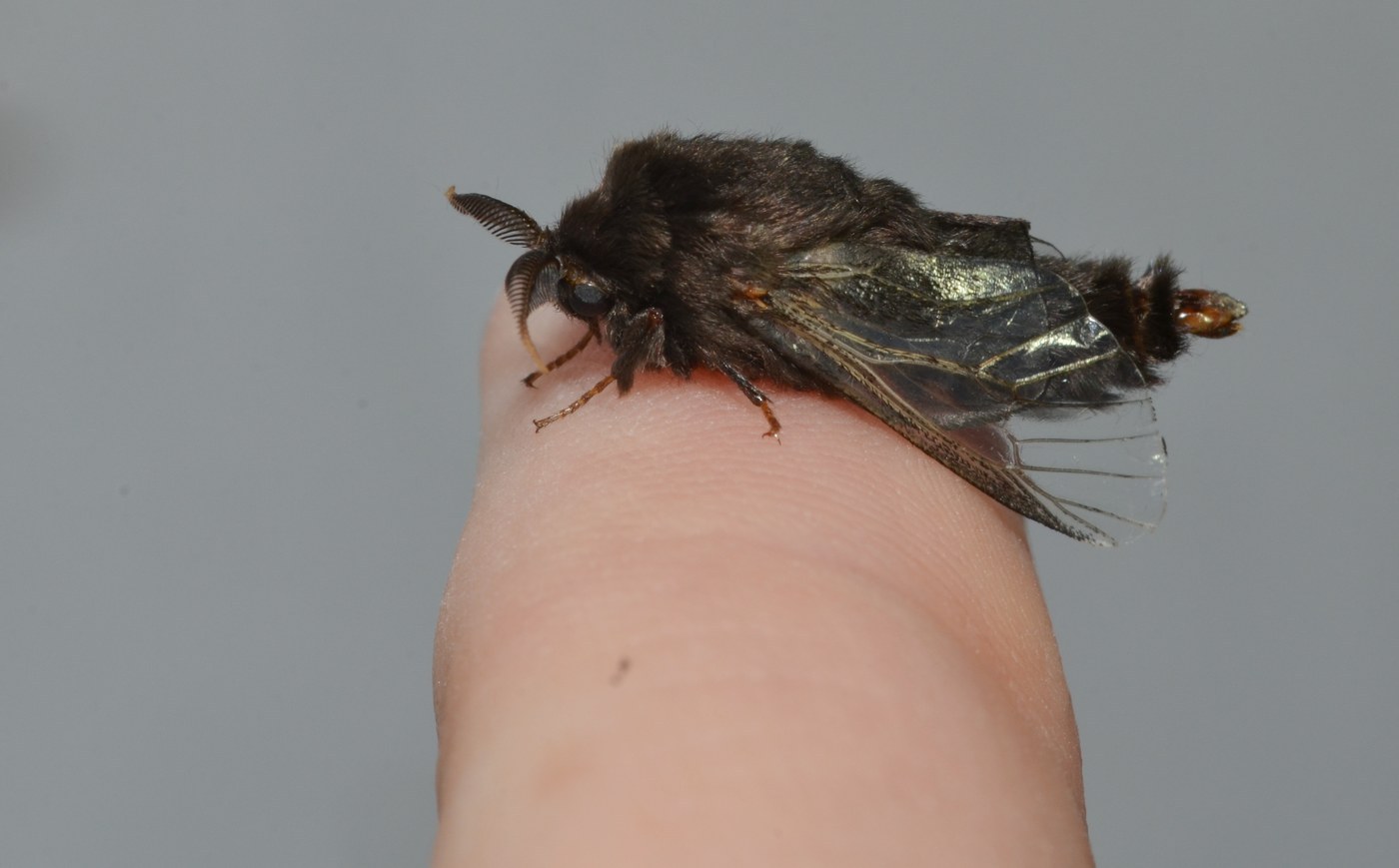
Bagworm Moth
Coniferous and deciduous trees, shrubs, hedges
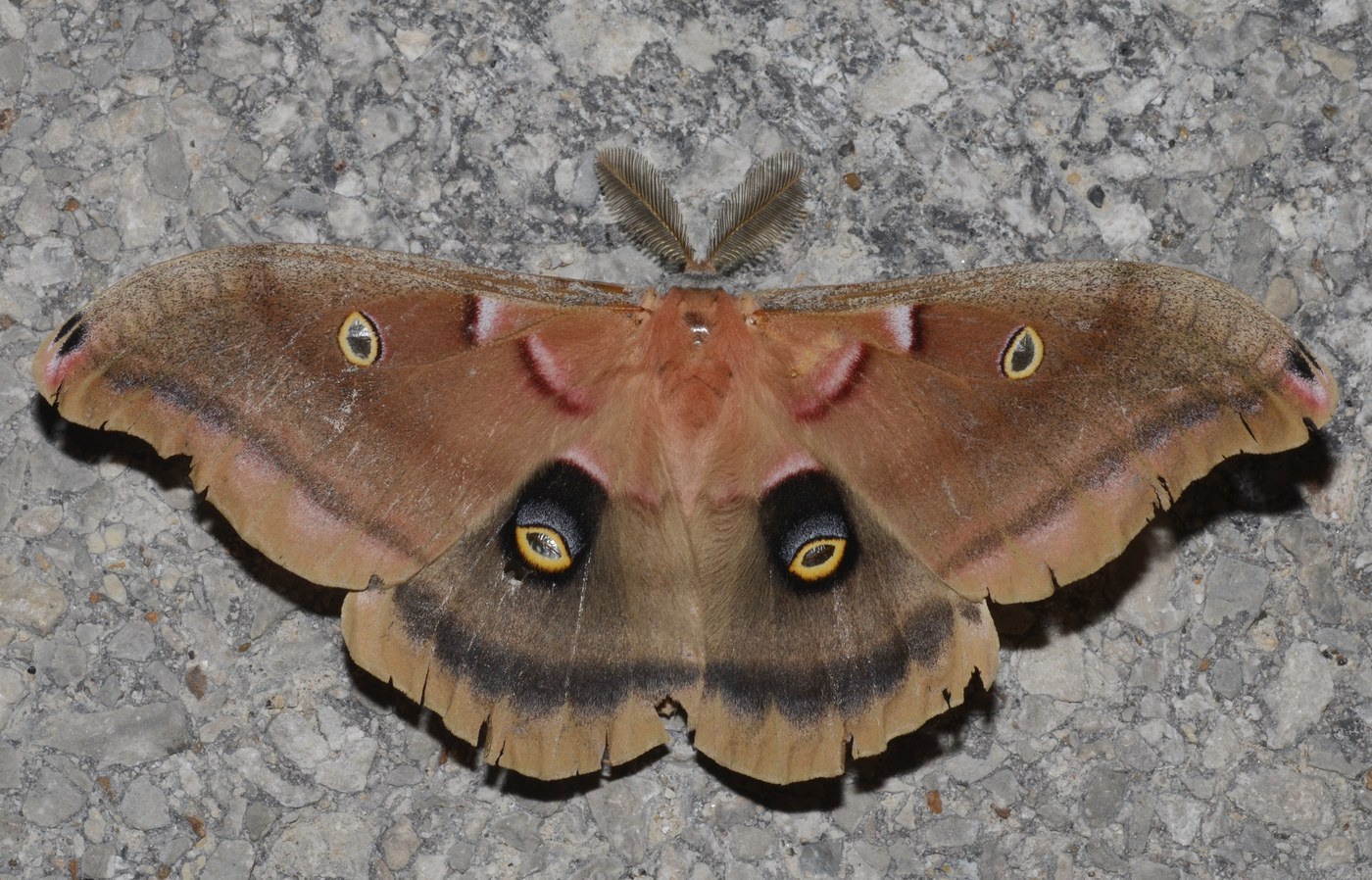
Antheraea Silkmoth
Deciduous forests, woodland edges, orchards
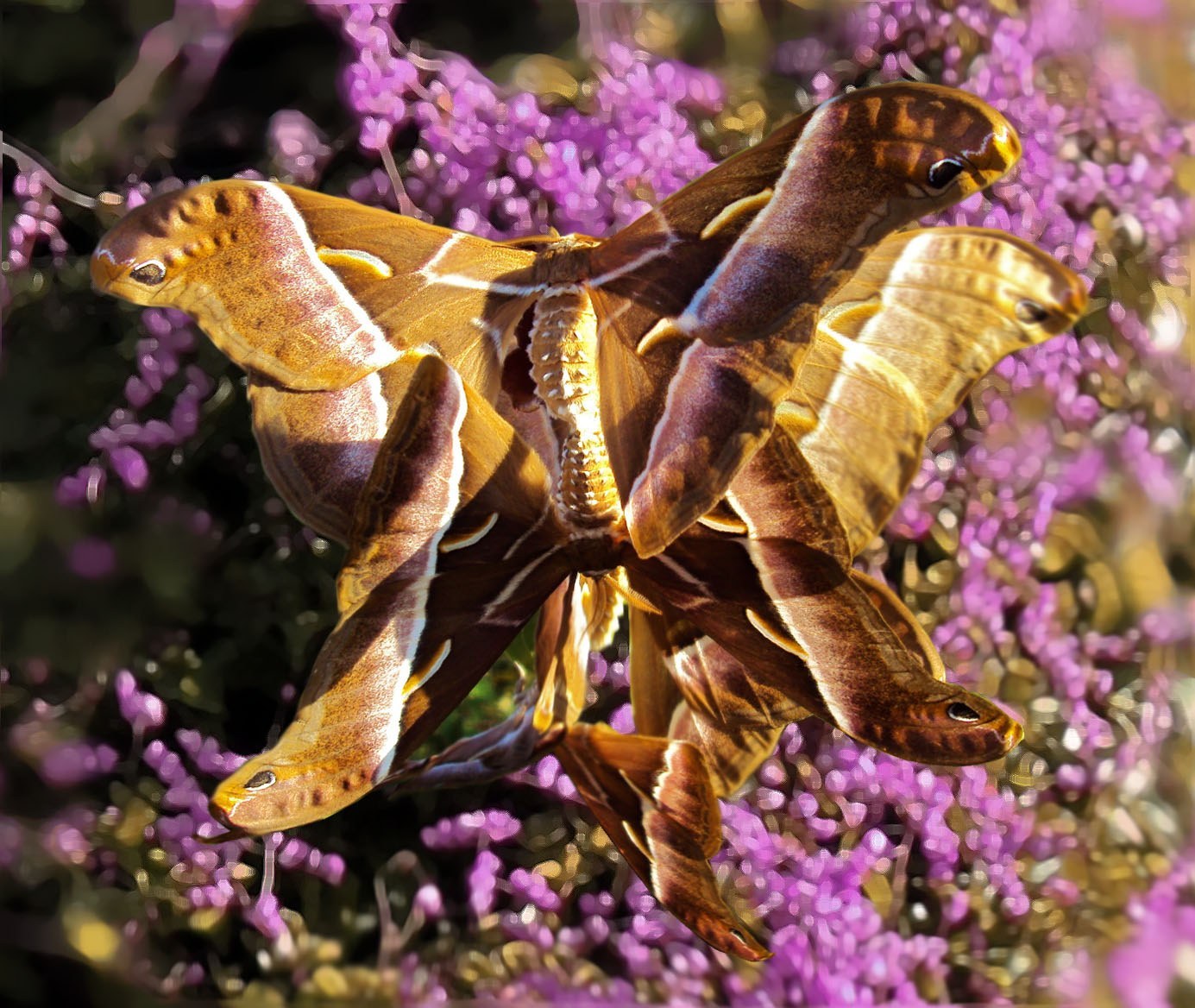
Ailanthus Silkmoth (Cynthia Moth)
Urban parks, wastelands, and woodland edges with tree-of-heaven; native to Asia, introduced in North America and Europe
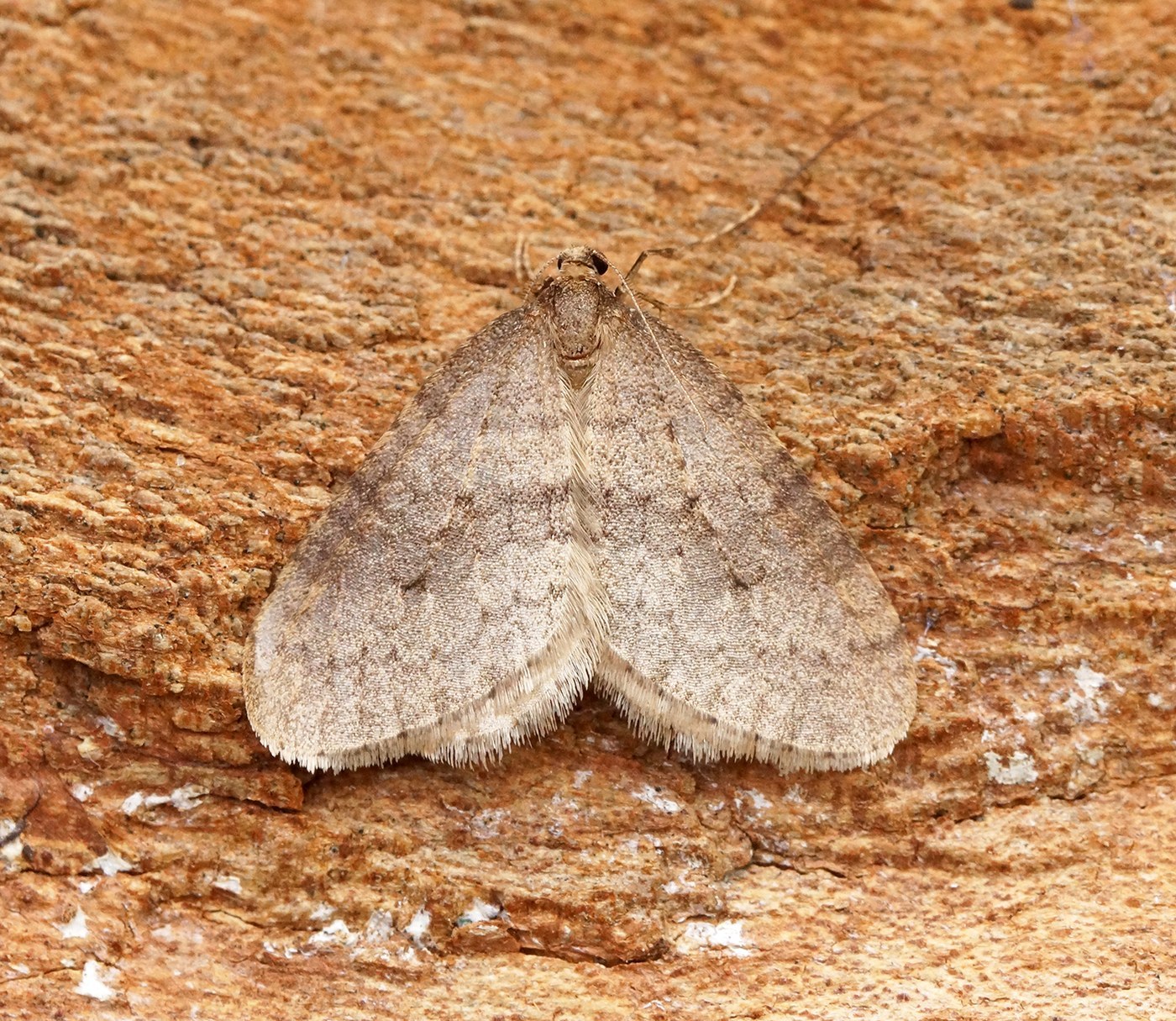
Winter Moth
Deciduous woodland, orchards, gardens, hedgerows
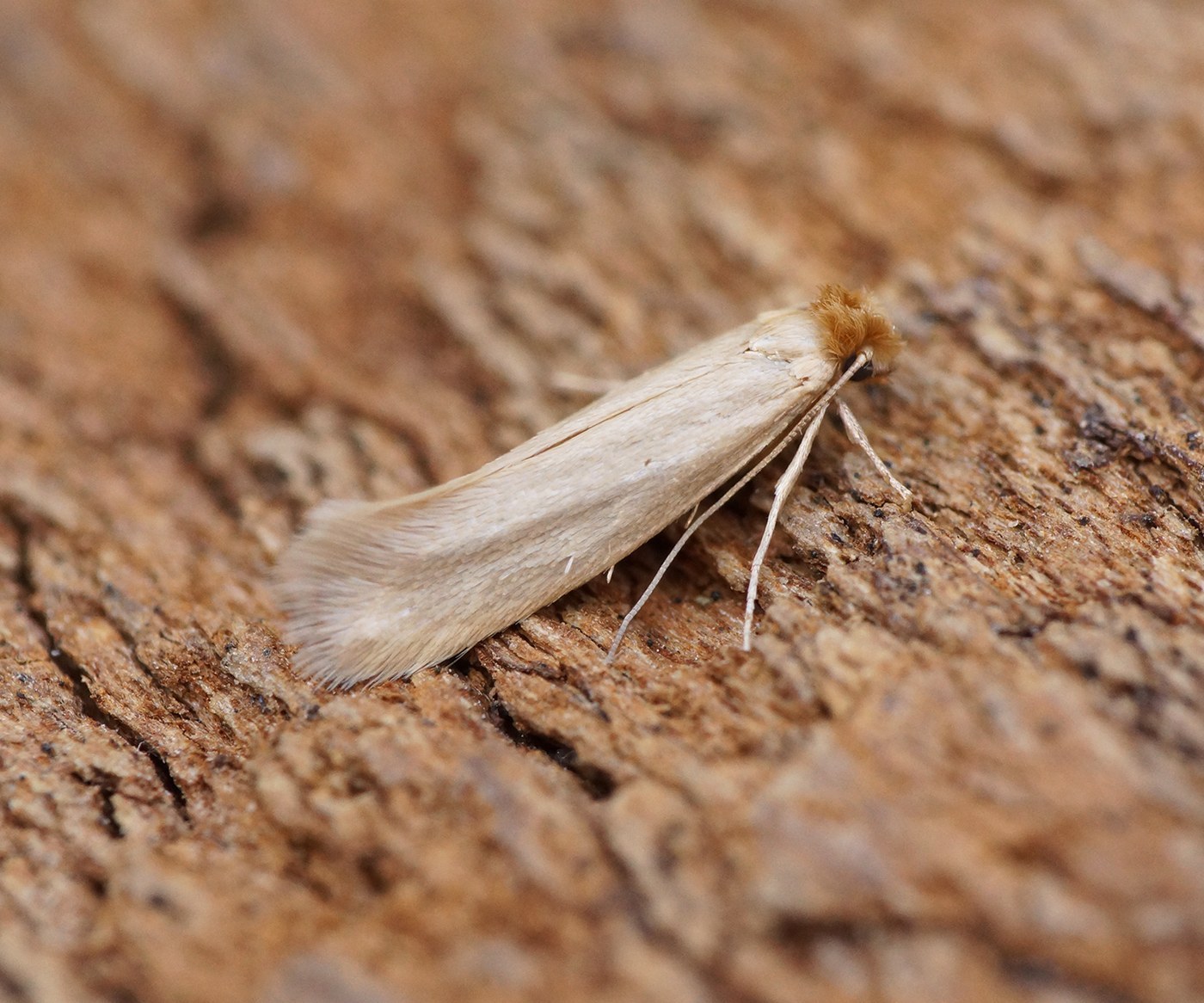
Webbing Clothes Moth
Dark closets, storage areas, and animal nests worldwide
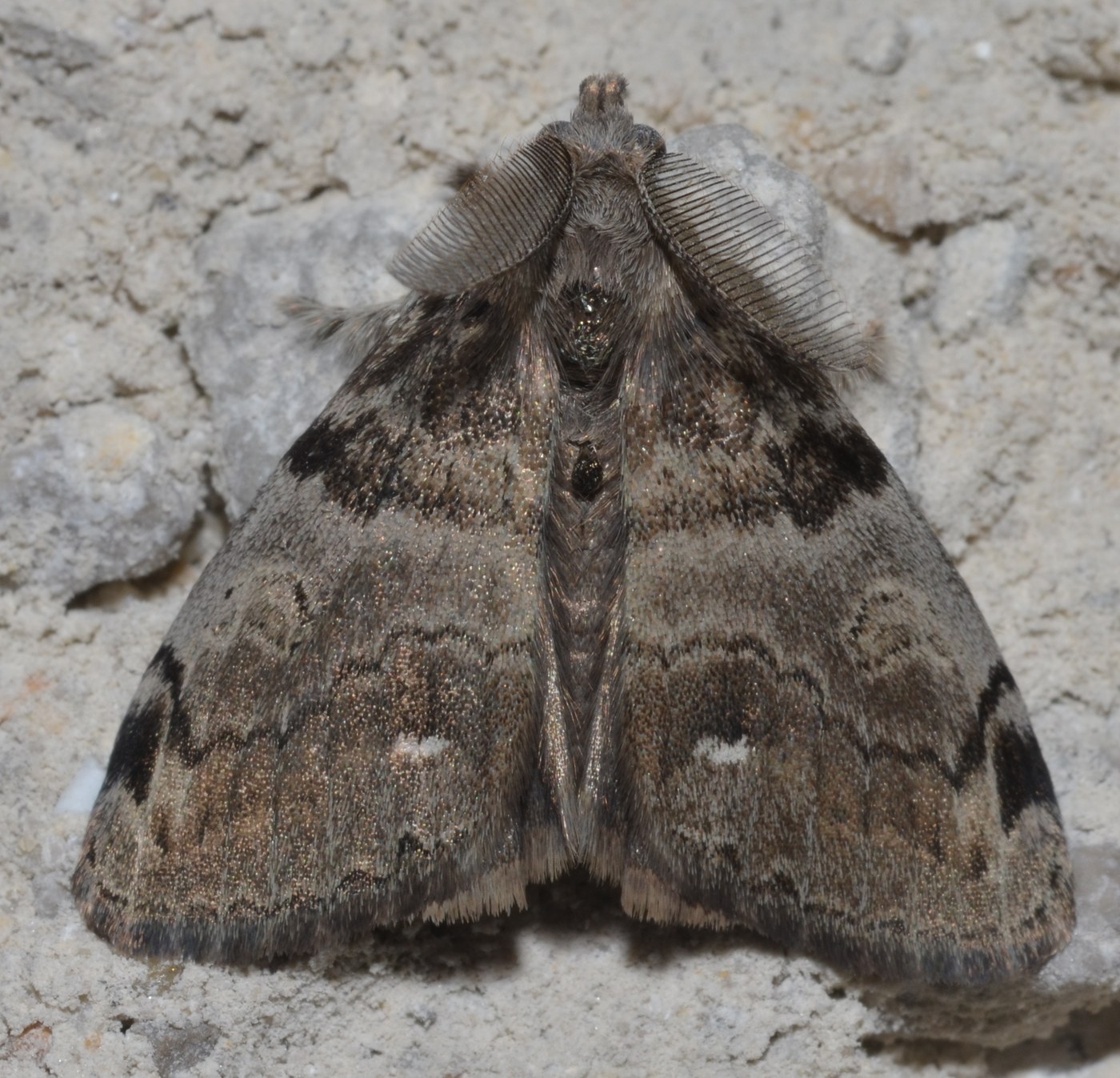
Tussock Moth
Deciduous forests, parks, gardens
Wax Moth
Beehives, apiaries, stored beeswax and comb
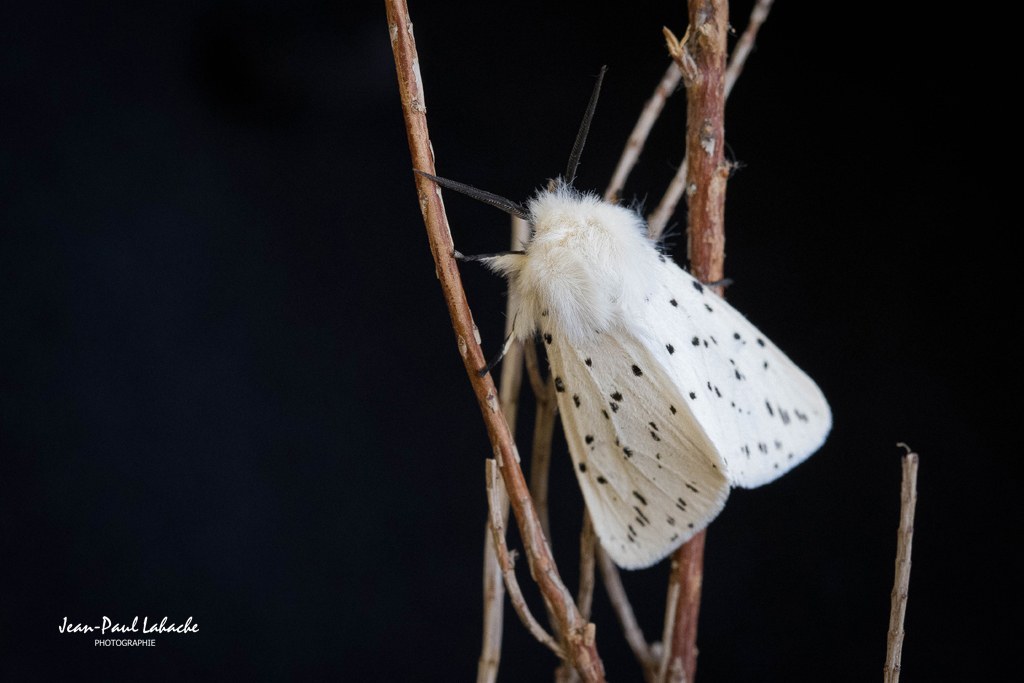
White Ermine Moth
Gardens, meadows, hedgerows
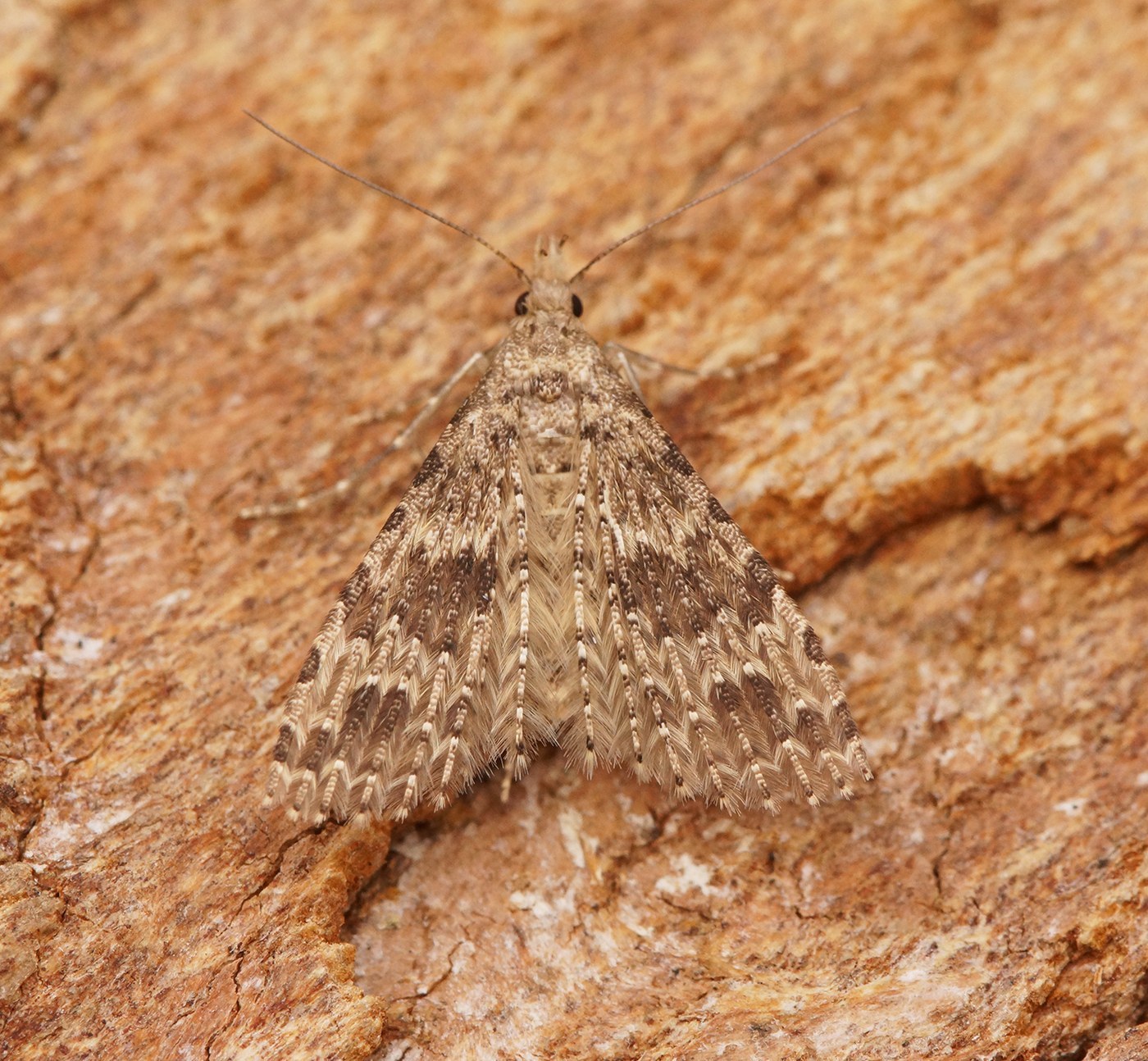
Twenty-plume Moth
Gardens, hedgerows, near honeysuckle
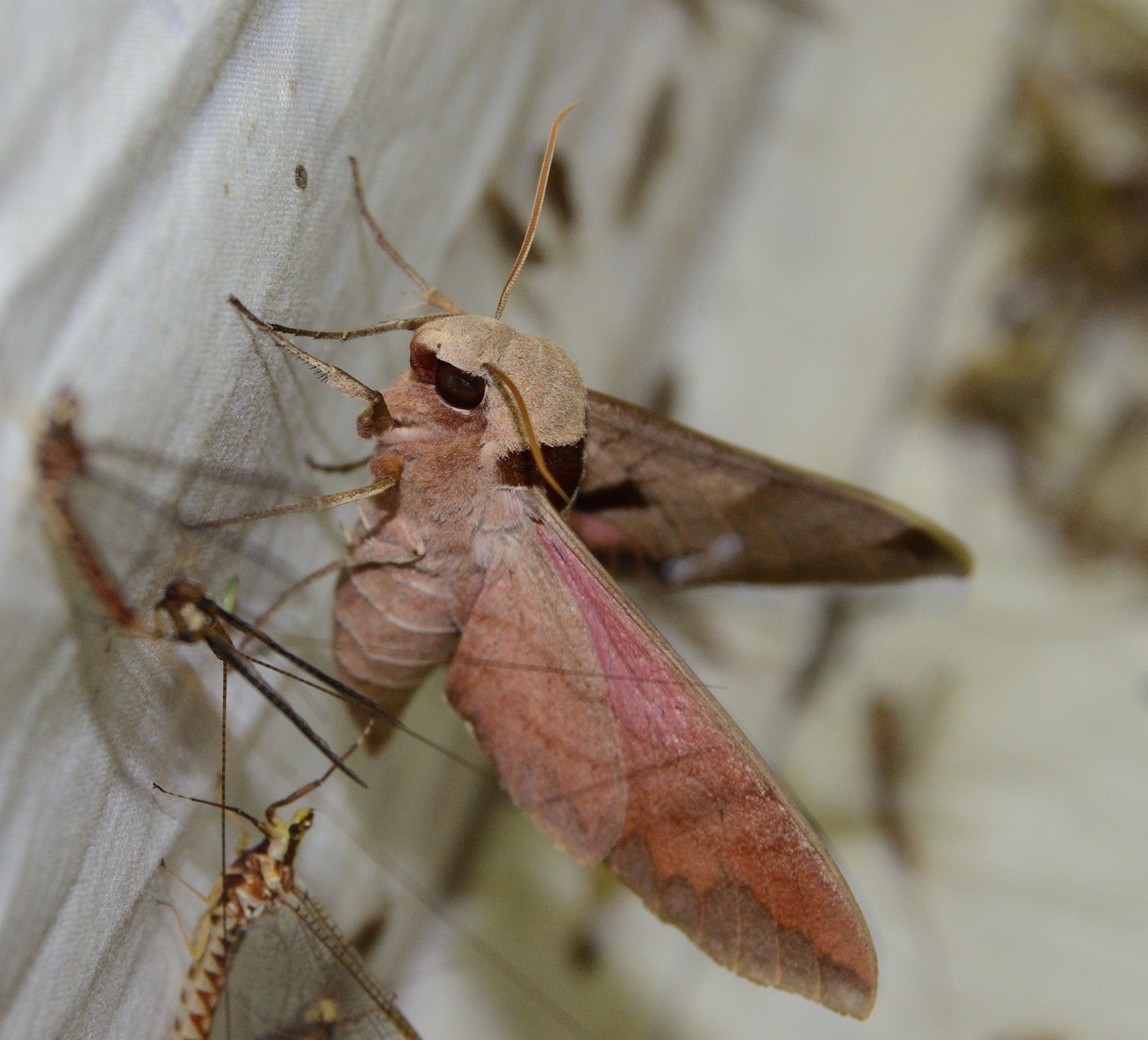
Achemon Sphinx Moth
Vineyards, woodland edges, gardens with wild grape
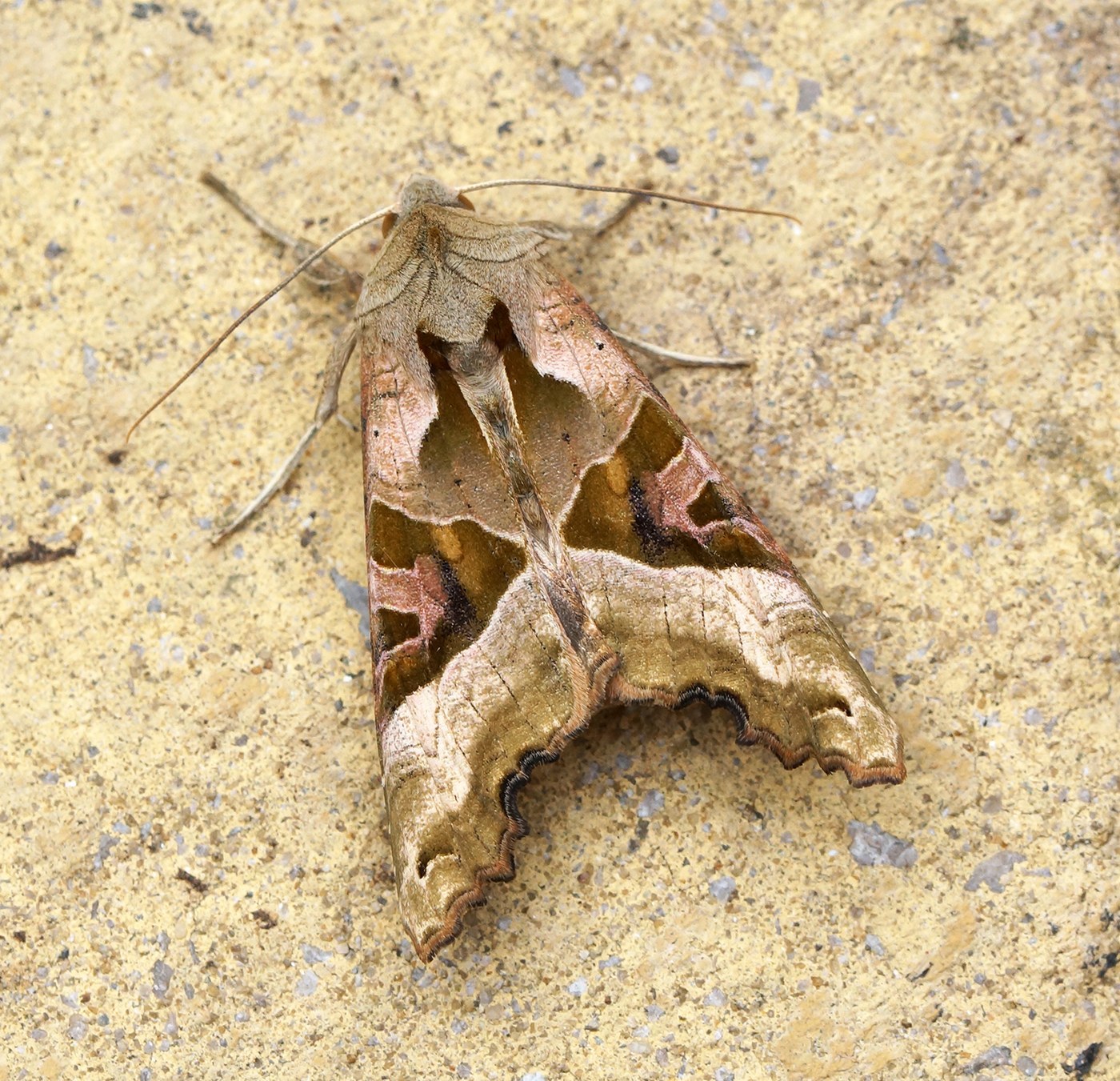
Angle Shades Moth
Gardens, hedgerows, woodland edges, urban parks
Atlas Moth
Tropical and subtropical lowland forests of Southeast Asia