
Emperor Moth
Saturnia pavonia
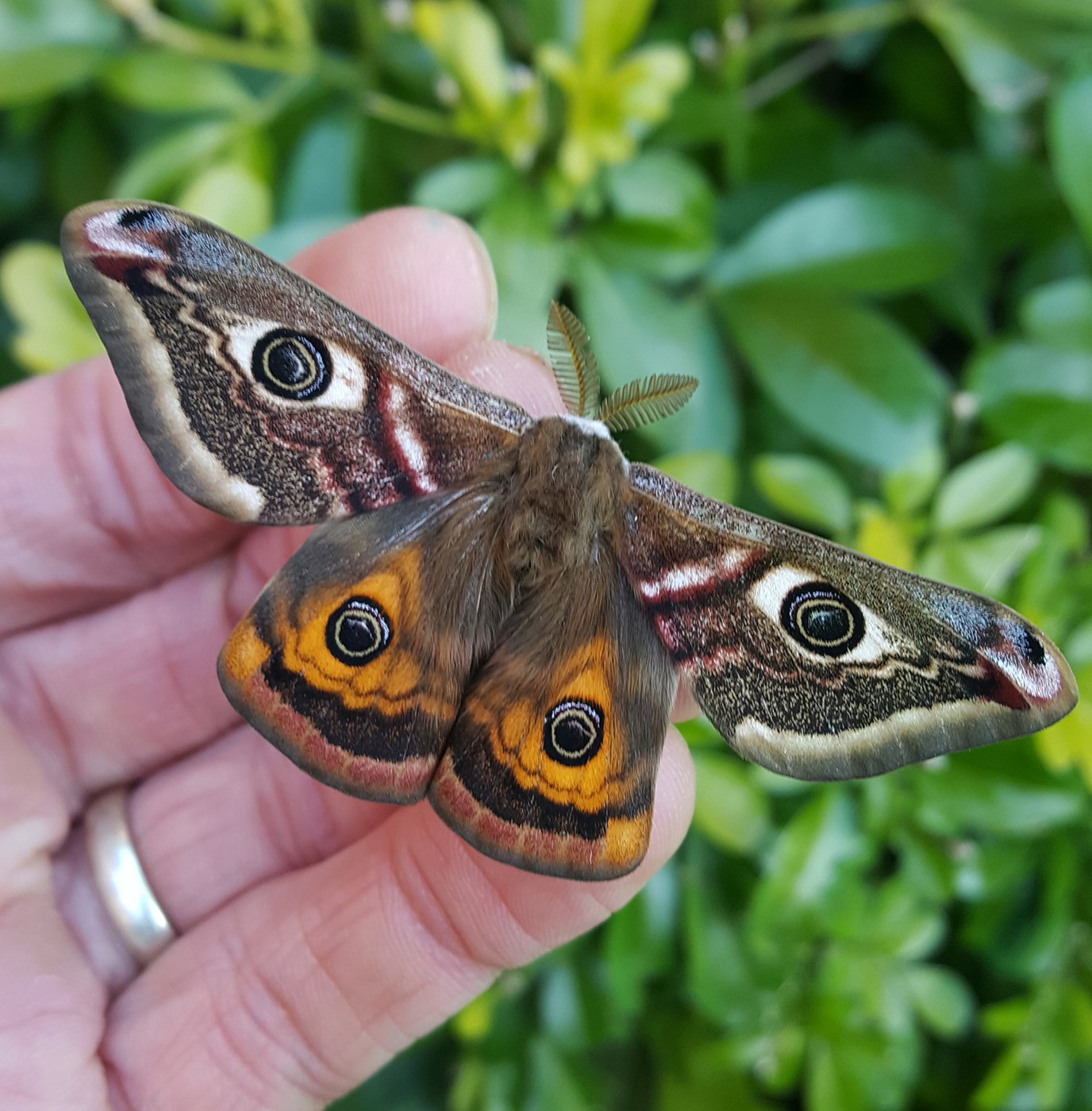
A striking silk moth with a large eyespot on each of its four wings, showing pronounced differences between the smaller, orange-brown, day-flying males and the larger, greyer, night-flying females.
- Size
- 2–3.2 in wingspan
- Habitat
- Heathland, moorland, and scrub across Europe
- Danger
- Harmless
Spotted a bug like this?
Identify any bug or insect from a photo, free.
Overview
The emperor moth is a member of the family Saturniidae, the giant silk moths, and is the only representative of this spectacular family found in much of northern and western Europe. Its four prominent eyespots, one on each wing, make it instantly recognizable and give the family its common association with dramatic, eye-catching wing patterns.
The species shows unusually strong sexual dimorphism for a moth: males are smaller, more vividly orange-brown, and fly actively during the day searching for mates by detecting female pheromones with their large, feathery antennae, while females are larger, paler grey, and fly mainly at night. This day-flying behavior in males is relatively unusual among moths, most of which are strictly nocturnal.
How to Identify
- Wingspan of roughly 50–80 mm, with females noticeably larger than males, up to about 80 mm versus around 65 mm for males.
- Each of the four wings bears a large, dark eyespot with concentric rings, a hallmark of the species.
- Males are orange-brown with pinkish hindwing tones and broad, comb-like (pectinate) antennae used to detect female scent.
- Females are larger and more subdued in color, mostly pale grey with faint brownish markings and narrower antennae.
- Distinguished from other silk moths by its combination of four bold eyespots and strong day-flying male behavior.
Habitat & Range
Widespread across Europe into temperate Asia, favoring open habitats such as heathland, moorland, scrubby grassland, and hedgerows. Males fly actively by day in spring searching for females, while females typically remain still by day and fly at dusk or after dark to lay eggs. The flight period generally runs through spring into early summer.
Behavior & Diet
Males use their large feathery antennae to detect pheromones released by females from considerable distances, flying rapidly and directly across open country during daylight in search of a mate. Females spend much of the day resting motionless, relying on cryptic coloration for camouflage, and become active mainly around dusk to disperse and lay eggs. Caterpillars feed on a range of shrubs and trees including heather, bramble, and hawthorn, and their prominent eyespot pattern in the adult is thought to startle or deter predators such as birds.
Life Cycle
Eggs are laid in small clusters on host plant twigs and hatch into caterpillars that begin dark and gradually develop bright green coloring with black bands and yellow or pink wart-like tubercles as they mature. After several instars, the caterpillar spins a distinctive flask-shaped silken cocoon with a one-way entrance that allows the adult to emerge but prevents predators from entering. The species overwinters as a pupa within this cocoon, with adults emerging the following spring, typically producing one generation per year.
Frequently asked questions
Why do males fly during the day while females fly at night?
Males actively search for mates in daylight using scent detection, while females conserve energy by resting during the day and dispersing to lay eggs after dusk.
What is the purpose of the eyespots?
The large eyespots on all four wings are thought to startle or deter predators by mimicking the eyes of a larger animal.
How can you tell males and females apart?
Males are smaller, more orange-brown, and have broad feathery antennae, while females are larger, greyer, and have narrower antennae.
What does the cocoon look like?
It's a distinctive flask-shaped silk cocoon with a narrow, one-way opening that lets the adult moth exit but keeps predators from entering.
Emperor Moth guides
In-depth guides for identifying, understanding, and living alongside Emperor Moth.
Other bugs you may enjoy
Bagworm Moth
Coniferous and deciduous trees, shrubs, hedges
Antheraea Silkmoth
Deciduous forests, woodland edges, orchards
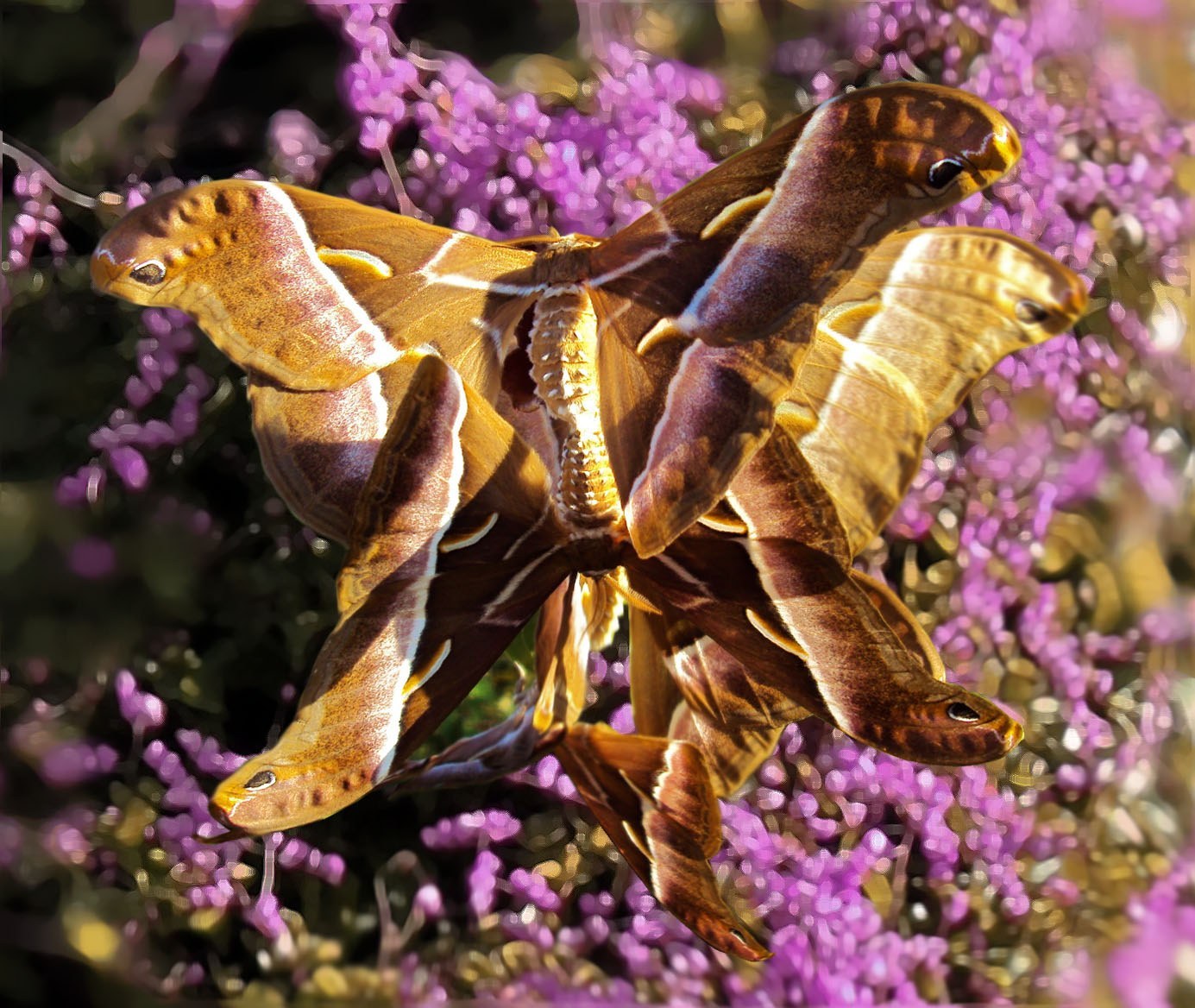
Ailanthus Silkmoth (Cynthia Moth)
Urban parks, wastelands, and woodland edges with tree-of-heaven; native to Asia, introduced in North America and Europe
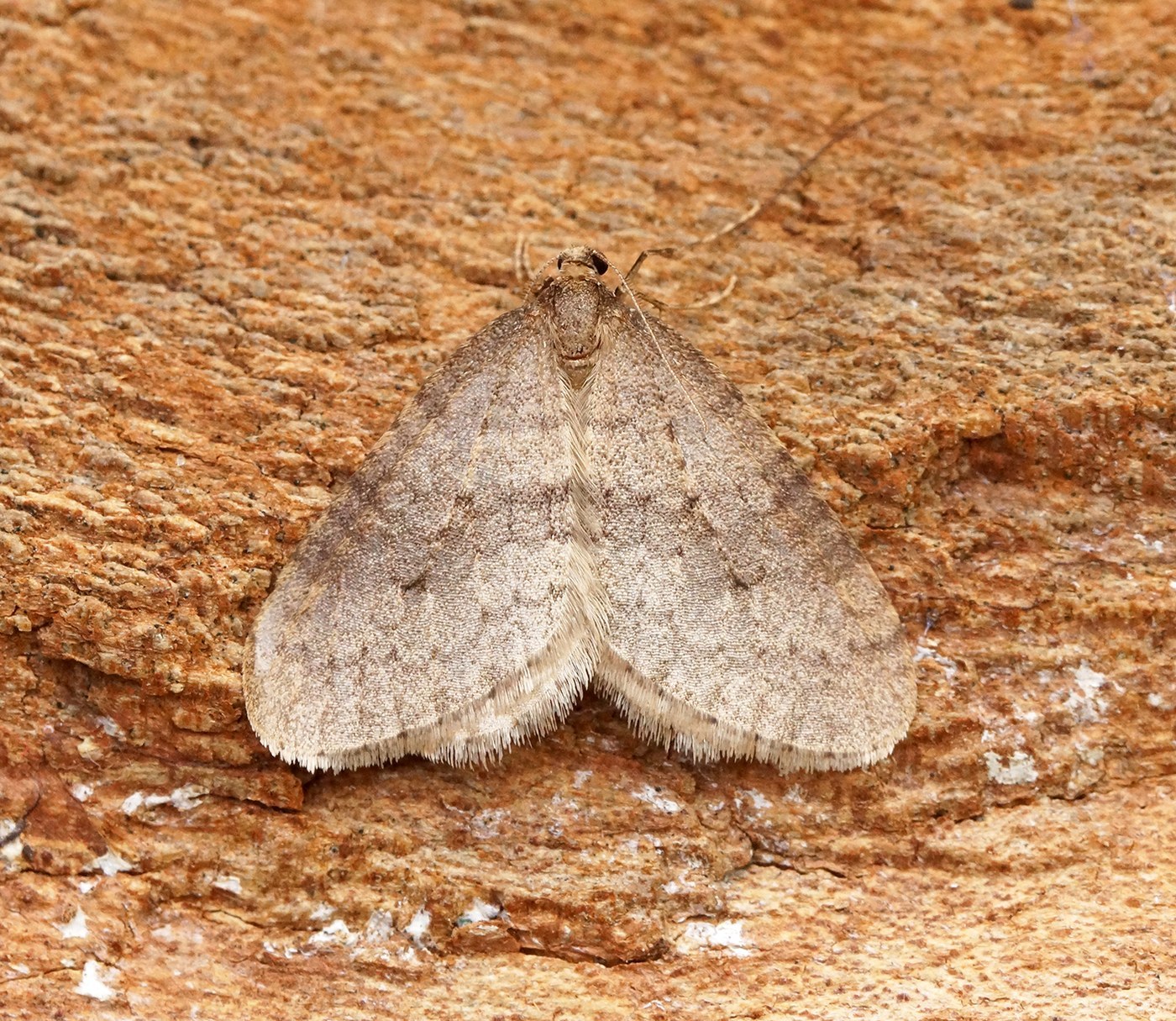
Winter Moth
Deciduous woodland, orchards, gardens, hedgerows
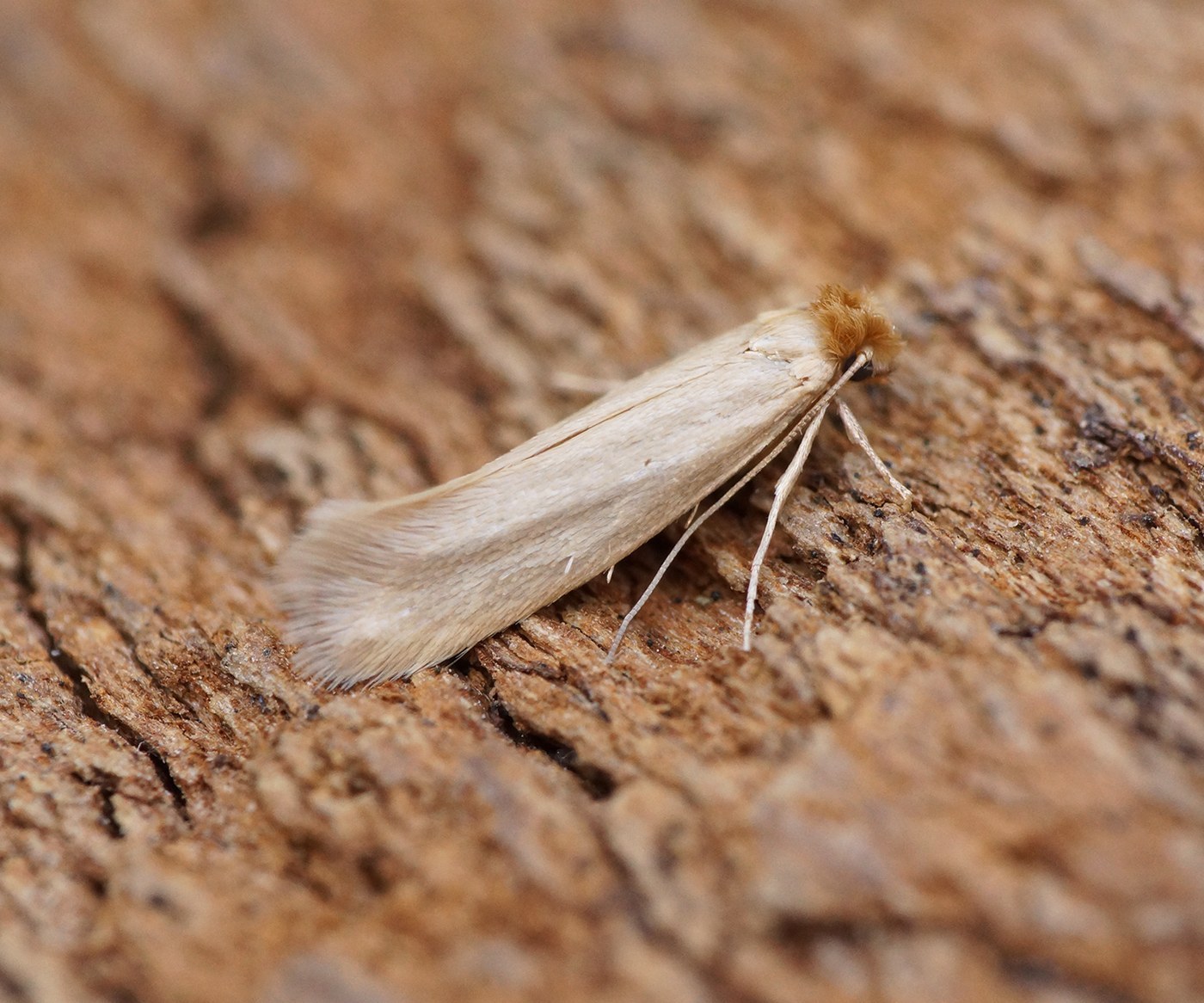
Webbing Clothes Moth
Dark closets, storage areas, and animal nests worldwide
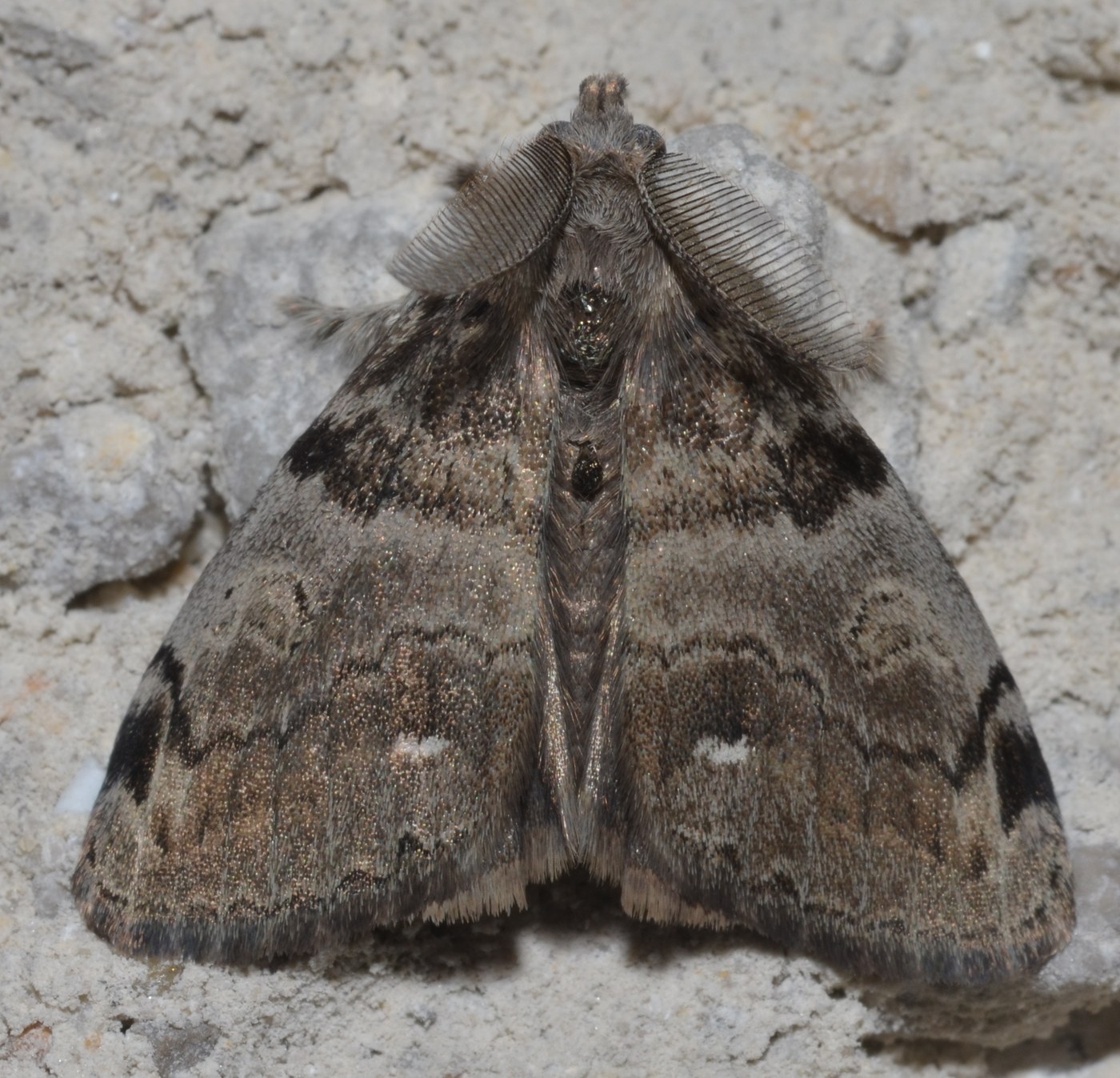
Tussock Moth
Deciduous forests, parks, gardens
Wax Moth
Beehives, apiaries, stored beeswax and comb
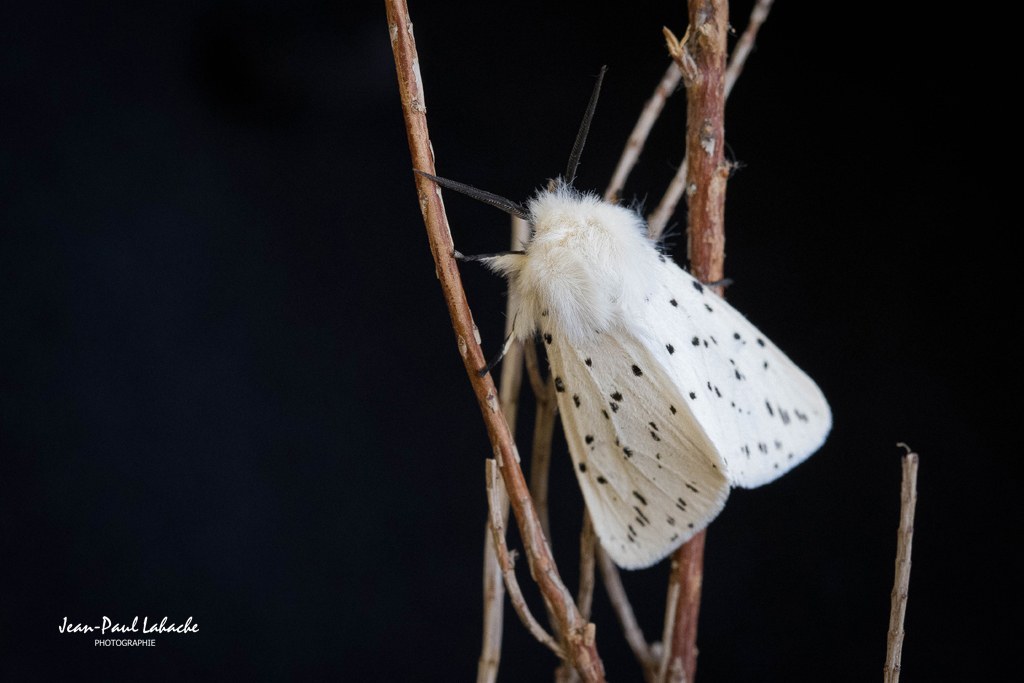
White Ermine Moth
Gardens, meadows, hedgerows
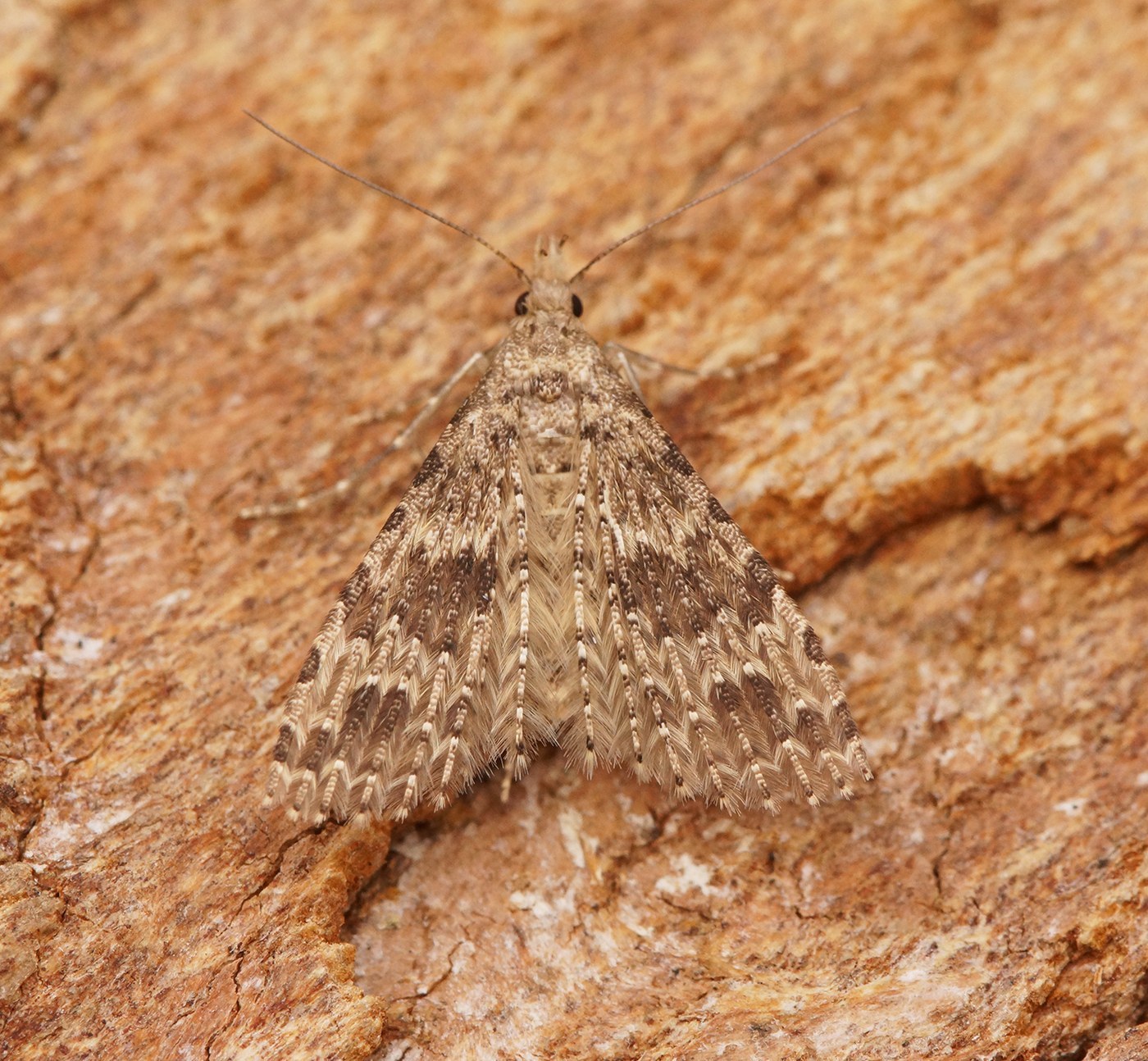
Twenty-plume Moth
Gardens, hedgerows, near honeysuckle
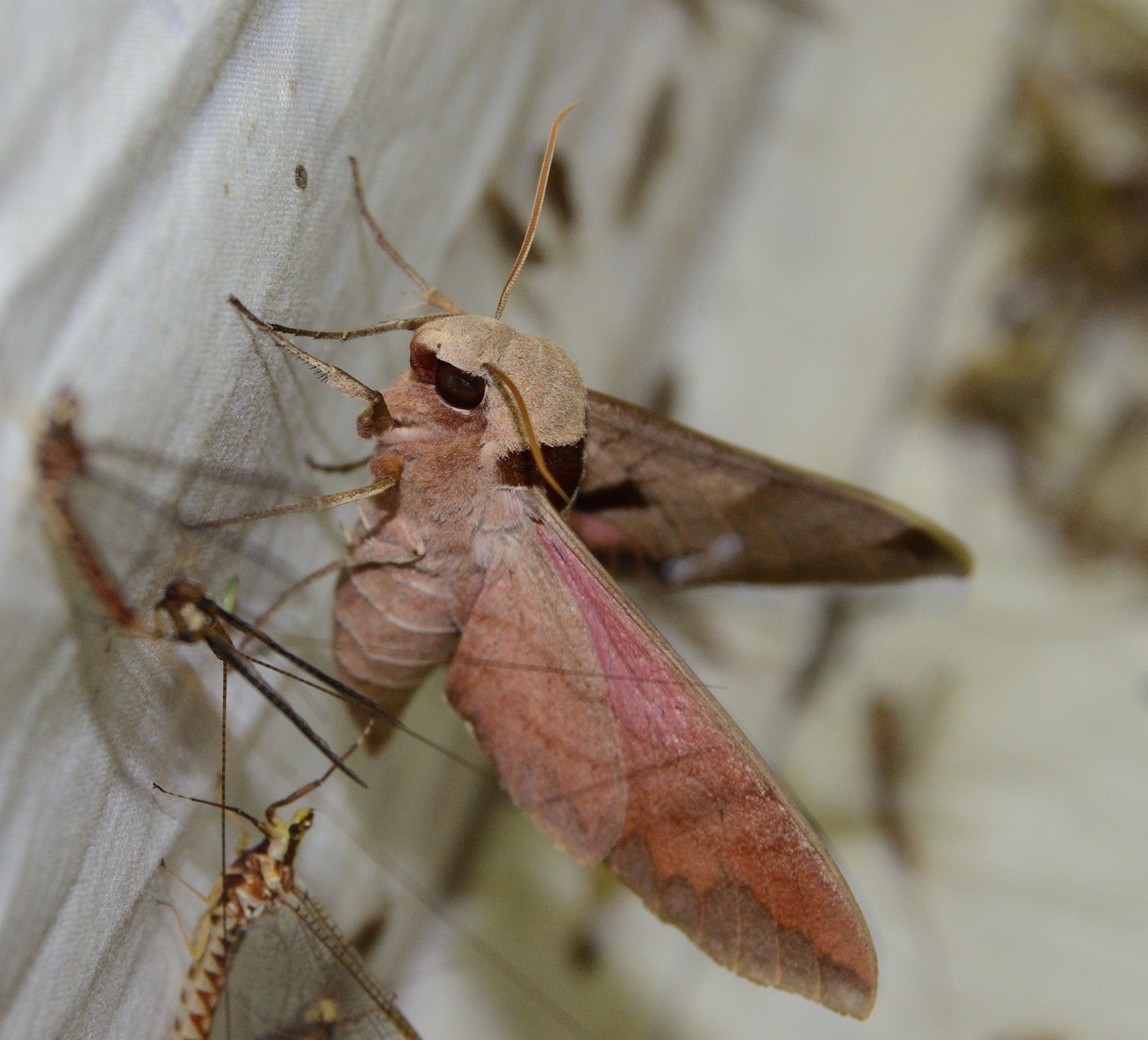
Achemon Sphinx Moth
Vineyards, woodland edges, gardens with wild grape
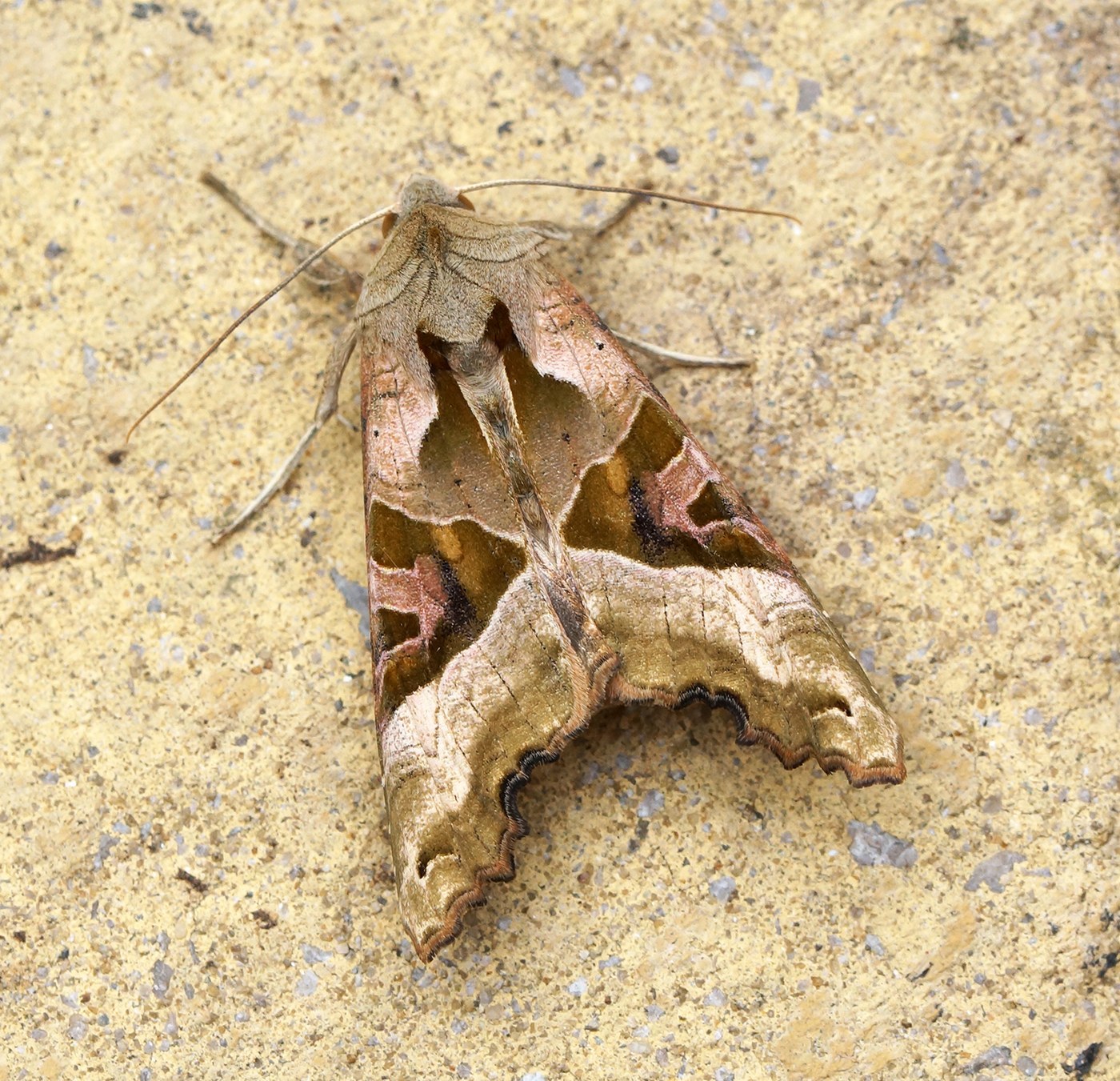
Angle Shades Moth
Gardens, hedgerows, woodland edges, urban parks
Atlas Moth
Tropical and subtropical lowland forests of Southeast Asia