
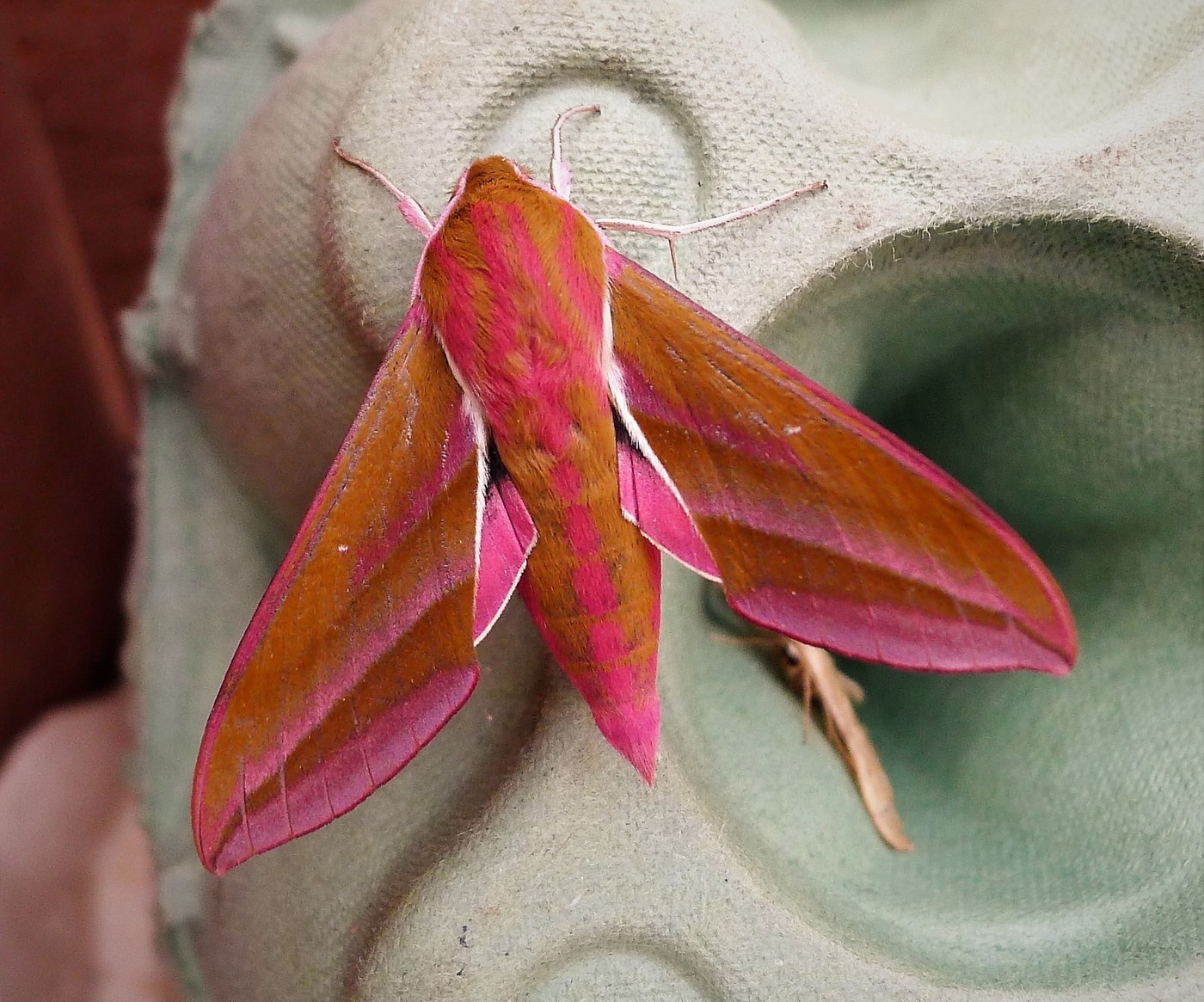
Elephant Hawk-Moth
Deilephila elpenor
A strikingly colored olive-green and bright pink hawk moth named for its caterpillar's trunk-like tapered front end and large false eyespots.
- Size
- 2–2.75 in wingspan
- Habitat
- Gardens, hedgerows, woodland margins, riverbanks
- Danger
- Harmless
Spotted a bug like this?
Identify any bug or insect from a photo, free.
Overview
The elephant hawk-moth is a member of the sphinx or hawk moth family (Sphingidae), widespread across Europe and temperate Asia. It is one of the most colorful moths found in the region, with an unusual combination of olive-green and vivid pink scaling that makes it instantly recognizable to gardeners and naturalists alike.
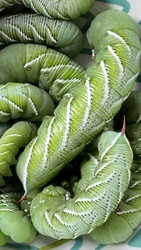
The common name refers not to the adult moth but to its larva, which has a tapering, retractable front segment that the caterpillar can extend and contract in a way that resembles a small elephant's trunk, along with large eye-like markings near the head that serve as a startle display.
As with other hawk moths, adults are strong, fast fliers active mainly at dusk and after dark, and they play a role as pollinators of scented, tubular night-blooming flowers.
How to Identify
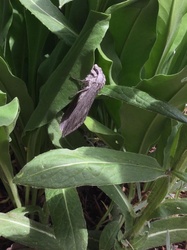
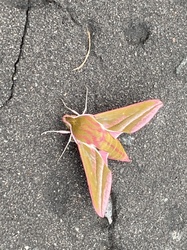
- Body and wings show a distinctive blend of olive-green and rose-pink, with pink stripes along the forewing margins and a pink-and-olive banded abdomen.
- Streamlined, narrow-winged sphinx moth body shape typical of the hawk moth family.
- Wingspan of roughly 2 to 2.75 inches.
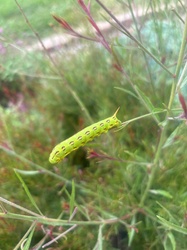
- The caterpillar, more often noticed than the adult, is brown or green with a tapering trunk-like anterior end and two pairs of large dark eyespots, easily distinguished from other hawk moth larvae by this eyespot pattern.
Habitat & Range
Common throughout much of Europe and temperate Asia, found in gardens, hedgerows, riverbanks, wasteland, and woodland edges wherever its host plants, particularly willowherb and fuchsia, grow. Adults fly mainly at dusk and through the night during a single main summer flight period, and are attracted to sweet-scented flowers such as honeysuckle.
Behavior & Diet
Adults are strong, agile fliers that hover at flowers after dark to feed on nectar through a long proboscis, favoring fragrant tubular blooms. Larvae feed on the foliage of willowherb, fuchsia, and bedstraw, and when threatened will retract the head end to inflate the eyespot-bearing segments, creating a snake-like startle display intended to deter predators. This defensive posture, combined with the trunk-like retractable front, gives the species both its common name and much of its ecological interest.
Life Cycle
Eggs are laid singly on host plant leaves and hatch into small caterpillars that grow through several instars, developing the characteristic trunk shape and eyespots as they mature. Fully grown larvae pupate in a loose cocoon among leaf litter or just below the soil surface. The species is generally single-brooded in cooler climates with one generation per year, overwintering as a pupa and emerging as an adult moth in early summer.
Frequently asked questions
Why is it called the elephant hawk-moth if the adult doesn't look like an elephant?
The name comes from the caterpillar, whose tapering, retractable front end resembles a small elephant's trunk.
What do the eyespots on the caterpillar do?
When the caterpillar retracts its head, the eyespot-bearing segments swell, creating a snake-like appearance meant to startle potential predators.
Where would I encounter one?
In gardens and hedgerows across Europe and temperate Asia, especially where willowherb or fuchsia is growing, with adults most active at dusk.
Is it related to other hawk moths like the hummingbird hawk-moth?
Yes, both belong to the sphinx moth family Sphingidae, though the hummingbird hawk-moth is a different genus known for daytime hovering flight.
Elephant Hawk-Moth guides
In-depth guides for identifying, understanding, and living alongside Elephant Hawk-Moth.
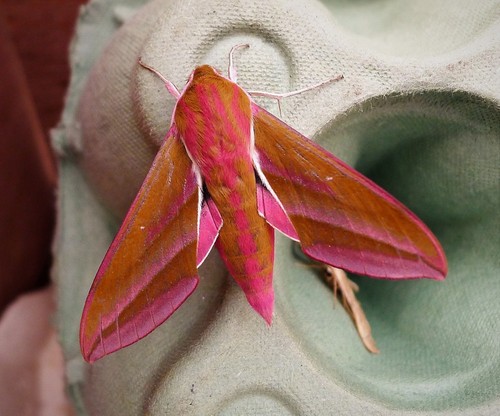
Elephant Hawk-Moth identified by the community
Real finds identified with Bug Identifier.
Other bugs you may enjoy
Bagworm Moth
Coniferous and deciduous trees, shrubs, hedges
Antheraea Silkmoth
Deciduous forests, woodland edges, orchards
Ailanthus Silkmoth (Cynthia Moth)
Urban parks, wastelands, and woodland edges with tree-of-heaven; native to Asia, introduced in North America and Europe
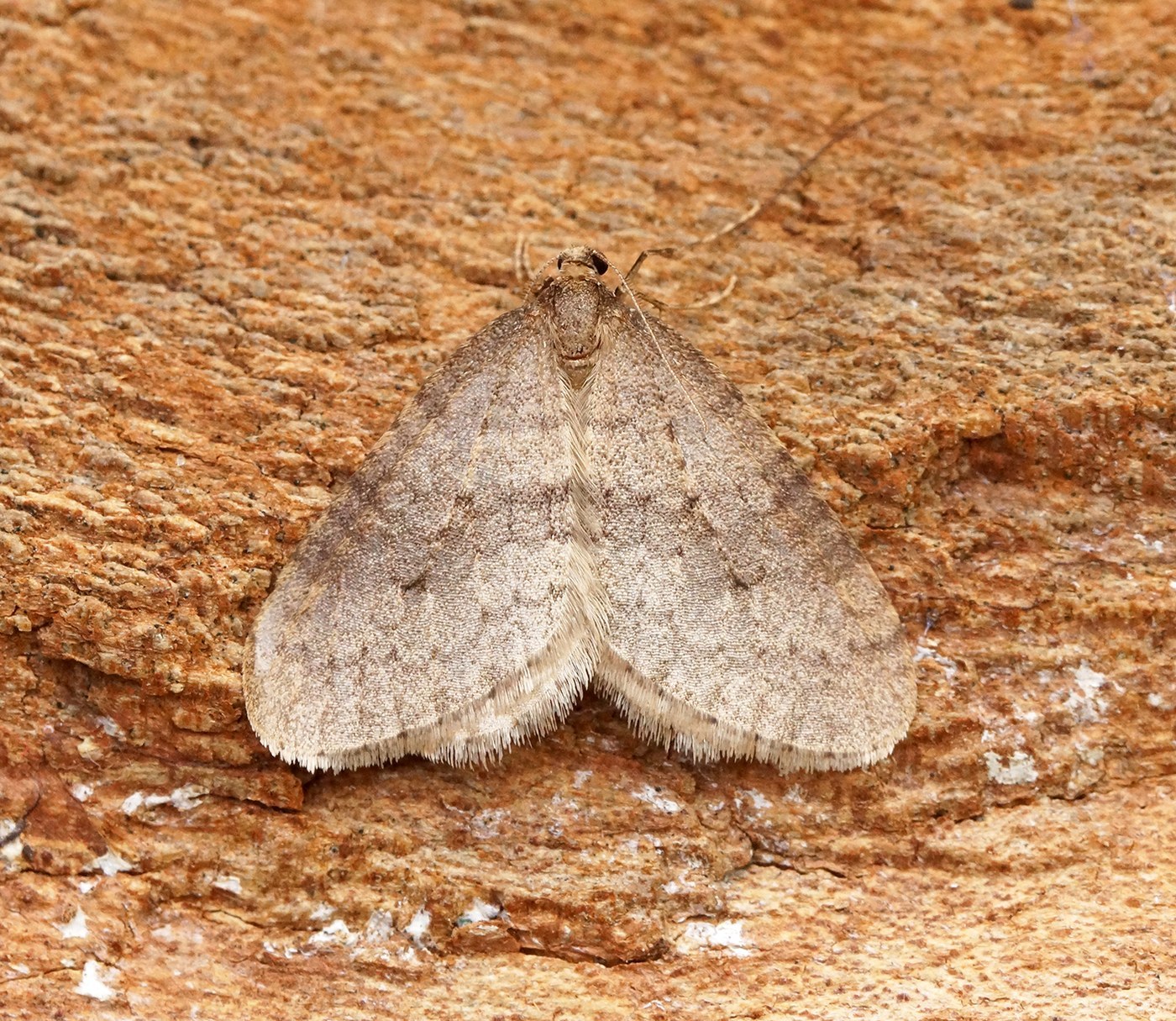
Winter Moth
Deciduous woodland, orchards, gardens, hedgerows
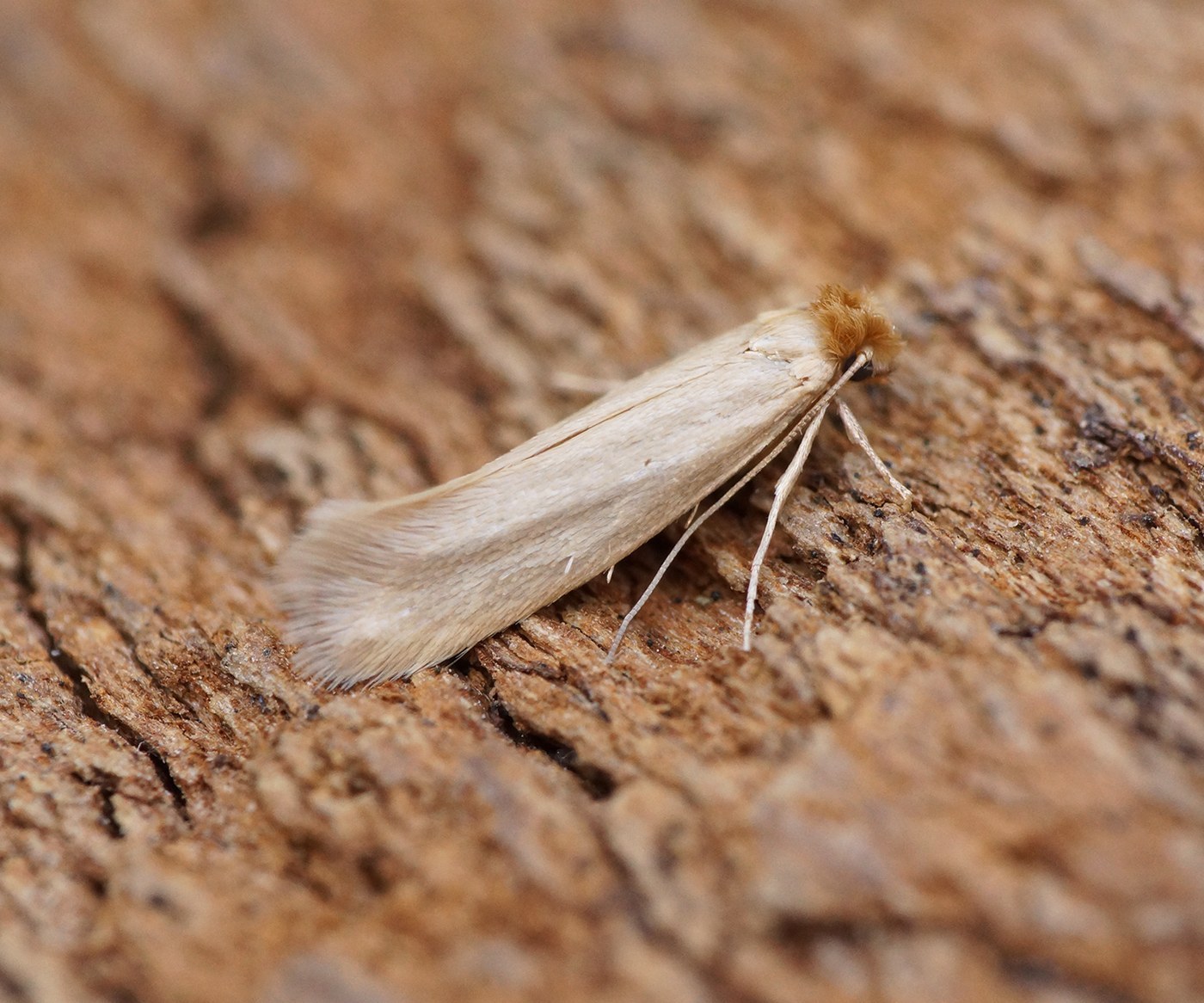
Webbing Clothes Moth
Dark closets, storage areas, and animal nests worldwide
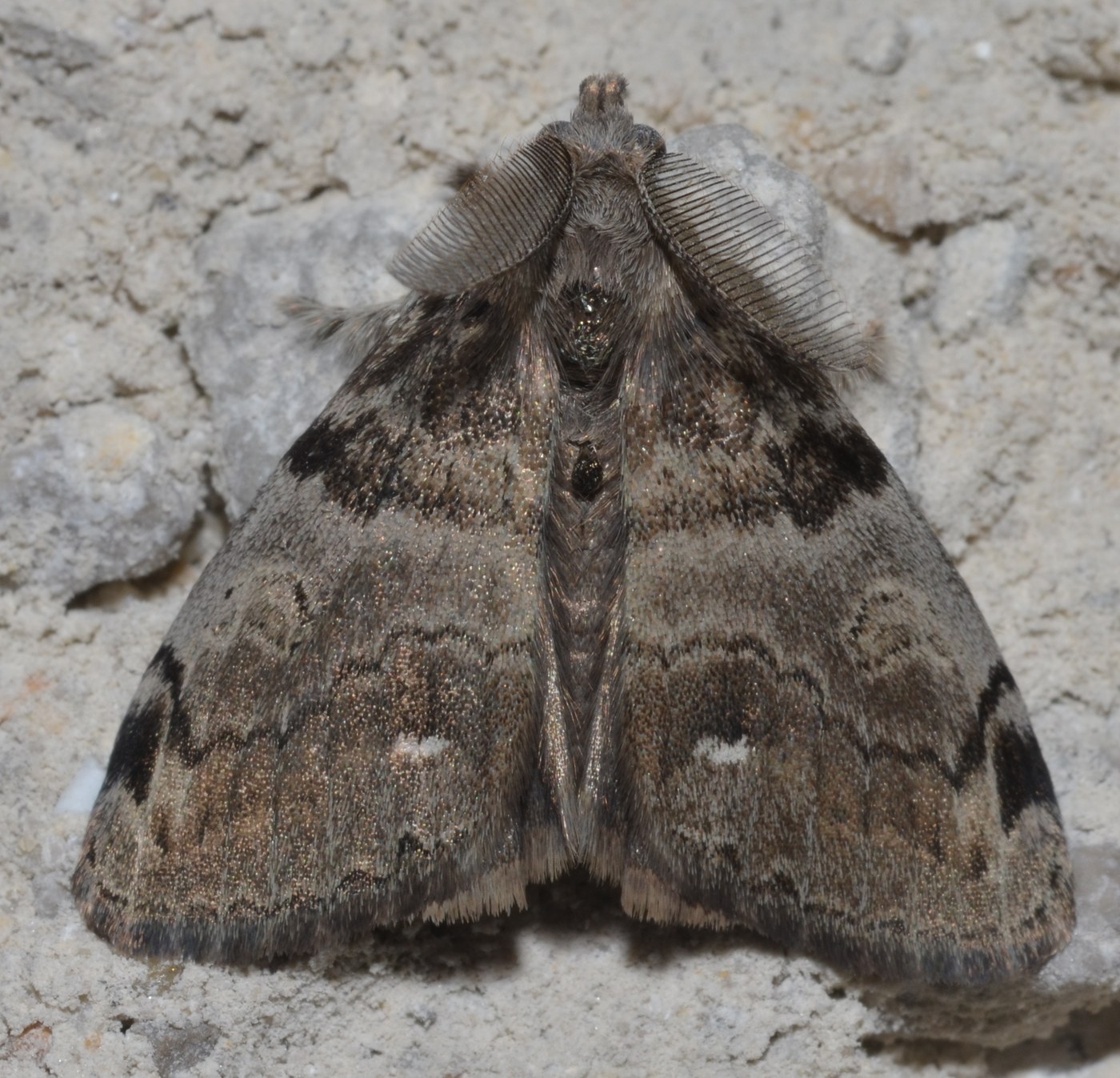
Tussock Moth
Deciduous forests, parks, gardens
Wax Moth
Beehives, apiaries, stored beeswax and comb
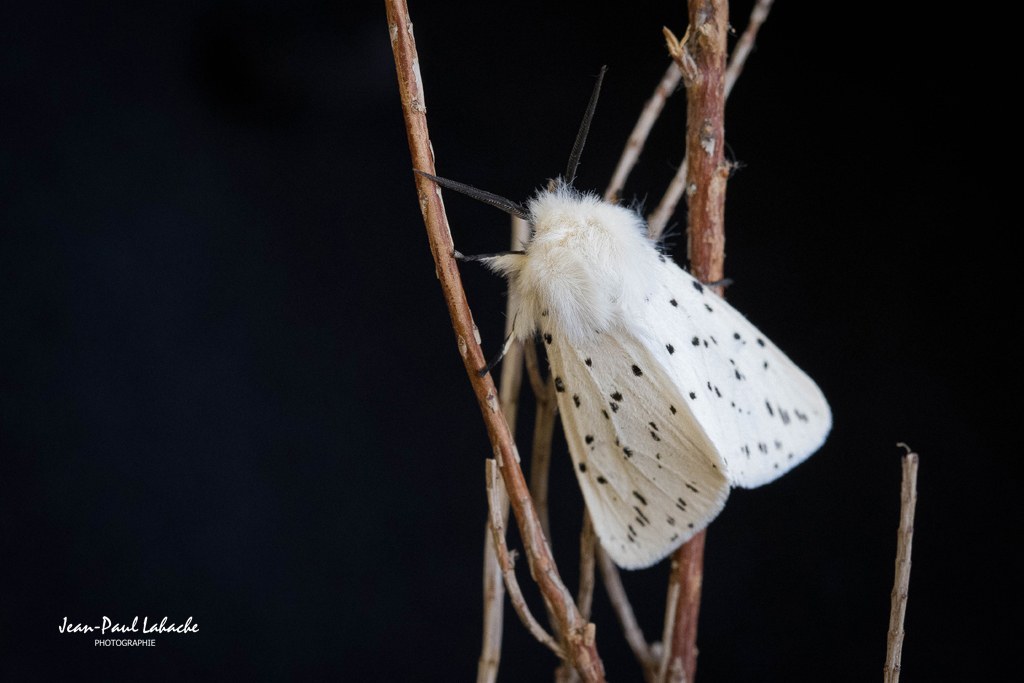
White Ermine Moth
Gardens, meadows, hedgerows
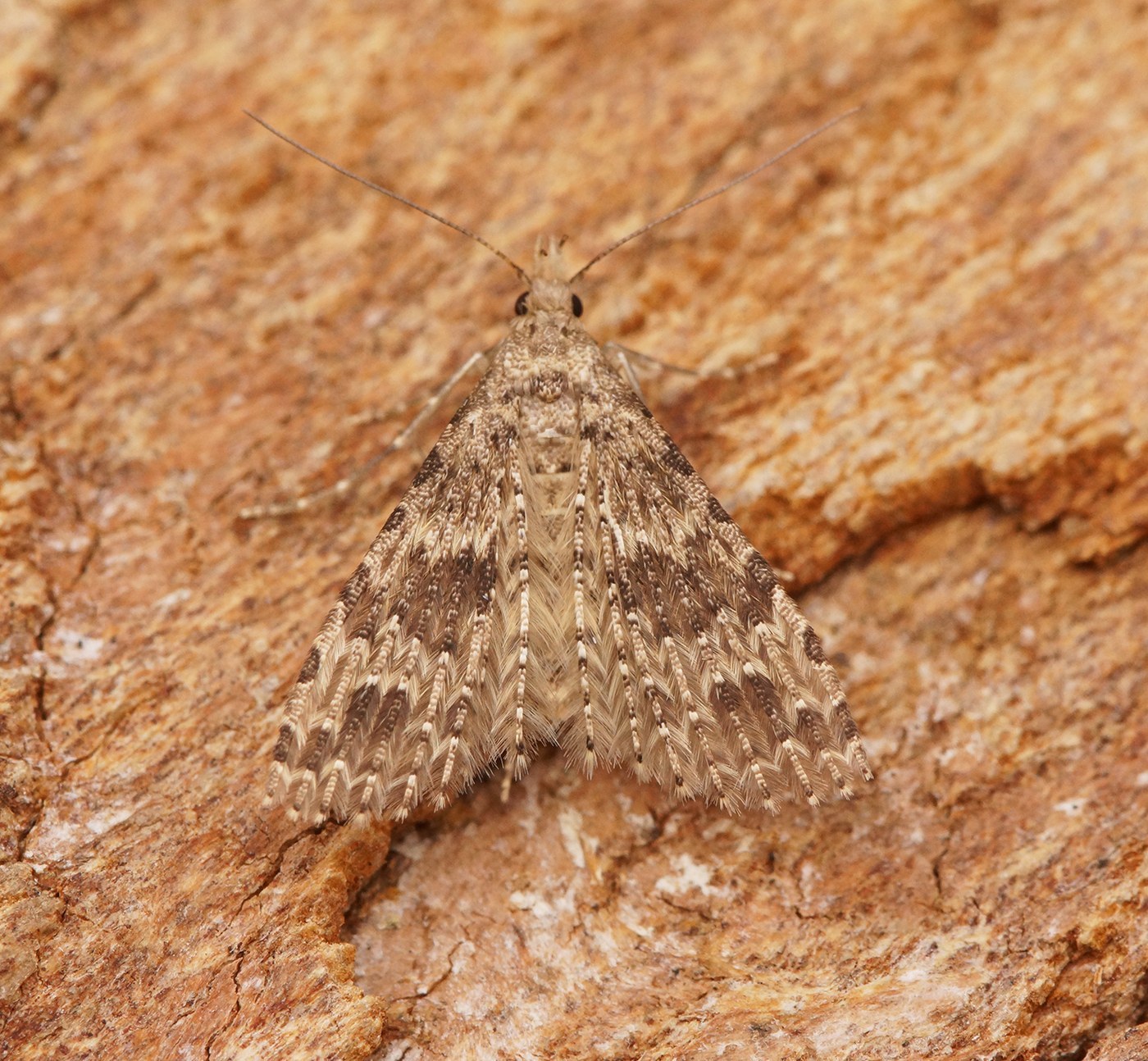
Twenty-plume Moth
Gardens, hedgerows, near honeysuckle
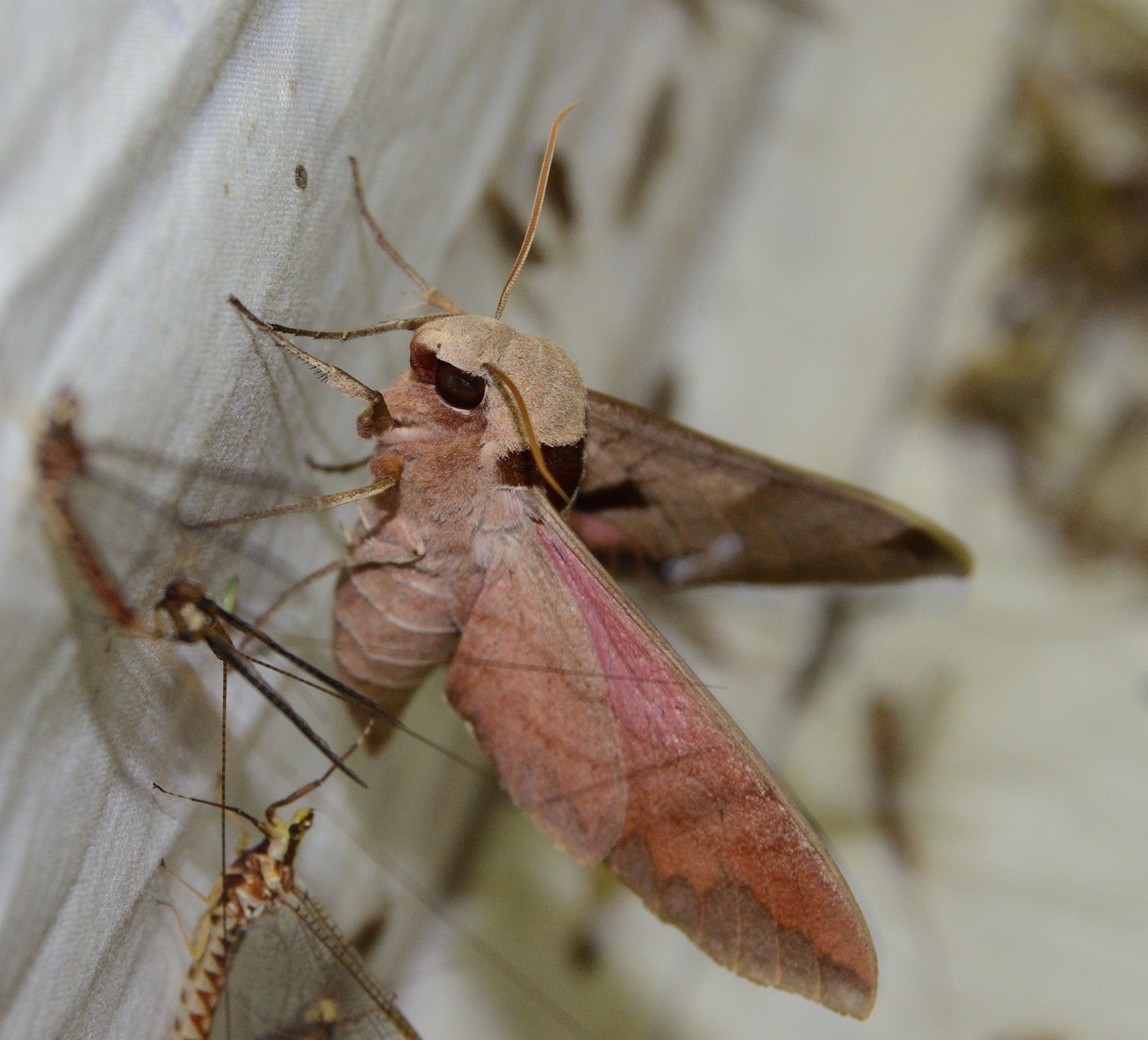
Achemon Sphinx Moth
Vineyards, woodland edges, gardens with wild grape
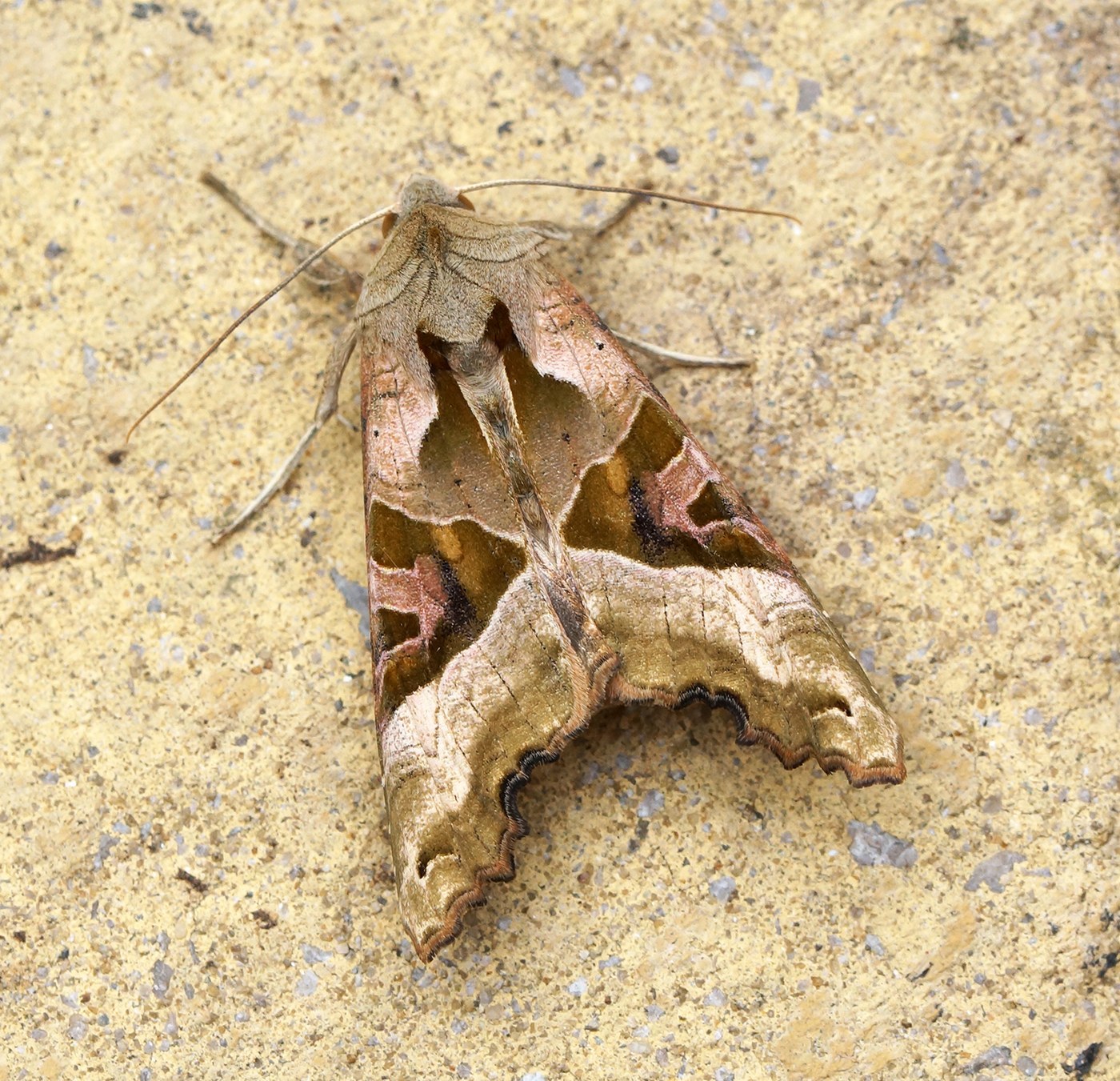
Angle Shades Moth
Gardens, hedgerows, woodland edges, urban parks
Atlas Moth
Tropical and subtropical lowland forests of Southeast Asia