
Common Clothes Moth
Tineola bisselliella
A tiny, plain golden-buff moth that rarely flies far into open light, best known not for its adult form but for its silk-spinning larvae that chew holes in wool, fur, and feathers.
- Size
- 6–9 mm body length
- Habitat
- Homes, closets, and dark storage areas with wool or fur items
- Danger
- Nuisance pest
Spotted a bug like this?
Identify any bug or insect from a photo, free.
Overview
The common clothes moth is a small member of the family Tineidae, a group of primitive moths whose larvae specialize in feeding on keratin-based materials like hair, wool, and feathers rather than plant tissue. Unlike showier moths, adults are drab and easily overlooked, often mistaken for a small dull-colored fly when they scurry across a wall or ceiling.
This species has followed human households worldwide, thriving in the undisturbed dark corners of closets, drawers, and storage boxes where natural fiber textiles are kept. Its ecological niche in the wild would be scavenging on animal nests, fur, feathers, and dried carcasses, a role it has simply transferred to the human-made environment of wardrobes and carpets.
How to Identify
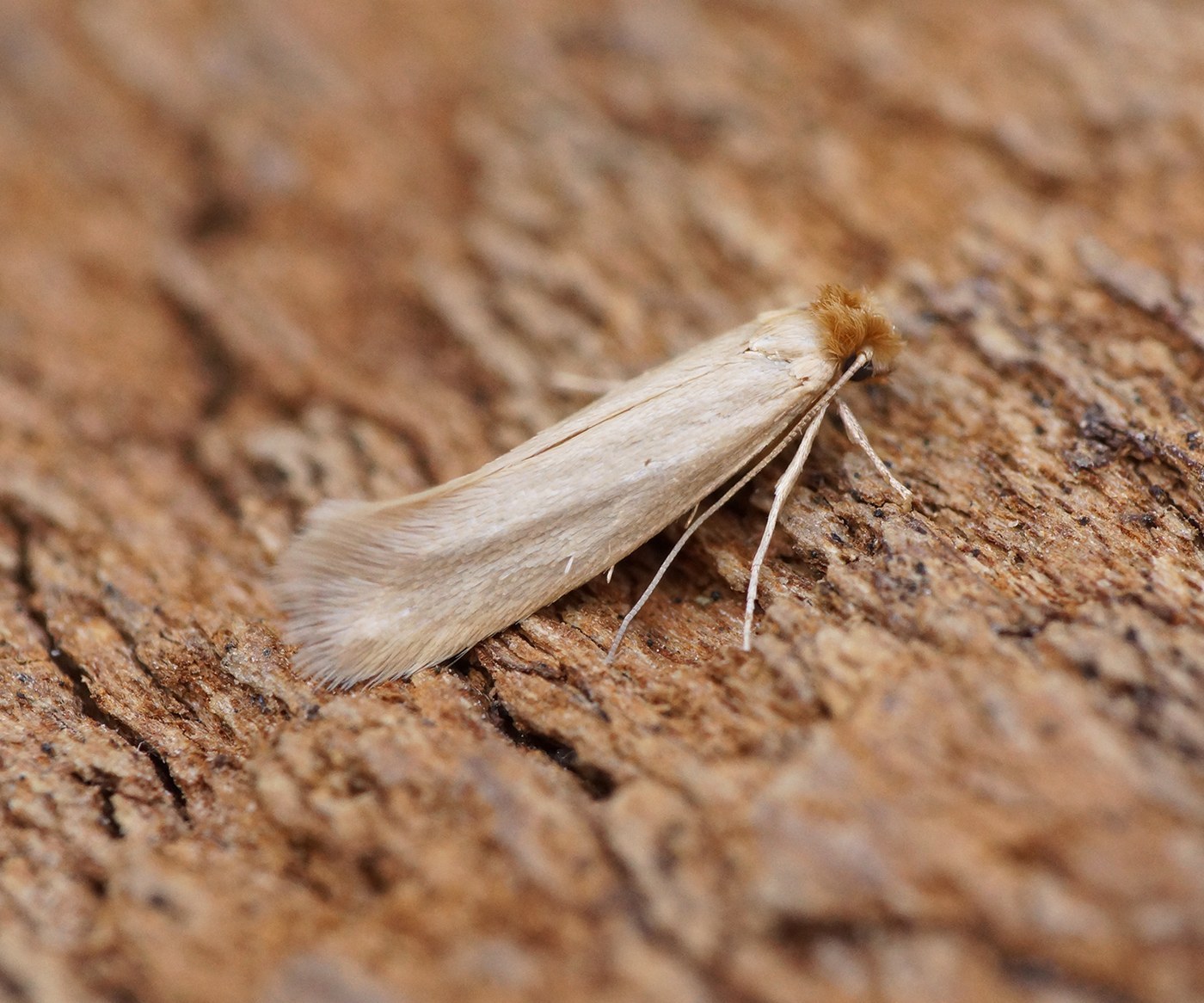
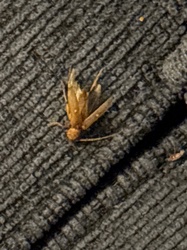
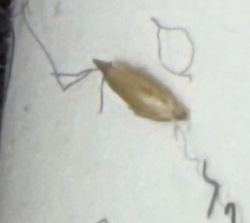
- Small, narrow-winged moth with a shiny, uniform golden-tan to straw-colored body and wings, lacking bold spots or patterns.
- Wingspan of roughly 9–16 mm; wings are held close to the body in a narrow, tent-like posture at rest.
- Head bears a tuft of reddish-golden hair-like scales.
- Adults are weak, reluctant fliers that prefer to scuttle or hop rather than take sustained flight, and avoid bright light.
- Distinguished from pantry moths (like the Indian meal moth) by its lack of any two-toned or banded wing pattern.
Habitat & Range
Found essentially worldwide alongside human dwellings, especially in temperate regions. Prefers dark, undisturbed, humid microhabitats such as closets, wool rugs, upholstered furniture, and storage boxes containing natural animal fibers. Active year-round indoors, since heated buildings provide continuous favorable conditions regardless of outdoor season.
Behavior & Diet
Adult moths do not feed and live only long enough to mate and lay eggs; all feeding damage is caused by the larvae, which spin silken feeding tunnels or patches and consume keratin found in wool, fur, feathers, and sometimes lint or pet hair. Larvae actively avoid light, remaining hidden within folds of fabric or beneath furniture. In the wider ecosystem, the group these moths belong to plays a natural role recycling animal remains such as nests, fur, and feathers.
Life Cycle
Females lay small clusters of eggs directly onto suitable fiber material, which hatch into silk-spinning larvae within one to two weeks. Larvae pass through numerous molts over weeks to months, feeding and building a mobile silken case or feeding tunnel as they grow, with development speed strongly tied to temperature and humidity. After reaching full size, larvae pupate in a silken cocoon before emerging as short-lived adults. Because indoor environments stay warm year-round, multiple overlapping generations can occur annually with no true winter dormancy.
Frequently asked questions
Do the adult moths actually eat my clothes?
No, only the larvae feed on fabric; adult moths do not eat at all and exist solely to reproduce.
How is it different from a pantry moth?
Clothes moths are uniformly golden-tan with no wing pattern and target wool, fur, and feathers, while pantry moths like the Indian meal moth have two-toned wings and target stored food.
Why do I rarely see it flying around lights?
This species avoids bright light and tends to stay in dark closets or storage areas, so it's more often seen scurrying in shadowed corners than circling a lamp.
What material attracts it most?
Natural animal-derived fibers such as wool, fur, silk, and feathers are the primary larval food; synthetic fibers are generally not consumed unless heavily soiled.
Common Clothes Moth guides
In-depth guides for identifying, understanding, and living alongside Common Clothes Moth.
Common Clothes Moth identified by the community
Real finds identified with Bug Identifier.
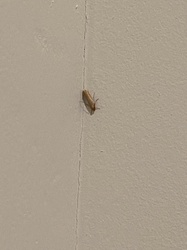
Other bugs you may enjoy
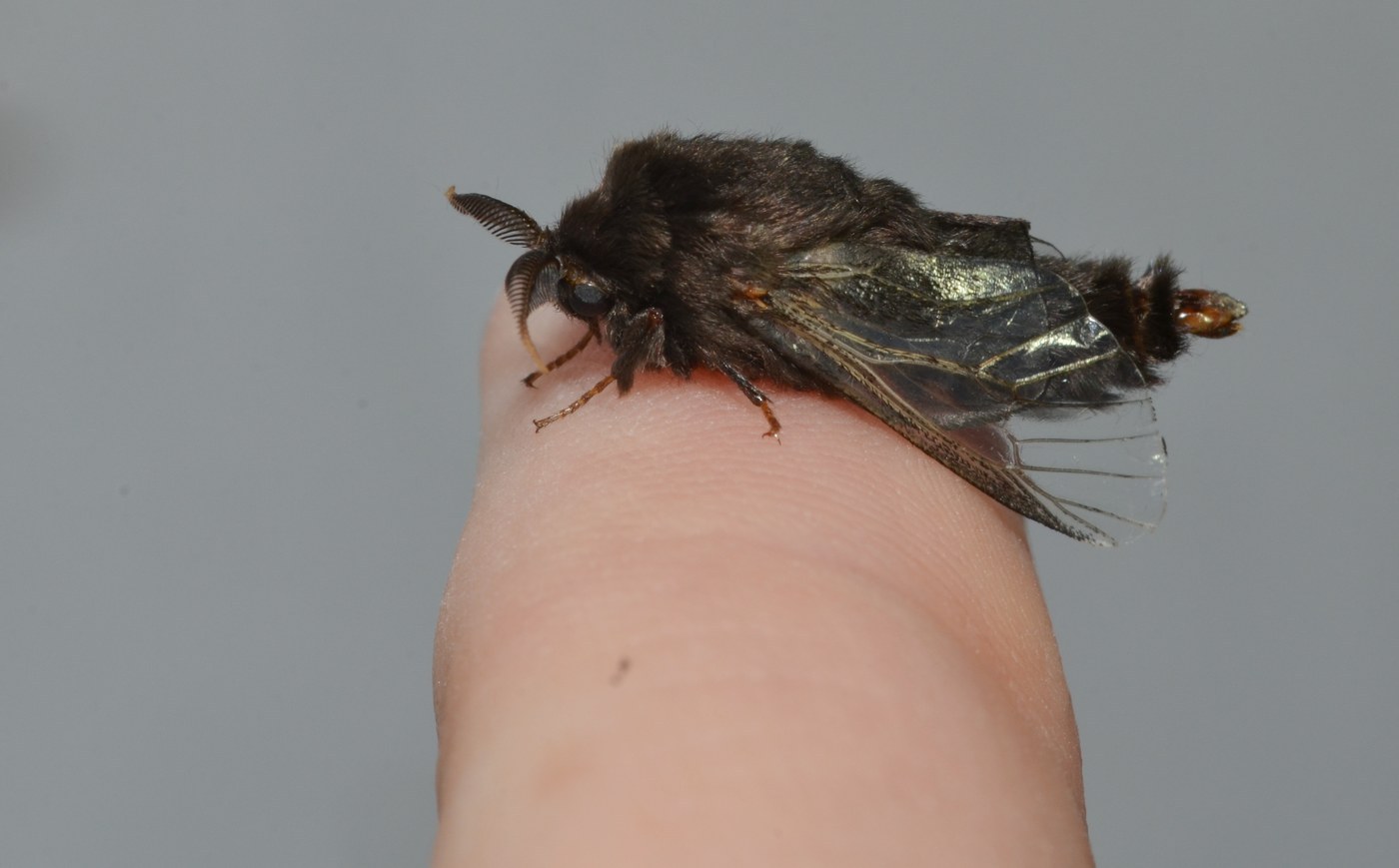
Bagworm Moth
Coniferous and deciduous trees, shrubs, hedges
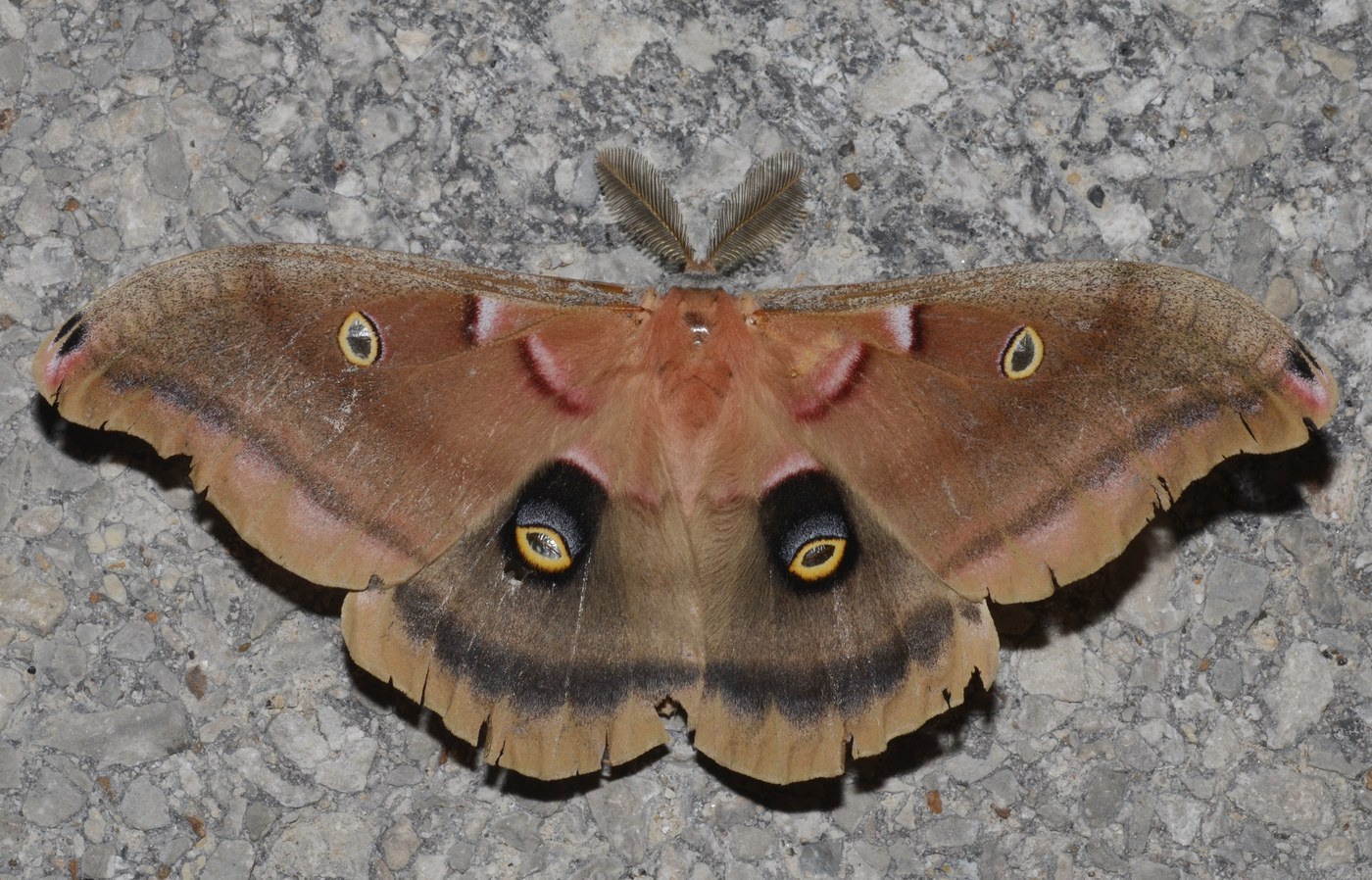
Antheraea Silkmoth
Deciduous forests, woodland edges, orchards
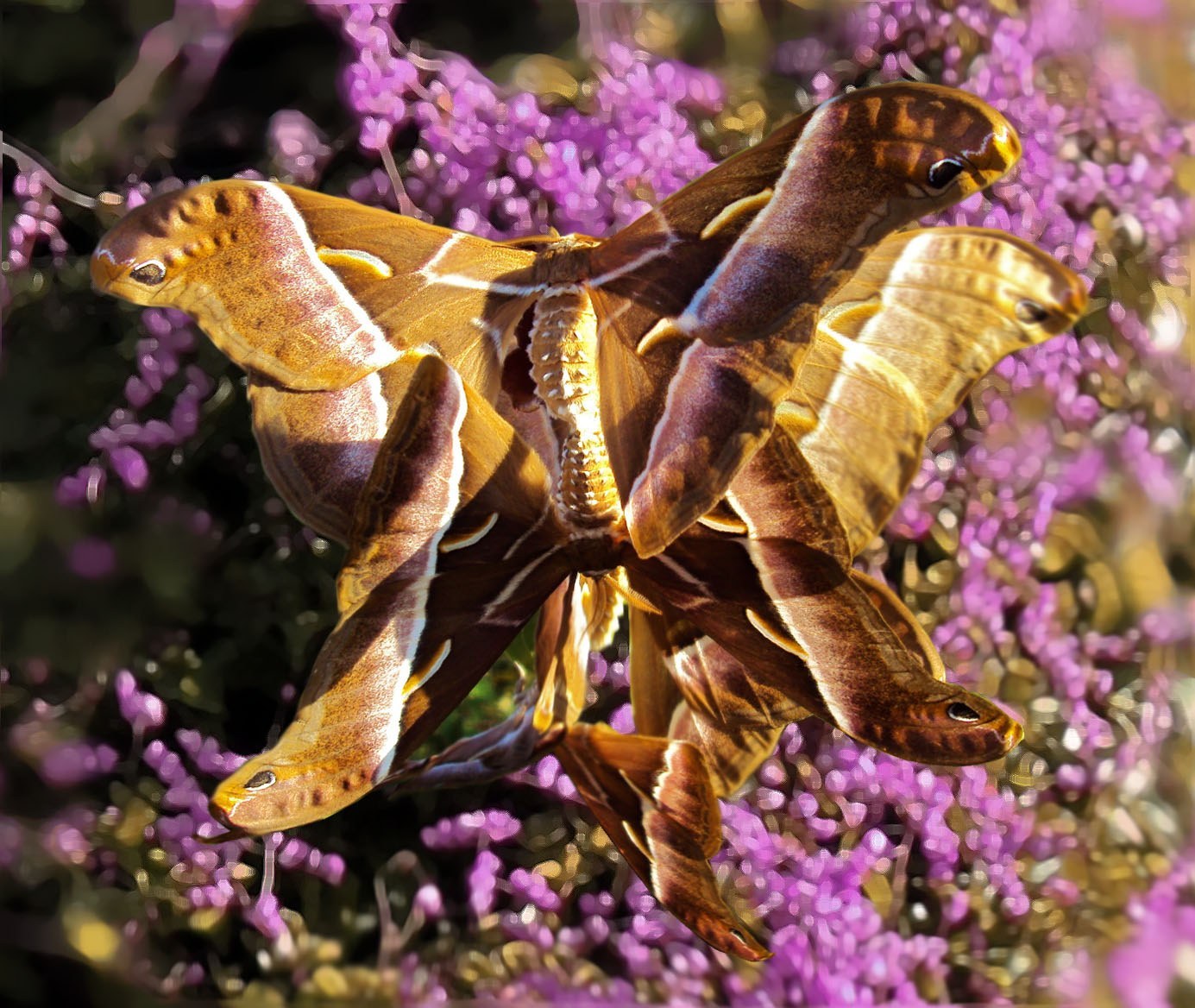
Ailanthus Silkmoth (Cynthia Moth)
Urban parks, wastelands, and woodland edges with tree-of-heaven; native to Asia, introduced in North America and Europe
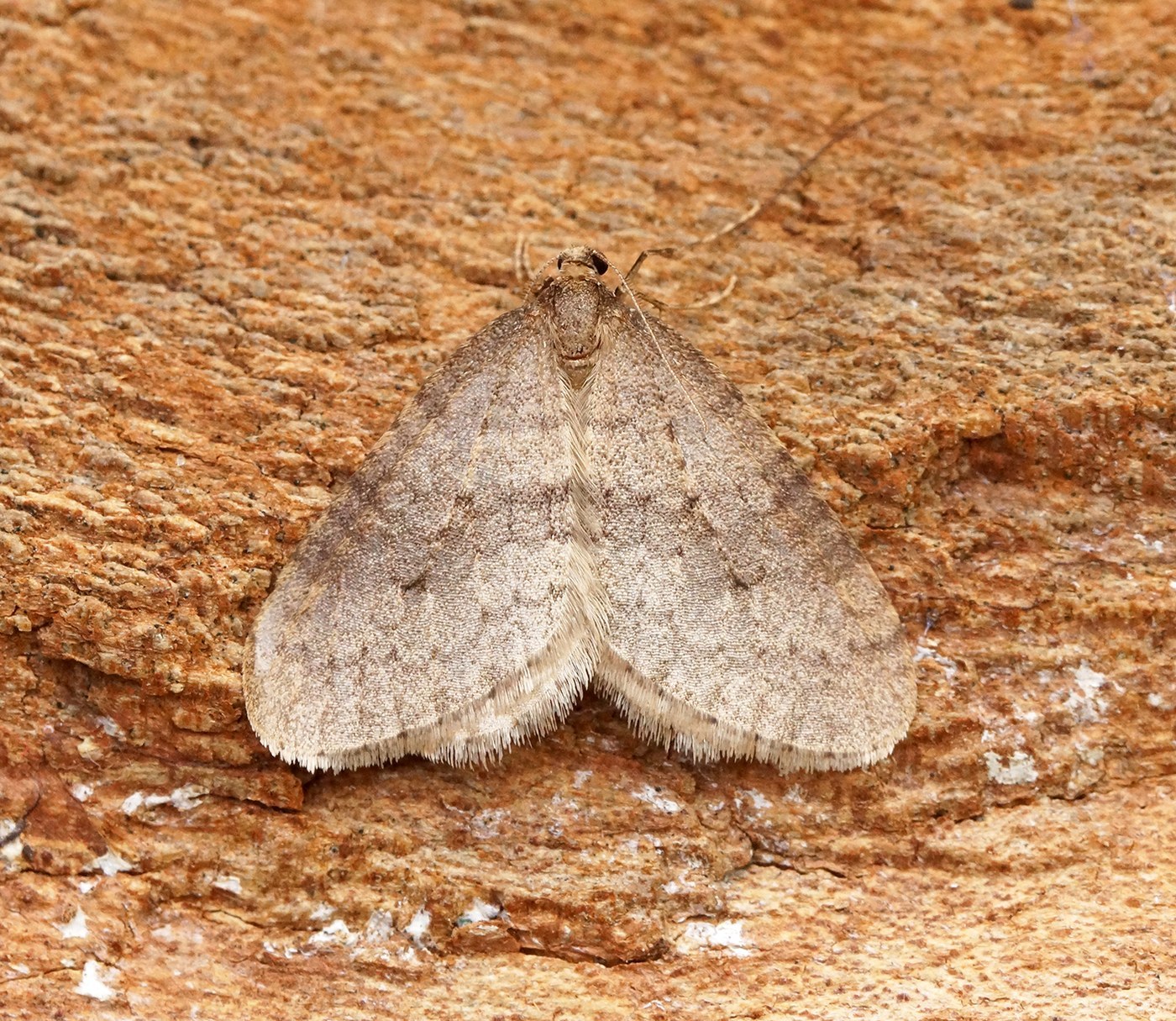
Winter Moth
Deciduous woodland, orchards, gardens, hedgerows
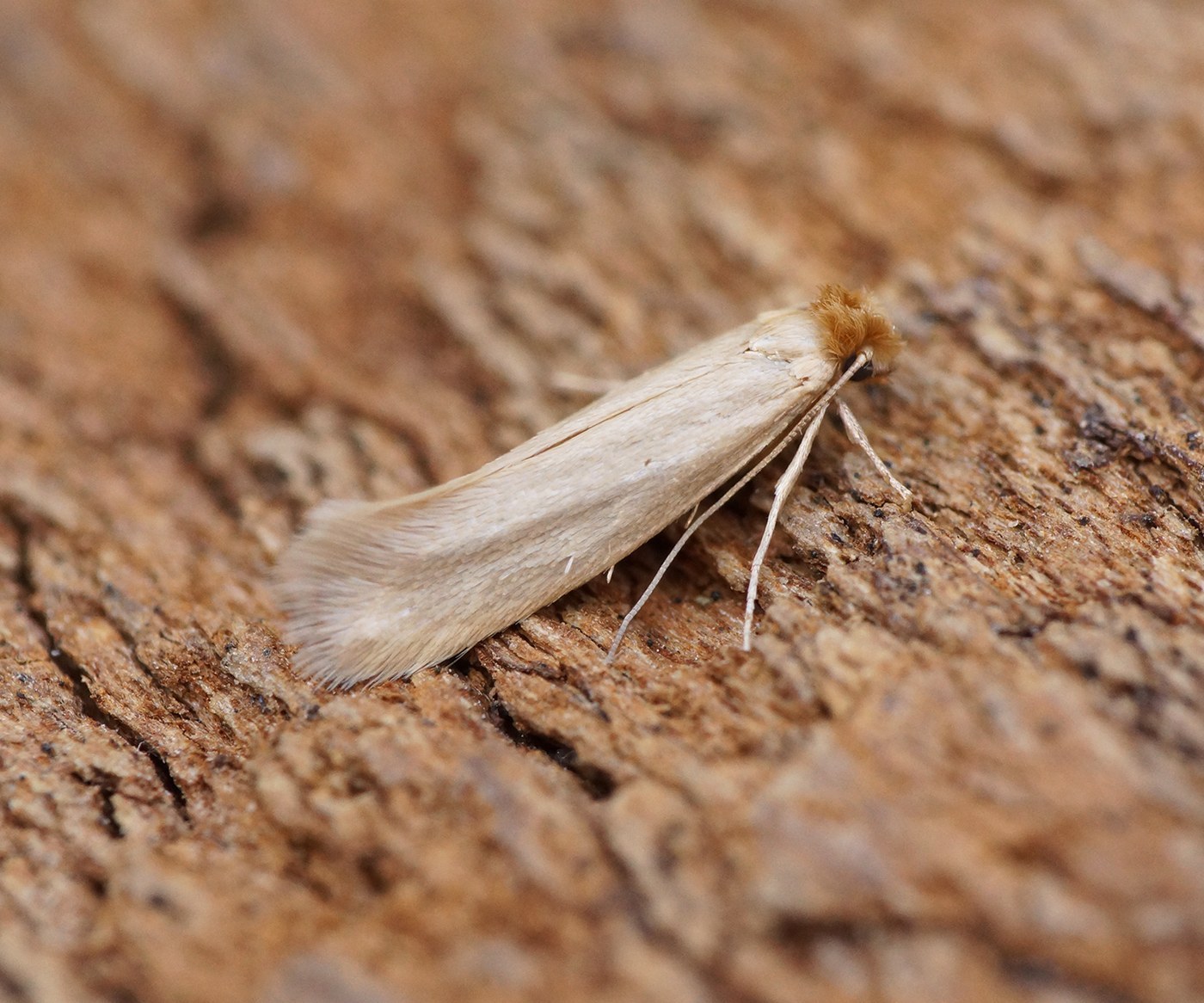
Webbing Clothes Moth
Dark closets, storage areas, and animal nests worldwide
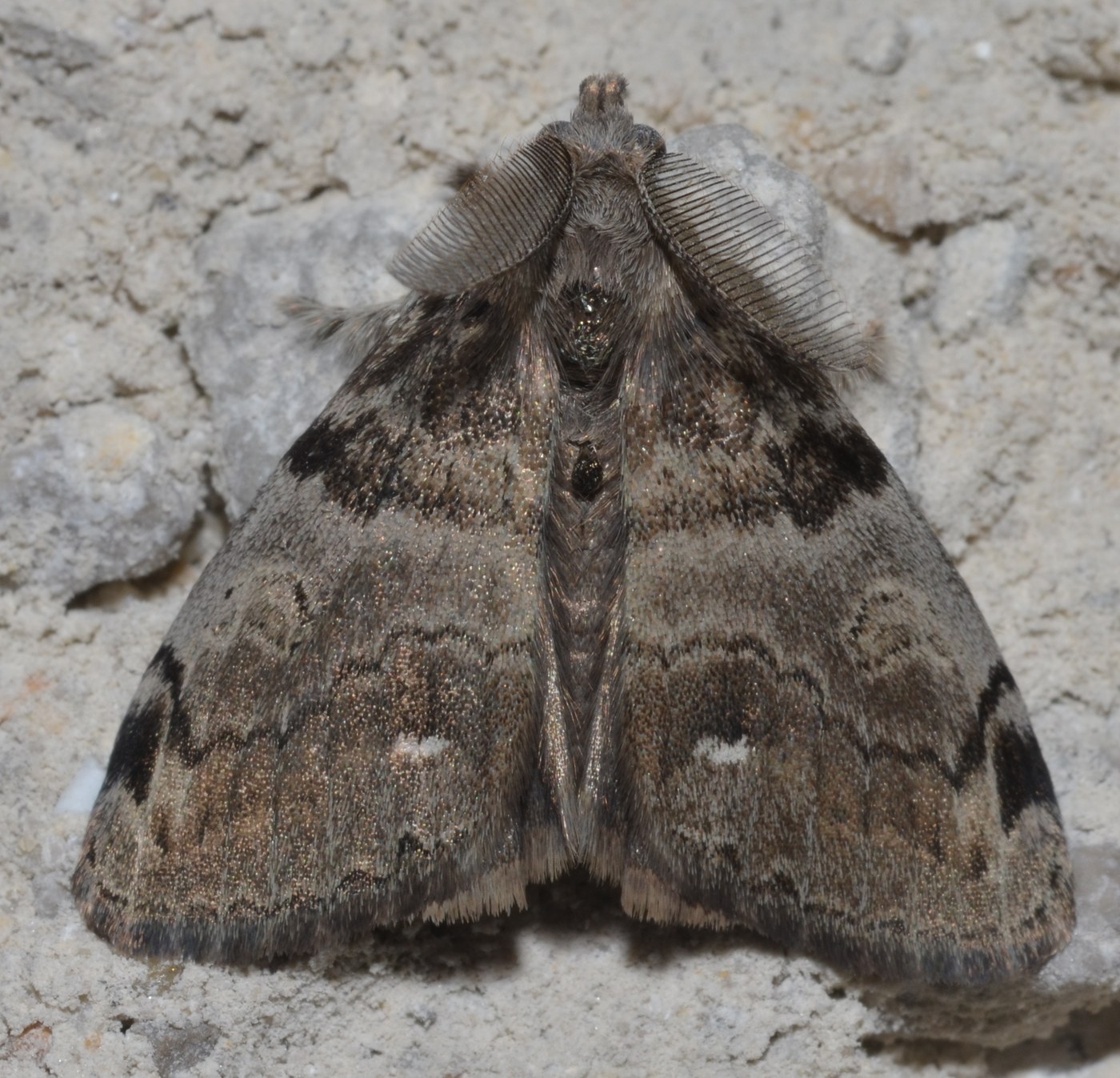
Tussock Moth
Deciduous forests, parks, gardens
Wax Moth
Beehives, apiaries, stored beeswax and comb
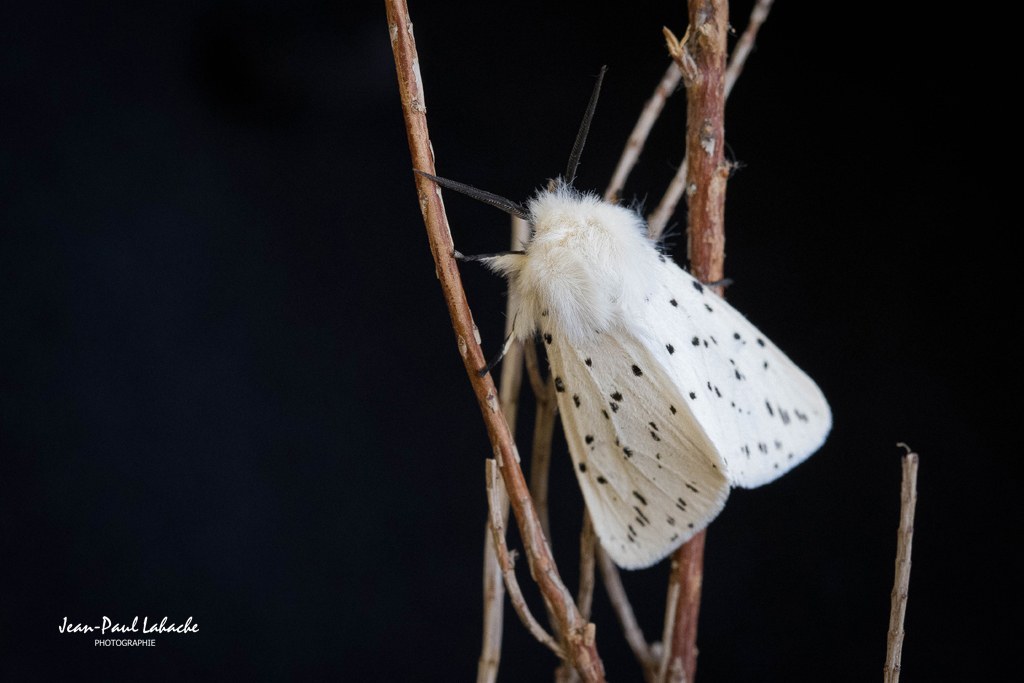
White Ermine Moth
Gardens, meadows, hedgerows
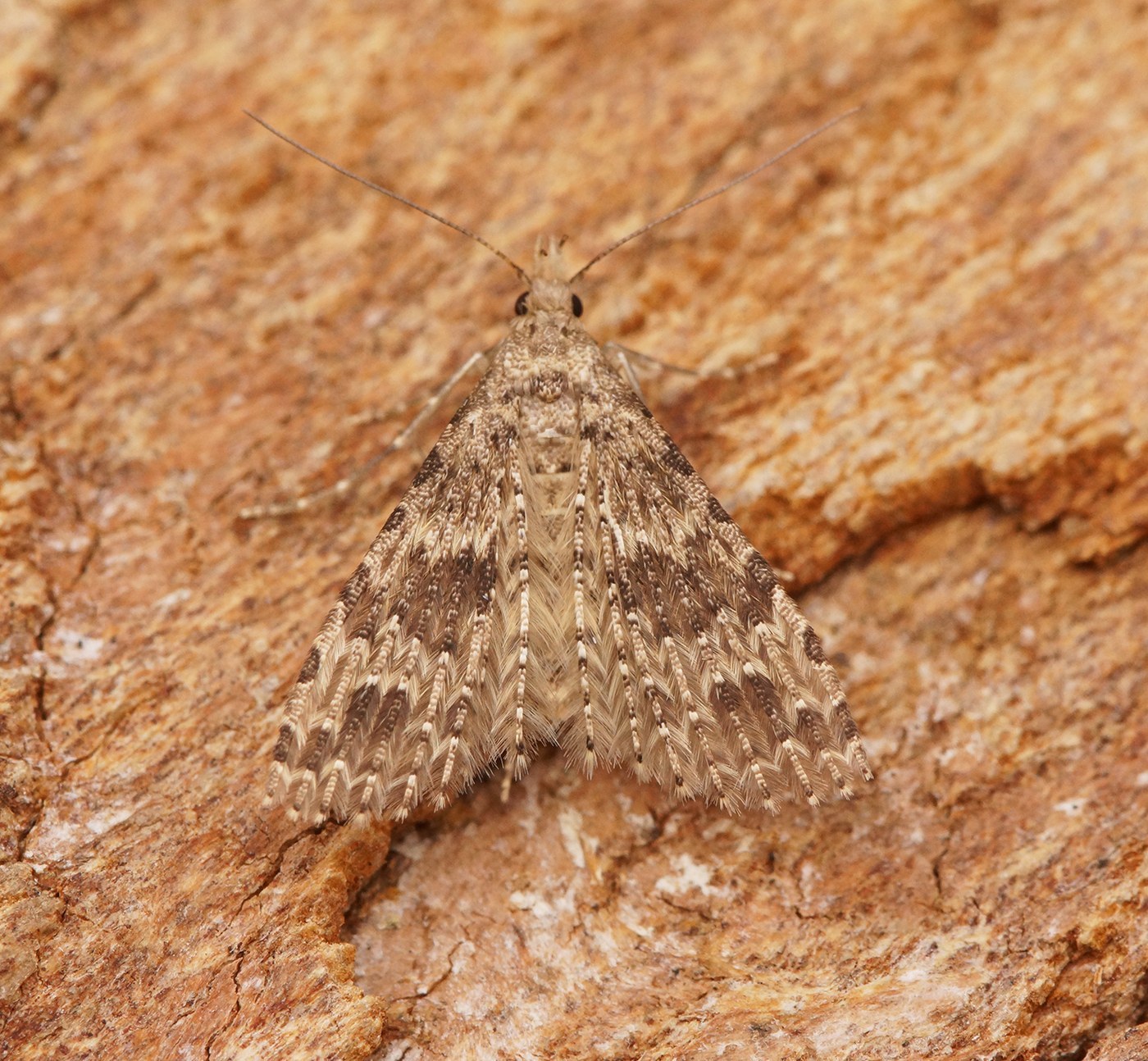
Twenty-plume Moth
Gardens, hedgerows, near honeysuckle
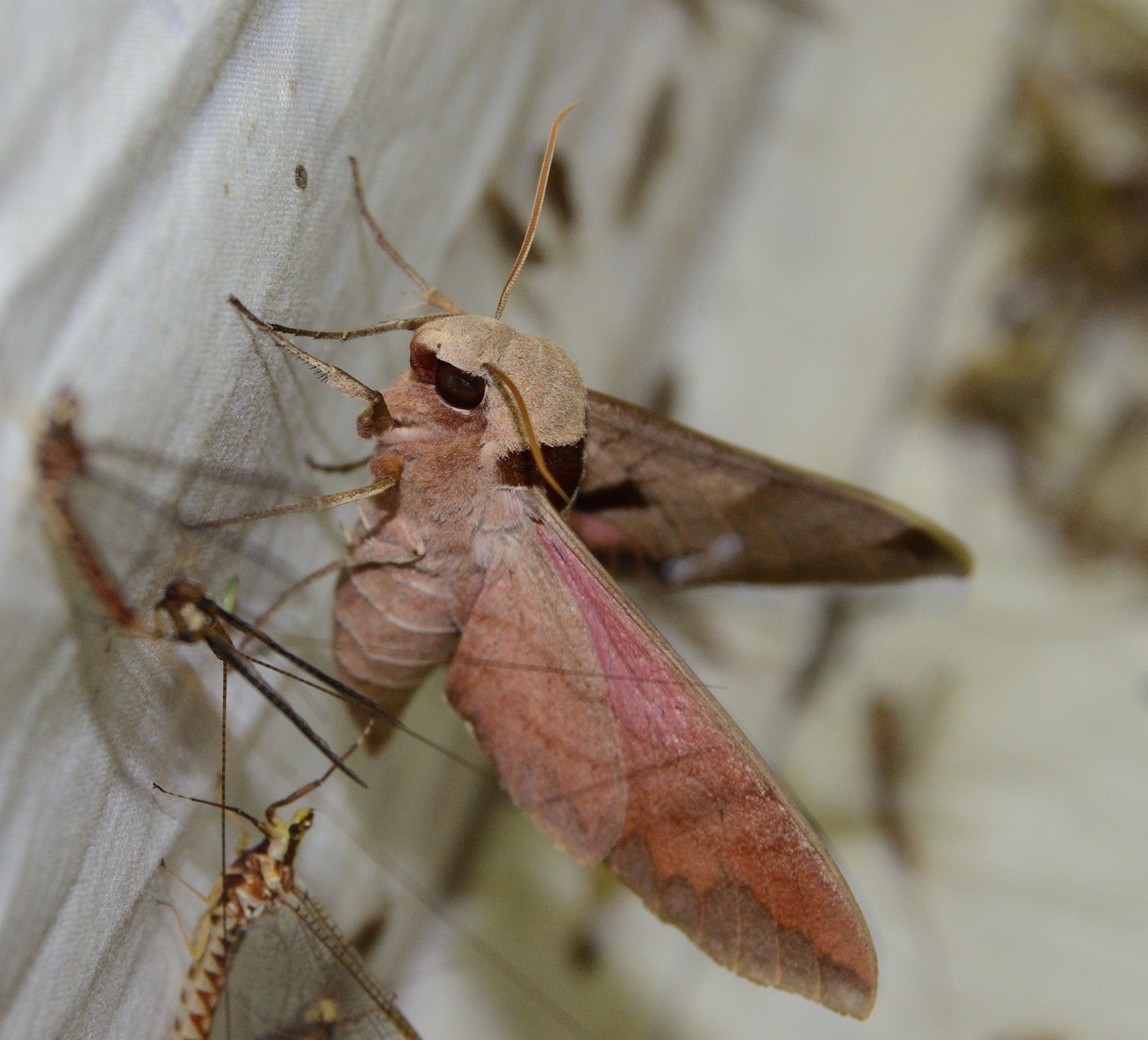
Achemon Sphinx Moth
Vineyards, woodland edges, gardens with wild grape
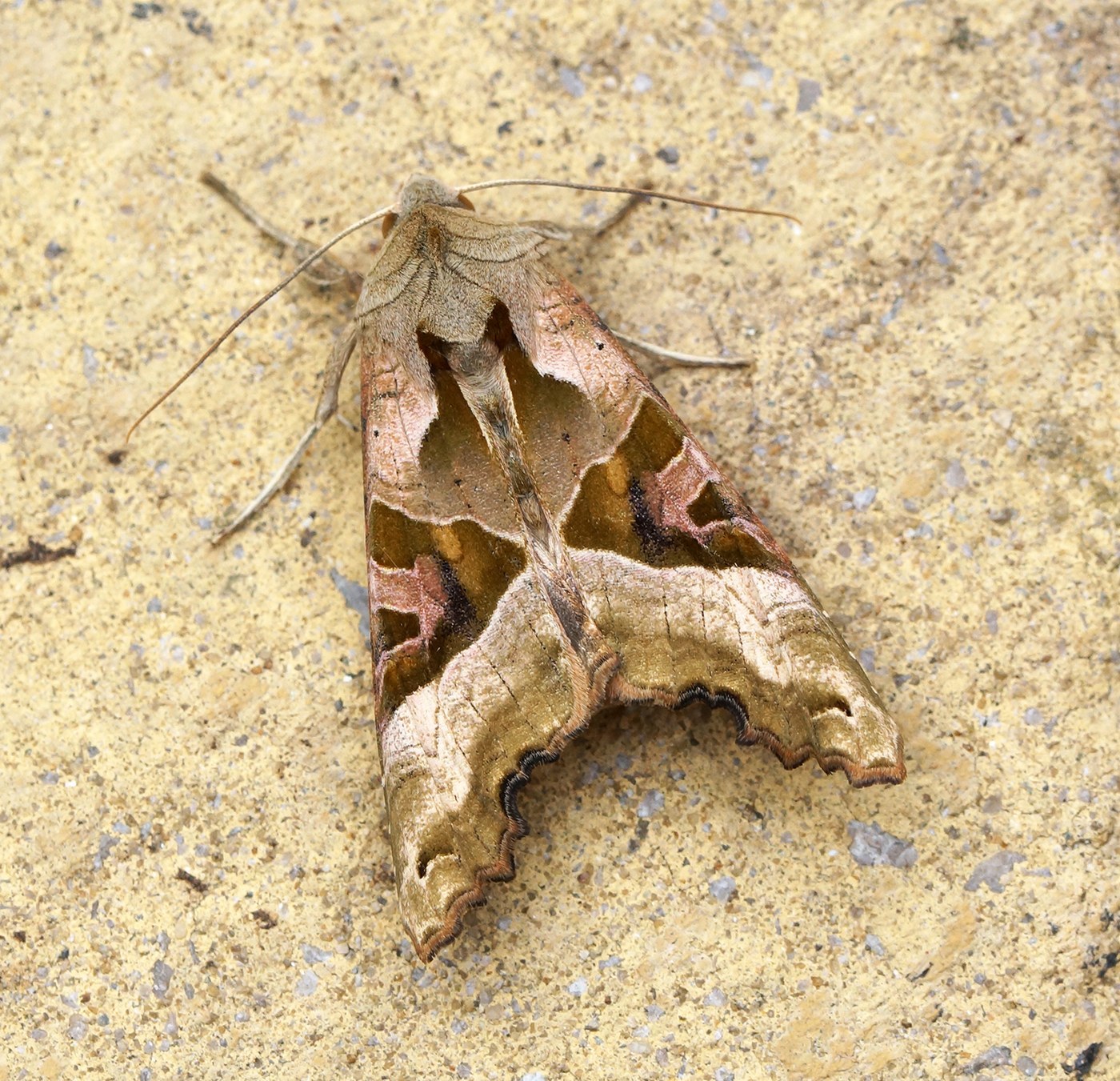
Angle Shades Moth
Gardens, hedgerows, woodland edges, urban parks
Atlas Moth
Tropical and subtropical lowland forests of Southeast Asia