
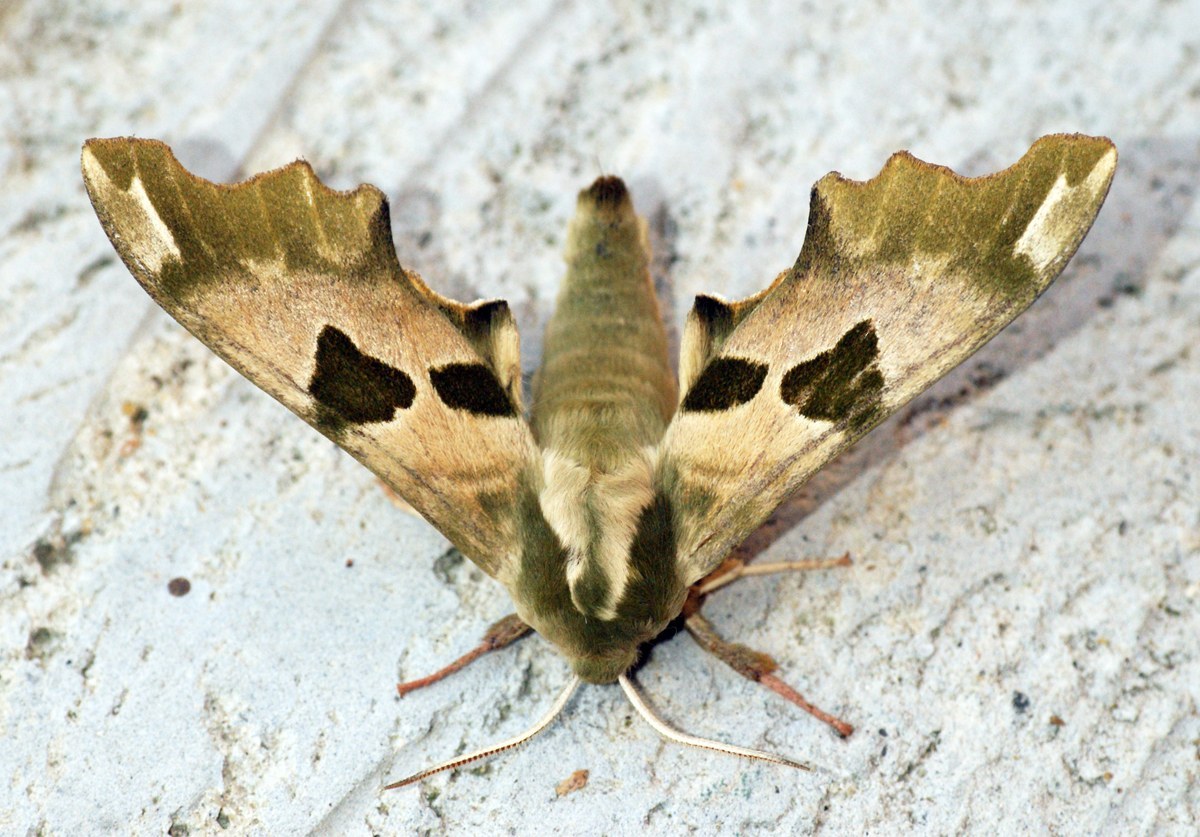
Lime Hawk-Moth
Mimas tiliae
A stout, angular-winged hawk-moth in muted greens, browns, or pinks with deeply scalloped wing margins, closely tied to lime (linden) trees for its larval development.
- Size
- 2.2–2.7 in wingspan
- Habitat
- Parks, gardens, and woodland edges with lime (linden) trees across Europe and western Asia
- Danger
- Harmless
Spotted a bug like this?
Identify any bug or insect from a photo, free.
Overview
The lime hawk-moth is a member of the family Sphingidae found across much of Europe and into western Asia. It is named for its most common larval host plant, the lime or linden tree, though its caterpillars can also develop on elm and birch.
Unlike many hawk-moths, adults of this species do not feed at all, relying entirely on fat reserves built up during the larval stage, which shortens their adult lifespan to little more than the time needed to mate and lay eggs.
The species is notable for its unusually variable coloration, ranging from olive-green to pinkish-brown, and for the jagged, notched shape of its forewings, which helps it blend in with dead or curled leaves at rest.
How to Identify
- Medium-large hawk-moth with irregular, scalloped or notched wing margins unlike the smoother edges of most related species.
- Forewing coloration is highly variable, ranging from olive-green to pink-tinged brown, usually marked with darker, diffuse patches or bands.
- Body is stout and tapered, held close to the wings at rest in a leaf-like posture.
- Lookalikes: other Sphingidae in Europe, but the notched wing outline combined with green or pink tones is a reliable distinguishing feature.
Habitat & Range
Widespread across Europe into western Asia, the lime hawk-moth is found in parks, gardens, hedgerows, and woodland edges wherever lime, elm, or birch trees are present, including urban and suburban settings. Adults fly mainly in late spring to early summer, are active at night, and are occasionally attracted to lights, while larvae are found on host foliage through summer.
Behavior & Diet
Adults do not feed and are active only at night, spending the day resting motionless on bark or foliage where their mottled, leaf-like coloring provides camouflage. Larvae are leaf-feeding herbivores, consuming lime, elm, or birch foliage and growing rapidly through several instars before descending to pupate in the soil. As with other hawk-moths, the species plays a minor ecological role as prey for birds and bats and, at the larval stage, as a herbivore of deciduous trees.
Life Cycle
Eggs are laid on the leaves of host trees and hatch into green, horned caterpillars typical of sphinx moths, which feed through summer before dropping to the ground to pupate in loose soil or leaf litter. The species overwinters as a pupa, with adults emerging the following late spring. Generally there is a single generation per year across most of its European range, though warmer regions may occasionally produce a partial second brood.
Frequently asked questions
Why are lime hawk-moths so variable in color?
Individual moths can range from green to brown to pink, likely reflecting natural variation that helps them blend with different bark and leaf backgrounds.
Does it only feed on lime trees?
Lime and linden are the most common hosts, but larvae also develop successfully on elm and birch.
Do the adults feed on flowers?
No, adult lime hawk-moths do not feed at all and live only on energy reserves stored during the caterpillar stage.
When is it most likely to be seen?
Adults fly mainly from late spring into early summer and are most often encountered at night or resting on bark or walls during the day.
Lime Hawk-Moth guides
In-depth guides for identifying, understanding, and living alongside Lime Hawk-Moth.
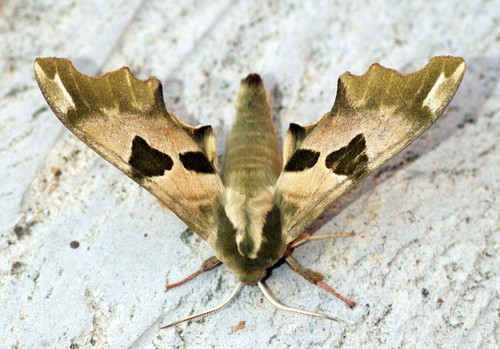
Lime Hawk-Moth identified by the community
Real finds identified with Bug Identifier.
Other bugs you may enjoy
Bagworm Moth
Coniferous and deciduous trees, shrubs, hedges
Antheraea Silkmoth
Deciduous forests, woodland edges, orchards
Ailanthus Silkmoth (Cynthia Moth)
Urban parks, wastelands, and woodland edges with tree-of-heaven; native to Asia, introduced in North America and Europe
Winter Moth
Deciduous woodland, orchards, gardens, hedgerows
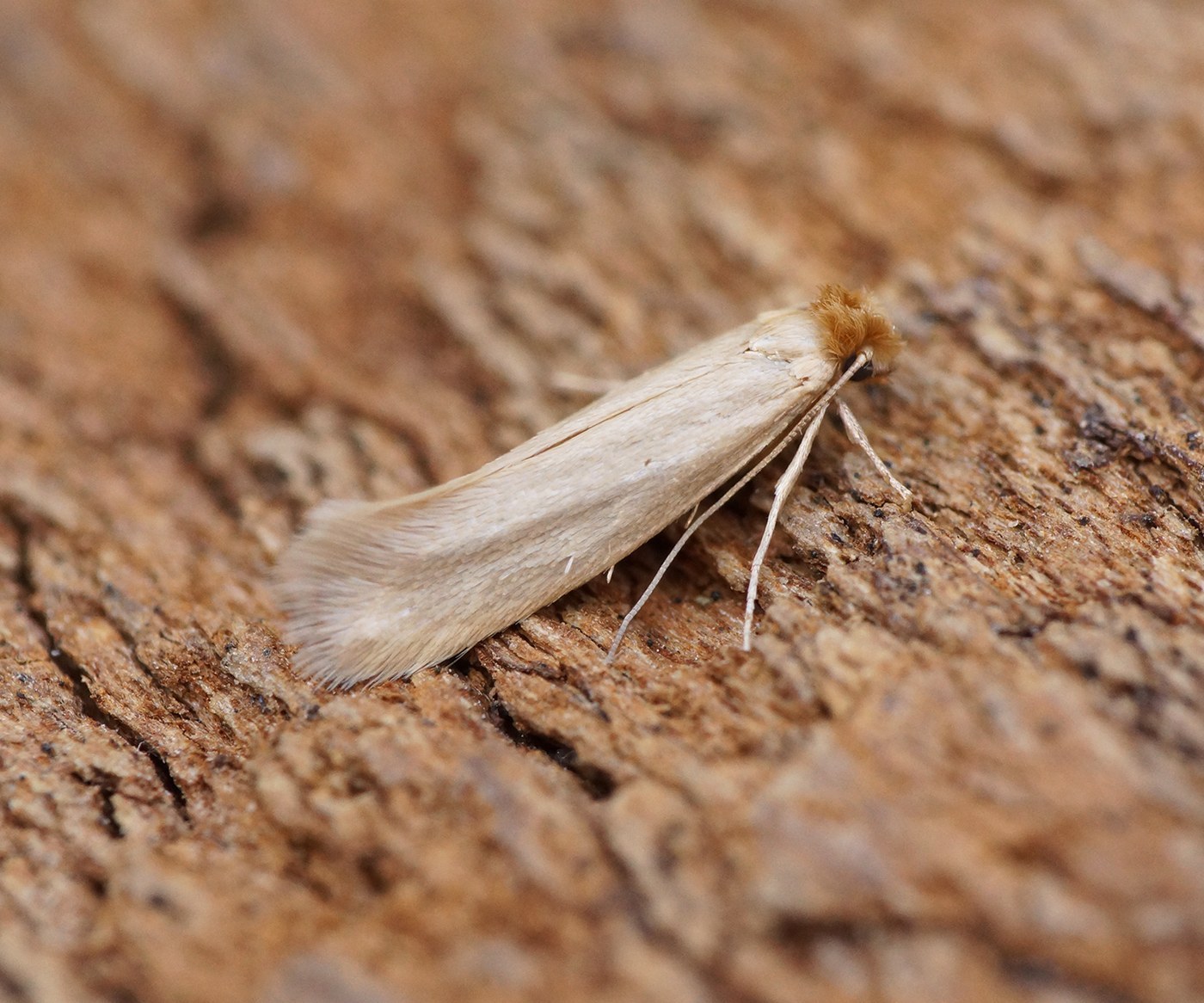
Webbing Clothes Moth
Dark closets, storage areas, and animal nests worldwide
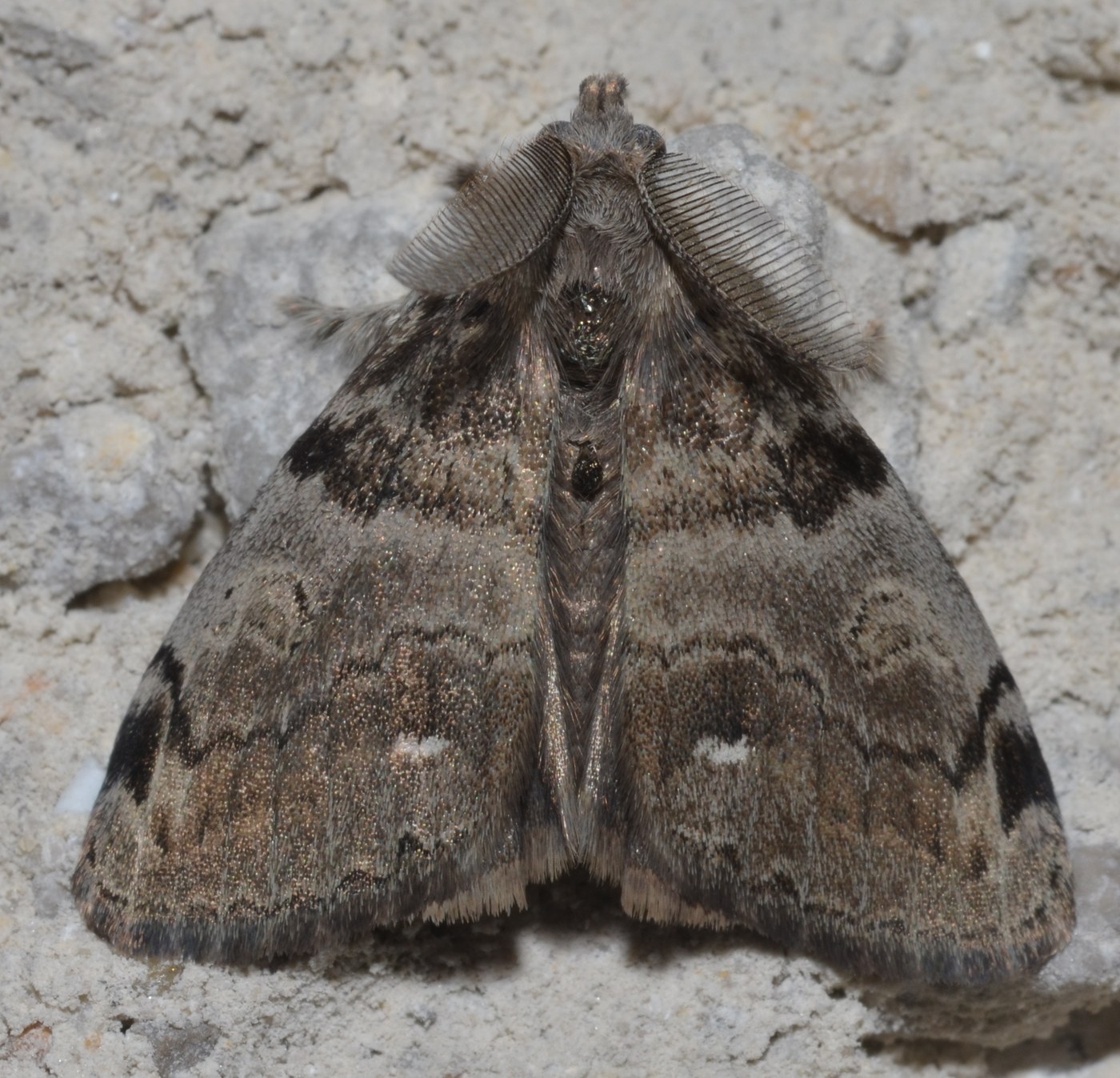
Tussock Moth
Deciduous forests, parks, gardens
Wax Moth
Beehives, apiaries, stored beeswax and comb
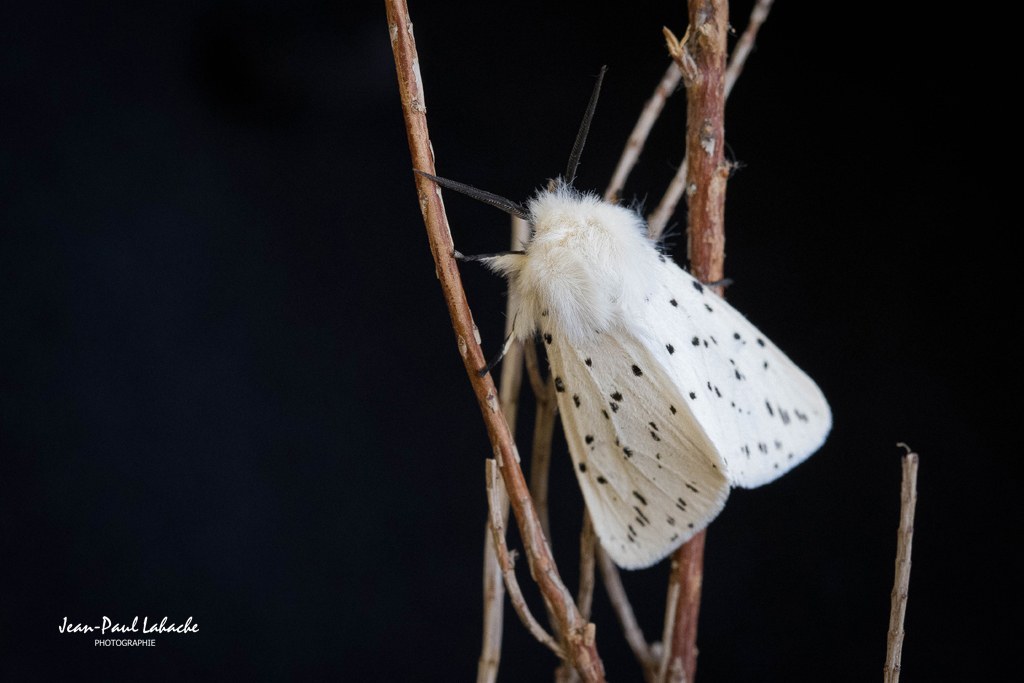
White Ermine Moth
Gardens, meadows, hedgerows
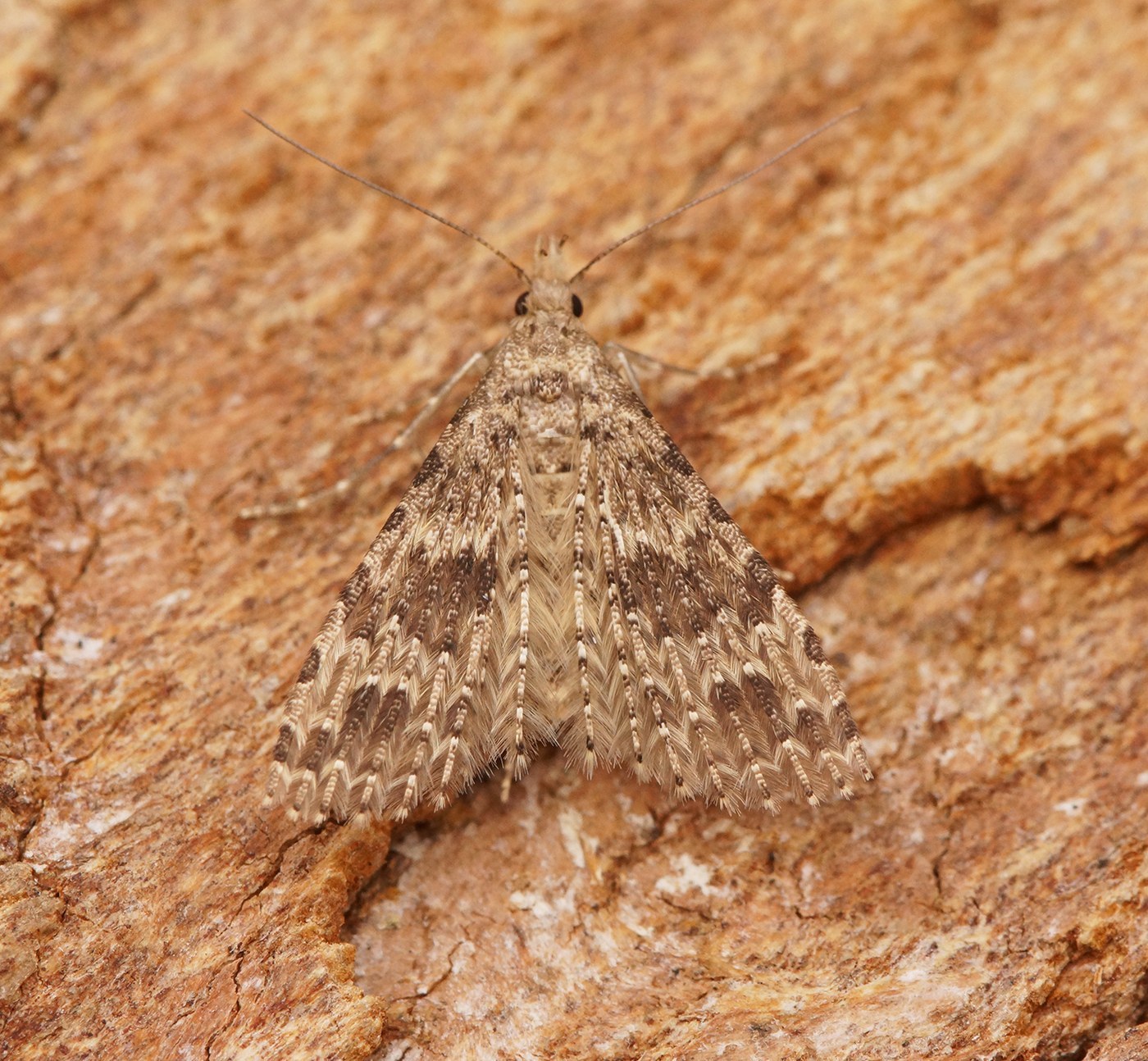
Twenty-plume Moth
Gardens, hedgerows, near honeysuckle
Achemon Sphinx Moth
Vineyards, woodland edges, gardens with wild grape
Angle Shades Moth
Gardens, hedgerows, woodland edges, urban parks
Atlas Moth
Tropical and subtropical lowland forests of Southeast Asia