
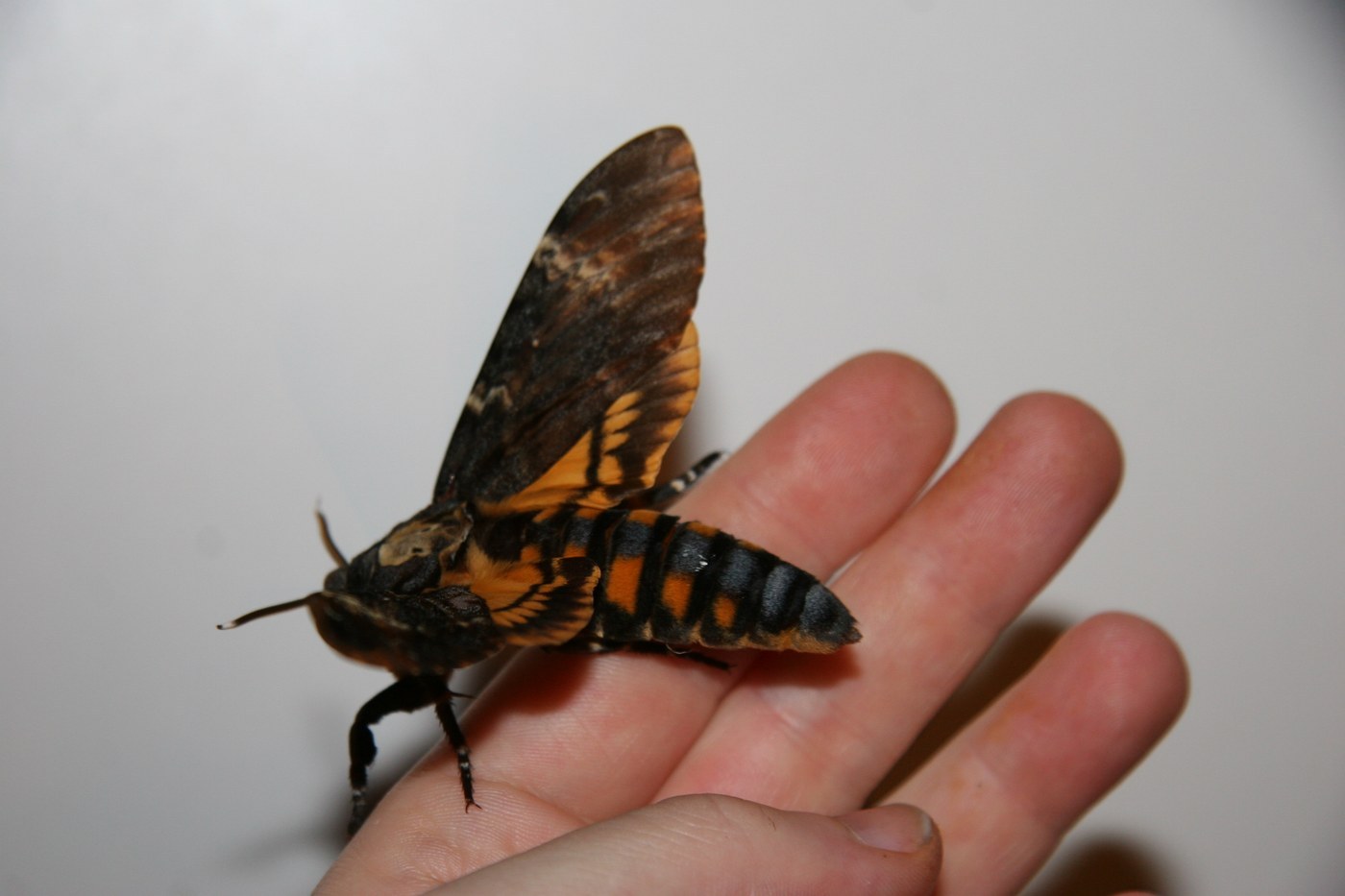
Death's-head Hawkmoth
Acherontia atropos
A large, thick-bodied hawkmoth instantly recognized by the pale, skull-and-crossbones marking on its furry thorax, famous for entering beehives and letting out a shrill squeak when disturbed.
- Size
- 3.5–5 in wingspan
- Habitat
- Open fields, gardens, and beehives across Europe and Africa
- Danger
- Harmless
Spotted a bug like this?
Identify any bug or insect from a photo, free.
Overview
The death's-head hawkmoth belongs to the family Sphingidae, the sphinx or hawkmoths, a group known for powerful flight muscles, streamlined bodies, and long proboscises. This species is one of three closely related Acherontia moths sharing the eerie skull pattern, and it has become a fixture of folklore and popular culture, appearing on movie posters and in gothic art because of its uncanny markings.
Beyond its striking appearance, the moth is notable for an unusual set of behaviors rarely seen in insects: it can squeak audibly by forcing air through its pharynx, and it is one of the few moths capable of raiding honeybee colonies, using chemical mimicry and its tough cuticle to move among bees largely undetected while feeding on stored honey.
It is a strong migrant, breeding in warmer parts of Africa and the Mediterranean and dispersing north into temperate Europe during summer months, making it a notable but irregular visitor far outside its core range.
How to Identify
- Heavy, spindle-shaped body with a wingspan of roughly 90–130 mm, among the largest moths in its range.
- Thorax marked with a pale yellowish skull-and-crossbones pattern set against dark brown fur — the single most distinctive field mark.
- Forewings are mottled brown, black, and buff in a bark-like camouflage pattern; hindwings are yellow-orange with dark wavy bands.
- Stout, tapered abdomen banded in yellow and blue-black.
- Lookalikes include the lesser death's-head hawkmoth and Acherontia lachesis in Asia, which share the skull marking but differ subtly in wing pattern and range.
Habitat & Range
Found across Africa and southern Europe, with seasonal migrants reaching as far north as the British Isles and Scandinavia in some years. Adults favor open countryside, gardens, potato and tobacco fields, and areas near beehives. Active mainly at dusk and after dark during the warmer months, from late spring through autumn in temperate regions.
Behavior & Diet
Adults feed on fermenting sap, damaged fruit, and honey rather than typical flower nectar, and are well known for entering active beehives to steal honey, tolerating bees thanks to a thick cuticle and possible chemical camouflage. When handled or alarmed, the moth produces a distinctive squeaking sound by expelling air rapidly through its throat, a rare trait among moths thought to startle predators. The caterpillars are large, horned, and feed on nightshade-family plants such as potato, tomato, and henbane.
Life Cycle
Eggs are laid singly on host plant leaves and hatch into large green or brown caterpillars bearing a curved posterior horn, which pass through several instars over a few weeks. Mature larvae burrow into soil to pupate in an underground chamber, emerging as adults after several weeks depending on temperature. In warm climates two or more generations occur per year, while migrant populations in cooler regions generally cannot overwinter and are reestablished by fresh arrivals each season.
Frequently asked questions
Why does it have a skull pattern on its back?
The pale, skull-like marking on the thorax is a natural pigmentation pattern unique to the genus Acherontia; its exact function isn't settled, though it has made the moth culturally famous.
Does it really make a sound?
Yes, it can produce an audible squeak by forcing air through its pharynx, one of very few moths known to do this.
Is it native to Britain or the US?
No — it's native to Africa and the Mediterranean and only appears in northern Europe as an irregular summer migrant; it does not occur in North America.
What does the caterpillar look like?
A large green or brown larva with diagonal side stripes and a curved horn near the tail end, typical of hawkmoth caterpillars.
Death's-head Hawkmoth guides
In-depth guides for identifying, understanding, and living alongside Death's-head Hawkmoth.
Other bugs you may enjoy
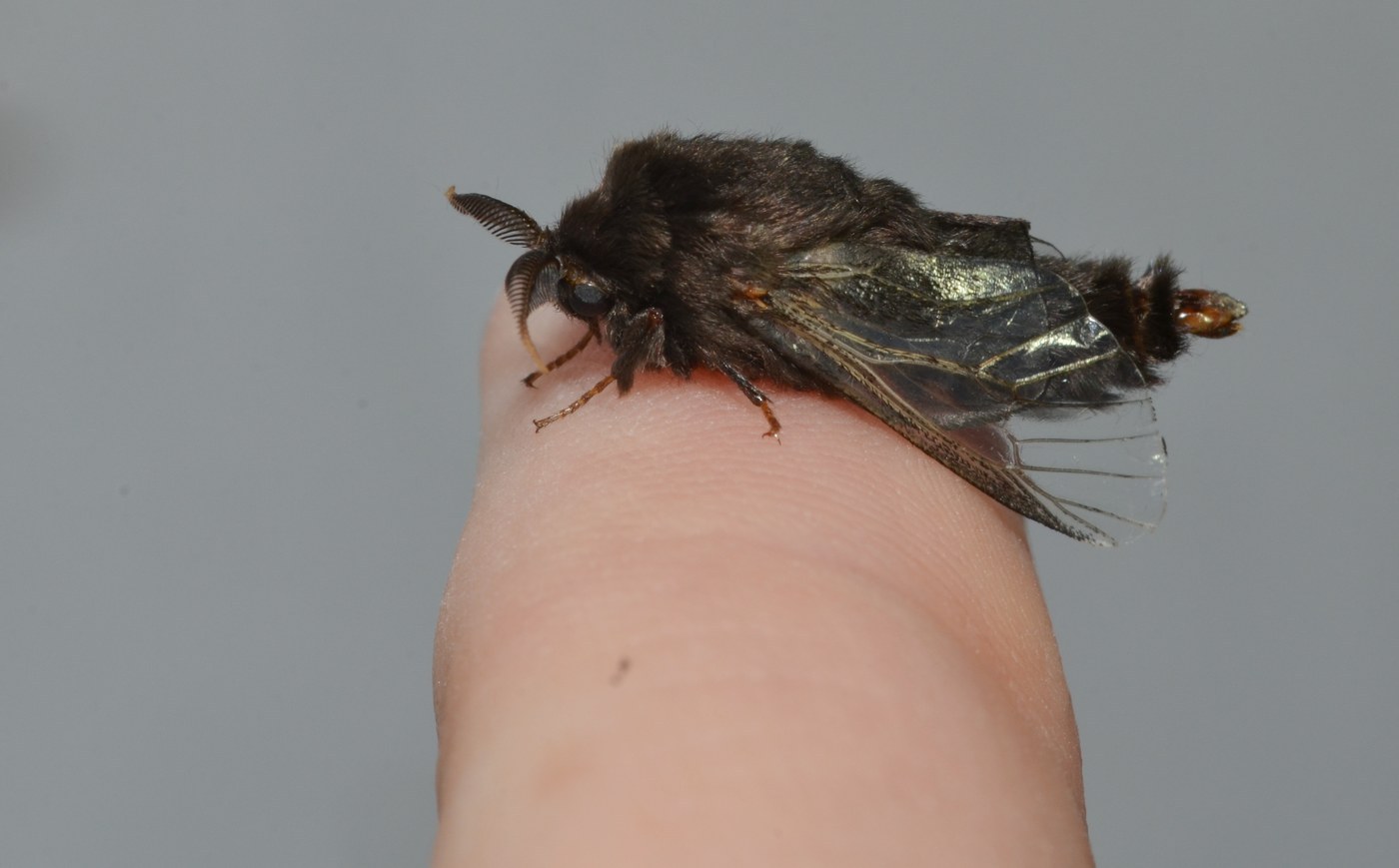
Bagworm Moth
Coniferous and deciduous trees, shrubs, hedges
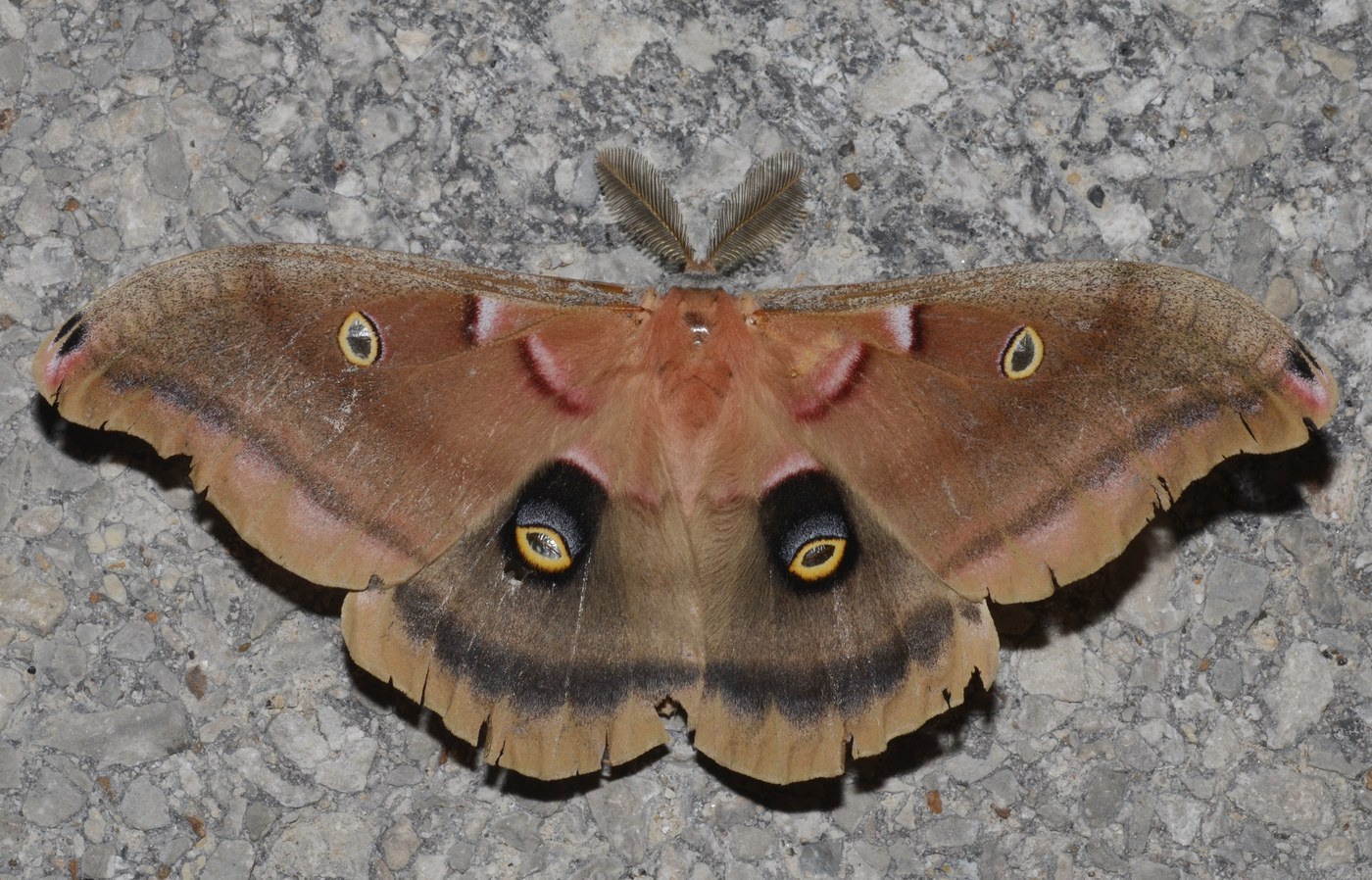
Antheraea Silkmoth
Deciduous forests, woodland edges, orchards
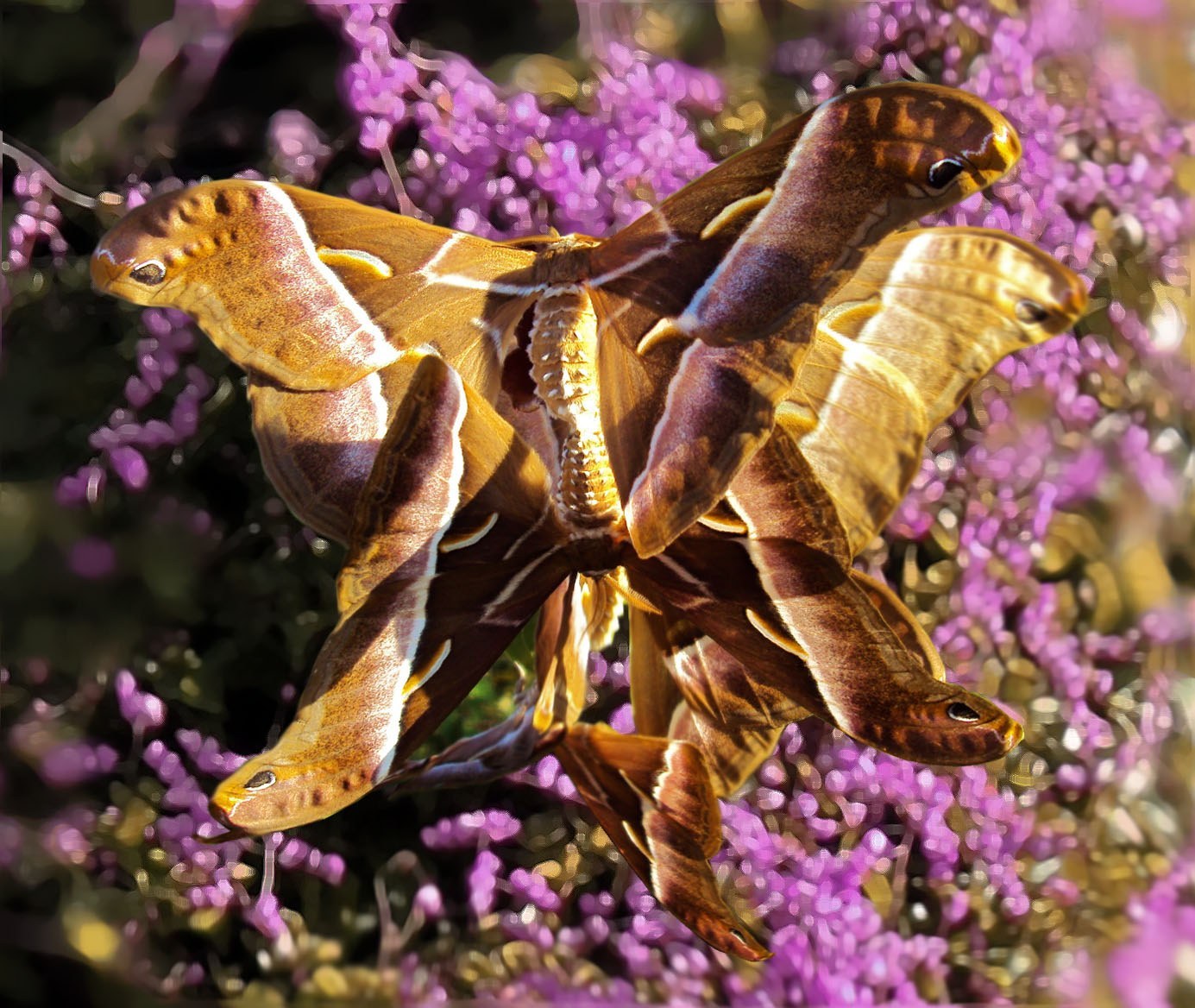
Ailanthus Silkmoth (Cynthia Moth)
Urban parks, wastelands, and woodland edges with tree-of-heaven; native to Asia, introduced in North America and Europe
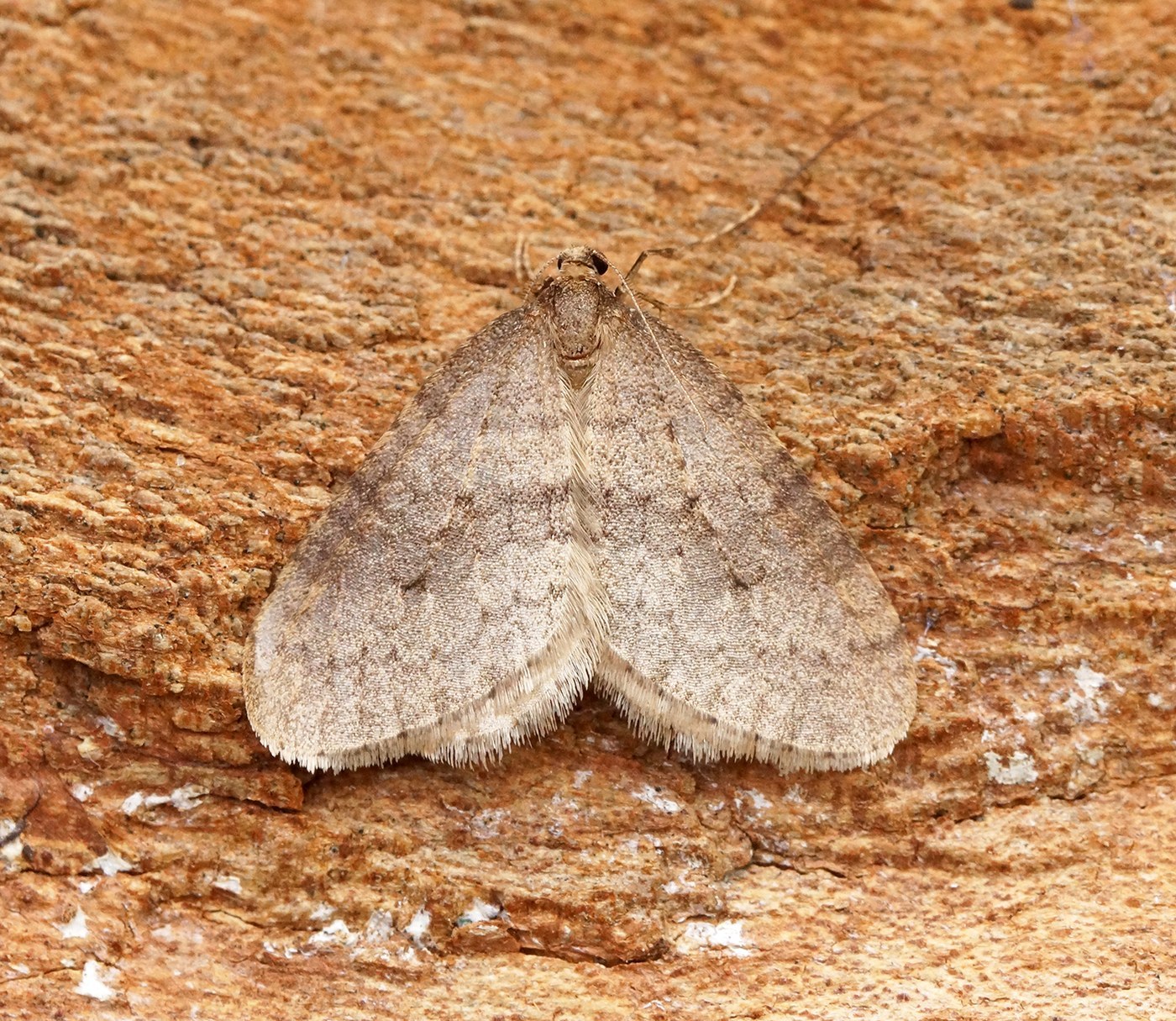
Winter Moth
Deciduous woodland, orchards, gardens, hedgerows
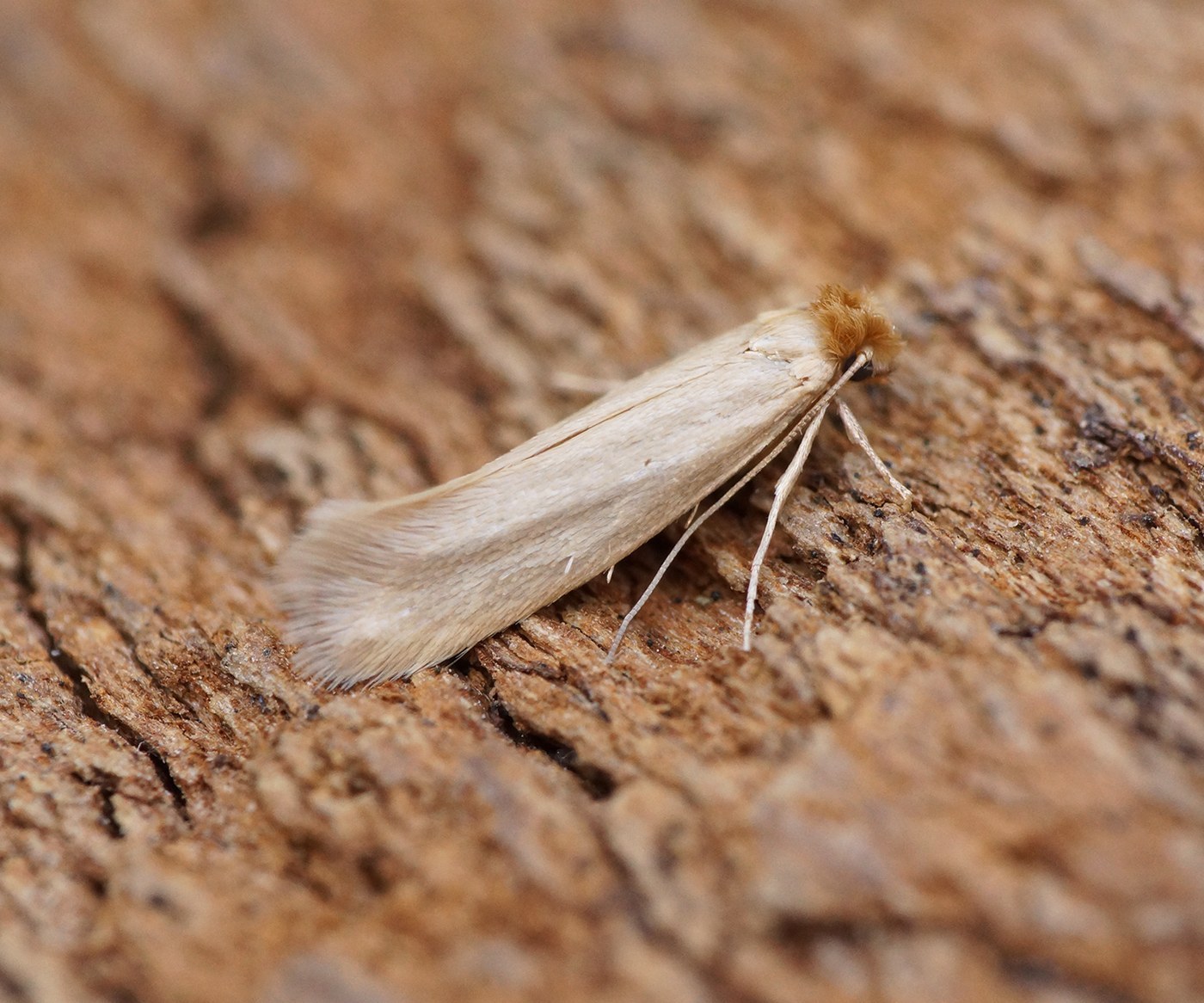
Webbing Clothes Moth
Dark closets, storage areas, and animal nests worldwide
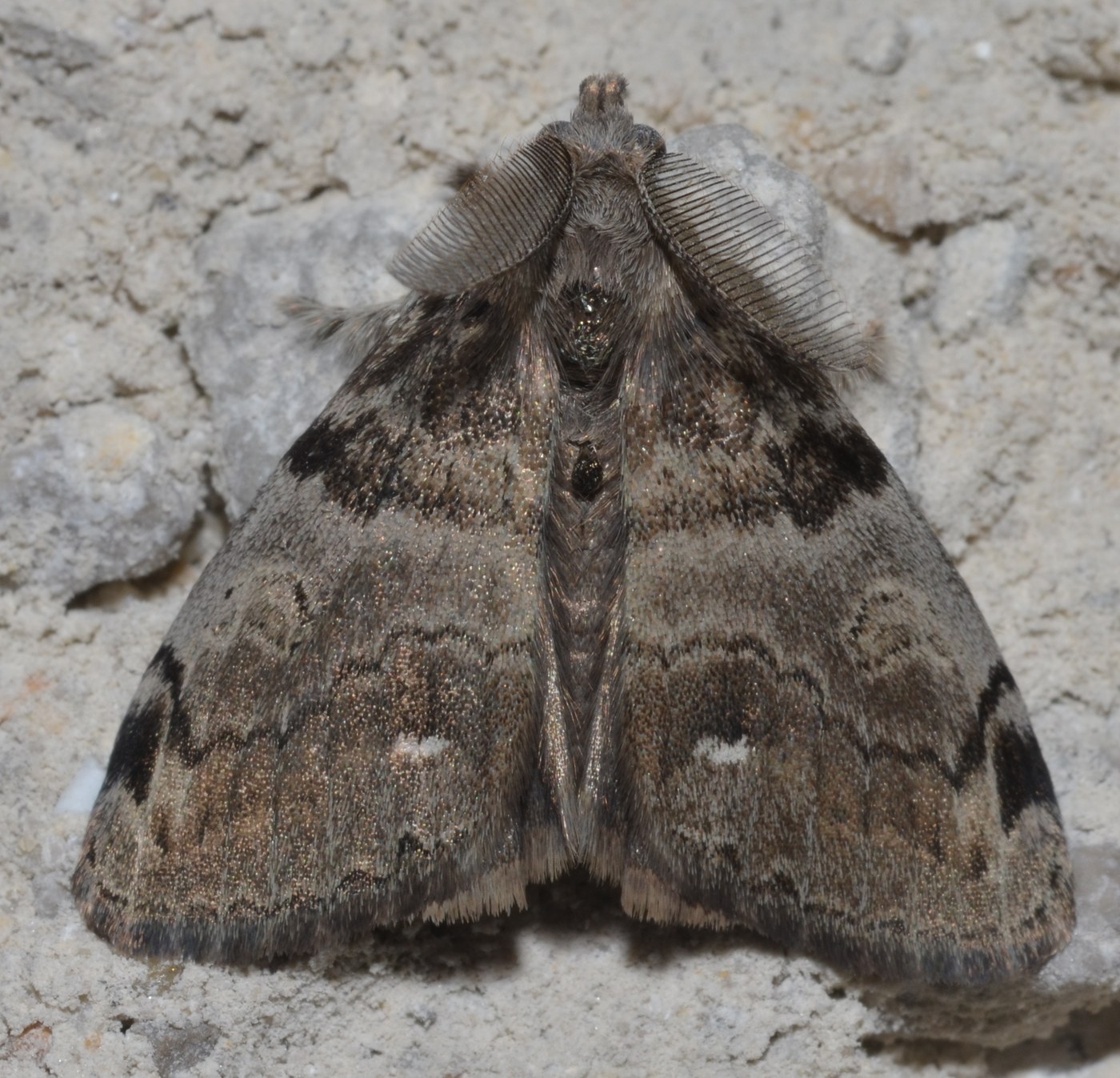
Tussock Moth
Deciduous forests, parks, gardens
Wax Moth
Beehives, apiaries, stored beeswax and comb
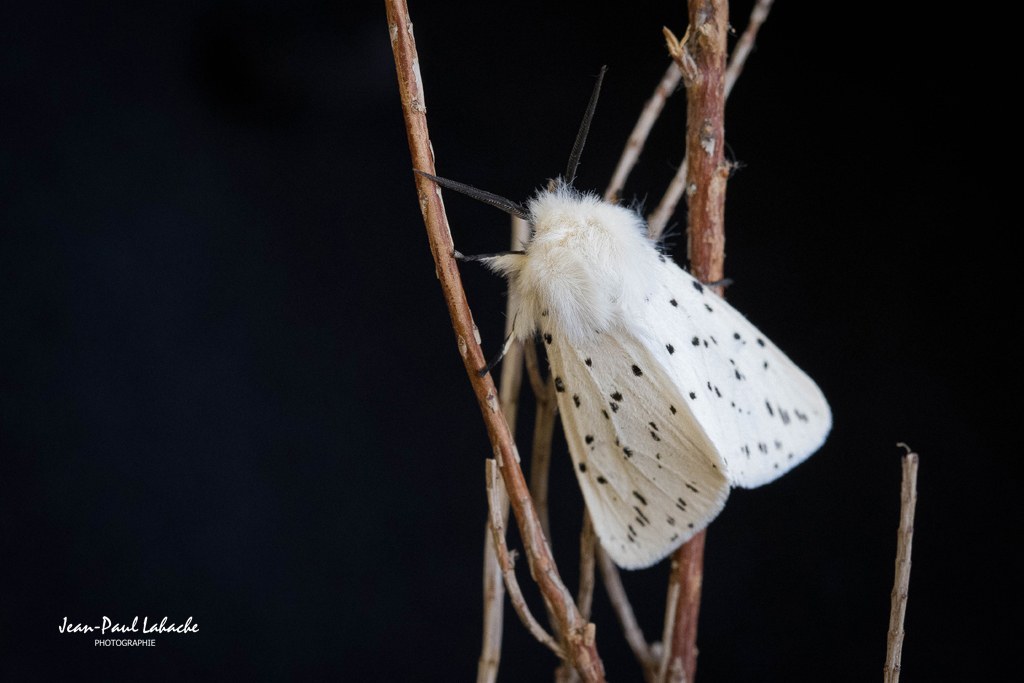
White Ermine Moth
Gardens, meadows, hedgerows
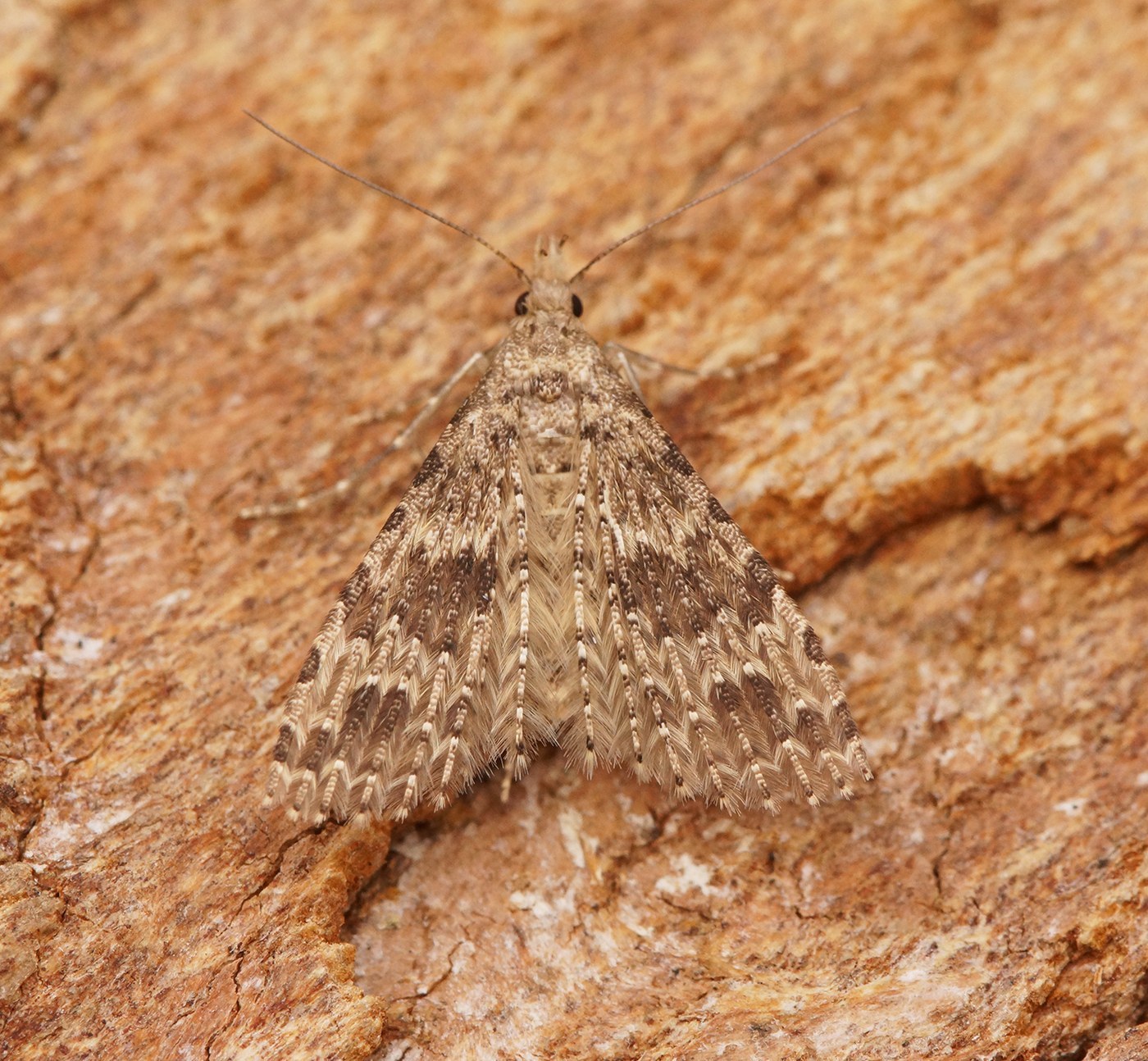
Twenty-plume Moth
Gardens, hedgerows, near honeysuckle
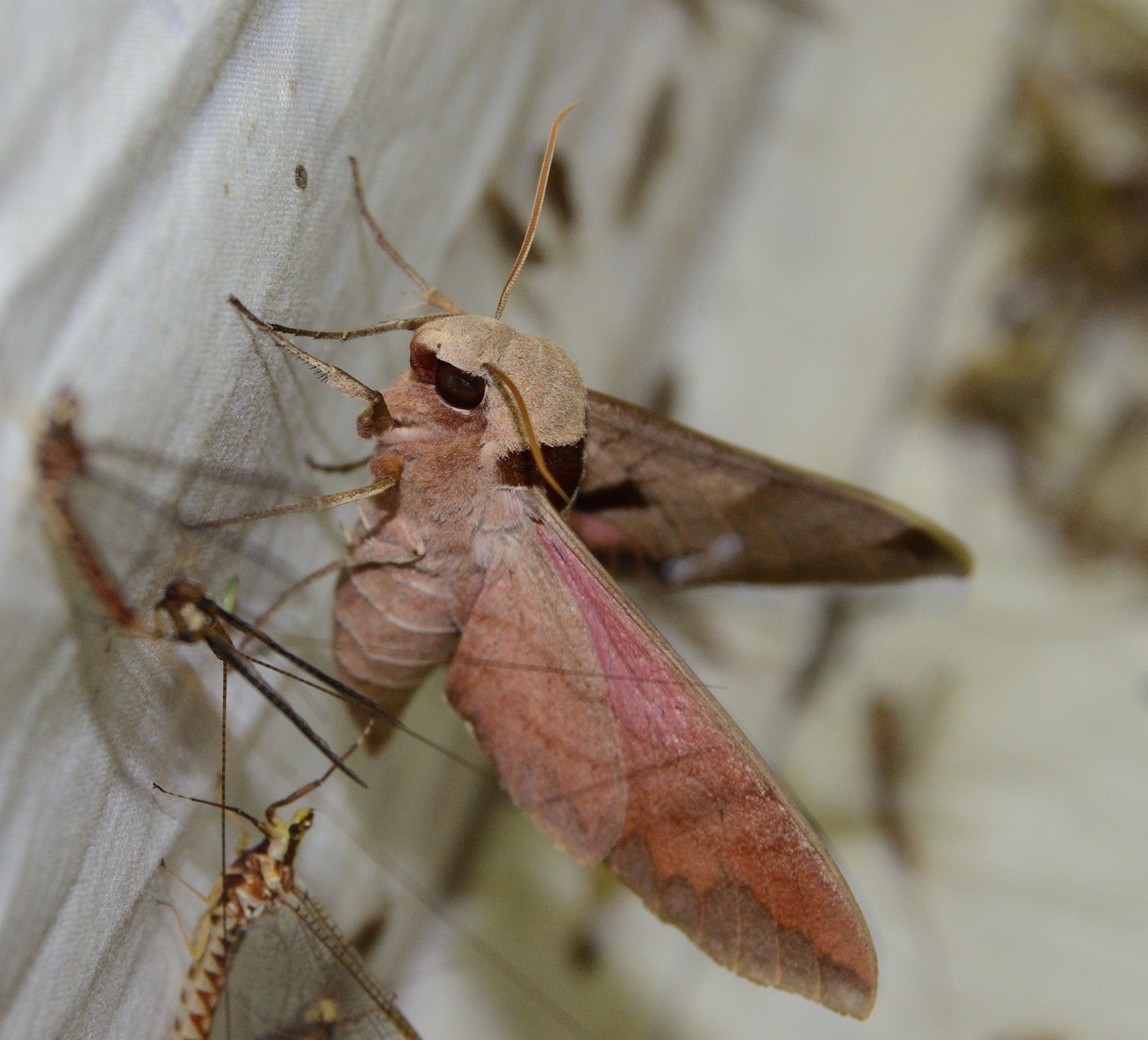
Achemon Sphinx Moth
Vineyards, woodland edges, gardens with wild grape
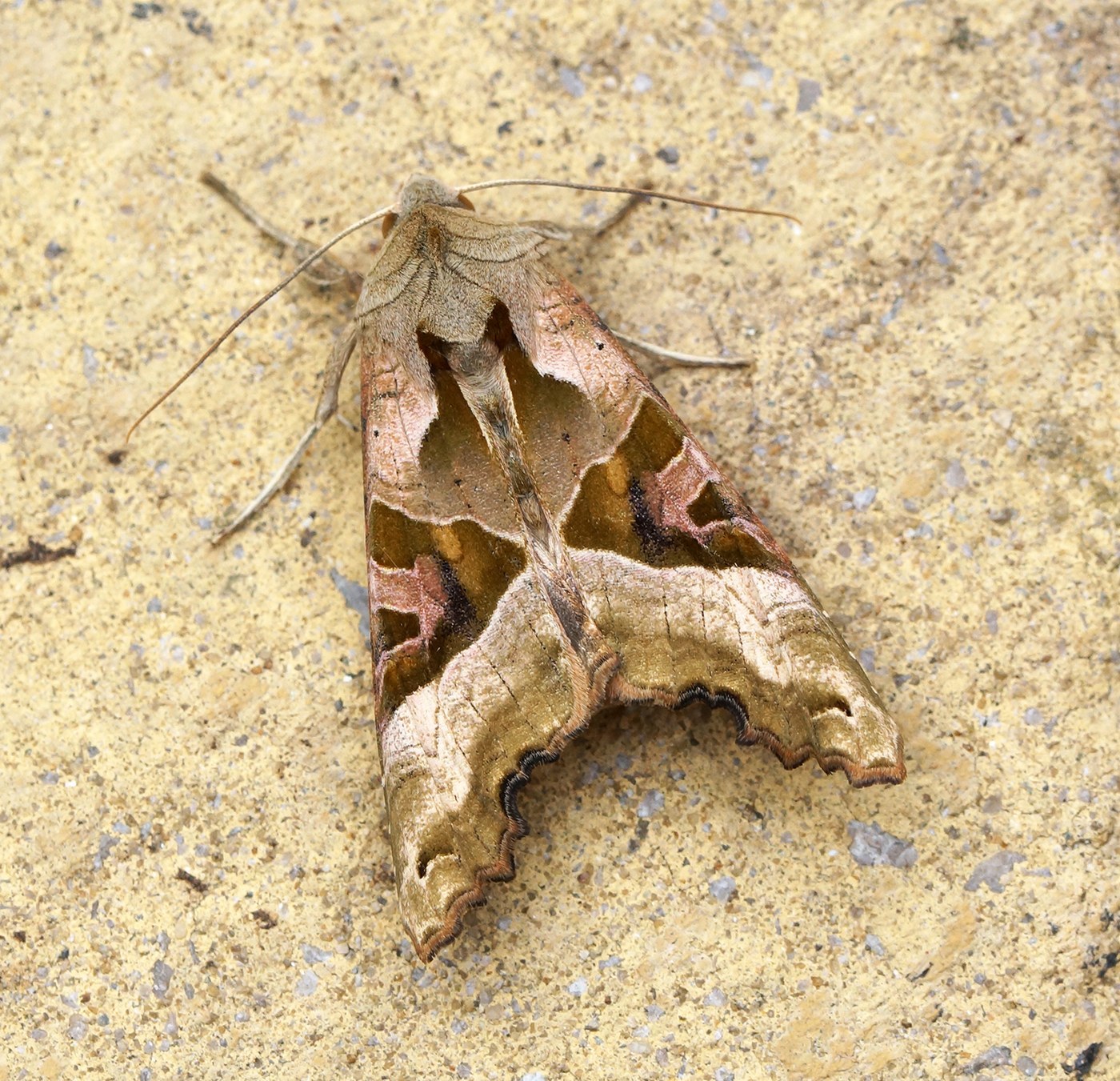
Angle Shades Moth
Gardens, hedgerows, woodland edges, urban parks
Atlas Moth
Tropical and subtropical lowland forests of Southeast Asia