
Promethea Moth
Callosamia promethea
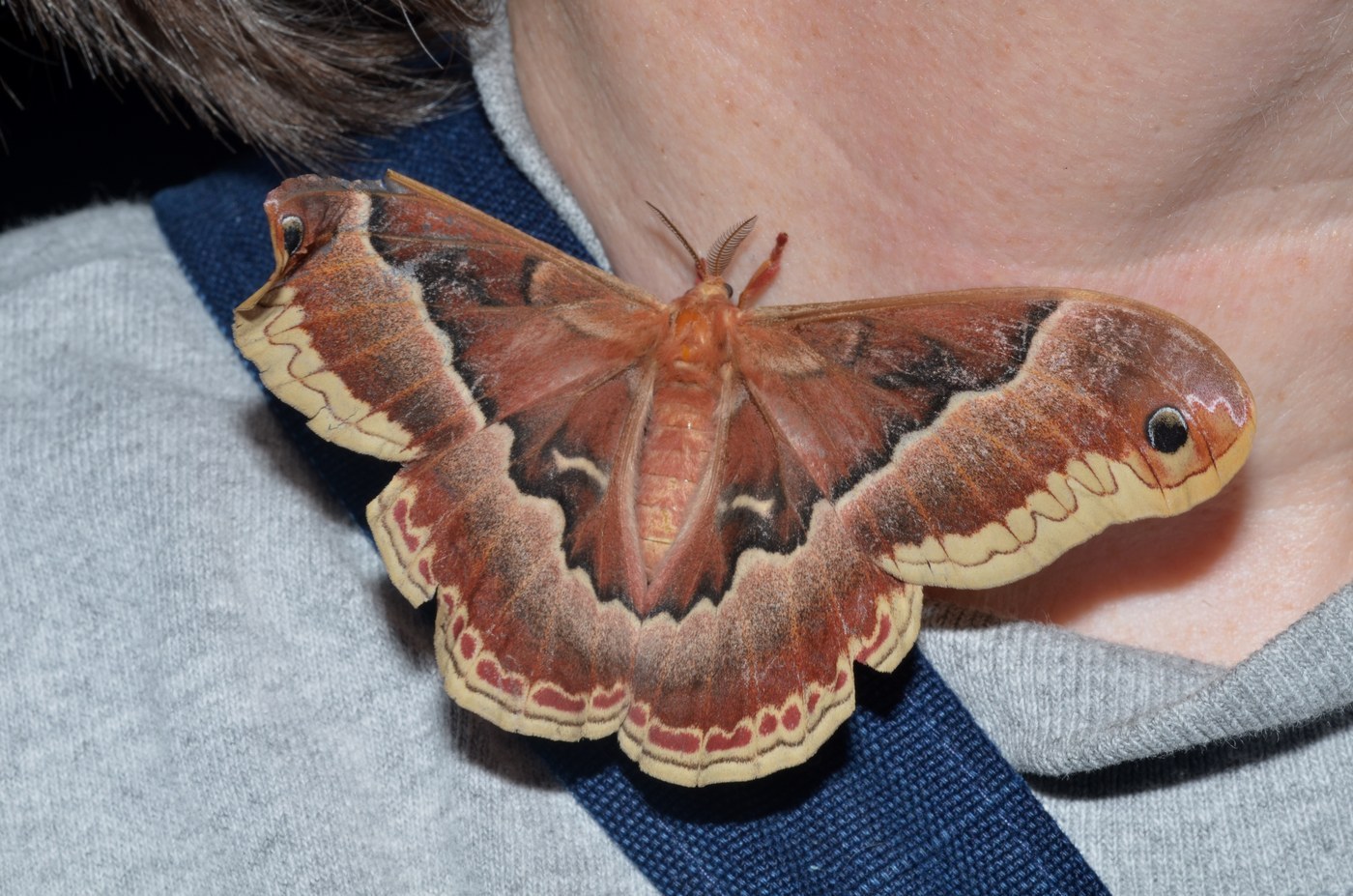
A medium-sized silk moth showing striking differences between the sexes, with dark, blackish-maroon males that mimic a distasteful swallowtail butterfly in flight and larger, more colorful reddish-brown females marked with pale borders and eyespots.
- Size
- 3–4 in wingspan
- Habitat
- Deciduous woodlands across eastern North America
- Danger
- Harmless
Spotted a bug like this?
Identify any bug or insect from a photo, free.
Overview
The Promethea moth is a member of the family Saturniidae, the giant silk moths, notable for one of the more dramatic examples of sexual dimorphism among North American moths. Males are dark, almost black with a maroon wash, and fly during the day in a fashion that closely resembles the flight of the pipevine swallowtail butterfly, a species that many predators avoid — a striking case of mimicry protecting the otherwise vulnerable moth.
Females, by contrast, are larger, paler reddish-brown, and fly at night, relying on typical nocturnal camouflage and pheromone signaling rather than mimicry. The species is closely associated with a range of woodland trees and shrubs, particularly spicebush and sassafras, which shape both its distribution and its common regional nickname.
How to Identify
- Wingspan of roughly 75–100 mm, with females generally larger than males.
- Males are dark blackish-brown to maroon overall with a pale border along the wing margins, closely resembling the coloring and flight pattern of the pipevine swallowtail butterfly.
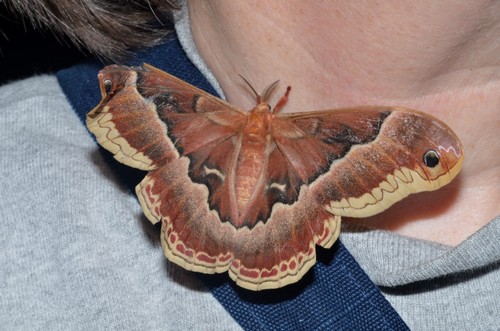
- Females are lighter reddish-brown to tan with distinct pale tan borders and small eyespots on both fore- and hindwings.
- Body is stout and furry, typical of silk moths, without functional feeding mouthparts.
- Distinguished from other Callosamia species by the male's day-flying swallowtail mimicry, unusual among silk moths which are typically nocturnal.
Habitat & Range
Found across the eastern United States and southeastern Canada, in deciduous woodlands, woodland edges, and areas with abundant host shrubs and trees such as spicebush, sassafras, wild cherry, and tulip tree. Males fly by day, particularly in the afternoon, while females are primarily active at night; the flight period runs mainly through late spring and summer.
Behavior & Diet
Males rely on daytime flight and coloration that mimics the pipevine swallowtail butterfly, likely reducing predation risk by association, an example of Batesian mimicry. Females typically remain still during the day, releasing pheromones at dusk to attract mates and flying primarily after dark to disperse eggs. Caterpillars feed on the foliage of a range of woody plants and, notably, spin their cocoons wrapped in a curled leaf secured to the twig with silk, a distinctive overwintering adaptation.
Life Cycle
Eggs are laid in small groups on host plant leaves and hatch into caterpillars that pass through several instars, changing color and developing small colorful tubercles as they mature. Before pupating, the caterpillar reinforces the leaf's petiole with silk so the leaf remains attached to the twig through winter rather than falling, then spins its cocoon inside the curled, silk-wrapped leaf. The pupa overwinters within this protected cocoon, with the adult moth emerging the following late spring or summer, typically producing one generation per year across most of its range.
Frequently asked questions
Why do the males look so different from a typical moth?
Males are dark and fly during the day, closely mimicking the appearance and flight style of the pipevine swallowtail butterfly, likely to avoid predators.
Why are males and females colored so differently from each other?
Males rely on daytime mimicry of a swallowtail butterfly for protection, while females are nocturnal and colored more like typical camouflaged night-flying silk moths.
What does the cocoon look like?
It's a distinctive cocoon spun inside a curled leaf that stays attached to the twig by reinforced silk through winter, rather than falling to the ground.
What plants does the caterpillar eat?
It feeds on a range of woody plants including spicebush, sassafras, wild cherry, and tulip tree, among others.
Promethea Moth guides
In-depth guides for identifying, understanding, and living alongside Promethea Moth.
Promethea Moth identified by the community
Real finds identified with Bug Identifier.
Other bugs you may enjoy
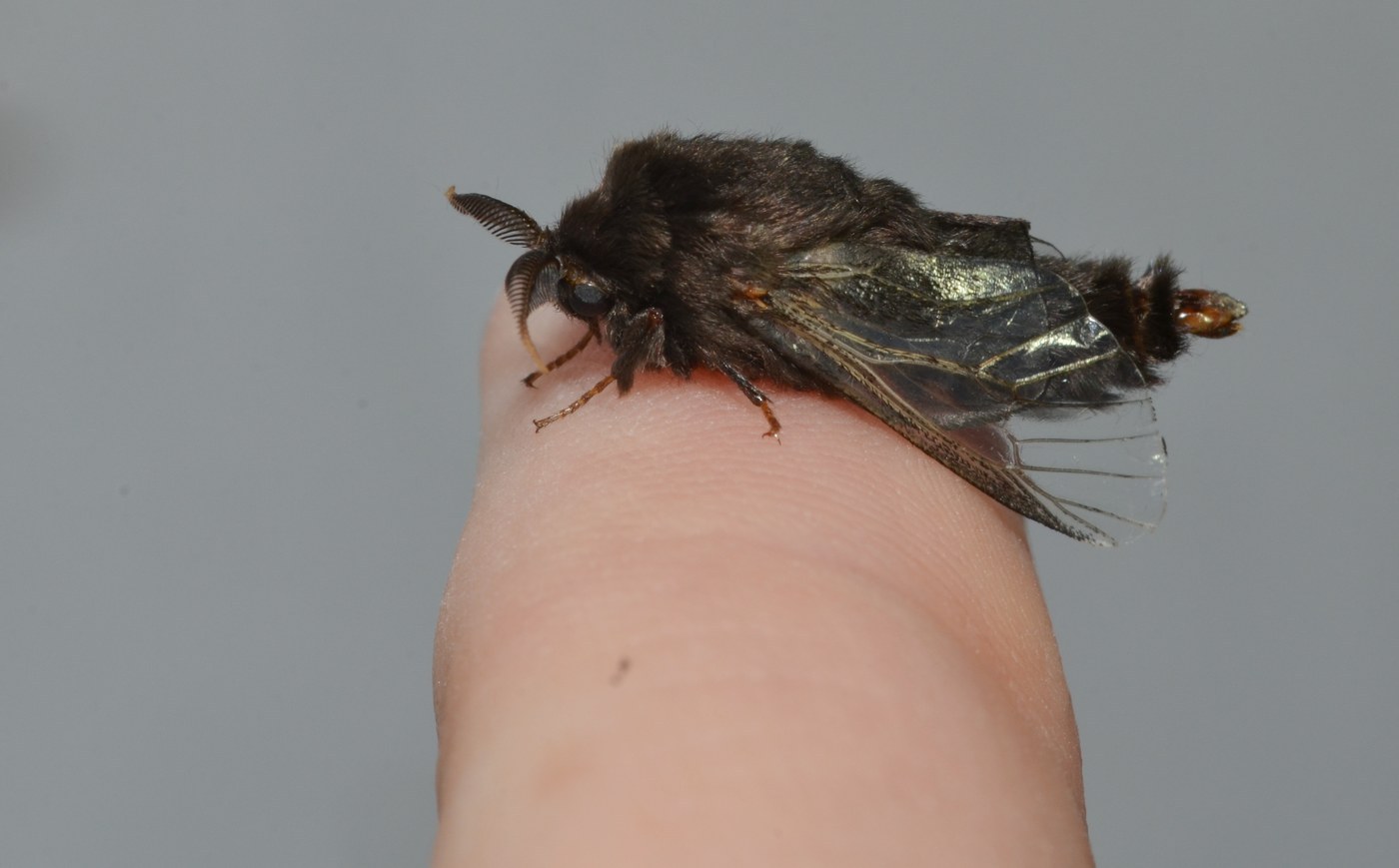
Bagworm Moth
Coniferous and deciduous trees, shrubs, hedges
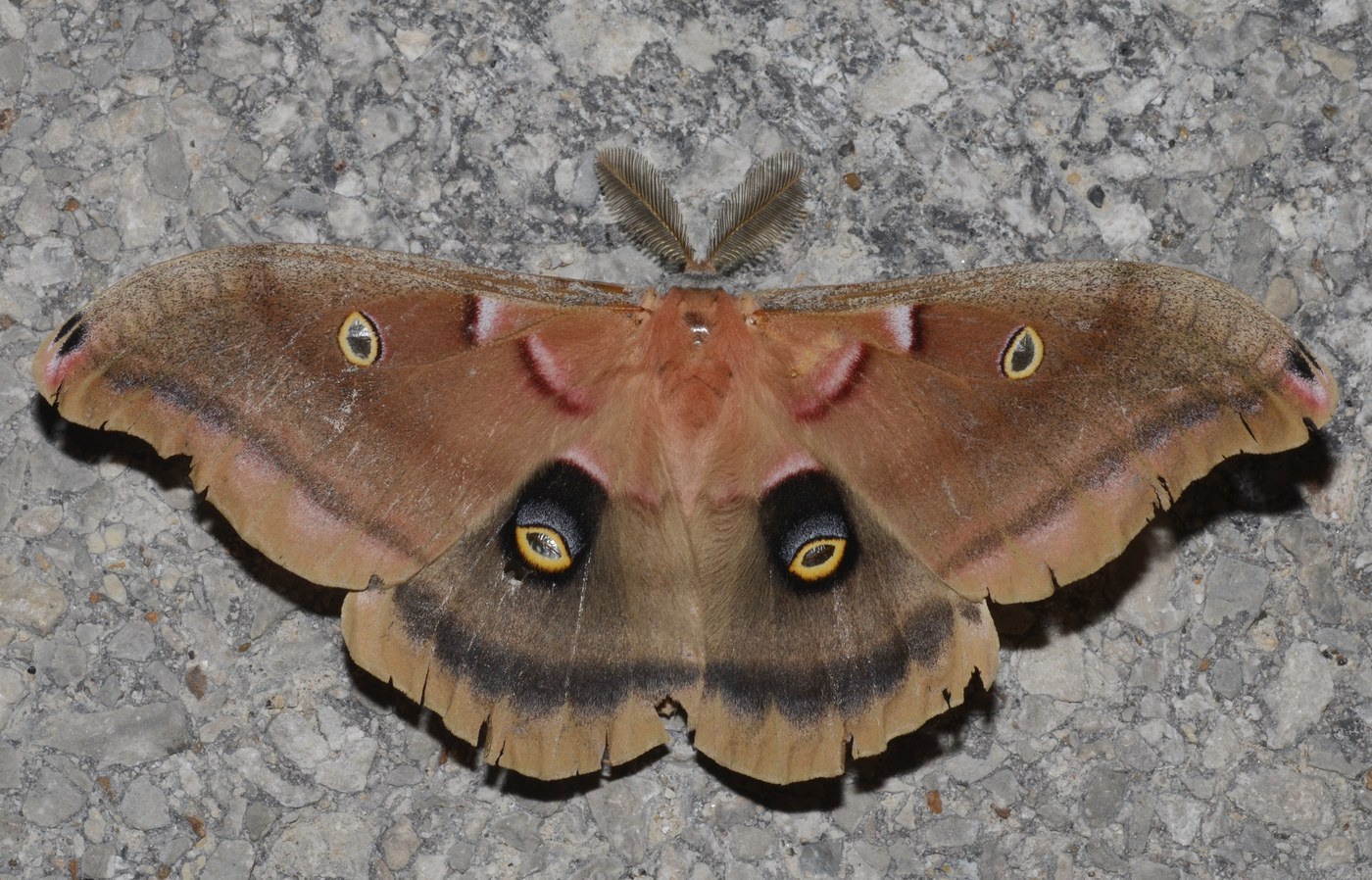
Antheraea Silkmoth
Deciduous forests, woodland edges, orchards
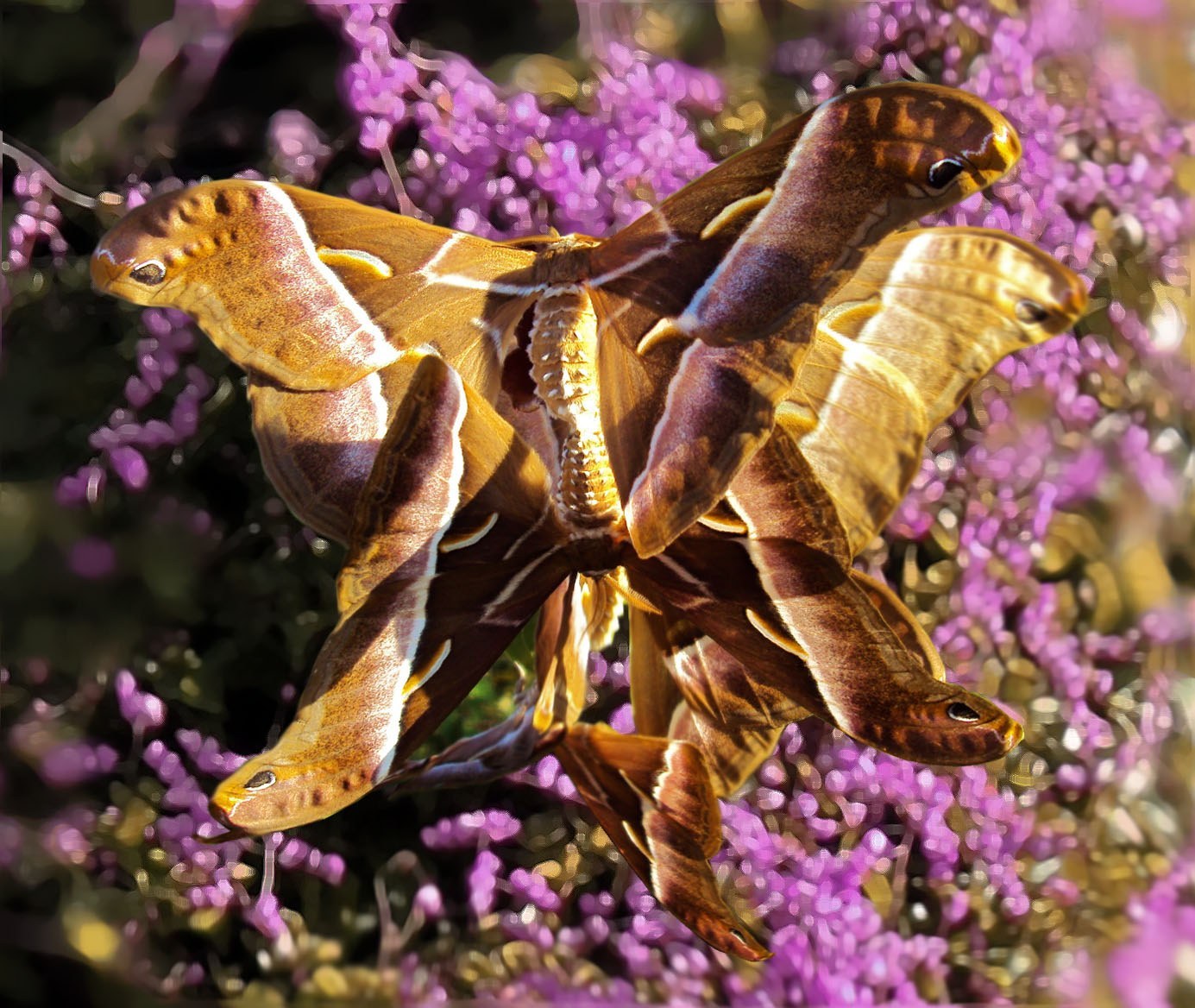
Ailanthus Silkmoth (Cynthia Moth)
Urban parks, wastelands, and woodland edges with tree-of-heaven; native to Asia, introduced in North America and Europe
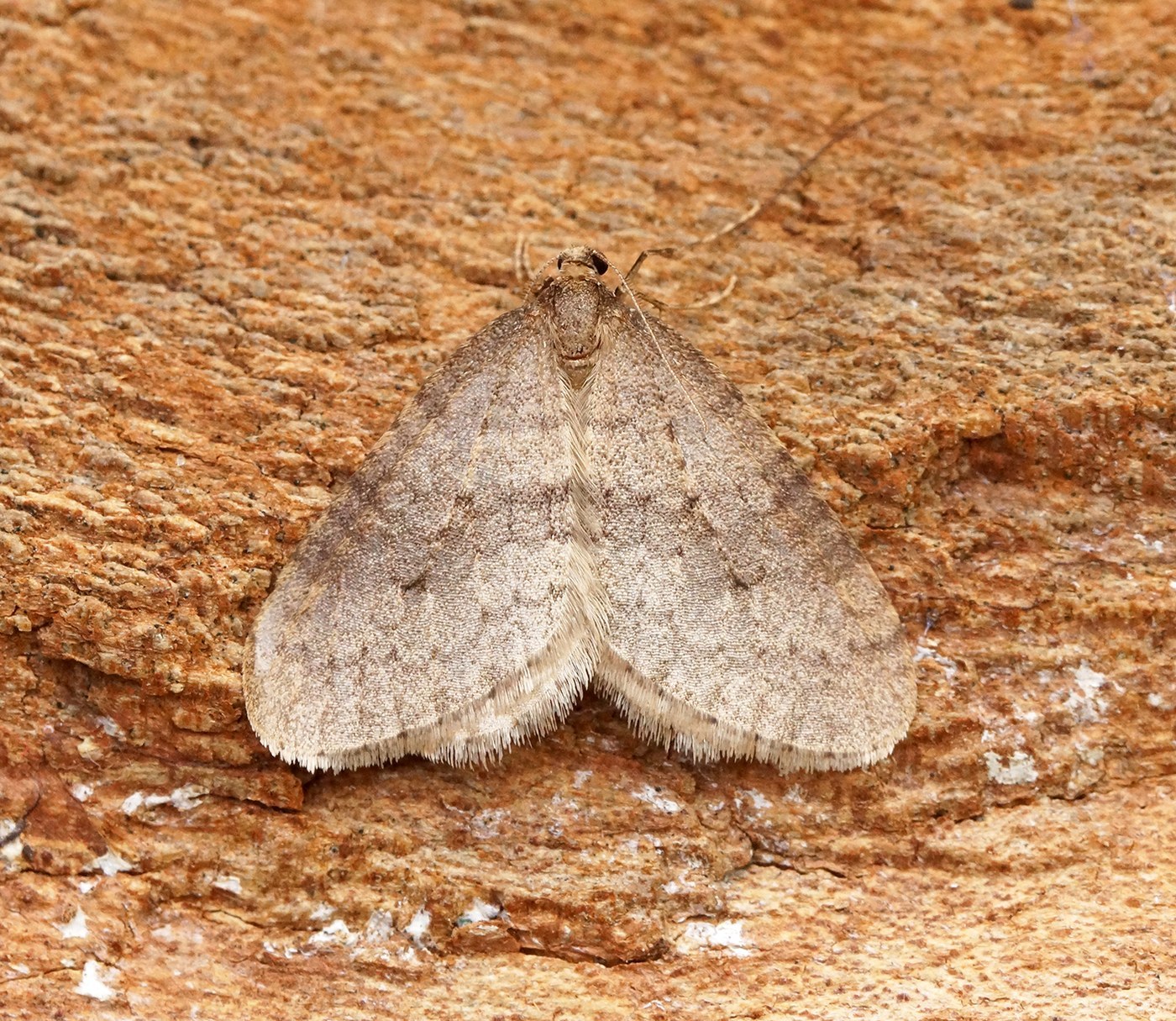
Winter Moth
Deciduous woodland, orchards, gardens, hedgerows
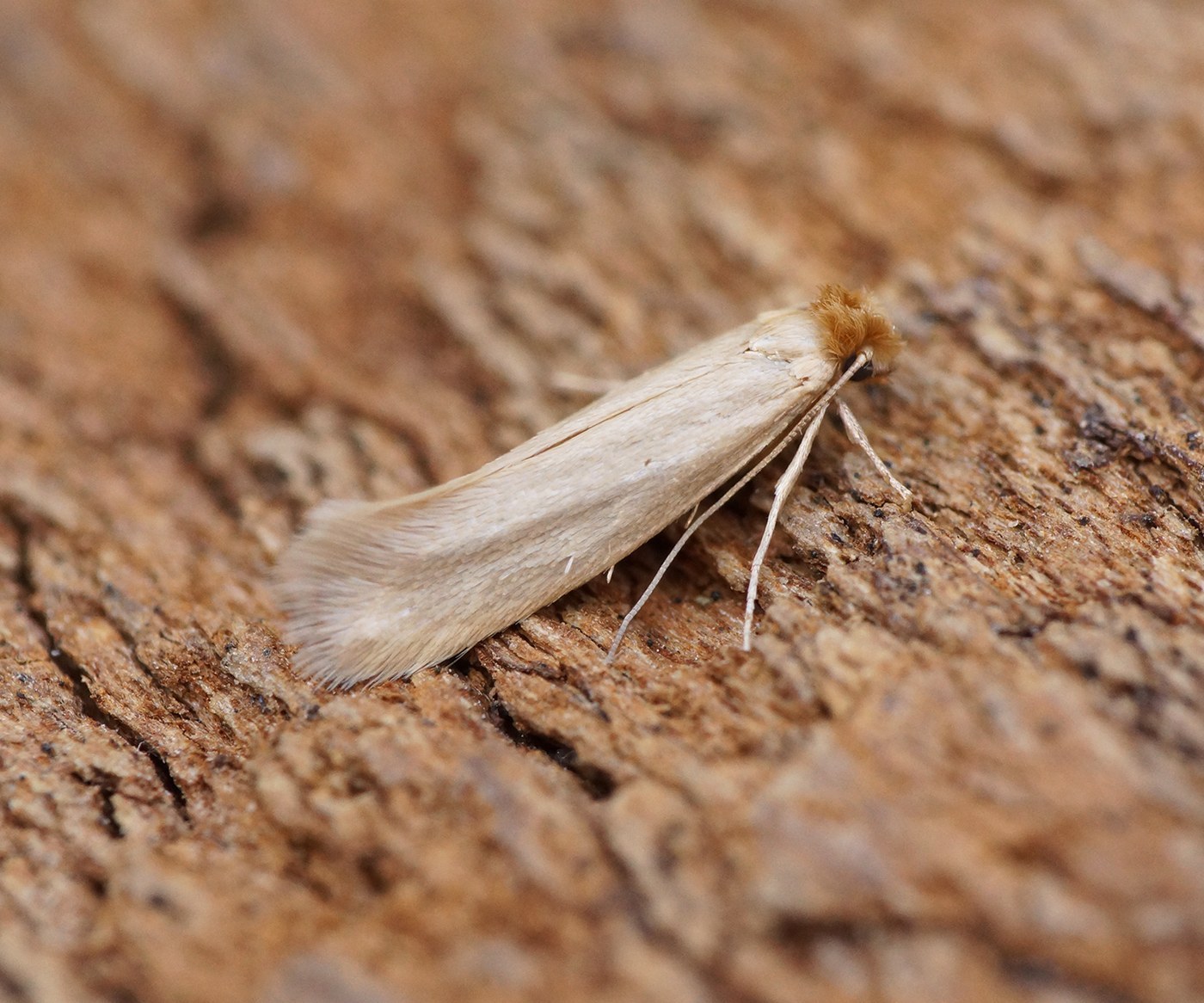
Webbing Clothes Moth
Dark closets, storage areas, and animal nests worldwide
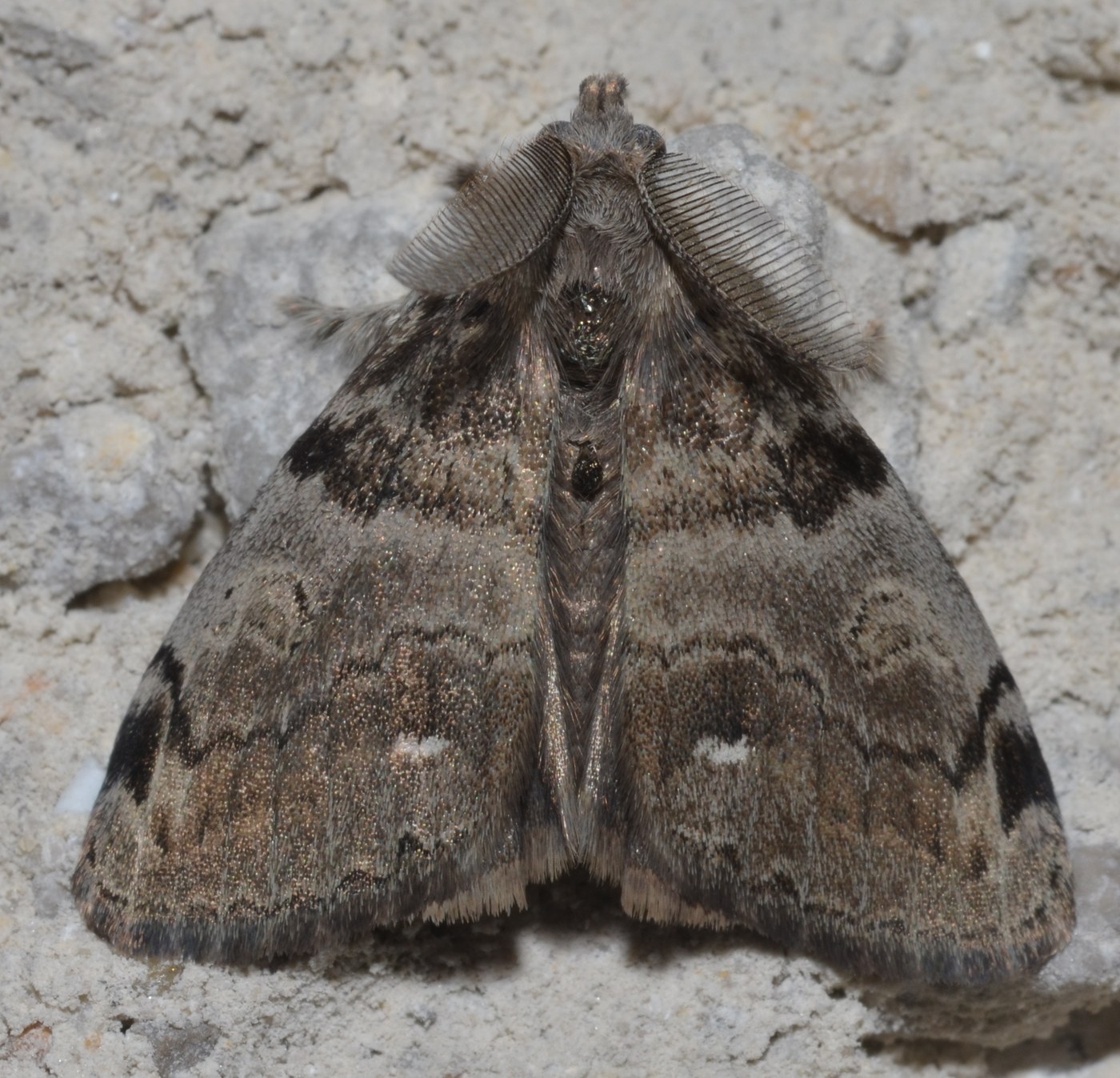
Tussock Moth
Deciduous forests, parks, gardens
Wax Moth
Beehives, apiaries, stored beeswax and comb
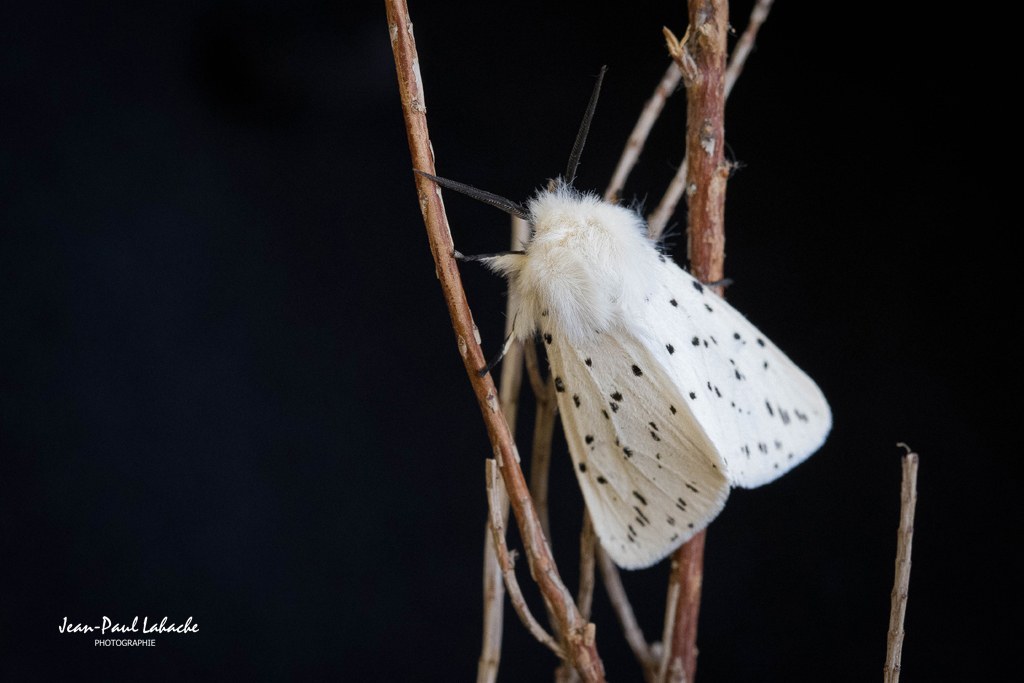
White Ermine Moth
Gardens, meadows, hedgerows
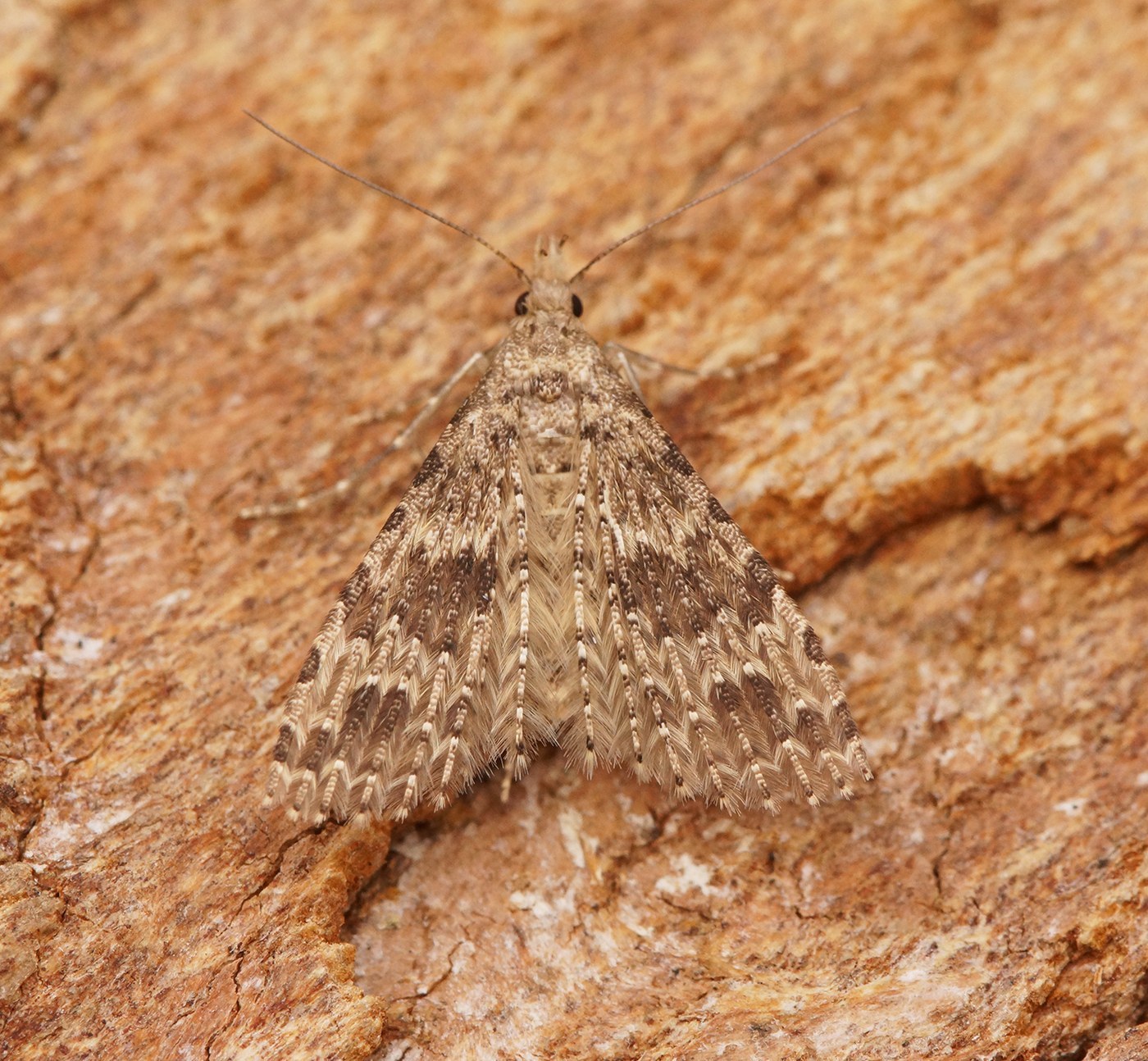
Twenty-plume Moth
Gardens, hedgerows, near honeysuckle
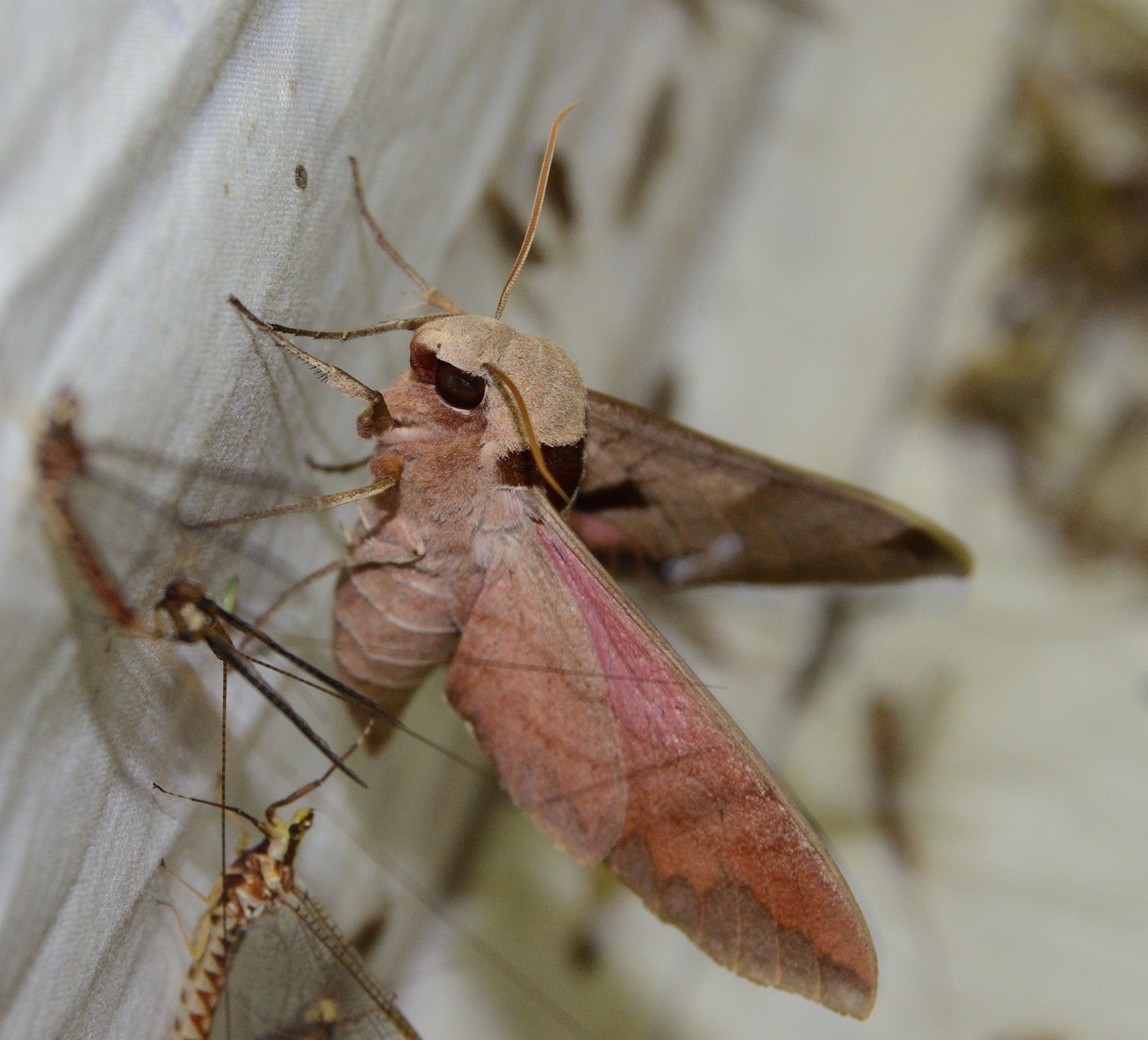
Achemon Sphinx Moth
Vineyards, woodland edges, gardens with wild grape
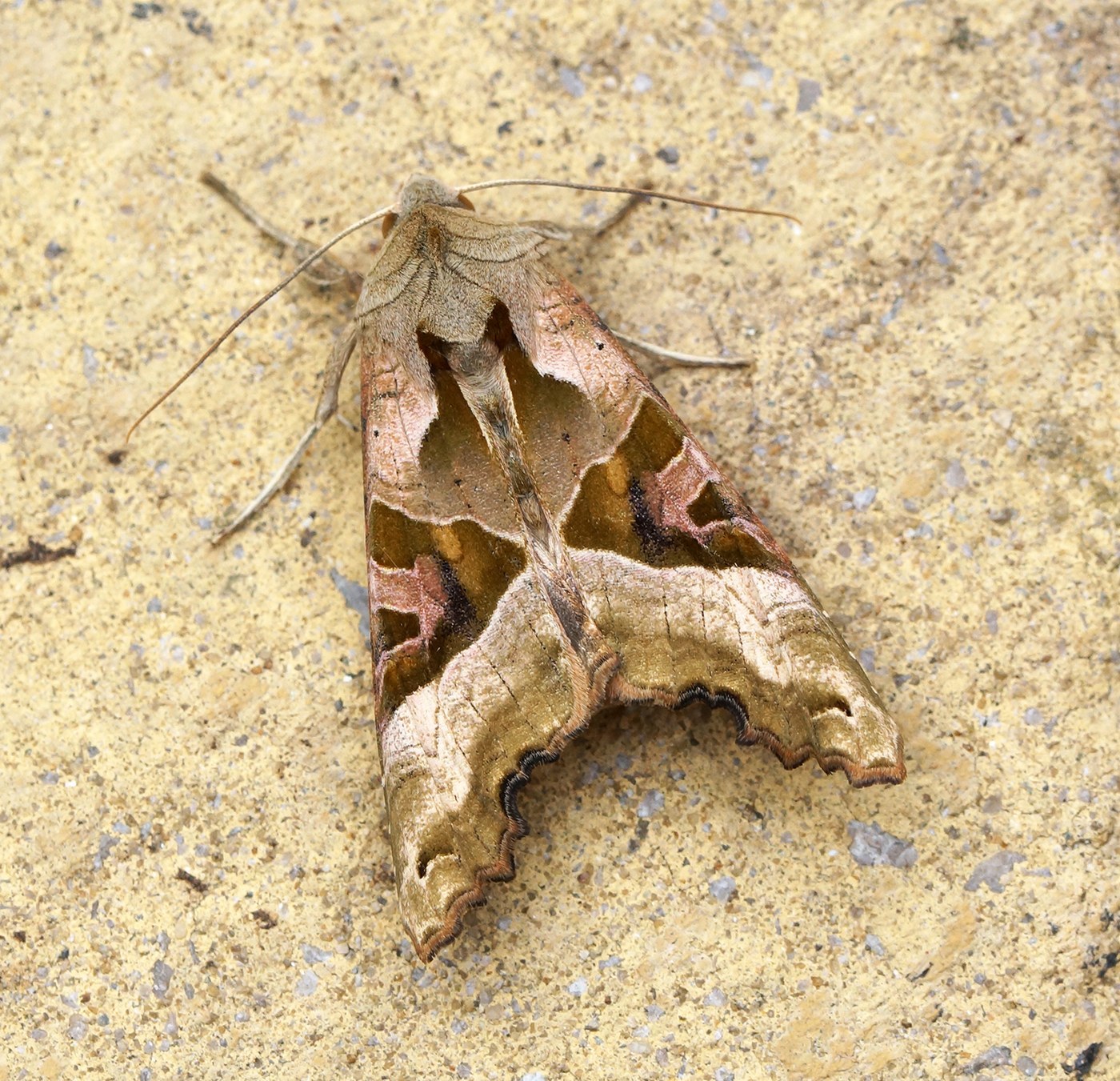
Angle Shades Moth
Gardens, hedgerows, woodland edges, urban parks
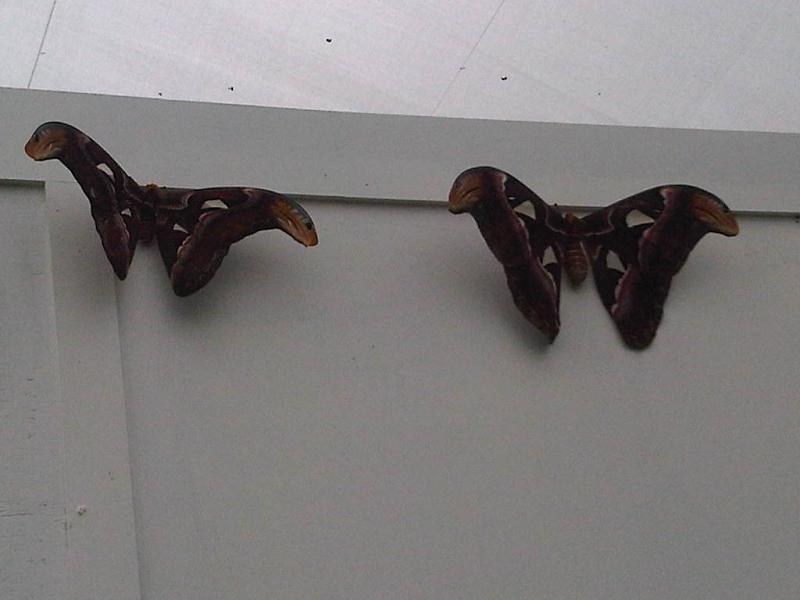
Atlas Moth
Tropical and subtropical lowland forests of Southeast Asia