
Hummingbird Moth
Family Sphingidae (e.g., Hemaris, Macroglossum)
Hovering at flowers with a blur of wings and a long uncoiling tongue, the hummingbird moth is easily mistaken for a tiny hummingbird. These plump, fast-flying hawk moths feed on nectar in broad daylight.
- Size
- Wingspan 4-6 cm
- Habitat
- Gardens, meadows, and woodland edges
- Danger
- Harmless
Spotted a bug like this?
Identify any bug or insect from a photo, free.
Overview
Hummingbird moths are day-flying members of the hawk moth family (Sphingidae) that mimic hummingbirds in both appearance and behavior. They hover in front of flowers, beating their wings rapidly and sipping nectar through a long proboscis, complete with an audible hum.
The name applies to several species, including the hummingbird hawk-moth (Macroglossum stellatarum) of Eurasia and the clearwing moths of the genus Hemaris in North America and Eurasia. Many have stout, furry bodies and, in the clearwings, patches where the wing scales fall away to leave transparent windows.
Unlike most moths, hummingbird moths are active in daylight and are frequent, welcome visitors to flower gardens. Their swift, hovering flight and quick darting between blooms reinforce the resemblance to their namesake birds.
How to Identify
Look for these features:
- Plump, furry body about the size of a large bee, with a wingspan around 4-6 cm
- Hovering flight in front of flowers, with rapidly beating wings
- A long proboscis that uncoils to reach into blossoms
- Clearwing species have transparent patches on the wings; others are olive, brown, or golden
- A fan-like tuft at the tip of the abdomen
Lookalikes include large bees and actual hummingbirds, but the coiled proboscis and moth antennae identify it as an insect.
Habitat & Range
Hummingbird moths are found across North America, Europe, Asia, and Africa depending on species. They frequent flower-rich gardens, meadows, forest edges, and roadsides. Adults are active by day, especially in warm, sunny weather during spring and summer, and some species migrate seasonally.
Behavior & Diet
Adult hummingbird moths feed on nectar while hovering, uncoiling a long proboscis to reach deep into flowers, and are effective pollinators of many plants. Their rapid wingbeats let them hold position in the air like hummingbirds. Caterpillars feed on the foliage of specific host plants, and the moths serve as both pollinators and prey within their ecosystems.
Life Cycle
Hummingbird moths undergo complete metamorphosis. Females lay small round eggs on host plants such as honeysuckle, hawthorn, or bedstraw. The caterpillars, often green with a small horn at the rear typical of hawk moth larvae, feed and grow through several molts. They then pupate, usually in leaf litter or just under the soil, and emerge as adults. Depending on climate, one to several generations occur per year, and some overwinter as pupae.
Frequently asked questions
Is a hummingbird moth a bird?
No. It is a moth that mimics a hummingbird's hovering flight and nectar feeding, but it is an insect with a coiled proboscis.
Why can I see it during the day?
Unlike most moths, hummingbird moths are day-active and visit flowers in bright sunshine.
What do the caterpillars eat?
They feed on host plants such as honeysuckle, hawthorn, and bedstraw depending on the species.
Are they good for gardens?
Yes, as nectar feeders they pollinate flowers and are harmless to people.
Hummingbird Moth guides
In-depth guides for identifying, understanding, and living alongside Hummingbird Moth.
Hummingbird Moth identified by the community
Real finds identified with Bug Identifier.

Other bugs you may enjoy
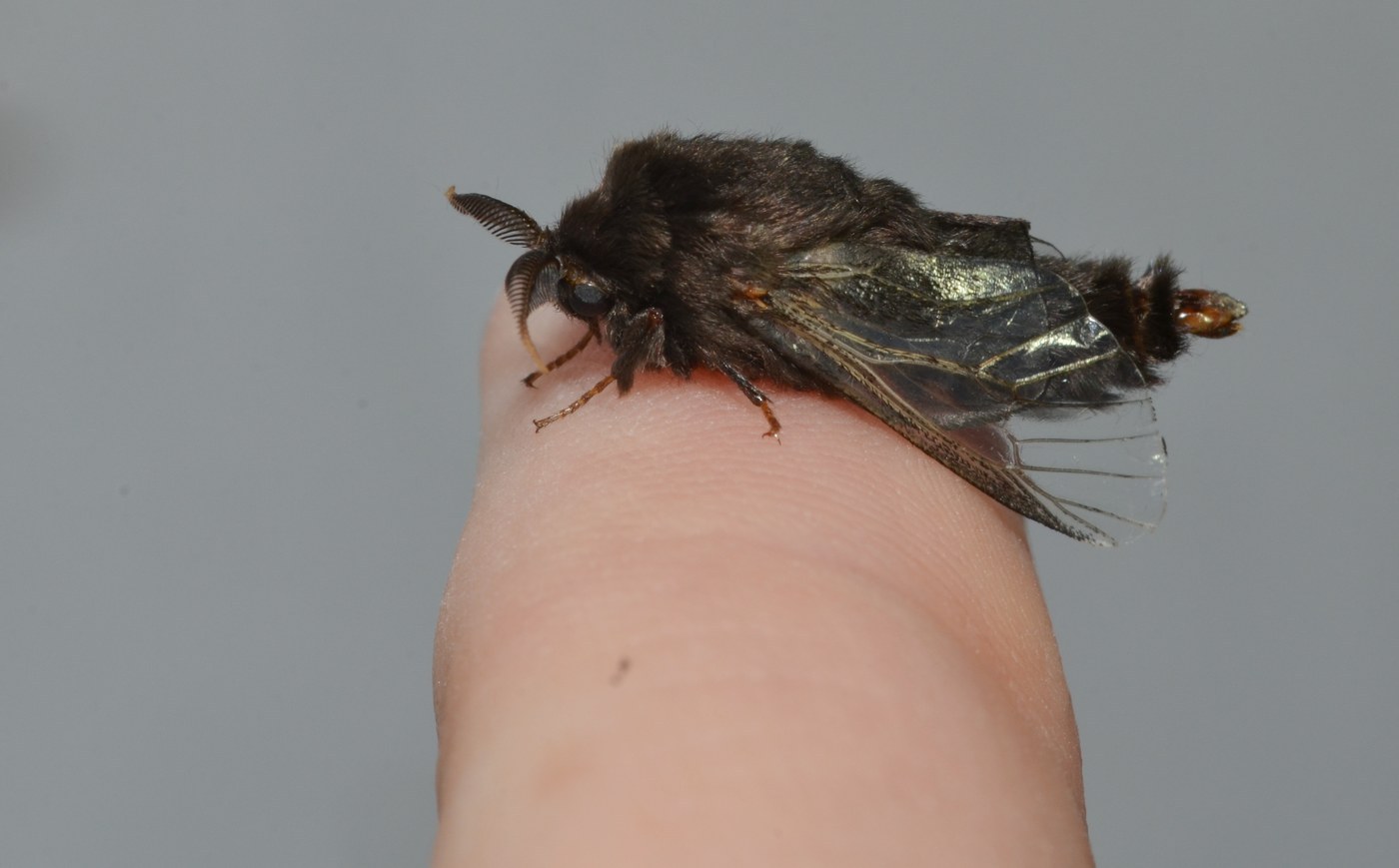
Bagworm Moth
Coniferous and deciduous trees, shrubs, hedges
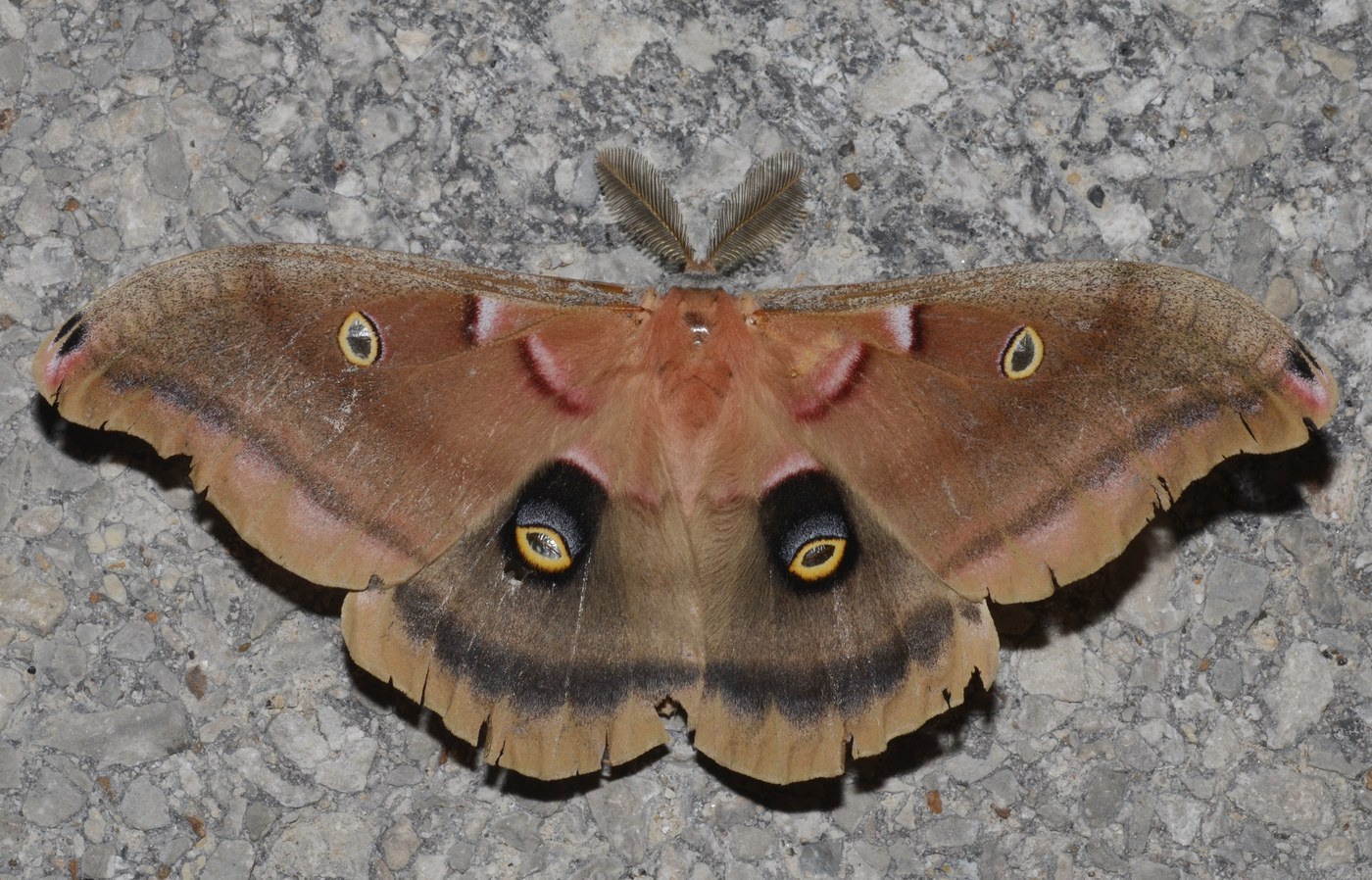
Antheraea Silkmoth
Deciduous forests, woodland edges, orchards
Ailanthus Silkmoth (Cynthia Moth)
Urban parks, wastelands, and woodland edges with tree-of-heaven; native to Asia, introduced in North America and Europe
Winter Moth
Deciduous woodland, orchards, gardens, hedgerows
Webbing Clothes Moth
Dark closets, storage areas, and animal nests worldwide
Tussock Moth
Deciduous forests, parks, gardens
Wax Moth
Beehives, apiaries, stored beeswax and comb
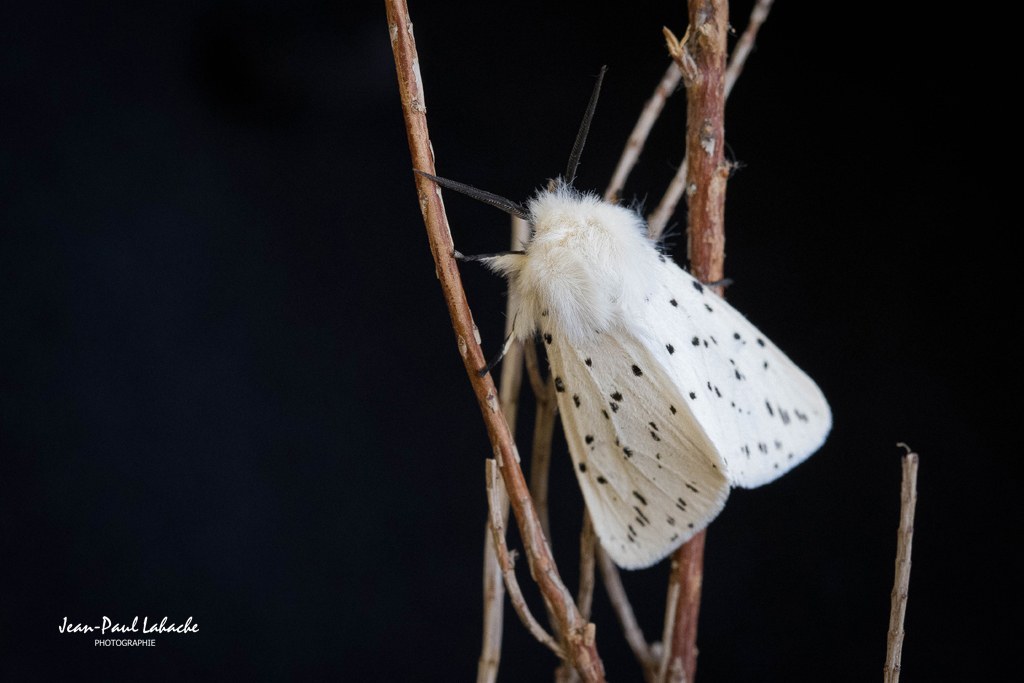
White Ermine Moth
Gardens, meadows, hedgerows
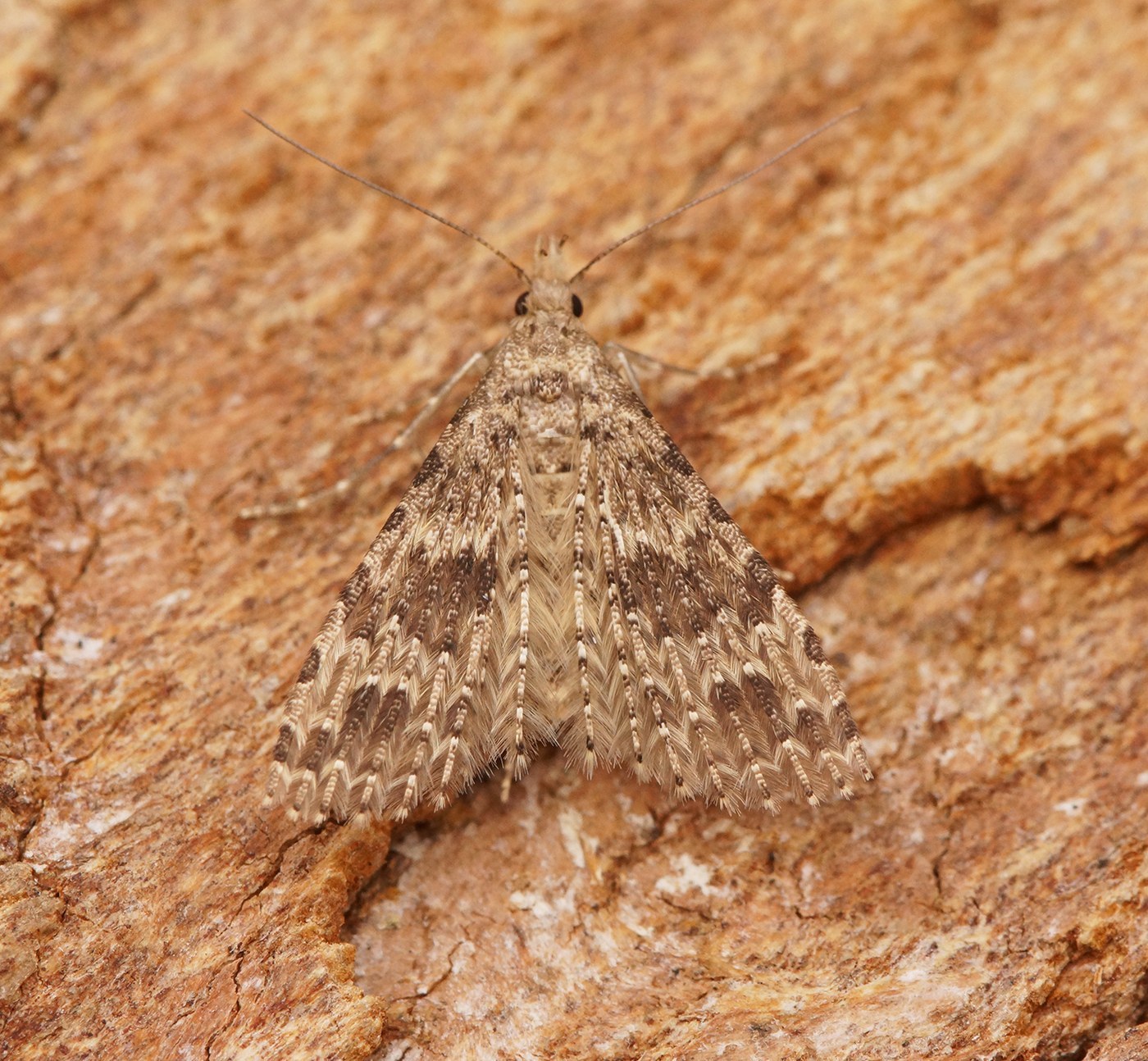
Twenty-plume Moth
Gardens, hedgerows, near honeysuckle
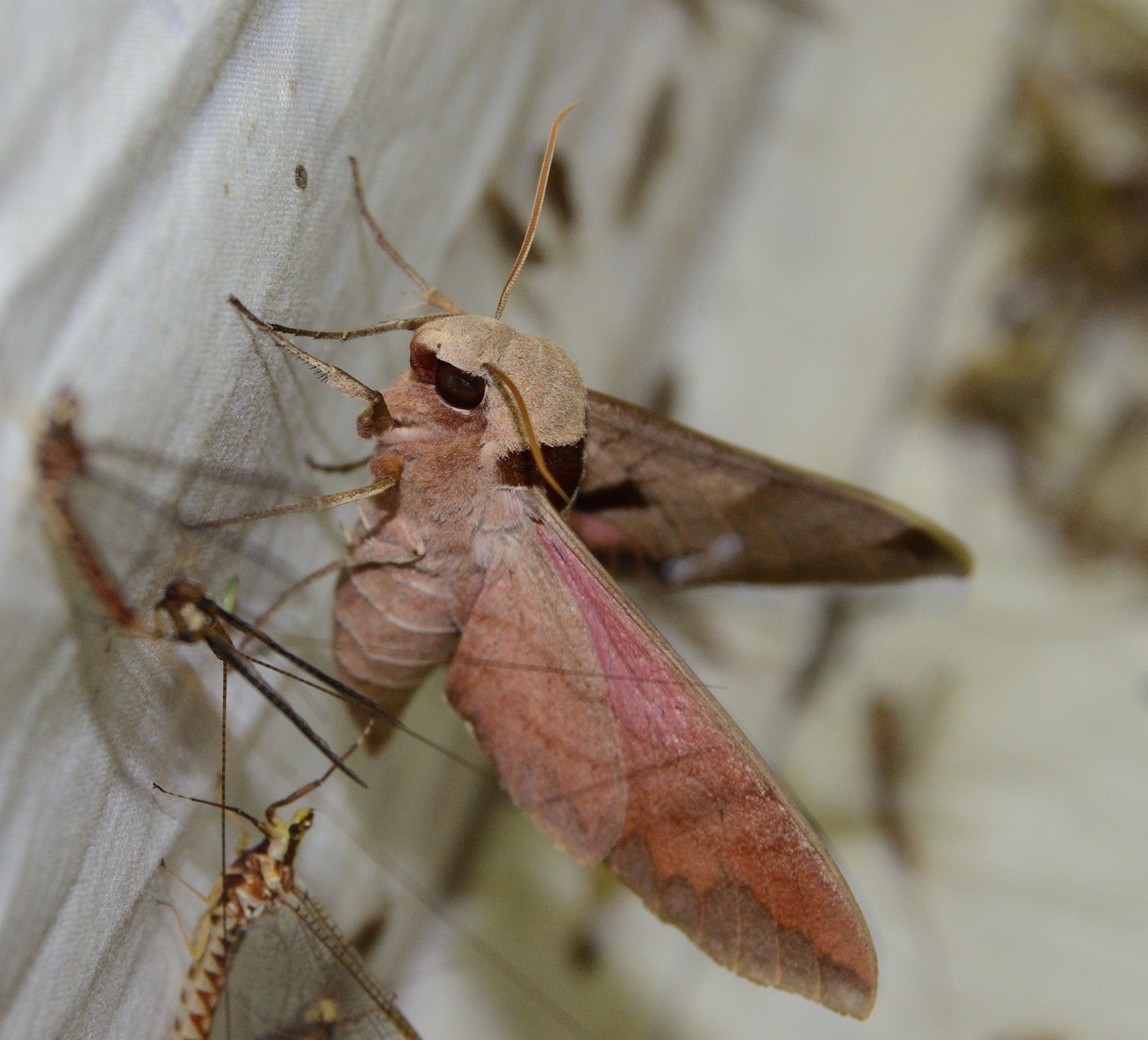
Achemon Sphinx Moth
Vineyards, woodland edges, gardens with wild grape
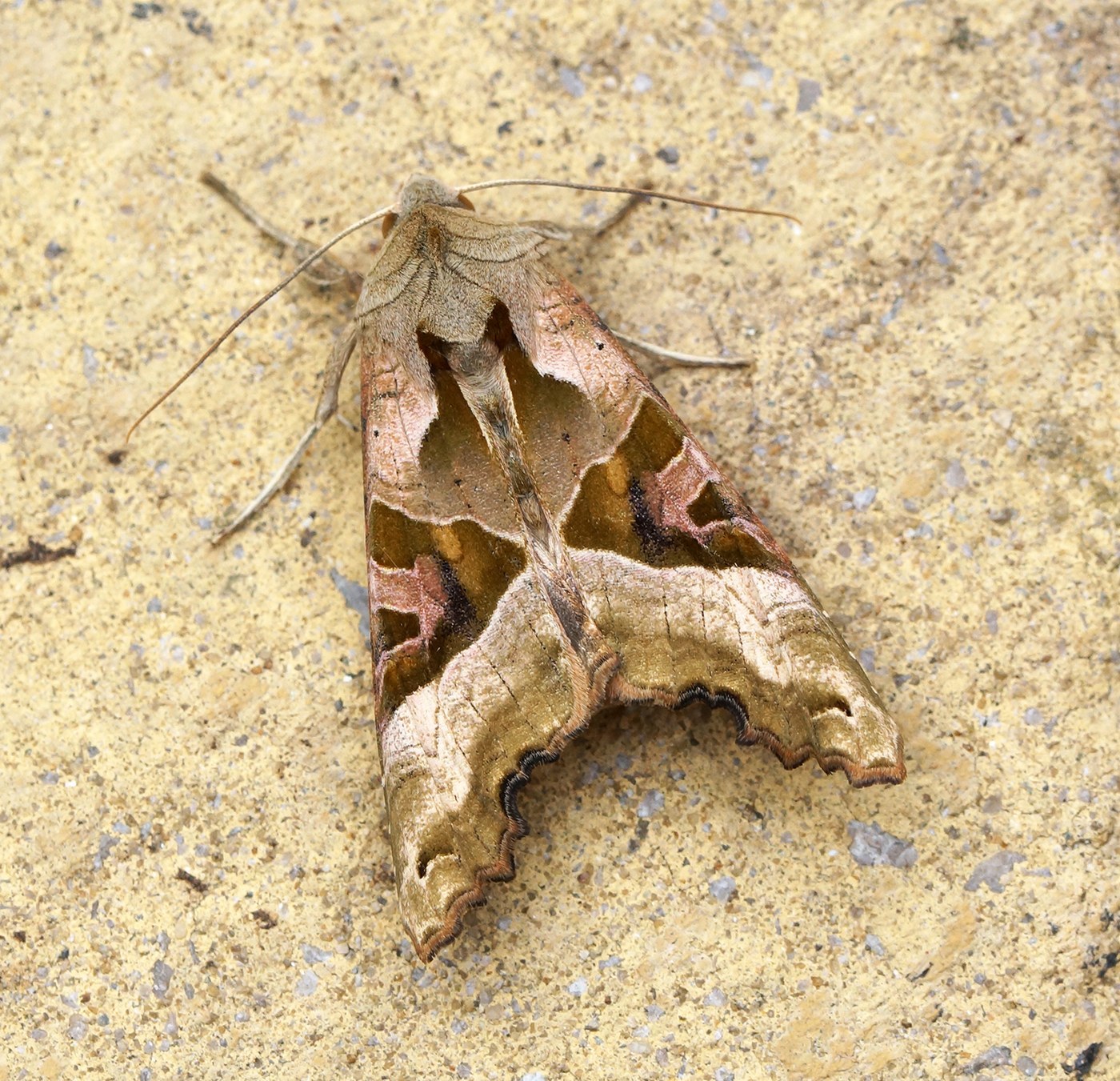
Angle Shades Moth
Gardens, hedgerows, woodland edges, urban parks
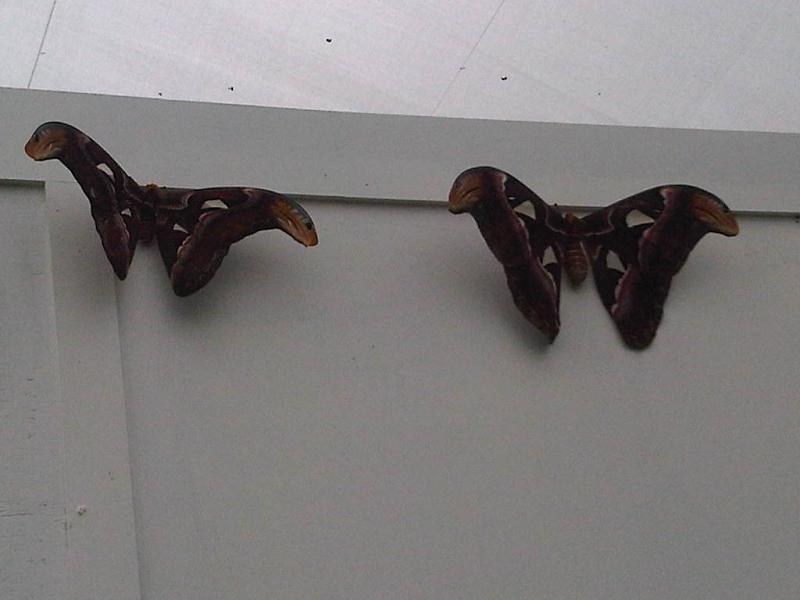
Atlas Moth
Tropical and subtropical lowland forests of Southeast Asia