
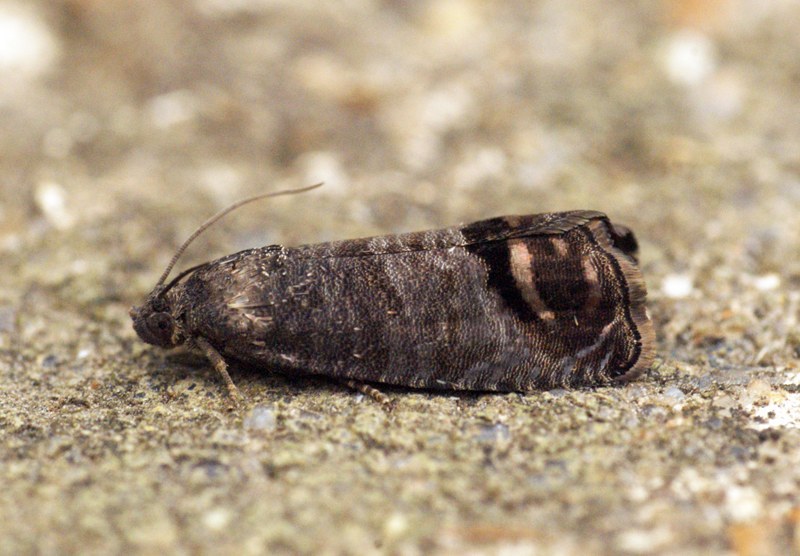
Codling Moth
Cydia pomonella
A small, inconspicuous grey-brown moth best known through the work of its larva, the classic apple 'worm' that tunnels into fruit, making this tiny moth one of the most economically significant insects in orchards worldwide.
- Size
- 0.6–0.9 in wingspan
- Habitat
- Orchards and apple or pear trees worldwide
- Danger
- Nuisance pest
Spotted a bug like this?
Identify any bug or insect from a photo, free.
Overview
The codling moth is a small member of the family Tortricidae, the tortrix or leafroller moths, a group characterized by relatively small size and larvae that often bore into or roll plant tissue. Though the adult itself is easily overlooked due to its drab, mottled coloring and small size, it is one of the most widely recognized insects indirectly, since its larva is the source of the well-known 'worm in the apple.'
Originally native to Eurasia, the species has spread with fruit cultivation to become established on nearly every continent where apples and pears are grown, making it one of the most globally distributed agricultural moths. Its close association with pome fruit trees has made it a long-studied subject in orchard entomology.
How to Identify
- Small moth with a wingspan of roughly 15–22 mm.
- Forewings are grey-brown with fine wavy dark lines and a distinctive coppery-bronze patch near the tip, the best field mark for the species.
- Hindwings are a plainer coppery-brown, usually hidden beneath the forewings at rest.
- Rests with wings folded in a bell-like or roof shape typical of tortricid moths.
- The larva, cream-white to pinkish with a brown head, is the far more commonly noticed stage, found tunneling through fruit flesh toward the core.
Habitat & Range
Found nearly worldwide wherever apple, pear, and related pome fruit trees are cultivated, including orchards, gardens, and areas with wild or ornamental fruit trees. Adults are active mainly at dusk and after dark during the growing season, from spring through late summer, with activity timed closely to fruit tree bloom and fruit development.
Behavior & Diet
Adults are short-lived, nocturnal fliers that do not damage fruit directly, focusing energy on mating and locating suitable trees for egg-laying. Larvae are the damaging stage, tunneling directly into developing fruit and feeding on the flesh and seeds near the core, leaving a visible entry hole often marked by castings. Within the wider food web, the species is preyed upon by various birds and parasitic wasps that target its eggs and larvae, and it is considered a significant fruit-tree pest in orchard settings.
Life Cycle
Eggs are laid singly on leaves or developing fruit shortly after bloom, hatching within one to two weeks into larvae that immediately seek out and burrow into fruit. After feeding inside the fruit for several weeks, mature larvae exit to find a sheltered spot such as loose bark, where they spin a silken cocoon to pupate. Depending on climate, there may be one to three generations per year, with the final generation typically overwintering as a fully grown larva within a protective cocoon before pupating and emerging as an adult the following spring.
Frequently asked questions
Is the codling moth the same as the 'apple worm'?
Yes, the classic worm found tunneling in apples is the larval stage of the codling moth.
Why don't I see the adult moth very often?
The adult is small, drab, nocturnal, and easily overlooked, so most people only notice the more conspicuous damage caused by the larva inside fruit.
What fruits does it affect?
It primarily targets apples and pears, though it can occasionally use other pome fruits and some stone fruits as hosts.
How can you tell it apart from other small orchard moths?
The coppery-bronze patch near the forewing tip, combined with fine wavy grey-brown lines across the rest of the wing, is the key distinguishing feature.
Codling Moth guides
In-depth guides for identifying, understanding, and living alongside Codling Moth.
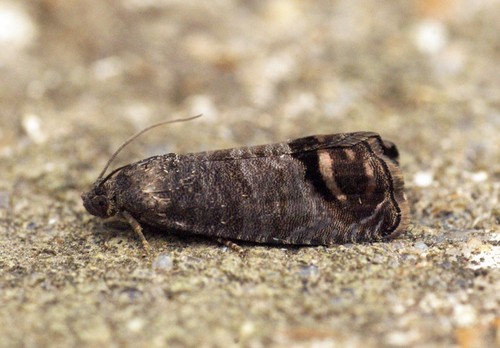
Codling Moth identified by the community
Real finds identified with Bug Identifier.
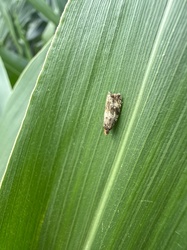
Other bugs you may enjoy
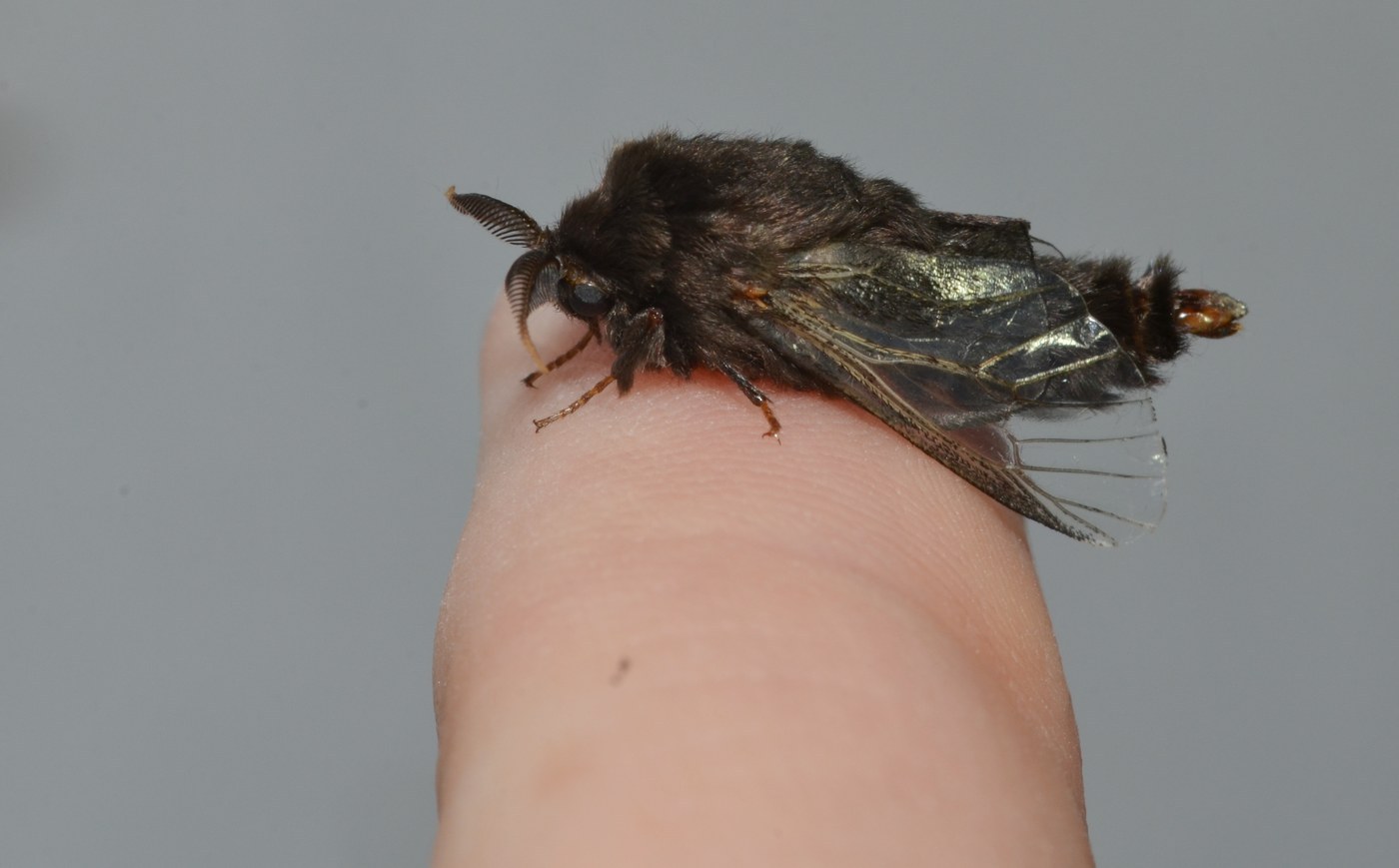
Bagworm Moth
Coniferous and deciduous trees, shrubs, hedges
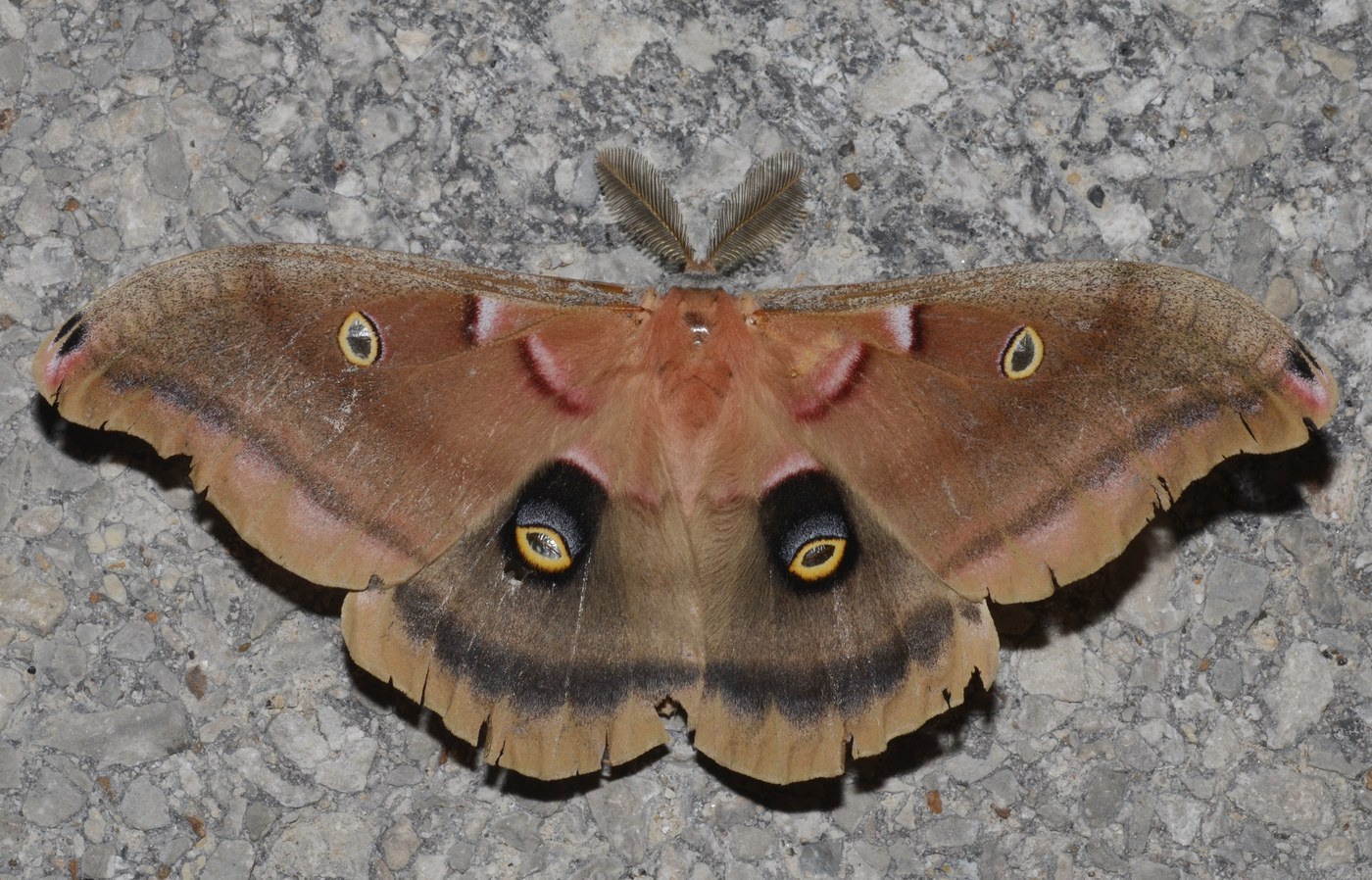
Antheraea Silkmoth
Deciduous forests, woodland edges, orchards
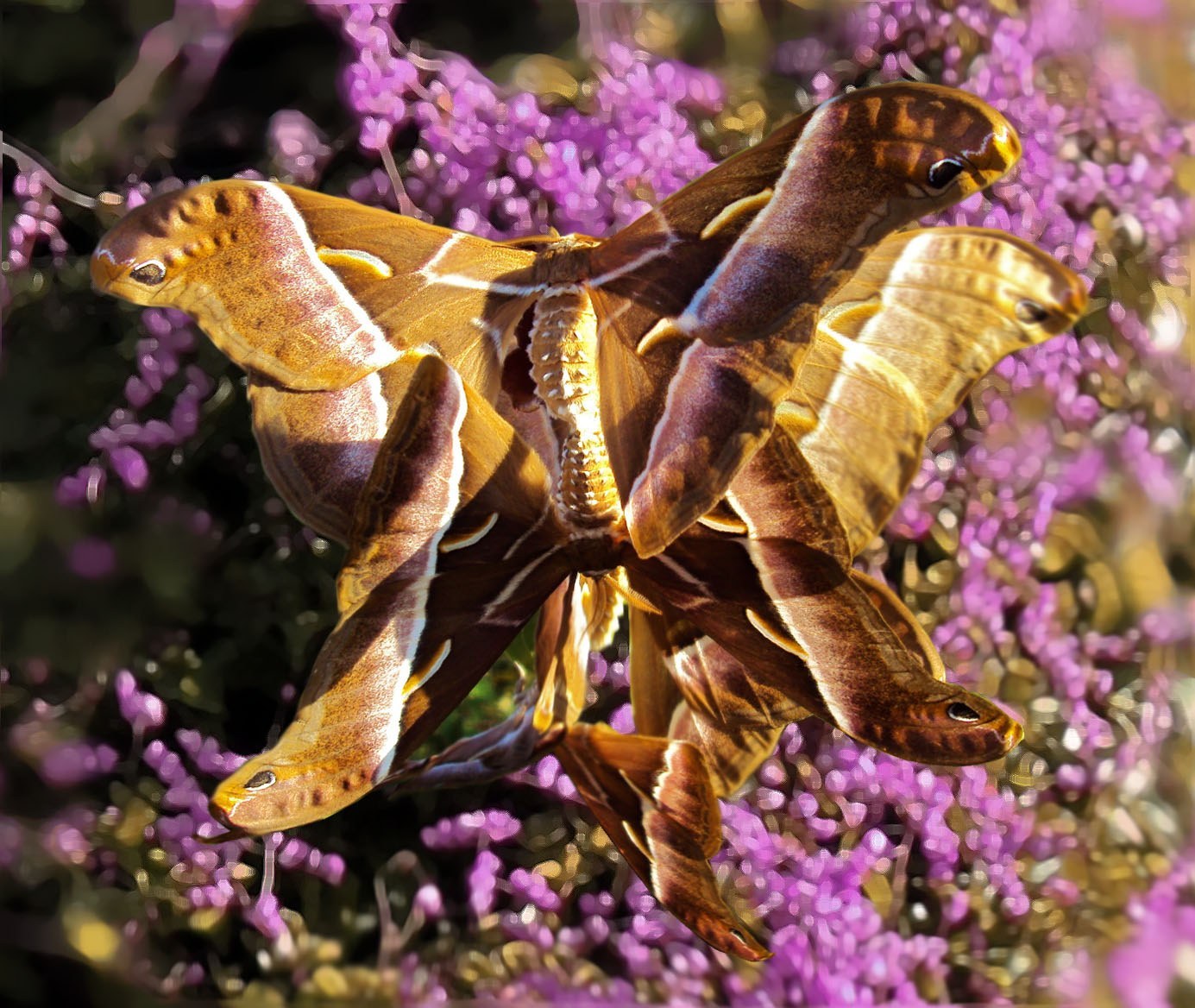
Ailanthus Silkmoth (Cynthia Moth)
Urban parks, wastelands, and woodland edges with tree-of-heaven; native to Asia, introduced in North America and Europe
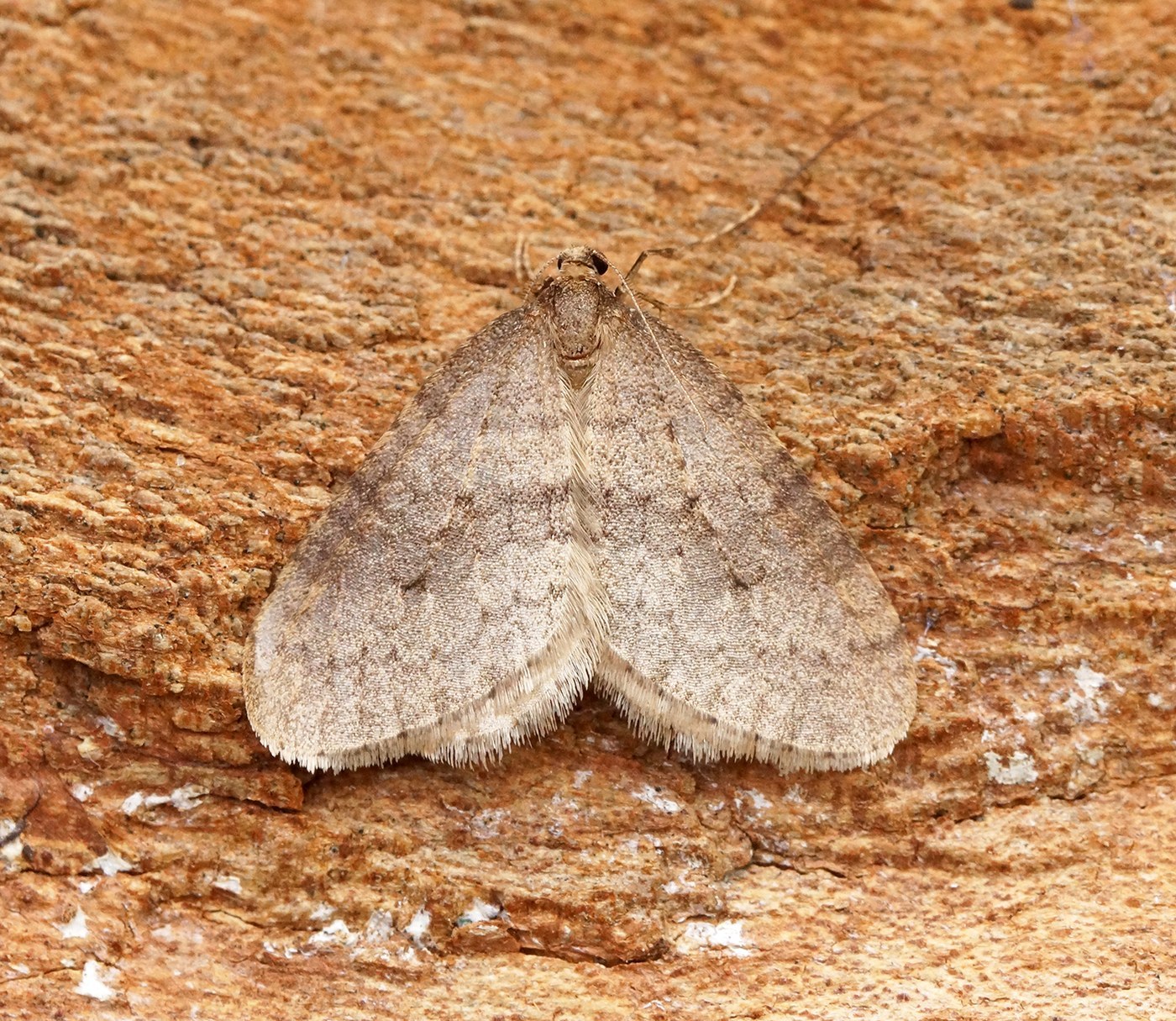
Winter Moth
Deciduous woodland, orchards, gardens, hedgerows
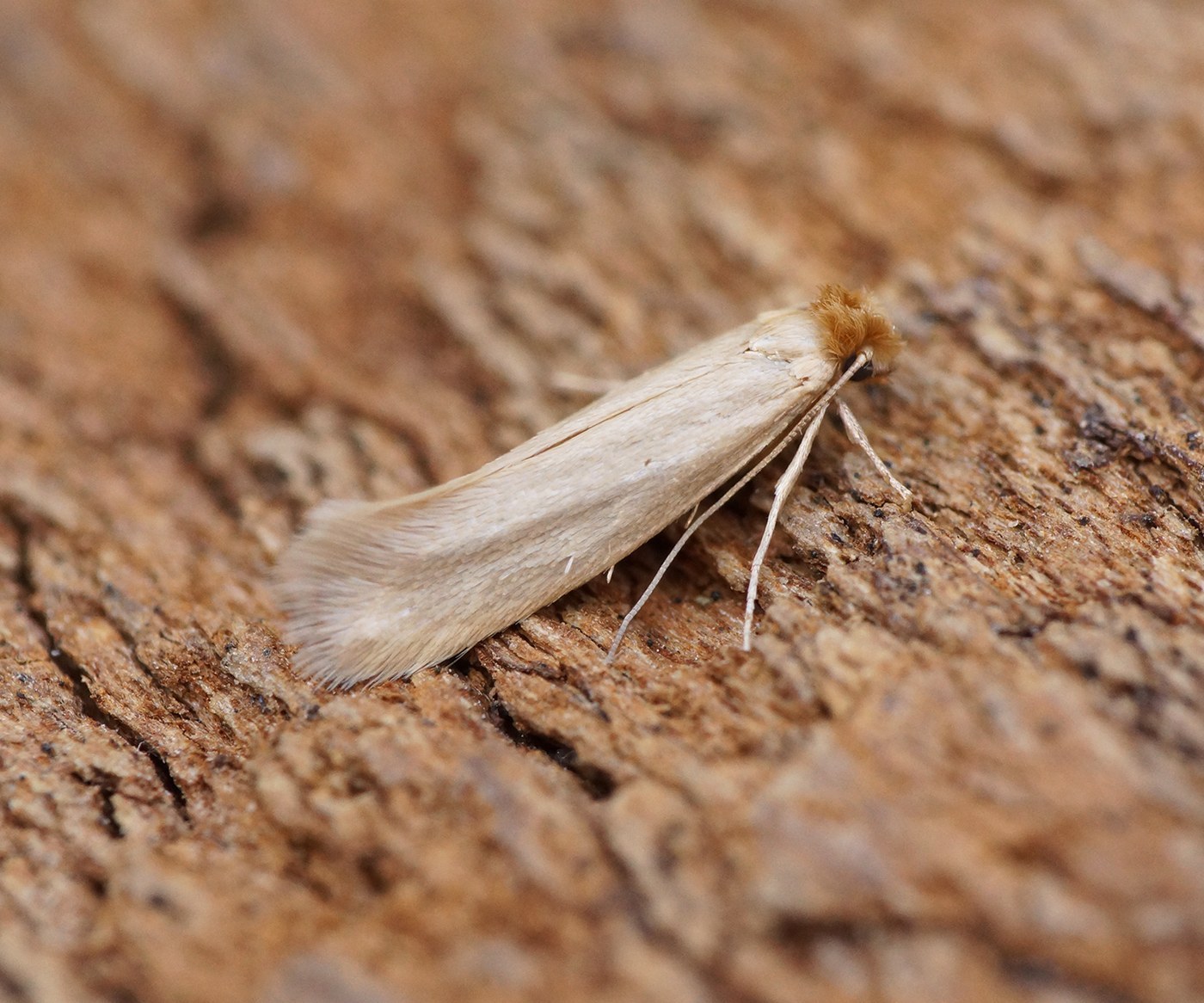
Webbing Clothes Moth
Dark closets, storage areas, and animal nests worldwide
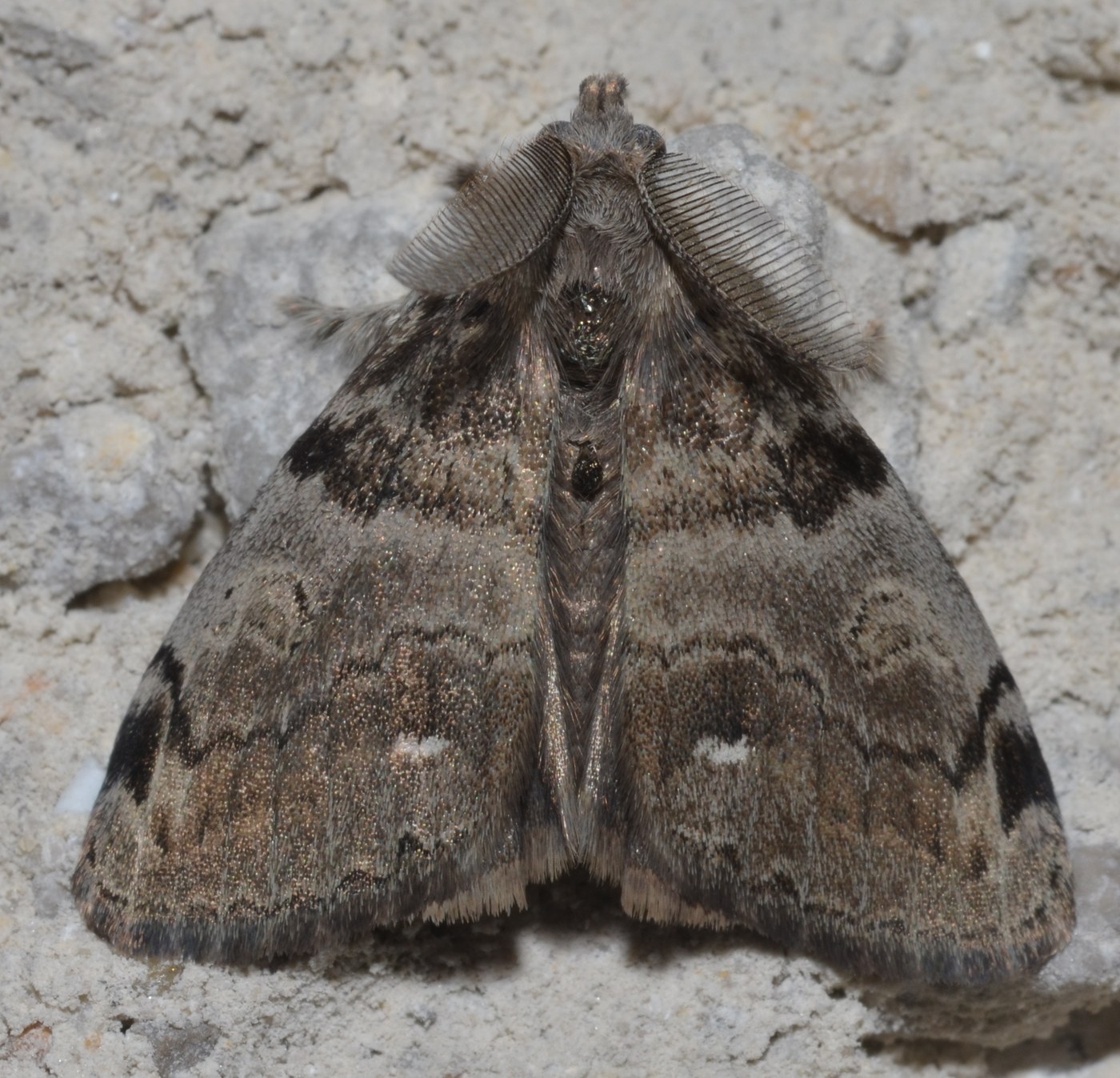
Tussock Moth
Deciduous forests, parks, gardens
Wax Moth
Beehives, apiaries, stored beeswax and comb
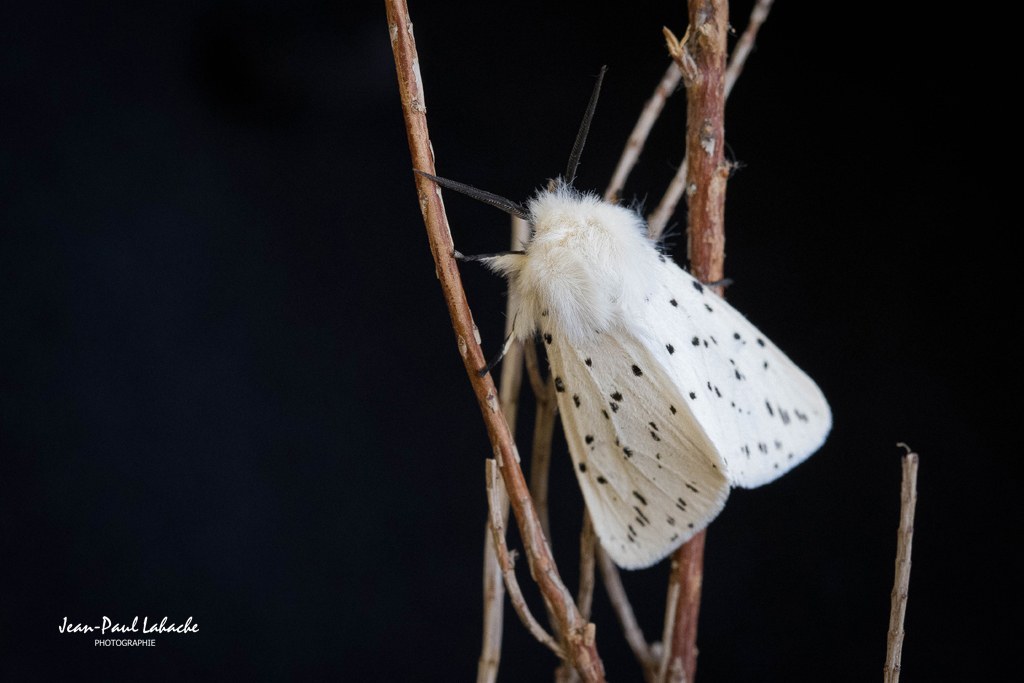
White Ermine Moth
Gardens, meadows, hedgerows
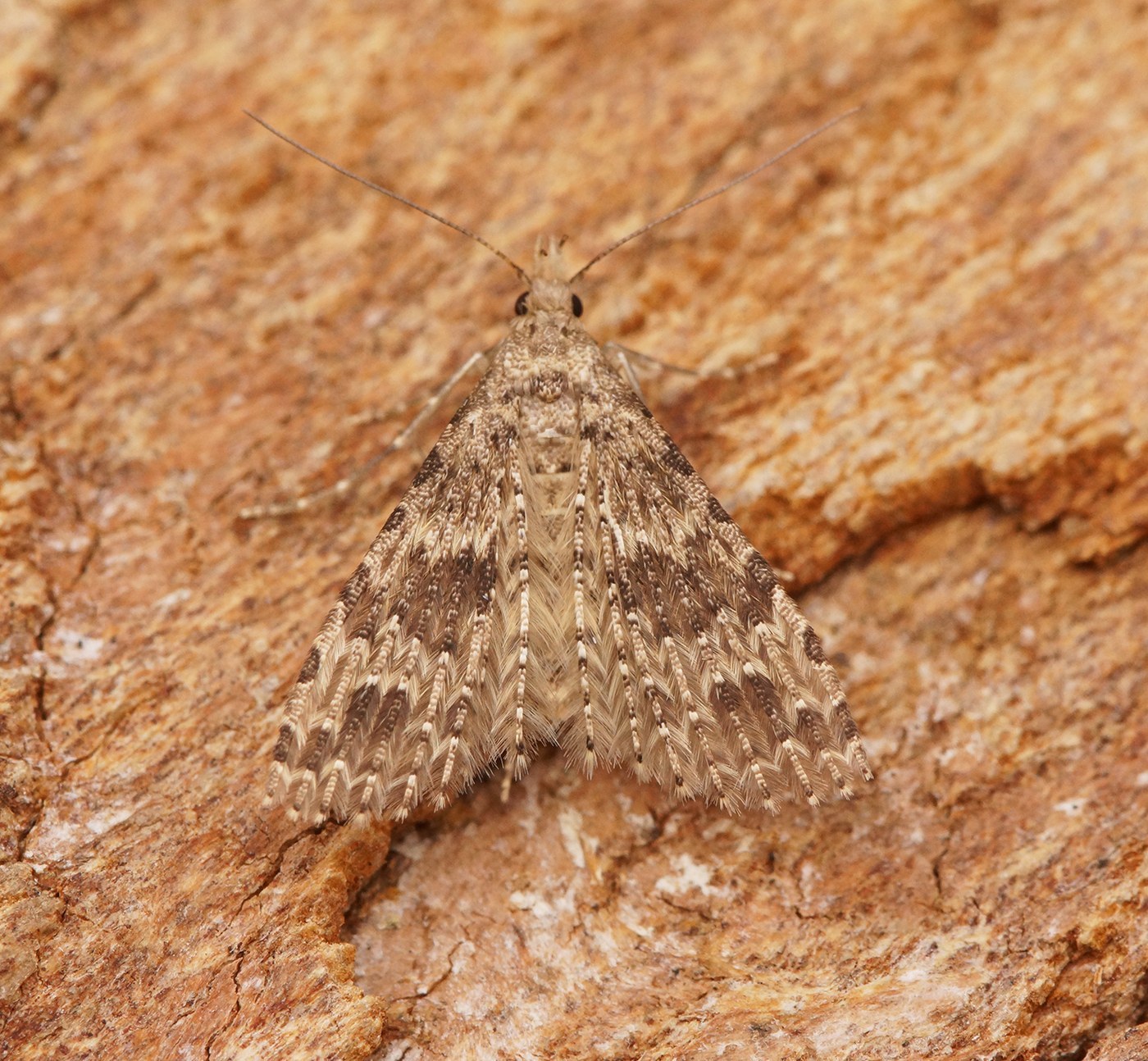
Twenty-plume Moth
Gardens, hedgerows, near honeysuckle
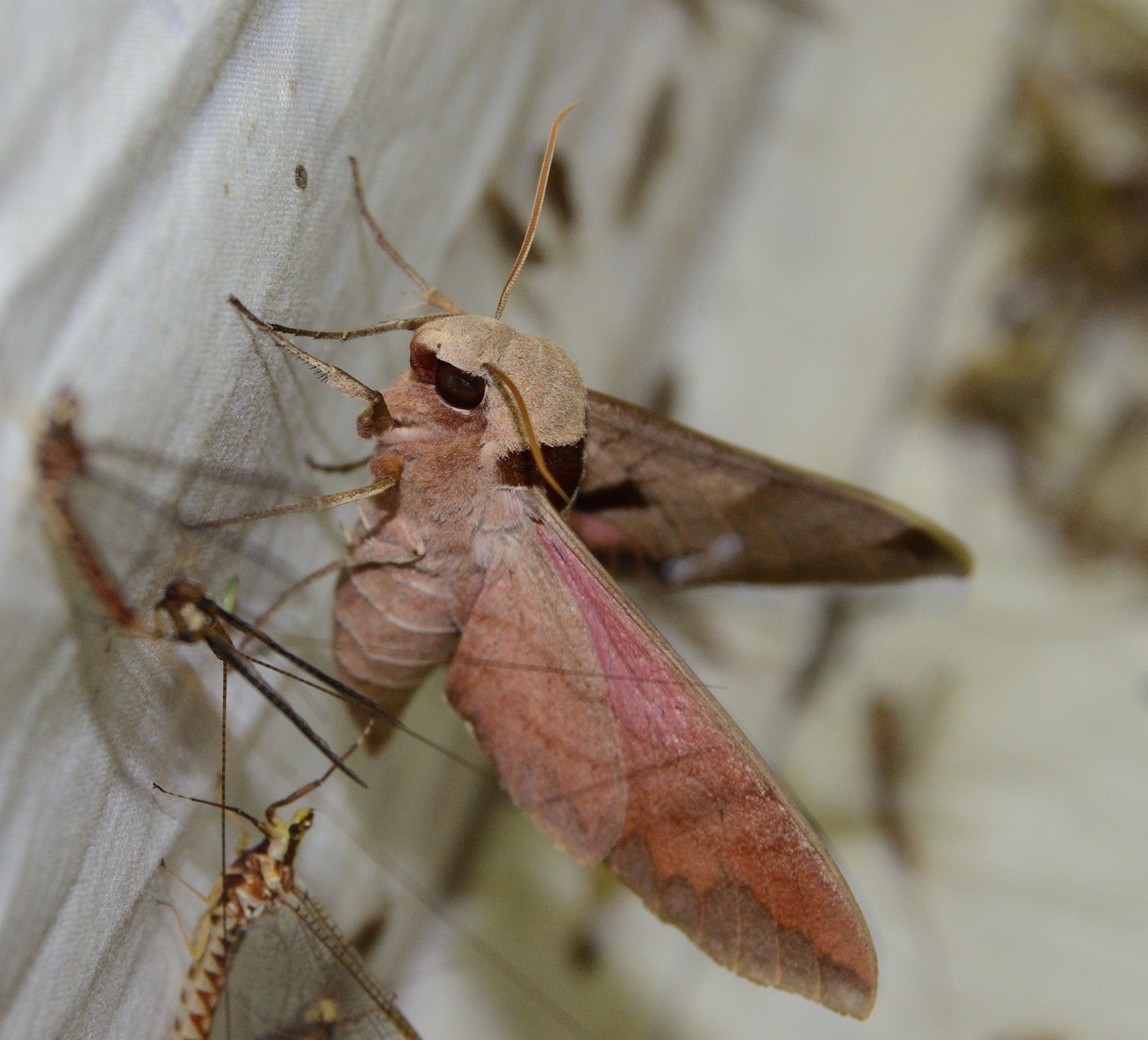
Achemon Sphinx Moth
Vineyards, woodland edges, gardens with wild grape
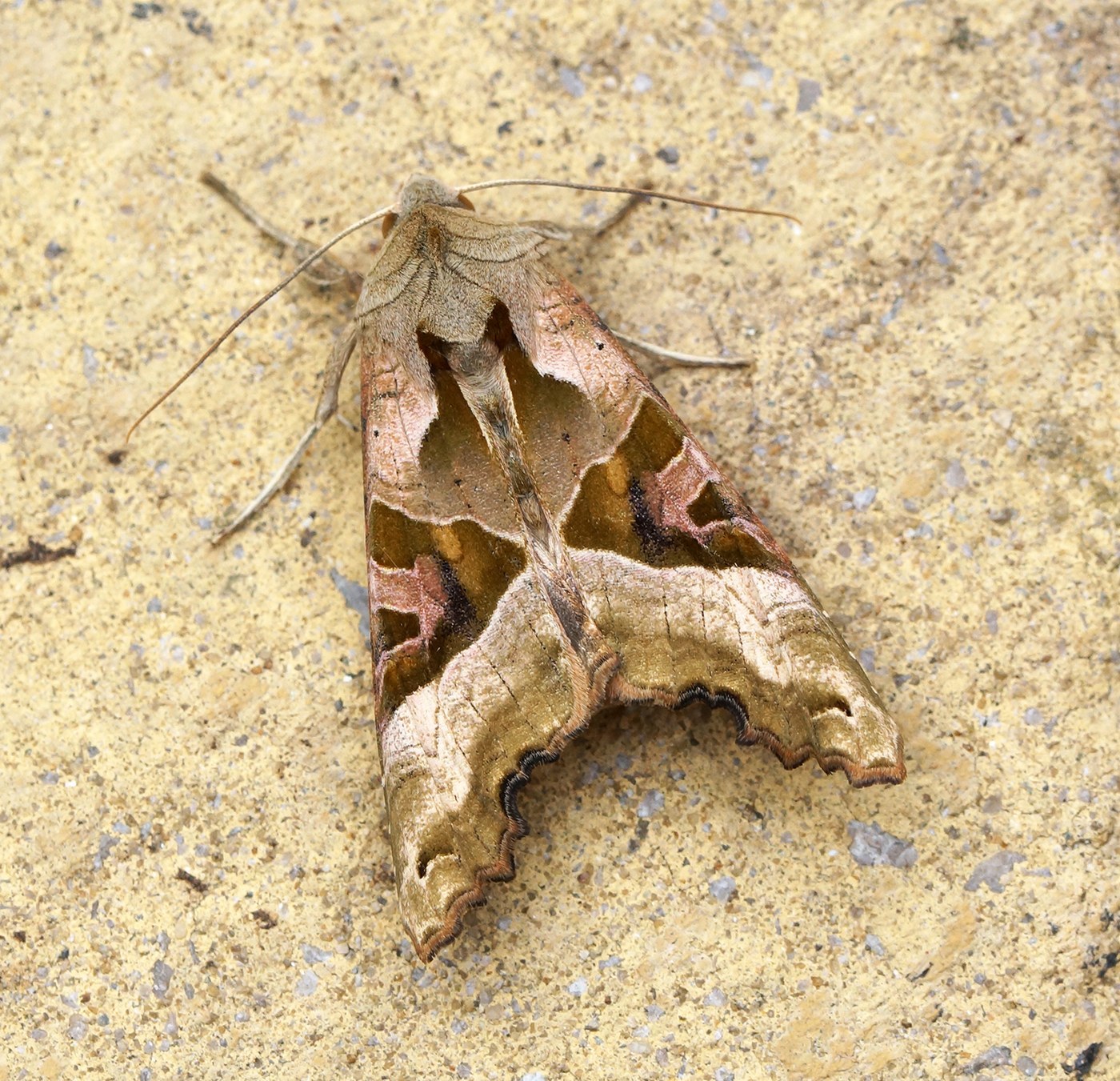
Angle Shades Moth
Gardens, hedgerows, woodland edges, urban parks
Atlas Moth
Tropical and subtropical lowland forests of Southeast Asia