
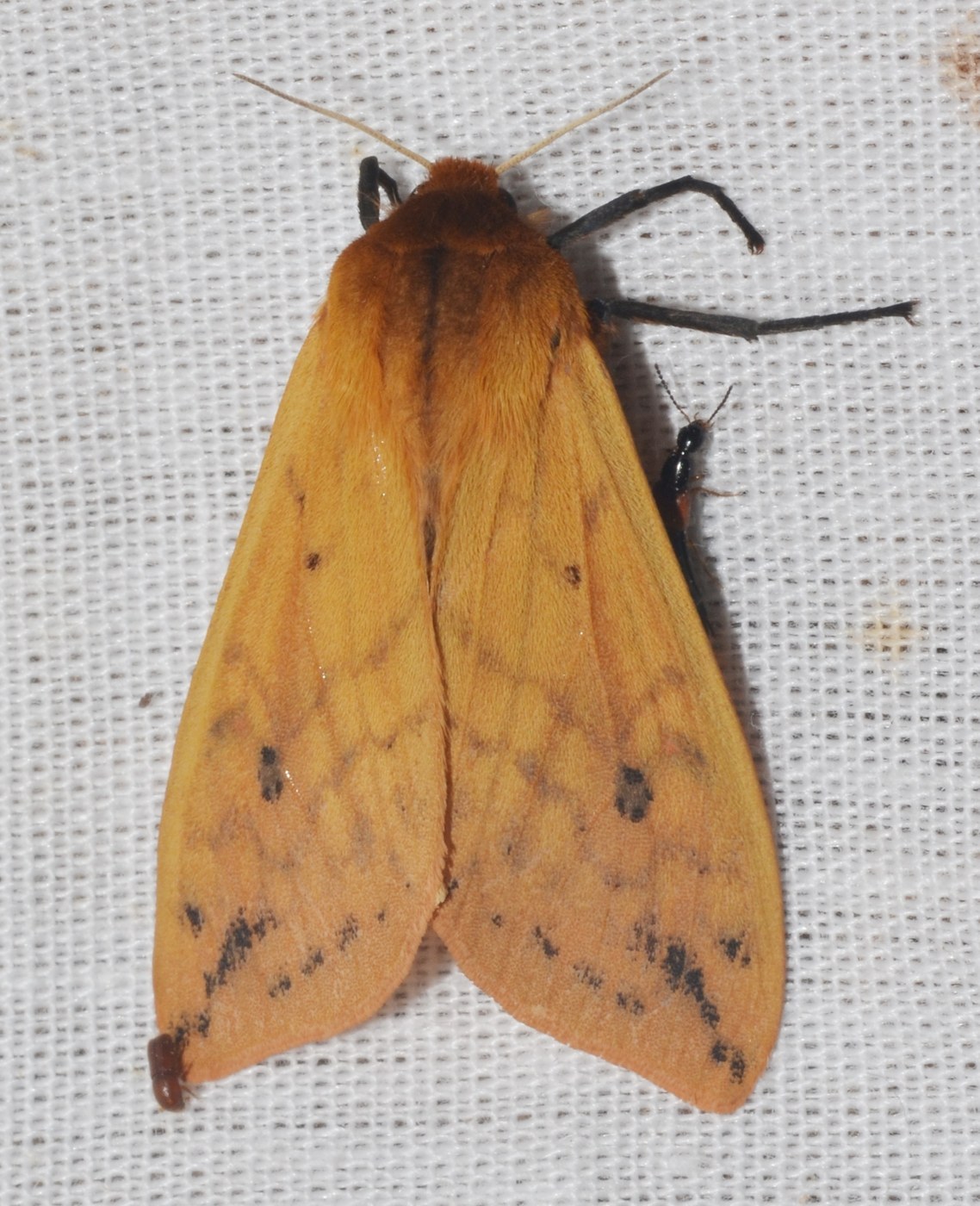
Isabella Tiger Moth (Woolly Bear)
Pyrrharctia isabella
Famous chiefly in its larval stage as the banded woolly bear caterpillar, this tiger moth's fuzzy black-and-rust-colored caterpillar is a familiar autumn sight, while the adult is a soft, tawny-orange moth with a stout, furry body.
- Size
- 1.5–2.2 in wingspan (adult); caterpillar to about 2 in
- Habitat
- Meadows, gardens, forests, and roadsides across North America
- Danger
- Harmless
Spotted a bug like this?
Identify any bug or insect from a photo, free.
Overview
The Isabella tiger moth belongs to the subfamily Arctiinae within the family Erebidae, the tiger and lichen moths, a group broadly known for hairy caterpillars and often boldly patterned adults. While the adult moth is relatively plain compared to many of its tiger moth relatives, its caterpillar, the banded woolly bear, is one of the most culturally recognized insect larvae in North America, tied to long-standing folk beliefs about predicting the severity of the coming winter based on the width of its color bands.
The species is widespread and hardy, ranging from northern Mexico into the Canadian Arctic, and it is notable among insects for its extreme cold tolerance, with the caterpillar able to survive being frozen solid during winter and thawing out again in spring to resume development.
How to Identify
- Adult moth: yellowish-orange to tawny-brown wings, sparsely dotted with small dark spots, and a stout, furry orange-tan body with a wingspan of roughly 38–55 mm.
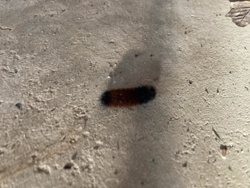
- Caterpillar: densely covered in stiff bristly hairs (setae), with a broad reddish-brown or rust band in the middle and solid black bands at both ends.
- The width of the caterpillar's rust-colored middle band varies by individual and instar, the basis of its winter-forecasting folklore, though it is not a reliable indicator scientifically.
- Curls into a tight ball when disturbed, a common defensive posture among woolly bear caterpillars.
- Distinguished from the similar-looking giant leopard moth caterpillar, which is uniformly black with red bands only visible between segments.
Habitat & Range
Occurs across nearly all of North America, from Mexico through the United States and Canada into subarctic regions, tolerating an unusually broad range of climates. Found in open habitats including meadows, gardens, roadsides, and forest edges. Caterpillars are especially conspicuous in autumn as they wander in search of overwintering shelter, while adults fly mainly in late spring through summer.
Behavior & Diet
Caterpillars are generalist feeders on a wide variety of low-growing plants, grasses, and weeds, causing negligible damage as individuals. In late autumn they seek sheltered spots such as leaf litter, bark crevices, or under logs to overwinter, tolerating freezing temperatures through natural antifreeze compounds in their tissues. Adults are nocturnal and, like many Arctiinae moths, are relatively unpalatable to some predators due to chemicals sequestered from larval food plants.
Life Cycle
Eggs are laid in clusters on host plant leaves in summer and hatch into small caterpillars that feed and grow through several instars before autumn. The nearly full-grown caterpillar overwinters in a dormant, freeze-tolerant state, resuming feeding briefly in spring before spinning a cocoon incorporating its own bristly hairs and pupating. Adults emerge in late spring to summer to mate and lay eggs, with one or two generations occurring per year depending on latitude.
Frequently asked questions
Can the woolly bear's stripes really predict the winter?
This is a well-known folk belief, but the band width mainly reflects the caterpillar's age and individual variation rather than any forecasting ability.
Is the fuzzy caterpillar the same species as the plain orange moth?
Yes, the banded woolly bear caterpillar and the tawny Isabella tiger moth are the same species at different life stages.
Why do I see so many woolly bears crossing roads in fall?
In autumn, mature caterpillars actively wander to find sheltered overwintering sites, which is when they're most often seen on the move.
How does it survive winter?
The caterpillar overwinters in a dormant state and can tolerate being frozen thanks to natural antifreeze compounds, resuming activity once temperatures warm in spring.
Isabella Tiger Moth (Woolly Bear) guides
In-depth guides for identifying, understanding, and living alongside Isabella Tiger Moth (Woolly Bear).
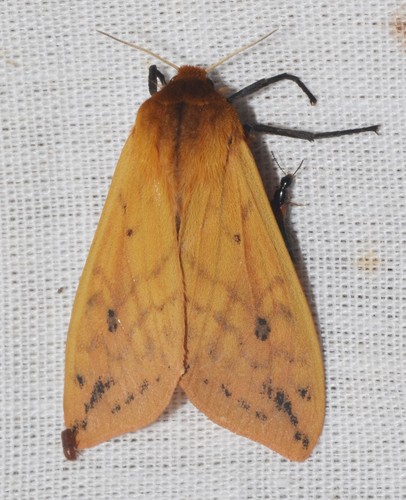
Isabella Tiger Moth (Woolly Bear) identified by the community
Real finds identified with Bug Identifier.
Other bugs you may enjoy
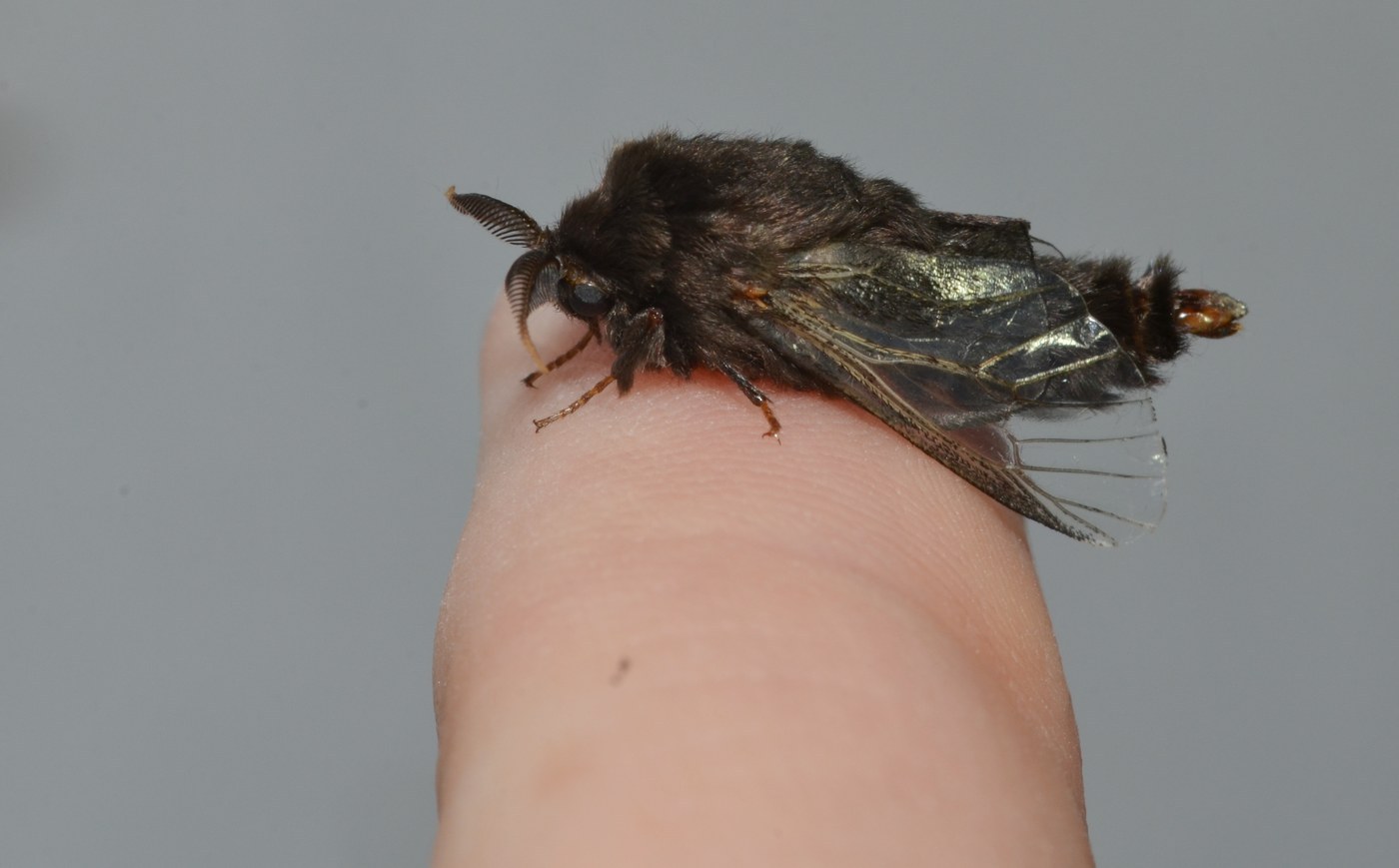
Bagworm Moth
Coniferous and deciduous trees, shrubs, hedges
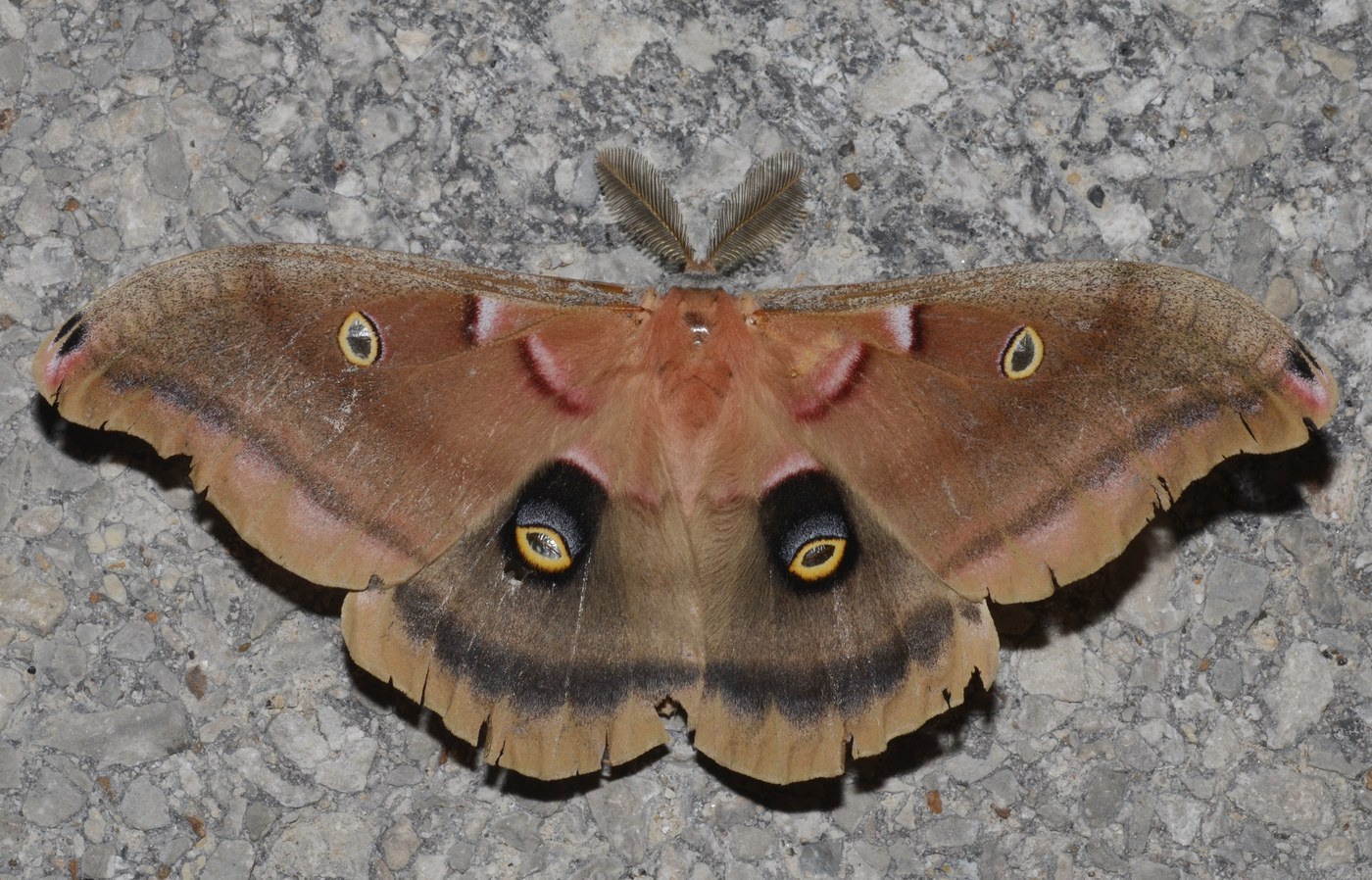
Antheraea Silkmoth
Deciduous forests, woodland edges, orchards
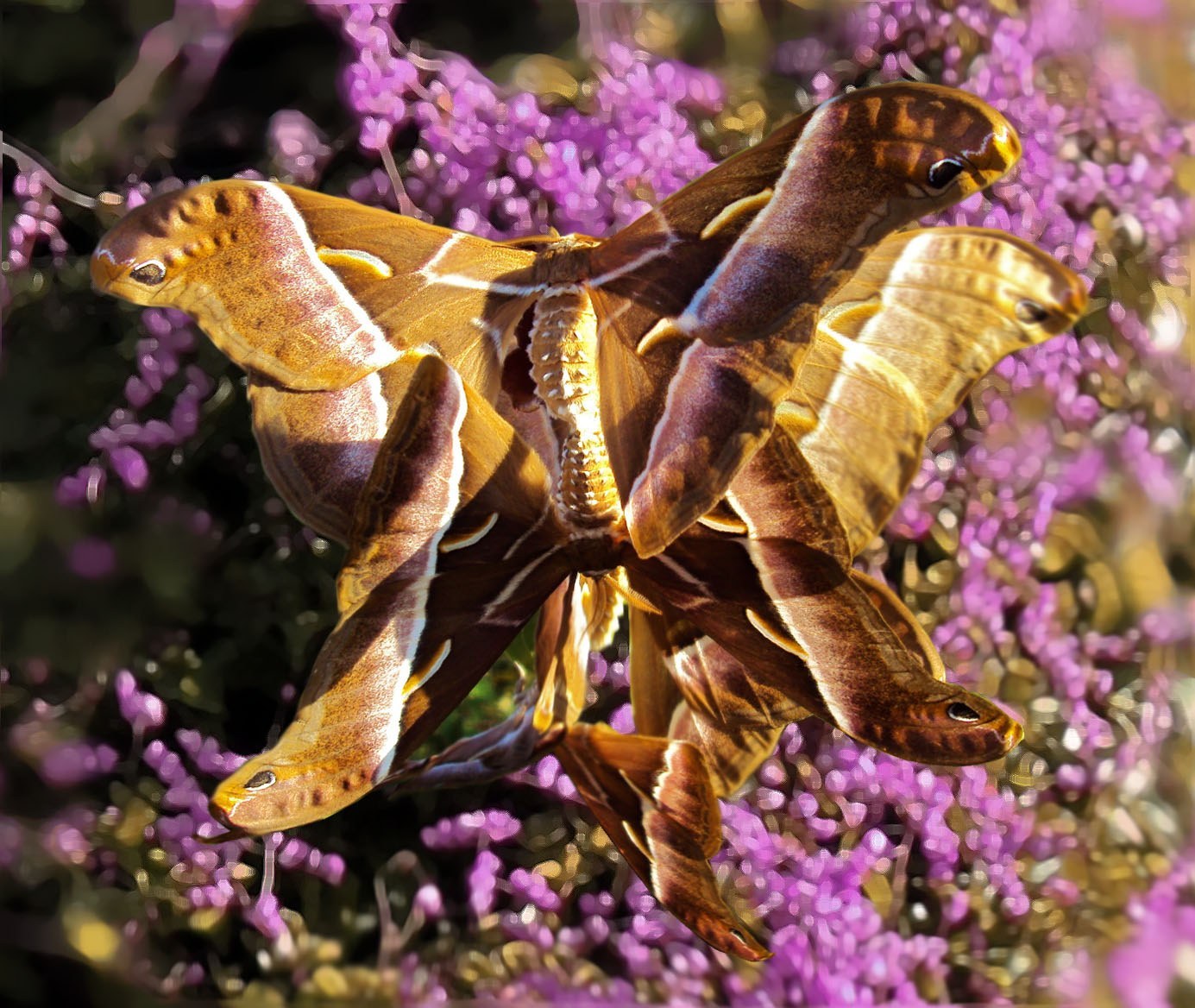
Ailanthus Silkmoth (Cynthia Moth)
Urban parks, wastelands, and woodland edges with tree-of-heaven; native to Asia, introduced in North America and Europe
Winter Moth
Deciduous woodland, orchards, gardens, hedgerows
Webbing Clothes Moth
Dark closets, storage areas, and animal nests worldwide
Tussock Moth
Deciduous forests, parks, gardens
Wax Moth
Beehives, apiaries, stored beeswax and comb
White Ermine Moth
Gardens, meadows, hedgerows
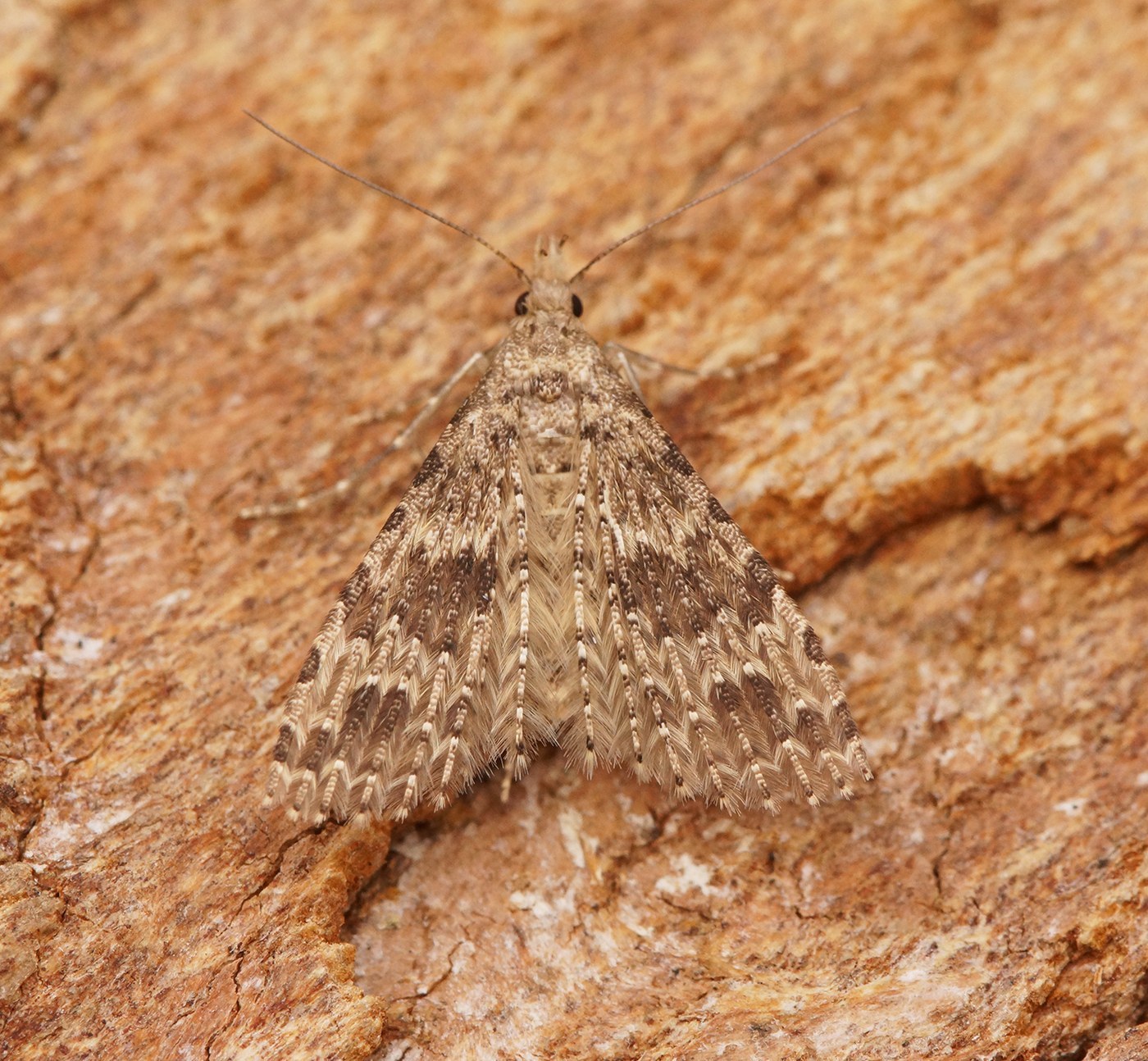
Twenty-plume Moth
Gardens, hedgerows, near honeysuckle
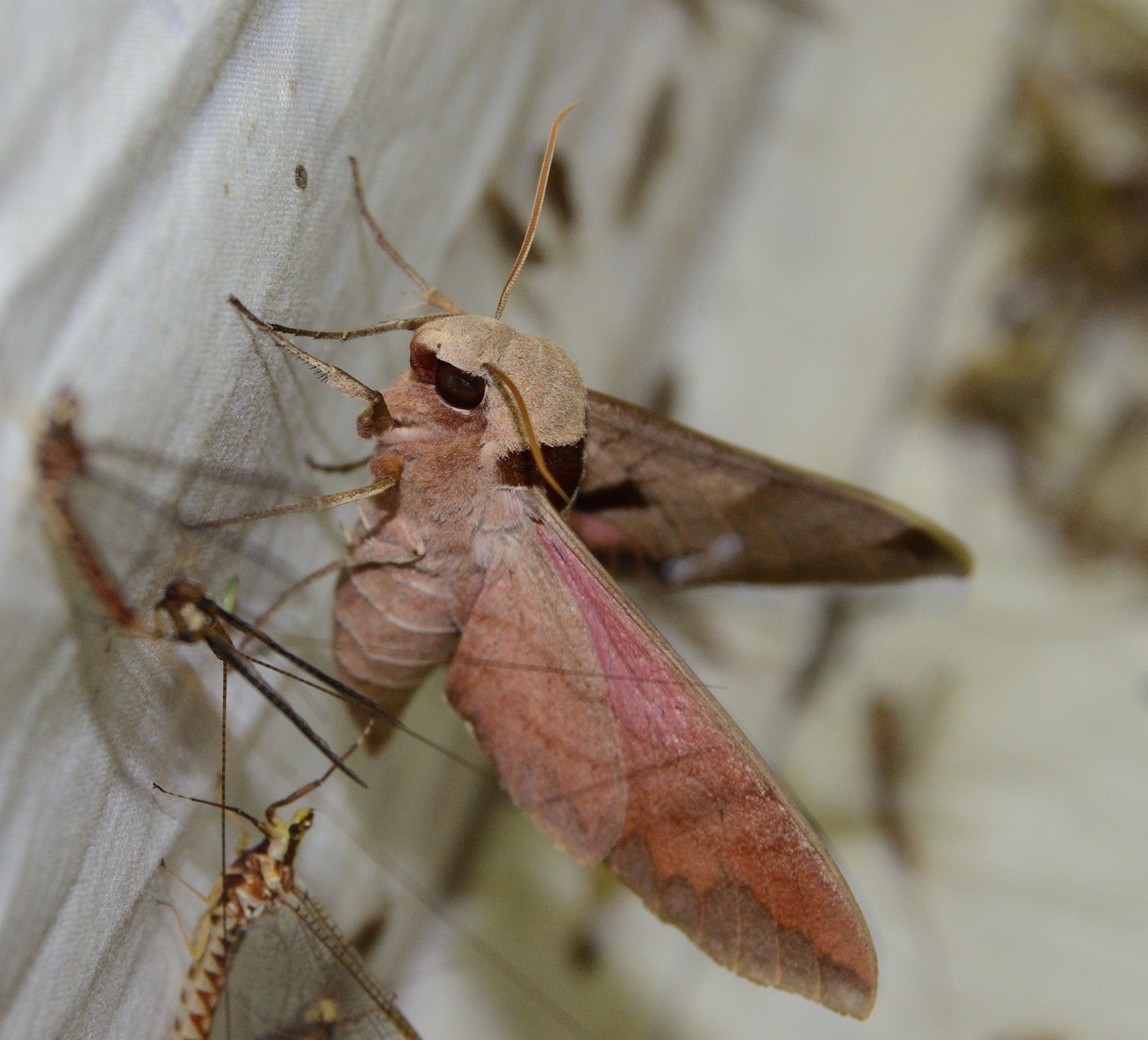
Achemon Sphinx Moth
Vineyards, woodland edges, gardens with wild grape
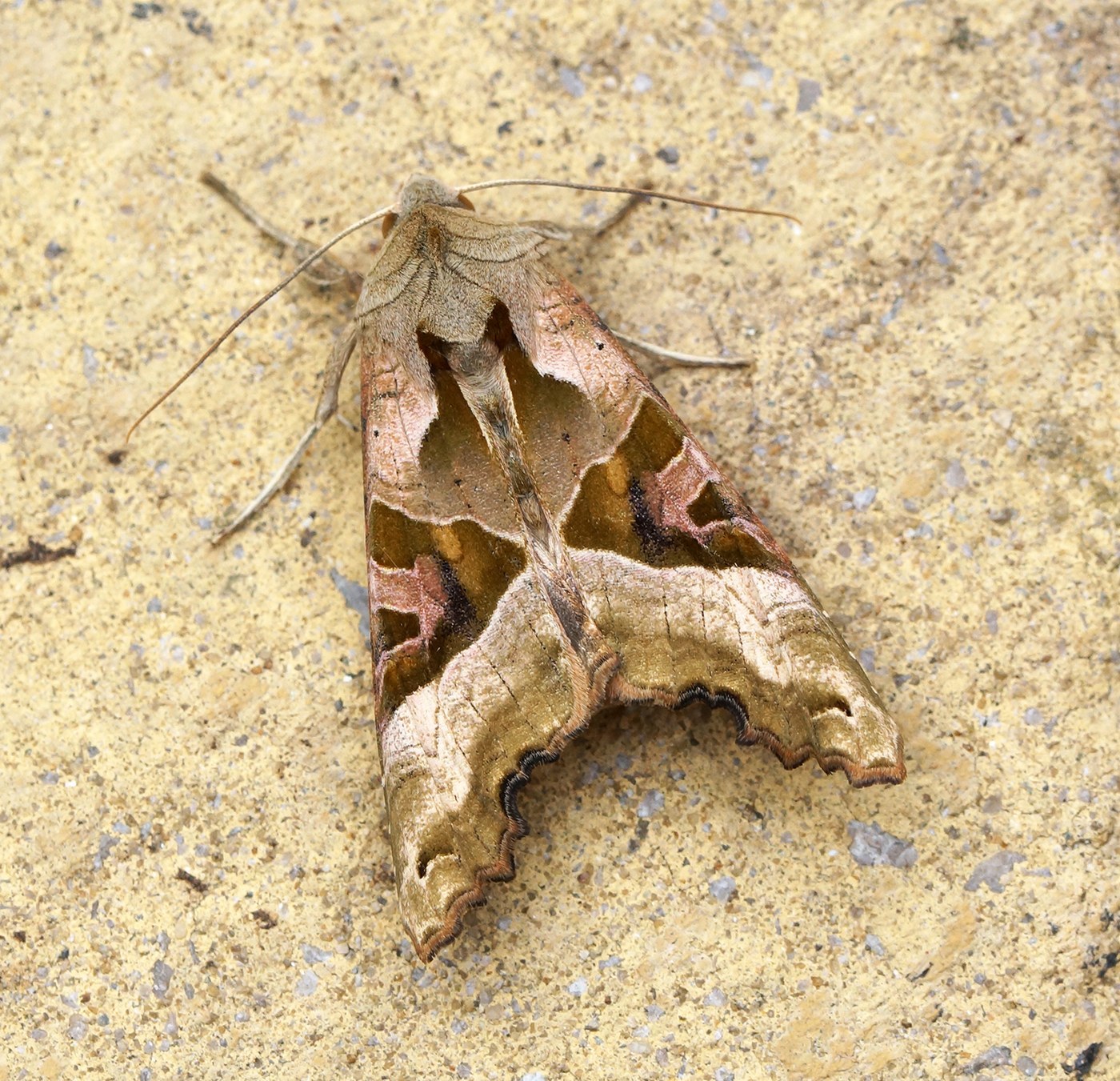
Angle Shades Moth
Gardens, hedgerows, woodland edges, urban parks
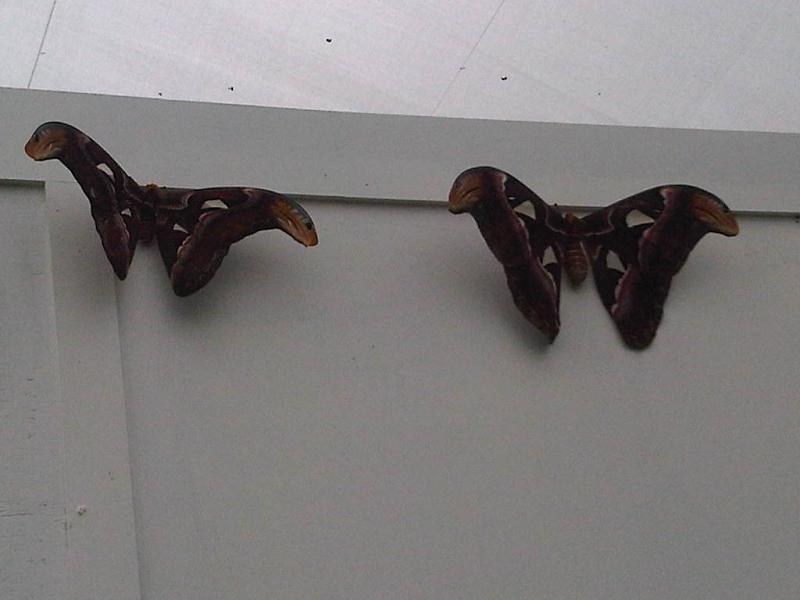
Atlas Moth
Tropical and subtropical lowland forests of Southeast Asia