
Mouse Spider
Missulena spp.
A stout, glossy burrowing spider named for its supposed mouse-like agility, with males often sporting a strikingly colored head and jaws.
- Size
- Body length 10-30 mm, females larger than males
- Habitat
- Burrows in soil across grasslands, woodlands and open ground
- Danger
- Mildly venomous
Spotted a bug like this?
Identify any bug or insect from a photo, free.
Overview
Mouse spiders are robust, ground-dwelling mygalomorph spiders found across Australia, related to the trapdoor spider group. Their common name likely stems from an old belief that they could dig burrows as quickly as a mouse, though the name is more folklore than accurate description of their actual behavior.
Males and females differ noticeably in appearance: females are typically dark, glossy black or brown and heavier-bodied, spending virtually their entire lives underground, while males in several species have a distinctive bright red, orange, or blue head and enlarged jaws, making them far more conspicuous when they leave their burrows to search for mates.
As mygalomorphs, mouse spiders have downward-striking fangs rather than the pincer-like fangs of true spiders, and they are related to Australian funnel-web spiders, sharing a similar burrowing lifestyle.
How to Identify
- Stout, heavily built body with a glossy carapace, typically dark brown to black
- Males often display a bright red, orange, or bluish head region contrasting with a darker abdomen
- Large, robust jaws (chelicerae) positioned to strike downward, characteristic of mygalomorph spiders
- Short, thick legs adapted for digging rather than running
- Lookalikes include Australian funnel-web spiders, which share a similar burrowing body plan but lack the mouse spider's often colorful head
Habitat & Range
Mouse spiders are widespread across Australia, occupying burrows dug into soil in grasslands, woodlands, floodplains, and even suburban gardens. Burrows are typically lined with silk and may have a thin, camouflaged trapdoor or an open turret entrance, depending on the species and habitat conditions.
Behavior & Diet
Females are highly sedentary, remaining in their burrows for most or all of their lives, ambushing passing invertebrate prey near the entrance. Males become wanderers during the breeding season, particularly after rain, leaving their burrows to search the ground for females, which is when they are most often encountered by people. Mouse spiders can defensively rear up and display their fangs if disturbed at the burrow entrance.
Life Cycle
Females lay eggs within a silk-lined egg sac kept inside the burrow, guarding it closely until spiderlings emerge. Young spiders disperse from the natal burrow to dig their own, growing slowly over several years through repeated molts, as is typical for long-lived mygalomorph spiders. Females may live for many years within a single burrow, while males typically die not long after reaching maturity and completing their mate-searching wanderings.
Frequently asked questions
Why is it called a mouse spider?
The name comes from old folklore suggesting the spider could dig burrows as quickly as a mouse, rather than any resemblance to an actual mouse.
Why do male mouse spiders have colorful heads?
The bright red, orange, or blue head coloring is a feature of males in several species and makes them more visible during their above-ground mate searches, unlike the plainer, burrow-bound females.
Where do mouse spiders live?
They dig burrows in soil across a range of Australian habitats, from grasslands and woodlands to suburban gardens.
Mouse Spider guides
In-depth guides for identifying, understanding, and living alongside Mouse Spider.
Other bugs you may enjoy
Woodlouse Spider
Damp leaf litter, under logs, stones, and mulch
Wolf Spider
Gardens, grasslands, forests, leaf litter, ground burrows
Wandering Spider
Tropical and subtropical forest floor, foliage, and banana plants
Banded Garden Spider
Tall grass, meadows, and gardens with open sunny vegetation
Banana Spider
Wooded trails, forest edges, and gardens across the southeastern U.S. and the American tropics
Sydney Funnel-web Spider
Burrows in moist soil, gardens, and forested gullies around the Sydney basin of eastern Australia
Trapdoor Spider
Self-dug silk-lined burrows with a camouflaged door, in dry, well-drained soil worldwide
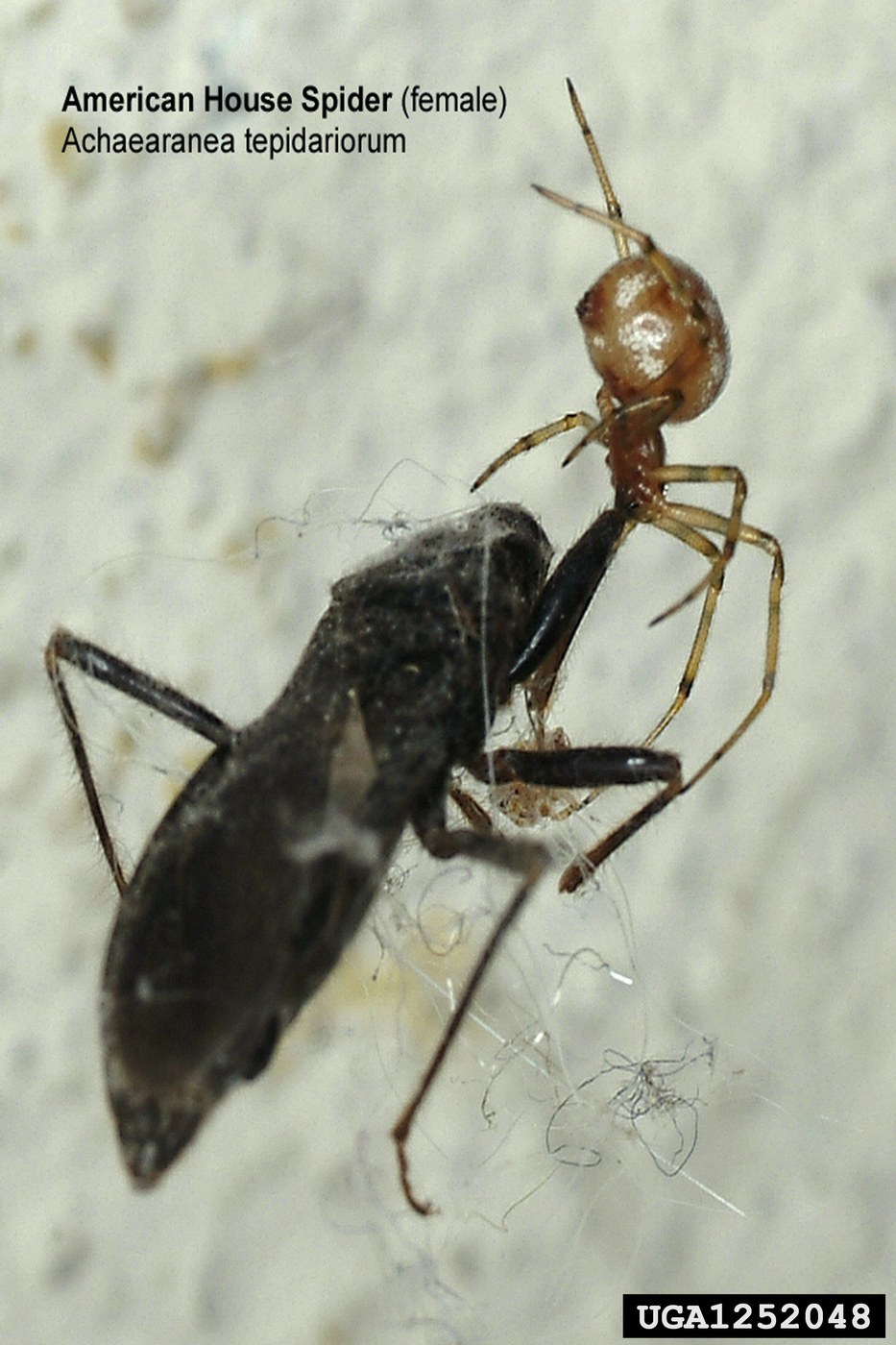
American House Spider
Corners, basements, garages, and outbuildings worldwide
Tube Web Spider
Wall crevices, bark, rockeries, and masonry
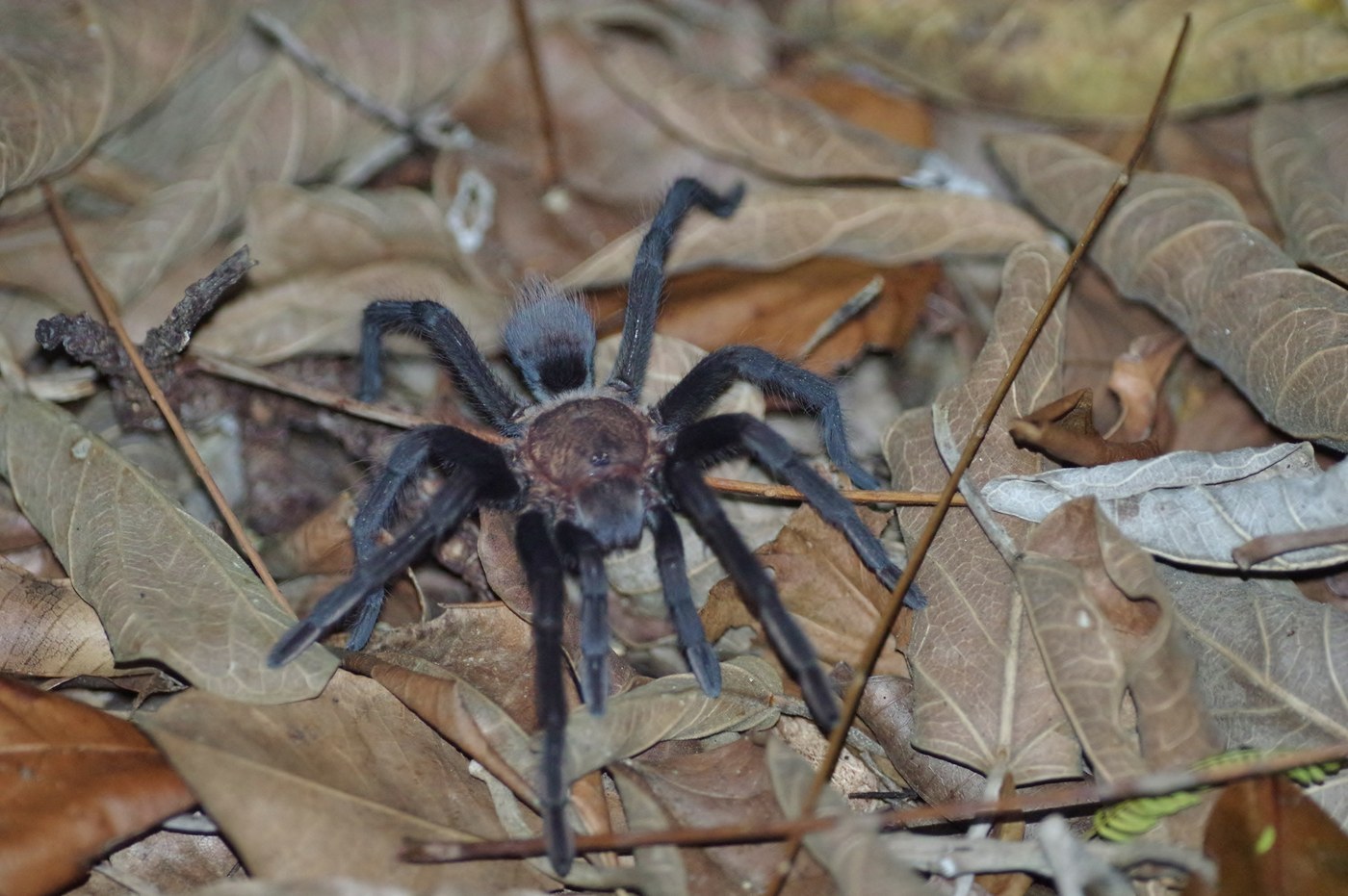
Tarantula
Burrows, rock crevices, and tree hollows in deserts, grasslands, and tropical forests worldwide
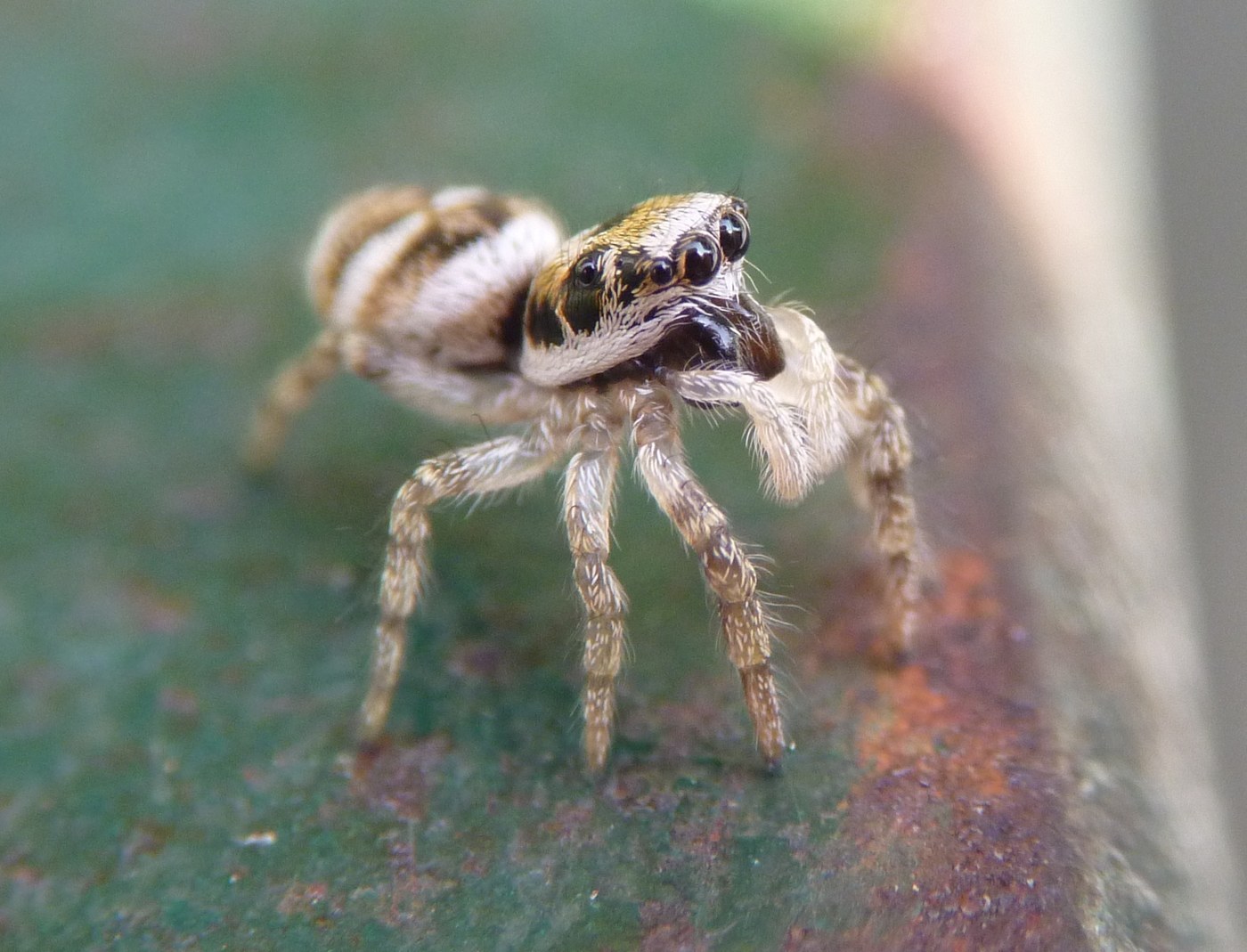
Zebra Jumping Spider
Sunny walls, fences, tree bark, and building exteriors
Wall Spider
Cracks and crevices on exterior and interior walls