
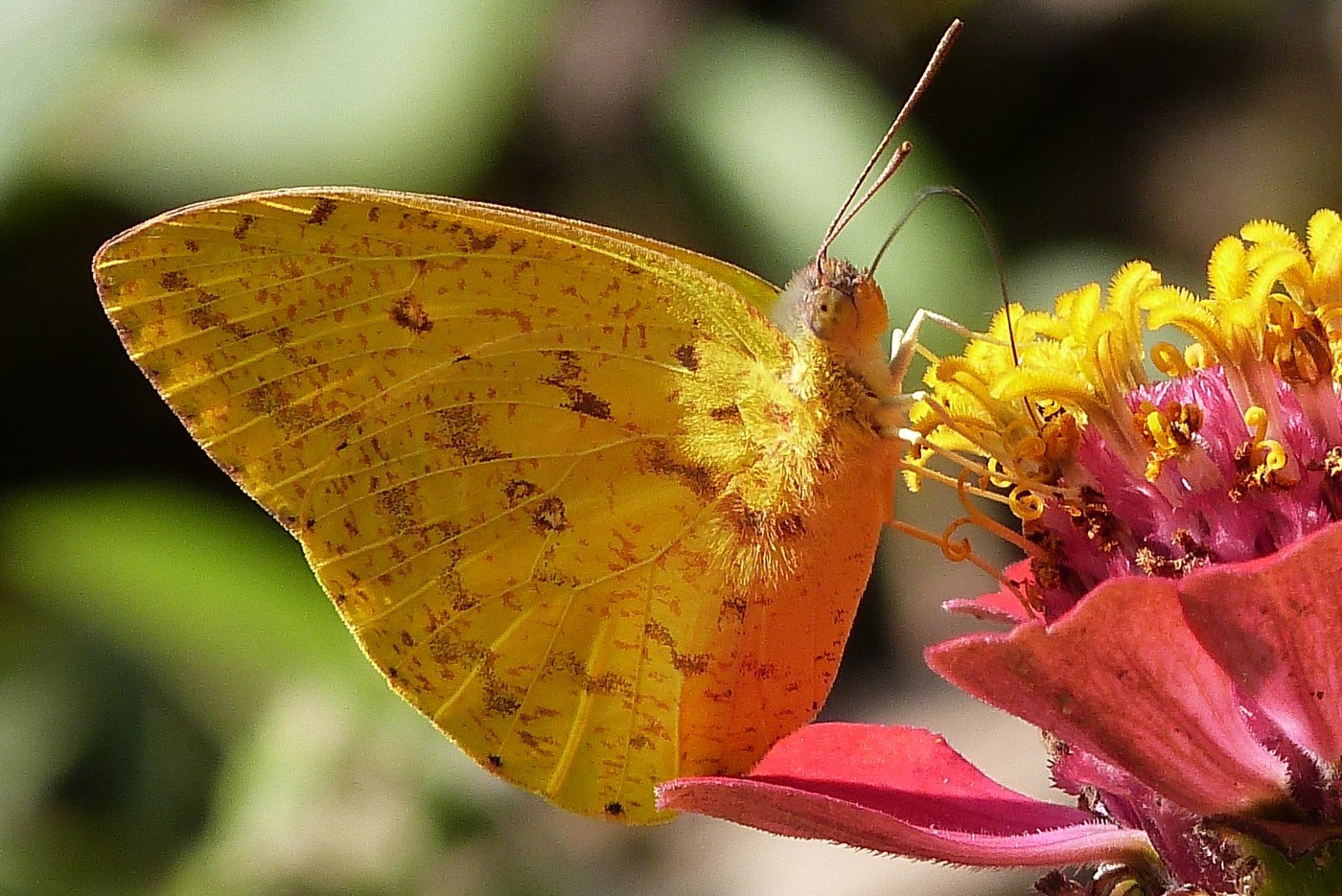
Orange-barred Sulphur
Phoebis philea
One of the largest sulphur butterflies, bright yellow with a bold band of deep orange across the forewing and a solid orange wash on the hindwing in males.
- Size
- 2.5–3.5 in wingspan
- Habitat
- Gardens, tropical scrub, open sunny areas in subtropical regions
- Danger
- Harmless
Spotted a bug like this?
Identify any bug or insect from a photo, free.
Overview
The Orange-barred Sulphur is a large, showy butterfly in the family Pieridae, primarily a tropical and subtropical species found from South America through Central America and the Caribbean into the southernmost United States, notably Florida and Texas. Its size and rich orange-and-yellow coloring make it one of the most dramatic sulphurs seen in North America, particularly where individuals stray or establish temporary populations northward.
As a member of the genus Phoebis, alongside the closely related Cloudless Sulphur, it shares that group's powerful flight and long-distance dispersal ability, allowing it to periodically expand its range well beyond its core tropical distribution during warm seasons.
Gardeners in the Gulf Coast and southern Florida often cultivate cassia and senna shrubs specifically to attract this striking species, making it a popular subject for butterfly gardens in warm climates.
How to Identify
- Large sulphur butterfly; males are bright yellow with a broad, deep orange bar across the forewing and an orange wash covering most of the hindwing.
- Females are paler yellow to whitish with more limited orange markings and small dark spots along the wing margins.
- Underside is yellow with fine reddish speckling and a small silvery spot on the hindwing.
- Antennae are pink to reddish and clubbed.
- Distinguished from the similar Cloudless Sulphur by its larger size and the presence of bold orange coloring, which the Cloudless Sulphur lacks.
Habitat & Range
This species is resident in tropical and subtropical regions from South America through Central America, Mexico, and the Caribbean, with established populations in southern Florida and south Texas, and periodic strays reaching farther north in the United States during warm months. It favors open, sunny habitats such as gardens, scrub, and forest edges wherever senna and cassia host plants grow, and it is active year-round in its resident tropical range.
Behavior & Diet
Adults are strong, direct fliers, visiting a variety of nectar-rich flowers, especially favoring red and orange tubular blooms such as hibiscus. Males patrol open, sunny territory in search of females and can be seen engaging in courtship pursuit flights. Caterpillars feed on senna and cassia species, and their coloring can shift between green and yellow tones depending on whether they are consuming leaves or flowers, providing camouflage against the host plant.
Life Cycle
Eggs are laid singly on the leaves, buds, or flowers of senna and cassia host plants. The caterpillar passes through several instars, varying in color from green to yellow with fine speckling to match its food source. Pupation occurs in an elongated, curved chrysalis attached to a stem by a silk girdle. In its tropical resident range, breeding continues year-round with overlapping generations, while populations at the northern edge of its range are maintained mainly through seasonal immigration rather than winter survival.
Frequently asked questions
How is the Orange-barred Sulphur different from the Cloudless Sulphur?
It is larger and shows a bold orange bar or wash on the wings, especially in males, whereas the Cloudless Sulphur remains a fairly uniform yellow.
Where is it most commonly seen in the United States?
It is resident in southern Florida and south Texas, with occasional strays appearing farther north during warm months.
What plants attract this butterfly to gardens?
Senna and cassia shrubs serve as host plants for the caterpillars, and gardeners in warm climates often plant them specifically to attract this species.
Does it live in the United States year-round?
Only in the warmest southern areas like Florida and Texas is it a permanent resident; elsewhere it appears seasonally as a stray or temporary colonist.
Orange-barred Sulphur guides
In-depth guides for identifying, understanding, and living alongside Orange-barred Sulphur.
Other bugs you may enjoy
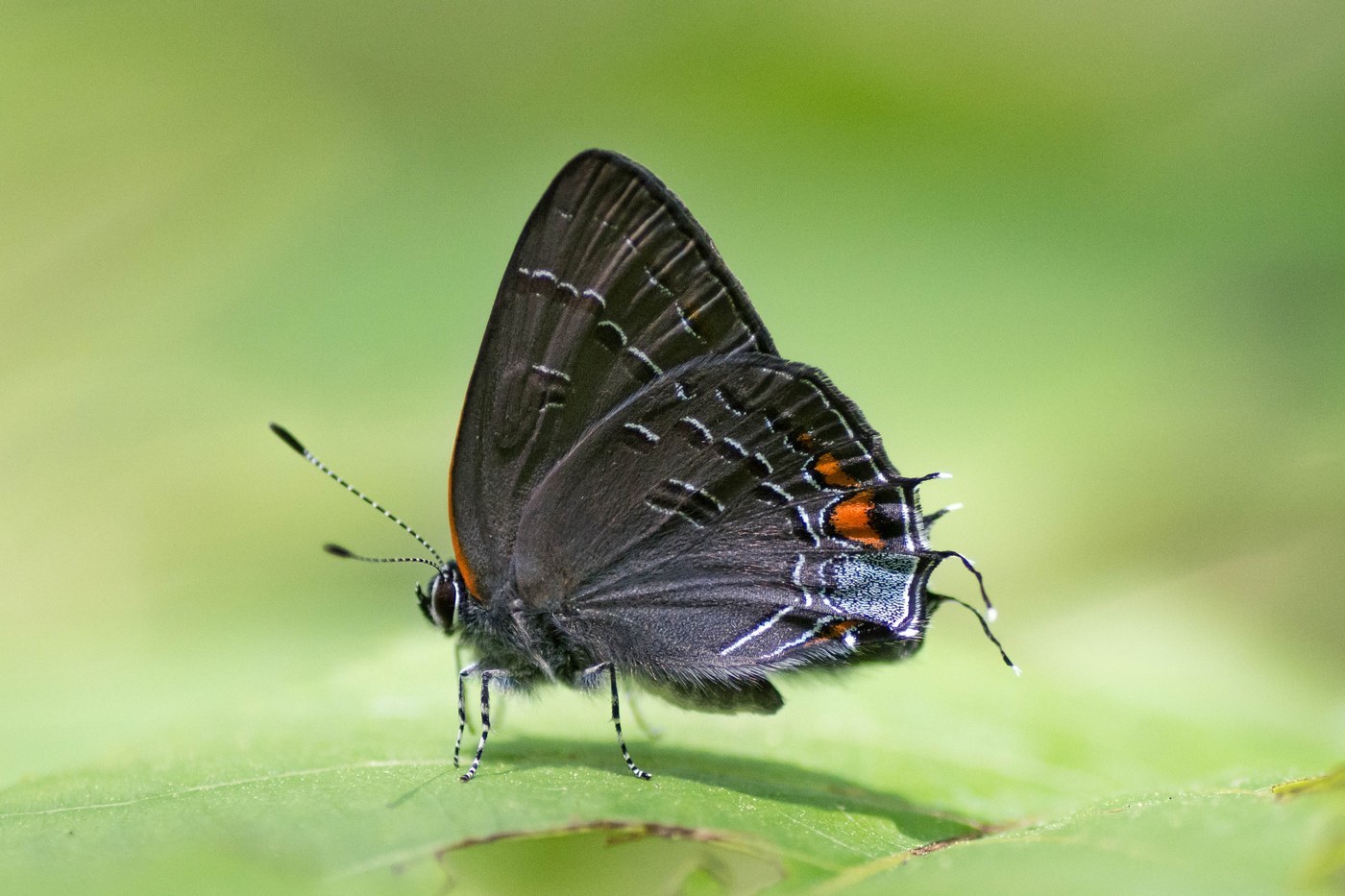
Banded Hairstreak
Deciduous woodlands and edges with oaks and hickories
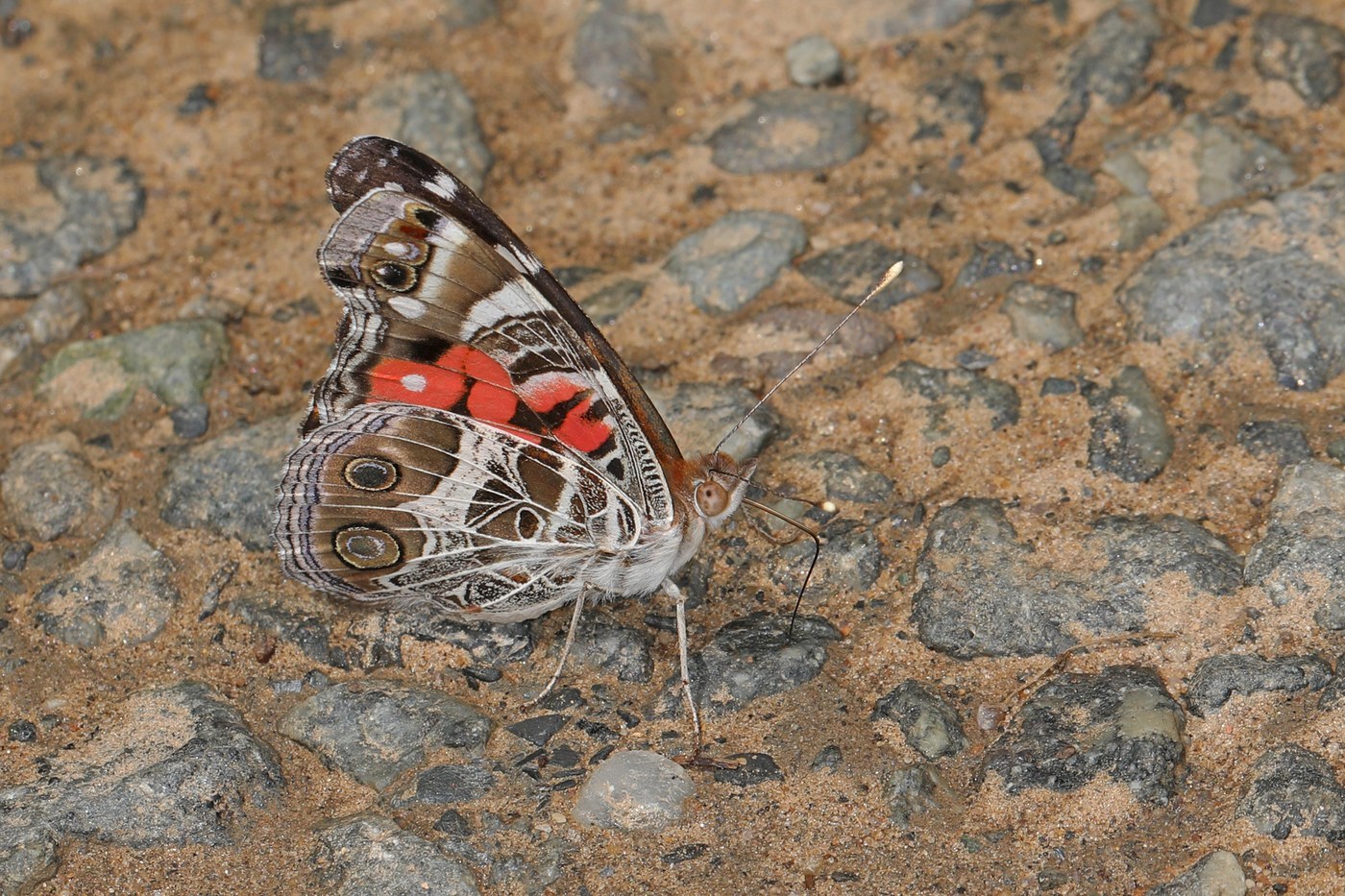
American Lady
Open fields, meadows, gardens, roadsides
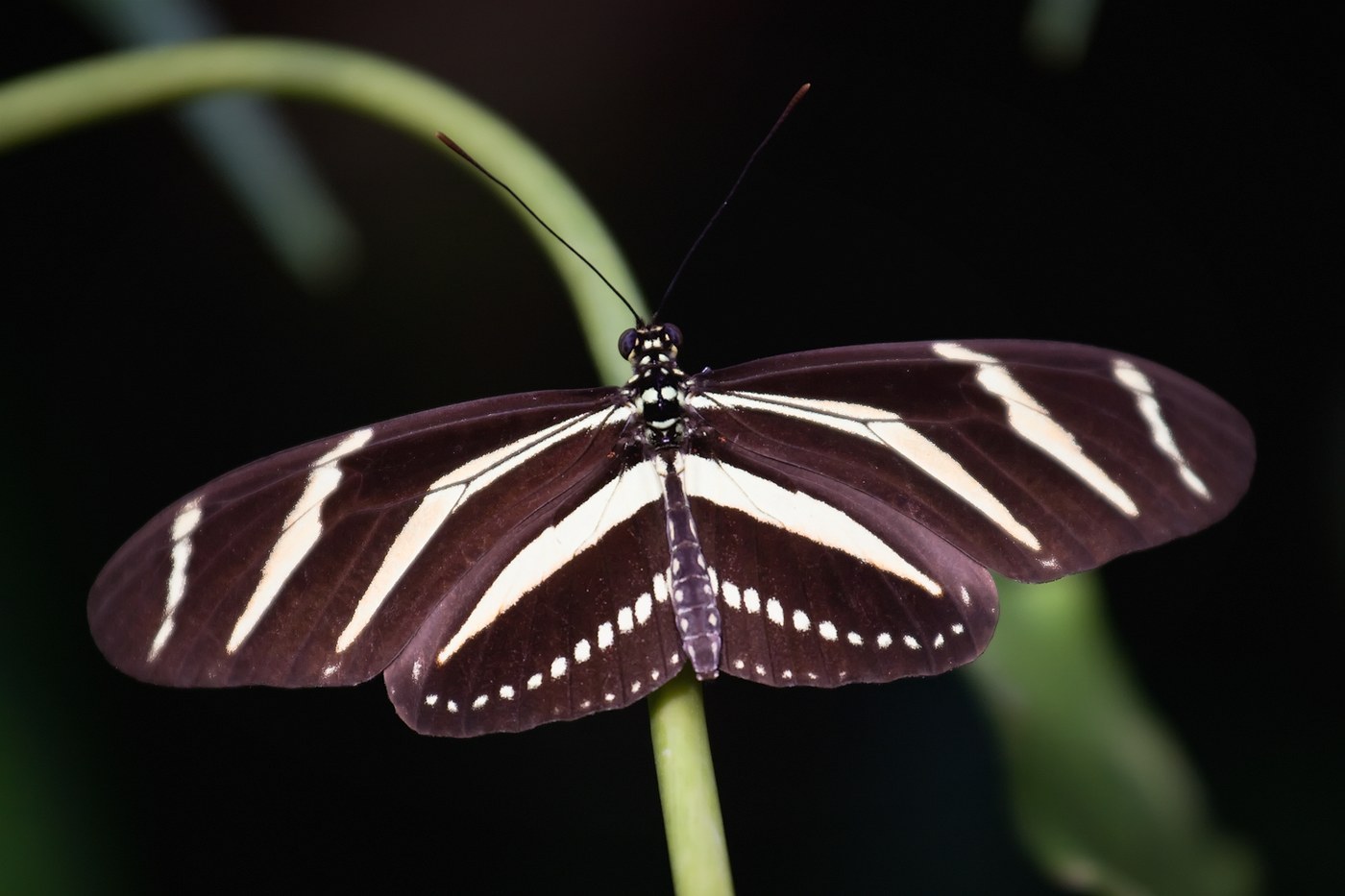
Zebra Longwing
Tropical hammocks, gardens, forest edges
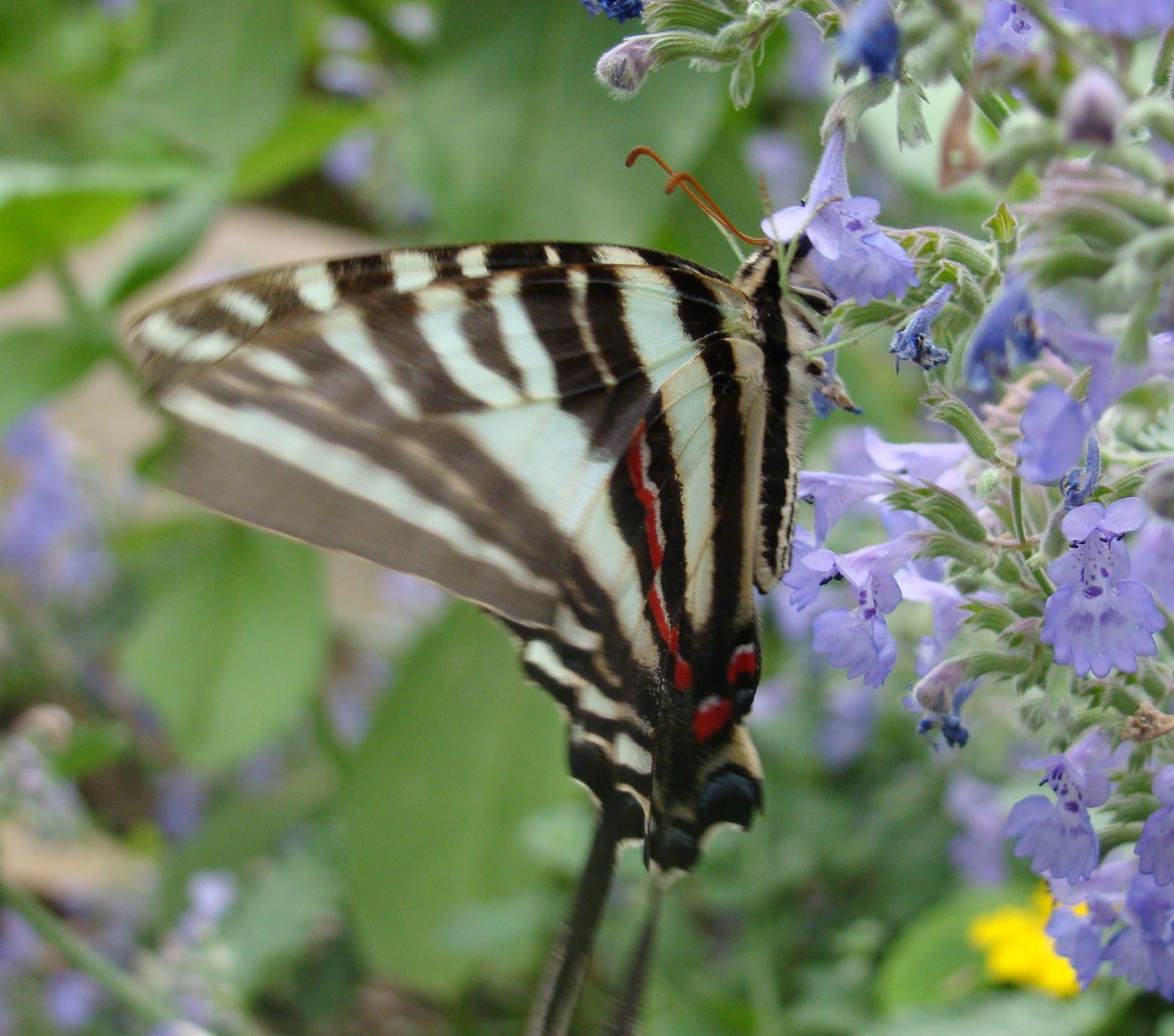
Zebra Swallowtail
Woodlands, floodplains, forest edges near pawpaw
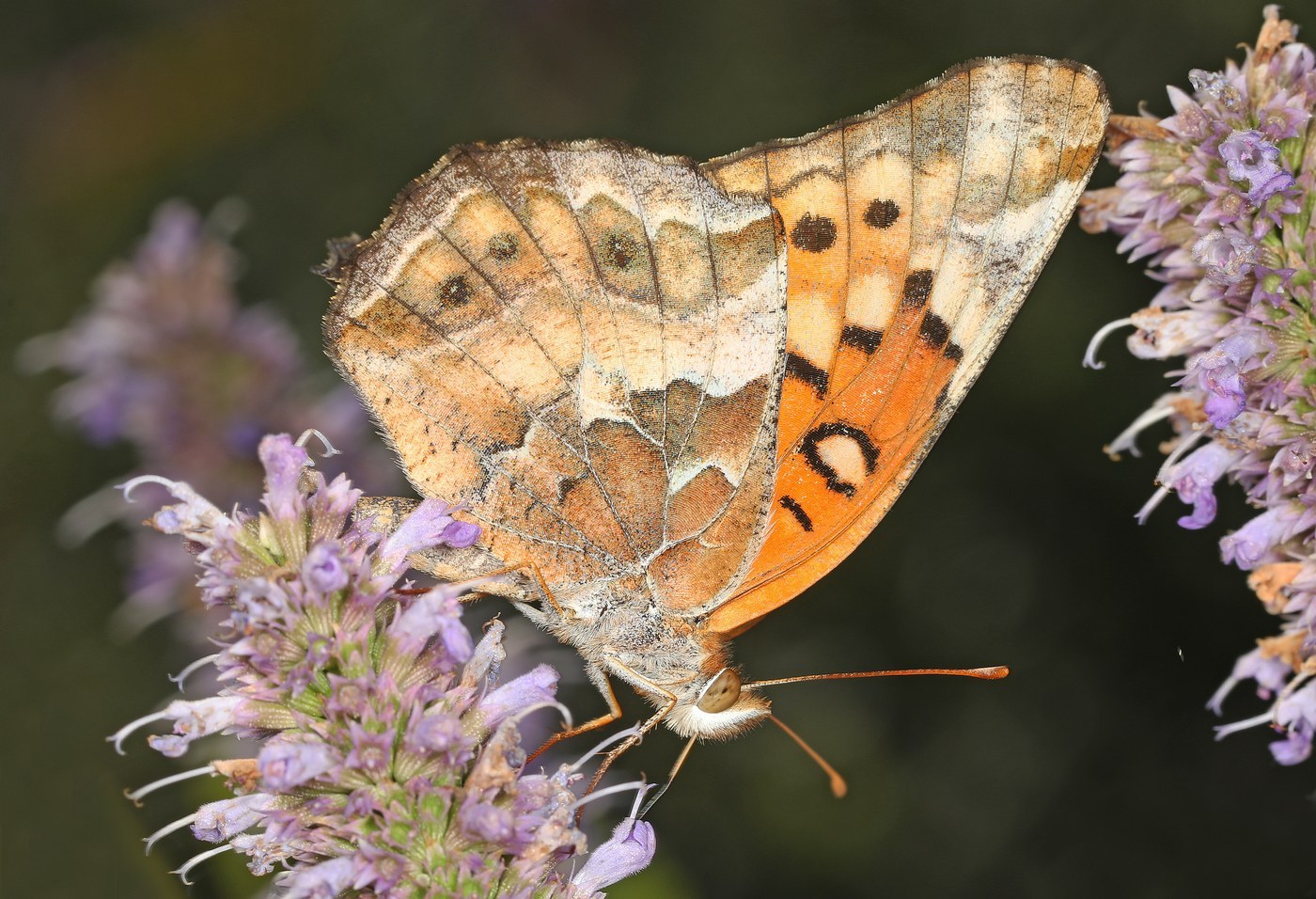
Variegated Fritillary
Open fields, prairies, roadsides, and disturbed ground across most of the United States
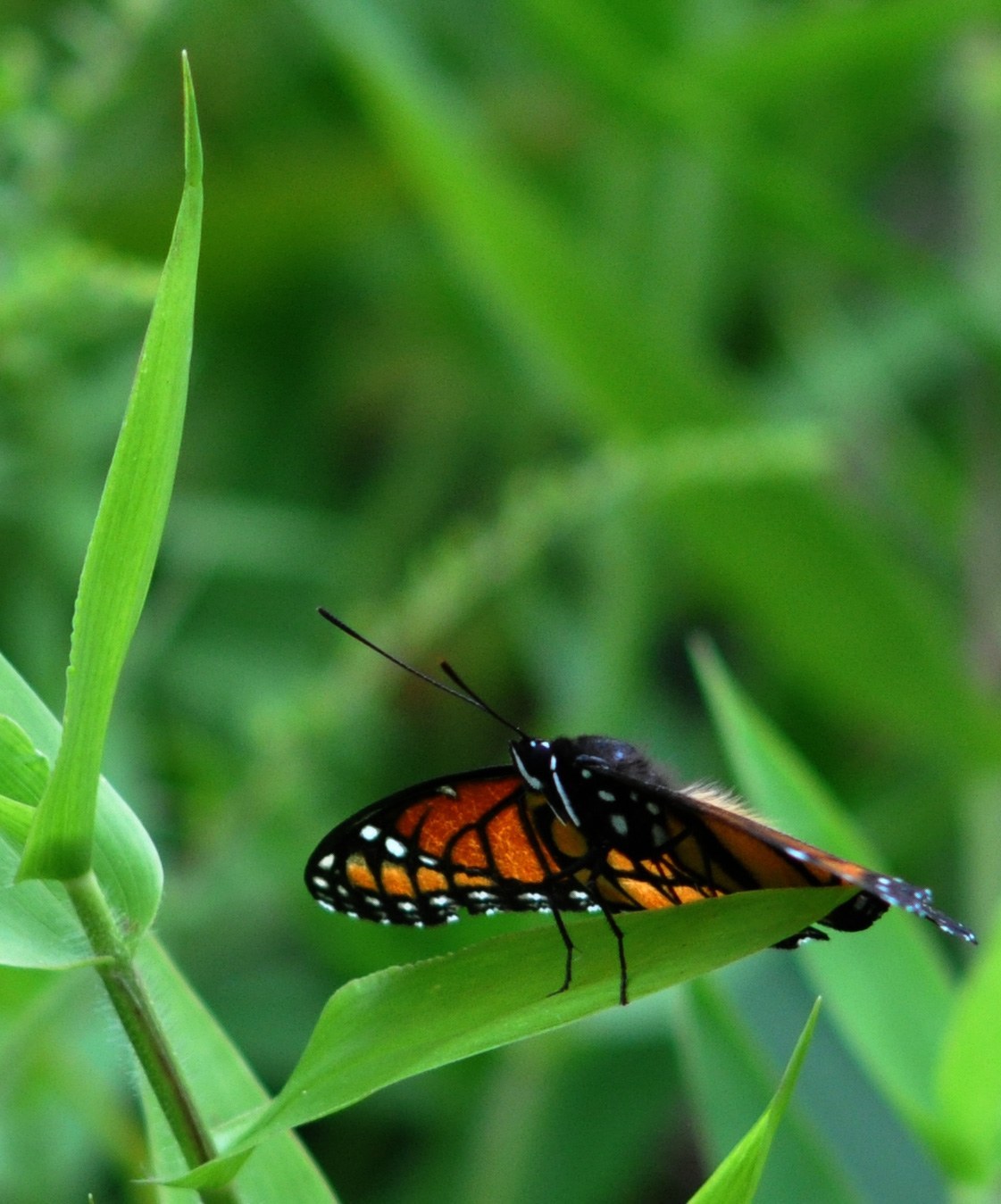
Viceroy Butterfly
Wetlands, meadows, riverbanks, willow thickets (North America)
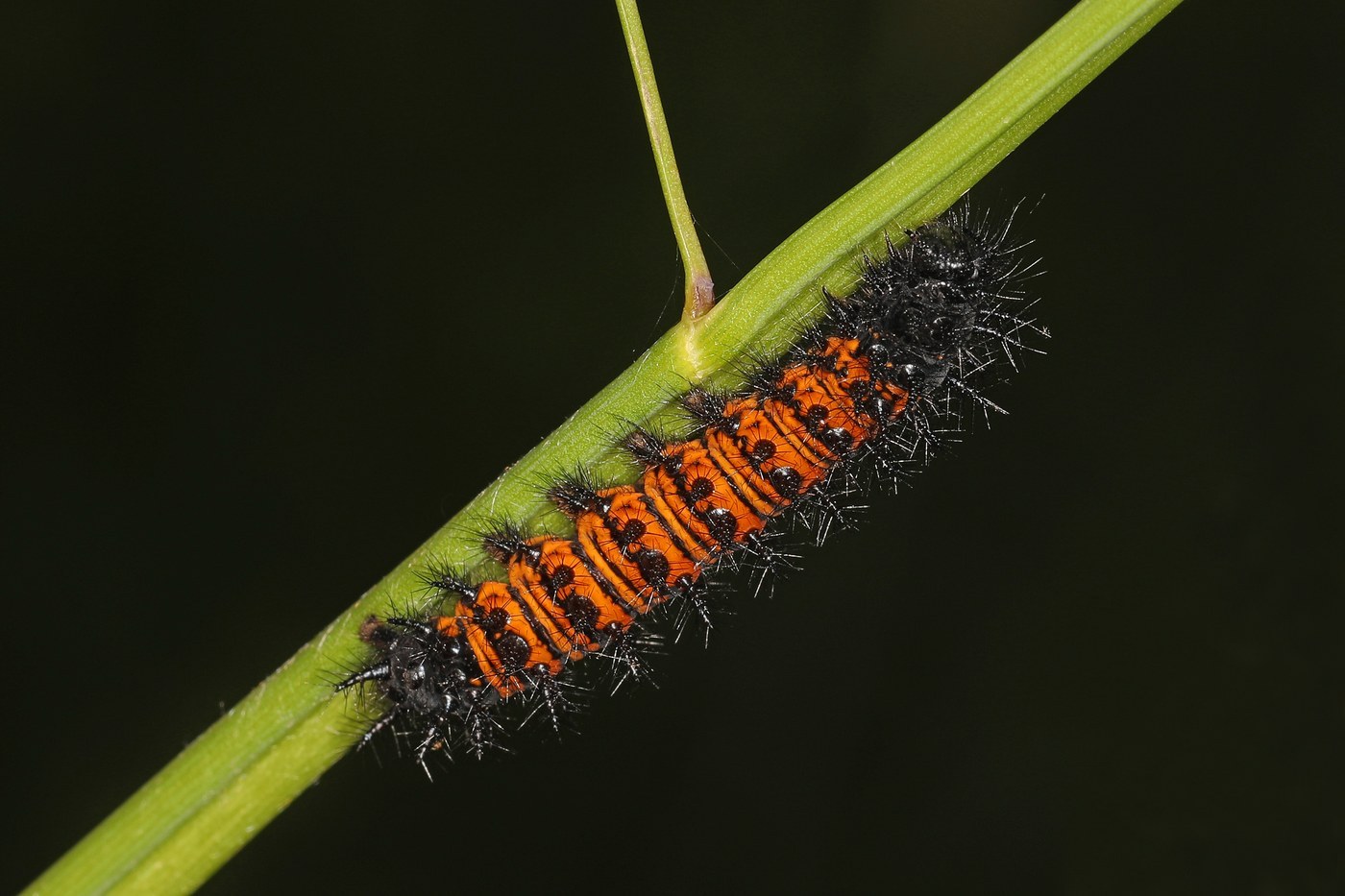
Baltimore Checkerspot
Wet meadows, bogs, and marshy fields in the northeastern and Appalachian US
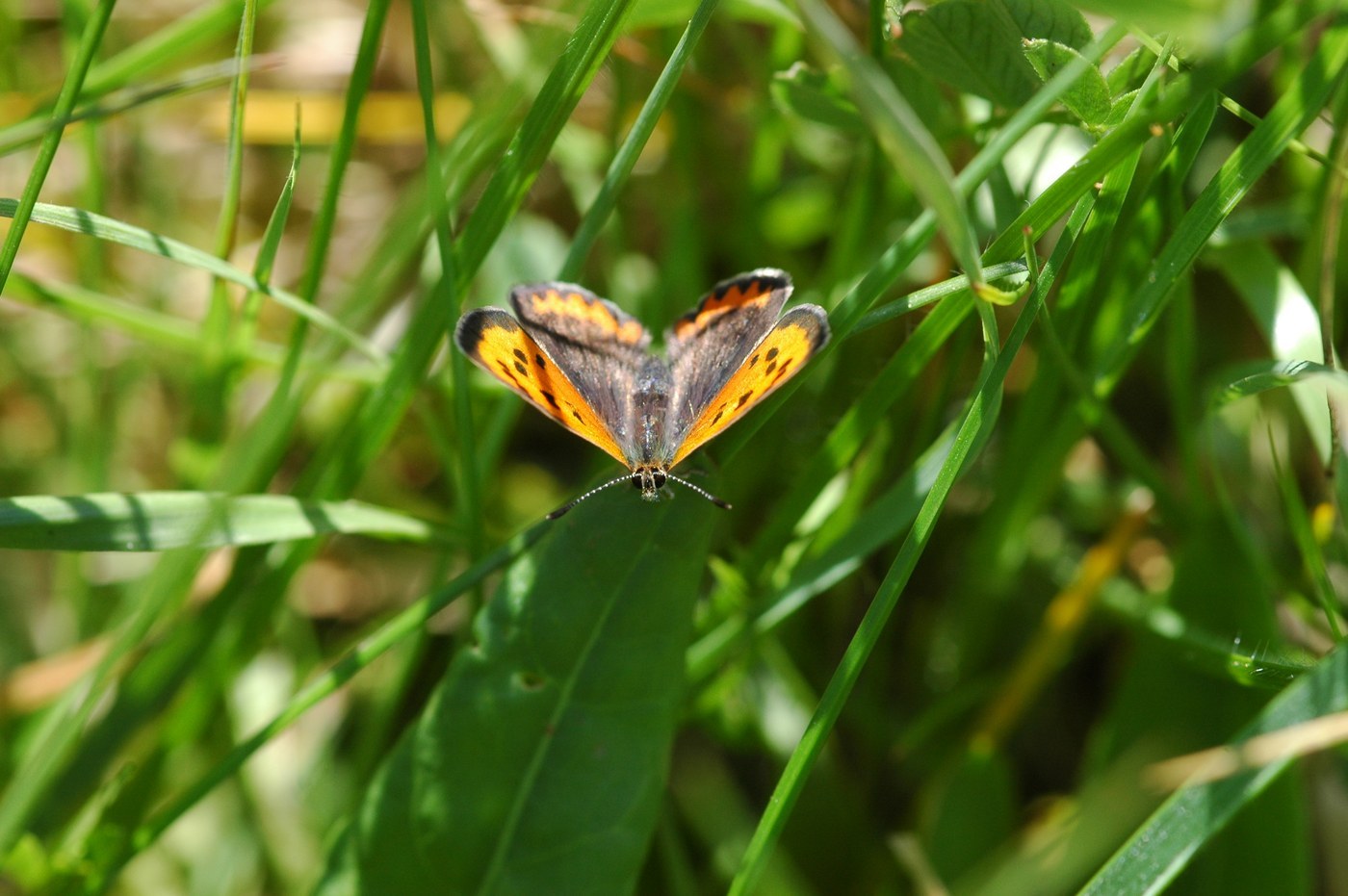
American Copper
Old fields, roadsides, and disturbed open ground with sorrel or dock
West Virginia White
Rich deciduous forest floors, especially near seeps and streams
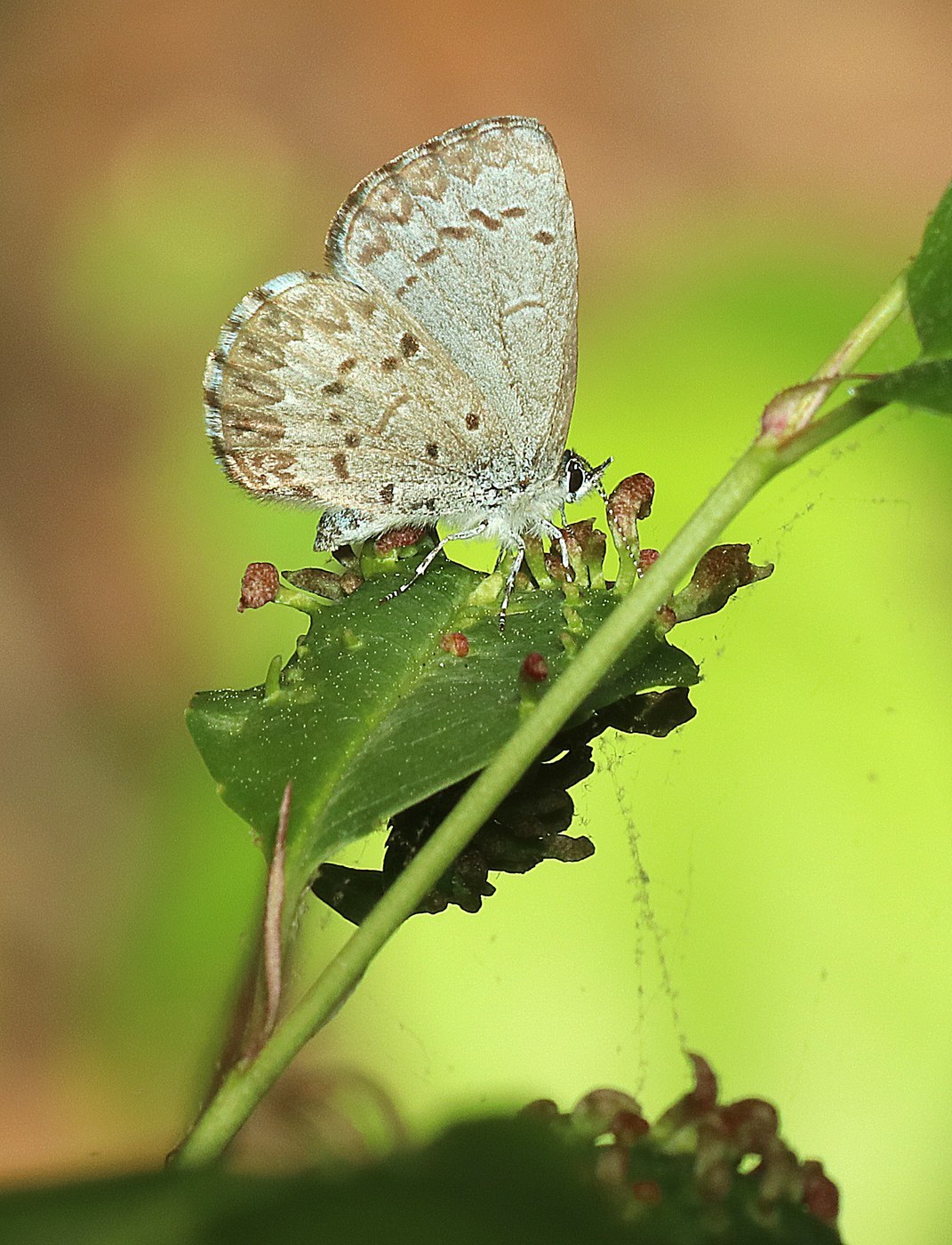
Spring Azure
Woodland edges, gardens, shrubby clearings
Red Admiral
Gardens, woodland edges, parks, meadows
Sleepy Orange
Open woodland, fields, roadsides, and disturbed ground