
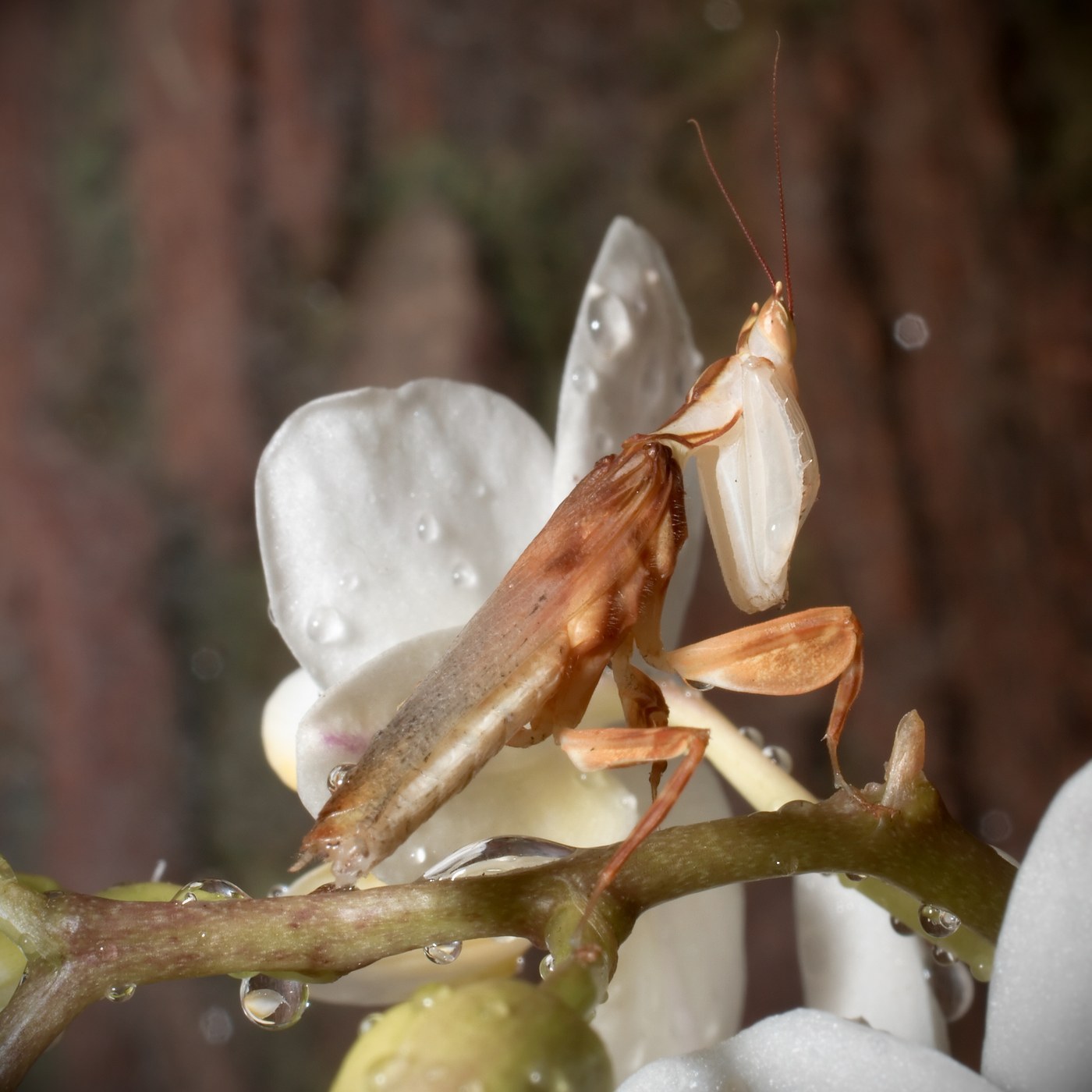
Orchid Mantis
Hymenopus coronatus
A dazzling pink-and-white mantis whose petal-shaped leg lobes let it pass as a flower, luring pollinating insects close enough to ambush.
- Size
- 2-2.75 in (5-7 cm) long (females larger than males)
- Habitat
- tropical rainforests and flowering shrubs of Southeast Asia
- Danger
- Harmless
Spotted a bug like this?
Identify any bug or insect from a photo, free.
Overview
The orchid mantis is one of the most visually striking members of the mantis order, celebrated for its remarkably convincing resemblance to a flower blossom. Native to the rainforests of Southeast Asia, particularly Malaysia and Indonesia, this species combines soft pink, white, and sometimes pale yellow coloring with broad, petal-like lobes on its legs to create a floral silhouette that helps it both evade predators and lure prey.
Females are considerably larger and more robust than males, with wider abdomens and more pronounced petal-shaped leg extensions, while males are smaller, slimmer, and more agile flyers. The mantis typically positions itself among flowering vegetation, where its coloring can shift subtly to better match the surrounding blossoms, and it often perches motionless for long periods, appearing as just another flower to passing insects.
As an ambush predator, the orchid mantis relies almost entirely on stillness and camouflage rather than active pursuit, striking with its raptorial front legs only when prey ventures within reach. This hunting strategy, combined with its floral mimicry, makes it a textbook example of aggressive mimicry in the insect world, and it has become one of the most popular mantis species kept by invertebrate enthusiasts because of its unusual appearance and calm demeanor.
How to Identify
- Pink and white body coloration, sometimes with pale yellow tinges, resembling flower petals
- Broad, flattened, petal-shaped lobes on the femurs of the legs that enhance the flower disguise
- Females noticeably larger and bulkier than males, with a wider abdomen
- Triangular head with large, prominent compound eyes typical of mantises
- Raptorial (grasping) front legs held folded in a classic "praying" posture when at rest
- Males are slimmer with fully functional wings for flight; females have reduced flight capability due to their bulk
Habitat & Range
Orchid mantises are native to the humid tropical rainforests of Southeast Asia, including Malaysia, Indonesia, and Thailand, where they are typically found among flowering shrubs and understory vegetation. They favor warm, humid conditions year-round consistent with their equatorial range and are most often encountered perched on or near blossoms where their camouflage is most effective.
Behavior & Diet
This species is a sit-and-wait ambush predator, remaining motionless on or near flowers for extended periods while its floral coloration and shape either conceal it from predators or actively attract flower-visiting insects such as bees, flies, and butterflies within striking range. When prey approaches closely enough, the mantis strikes with lightning speed using its spined raptorial forelegs to seize and hold its meal. Orchid mantises are largely solitary and can be cannibalistic, particularly among females, which sometimes consume males during or after mating. Their camouflage strategy is considered a rare example of aggressive mimicry, where the predator's disguise functions to attract prey rather than simply hide from it.
Life Cycle
Like other mantises, the orchid mantis undergoes incomplete metamorphosis with egg, nymph, and adult stages. Females produce an ootheca, a foam-like egg case that hardens to protect dozens of eggs, typically attached to a twig or stem. Newly hatched nymphs are initially dark red and black, a coloration thought to mimic unpalatable ants or bugs for early protection, before transitioning to the pink and white flower-like coloring as they mature through successive molts. Nymphs pass through multiple instars over a period of months before reaching adulthood, with females taking longer to mature than the smaller, faster-developing males.
Frequently asked questions
Why does the orchid mantis look like a flower?
Its pink and white coloring combined with petal-shaped leg lobes mimic a blossom, which helps it hide from predators and attract flower-visiting insects as prey.
Where is the orchid mantis found in the wild?
It is native to tropical rainforests in Southeast Asia, including Malaysia, Indonesia, and Thailand.
Are male and female orchid mantises different sizes?
Yes, females are notably larger and bulkier than males, which are smaller, slimmer, and stronger fliers.
What color are baby orchid mantises?
Newly hatched nymphs are dark red and black before gradually developing the pink and white coloring of the adult as they molt and grow.
Orchid Mantis guides
In-depth guides for identifying, understanding, and living alongside Orchid Mantis.
Orchid Mantis identified by the community
Real finds identified with Bug Identifier.

Other bugs you may enjoy
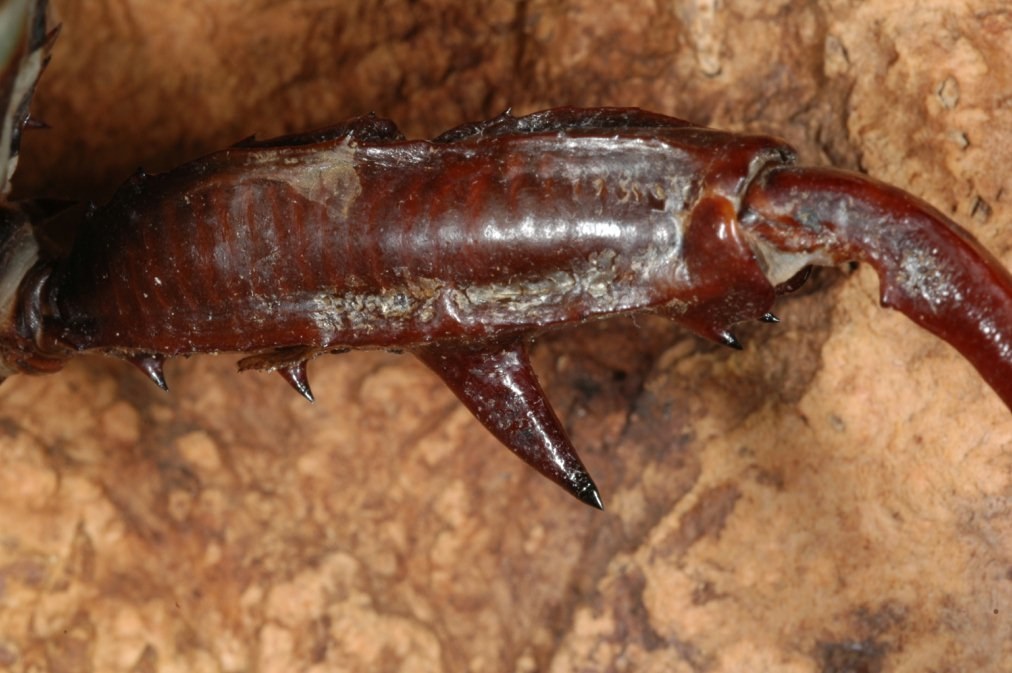
Walking Stick Insect
Trees, shrubs and leaf litter in forests, woodlands and gardens
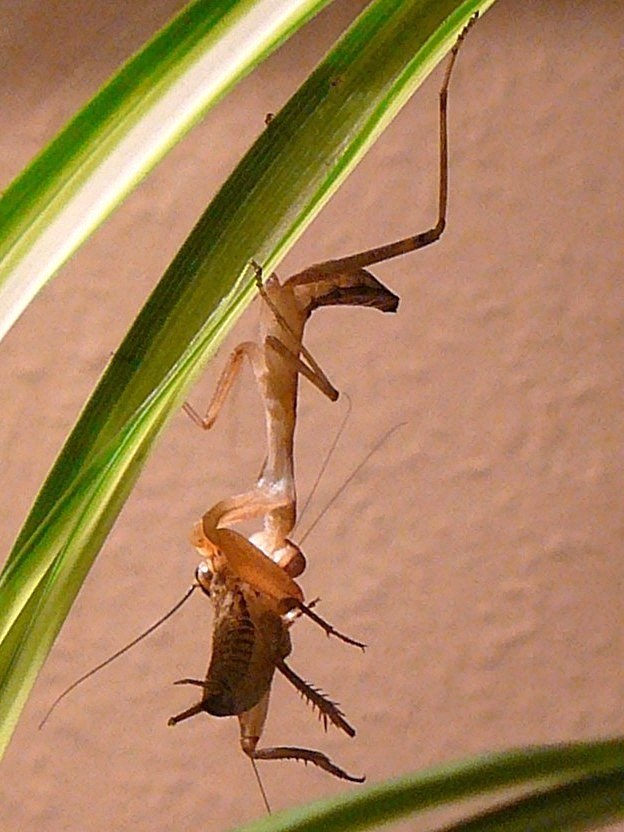
African Mantis
grasslands, shrubs, and gardens across sub-Saharan Africa
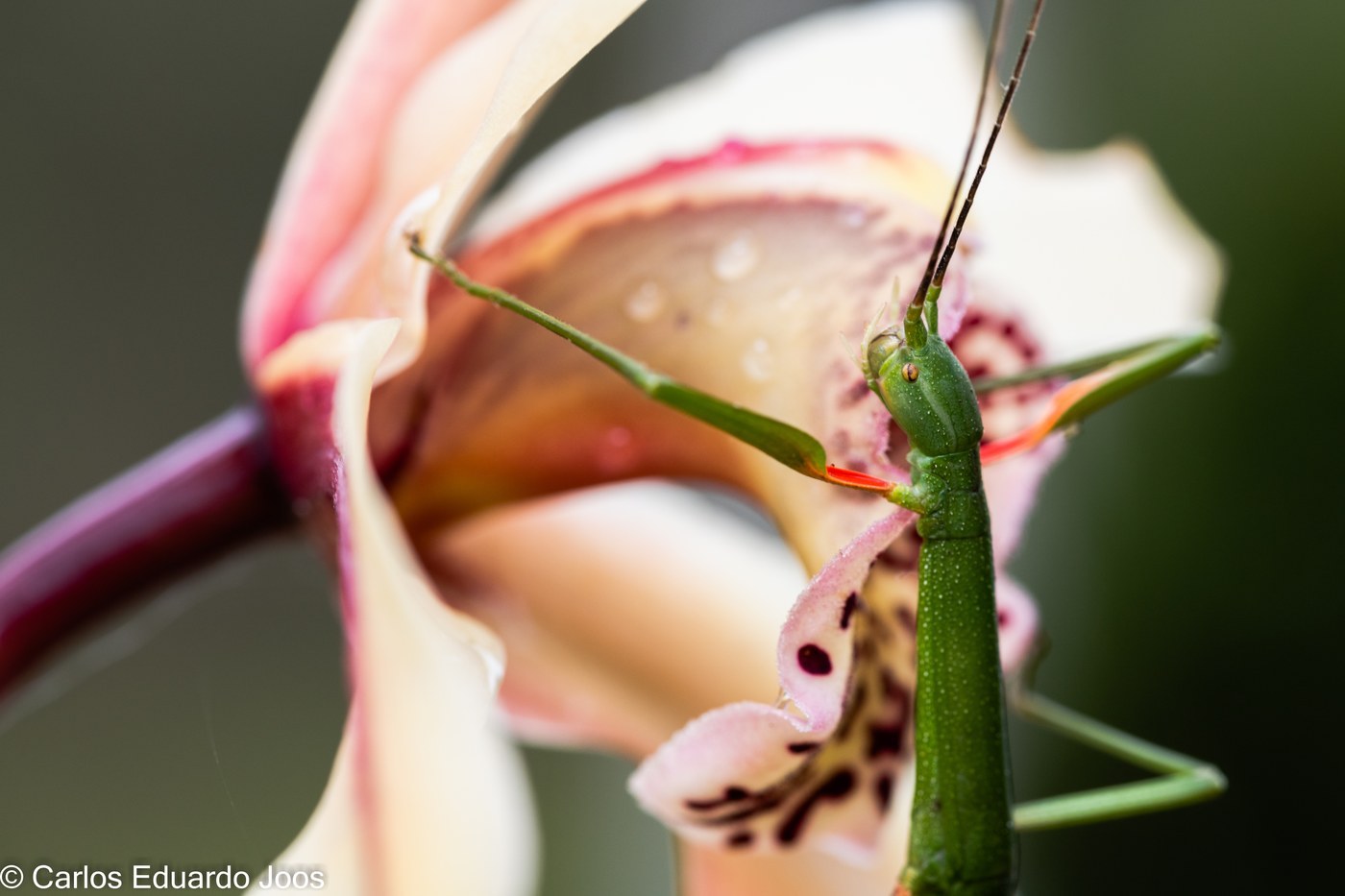
Walking Stick
Deciduous woodlands, forest edges, and shrubby vegetation
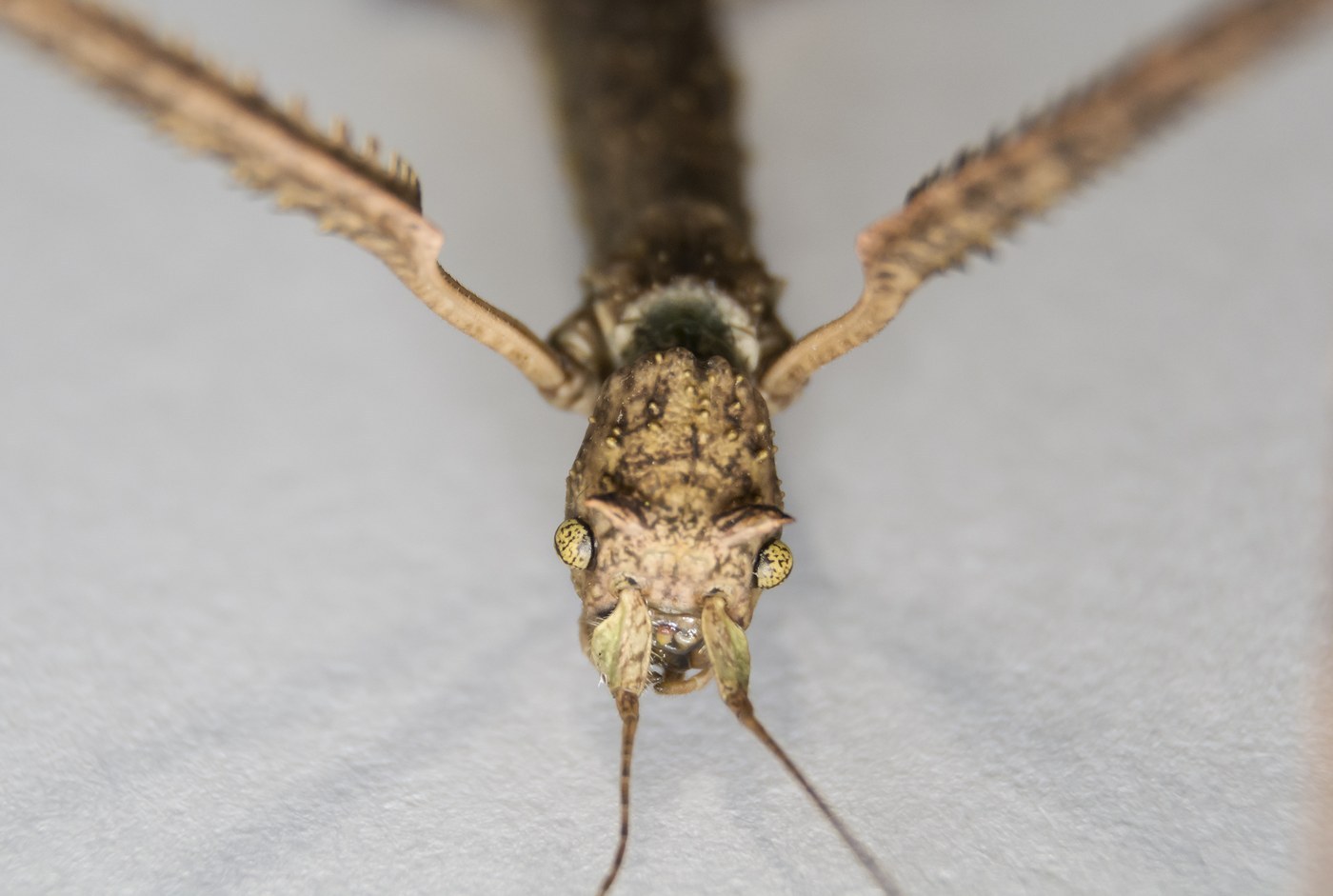
Vietnamese Walking Stick
tropical forests of Vietnam; widely kept in captivity worldwide
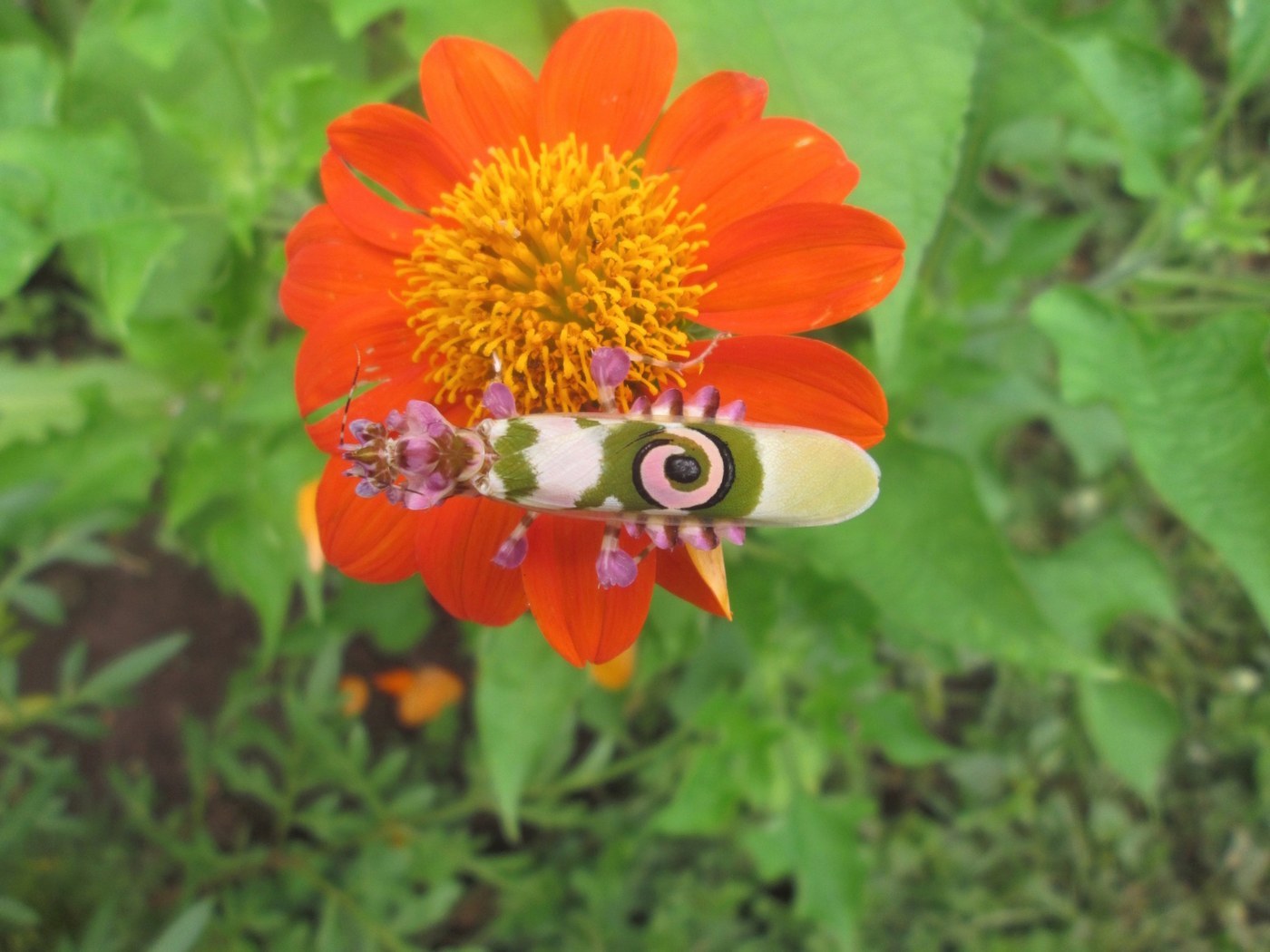
Spiny Flower Mantis
African savanna and woodland shrubs and flowering plants
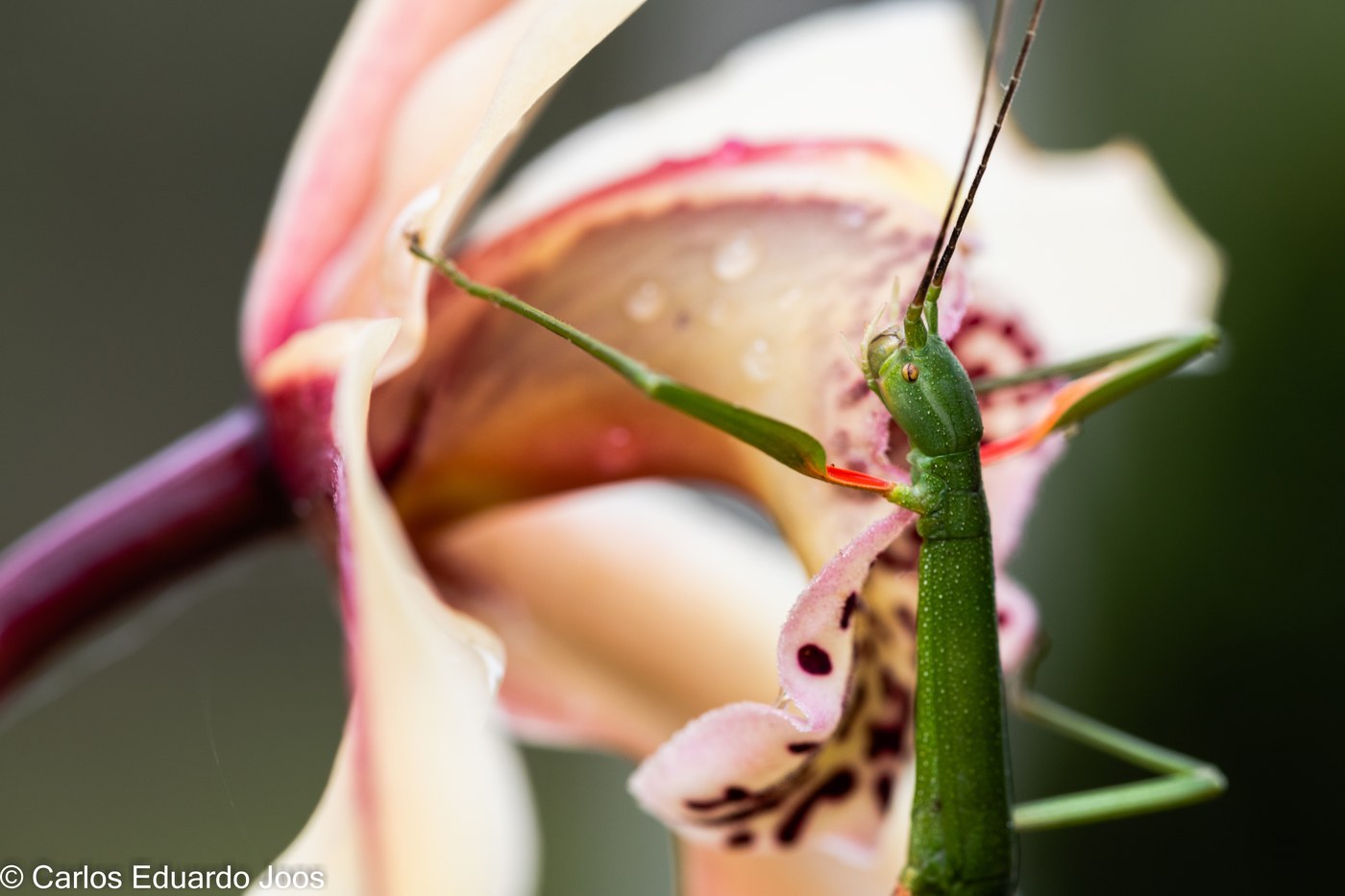
Northern Walkingstick
deciduous forests and woodland edges of the eastern and central United States and southern Canada
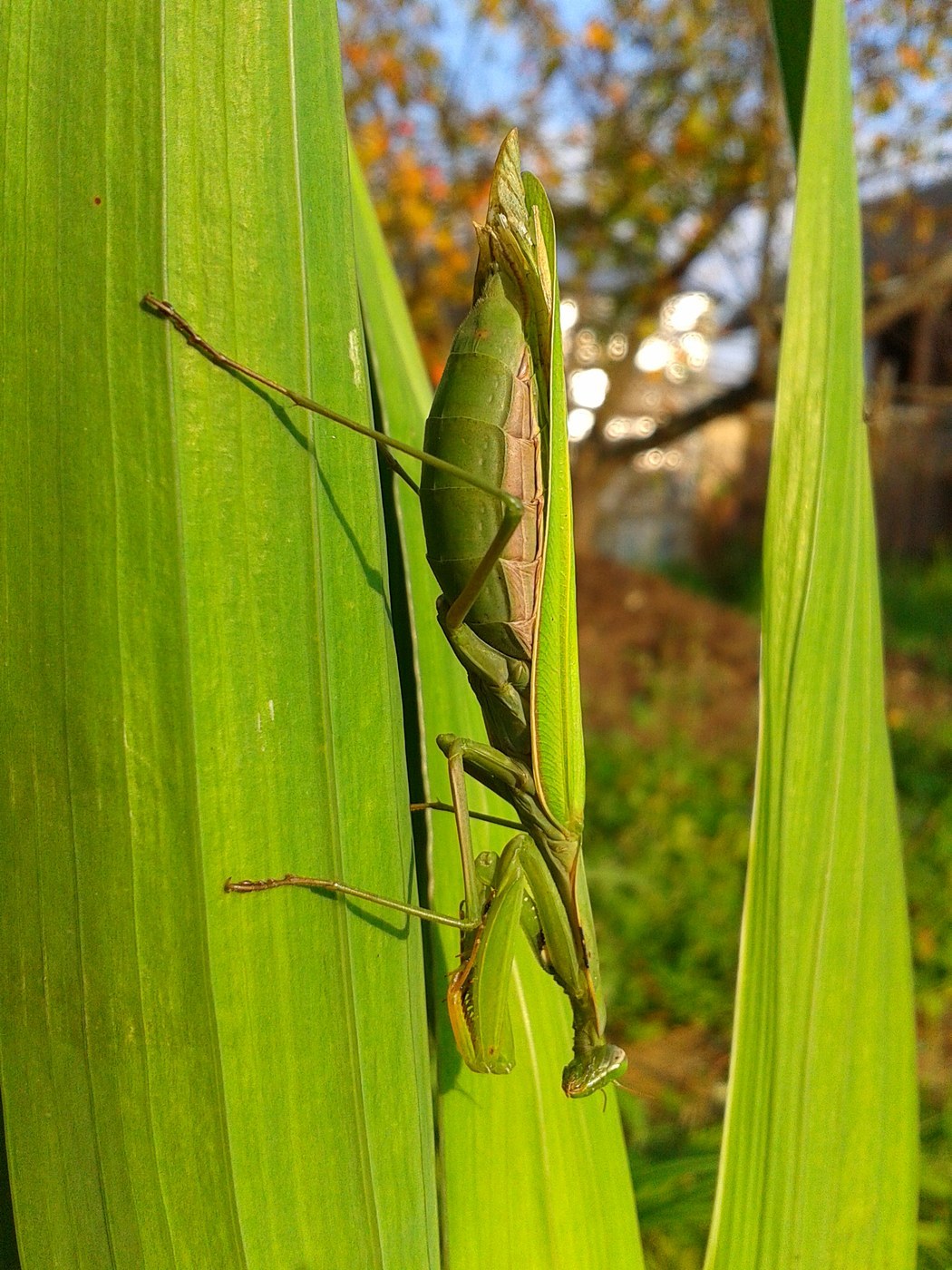
Praying Mantis
Gardens, meadows, shrubs, and tall grass
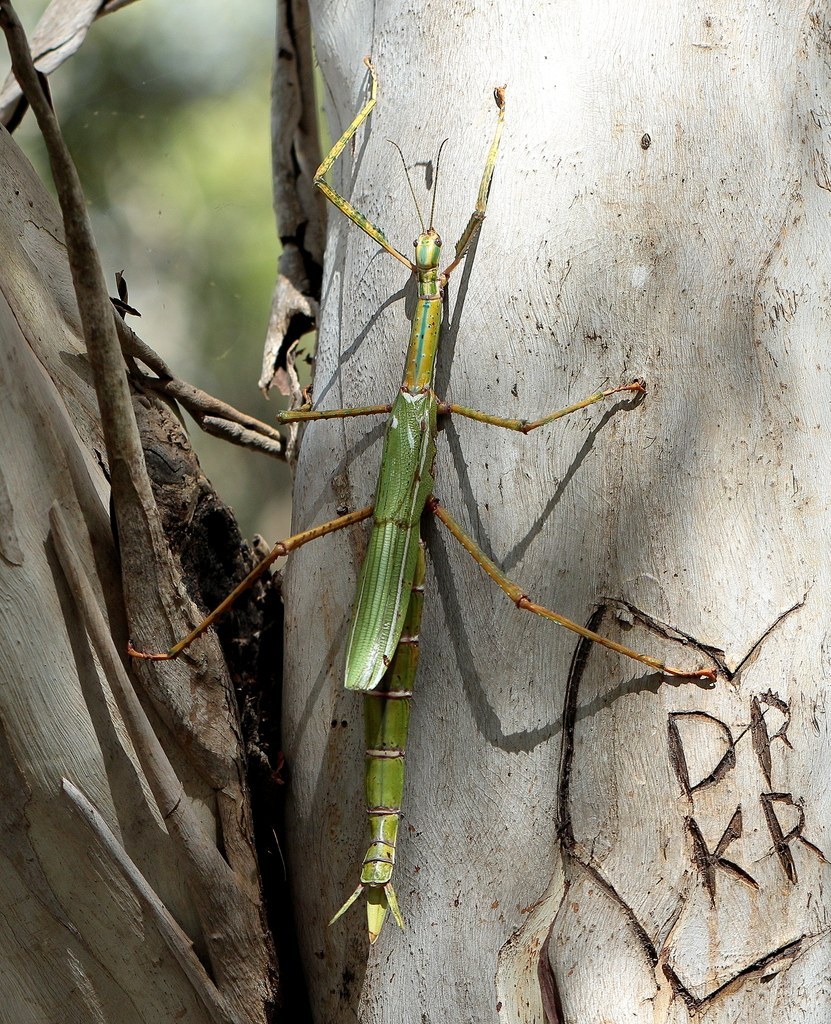
Goliath Stick Insect
Tropical and subtropical eucalypt forests and woodland canopy
Giant Prickly Stick Insect
eucalyptus forests and shrubland of eastern Australia and New Guinea
Javanese Leaf Insect
Tropical lowland and montane forest foliage
Giant Walking Stick
Deciduous woodlands, forest edges, and shrubby thickets
Leaf Insect
Tropical rainforest understory and canopy foliage