
Javanese Leaf Insect
Phyllium bioculatum
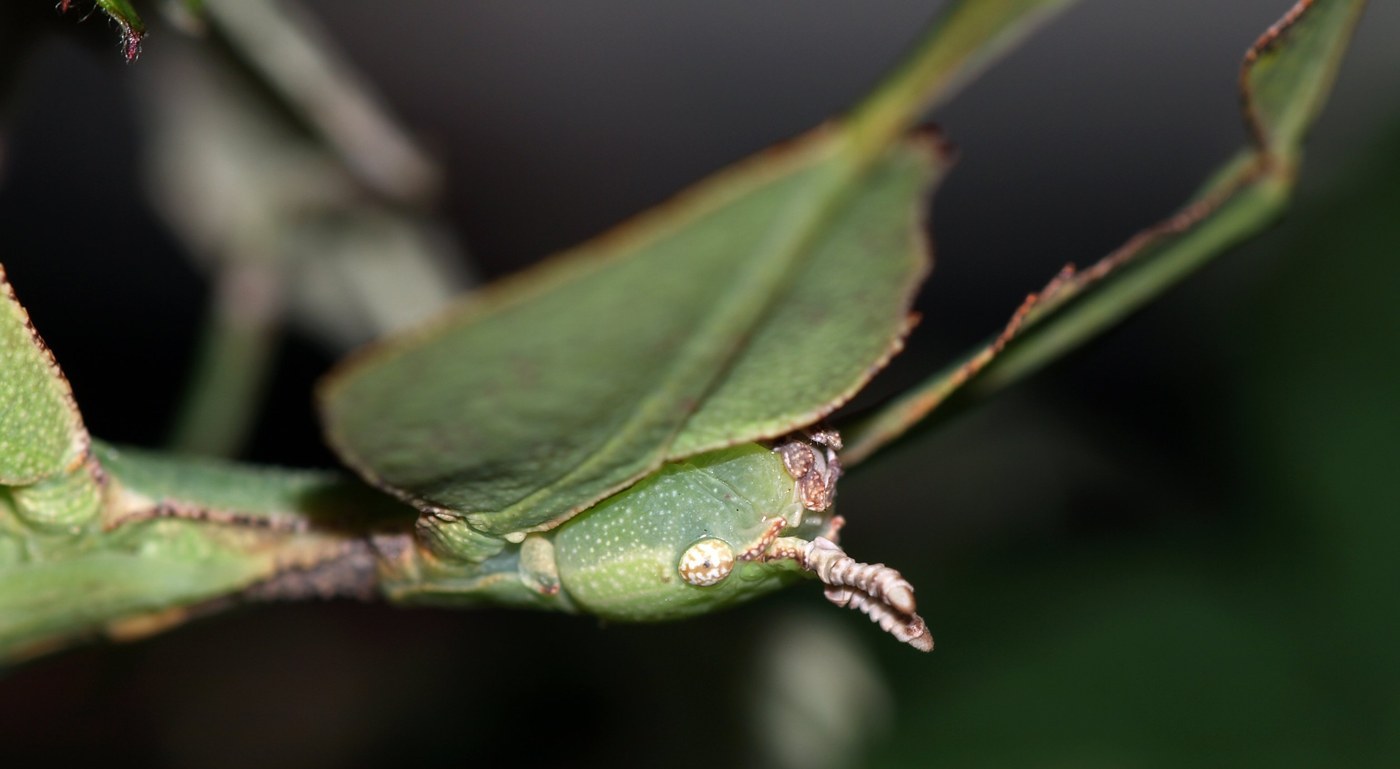
A broad, veined, leaf-green body makes this insect nearly indistinguishable from the foliage it feeds on, a masterclass in disguise native to the forests of Southeast Asia.
- Size
- Females around 7-9 cm; males noticeably smaller, around 5-6 cm
- Habitat
- Tropical lowland and montane forest foliage
- Danger
- Harmless
Spotted a bug like this?
Identify any bug or insect from a photo, free.
Overview
The Javanese leaf insect is one of the most widely recognized species within the leaf insect family, popular in captivity for its striking resemblance to a living leaf. Its wide, flattened green body, complete with faint vein-like markings and irregular, leaf-edge contours, allows it to disappear almost completely against the foliage of its host plants.
Native to Java and other parts of Southeast Asia, this species inhabits humid tropical forest, feeding on the leaves of guava, bramble, and related plants. As with other leaf insects, it is a gentle, slow-moving herbivore with no ability to bite or sting, relying entirely on stillness and camouflage to survive.
How to Identify
- Broad, oval, flattened body in shades of green, occasionally with brownish or yellowish patches mimicking leaf decay
- Faint raised vein-like lines running across the wing covers, echoing real leaf venation
- Females are notably larger, rounder, and shorter-winged than the slimmer males
- Males have narrower bodies and longer, more functional wings, enabling limited flight
- Leg segments flattened into small leaf-like lobes
- Distinguished from other Phyllium species mainly by subtle differences in coloration and marking patterns, often requiring close examination
Habitat & Range
This species is found across parts of Indonesia, including Java, as well as other regions of Southeast Asia, inhabiting tropical lowland and lower montane rainforest. It lives among the foliage of its host plants in humid, warm environments and is most active and visible during the region's consistently warm, wet seasons.
Behavior & Diet
The Javanese leaf insect feeds on the leaves of plants such as guava, bramble, and oak, browsing at night and remaining still by day to avoid detection. It reinforces its camouflage with a slow rocking motion that mimics a leaf stirred by wind, and if disturbed, will typically drop to the ground and lie motionless among leaf litter. As with related species, it plays a minor ecological role as a foliage grazer and as prey for birds and other predators that hunt by sight.
Life Cycle
Females deposit hard, seed-like eggs, often by simply dropping them from their perch, and these can take several months to hatch depending on temperature and humidity. Newly emerged nymphs are brownish before greening up after feeding and closely resemble small adults, developing through several nymphal stages without a pupal phase. Females of this species are known to reproduce parthenogenetically, producing viable offspring without mating, in addition to normal sexual reproduction. A single generation can take many months to reach maturity.
Frequently asked questions
How is the Javanese leaf insect different from other leaf insects?
It is distinguished mainly by subtle differences in coloration and vein-like marking patterns from other Phyllium species, and it is one of the more commonly documented members of the family.
What does this species eat?
It feeds on the leaves of plants including guava, bramble, and oak.
Can it reproduce without a mate?
Yes, females are capable of parthenogenetic reproduction, producing viable eggs without mating, though sexual reproduction also occurs.
Are males and females easy to tell apart?
Yes, females are larger, rounder, and shorter-winged, while males are slimmer with longer wings suited to limited flight.
Javanese Leaf Insect guides
In-depth guides for identifying, understanding, and living alongside Javanese Leaf Insect.
Other bugs you may enjoy
Walking Stick Insect
Trees, shrubs and leaf litter in forests, woodlands and gardens
African Mantis
grasslands, shrubs, and gardens across sub-Saharan Africa
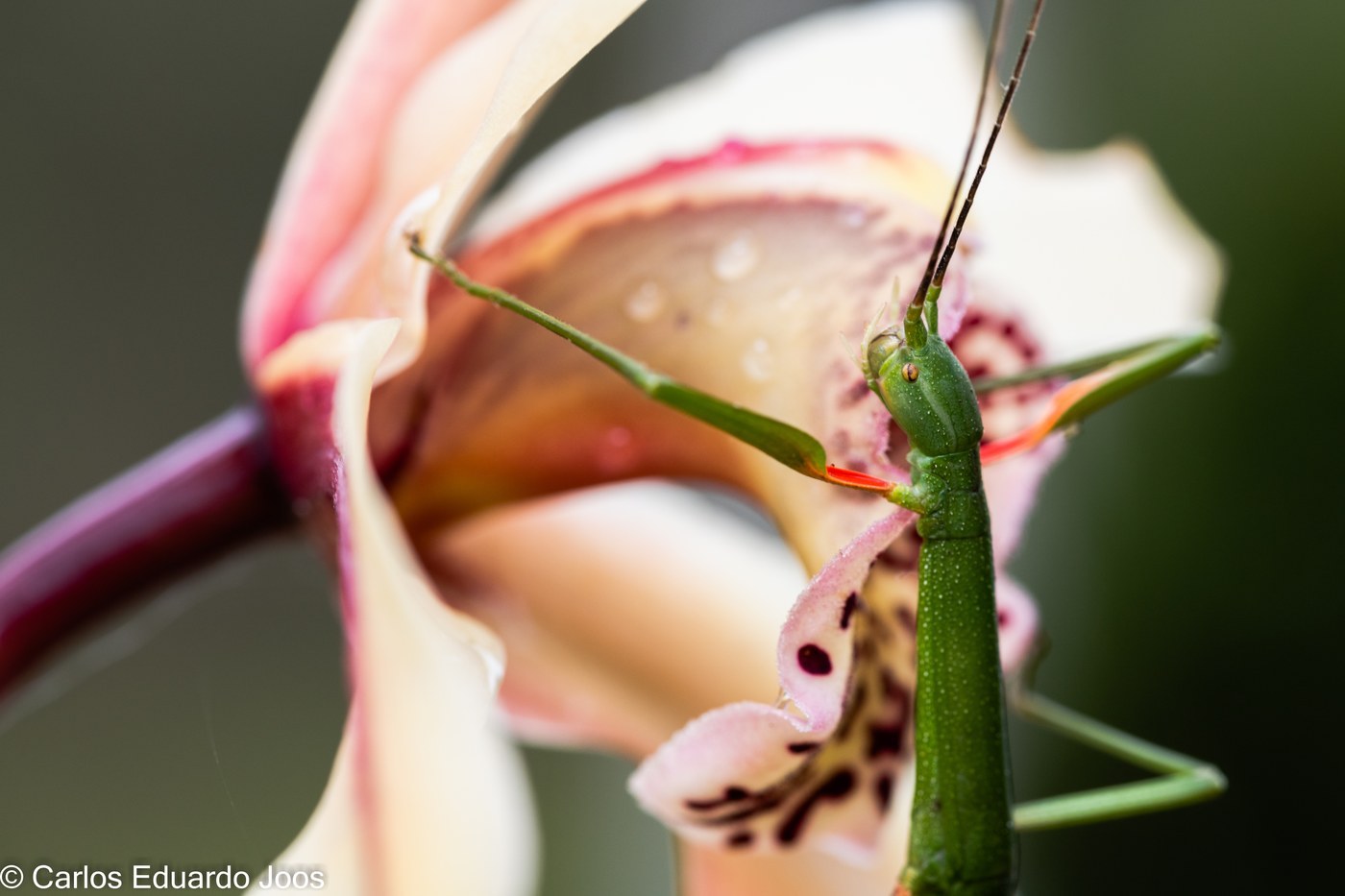
Walking Stick
Deciduous woodlands, forest edges, and shrubby vegetation
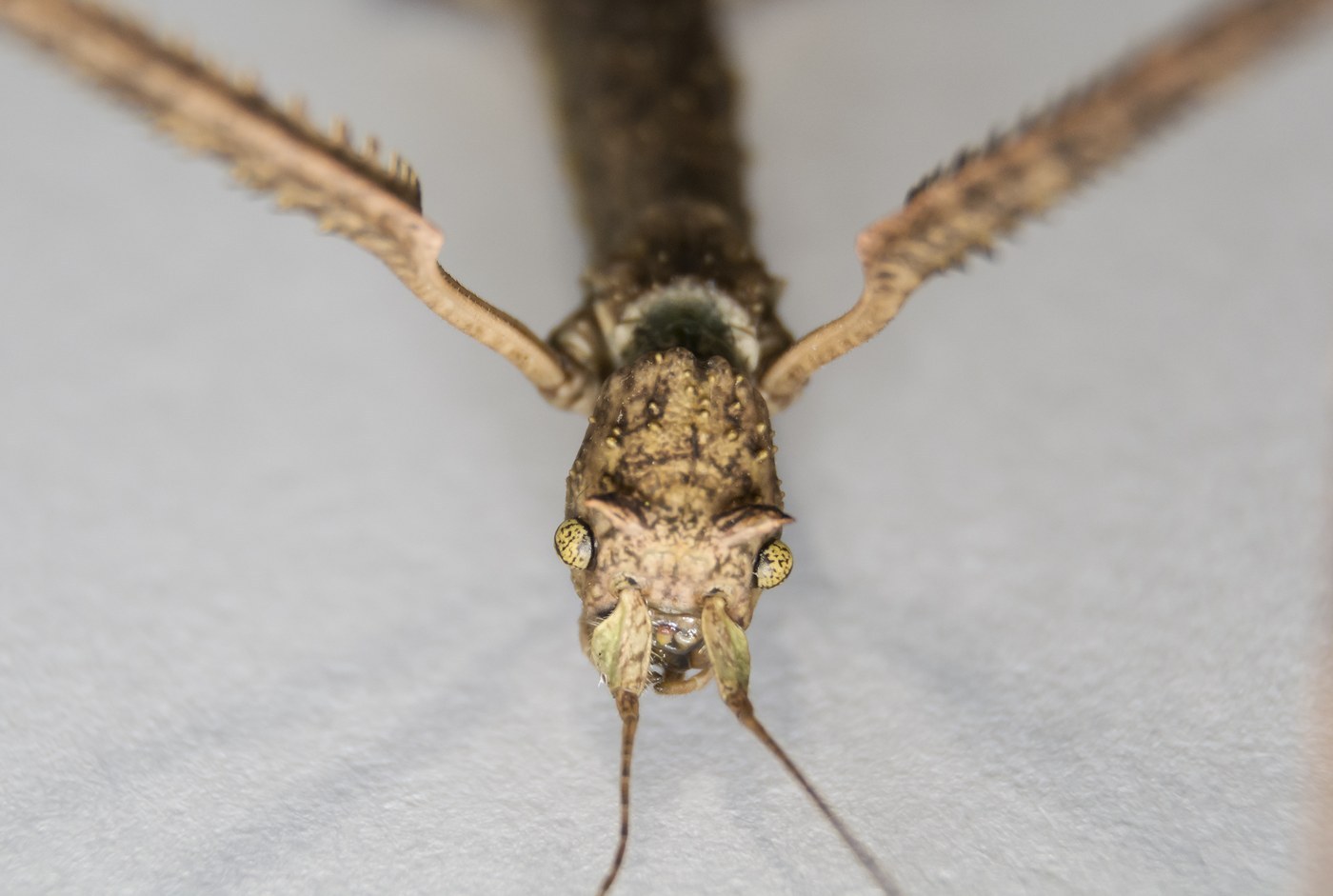
Vietnamese Walking Stick
tropical forests of Vietnam; widely kept in captivity worldwide
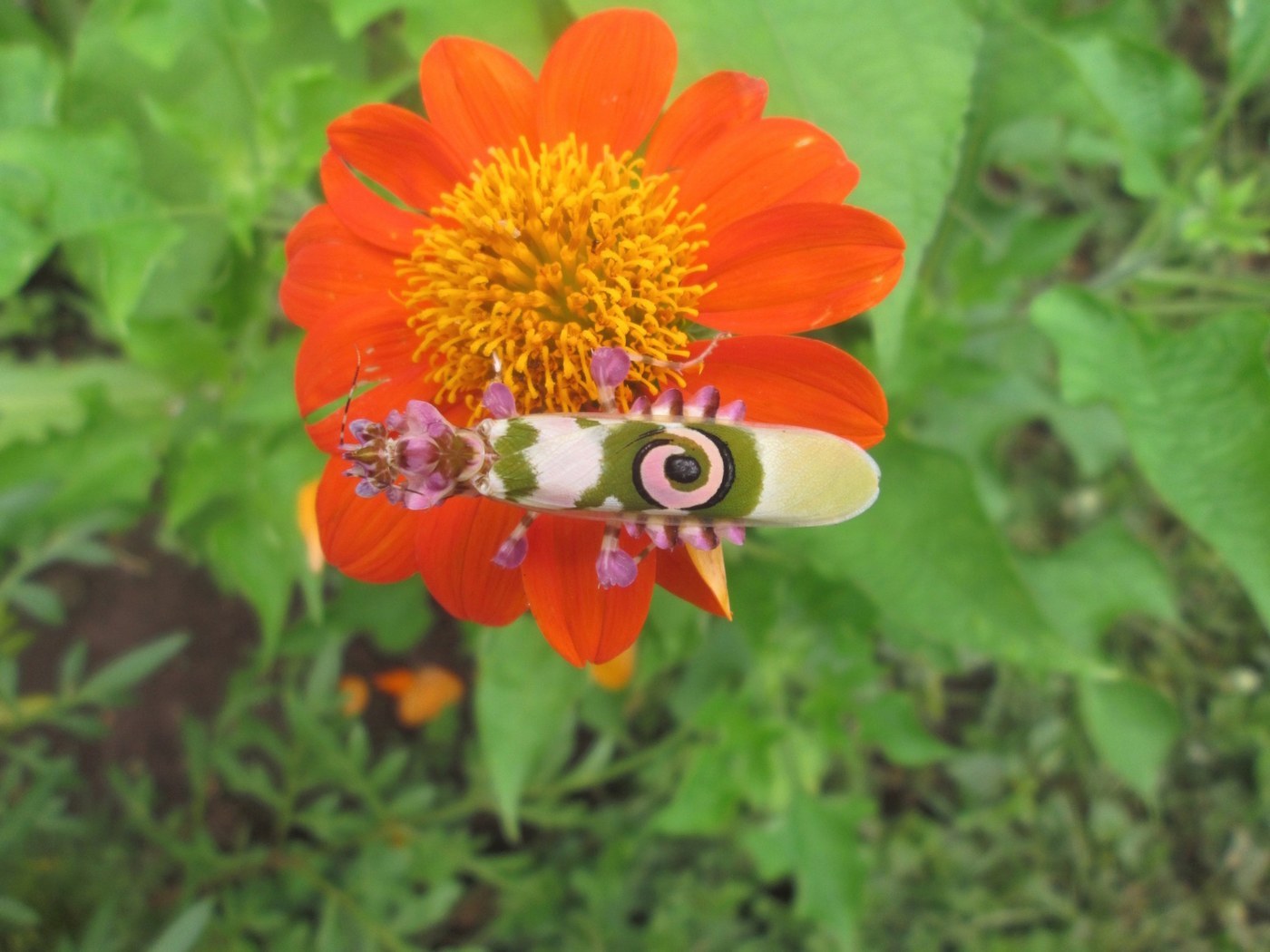
Spiny Flower Mantis
African savanna and woodland shrubs and flowering plants
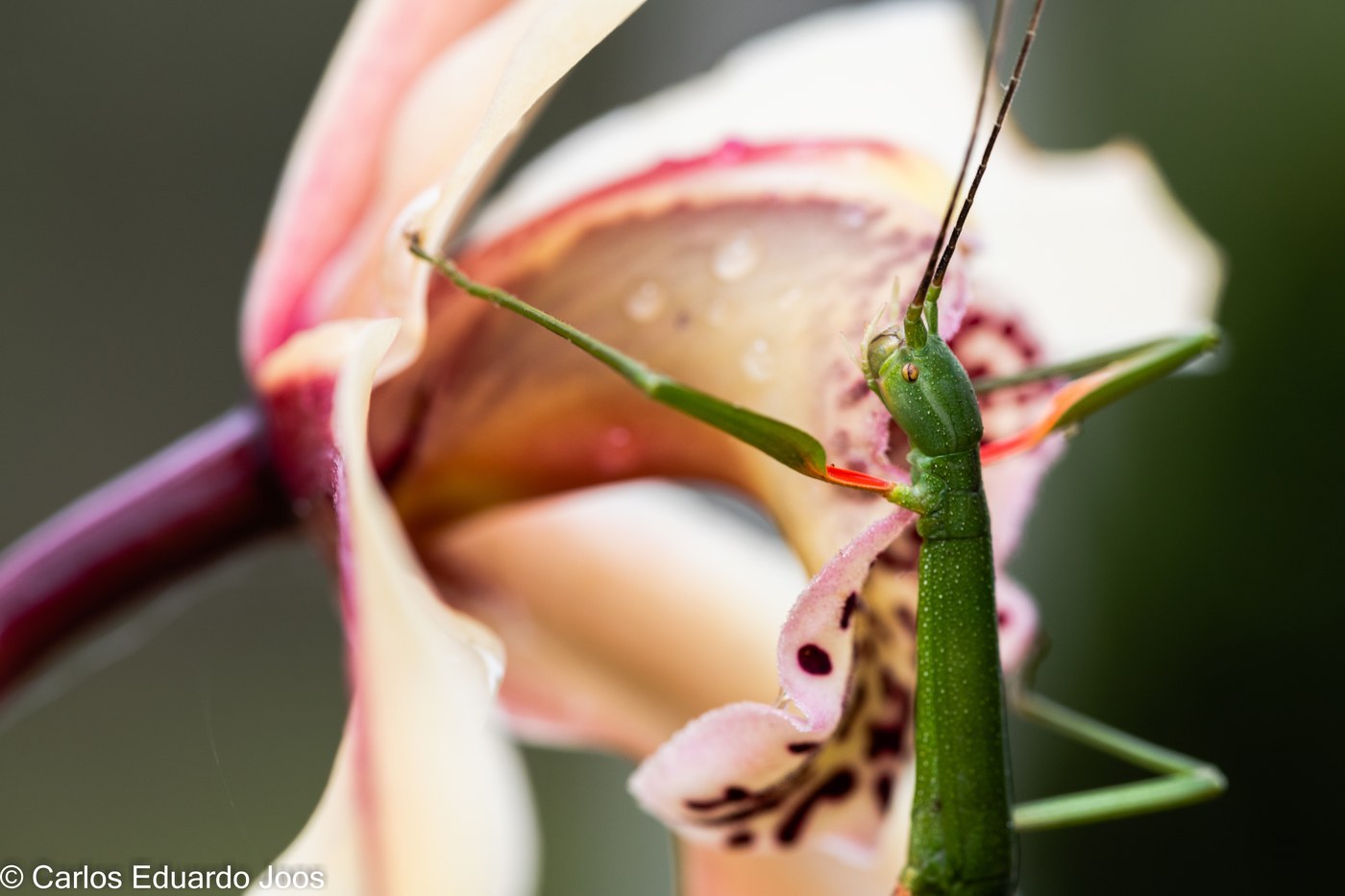
Northern Walkingstick
deciduous forests and woodland edges of the eastern and central United States and southern Canada
Praying Mantis
Gardens, meadows, shrubs, and tall grass
Orchid Mantis
tropical rainforests and flowering shrubs of Southeast Asia
Goliath Stick Insect
Tropical and subtropical eucalypt forests and woodland canopy
Giant Prickly Stick Insect
eucalyptus forests and shrubland of eastern Australia and New Guinea
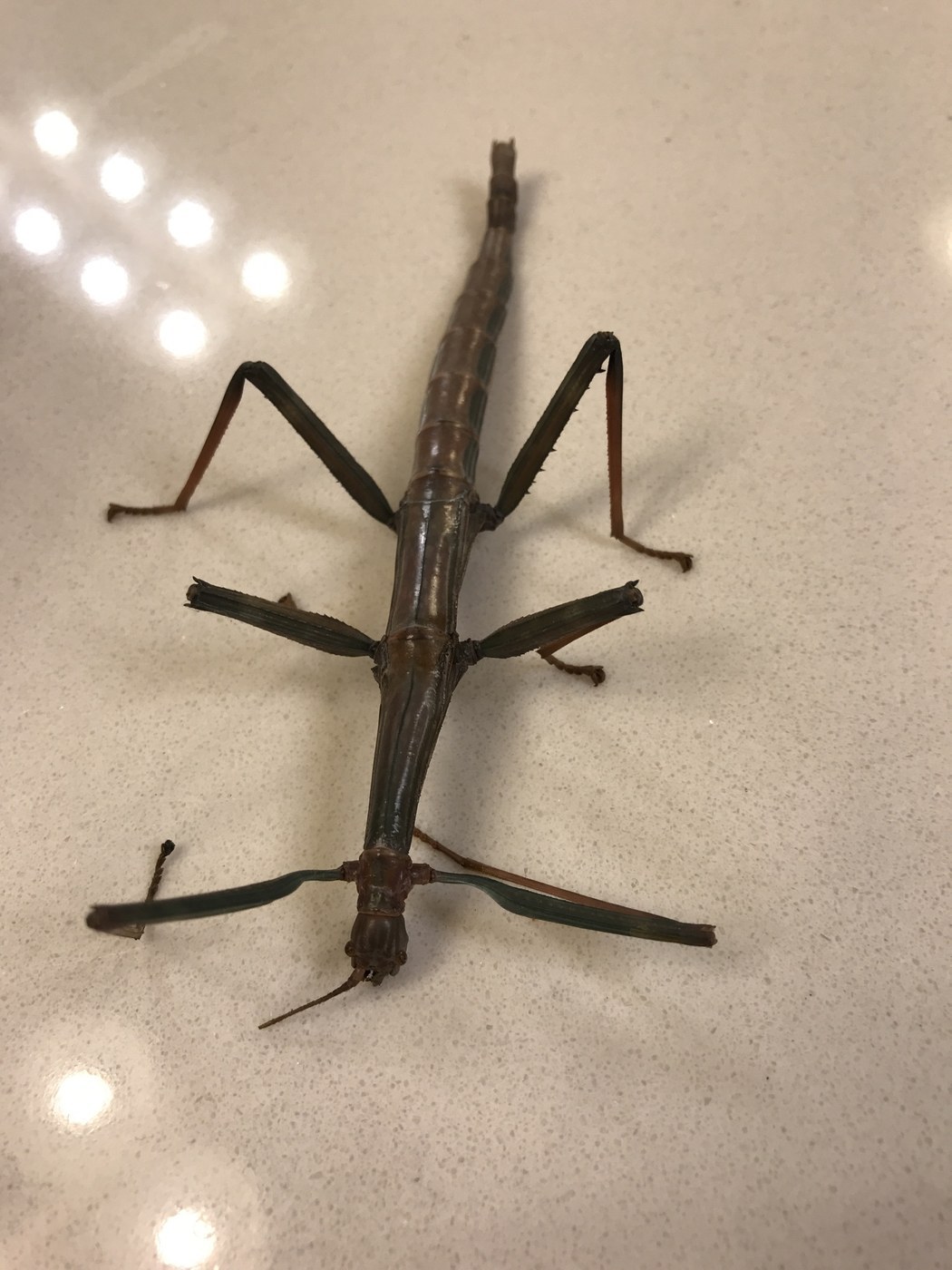
Giant Walking Stick
Deciduous woodlands, forest edges, and shrubby thickets
Leaf Insect
Tropical rainforest understory and canopy foliage