
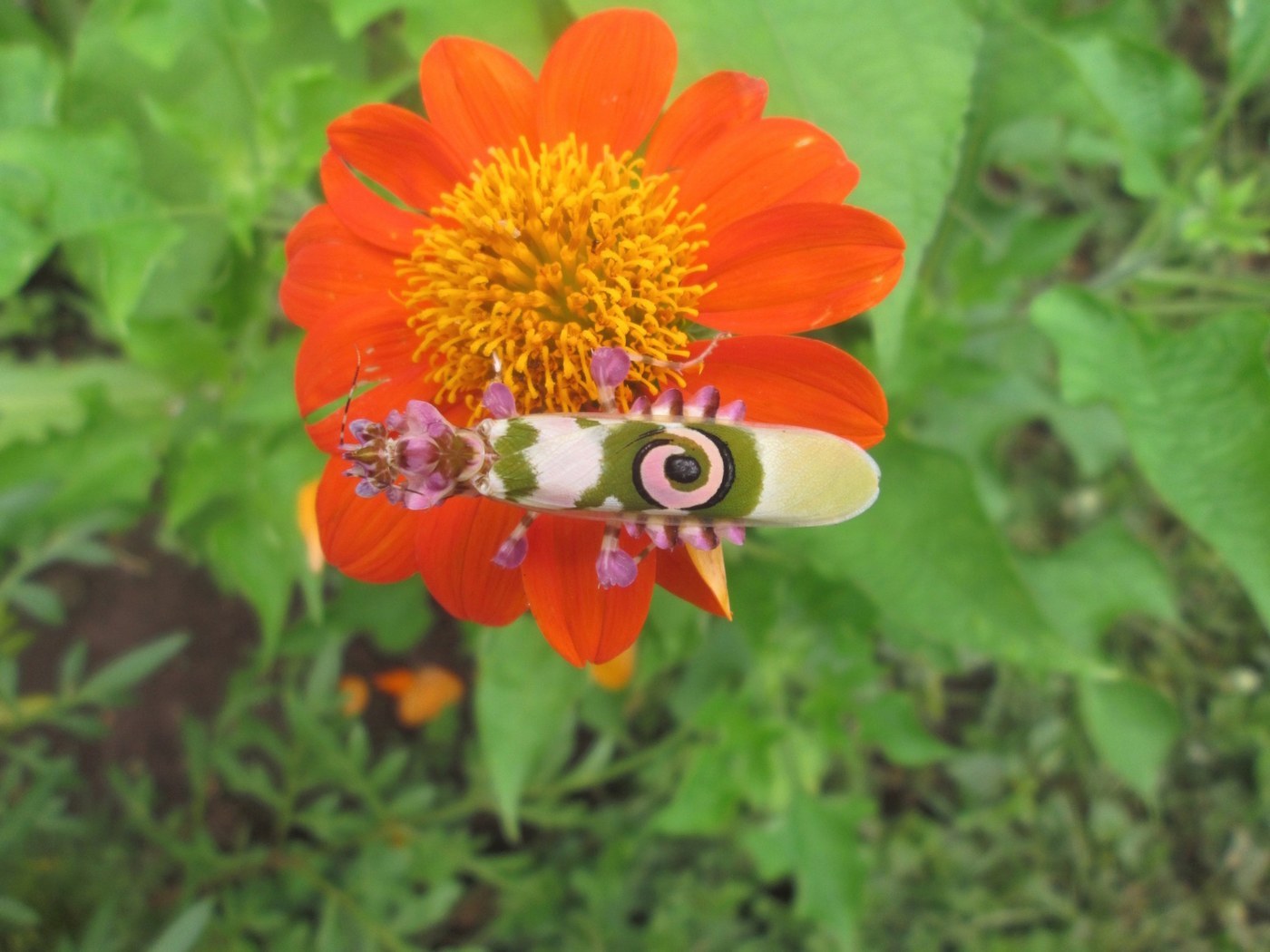
Spiny Flower Mantis
Pseudocreobotra wahlbergii
A small, boldly patterned mantis whose wing markings resemble a pair of eyespots, flashed open in a startling display whenever a predator ventures too close.
- Size
- Adults roughly 3-4 cm long
- Habitat
- African savanna and woodland shrubs and flowering plants
- Danger
- Harmless
Spotted a bug like this?
Identify any bug or insect from a photo, free.
Overview
The spiny flower mantis is a small, vividly marked species native to sub-Saharan Africa, known for the bold, concentric eyespot pattern on its forewings and the spiny projections along its thorax and abdomen. Its coloration, typically pale green or cream with patterns of brown, black, and yellow, allows it to blend convincingly among flowers and foliage where it waits for prey.
This species inhabits savanna and woodland shrubland, perching on flowering plants where its color pattern doubles as both camouflage and a defensive startle display. When threatened, it raises its abdomen and spreads its wings to expose the large eyespot markings, a bluff intended to make it appear larger or more threatening to a would-be predator.
How to Identify
- Small body, roughly 3-4 cm at maturity, with a triangular head and large compound eyes
- Forewings display a bold, concentric eyespot pattern in shades of cream, brown, and black
- Body coloration ranges from pale green to yellowish-cream, aiding camouflage among flowers
- Small spiny projections along the edges of the thorax and abdomen
- Females are generally bulkier than the more slender males
- Distinguished from other flower mantises by the distinctive paired eyespot wing pattern used in its startle display
Habitat & Range
Native to eastern and southern Africa, including countries such as South Africa, Mozambique, and Kenya, the spiny flower mantis inhabits savanna, open woodland, and shrubland, often found perched on flowering plants and shrubs. It is most active during the warmer months when flowering vegetation and insect prey are abundant.
Behavior & Diet
This species is an ambush predator that waits motionless among flowers or foliage, using its cryptic coloration to go unnoticed by both prey and predators, before striking at small flying insects such as flies and moths with its raptorial front legs. When threatened, it performs a deimatic, or startle, display by rearing back, spreading its wings, and exposing the prominent eyespot markings, sometimes accompanied by a hissing sound produced by rubbing body parts together. As a predator of small insects, it contributes to natural pest regulation within its habitat while also serving as prey for birds and larger insectivores.
Life Cycle
Females produce a compact, foam-like ootheca that hardens around dozens of eggs, typically attached to a twig or stem. Nymphs hatch resembling small, wingless versions of adults and pass through a series of molts, developing wing pads and eventually functional wings and reproductive maturity at the final molt. There is no pupal stage, consistent with a mantis's incomplete metamorphosis, and development from hatching to adulthood generally spans a few months depending on temperature and food availability.
Frequently asked questions
Why does the spiny flower mantis have eyespots on its wings?
The eyespot pattern is used in a startle display, flashed open when the mantis feels threatened to make it appear larger or more intimidating to predators.
What does the spiny flower mantis eat?
It preys on small flying insects such as flies and moths, capturing them with its raptorial front legs.
Where is this mantis found?
It is native to savanna and woodland habitats in eastern and southern Africa.
How does it avoid being seen while waiting for prey?
Its pale green to cream coloration and patterned wings allow it to blend in with flowers and foliage while it remains motionless.
Spiny Flower Mantis guides
In-depth guides for identifying, understanding, and living alongside Spiny Flower Mantis.
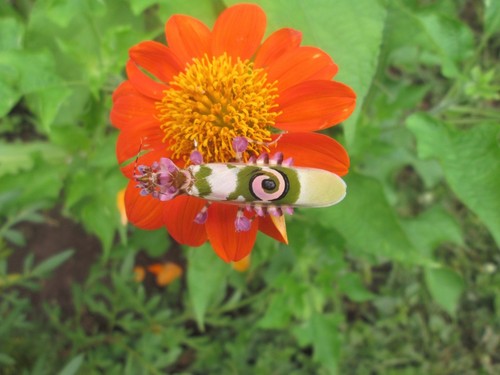
Spiny Flower Mantis identified by the community
Real finds identified with Bug Identifier.
Other bugs you may enjoy
Walking Stick Insect
Trees, shrubs and leaf litter in forests, woodlands and gardens
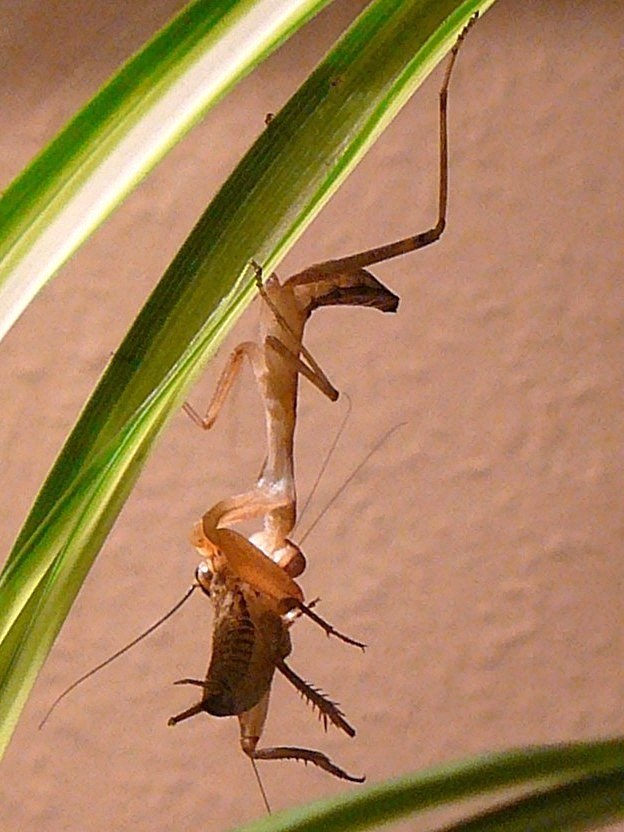
African Mantis
grasslands, shrubs, and gardens across sub-Saharan Africa
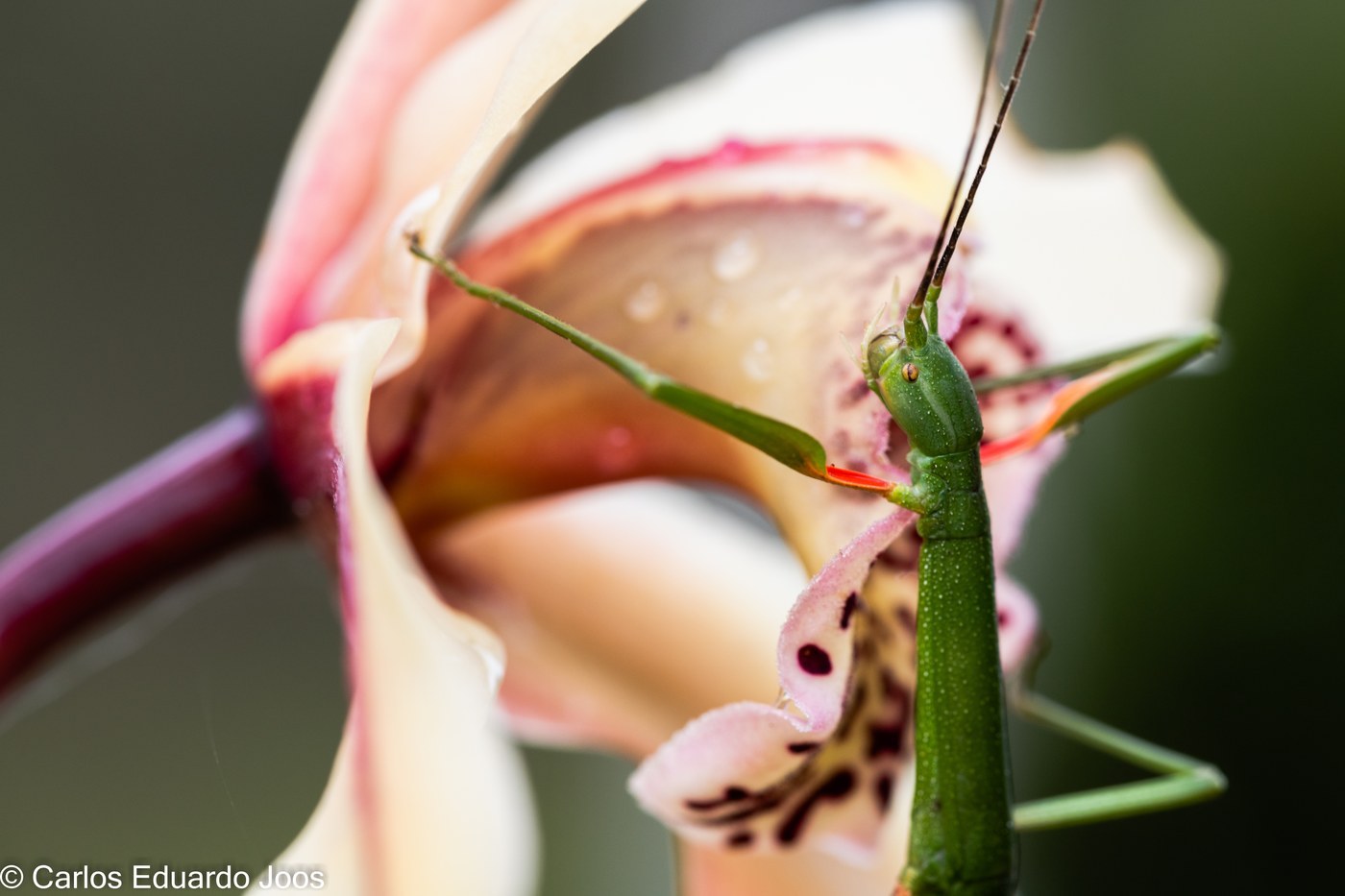
Walking Stick
Deciduous woodlands, forest edges, and shrubby vegetation
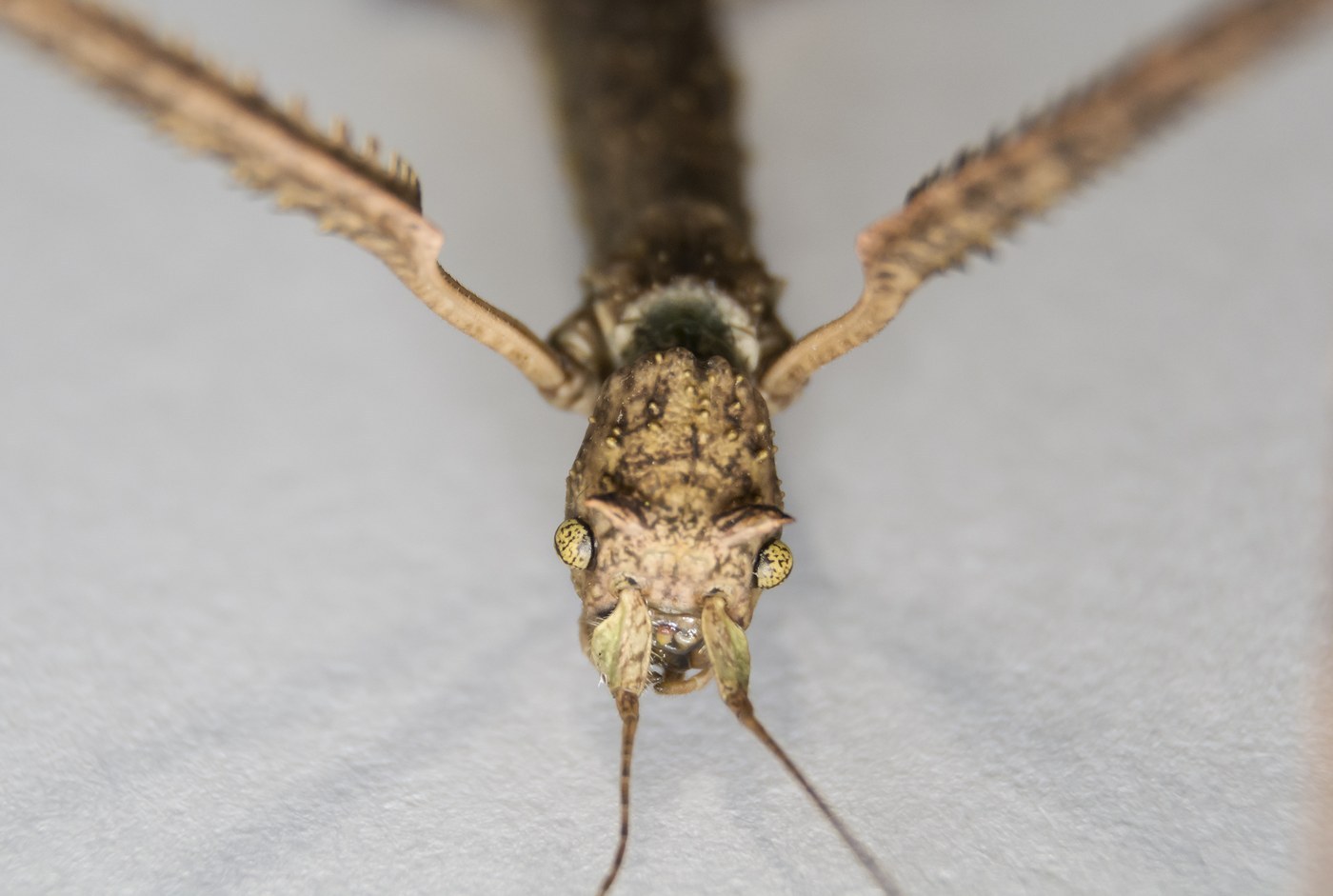
Vietnamese Walking Stick
tropical forests of Vietnam; widely kept in captivity worldwide
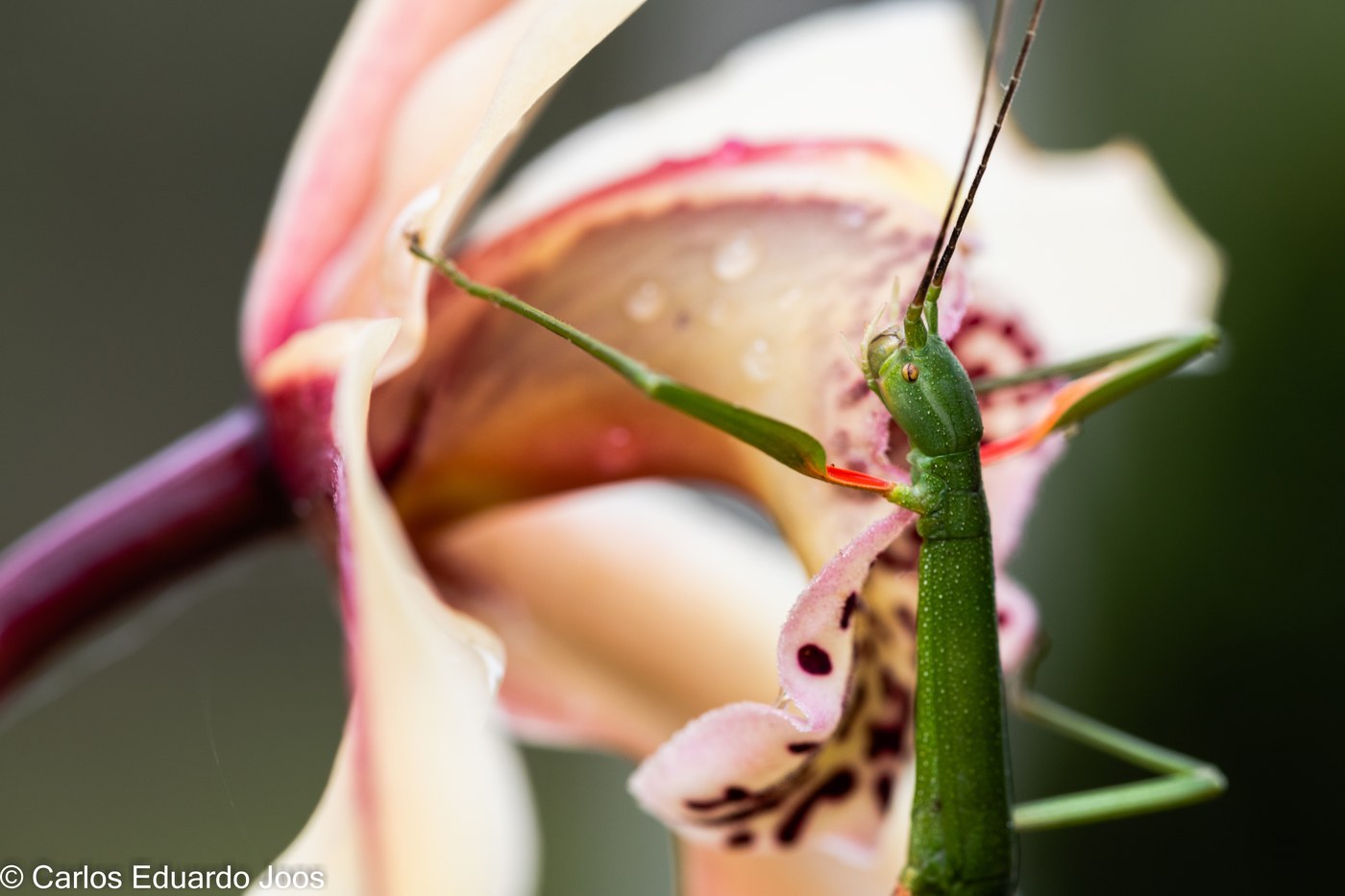
Northern Walkingstick
deciduous forests and woodland edges of the eastern and central United States and southern Canada
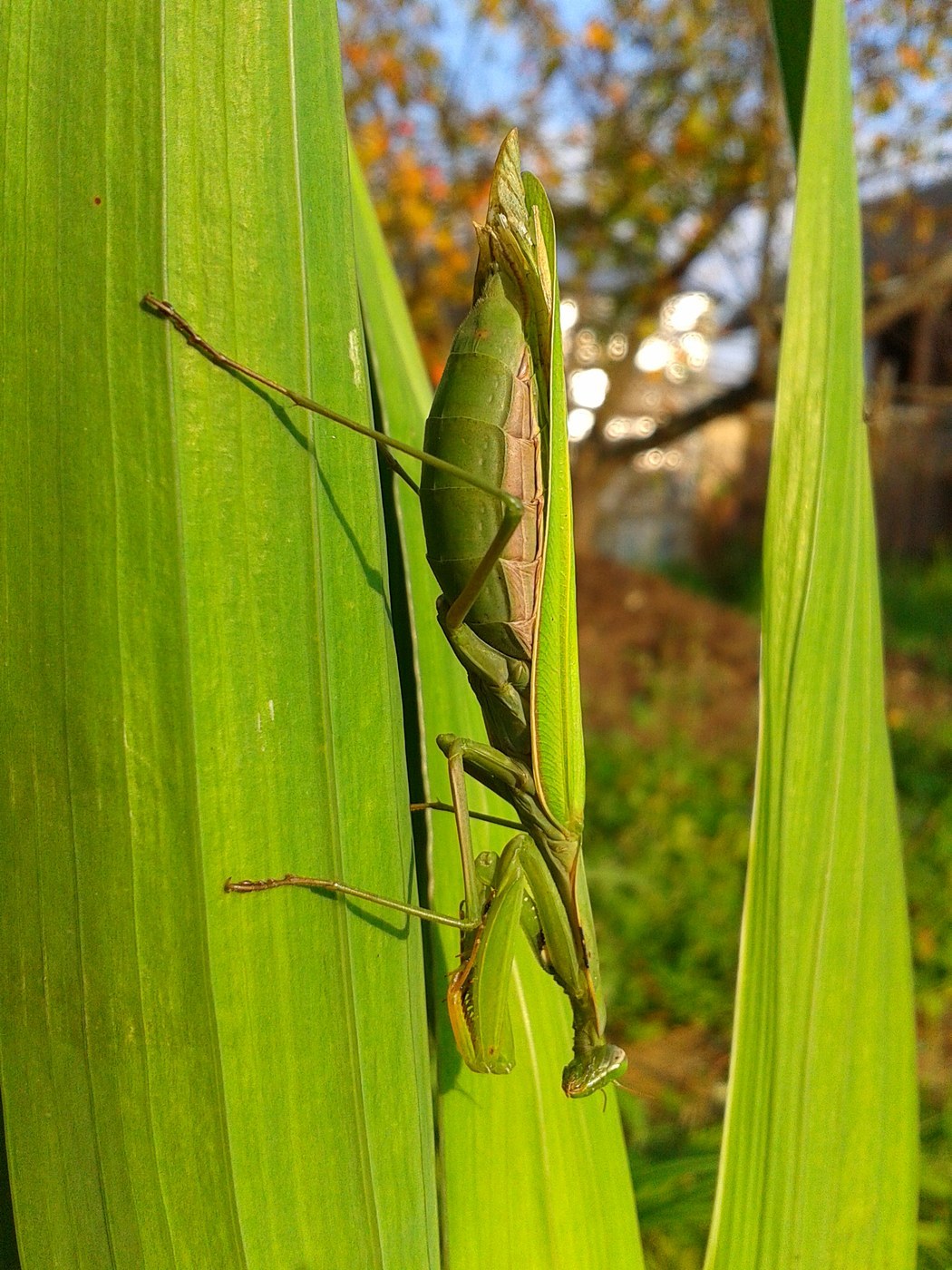
Praying Mantis
Gardens, meadows, shrubs, and tall grass
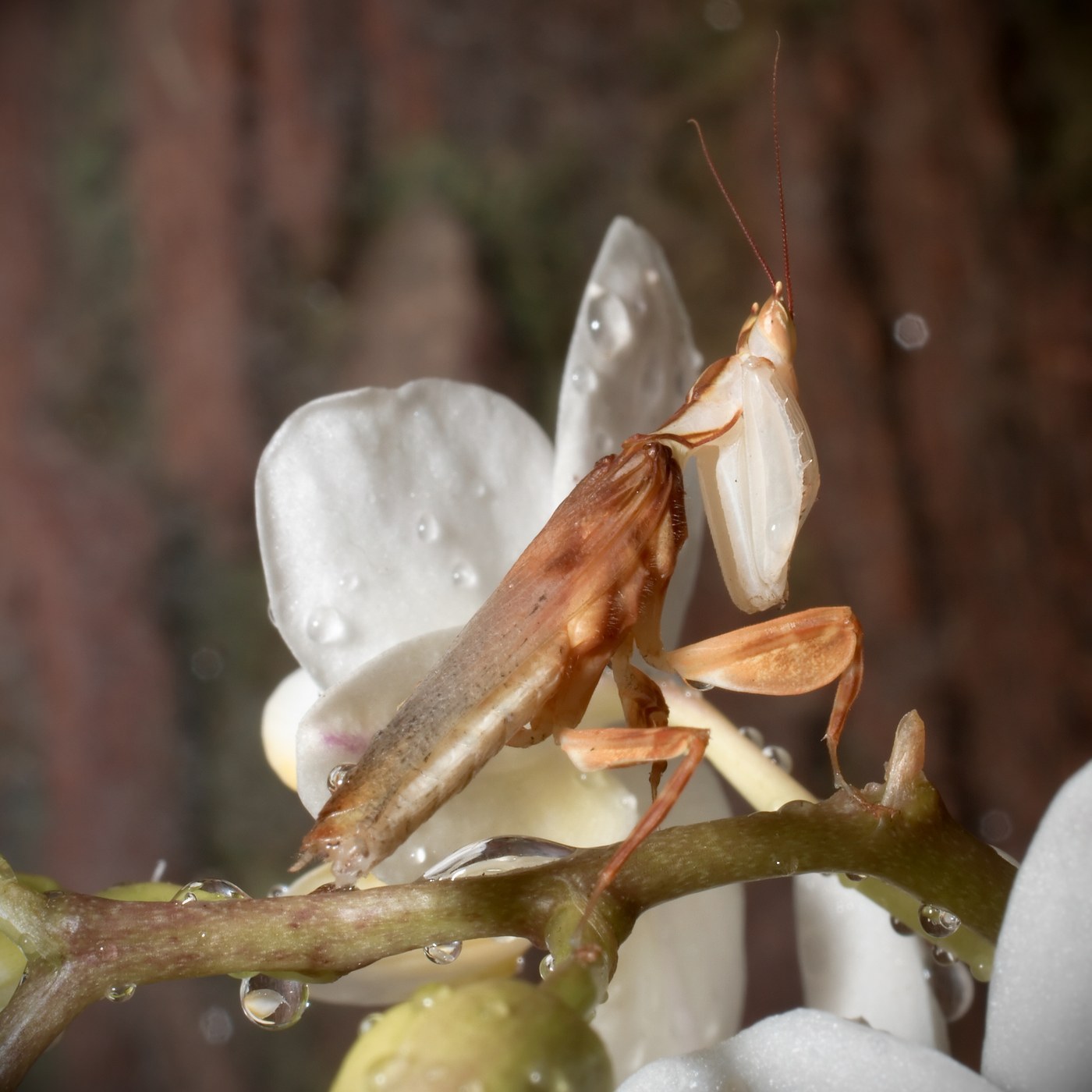
Orchid Mantis
tropical rainforests and flowering shrubs of Southeast Asia
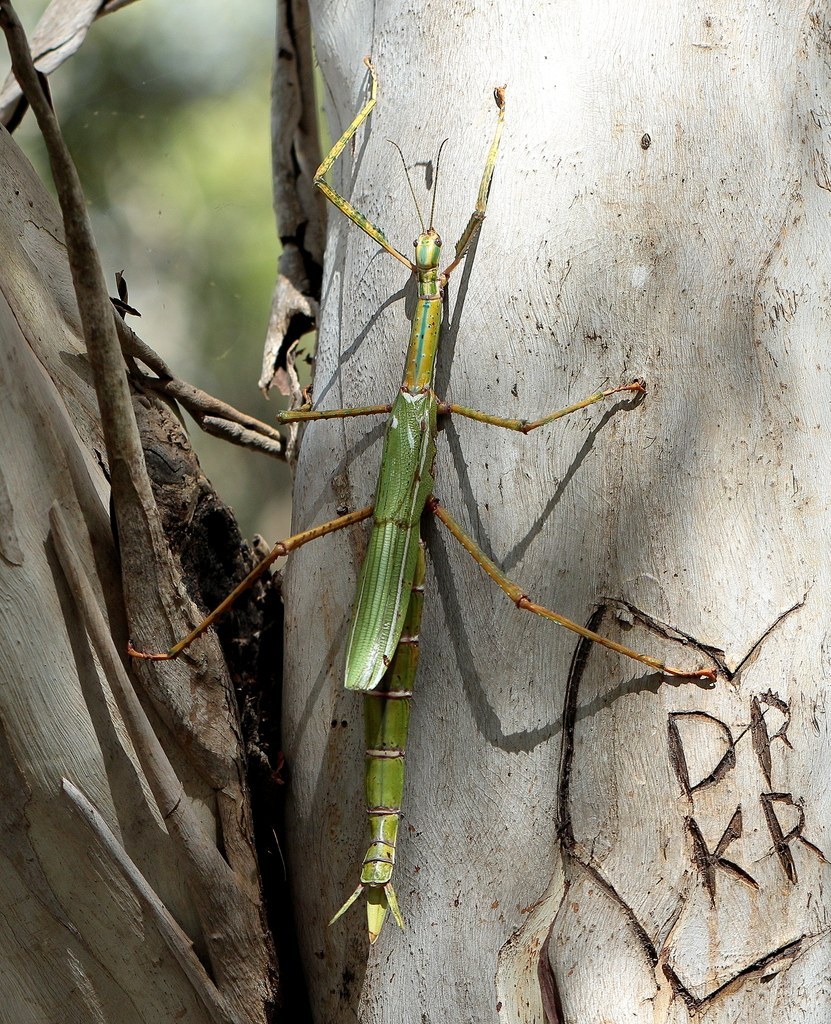
Goliath Stick Insect
Tropical and subtropical eucalypt forests and woodland canopy
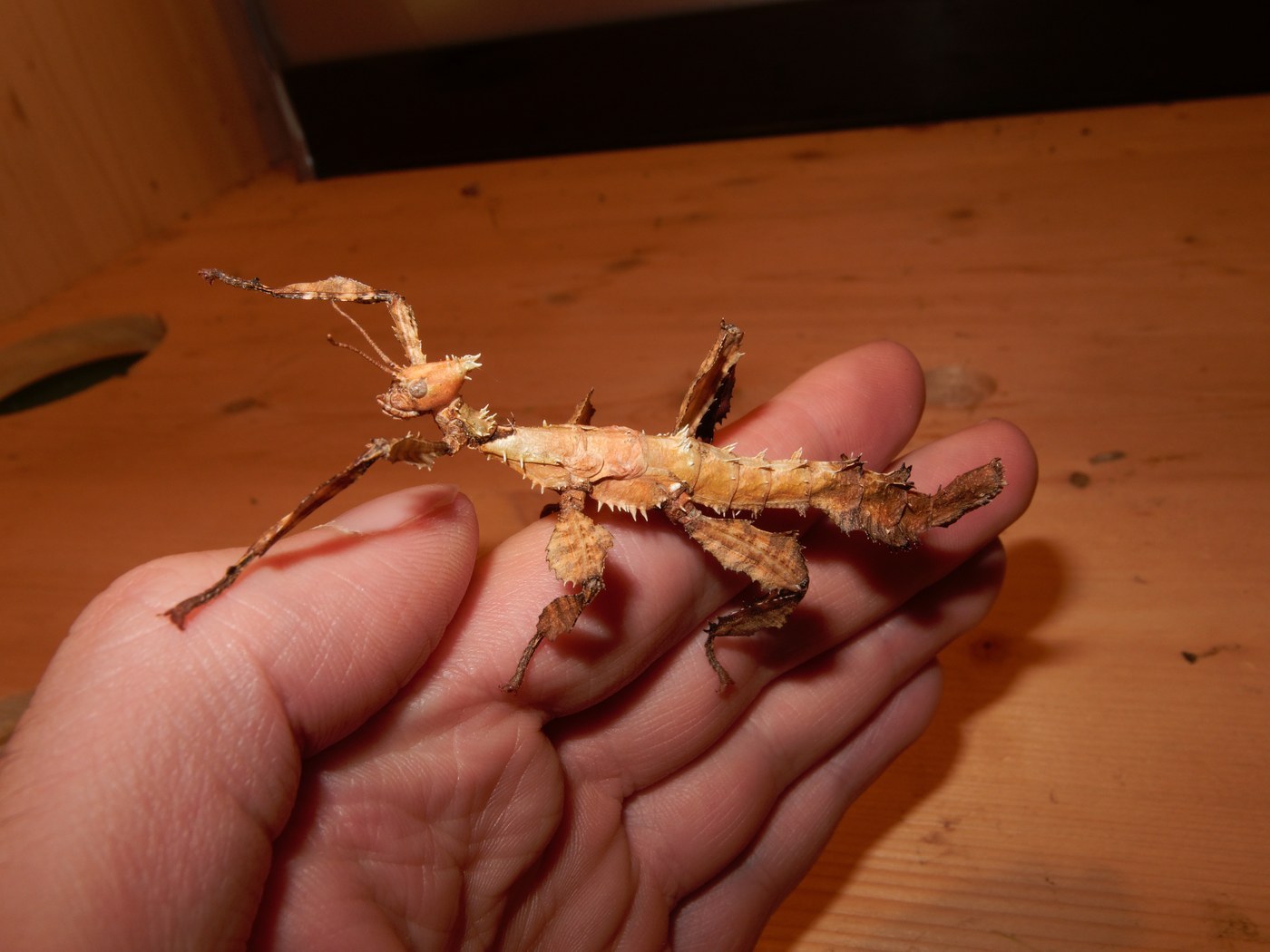
Giant Prickly Stick Insect
eucalyptus forests and shrubland of eastern Australia and New Guinea
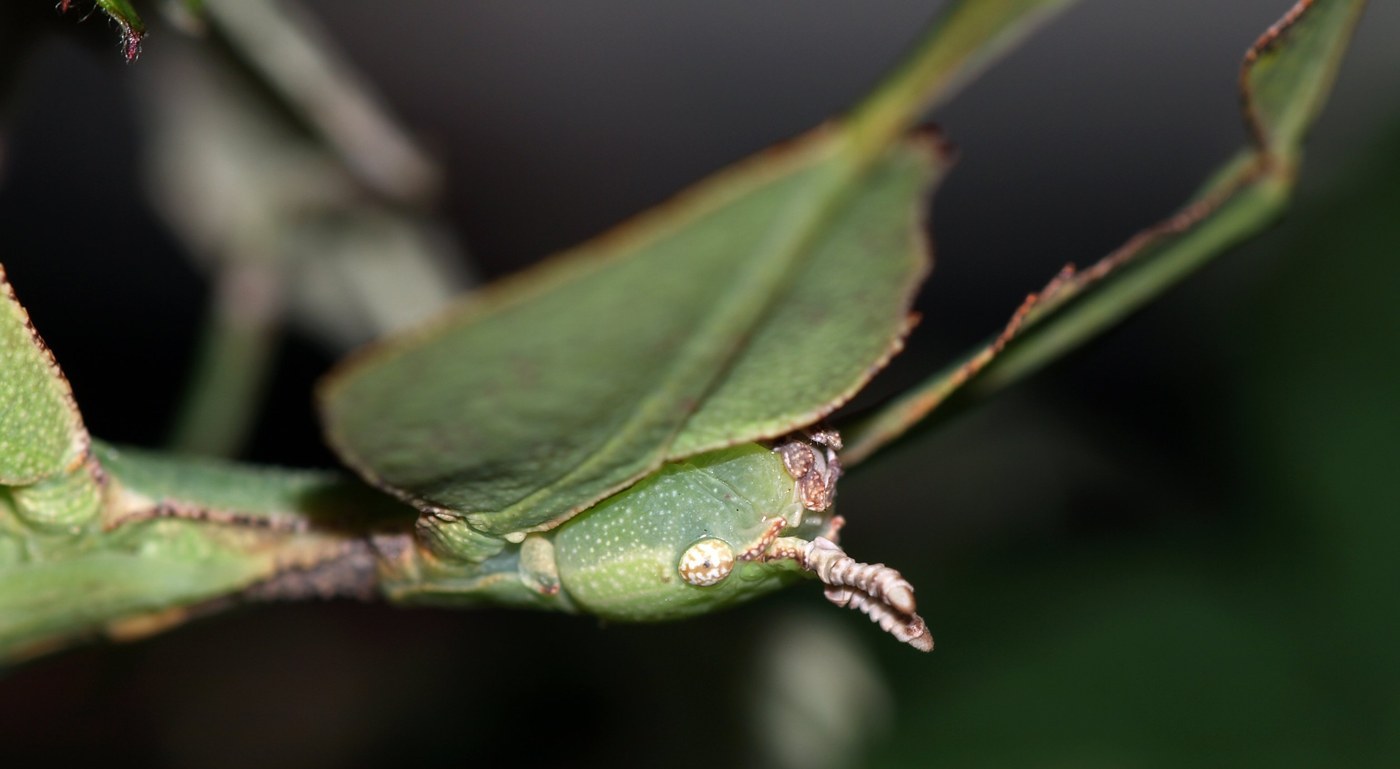
Javanese Leaf Insect
Tropical lowland and montane forest foliage
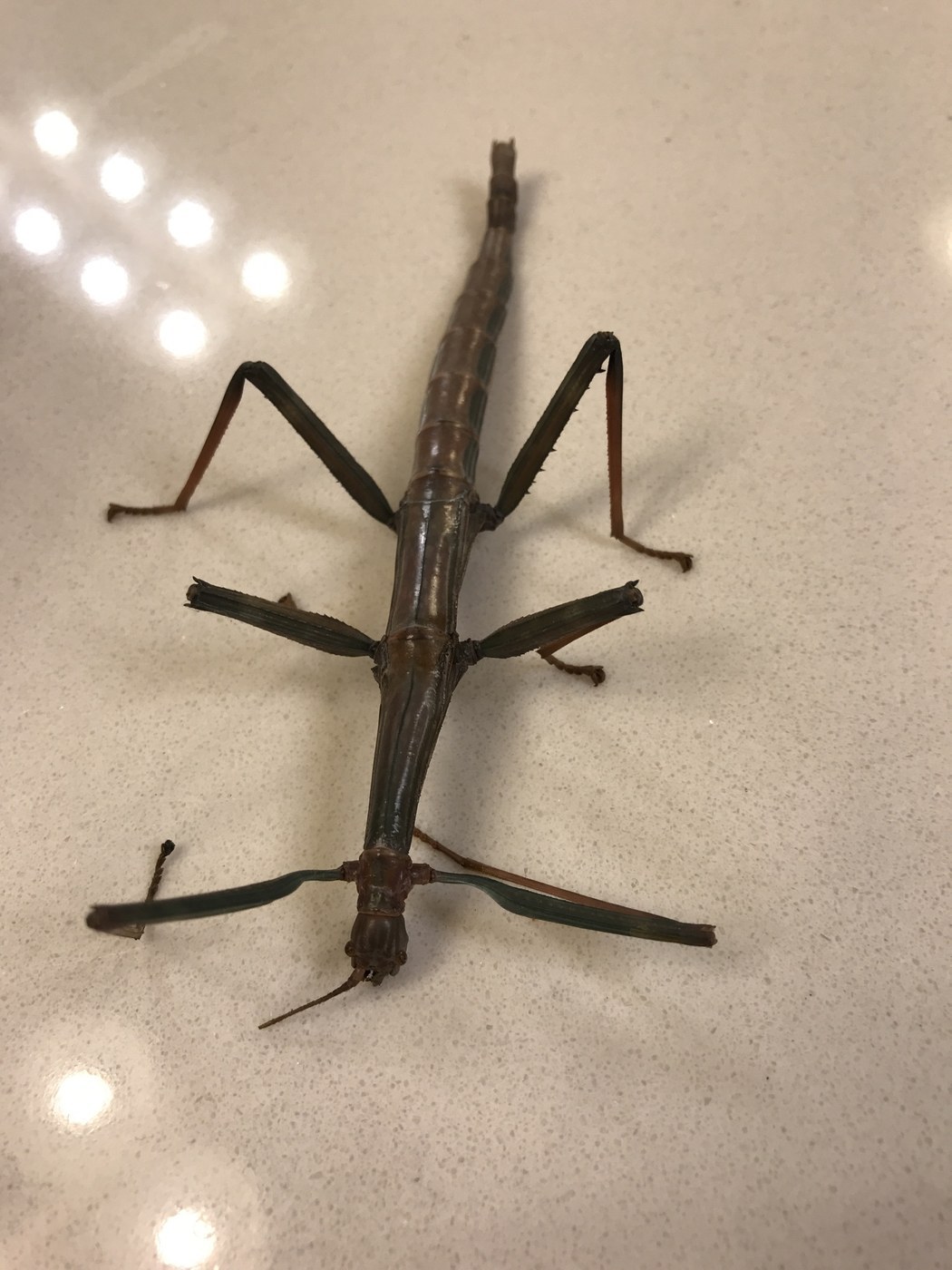
Giant Walking Stick
Deciduous woodlands, forest edges, and shrubby thickets
Leaf Insect
Tropical rainforest understory and canopy foliage