
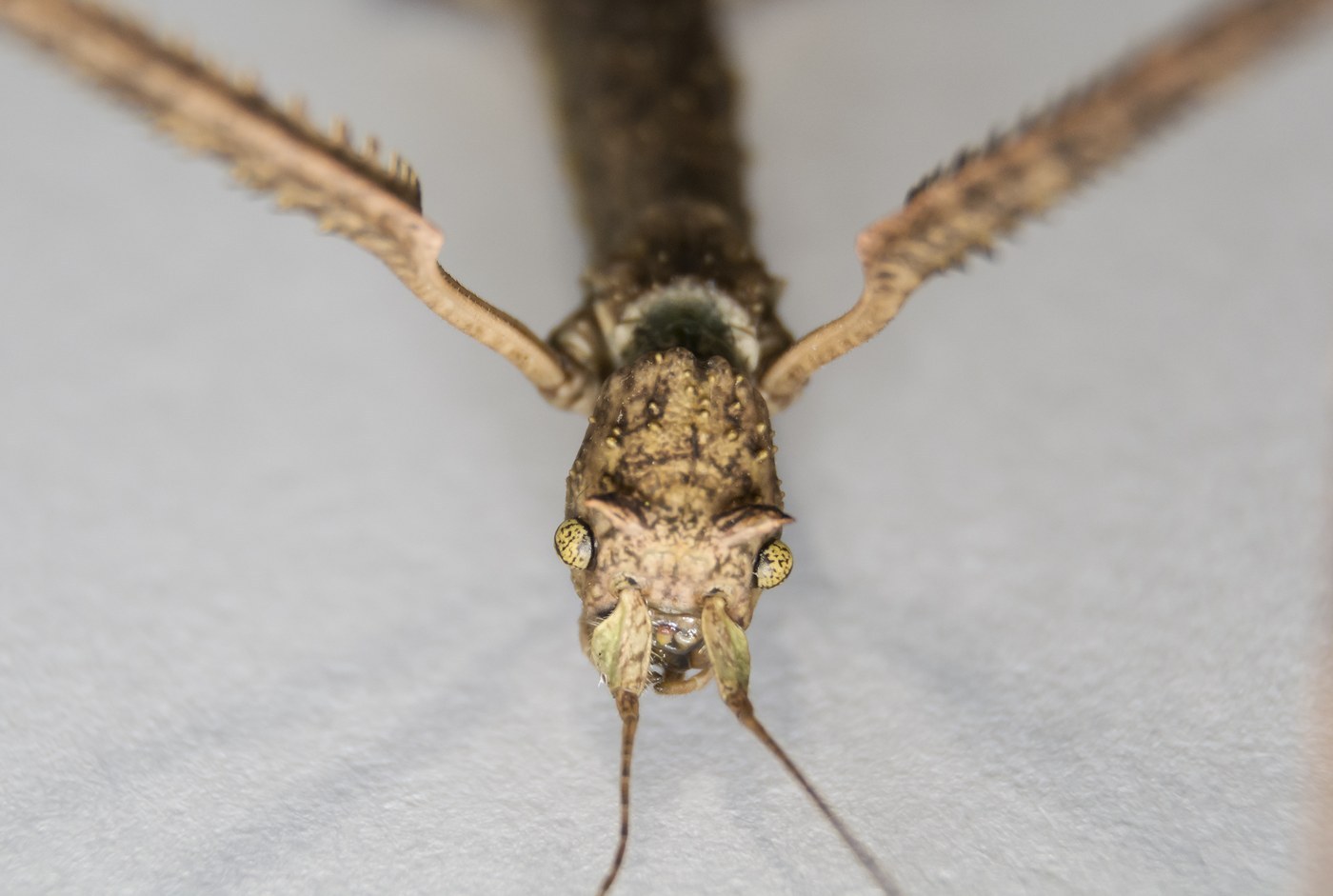
Vietnamese Walking Stick
Medauroidea extradentata
A slender tropical stick insect popular in classrooms and terrariums, notable for females that can produce healthy offspring entirely on their own, without ever mating.
- Size
- females about 10 cm (4 in), males about 7.5–8 cm (3–3.2 in)
- Habitat
- tropical forests of Vietnam; widely kept in captivity worldwide
- Danger
- Harmless
Spotted a bug like this?
Identify any bug or insect from a photo, free.
Overview
The Vietnamese walking stick is a slender, twig-mimicking stick insect native to tropical forests of Vietnam, now one of the most widely kept stick insects in captivity around the world thanks to its easy care and hardiness. Its elongated, cylindrical body and muted green-to-brown coloration allow it to blend seamlessly with foliage.
One of its most notable traits is facultative parthenogenesis: females can produce viable eggs and offspring without mating with a male, though sexual reproduction also occurs when males are present. This makes the species easy to maintain in captive colonies indefinitely from a single starting group.
How to Identify
- Slender, cylindrical body; females about 10 cm long, males smaller and thinner at roughly 7.5–8 cm
- Coloration ranging from green to brown, sometimes with reddish highlights
- Males possess functional wings capable of short gliding flights; females are wingless or have only small, non-functional wing pads
- Long, thin legs and antennae typical of stick insects
- Distinguished from the northern walkingstick by its winged males and tropical, captive-bred origin
Habitat & Range
Native to tropical forests of Vietnam, where it feeds among understory vegetation. Outside its native range it is found almost exclusively in captivity, kept as a pet or classroom insect and fed on foliage such as bramble, oak, or rose leaves.
Behavior & Diet
A nocturnal herbivore that feeds on the leaves of various plants, relying on camouflage and slow, swaying movements to avoid detection by predators. Notably capable of parthenogenetic reproduction, allowing females to produce viable offspring without mating. In captivity it is commonly kept in groups, where large colonies can build up quickly.
Life Cycle
Females scatter small, seed-like eggs, which typically take a few months to hatch. Nymphs resemble miniature versions of the adults and molt through several instars over a few months before reaching adulthood, usually within four to six months. Reproduction can occur sexually or parthenogenetically; unfertilized eggs generally produce only female offspring.
Frequently asked questions
Can the Vietnamese walking stick fly?
Males have functional wings and can glide short distances, but females cannot fly.
Does it need a mate to reproduce?
No, females can reproduce parthenogenetically, producing viable offspring without mating.
What do captive individuals eat?
Common food plants in captivity include bramble, oak, hazel, and rose leaves.
Is it the same species as the northern walkingstick?
No, they belong to different genera and native regions; the Vietnamese species is tropical and has winged males, unlike the wingless northern walkingstick.
Vietnamese Walking Stick guides
In-depth guides for identifying, understanding, and living alongside Vietnamese Walking Stick.
Vietnamese Walking Stick identified by the community
Real finds identified with Bug Identifier.


Other bugs you may enjoy
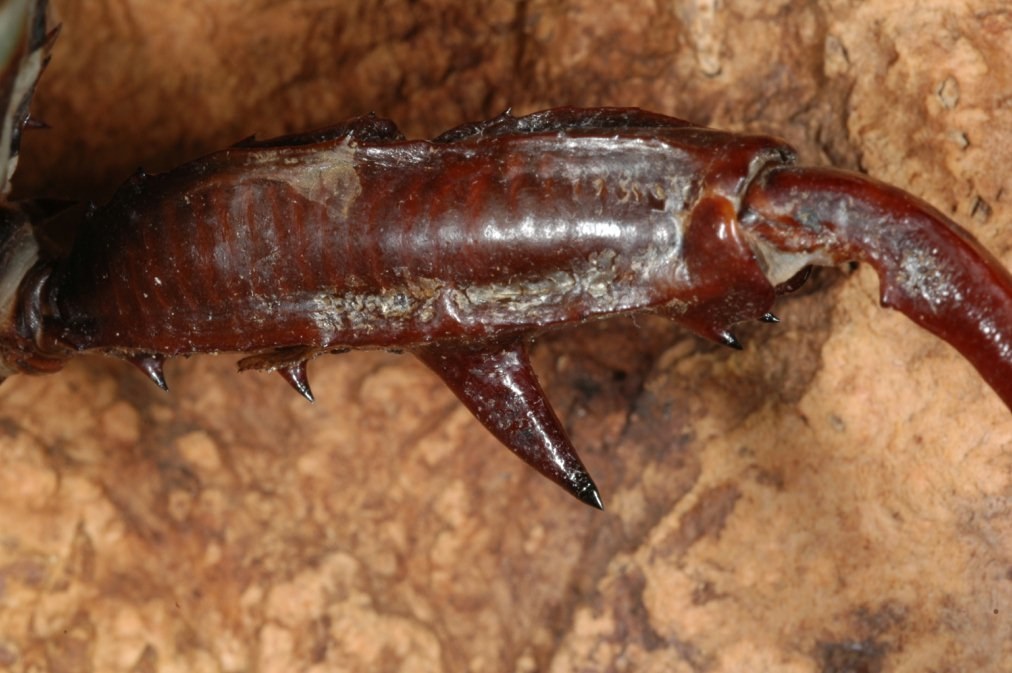
Walking Stick Insect
Trees, shrubs and leaf litter in forests, woodlands and gardens
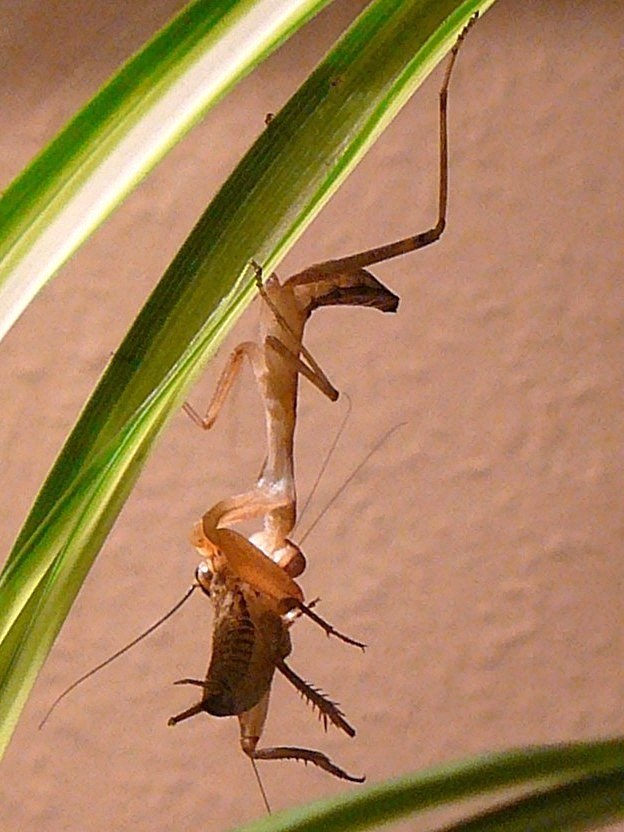
African Mantis
grasslands, shrubs, and gardens across sub-Saharan Africa
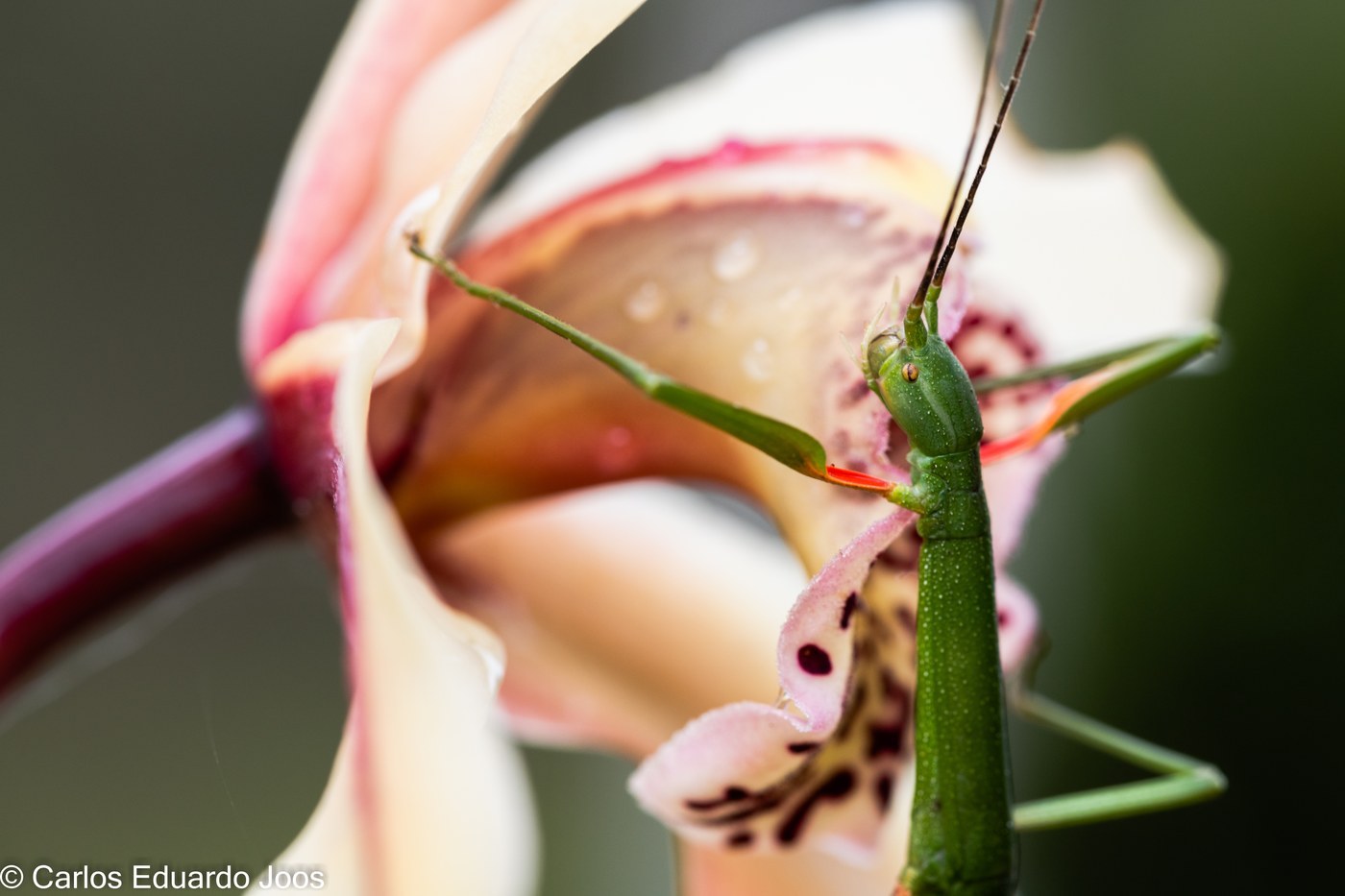
Walking Stick
Deciduous woodlands, forest edges, and shrubby vegetation
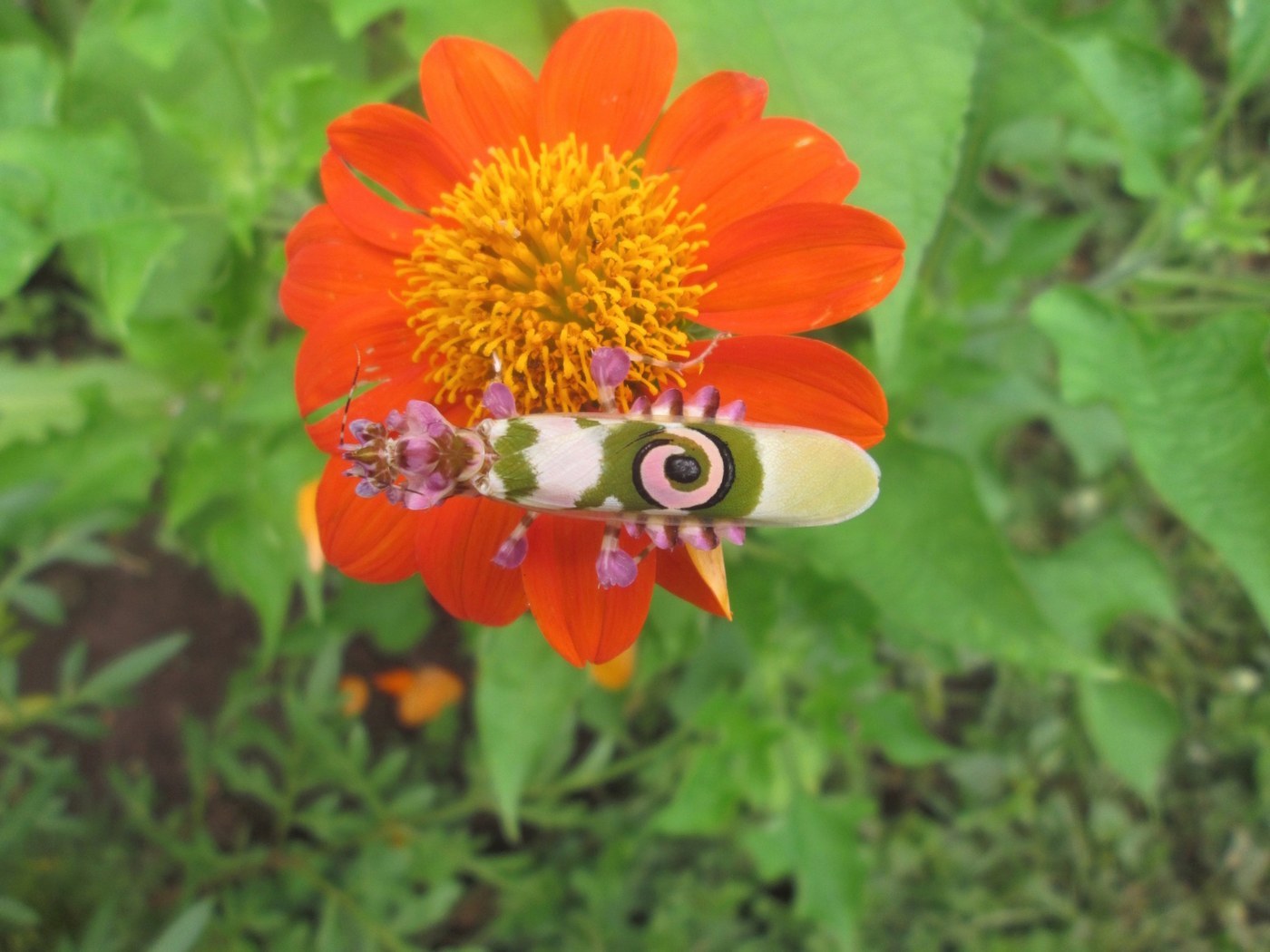
Spiny Flower Mantis
African savanna and woodland shrubs and flowering plants
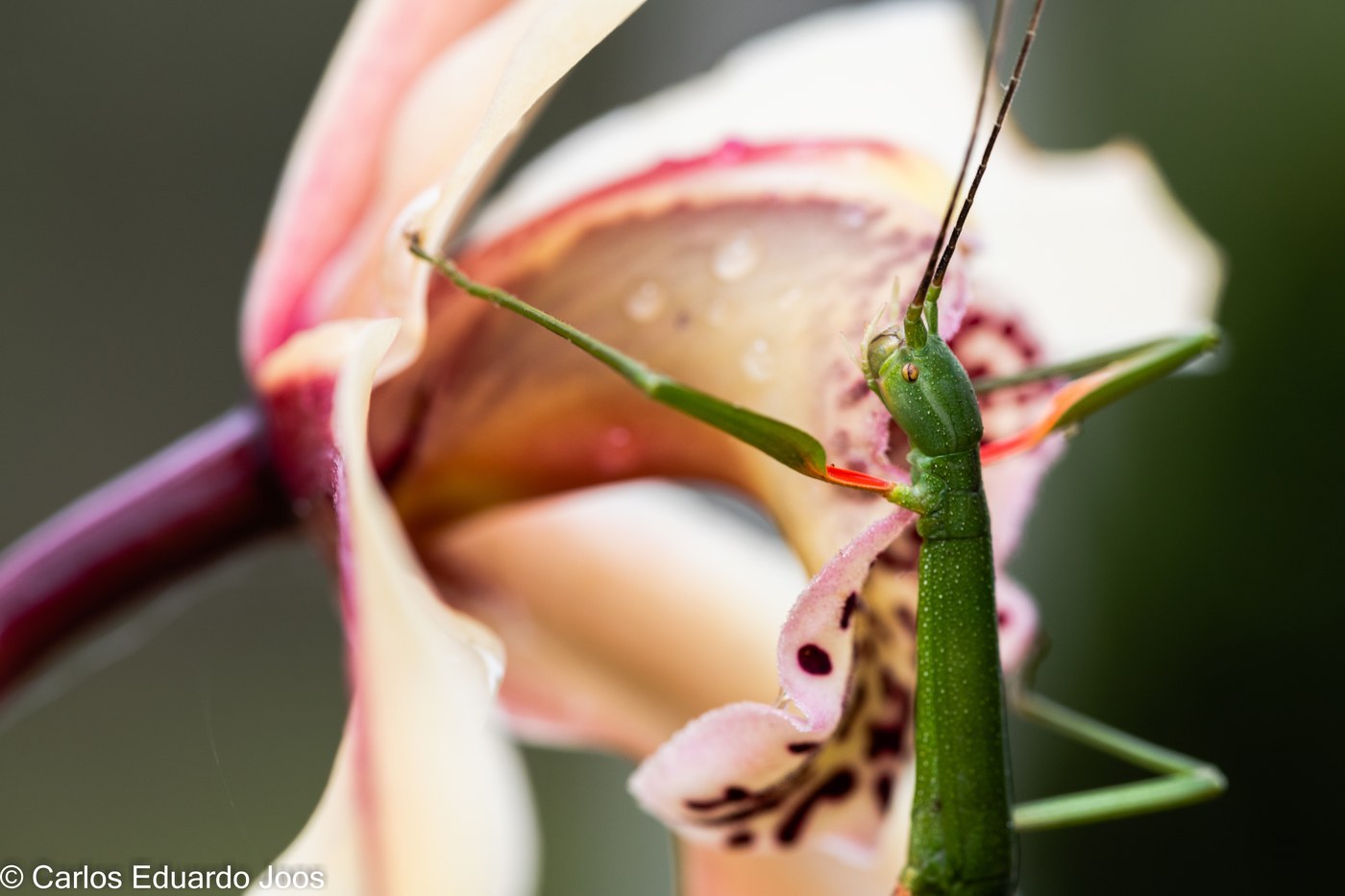
Northern Walkingstick
deciduous forests and woodland edges of the eastern and central United States and southern Canada
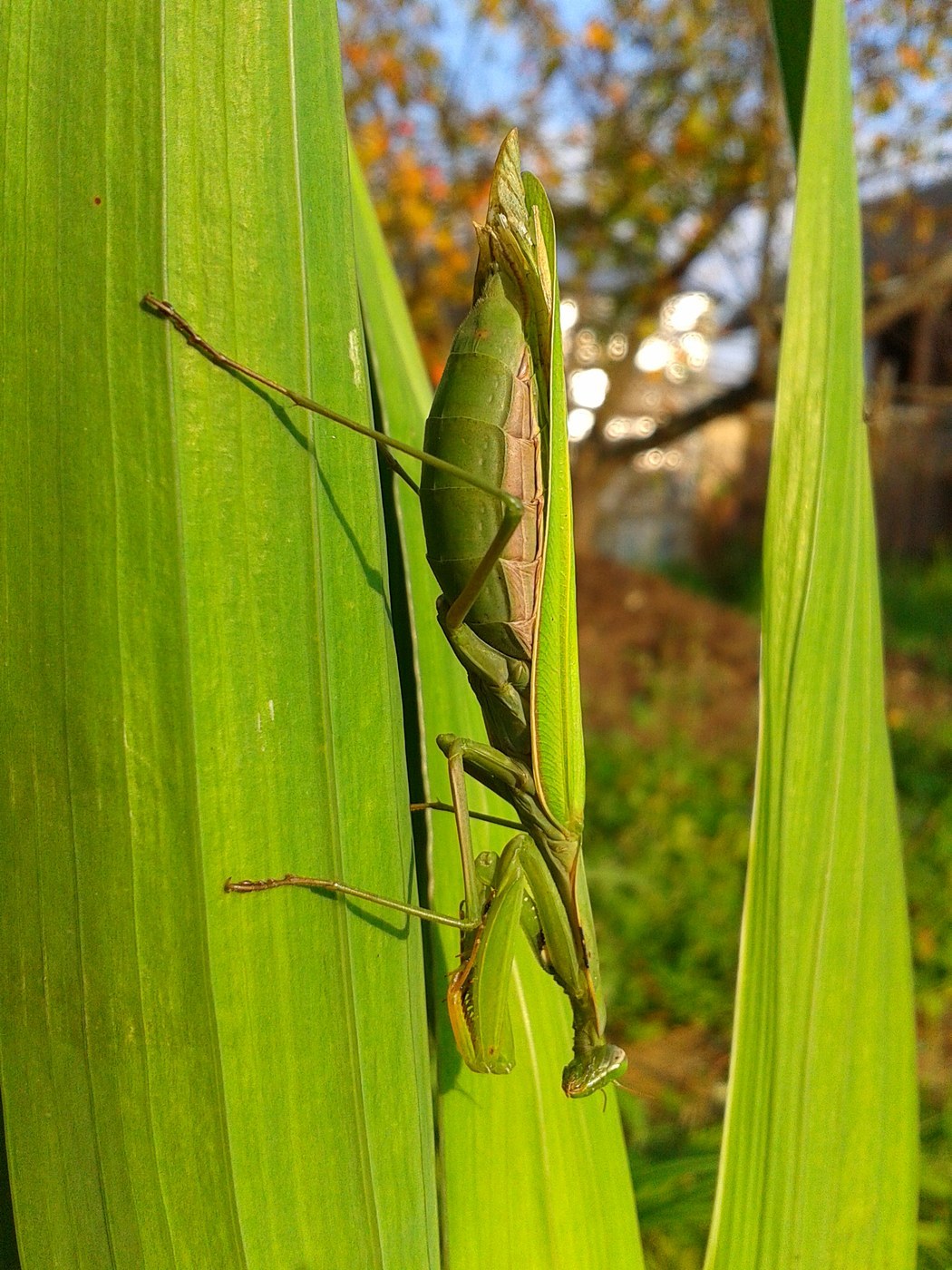
Praying Mantis
Gardens, meadows, shrubs, and tall grass
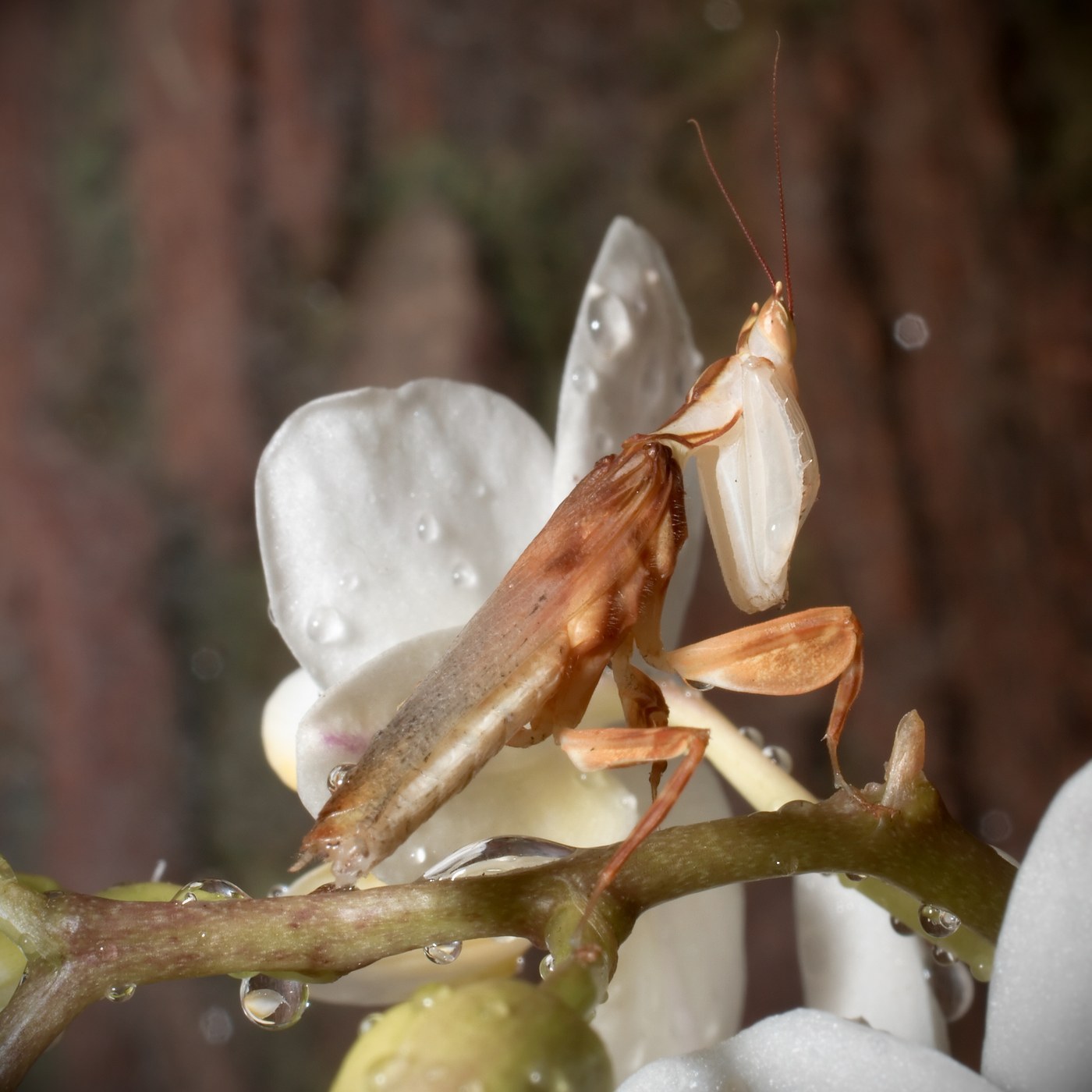
Orchid Mantis
tropical rainforests and flowering shrubs of Southeast Asia
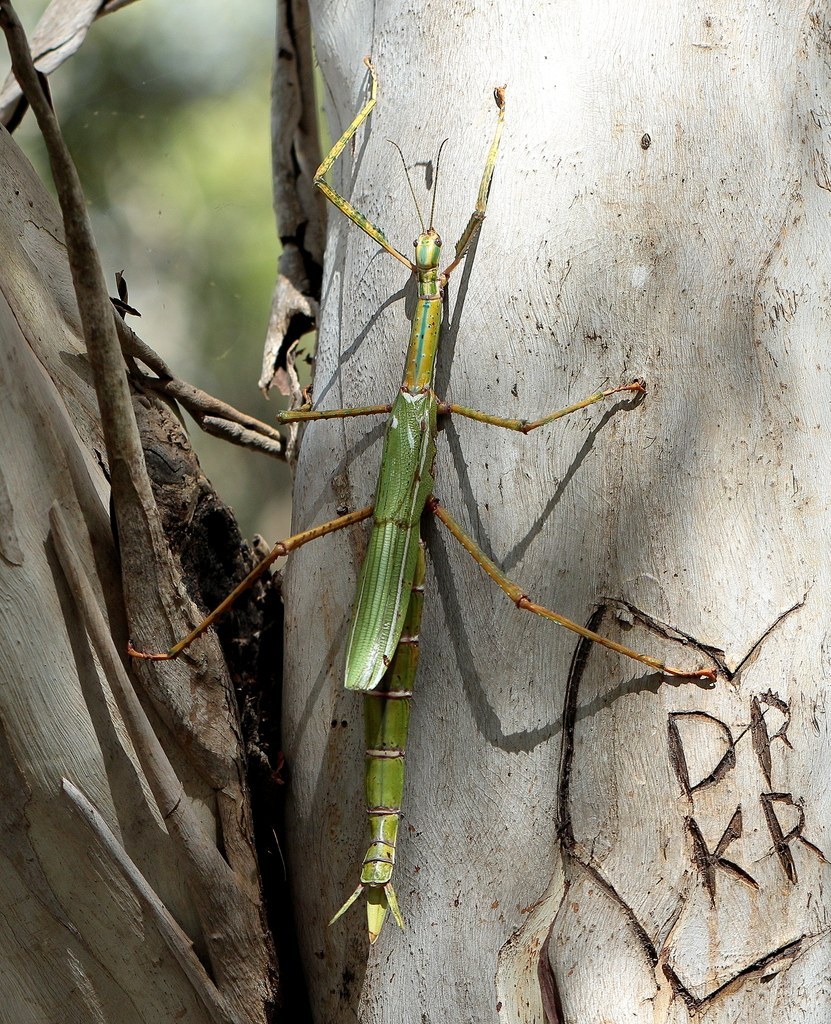
Goliath Stick Insect
Tropical and subtropical eucalypt forests and woodland canopy
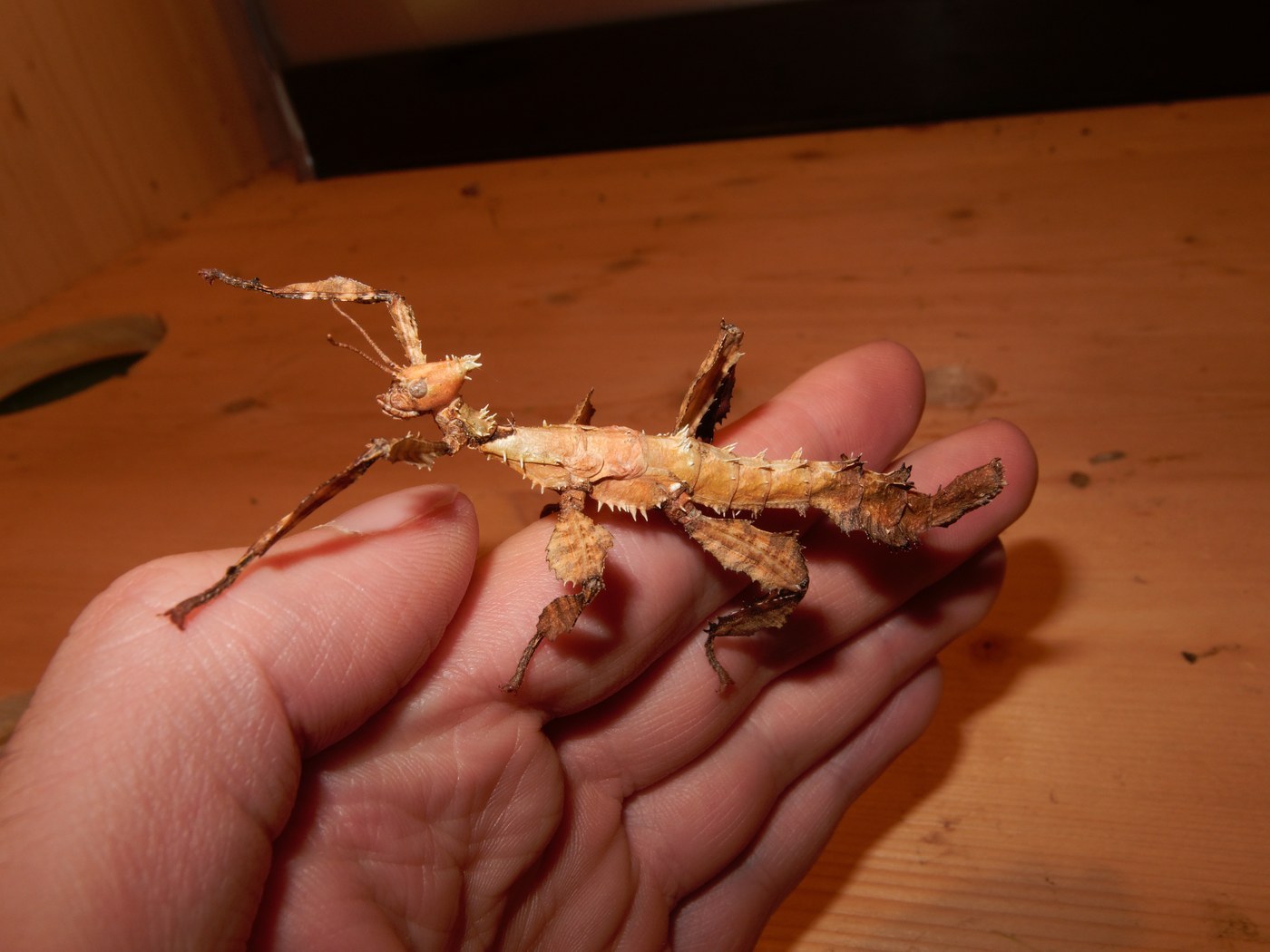
Giant Prickly Stick Insect
eucalyptus forests and shrubland of eastern Australia and New Guinea
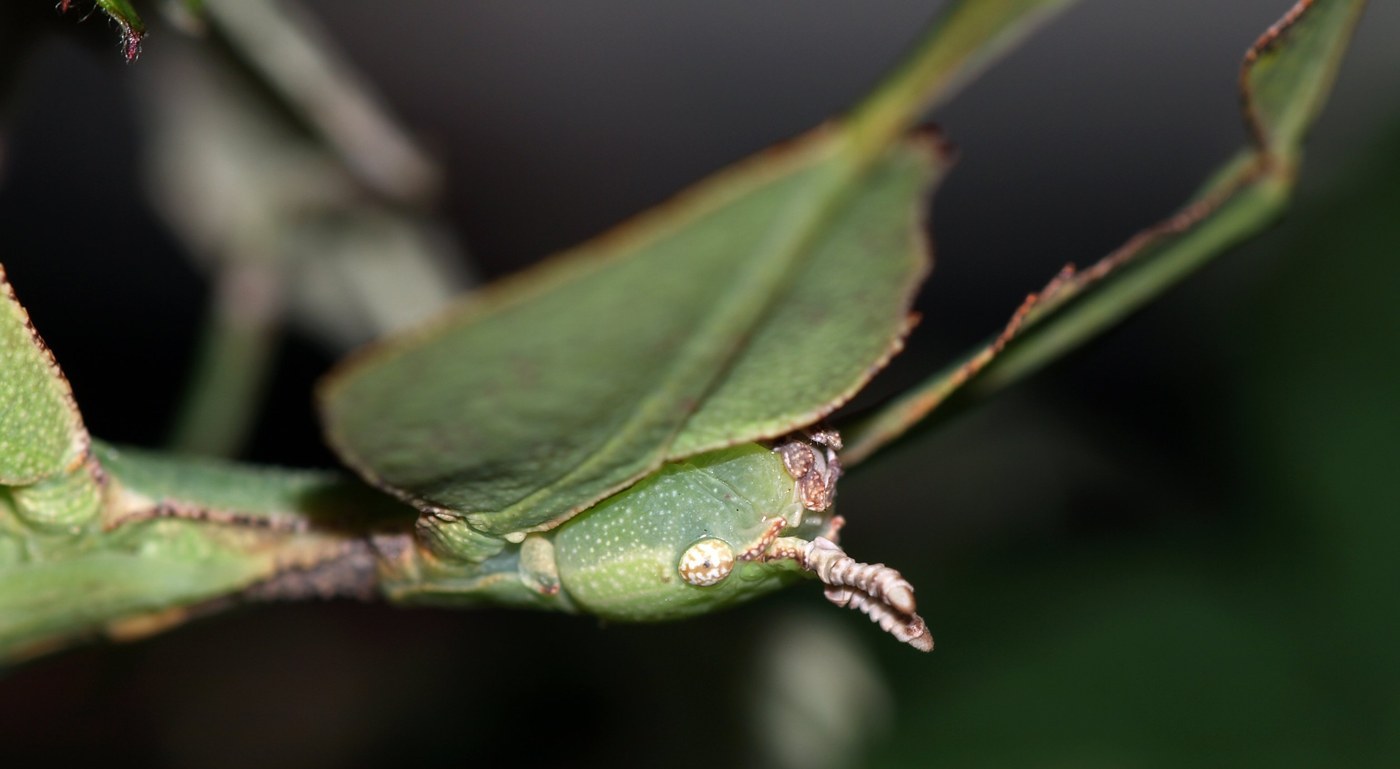
Javanese Leaf Insect
Tropical lowland and montane forest foliage
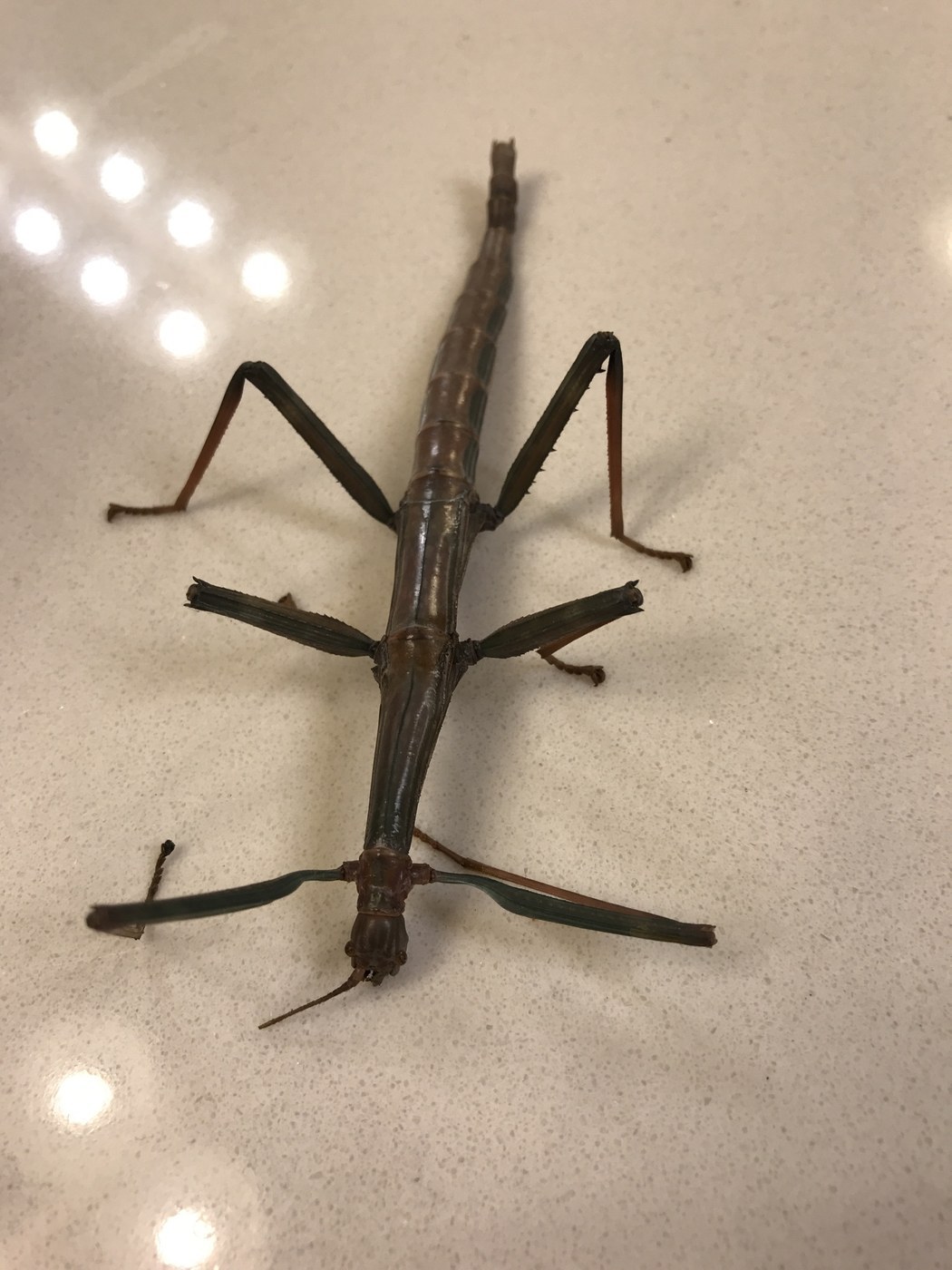
Giant Walking Stick
Deciduous woodlands, forest edges, and shrubby thickets
Leaf Insect
Tropical rainforest understory and canopy foliage