
Northern Walkingstick
Diapheromera femorata
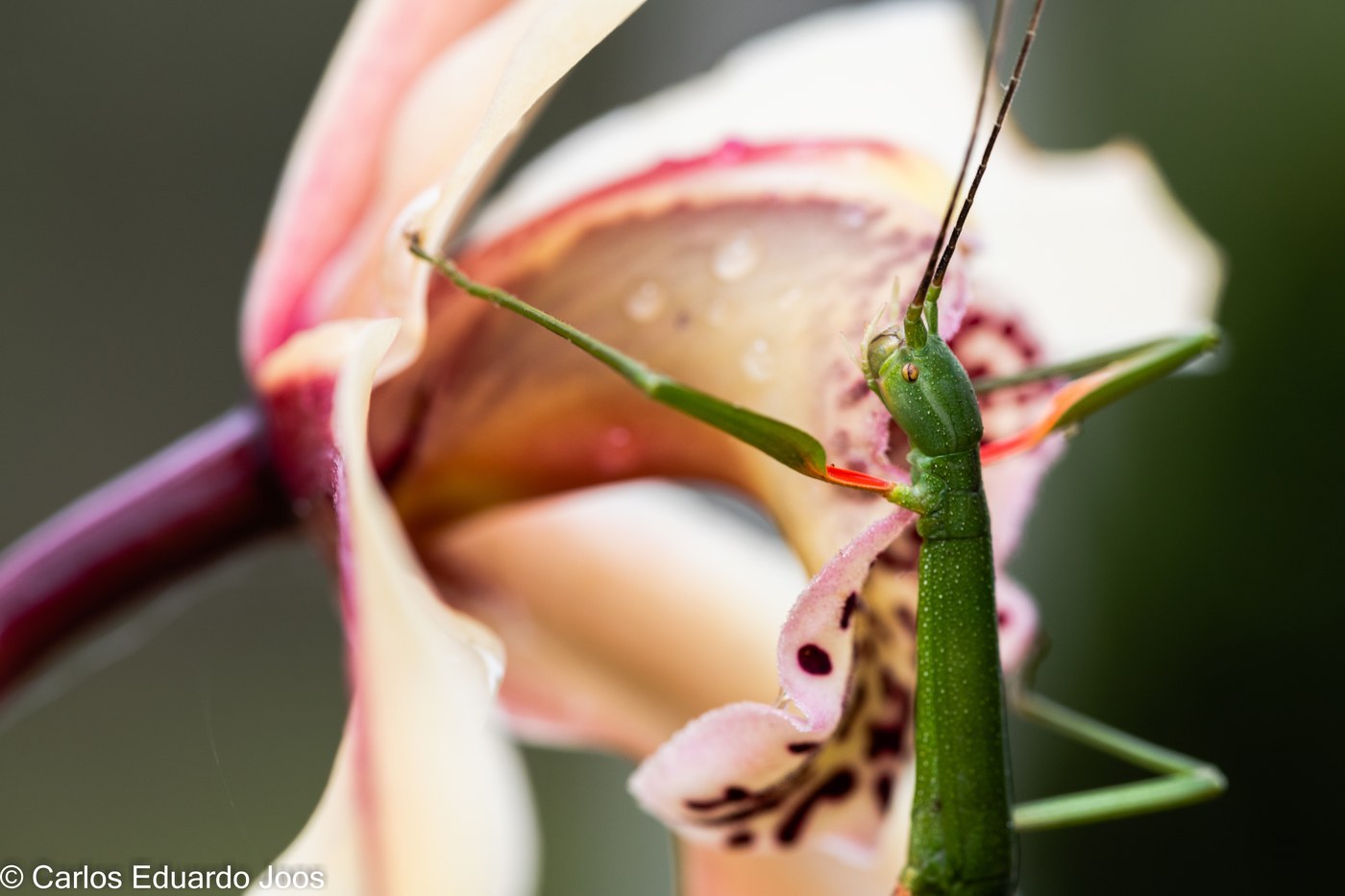
A slender, wingless insect so convincingly shaped like a twig that it can rest motionless on a branch just inches from view and go completely unnoticed.
- Size
- males 7.5–9 cm (3–3.5 in), females up to 9.5 cm (3.75 in)
- Habitat
- deciduous forests and woodland edges of the eastern and central United States and southern Canada
- Danger
- Harmless
Spotted a bug like this?
Identify any bug or insect from a photo, free.
Overview
The northern walkingstick is one of the most common and widespread stick insects in North America, found throughout deciduous forests of the eastern and central United States and southern Canada. Its long, thin, wingless body mimics a twig so effectively that it is rarely noticed even when in plain sight.
Adults feed at night on the foliage of hardwood trees such as oak, hazelnut, and wild cherry, spending the day motionless among branches. Occasional local population booms can lead to noticeable, though usually temporary, defoliation of host trees.
How to Identify
- Long, thin, wingless body resembling a twig
- Males roughly 7.5–9 cm long; females somewhat larger, up to about 9.5 cm
- Brownish-green to gray-brown coloration that closely matches bark and twigs
- Long, thread-like legs and antennae
- No wings in either sex, unlike many tropical stick insect species
- Told apart from other North American stick insects mainly by range and consistently wingless body
Habitat & Range
Found throughout deciduous forests and woodland edges of the eastern and central United States and southern Canada, especially in stands of oak, hazelnut, and cherry trees on which it feeds.
Behavior & Diet
A strictly herbivorous insect that feeds at night on the leaves of oak, hazelnut, cherry, and other hardwood trees, remaining motionless during the day. Its primary defense is camouflage combined with stillness, and when disturbed it may sway gently like a twig moving in the wind rather than fleeing. Occasional population outbreaks can cause locally visible defoliation of host trees, contributing to its role as a minor forest pest in some years.
Life Cycle
Females drop small, seed-like eggs individually to the forest floor in late summer and fall. Eggs typically overwinter, and some may take two winters to hatch. Nymphs resemble miniature wingless adults and molt through several instars over the summer, reaching adulthood by late summer. There is generally one generation per year, though delayed egg hatching can extend this in some populations.
Frequently asked questions
Can the northern walkingstick fly?
No, both males and females are entirely wingless.
What does it eat?
Leaves of oak, hazelnut, wild cherry, and other deciduous trees.
How does it avoid being eaten?
It relies on twig-like camouflage and stillness, sometimes swaying gently to mimic a branch moving in the wind.
How long do the eggs take to hatch?
Eggs usually overwinter once before hatching in spring, though some take two winters to hatch.
Northern Walkingstick guides
In-depth guides for identifying, understanding, and living alongside Northern Walkingstick.
Other bugs you may enjoy
Walking Stick Insect
Trees, shrubs and leaf litter in forests, woodlands and gardens
African Mantis
grasslands, shrubs, and gardens across sub-Saharan Africa
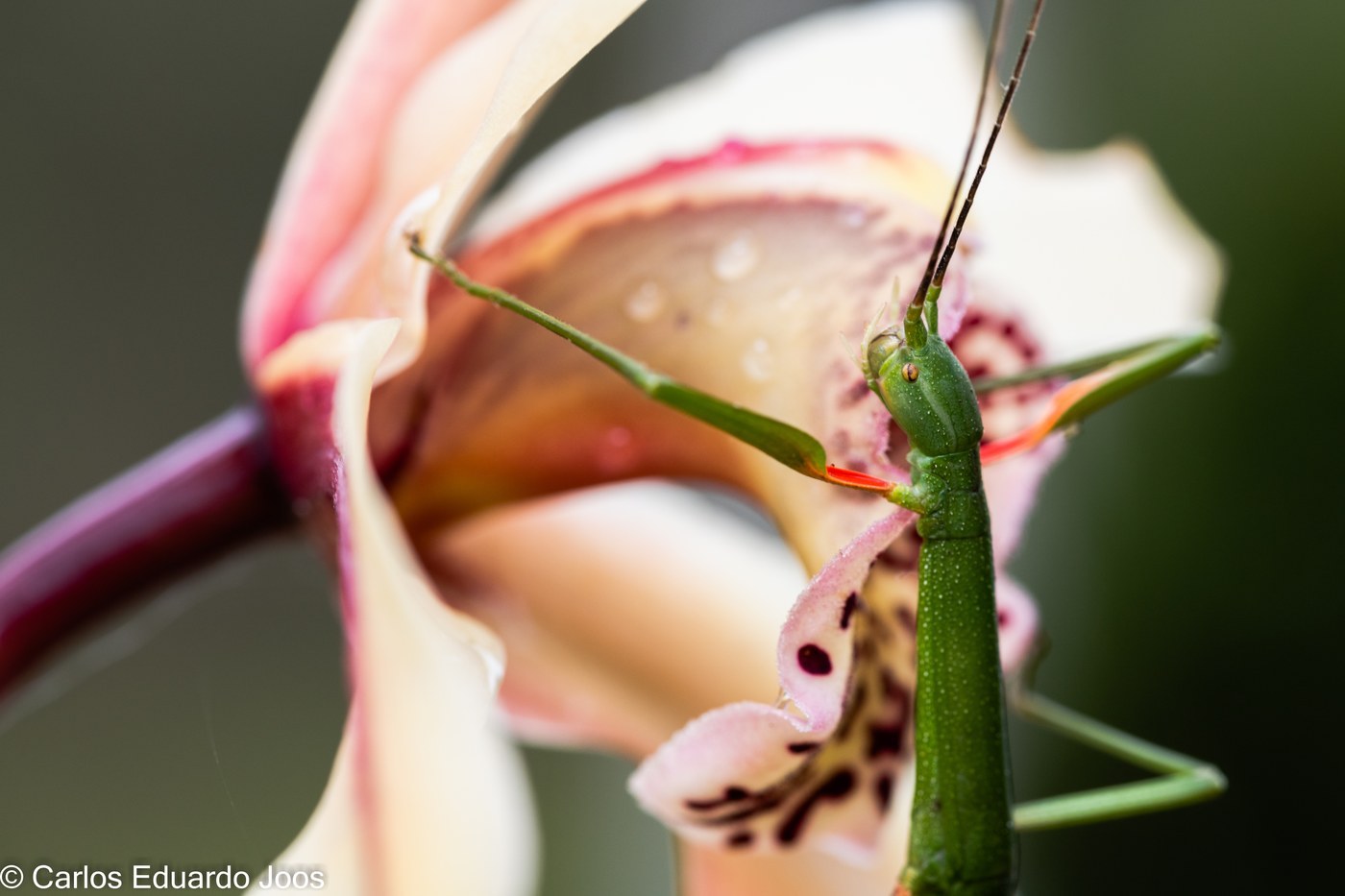
Walking Stick
Deciduous woodlands, forest edges, and shrubby vegetation
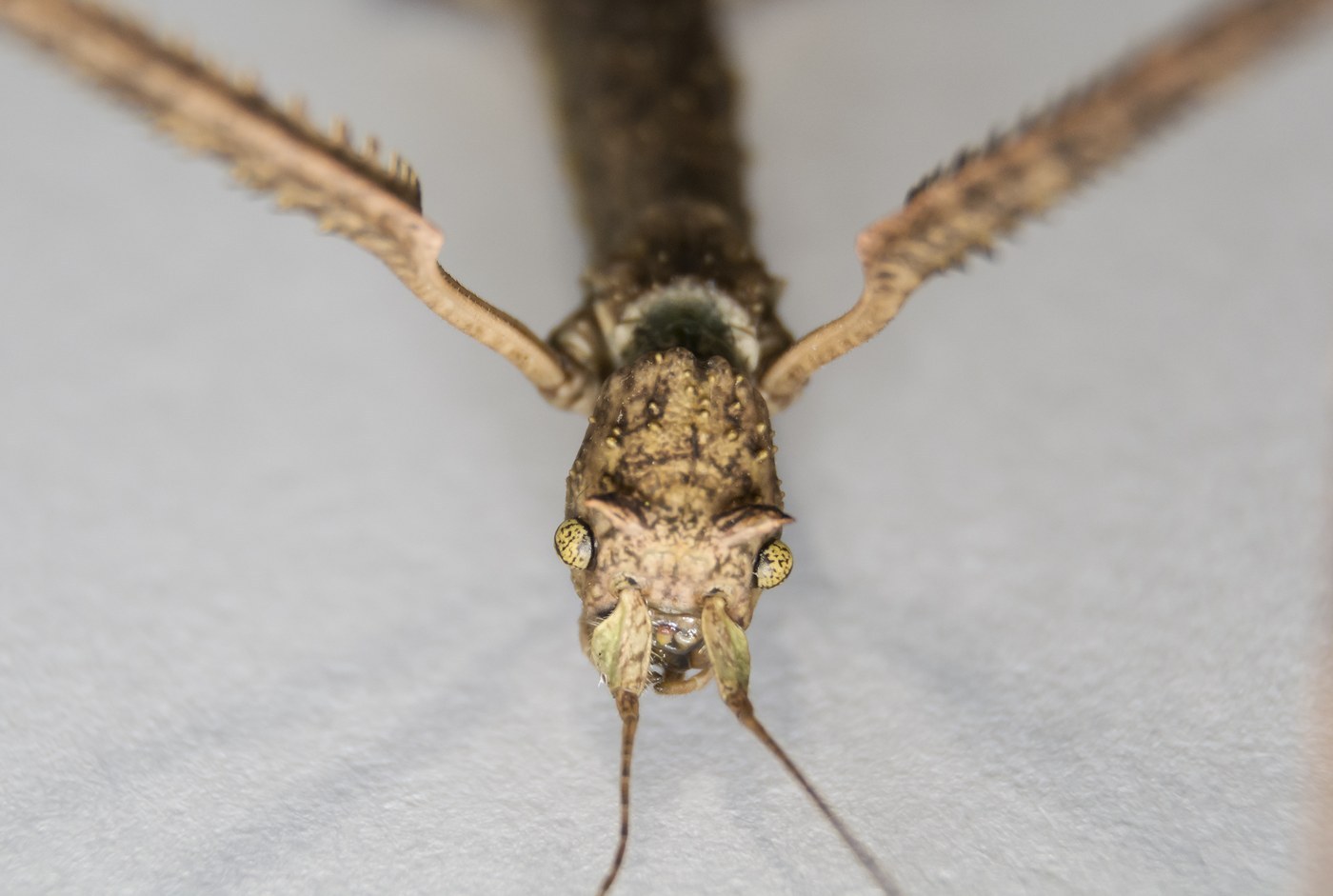
Vietnamese Walking Stick
tropical forests of Vietnam; widely kept in captivity worldwide
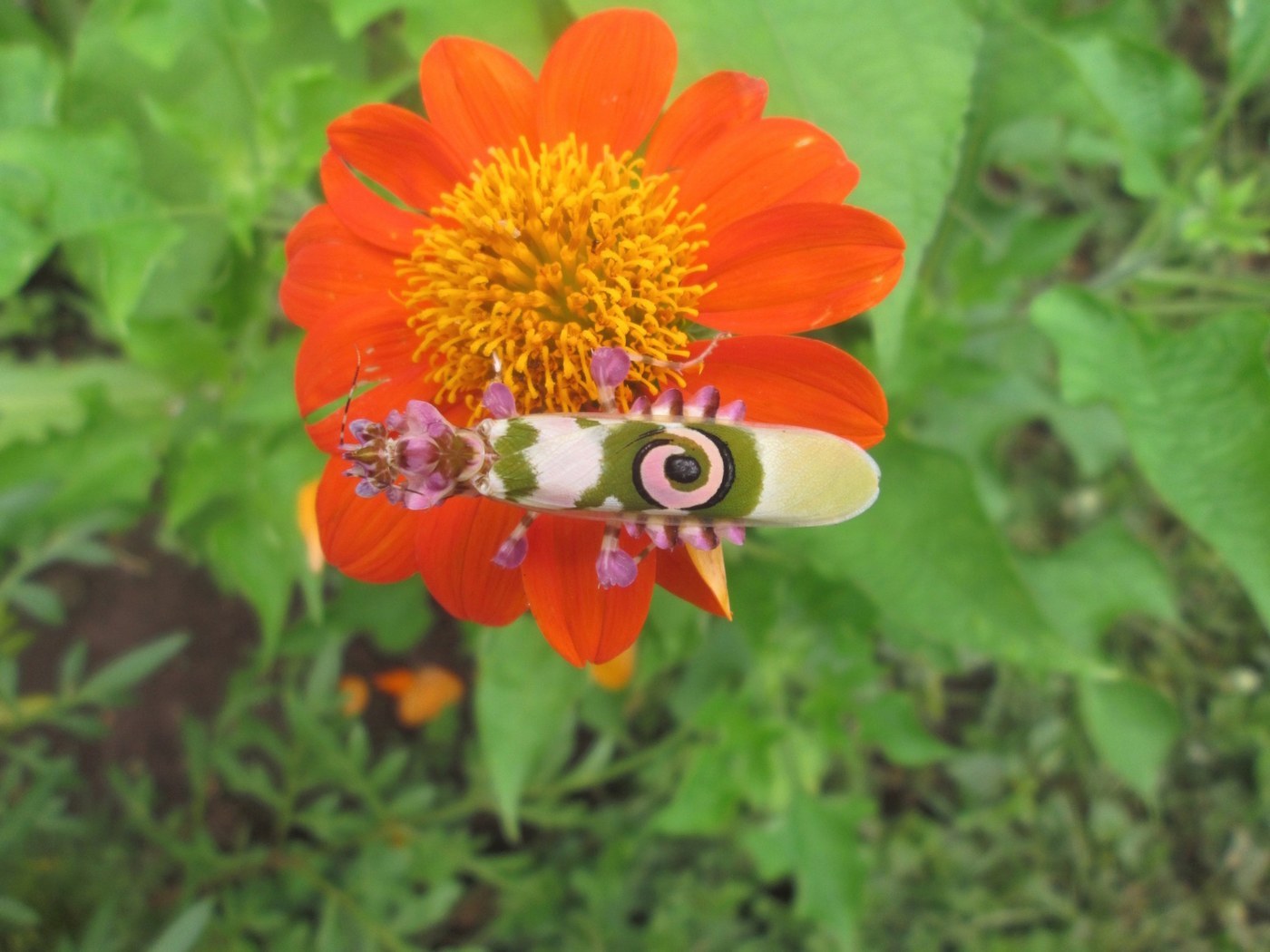
Spiny Flower Mantis
African savanna and woodland shrubs and flowering plants
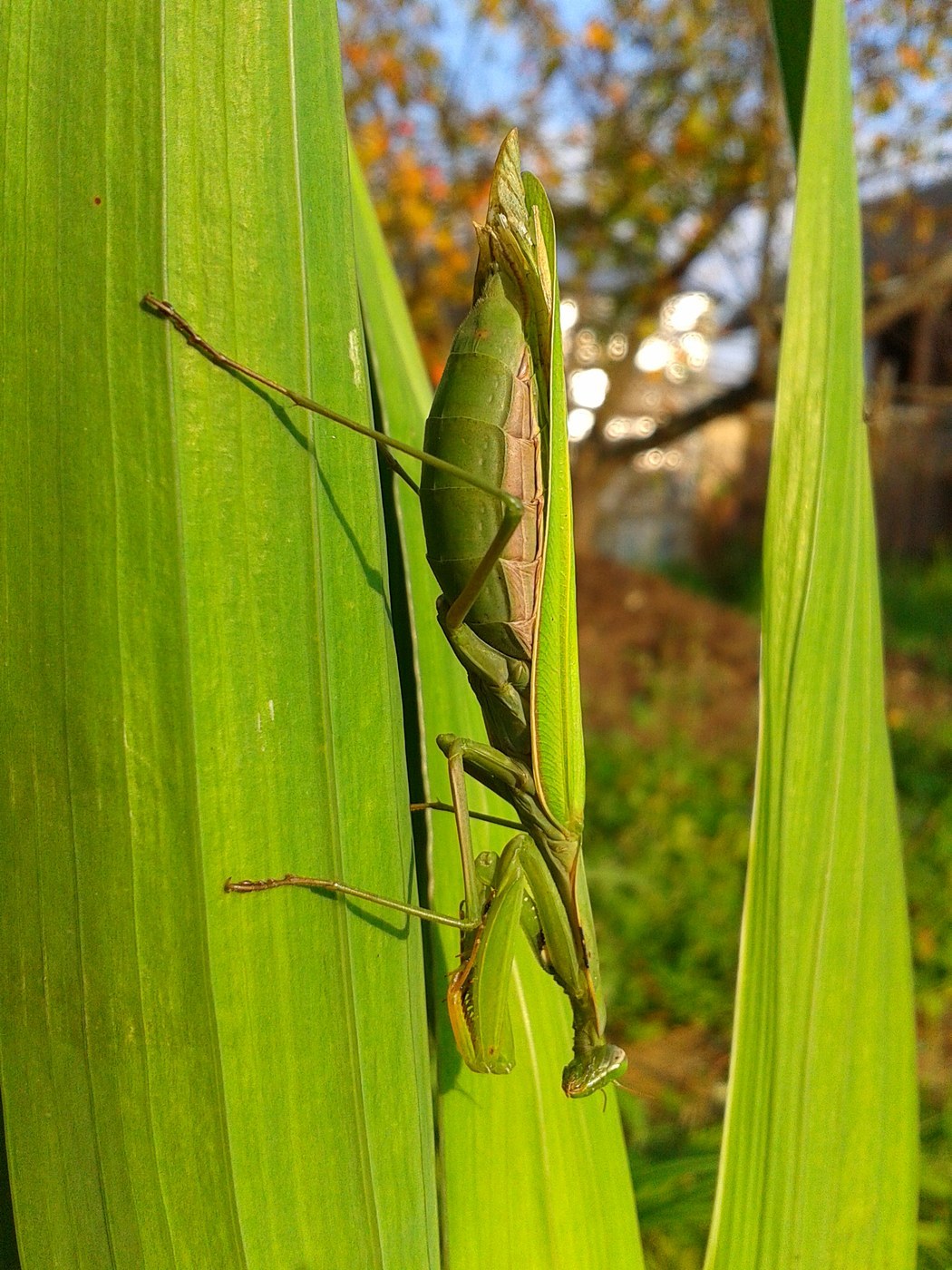
Praying Mantis
Gardens, meadows, shrubs, and tall grass
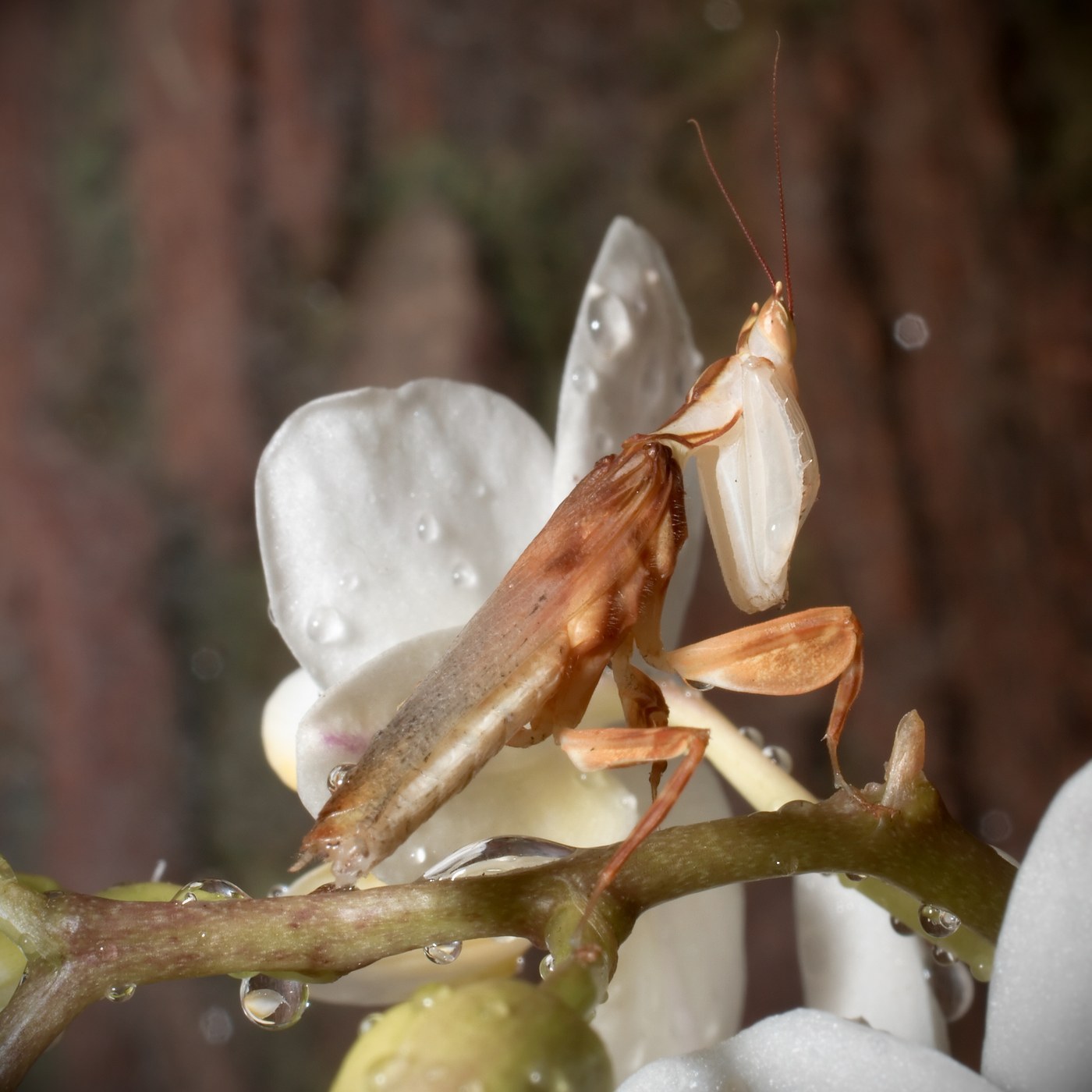
Orchid Mantis
tropical rainforests and flowering shrubs of Southeast Asia
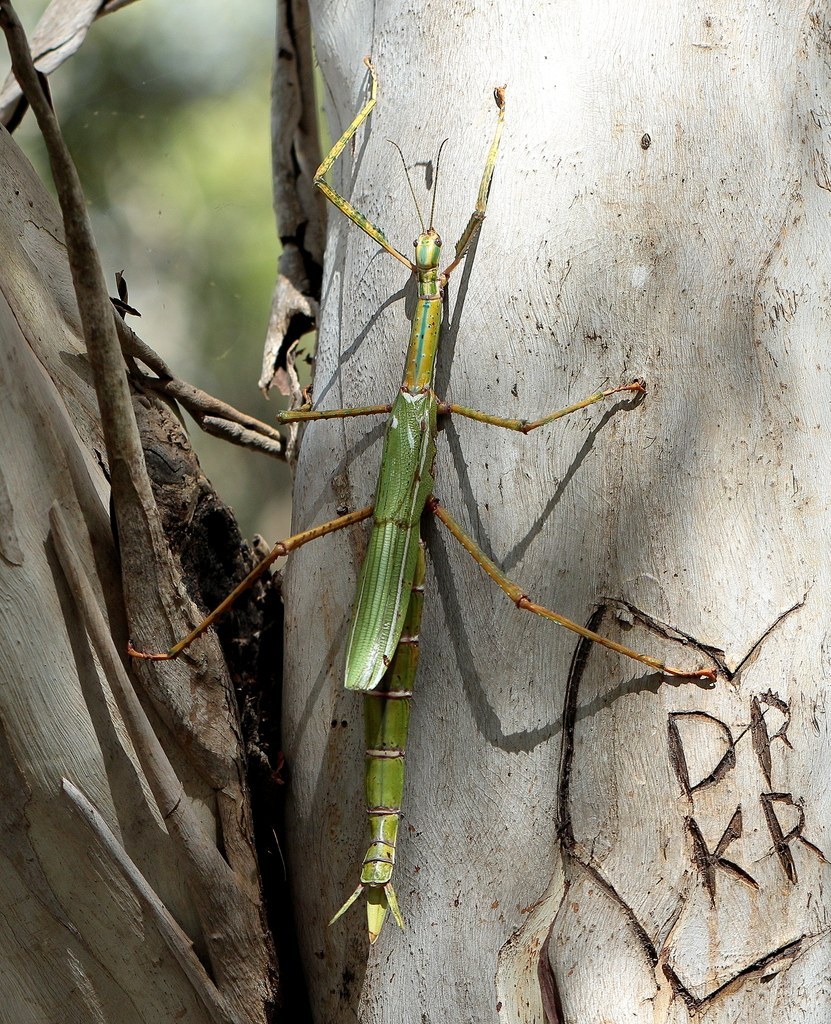
Goliath Stick Insect
Tropical and subtropical eucalypt forests and woodland canopy
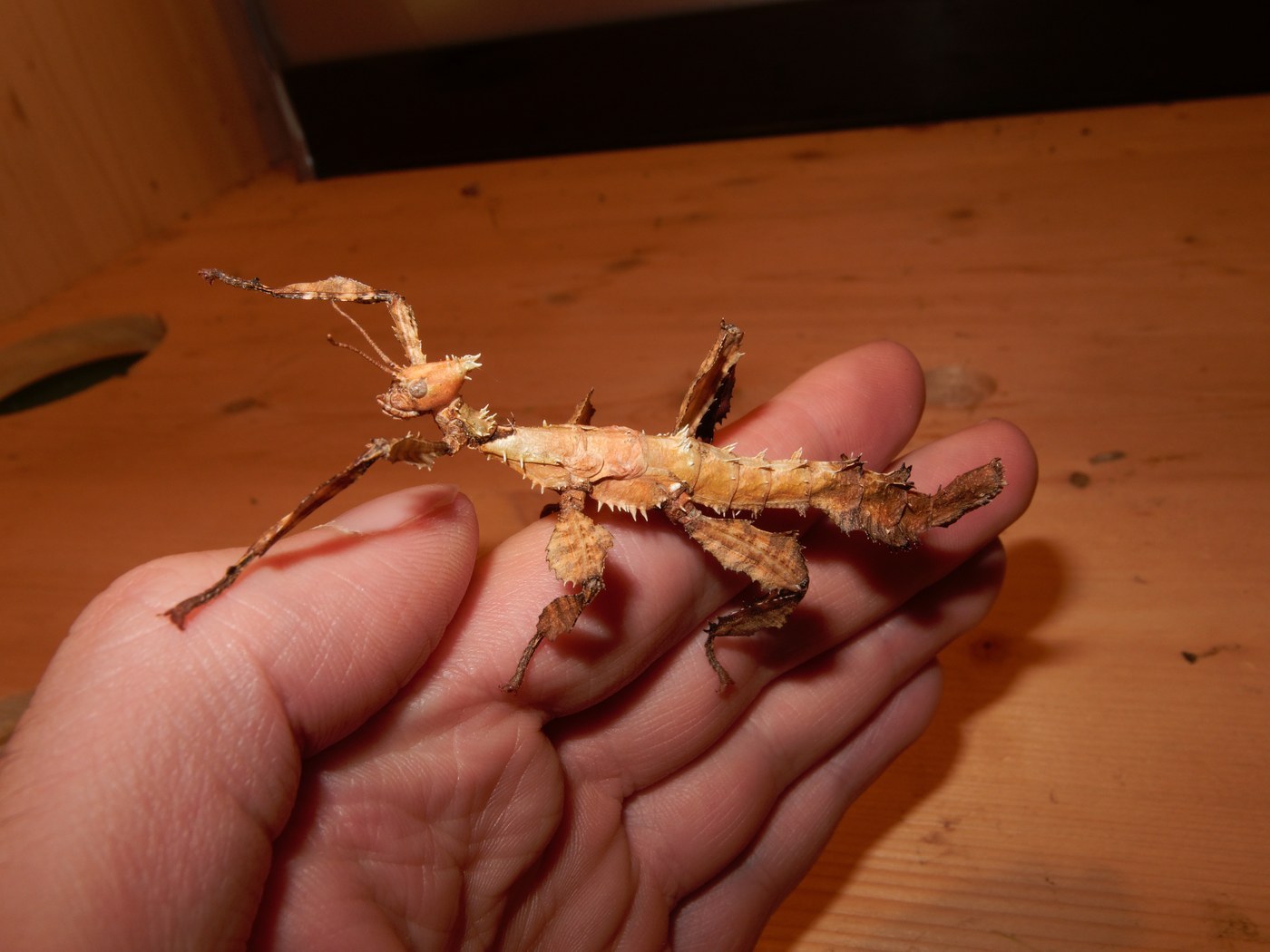
Giant Prickly Stick Insect
eucalyptus forests and shrubland of eastern Australia and New Guinea
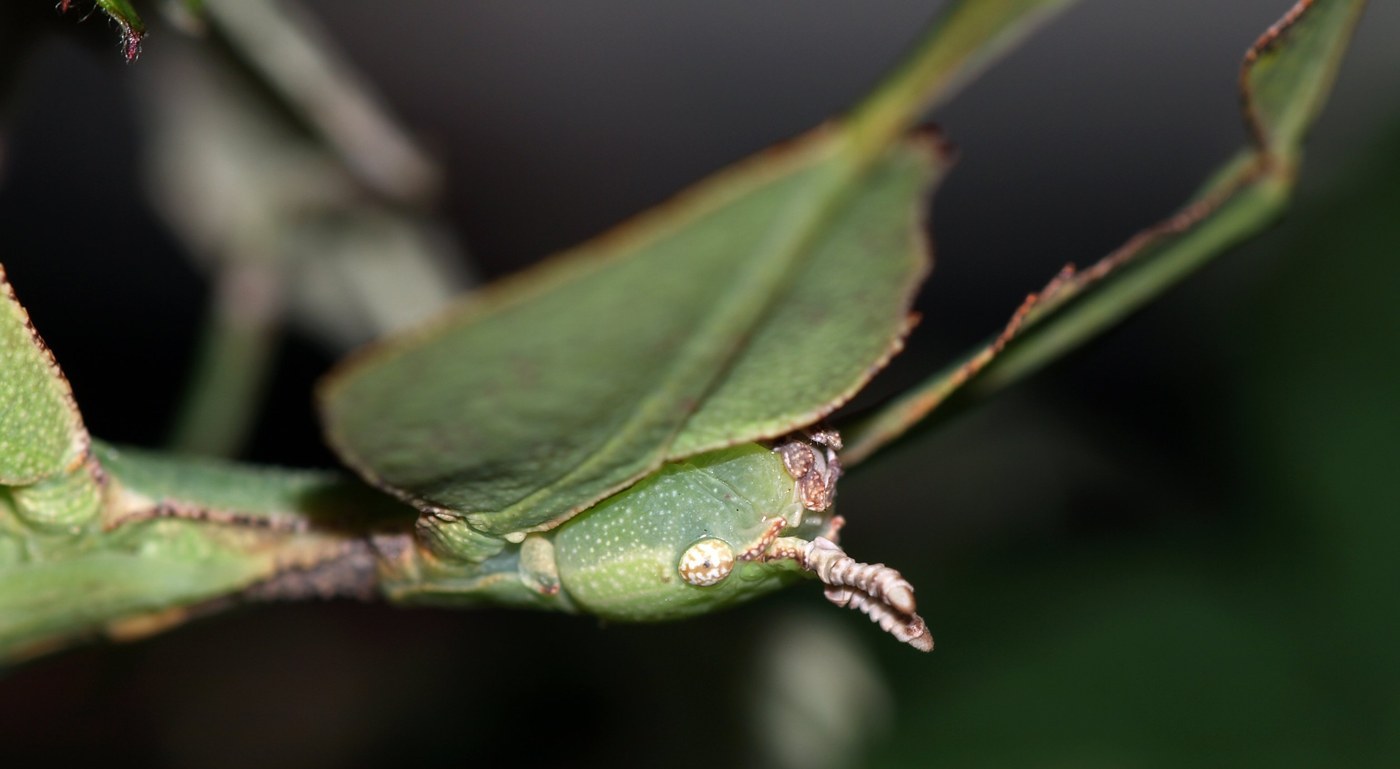
Javanese Leaf Insect
Tropical lowland and montane forest foliage
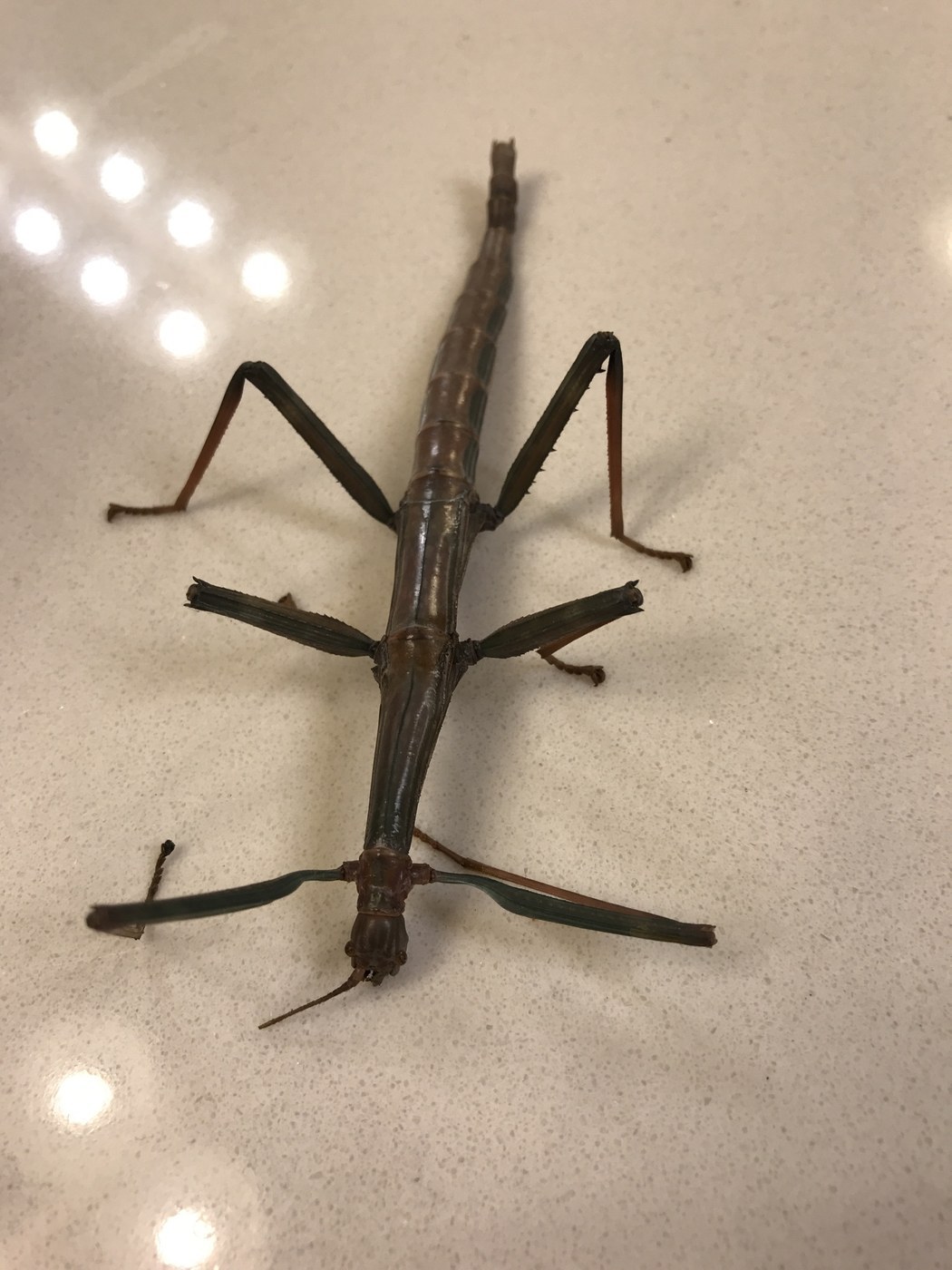
Giant Walking Stick
Deciduous woodlands, forest edges, and shrubby thickets
Leaf Insect
Tropical rainforest understory and canopy foliage