
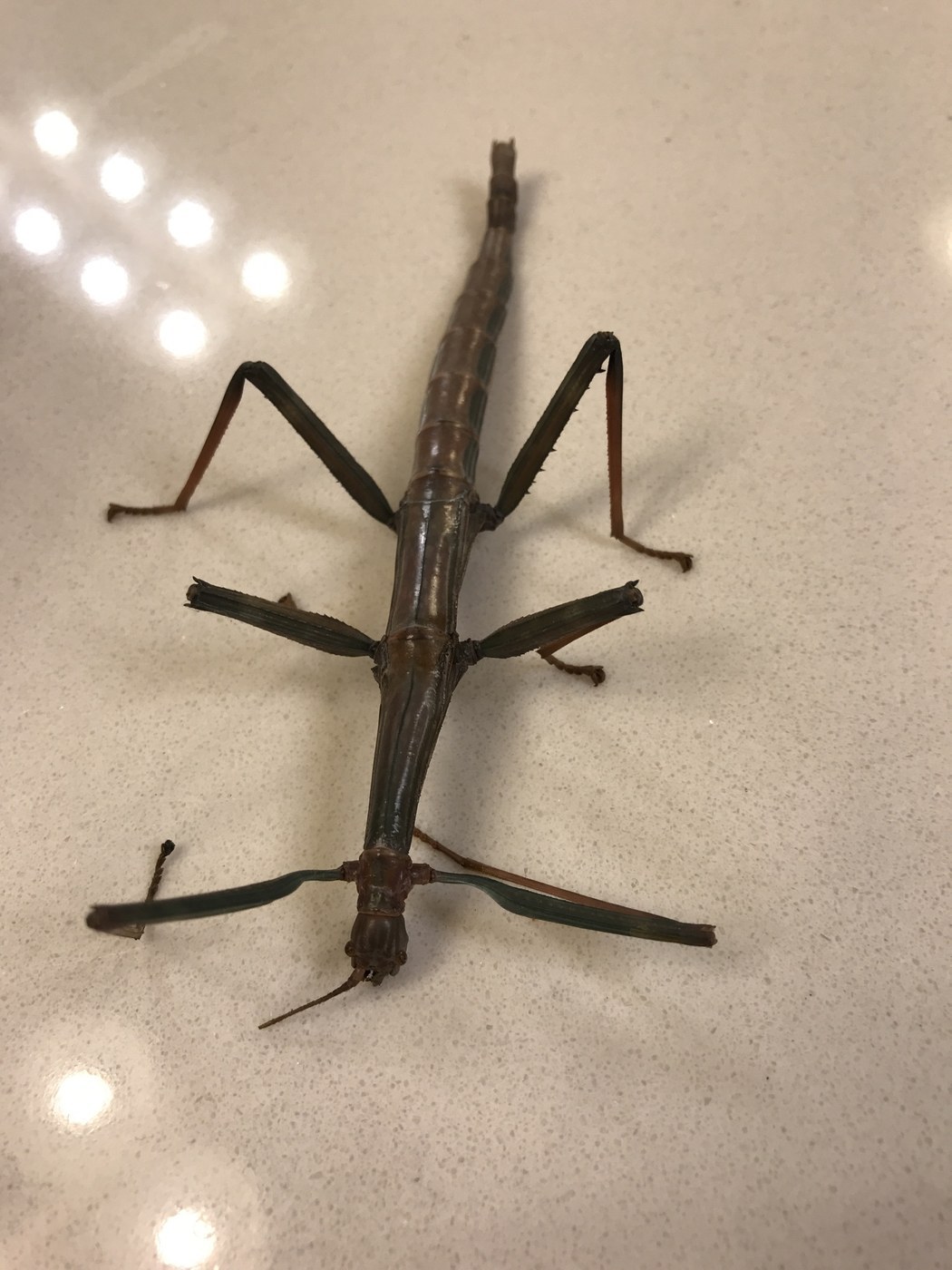
Giant Walking Stick
Megaphasma denticrus
The longest insect in the United States, this brown, thread-thin giant sways gently on its perch to complete the illusion of a wind-stirred twig.
- Size
- Females up to 18 cm (7 in) long; males smaller, around 11-14 cm
- Habitat
- Deciduous woodlands, forest edges, and shrubby thickets
- Danger
- Harmless
Spotted a bug like this?
Identify any bug or insect from a photo, free.
Overview
The giant walking stick is the largest insect species native to North America, with females regularly exceeding 15 cm in body length. Its extraordinarily elongated, cylindrical body and matching thin legs give it an almost total resemblance to a woody stem or twig, a disguise that serves as its primary means of avoiding detection by birds and other visually hunting predators.
Found mainly across the south-central and southeastern United States, from Arizona and Colorado east to the Gulf states, this species favors deciduous trees and shrubs such as oak, hackberry, and grapevine, on which it feeds and rests. Despite its imposing size, it is a slow-moving, entirely plant-eating insect with no capacity to bite or sting people.
How to Identify
- Extremely long, slender, stick-like body, brown to grayish-brown or reddish-brown in color
- Females are noticeably thicker and longer than males, often exceeding 15-18 cm
- Long, thin legs held close to the body when at rest, extending the twig-like silhouette
- Long, thread-like antennae, shorter than the body
- Wingless in both sexes; no flight capability
- Lookalikes include other native walkingsticks (Diapheromera femorata), which are considerably smaller and more slender
Habitat & Range
This species is native to the central and southern United States, ranging from Arizona and Colorado eastward through Texas, Oklahoma, and the Gulf Coast states. It inhabits deciduous forests, woodland margins, hedgerows, and areas with dense shrub or vine growth, where its host plants are abundant. Adults are most often encountered from mid to late summer into early fall, typically resting motionless on branches and foliage during the day.
Behavior & Diet
Giant walking sticks are nocturnal, becoming active after dark to feed on the leaves of a range of woody plants and vines, including oak, wild grape, and hackberry. During daylight hours they remain nearly motionless, relying on camouflage and a slow, rocking gait that mimics a twig moving in the wind rather than fleeing from threats. If disturbed or grasped, an individual may drop to the ground and remain still, or release a leg at a weak joint to escape a predator's grip. As herbivores, they play a minor role in the food web as prey for birds, and their leaf browsing has negligible impact on healthy trees.
Life Cycle
Females scatter hundreds of hard, seed-like eggs by flicking them from the treetops to the forest floor over the course of the summer and fall. The eggs overwinter in leaf litter and typically hatch the following spring, sometimes taking more than one year to develop. Nymphs resemble miniature, more slender versions of the adults and pass through several molts, growing longer and thicker with each stage, without a pupal phase. There is generally one generation per year, with adults appearing from mid-summer through the first frosts.
Frequently asked questions
Is the giant walking stick really the longest insect in the U.S.?
Yes, females of this species are recognized as the longest native insect in the United States, with body lengths that can exceed 15-18 cm.
Can giant walking sticks fly?
No, both sexes are wingless and cannot fly; they rely entirely on camouflage and slow movement to avoid predators.
What do giant walking sticks eat?
They feed on the foliage of various deciduous trees and vines, including oak, hackberry, and wild grape.
How can I tell males from females?
Females are noticeably longer and thicker-bodied than males, which tend to be more slender with proportionally longer antennae.
Giant Walking Stick guides
In-depth guides for identifying, understanding, and living alongside Giant Walking Stick.
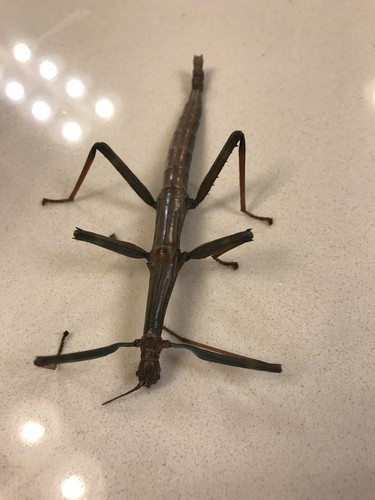
Other bugs you may enjoy
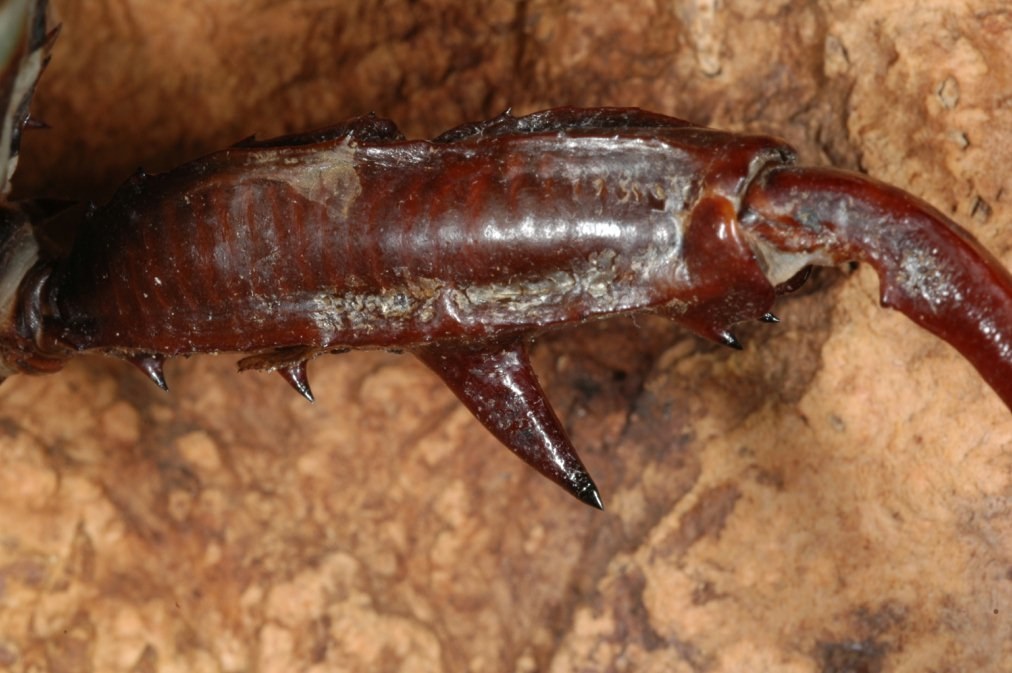
Walking Stick Insect
Trees, shrubs and leaf litter in forests, woodlands and gardens
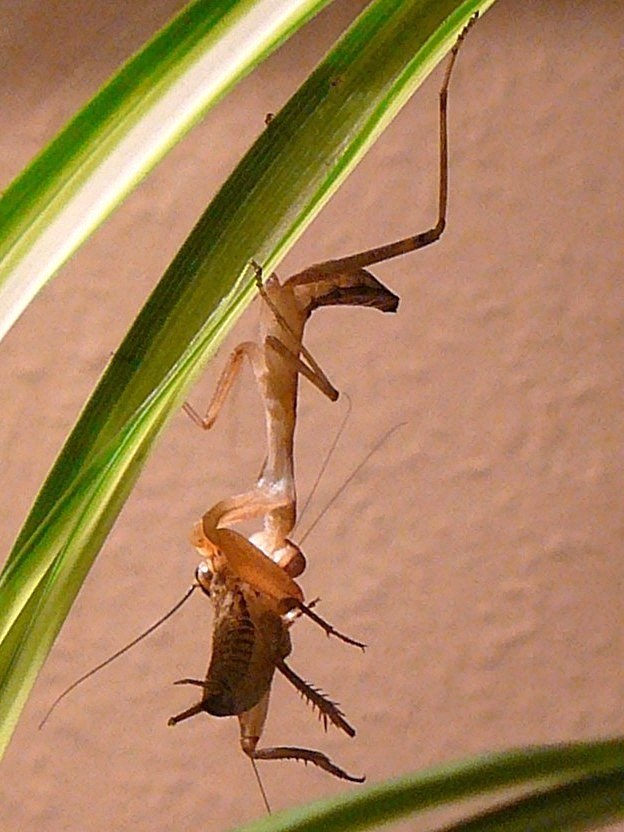
African Mantis
grasslands, shrubs, and gardens across sub-Saharan Africa
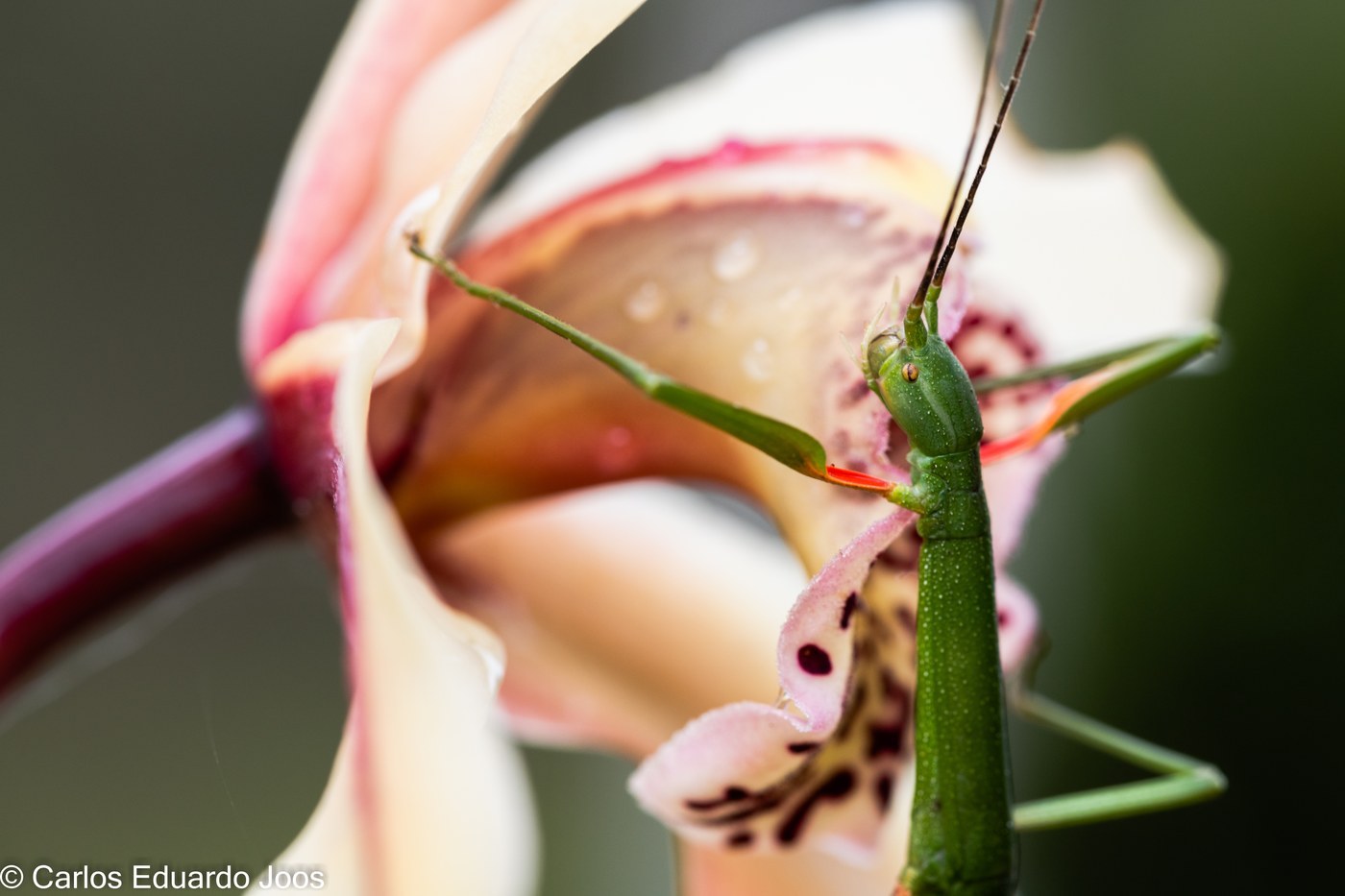
Walking Stick
Deciduous woodlands, forest edges, and shrubby vegetation
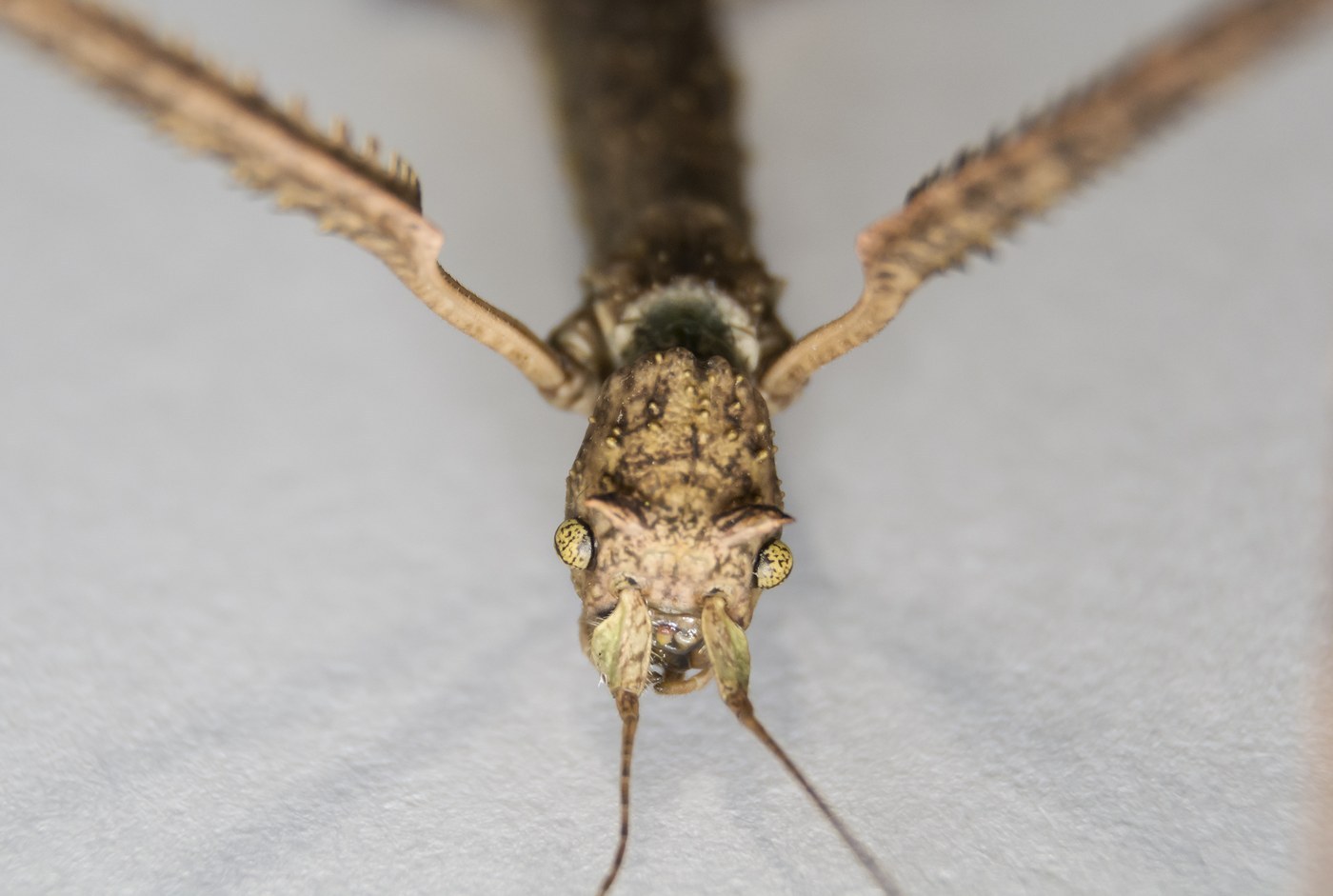
Vietnamese Walking Stick
tropical forests of Vietnam; widely kept in captivity worldwide
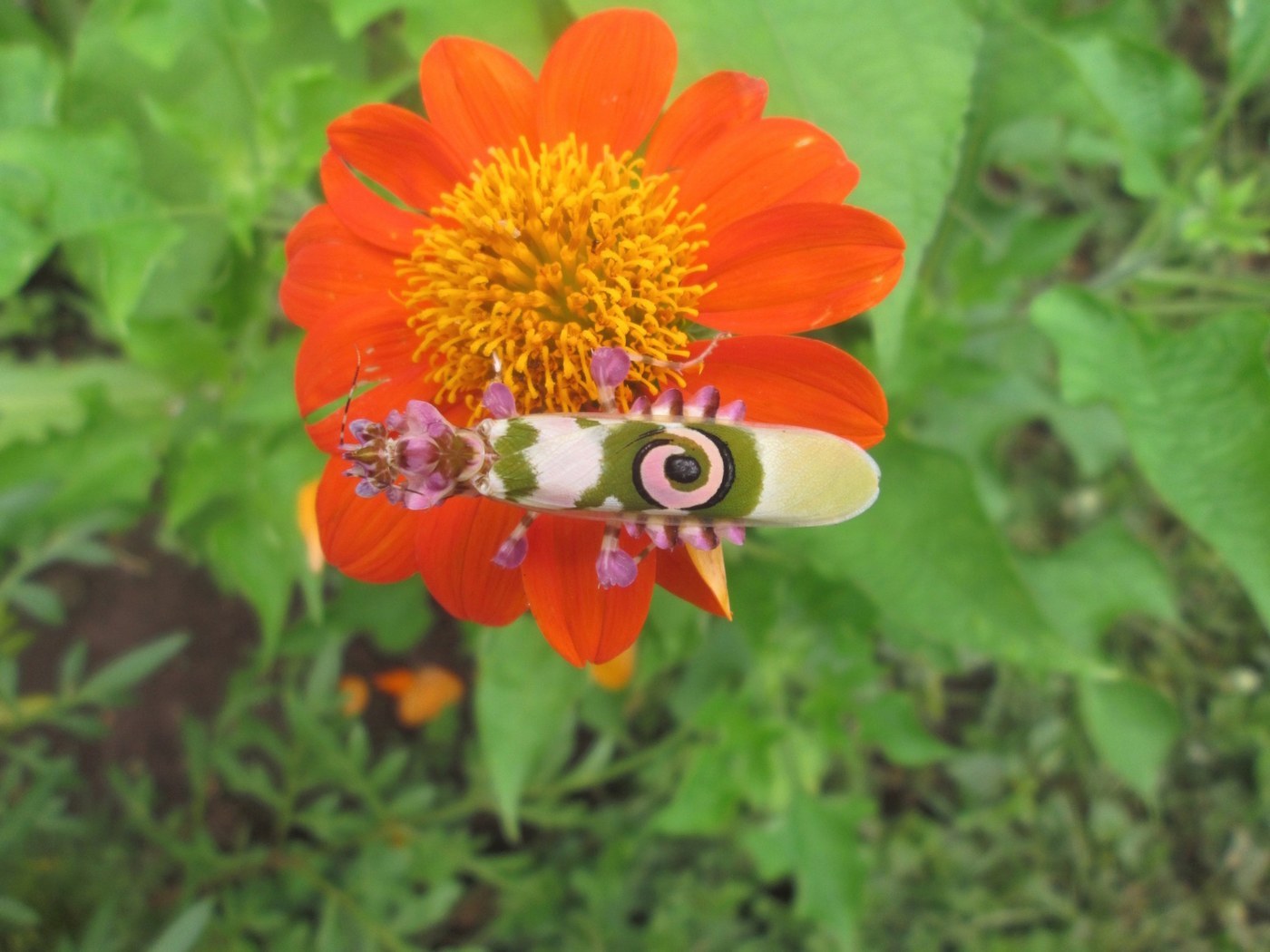
Spiny Flower Mantis
African savanna and woodland shrubs and flowering plants
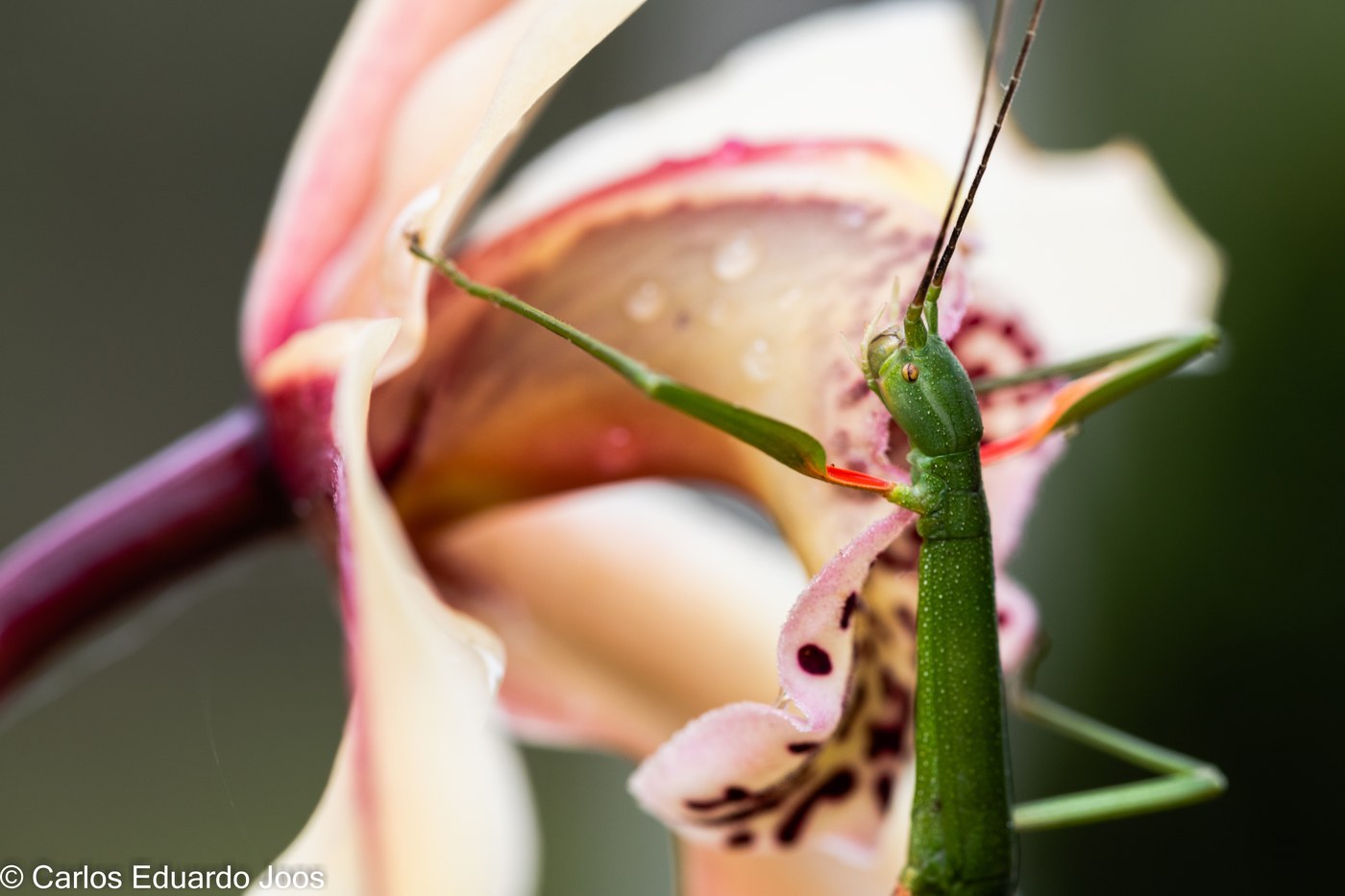
Northern Walkingstick
deciduous forests and woodland edges of the eastern and central United States and southern Canada
Praying Mantis
Gardens, meadows, shrubs, and tall grass
Orchid Mantis
tropical rainforests and flowering shrubs of Southeast Asia
Goliath Stick Insect
Tropical and subtropical eucalypt forests and woodland canopy
Giant Prickly Stick Insect
eucalyptus forests and shrubland of eastern Australia and New Guinea
Javanese Leaf Insect
Tropical lowland and montane forest foliage
Leaf Insect
Tropical rainforest understory and canopy foliage