
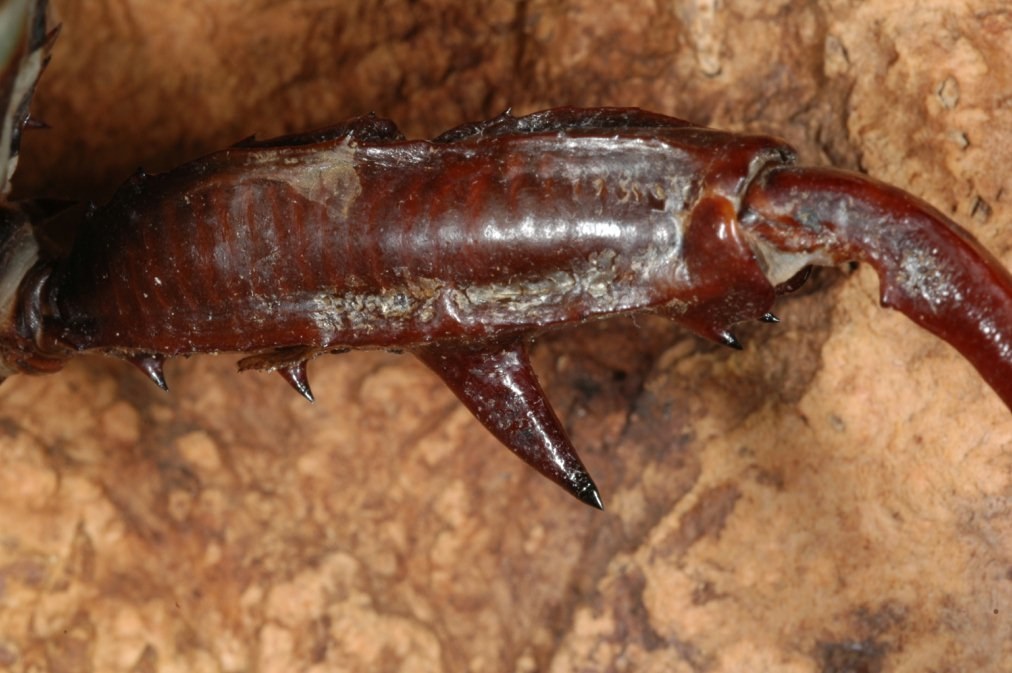
Walking Stick Insect
Phasmatodea spp.
A master of disguise that has evolved to look almost exactly like a twig, bark or leaf, remaining motionless for hours to avoid the notice of hungry birds and lizards.
- Size
- A few centimetres up to over 30 cm in some tropical species
- Habitat
- Trees, shrubs and leaf litter in forests, woodlands and gardens
- Danger
- Harmless
Spotted a bug like this?
Identify any bug or insect from a photo, free.
Overview
Walking stick insects belong to the order Phasmatodea, a group of more than 3,000 described species found on every continent except Antarctica, with the greatest diversity in tropical and subtropical forests. Their defining feature is an extraordinary resemblance to twigs, bark, or, in some species, leaves, achieved through elongated bodies, mottled brown or green colouring, and often slow, swaying movements that mimic a branch stirring in the wind.
The order includes some of the longest insects in the world; certain tropical Asian species can exceed 30 cm in body length, or over 60 cm including outstretched legs, while many temperate species are much smaller, typically a few centimetres long. Most species are herbivorous, feeding on the leaves of trees and shrubs, and many are nocturnal, remaining still and camouflaged by day and becoming active to feed after dark.
Walking sticks are almost entirely defensive rather than aggressive animals, relying on camouflage, stillness, and in some species chemical sprays or startling wing displays to deter predators, rather than any offensive capability. Several species are also notable for their ability to reproduce without mating in a process called parthenogenesis.
How to Identify
- Extremely elongated, cylindrical or flattened body closely resembling a twig, stick, or in some species a leaf
- Colouring typically brown, green, or grey, often mottled to match bark or foliage
- Long, thin legs that can be held close to the body to enhance the twig-like silhouette
- Antennae vary from short to very long and thread-like depending on species
- Many species are wingless, while others have hidden wings that flash bright colours when startled
- Movement is often slow and swaying, mimicking a branch moving in a breeze, a behaviour that reinforces camouflage
Habitat & Range
Walking stick insects are found in a wide range of wooded and shrubby habitats, including tropical and temperate forests, woodland edges, hedgerows, and gardens, wherever suitable host plants for feeding are available. The order is distributed worldwide across every continent except Antarctica, with the highest diversity of large, elaborately camouflaged species found in Southeast Asia, and other significant diversity in Central and South America, Australia, and parts of Africa. Many species are most active and visible after dark, resting motionless on twigs or foliage during daylight hours when predation risk from birds is highest.
Behavior & Diet
Walking sticks rely primarily on camouflage and stillness to avoid predators, often remaining motionless for extended periods and swaying gently to mimic a twig moving in the wind if disturbed. Most species feed at night on the leaves of trees and shrubs, using chewing mouthparts to consume foliage, making them herbivores within their forest or garden ecosystems and, in large numbers, occasional pests of certain crops or ornamental plants. When threatened, some species can drop a leg that continues twitching to distract a predator while the insect escapes, a leg that can often be regrown at the next moult, while others startle predators by suddenly flashing brightly coloured hindwings or releasing a defensive spray from glands near the thorax. As prey themselves, walking sticks form part of the diet of birds, reptiles, and other insectivorous animals in their ecosystems.
Life Cycle
Females lay eggs singly, often dropping them to the forest floor, gluing them to bark or foliage, or in some species inserting them into plant tissue or soil; eggs of many species closely resemble plant seeds. Nymphs hatch resembling small, wingless versions of the adults and grow through a series of moults in an incomplete metamorphosis, gradually developing wings in species that have them as adults. Depending on species and climate, development from egg to adult can take several months to over a year, and some temperate species overwinter as eggs, which are highly resistant to cold and drought. Certain species reproduce through parthenogenesis, in which unmated females produce viable eggs that hatch into female offspring genetically identical to the mother.
Frequently asked questions
How do stick insects avoid predators?
They rely mainly on camouflage that makes them resemble twigs, bark, or leaves, combined with staying motionless or swaying gently like a branch in the wind; some species also drop a leg or flash bright hindwings to startle predators.
What do stick insects eat?
Most species are herbivores that feed on the leaves of trees and shrubs, typically browsing at night.
Can stick insects fly?
Many species are wingless, but others have functional wings, and some use brightly coloured hindwings as a startle display rather than for regular flight.
Can female stick insects reproduce without a mate?
Yes, several species can reproduce through parthenogenesis, in which unmated females lay eggs that hatch into genetically identical female offspring.
Walking Stick Insect guides
In-depth guides for identifying, understanding, and living alongside Walking Stick Insect.
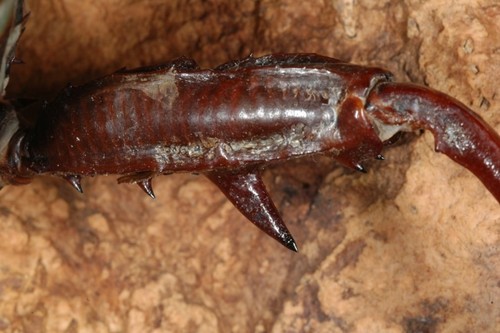
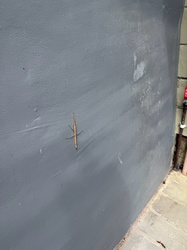
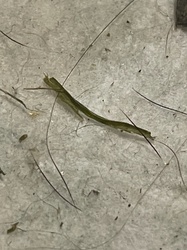
Walking Stick Insect identified by the community
Real finds identified with Bug Identifier.
Other bugs you may enjoy
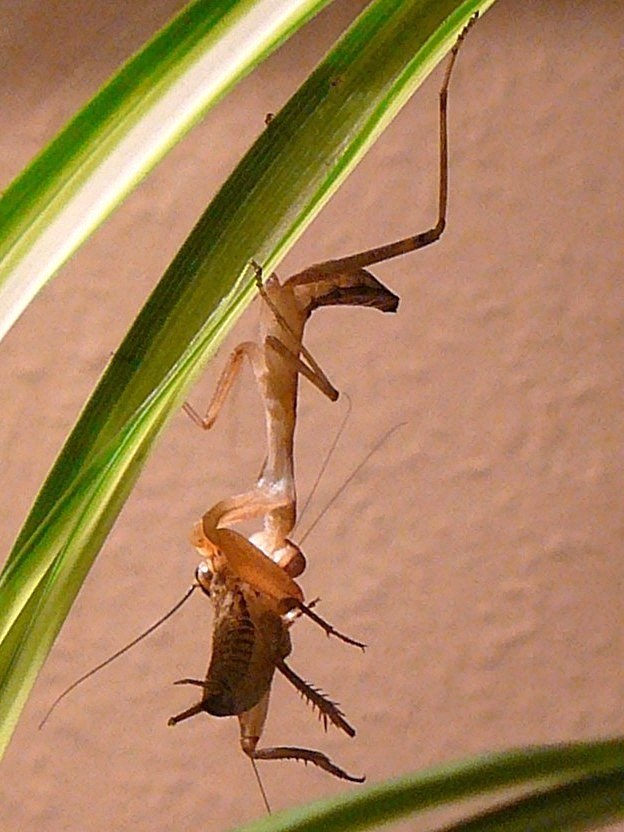
African Mantis
grasslands, shrubs, and gardens across sub-Saharan Africa
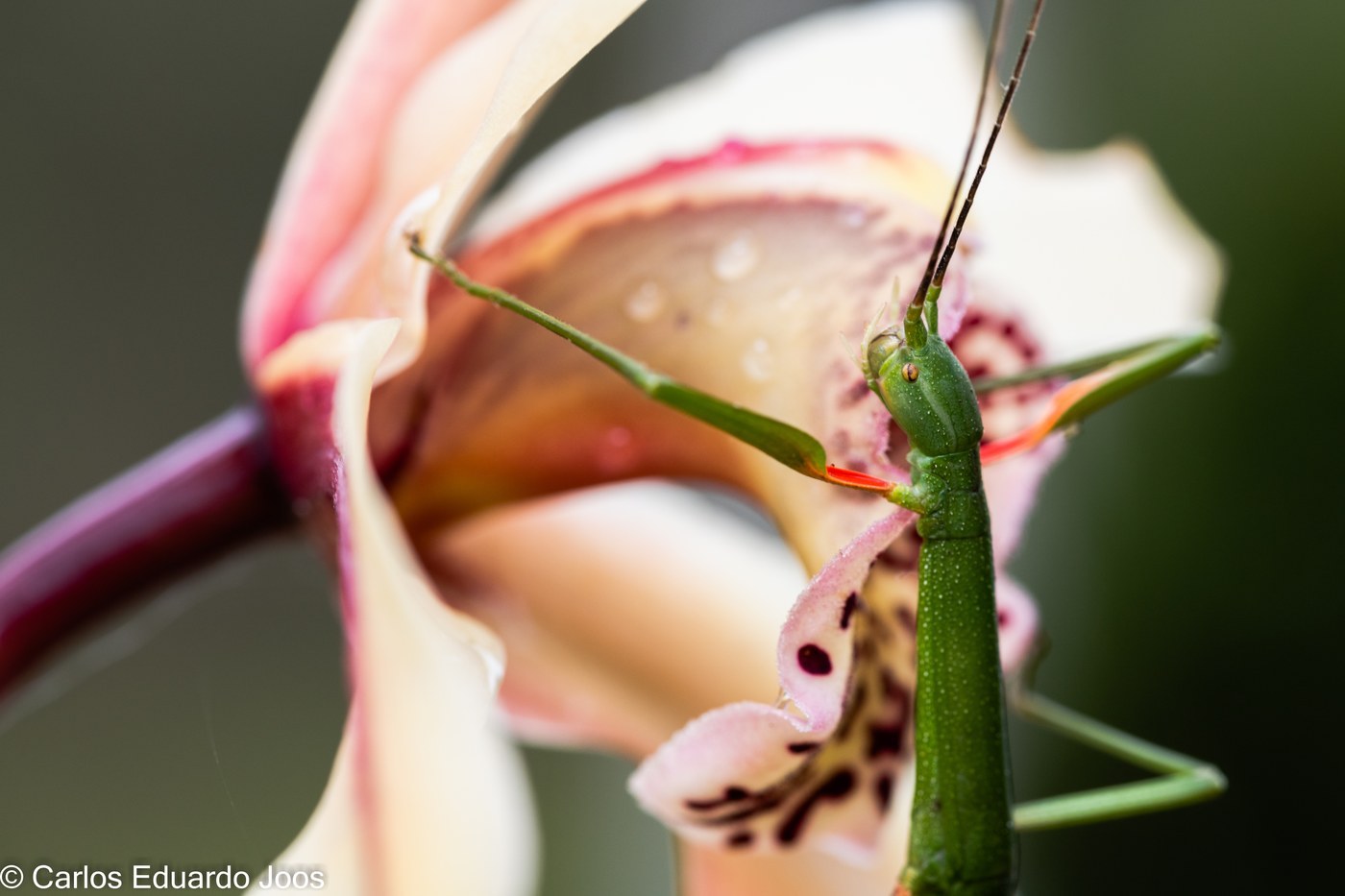
Walking Stick
Deciduous woodlands, forest edges, and shrubby vegetation
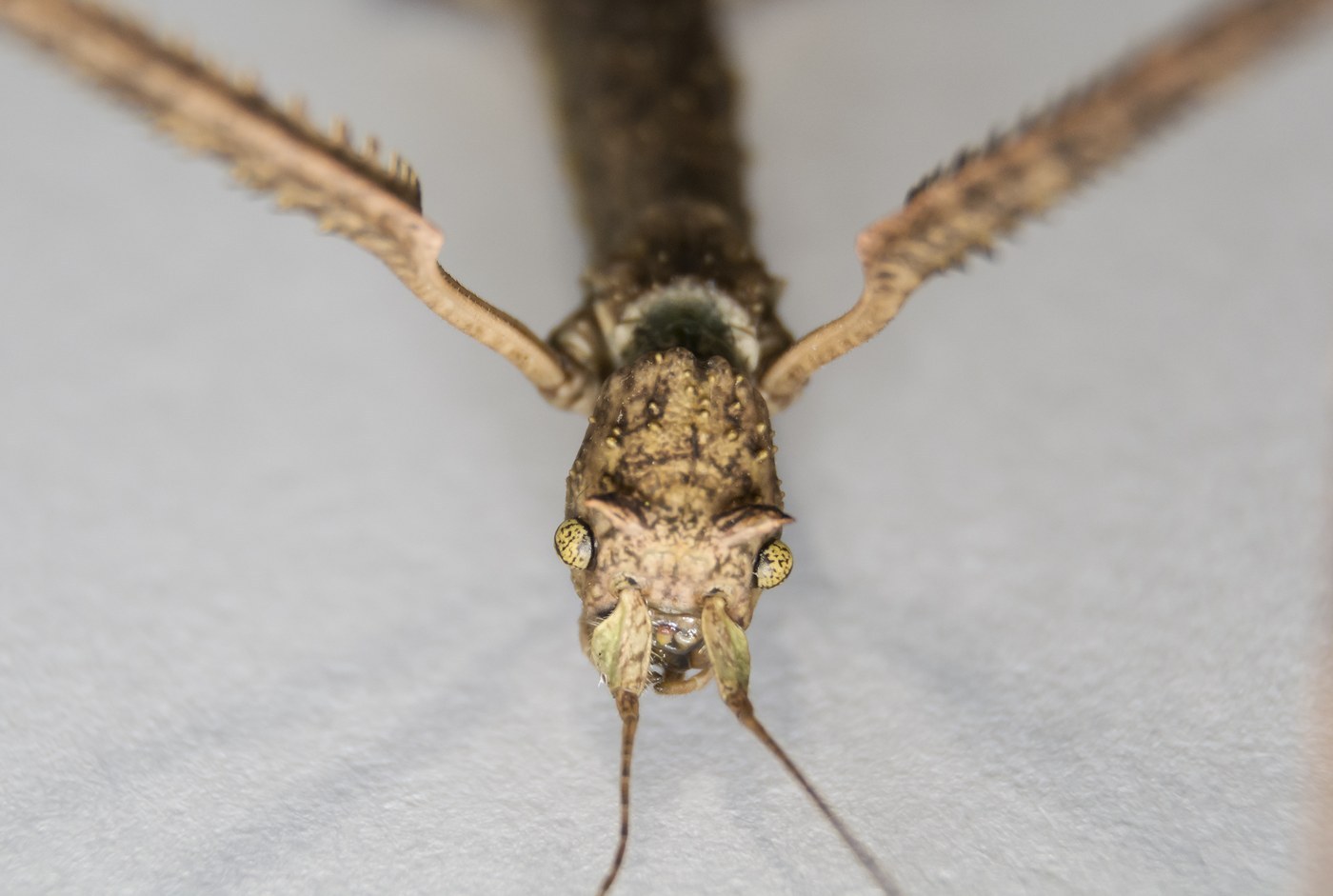
Vietnamese Walking Stick
tropical forests of Vietnam; widely kept in captivity worldwide
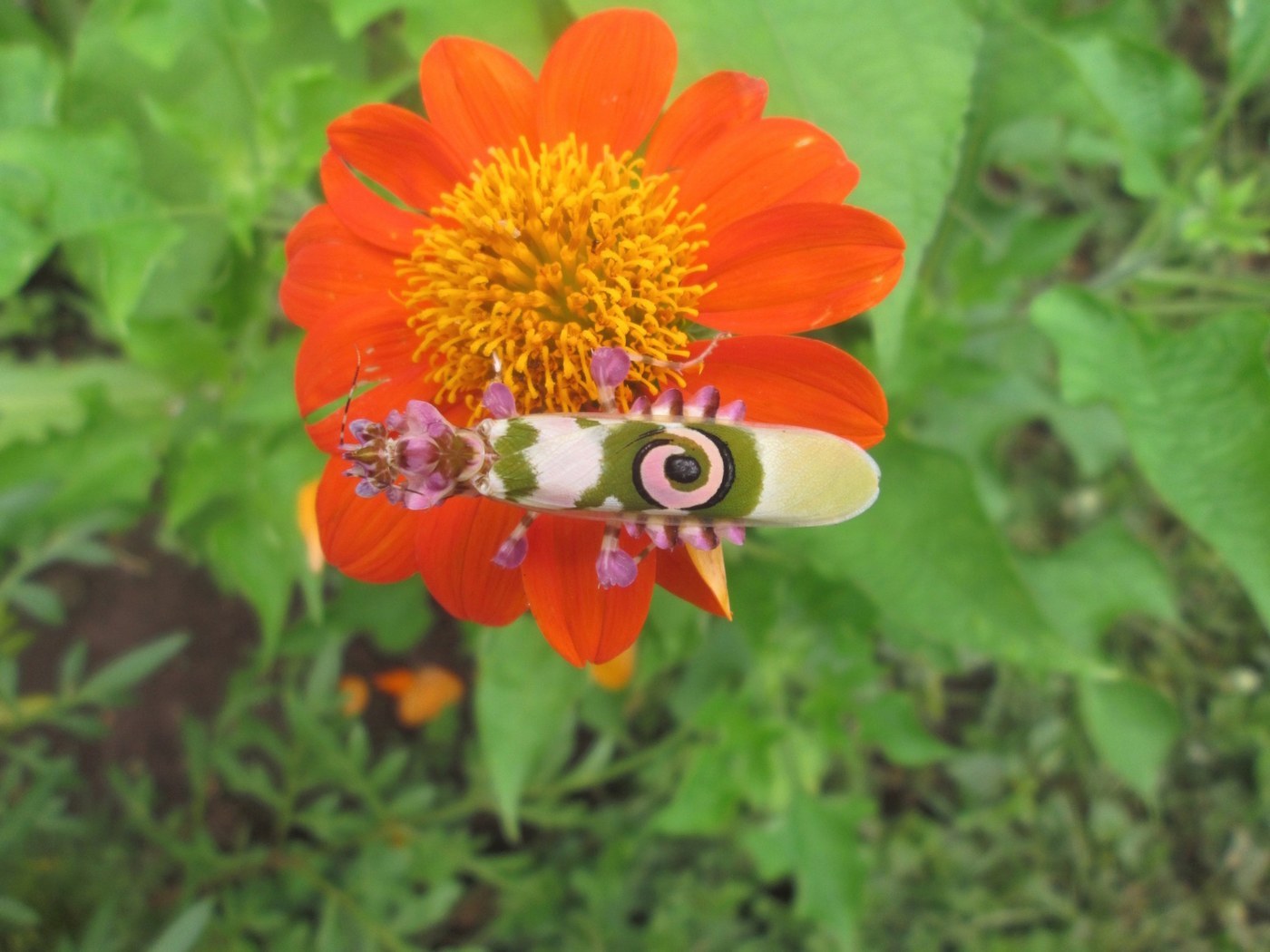
Spiny Flower Mantis
African savanna and woodland shrubs and flowering plants
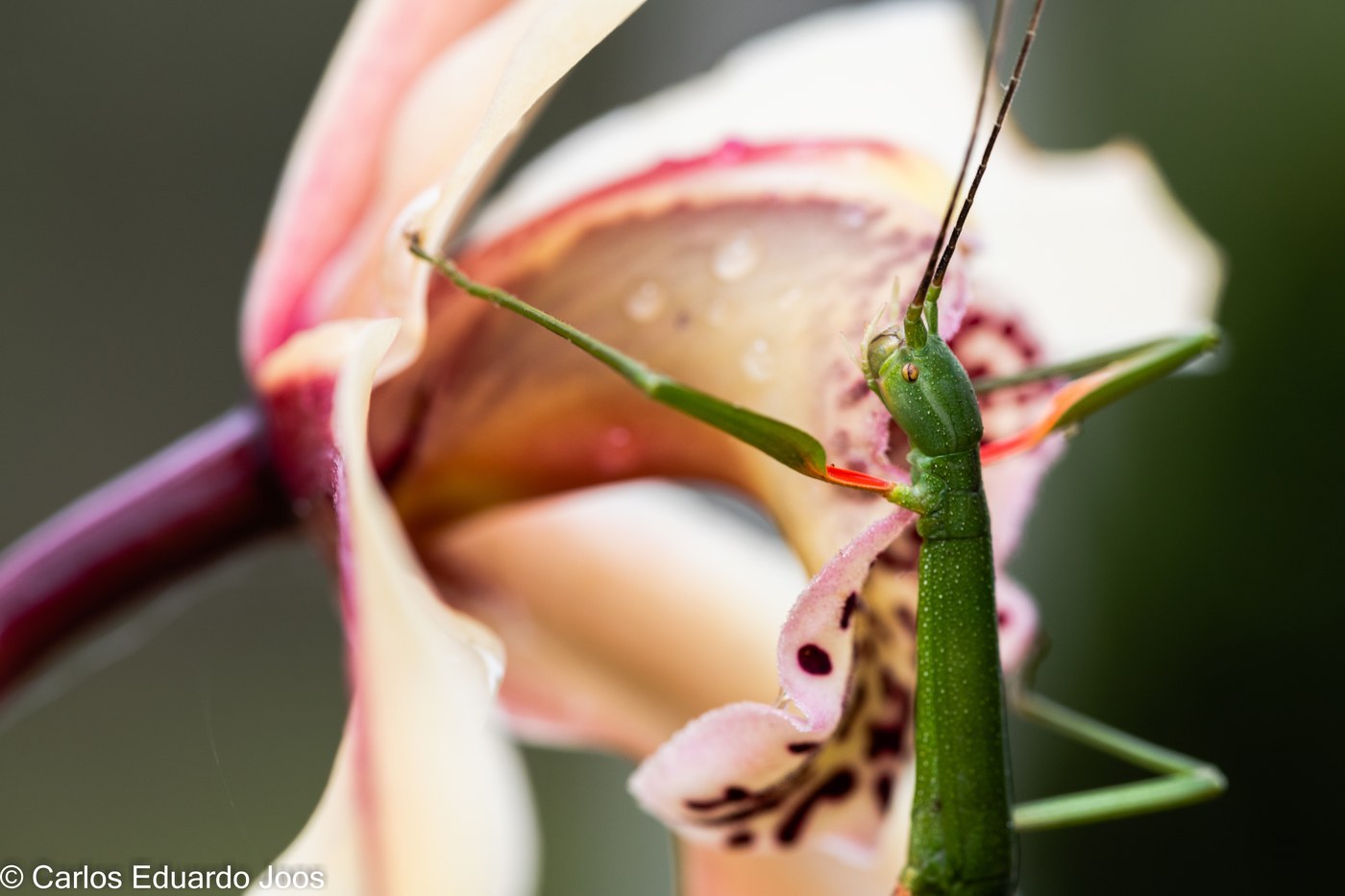
Northern Walkingstick
deciduous forests and woodland edges of the eastern and central United States and southern Canada
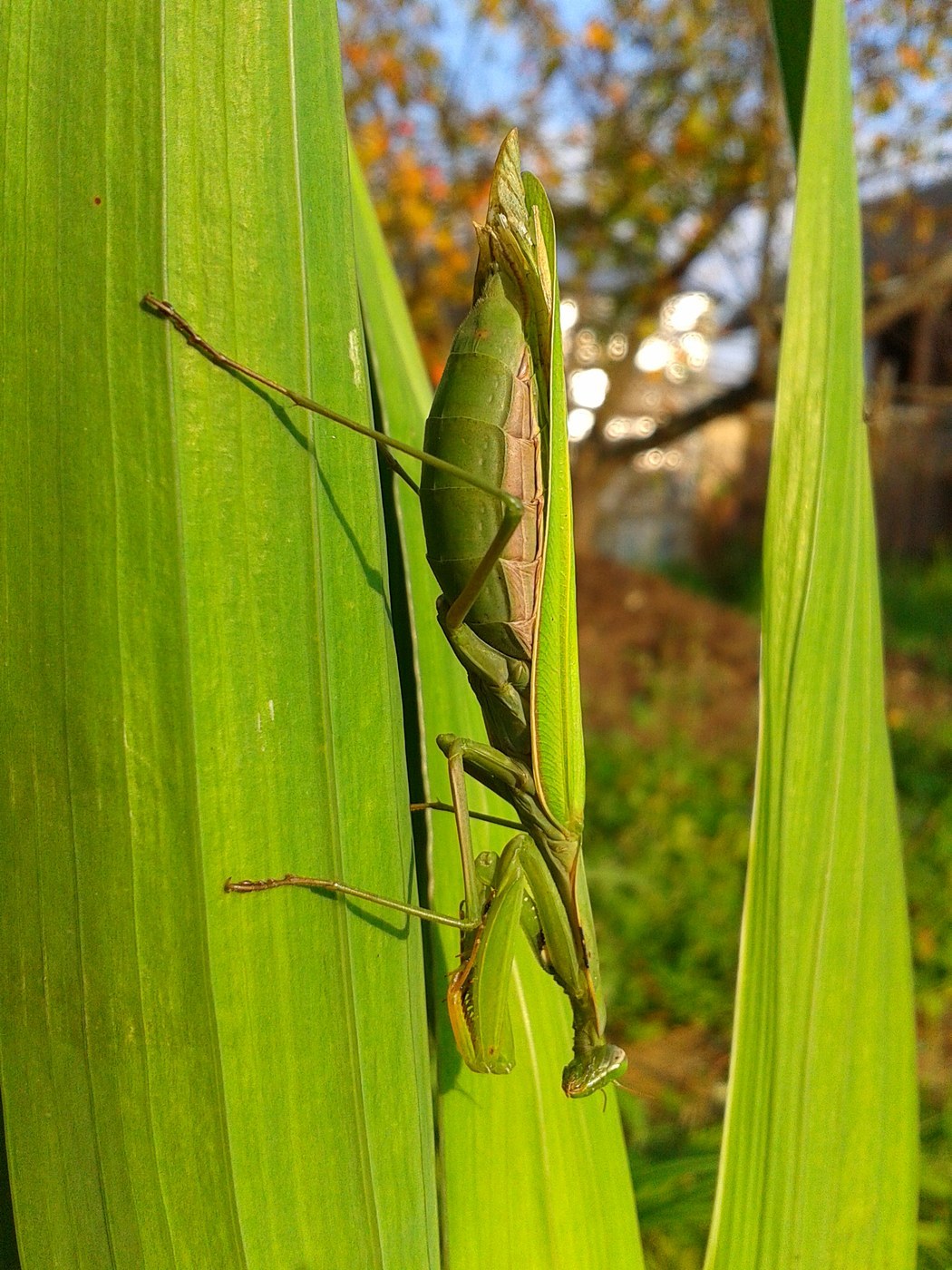
Praying Mantis
Gardens, meadows, shrubs, and tall grass
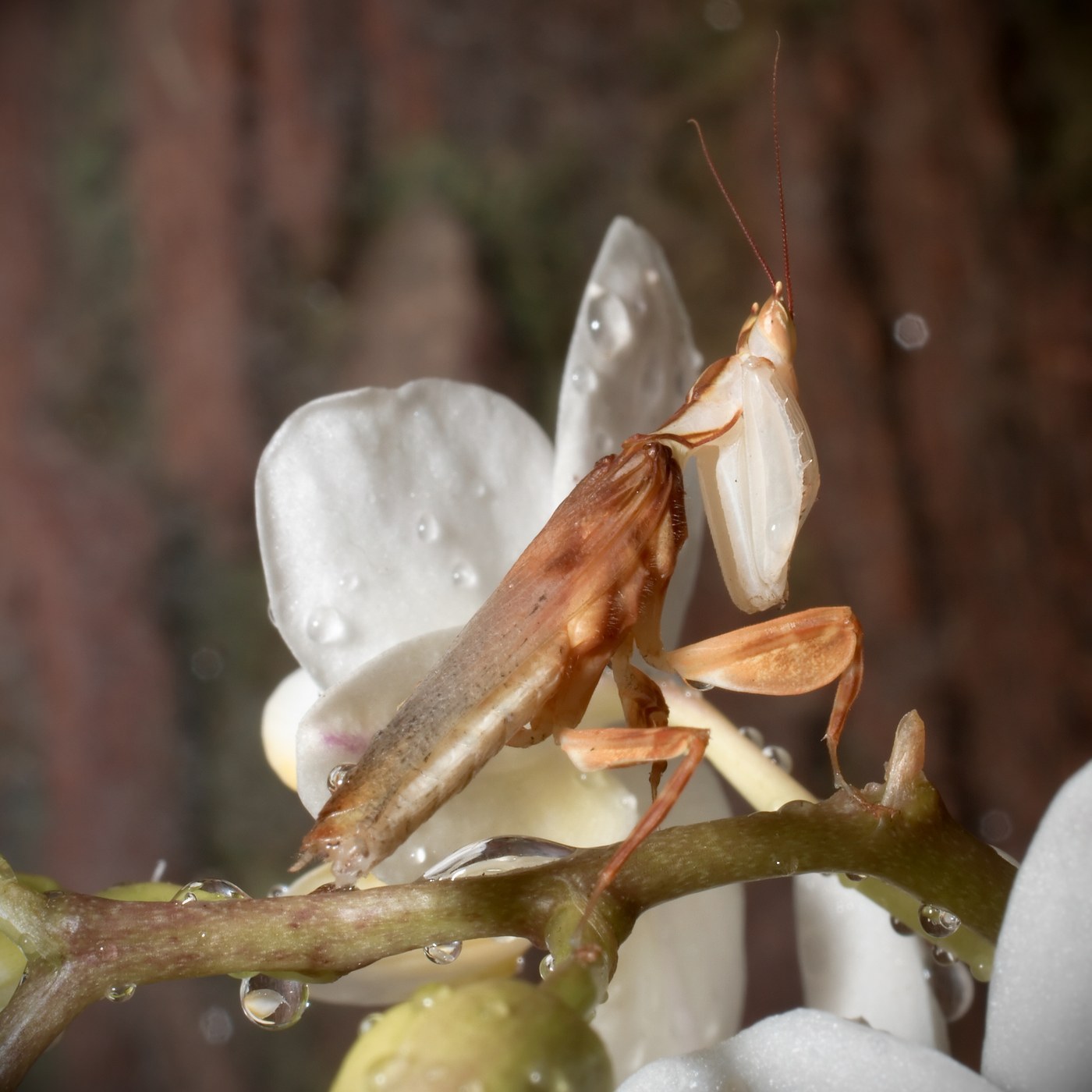
Orchid Mantis
tropical rainforests and flowering shrubs of Southeast Asia
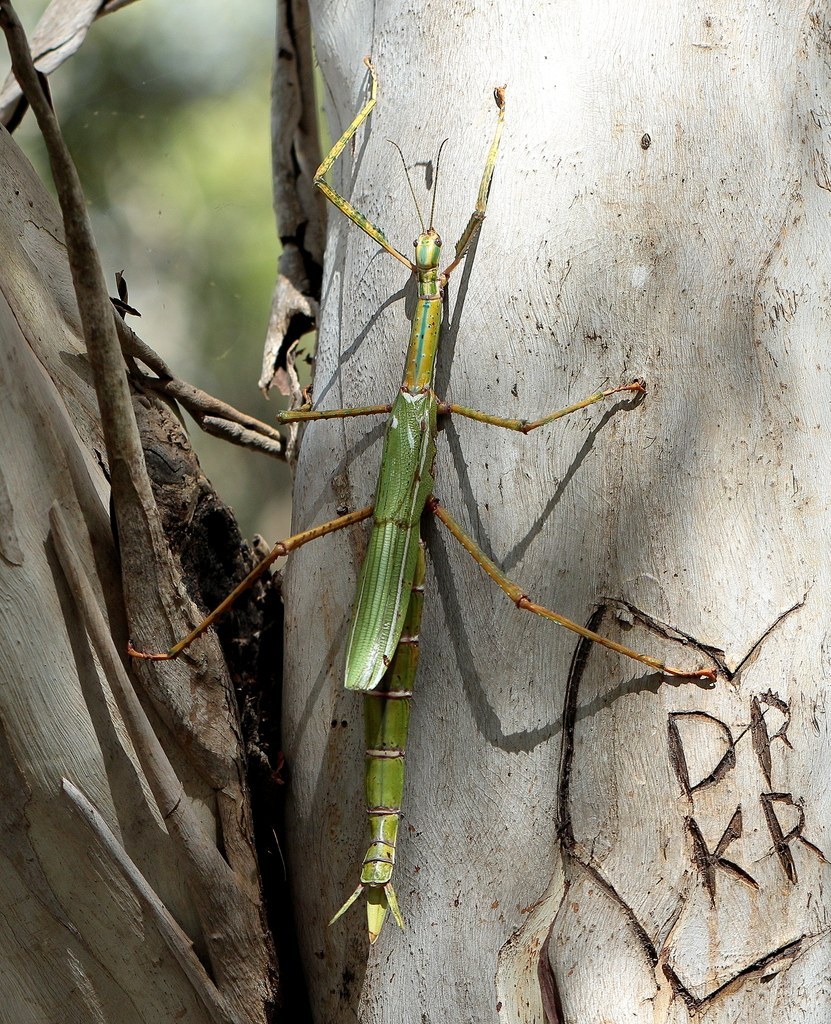
Goliath Stick Insect
Tropical and subtropical eucalypt forests and woodland canopy
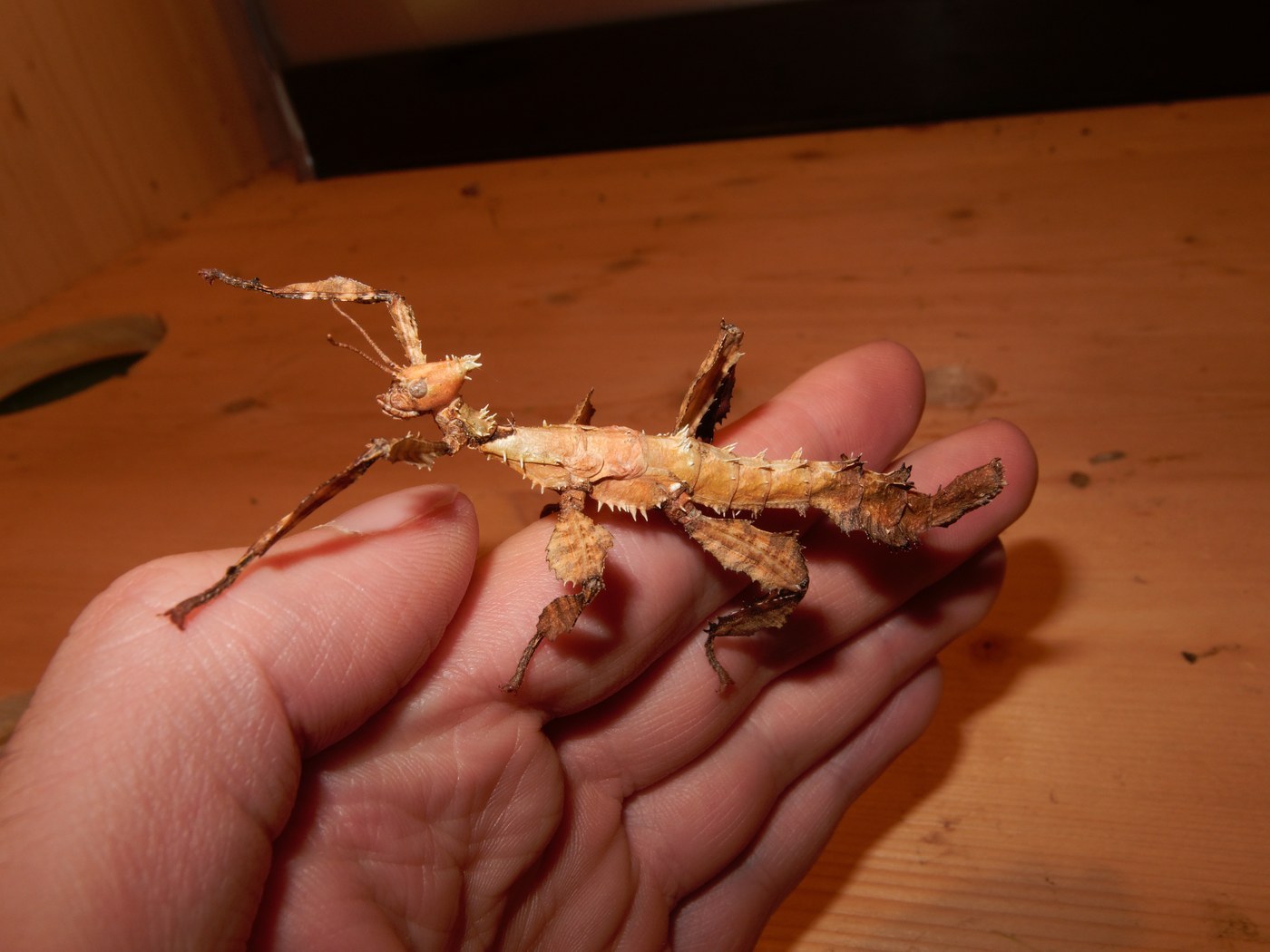
Giant Prickly Stick Insect
eucalyptus forests and shrubland of eastern Australia and New Guinea
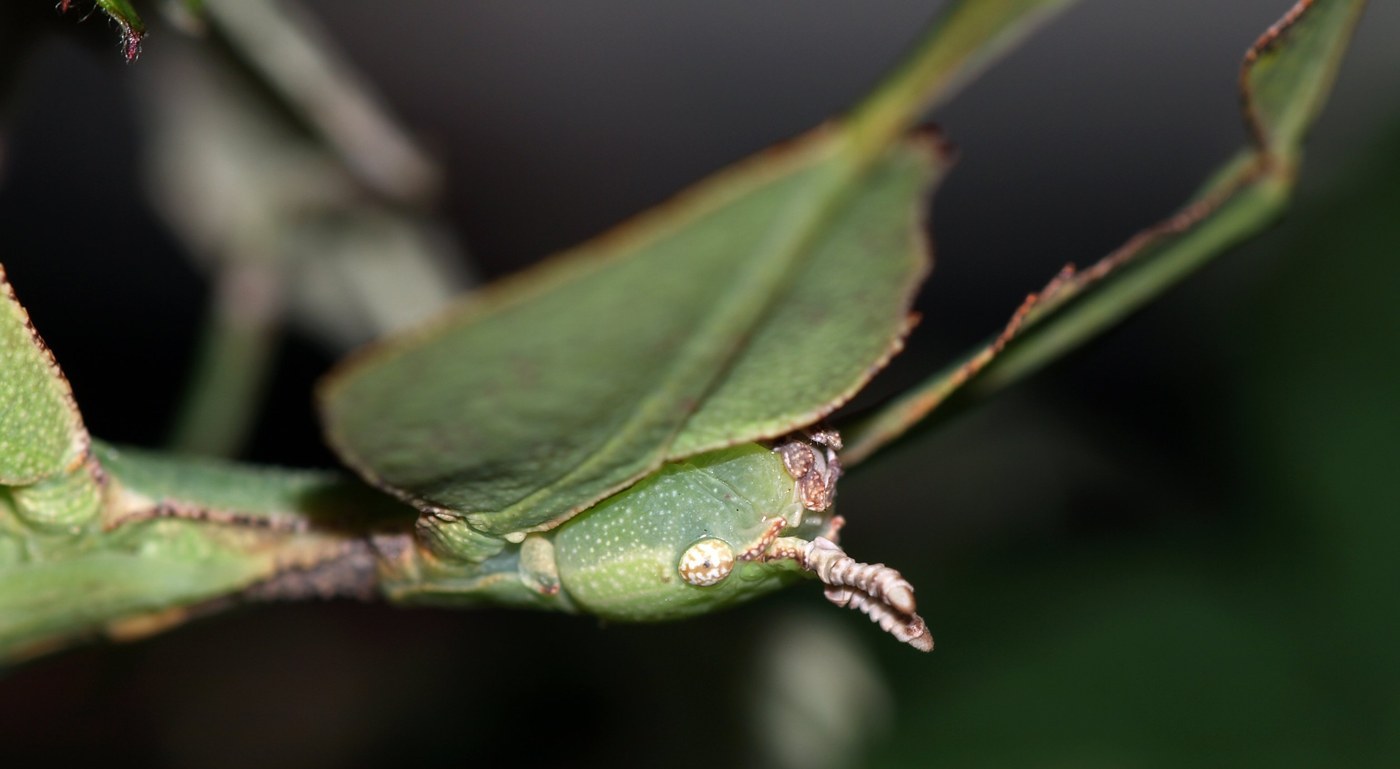
Javanese Leaf Insect
Tropical lowland and montane forest foliage
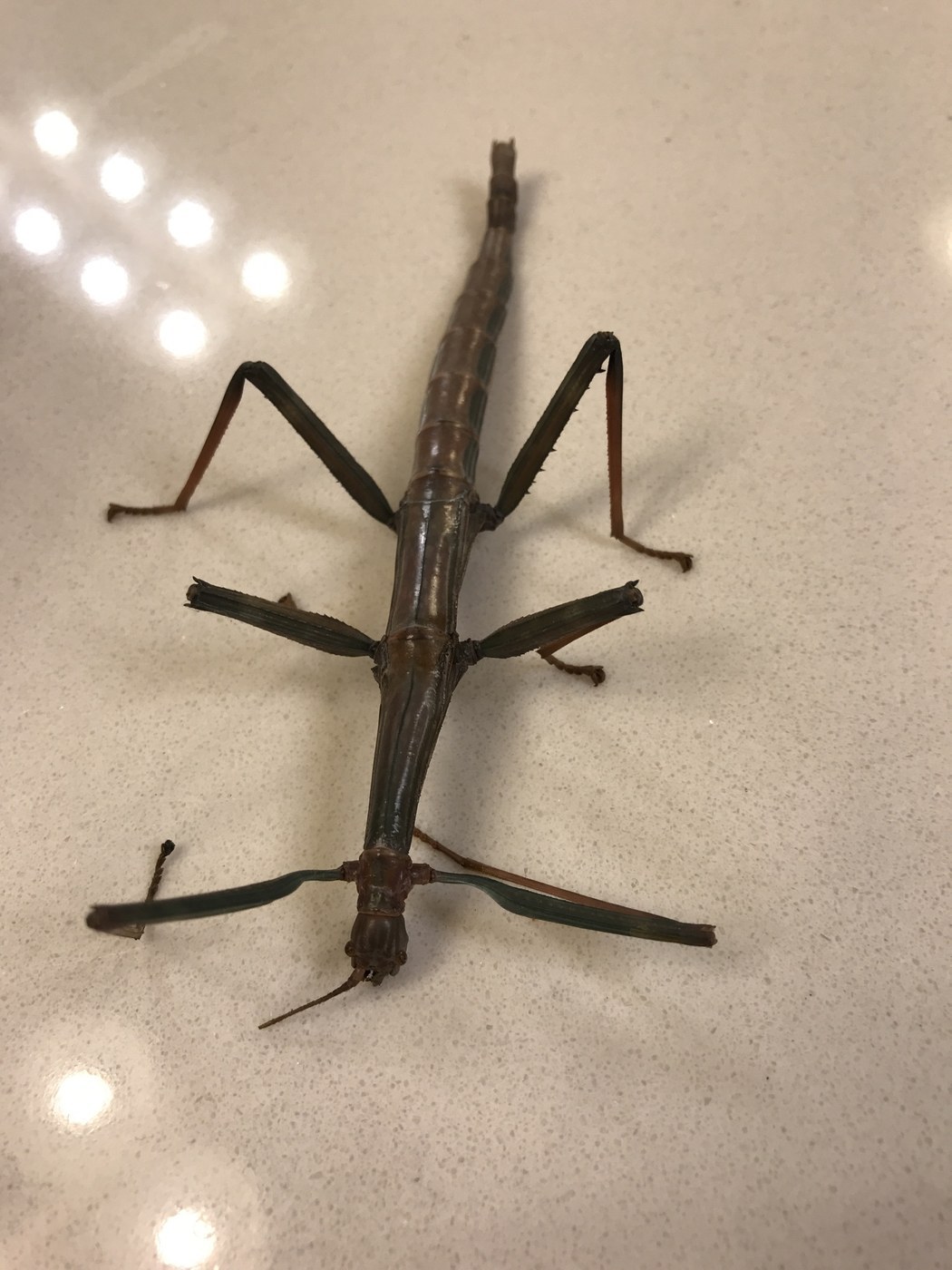
Giant Walking Stick
Deciduous woodlands, forest edges, and shrubby thickets
Leaf Insect
Tropical rainforest understory and canopy foliage