
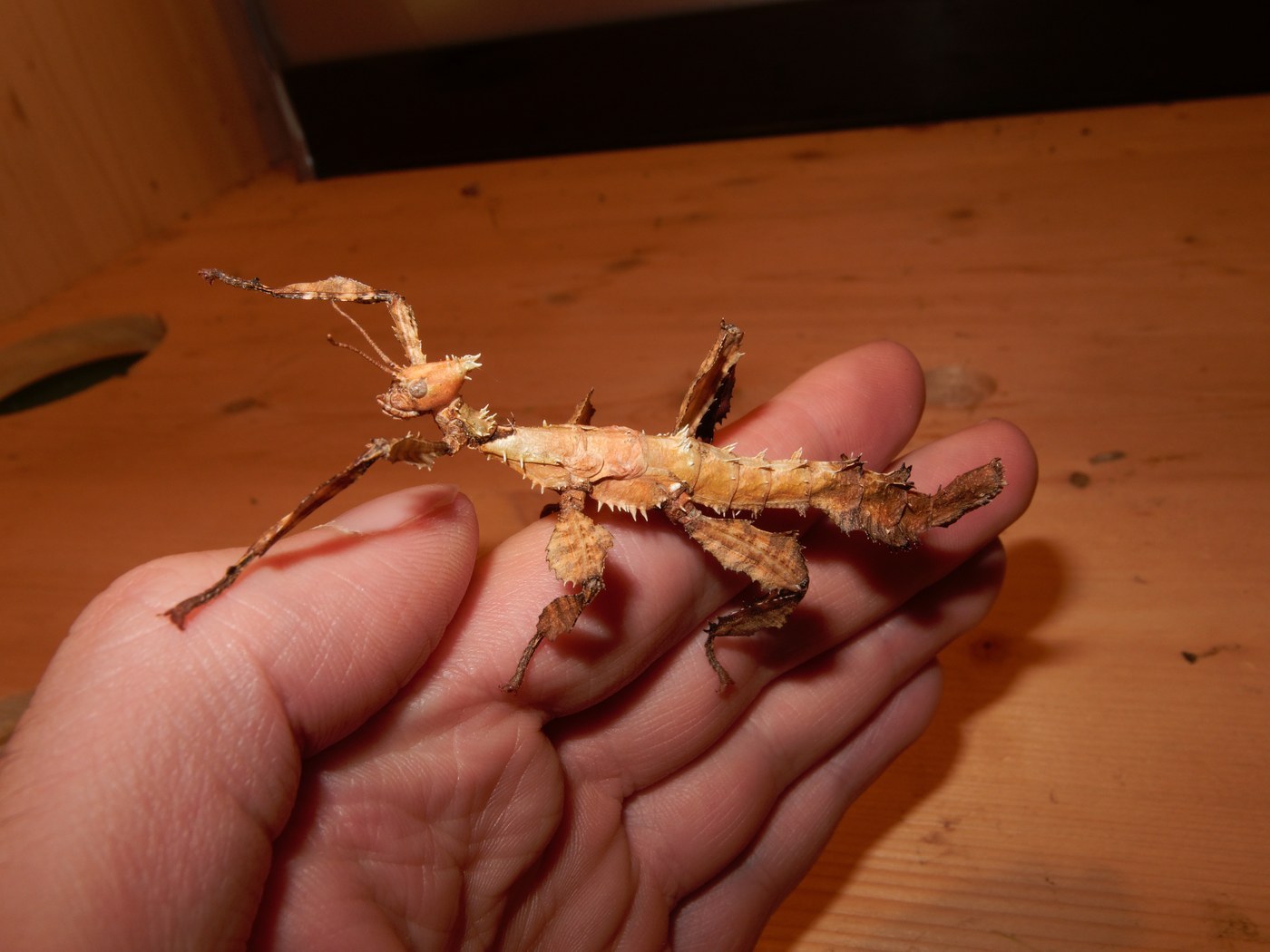
Giant Prickly Stick Insect
Extatosoma tiaratum
A hefty, spine-covered phasmid that mimics dead leaves and curled bark, and when threatened, arches its abdomen like a scorpion's tail in a dramatic bluff display.
- Size
- 5-8 in (13-20 cm) long
- Habitat
- eucalyptus forests and shrubland of eastern Australia and New Guinea
- Danger
- Harmless
Spotted a bug like this?
Identify any bug or insect from a photo, free.
Overview
The giant prickly stick insect, also known as Macleay's spectre, is one of the largest and heaviest-bodied stick insect species, native to the eucalyptus forests and shrubland of eastern Australia and New Guinea. Unlike slender, twig-mimicking phasmids, this species has evolved a broad, leaf- and bark-mimicking body covered in small spines and irregular projections that closely resemble dead leaves, curled bark, or lichen-covered wood.
Females are considerably larger, heavier, and more heavily spined than males, with short, stubby wings incapable of powered flight, while males are more slender, lighter, and possess functional wings that allow limited flight, making the sexes look strikingly different from one another. Body coloration ranges from brown and tan to mottled gray, closely matching the bark and leaf litter of its eucalyptus forest habitat.
When threatened, the giant prickly stick insect performs one of the most dramatic defensive displays among phasmids: it curls its spiny abdomen up and over its body in a posture resembling a scorpion's raised tail, sometimes while raising its spiked front legs and rocking side to side, a bluff intended to startle predators rather than reflecting any actual sting or venom. This combination of camouflage and theatrical defensive posturing, along with its impressive size, has made the species one of the most recognizable and popular phasmids kept by insect enthusiasts worldwide.
How to Identify
- Large, heavy-bodied phasmid, among the biggest stick insects, with females reaching up to 8 in (20 cm)
- Body covered in small spines and irregular bumps mimicking bark or dead leaf texture
- Coloration brown, tan, or mottled gray for camouflage against eucalyptus bark and litter
- Females have short, non-functional wings and a heavier, more spined body than males
- Males are slimmer, lighter colored, and possess fully functional wings for limited flight
- Curls its spiny abdomen up over the body in a scorpion-like defensive posture when disturbed
Habitat & Range
This species is native to eastern Australia, including Queensland and New South Wales, as well as parts of New Guinea, where it inhabits eucalyptus forests, woodland, and shrubland. It feeds and rests on eucalyptus and related host plants, relying on bark-like camouflage to remain hidden among branches and foliage. It is most active at night and during the warmer months typical of its subtropical to tropical range.
Behavior & Diet
The giant prickly stick insect is a slow-moving, nocturnal herbivore that spends daylight hours motionless among foliage or bark, relying on camouflage to avoid detection. When directly disturbed, it performs a striking defensive display, curling its spiny abdomen up over its back in a scorpion-like posture while sometimes raising its spined forelegs and rocking or swaying, a purely visual bluff meant to startle a predator rather than an actual attack. Males, equipped with functional wings, are capable of short flights, primarily used to locate females, while the heavier, flightless females remain closer to their host plants. The species feeds on eucalyptus and related leaves, contributing modestly to leaf turnover within the forest habitats it occupies.
Life Cycle
The giant prickly stick insect undergoes incomplete metamorphosis, progressing through egg, nymph, and adult stages without a pupal phase. Females produce large numbers of hard, seed-like eggs that are simply flicked or dropped to the forest floor, where they can take several months to over a year to hatch depending on conditions. Newly hatched nymphs are dark, fast-moving, and mimic ants for protection in their vulnerable early stage, before gradually developing the spiny, leaf-like coloring and slower movement of later instars as they molt repeatedly over many months. Adults, once reached after numerous molts, can live for several months to around a year, with males generally maturing faster than the larger females.
Frequently asked questions
Why does the giant prickly stick insect curl its abdomen like a scorpion?
It is a bluff defensive display meant to startle predators; the insect has no sting or venom and the posture is purely visual.
Do giant prickly stick insects fly?
Males have functional wings and can make short flights, while females have only short, non-functional wings and cannot fly.
What do baby giant prickly stick insects look like?
Newly hatched nymphs are dark colored and fast-moving, resembling ants, which is thought to offer some protection before they develop their spiny, leaf-like adult appearance.
Where is the giant prickly stick insect from?
It is native to eucalyptus forests and shrubland of eastern Australia and New Guinea.
Giant Prickly Stick Insect guides
In-depth guides for identifying, understanding, and living alongside Giant Prickly Stick Insect.
Other bugs you may enjoy
Walking Stick Insect
Trees, shrubs and leaf litter in forests, woodlands and gardens
African Mantis
grasslands, shrubs, and gardens across sub-Saharan Africa
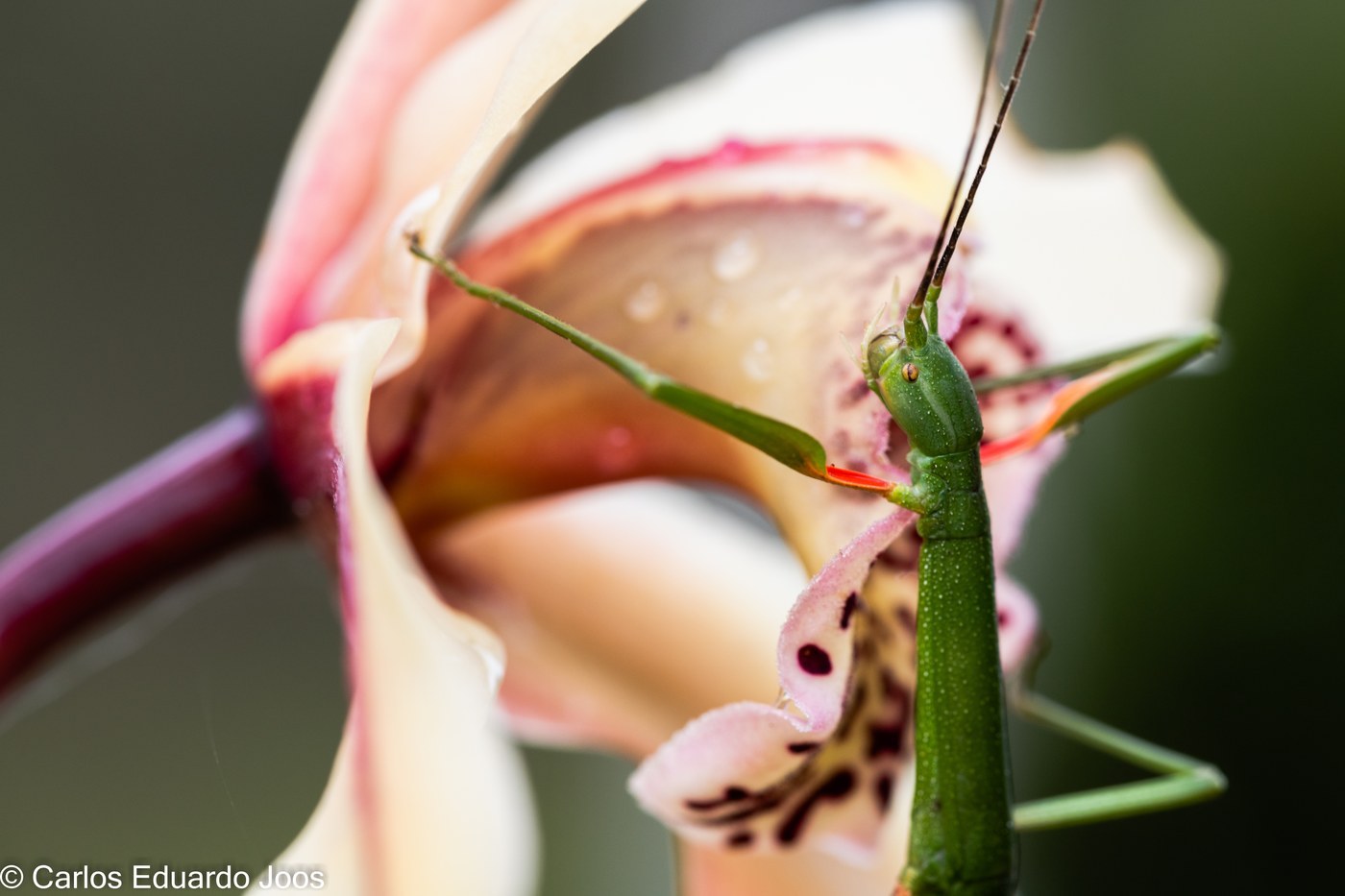
Walking Stick
Deciduous woodlands, forest edges, and shrubby vegetation
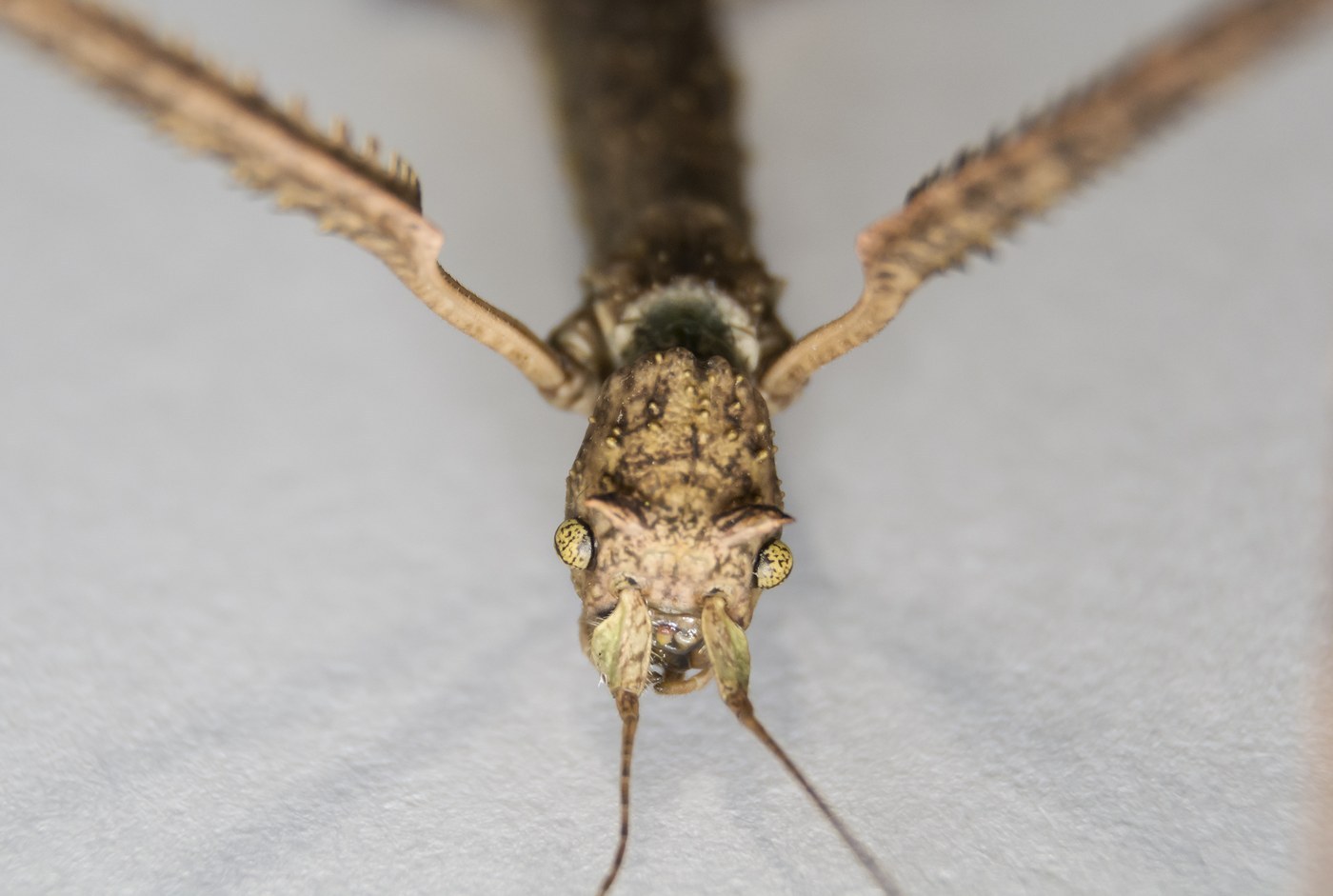
Vietnamese Walking Stick
tropical forests of Vietnam; widely kept in captivity worldwide
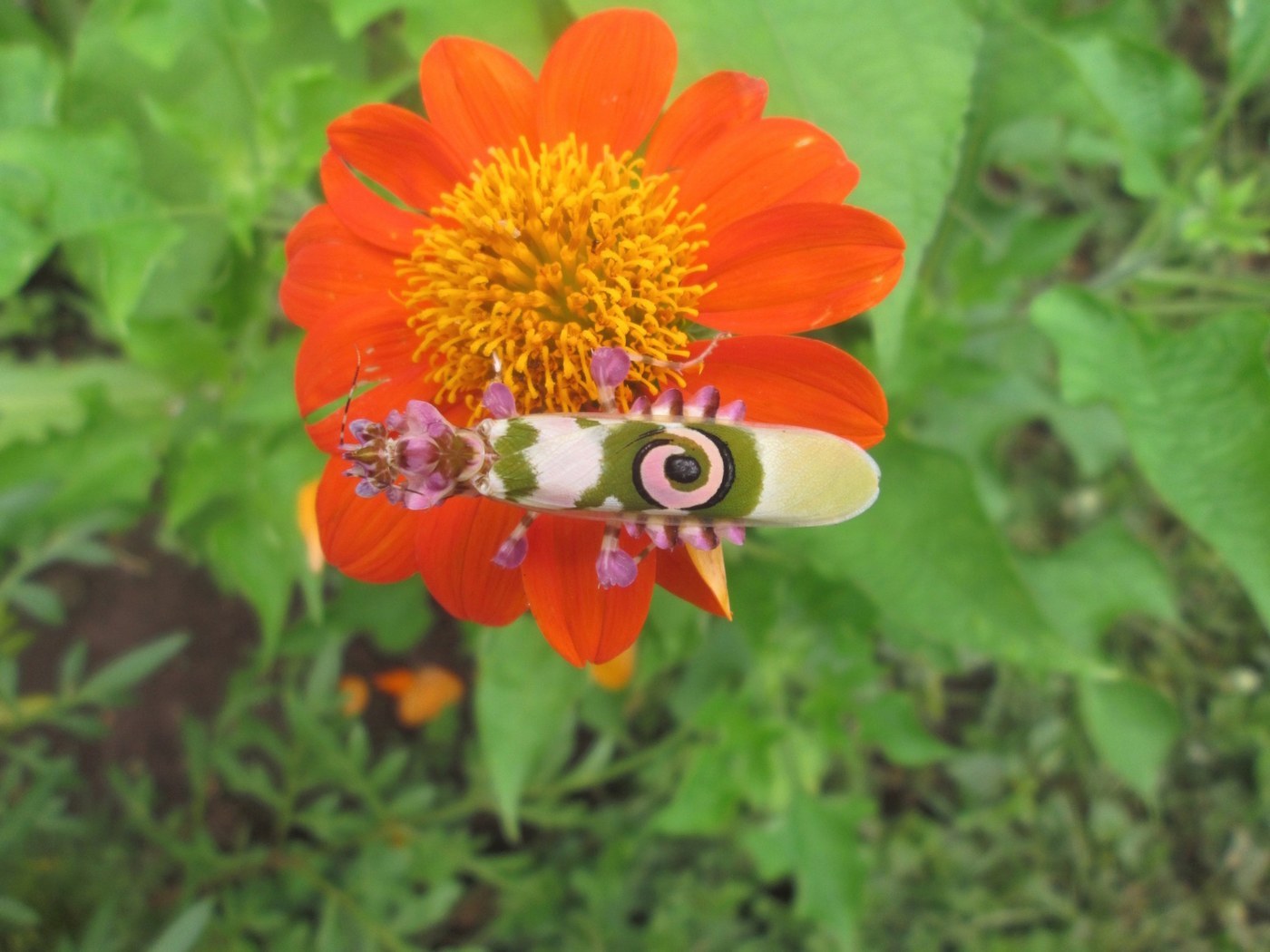
Spiny Flower Mantis
African savanna and woodland shrubs and flowering plants
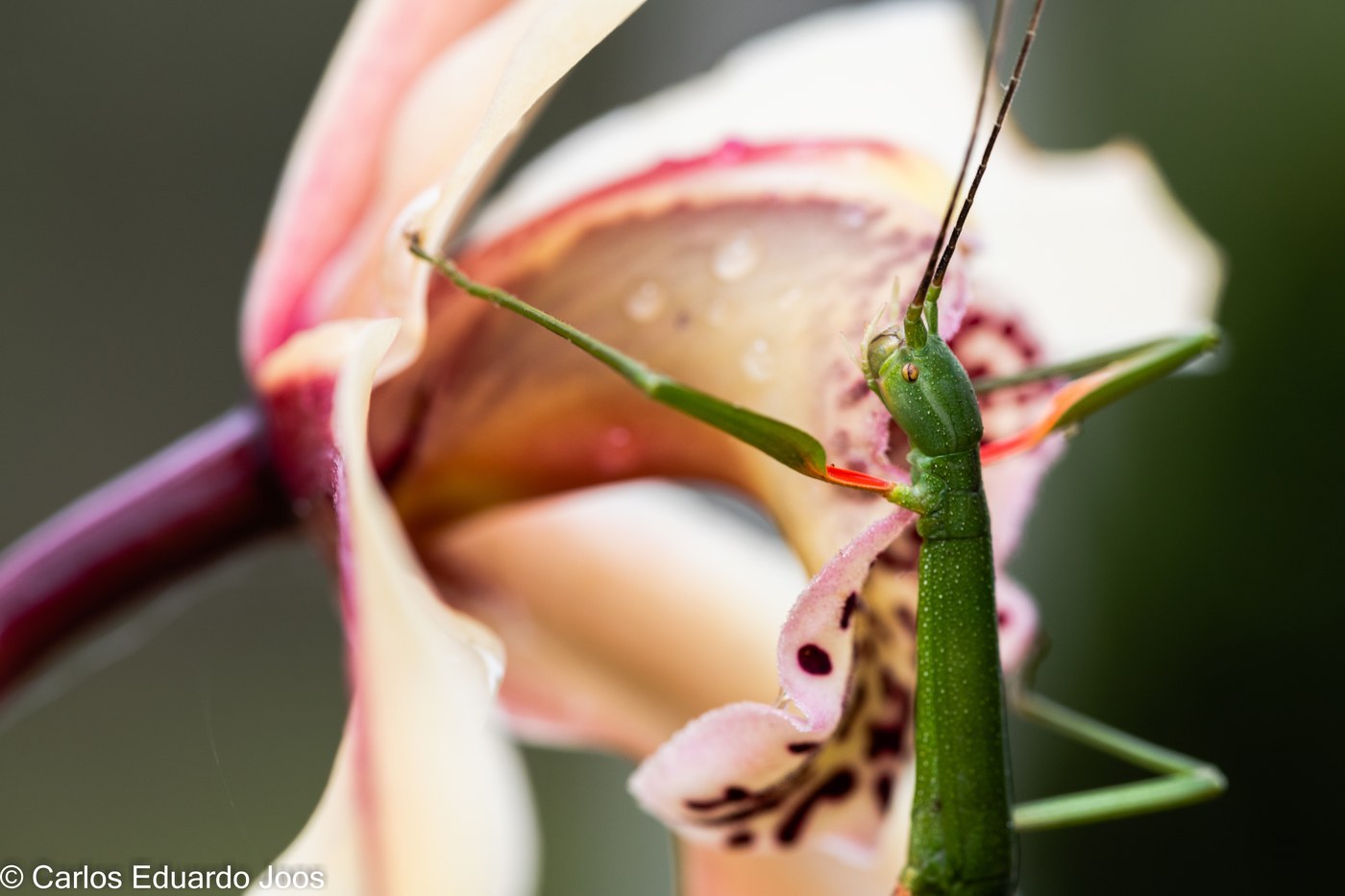
Northern Walkingstick
deciduous forests and woodland edges of the eastern and central United States and southern Canada
Praying Mantis
Gardens, meadows, shrubs, and tall grass
Orchid Mantis
tropical rainforests and flowering shrubs of Southeast Asia
Goliath Stick Insect
Tropical and subtropical eucalypt forests and woodland canopy
Javanese Leaf Insect
Tropical lowland and montane forest foliage
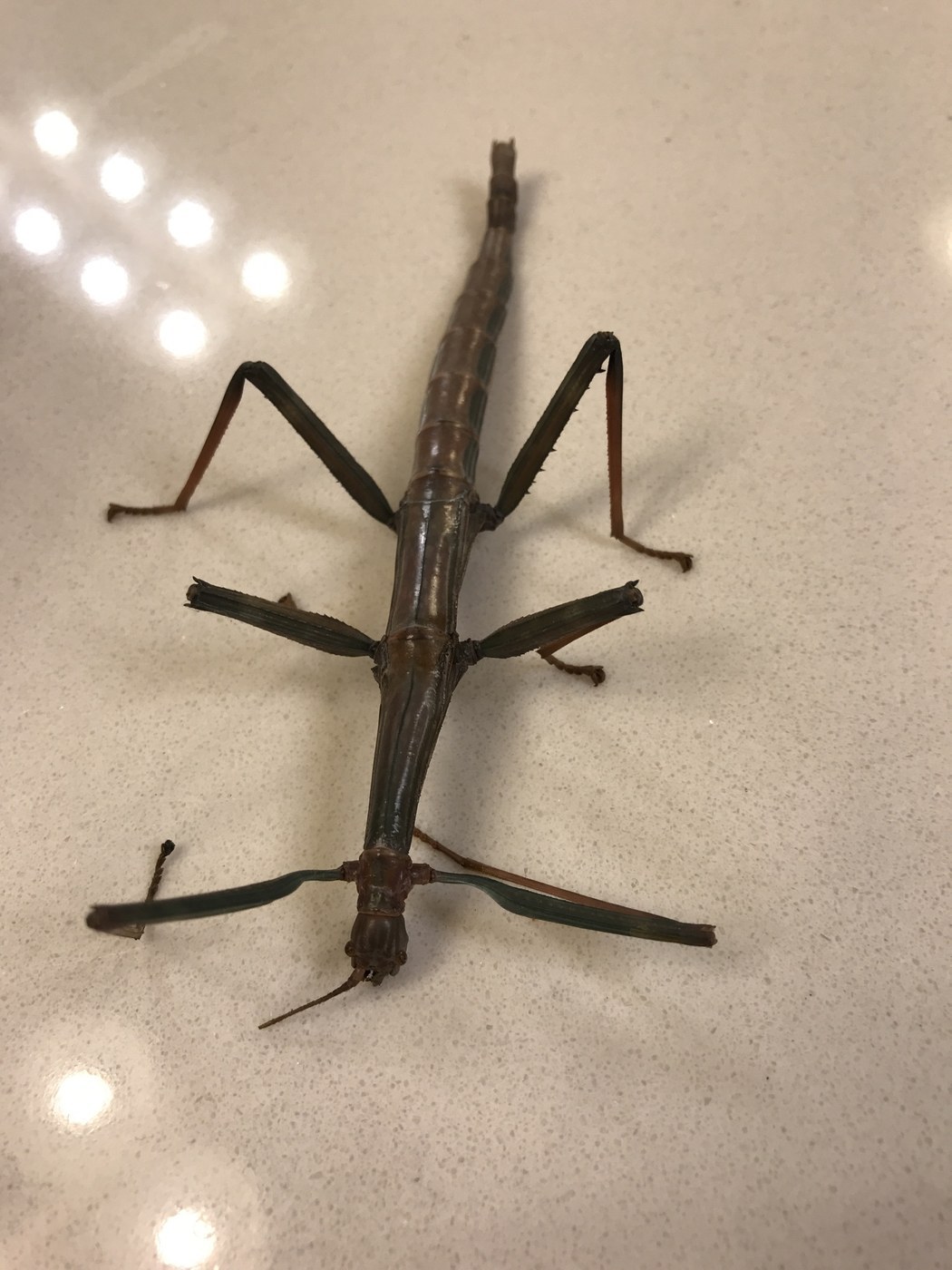
Giant Walking Stick
Deciduous woodlands, forest edges, and shrubby thickets
Leaf Insect
Tropical rainforest understory and canopy foliage