
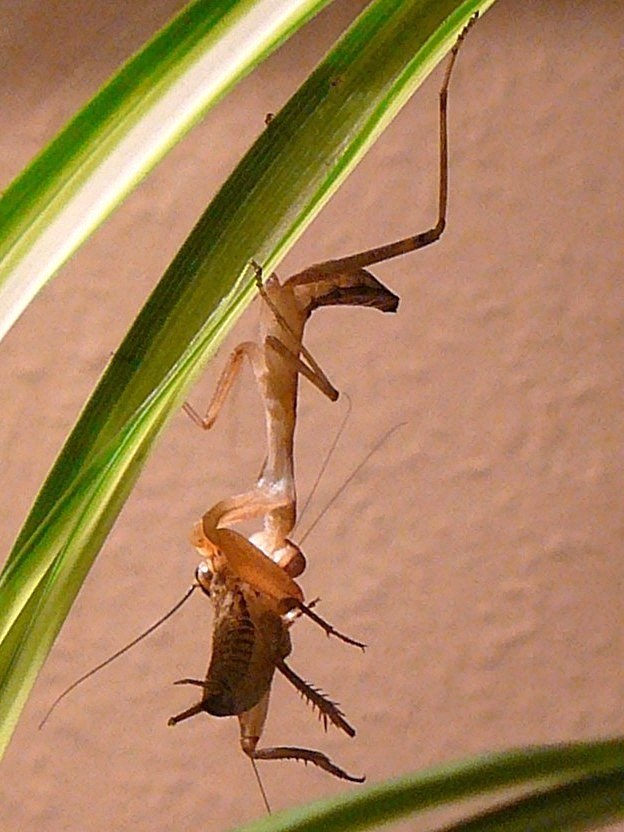
African Mantis
Sphodromantis lineola
A large, sturdy green or brown mantis frequently found perched on garden shrubs, patiently scanning for insect prey with its sharply angled triangular head.
- Size
- 2.5-3 in (6.5-7.5 cm) long
- Habitat
- grasslands, shrubs, and gardens across sub-Saharan Africa
- Danger
- Harmless
Spotted a bug like this?
Identify any bug or insect from a photo, free.
Overview
The African mantis is a large, common, and widely distributed mantis species found across much of sub-Saharan Africa, where it inhabits grasslands, shrubland, and garden vegetation. It belongs to a group of robust, medium-to-large mantises noted for their adaptability to a range of habitats, including areas modified by human activity such as gardens and farmland edges.
The body is typically solid green, though brown color variants also occur, with a stocky build and well-developed wings that in adults extend to cover much of the abdomen. A pale stripe or spot pattern is often visible along the edge of the forewings, and the underside of the front coxae, the base segment of the raptorial legs, frequently shows a small dark or colored spot used in threat displays. The head is triangular with large compound eyes providing excellent depth perception for tracking prey.
As a generalist ambush predator, the African mantis perches motionless on vegetation, relying on its green or brown camouflage to remain undetected while waiting for insects to come within striking range of its spined raptorial front legs. It is a hardy and adaptable species, common in gardens and open habitats throughout its range, and it plays a natural role in regulating insect populations in the ecosystems it occupies.
How to Identify
- Solid green or brown body coloration, with green being the more common color form
- Stocky, robust build compared to some slimmer mantis species
- Well-developed wings in adults, often with a pale marking or spot near the wing margin
- Small dark or colored spot on the inner surface of the front coxae, revealed during defensive displays
- Triangular head with large, prominent compound eyes
- Spined raptorial front legs held folded in a classic praying posture at rest
Habitat & Range
This species is widespread across sub-Saharan Africa, occurring in grasslands, savanna, shrubland, and garden or agricultural vegetation. It is highly adaptable and commonly found in areas modified by human activity, including suburban gardens and hedgerows, where it perches on shrubs and low trees. It is active throughout the warmer months typical of its range and can be found at a range of elevations.
Behavior & Diet
The African mantis is an ambush predator that relies on camouflage and patience, remaining still on vegetation while tracking movement with its highly mobile head and large eyes before striking rapidly with its spined front legs to seize prey. When threatened, it may perform a startling defensive display, rearing up, spreading its wings, and exposing the colored spot on its front coxae to appear larger and more intimidating to a potential predator. It is a generalist feeder on a wide variety of insects encountered in its habitat and, like many mantises, exhibits cannibalistic tendencies, particularly between females and smaller males during mating encounters.
Life Cycle
The African mantis undergoes incomplete metamorphosis, passing through egg, nymph, and adult stages. Females produce a large, foam-like ootheca that hardens around a cluster of eggs, typically attached to a branch, wall, or other stable surface. Upon hatching, nymphs disperse quickly to avoid cannibalism by siblings and resemble small, wingless versions of the adult. They pass through several molts over the following months, with wings developing fully only at the final molt into adulthood. In favorable climates, more than one generation may occur per year.
Frequently asked questions
What color is the African mantis?
It is most commonly bright green, though brown color variants also occur within the species.
How does the African mantis defend itself from predators?
It can rear up, spread its wings, and expose a colored spot on the base of its front legs to appear larger and startle a potential threat.
Where is the African mantis found?
It occurs widely across sub-Saharan Africa in grasslands, shrubland, and garden vegetation.
What does the African mantis eat?
It is a generalist predator that ambushes a variety of insects that come within reach of its spined front legs.
African Mantis guides
In-depth guides for identifying, understanding, and living alongside African Mantis.
Other bugs you may enjoy
Walking Stick Insect
Trees, shrubs and leaf litter in forests, woodlands and gardens
Walking Stick
Deciduous woodlands, forest edges, and shrubby vegetation
Vietnamese Walking Stick
tropical forests of Vietnam; widely kept in captivity worldwide
Spiny Flower Mantis
African savanna and woodland shrubs and flowering plants
Northern Walkingstick
deciduous forests and woodland edges of the eastern and central United States and southern Canada
Praying Mantis
Gardens, meadows, shrubs, and tall grass
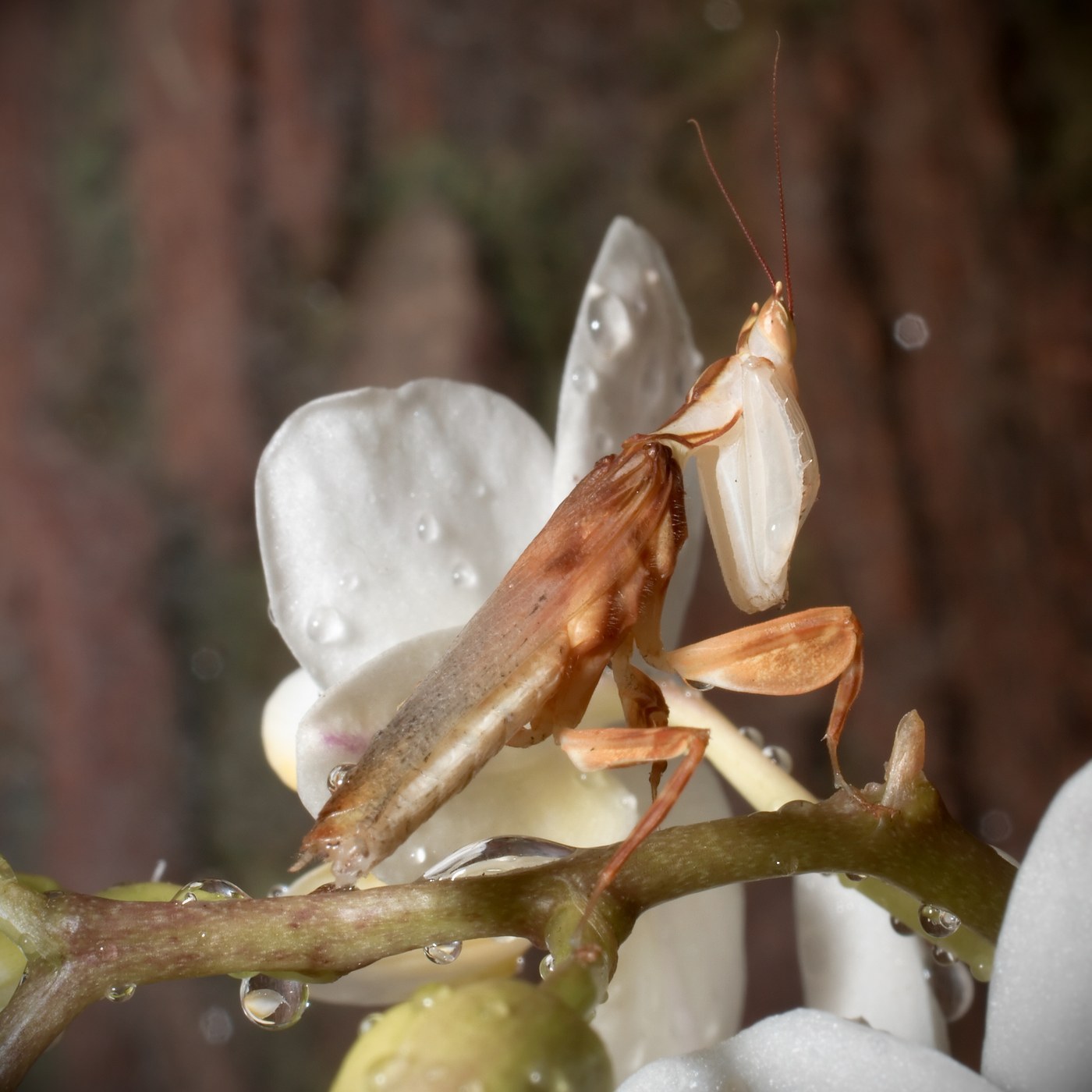
Orchid Mantis
tropical rainforests and flowering shrubs of Southeast Asia
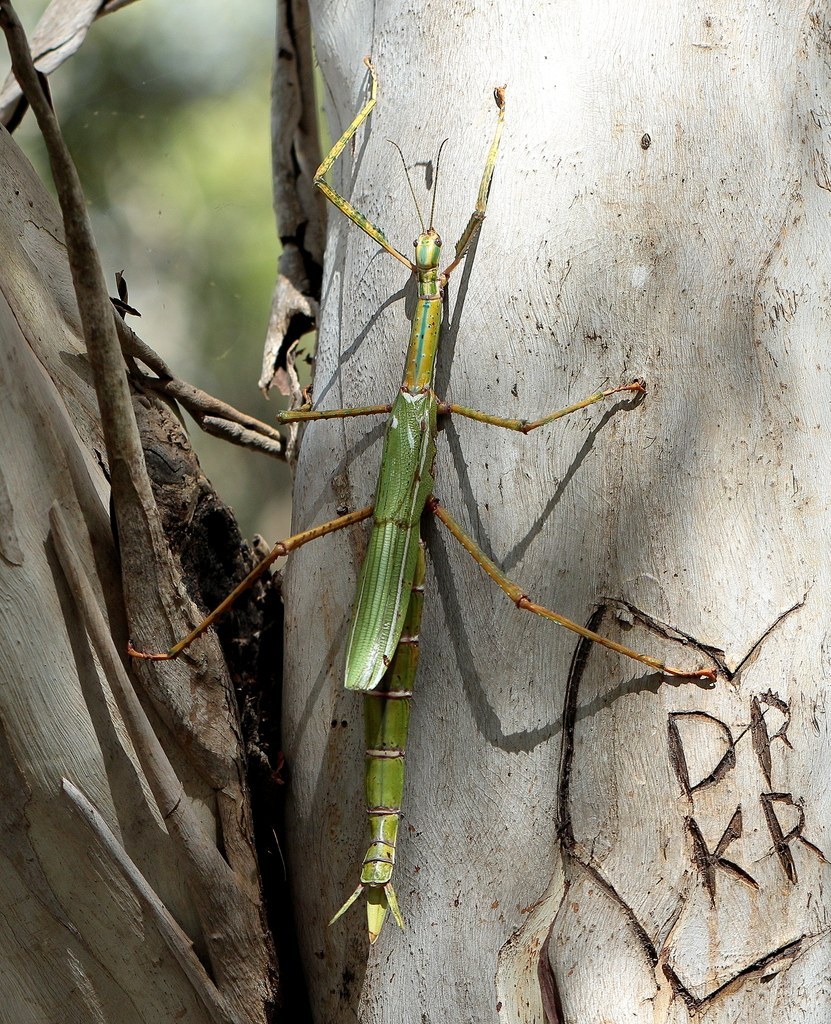
Goliath Stick Insect
Tropical and subtropical eucalypt forests and woodland canopy
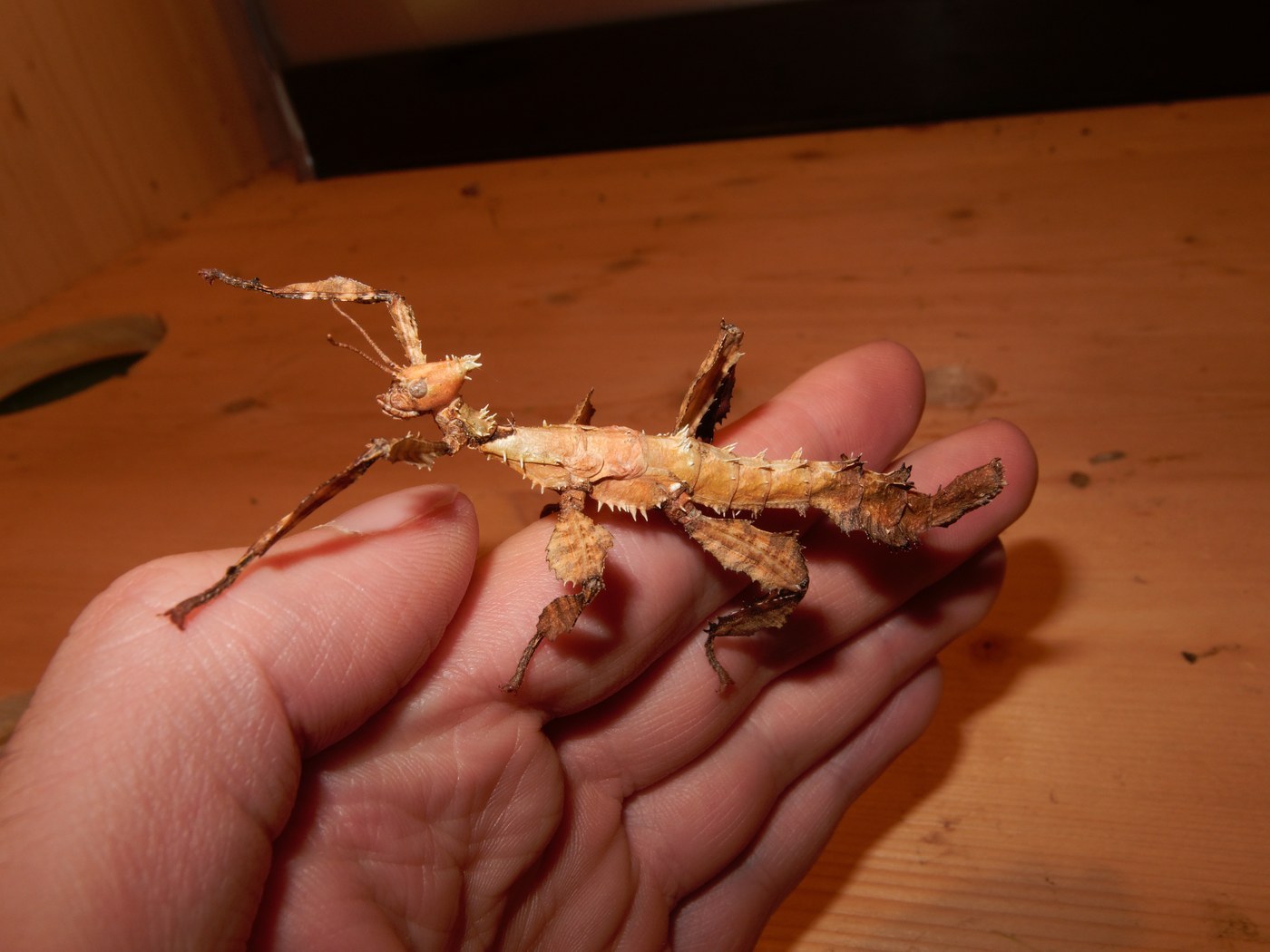
Giant Prickly Stick Insect
eucalyptus forests and shrubland of eastern Australia and New Guinea
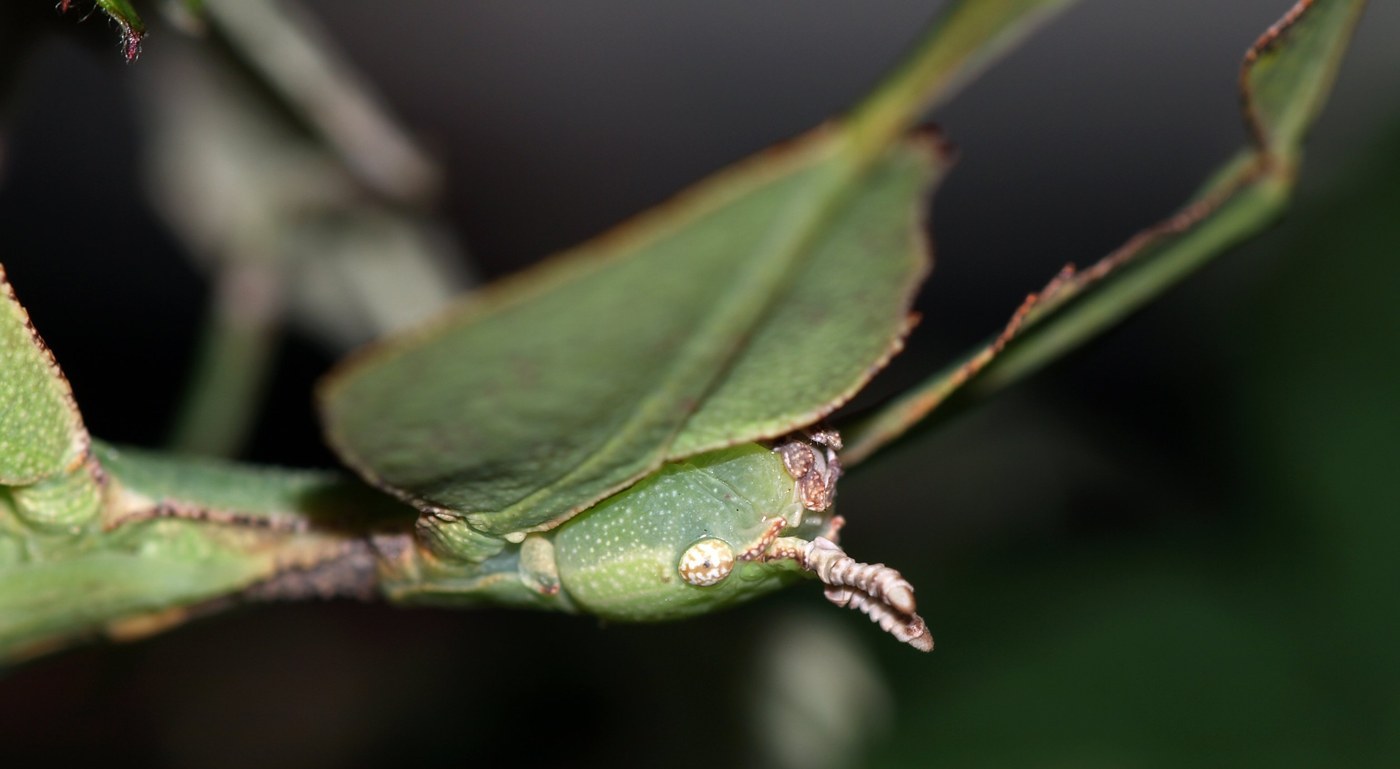
Javanese Leaf Insect
Tropical lowland and montane forest foliage
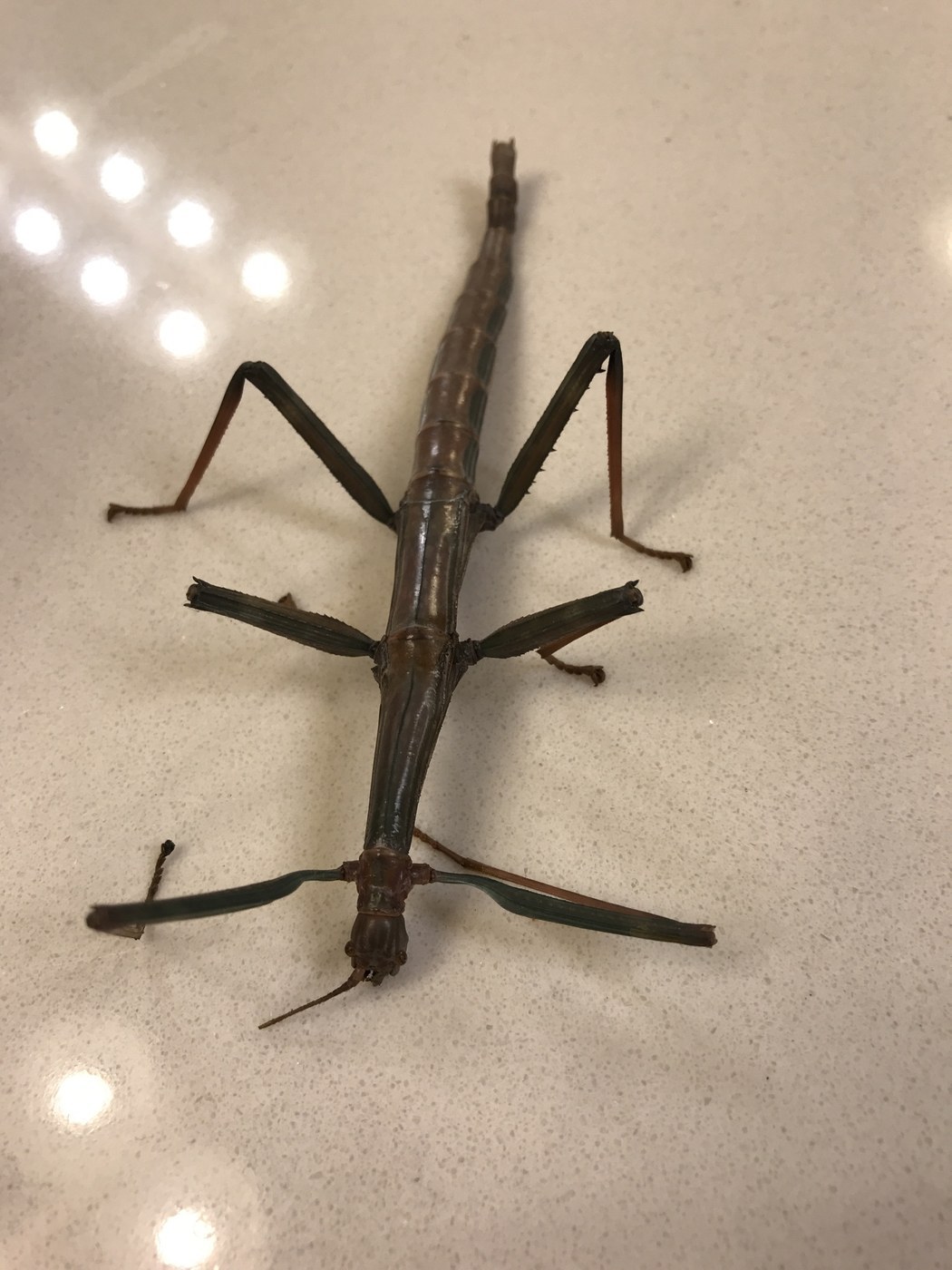
Giant Walking Stick
Deciduous woodlands, forest edges, and shrubby thickets
Leaf Insect
Tropical rainforest understory and canopy foliage