
Peacock Spider
Maratus spp.
A tiny Australian jumping spider whose males unfurl a fan of vivid, iridescent colors and perform an elaborate rhythmic dance to court females.
- Size
- 2.5-5 mm body length
- Habitat
- Sandy heathland, scrub, and open woodland floor
- Danger
- Harmless
Spotted a bug like this?
Identify any bug or insect from a photo, free.
Overview
Peacock spiders are a diverse group of very small jumping spiders native to Australia, celebrated for the extraordinary courtship displays of the males. During courtship, a male raises and fans out modified, often brightly patterned abdominal flaps while waving specialized third legs, performing a synchronized, vibration-accompanied dance to win over a watching female. Dozens of described species exist within the genus Maratus, each with its own combination of colors and display choreography, and new species continue to be discovered and described.
Despite their flamboyant courtship, peacock spiders are minute and easily overlooked outside of the breeding season, spending most of their time hunting small insects among leaf litter, low vegetation, and sandy soil. Their coloration, produced by a combination of pigments and microscopic light-diffracting structures, can shift dramatically depending on viewing angle and lighting.
Because of their tiny size and largely ground-level habits, peacock spiders are most often noticed by dedicated macro photographers and naturalists during the Australian spring and summer, when males are actively searching for and displaying to females.
How to Identify
- Extremely small body, typically only a few millimeters long
- Males of most species have an expandable, often brightly colored and patterned abdominal flap (opisthosoma) used in display
- Coloration varies widely by species, including combinations of red, blue, orange, and iridescent scales; females are usually plain brown or gray
- Large forward-facing principal eyes typical of jumping spiders
- Best identified through observation of the male's courtship dance and specific color pattern, since many species look similar to the naked eye
Habitat & Range
Peacock spiders live on the ground and in low vegetation across a range of Australian habitats, including sandy heathland, coastal scrub, grassland, and open eucalypt woodland leaf litter. They are found in most Australian states, with particular species diversity in Western Australia and southeastern Australia. Adult activity, including the courtship season, is concentrated in the warmer months of spring through summer.
Behavior & Diet
Like all jumping spiders, peacock spiders hunt visually, stalking and pouncing on small insects and other tiny arthropods encountered in leaf litter and low plants. Their defining behavior is the male courtship display: after detecting a female, a male raises his abdominal flap, extends ornamented legs, and performs a rhythmic dance combined with substrate-borne vibrations, all while the female evaluates him at close range and may reject or accept him. Outside of courtship, peacock spiders are solitary, low-profile ground dwellers that avoid larger predators by staying hidden in debris and vegetation.
Life Cycle
Females lay eggs in a small silken nest built under bark, stones, or leaf litter and may guard the sac until spiderlings emerge. Juveniles resemble small, less colorful versions of adults and pass through several molts before reaching maturity, at which point males develop their full color pattern and displaying flap. Most species are active as adults for a single breeding season, with eggs or juveniles overwintering to emerge the following spring.
Frequently asked questions
Do peacock spiders bite people?
Peacock spiders are only a few millimeters long and spend their time hunting tiny insects; their mouthparts are built for prey at that scale.
Why do male peacock spiders dance?
Males perform a colorful, rhythmic courtship dance combined with vibrations to attract and be evaluated by a nearby female.
Where are peacock spiders found?
They are native to Australia, living in sandy heathland, scrub, and woodland leaf litter across several states.
Are all peacock spiders colorful?
Only males typically display bright, iridescent colors on an expandable abdominal flap; females are usually plain brown or gray.
Peacock Spider guides
In-depth guides for identifying, understanding, and living alongside Peacock Spider.
Other bugs you may enjoy
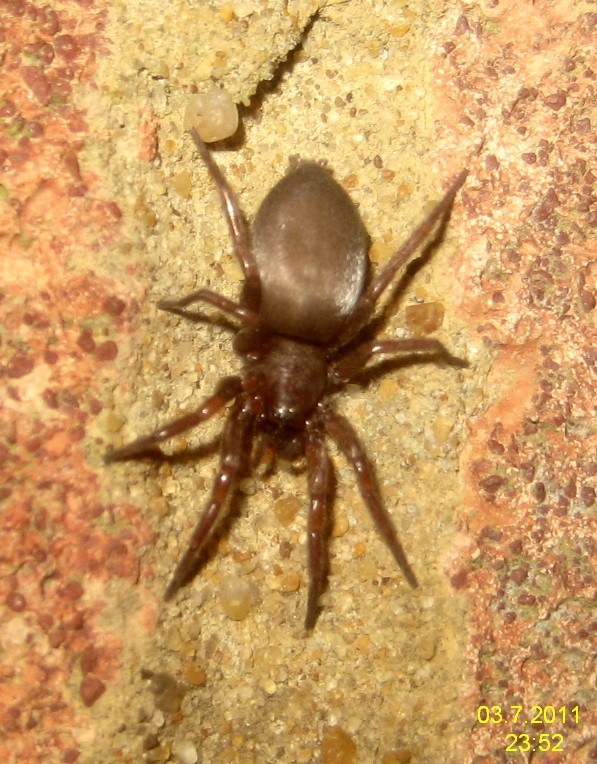
Woodlouse Spider
Damp leaf litter, under logs, stones, and mulch
Wolf Spider
Gardens, grasslands, forests, leaf litter, ground burrows
Wandering Spider
Tropical and subtropical forest floor, foliage, and banana plants
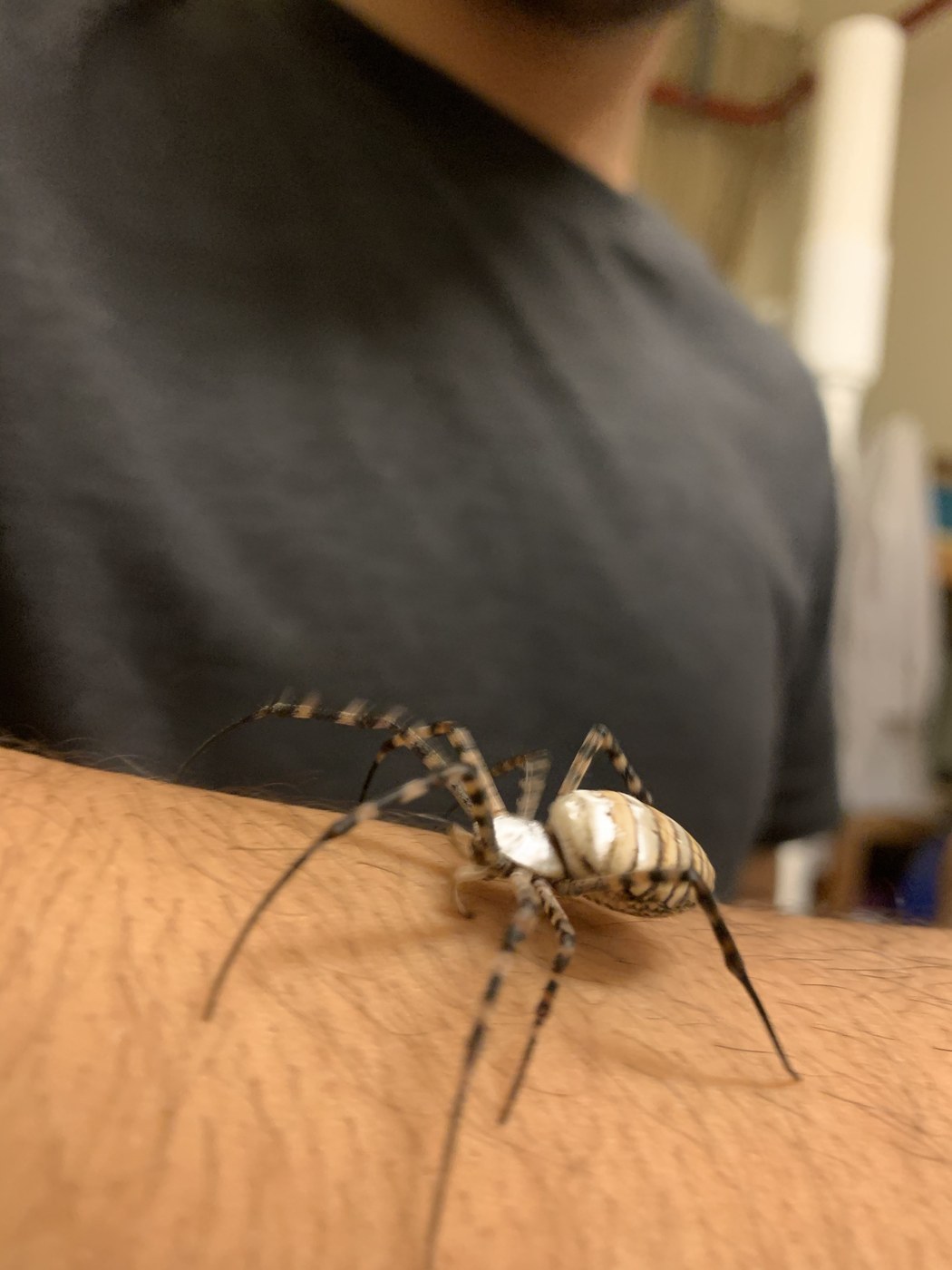
Banded Garden Spider
Tall grass, meadows, and gardens with open sunny vegetation
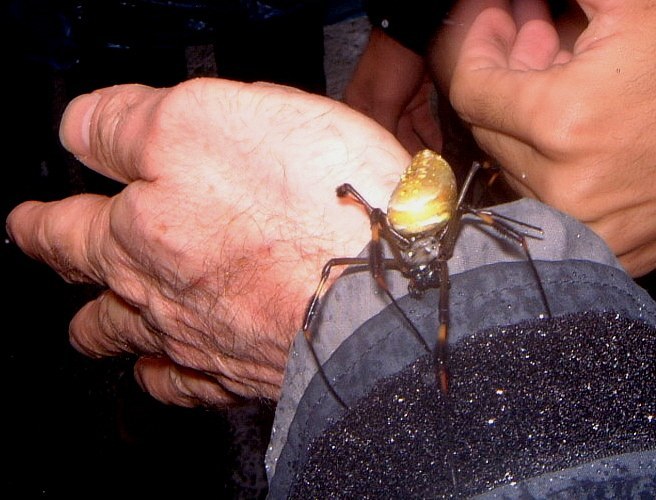
Banana Spider
Wooded trails, forest edges, and gardens across the southeastern U.S. and the American tropics
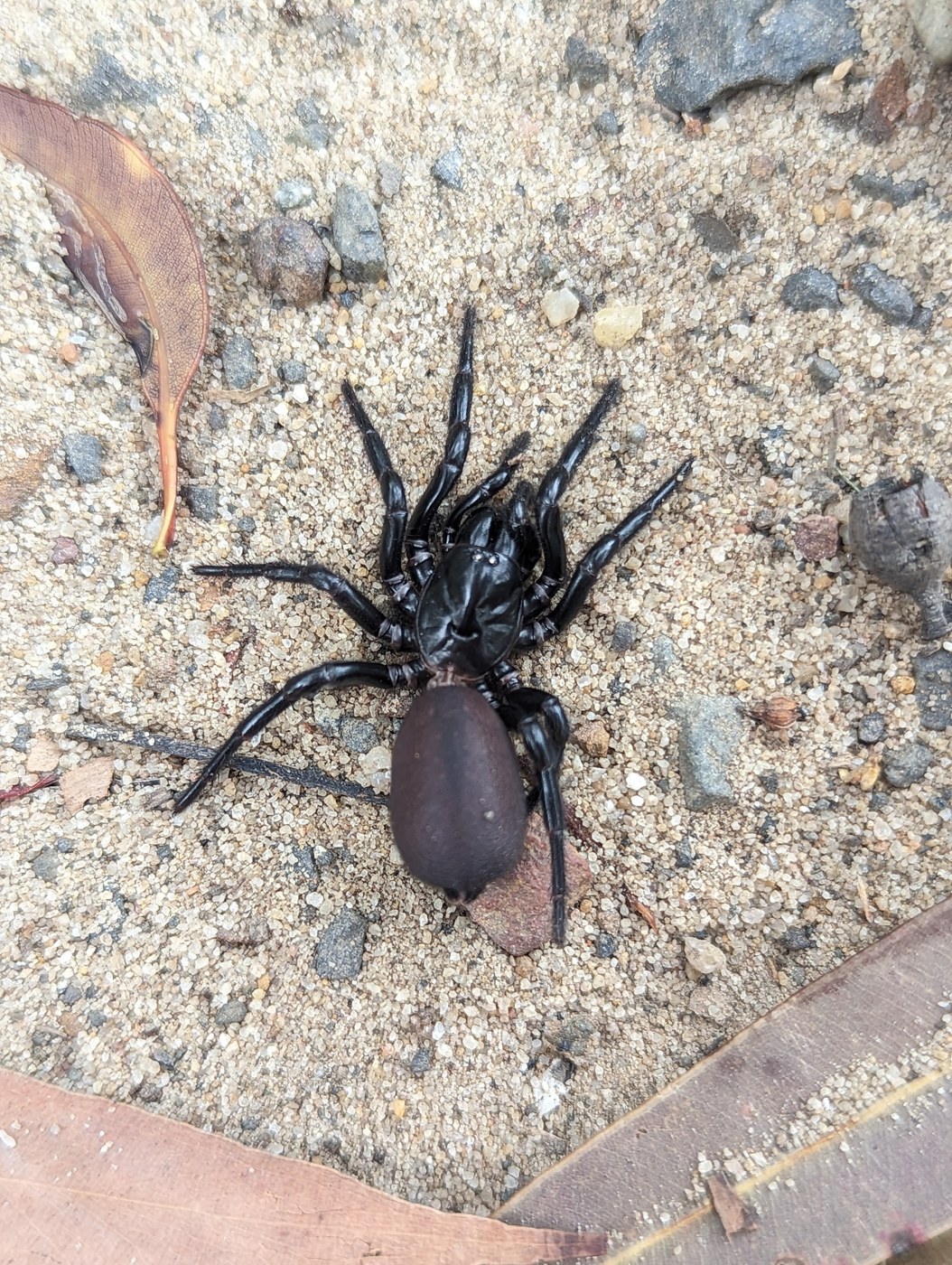
Sydney Funnel-web Spider
Burrows in moist soil, gardens, and forested gullies around the Sydney basin of eastern Australia
Trapdoor Spider
Self-dug silk-lined burrows with a camouflaged door, in dry, well-drained soil worldwide
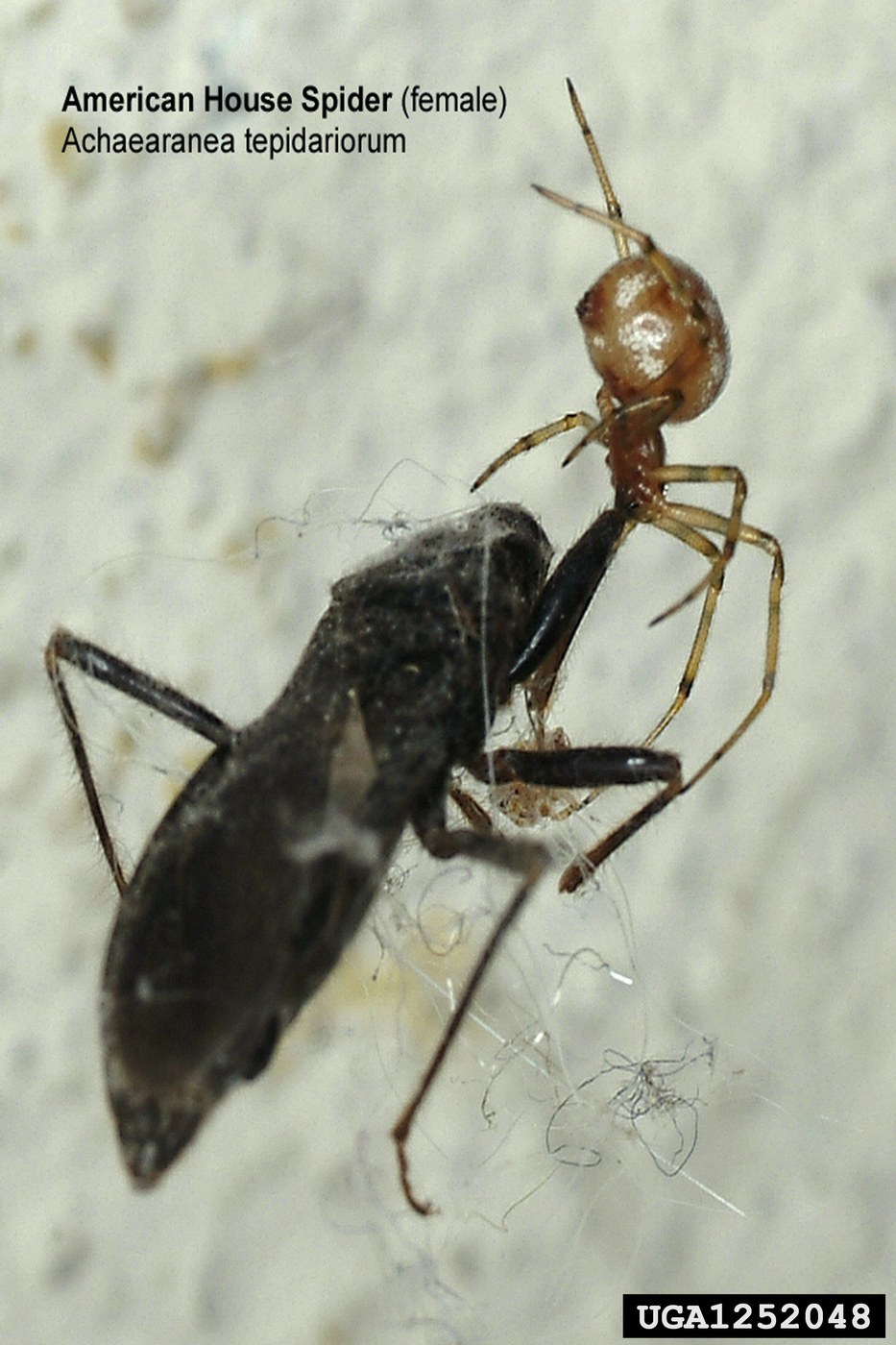
American House Spider
Corners, basements, garages, and outbuildings worldwide
Tube Web Spider
Wall crevices, bark, rockeries, and masonry
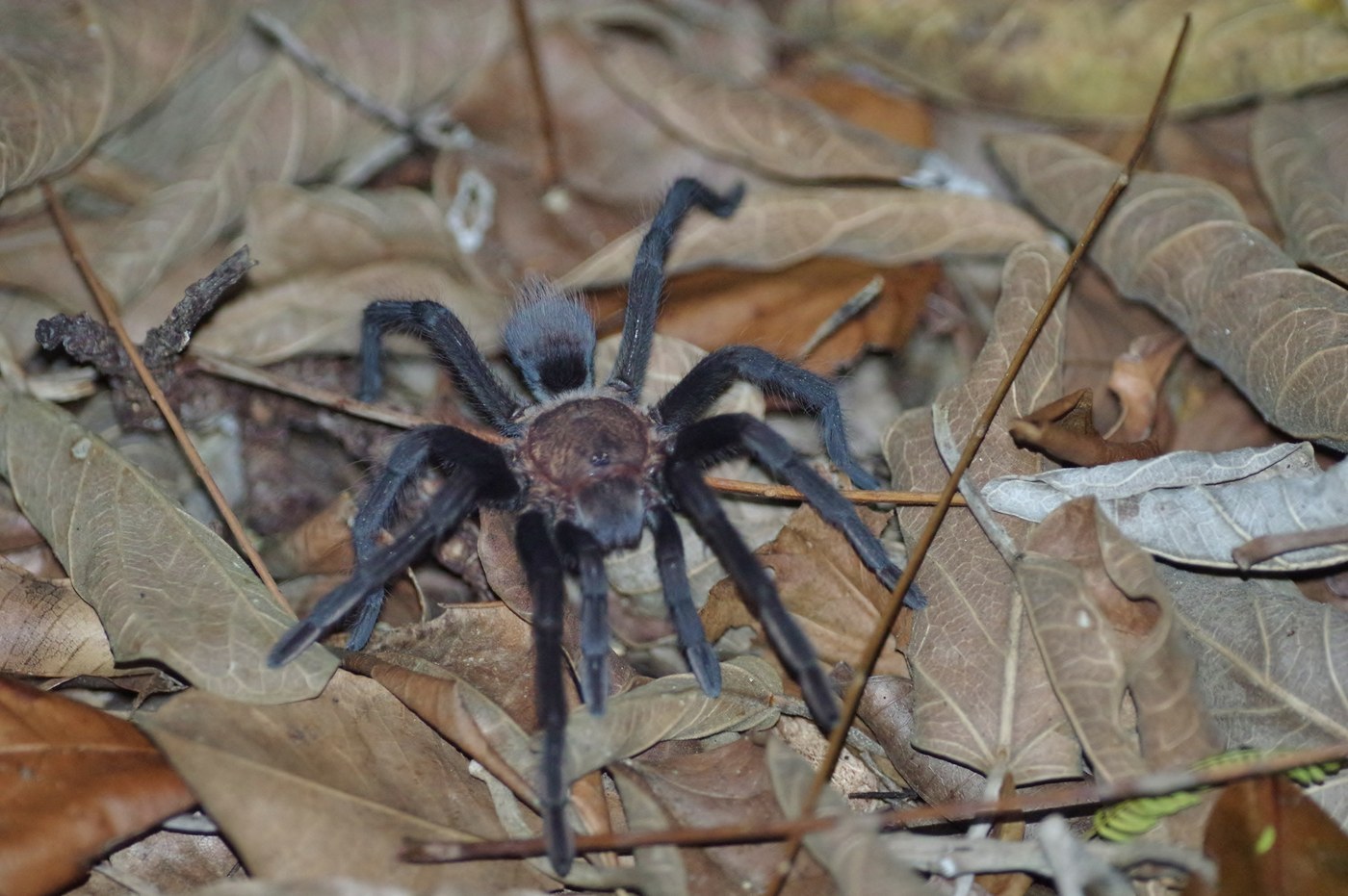
Tarantula
Burrows, rock crevices, and tree hollows in deserts, grasslands, and tropical forests worldwide
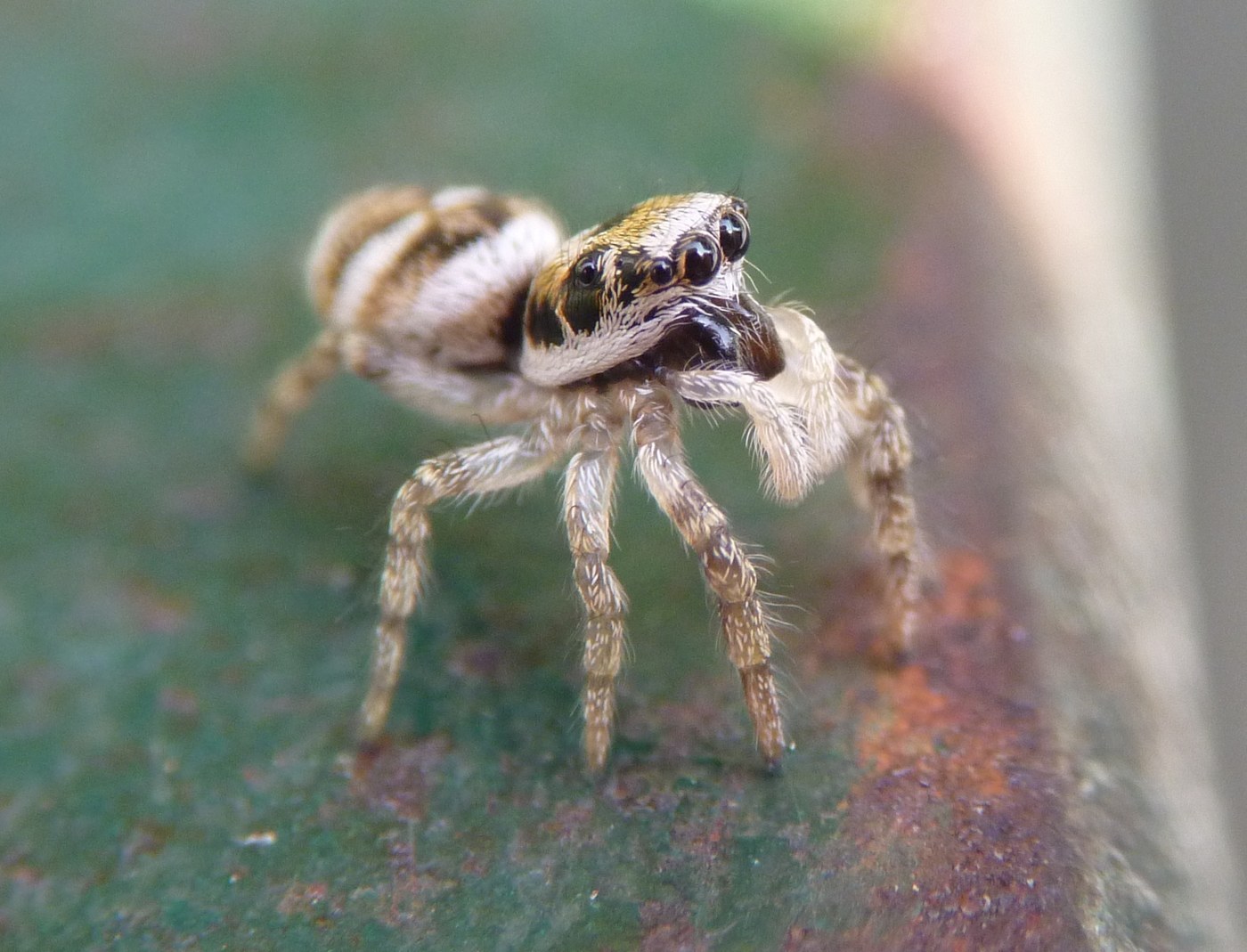
Zebra Jumping Spider
Sunny walls, fences, tree bark, and building exteriors
Wall Spider
Cracks and crevices on exterior and interior walls