
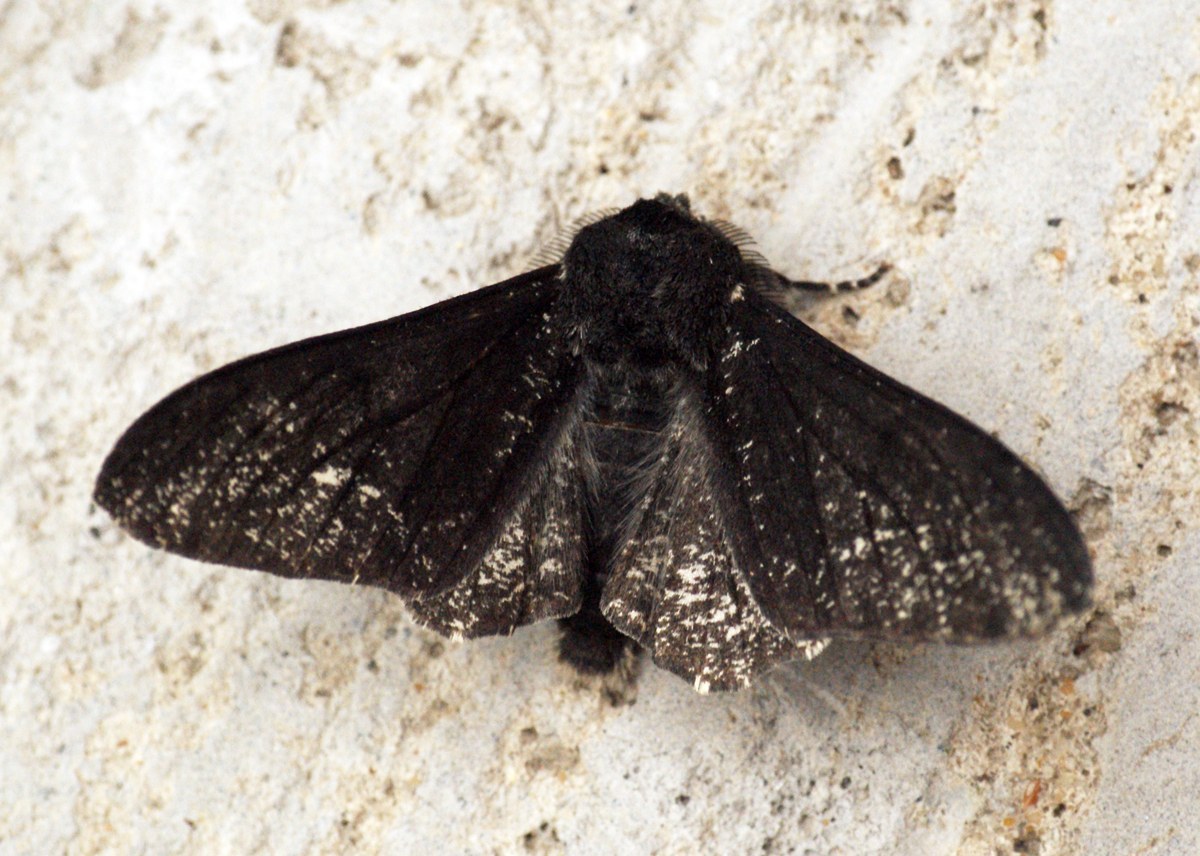
Peppered Moth
Biston betularia
A medium-sized moth with finely speckled black-and-white wings that camouflage it against lichen-covered bark, world-famous as a textbook example of evolution in action during the industrial era.
- Size
- 1.5–2.4 in wingspan
- Habitat
- Woodland, hedgerows, parks, gardens
- Danger
- Harmless
Spotted a bug like this?
Identify any bug or insect from a photo, free.
Overview
The peppered moth is a member of the family Geometridae, the geometer or 'inchworm' moths, named for the looping crawl of their larvae. It is native to temperate regions of Europe, Asia, and North America and is one of the most scientifically famous moths in the world due to its role in studies of natural selection.
The species typically shows a pale, salt-and-pepper speckled wing pattern that provides camouflage against lichen-covered tree bark. During the industrial era, a dark (melanic) form became common in polluted, soot-darkened areas where the pale form was more visible to predators, a phenomenon studied extensively as a case of rapid evolutionary change linked to environmental conditions.
Beyond its historical significance, the peppered moth is ecologically unremarkable but representative of its family: a nocturnal, bark-resting moth whose larvae feed on a wide variety of deciduous trees and shrubs.
How to Identify
- Wings finely speckled with black and white scales in a mottled 'peppered' pattern, giving excellent camouflage against lichen-covered bark.
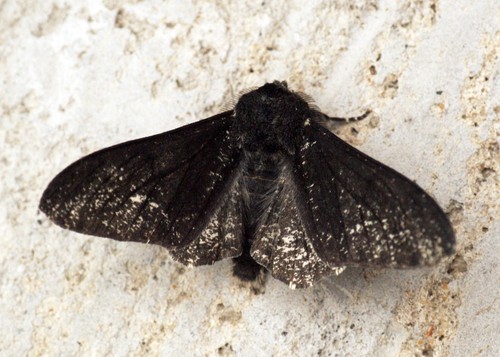
- A darker melanic form exists with almost entirely blackish-brown wings, historically more common in industrially polluted areas.
- Stout, moth-typical body held flat against bark at rest, wings spread out to the sides rather than tented.
- Wingspan of roughly 1.5 to 2.4 inches; caterpillars are twig-like inchworms (loopers) that move by arching the body, camouflaged to resemble a small brown or green twig.
Habitat & Range
Found throughout much of Europe, temperate Asia, and North America, in woodlands, hedgerows, parks, and gardens with deciduous trees. Adults are nocturnal and rest by day on tree trunks and branches where their mottled pattern blends with bark and lichen; the main flight period runs through late spring and summer.
Behavior & Diet
Adults are active at night, when they fly in search of mates, and spend daylight hours motionless on bark, relying on camouflage rather than flight to avoid predators such as birds. Larvae are generalist feeders on the foliage of many deciduous trees and shrubs including birch, oak, and willow, moving with the characteristic looping gait of geometrid 'inchworm' caterpillars and often holding a stiff, twig-like pose when at rest to avoid detection.
Life Cycle
Eggs are laid on host plant leaves and hatch into looper caterpillars that feed and molt through several instars while mimicking twigs for camouflage. Mature larvae drop to the ground to pupate in the soil or leaf litter. The species overwinters as a pupa, with adults emerging in late spring to summer; there is generally one generation per year in cooler climates.
Frequently asked questions
Why is the peppered moth famous?
It is a well-studied example of how the relative frequency of pale speckled and dark melanic wing forms shifted historically in response to changes in bark coloration linked to industrial soot pollution.
Are the dark and pale forms different species?
No, they are color forms of the same species, Biston betularia, differing only in wing pigmentation.
How can I recognize the caterpillar?
It is a twig-mimicking looper (inchworm) caterpillar, usually brown or green, that holds a stiff, angled pose resembling a small branch.
When and where would I see an adult?
At night or resting on tree bark by day, in wooded or garden settings across its range from late spring through summer.
Peppered Moth guides
In-depth guides for identifying, understanding, and living alongside Peppered Moth.
Peppered Moth identified by the community
Real finds identified with Bug Identifier.
Other bugs you may enjoy
Bagworm Moth
Coniferous and deciduous trees, shrubs, hedges
Antheraea Silkmoth
Deciduous forests, woodland edges, orchards
Ailanthus Silkmoth (Cynthia Moth)
Urban parks, wastelands, and woodland edges with tree-of-heaven; native to Asia, introduced in North America and Europe
Winter Moth
Deciduous woodland, orchards, gardens, hedgerows
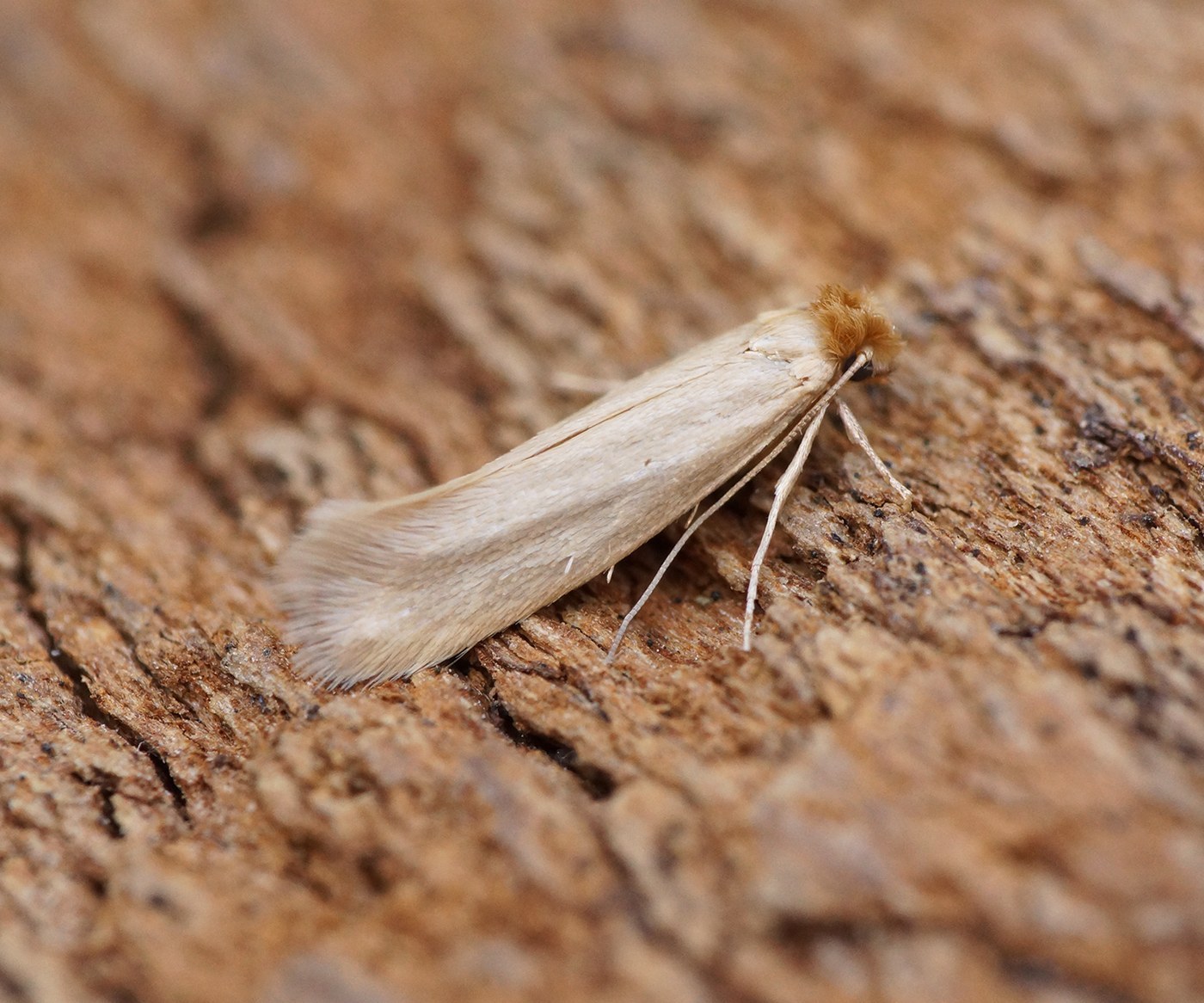
Webbing Clothes Moth
Dark closets, storage areas, and animal nests worldwide
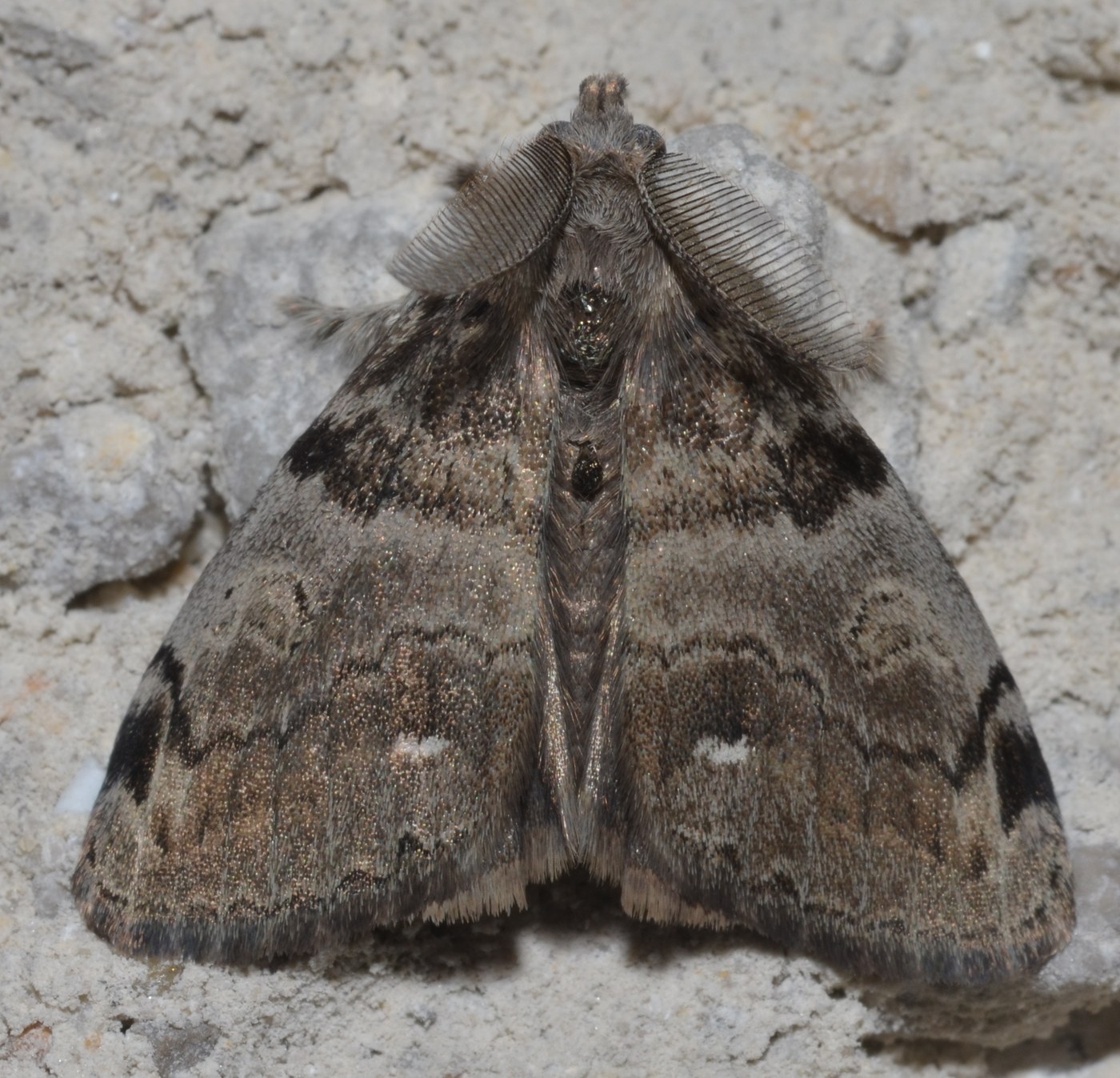
Tussock Moth
Deciduous forests, parks, gardens
Wax Moth
Beehives, apiaries, stored beeswax and comb
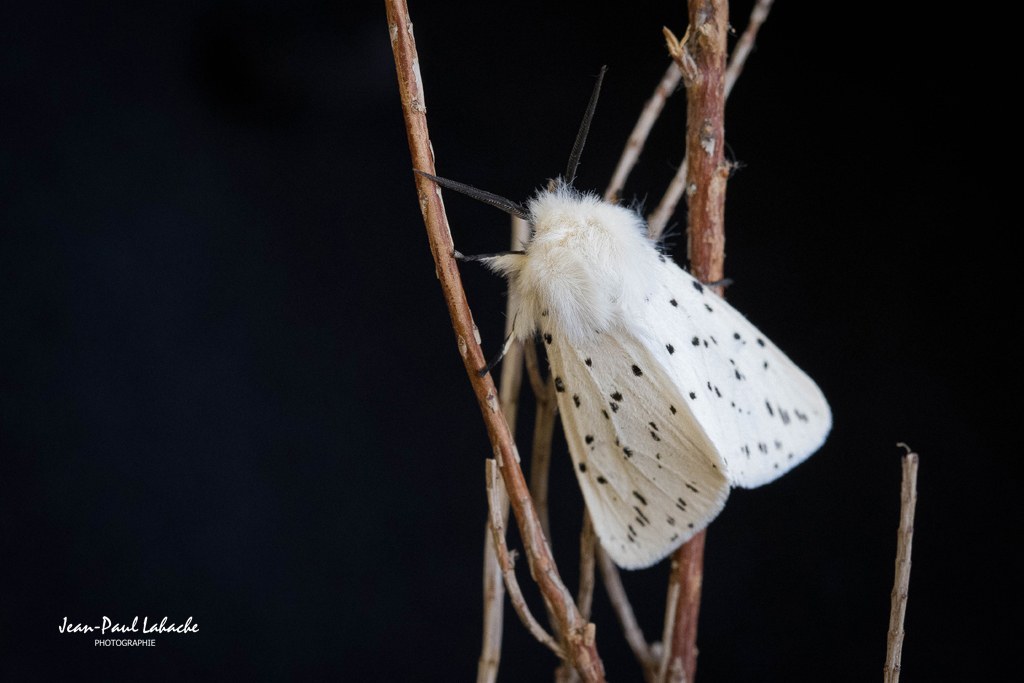
White Ermine Moth
Gardens, meadows, hedgerows
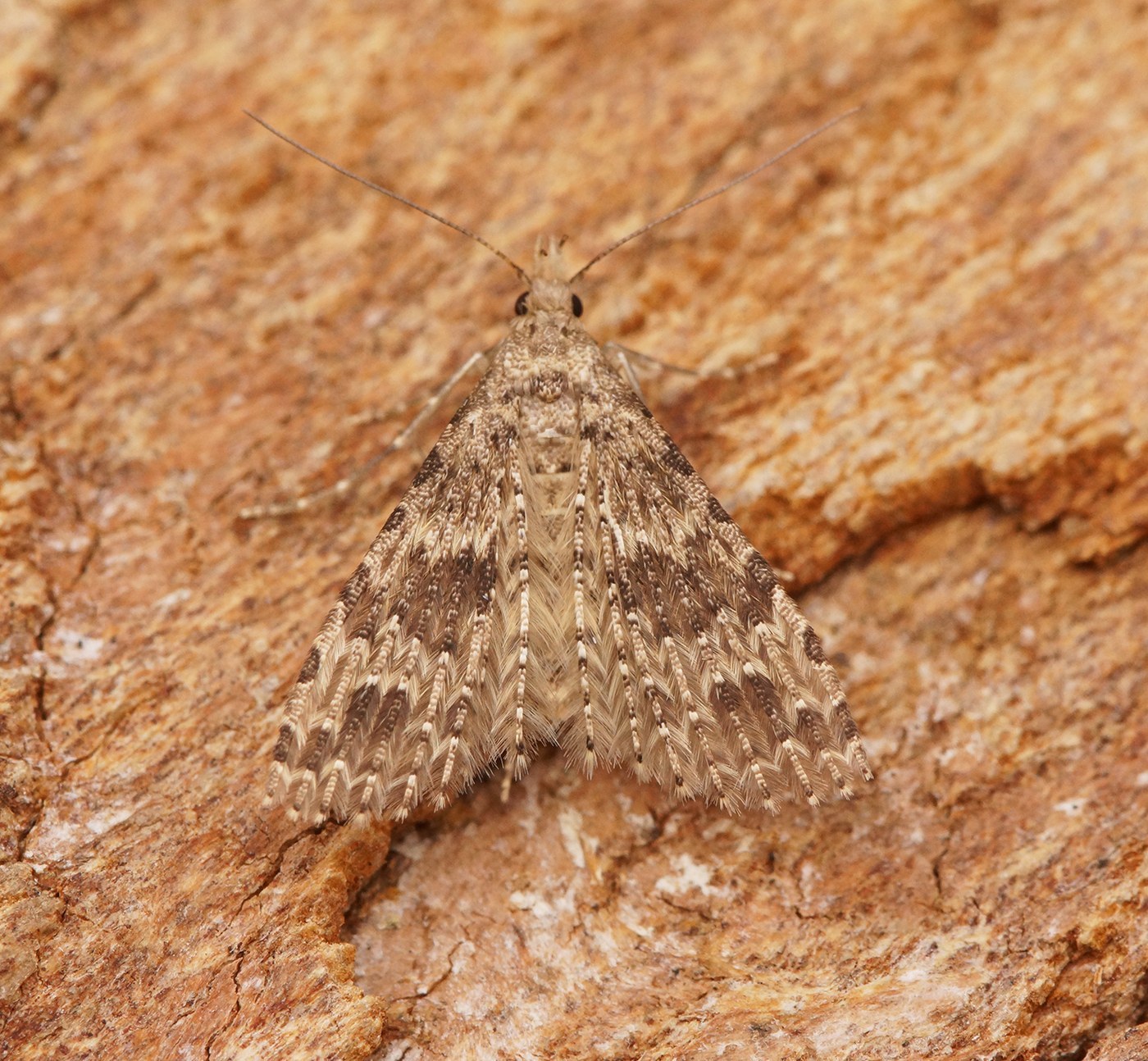
Twenty-plume Moth
Gardens, hedgerows, near honeysuckle
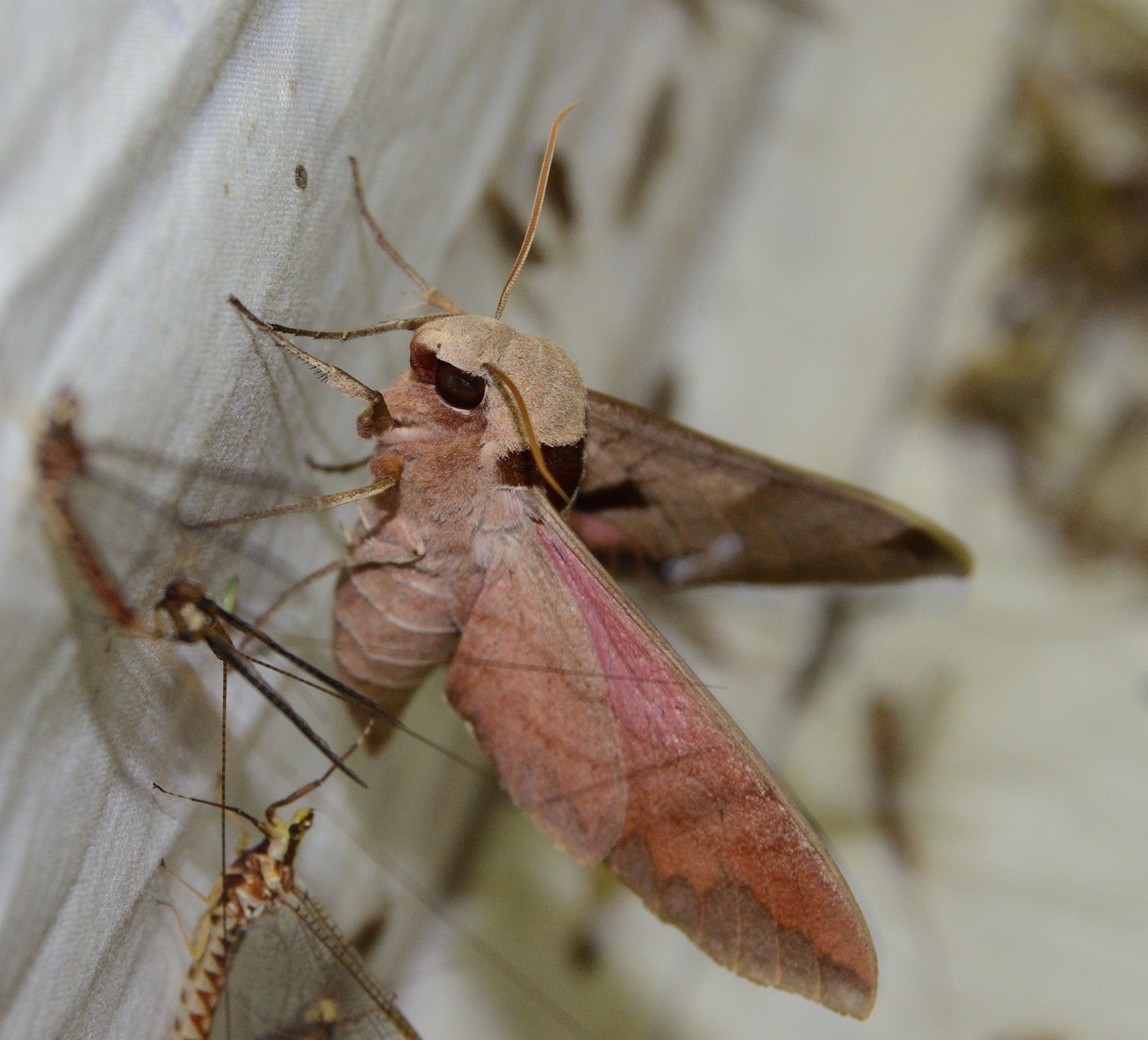
Achemon Sphinx Moth
Vineyards, woodland edges, gardens with wild grape
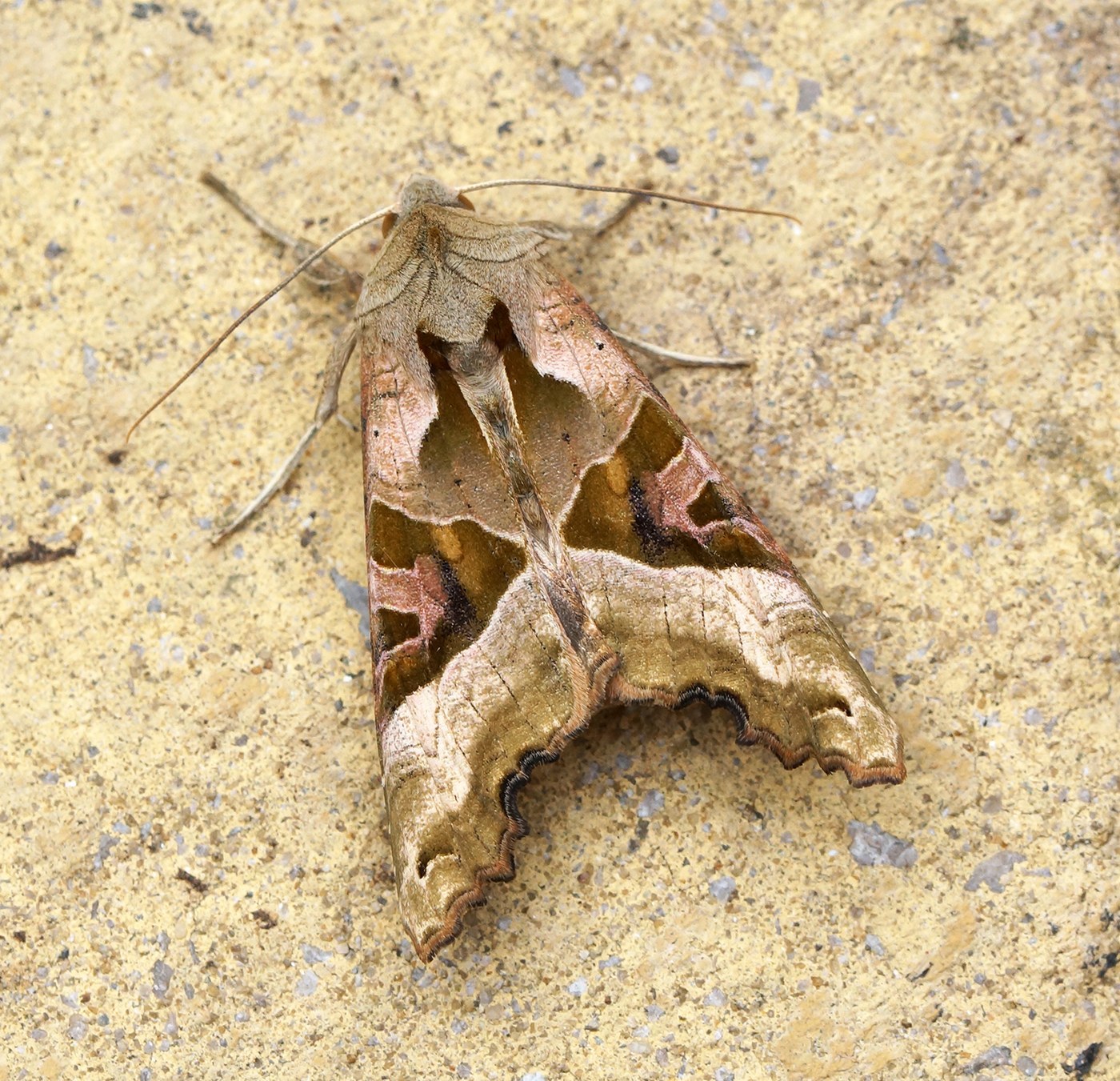
Angle Shades Moth
Gardens, hedgerows, woodland edges, urban parks
Atlas Moth
Tropical and subtropical lowland forests of Southeast Asia