
Pine Processionary Moth
Thaumetopoea pityocampa
An unremarkable grey-brown moth known almost entirely through its larvae, which build large silken nests in pine trees and travel to feed in long, head-to-tail processions covered in fine defensive hairs.
- Size
- 1.3–1.6 in wingspan
- Habitat
- Pine and cedar forests across Mediterranean Europe, North Africa, and adjacent regions
- Danger
- Mildly venomous
Spotted a bug like this?
Identify any bug or insect from a photo, free.
Overview
The pine processionary moth belongs to the family Notodontidae (historically placed in its own family, Thaumetopoeidae) and is one of the most recognizable forest insects of the Mediterranean region, though not for the appearance of the adult moth itself. The adult is a plain, moderately sized grey-brown moth that flies briefly at night and attracts little attention.
Its fame comes almost entirely from its larval stage, which constructs conspicuous white silk nests in the canopies of pine and cedar trees and travels between the nest and feeding sites in single-file processions, sometimes numbering dozens of individuals nose-to-tail.
The species is considered a significant defoliating pest of pine forests across its range and is closely studied for its ecological impact on conifer woodlands as well as its unusual colonial larval behavior.
How to Identify
- Adult moth: medium-sized, grey-brown with faint darker banding on the forewings, and a stout, fuzzy body typical of Notodontidae; largely unremarkable in appearance.
- Larvae: pale grey-brown, densely hairy caterpillars marked with orange-red dorsal patches, covered in fine urticating hairs used defensively.
- Nests: large, silvery-white silk tents built in pine or cedar branches, a highly visible sign of the species' presence even when caterpillars are not seen.
- Lookalikes: other processionary moth species in related genera, but the combination of pine-tree silk nests and nose-to-tail larval processions is highly distinctive to this species.
Habitat & Range
Native to the Mediterranean basin including southern Europe and North Africa, the pine processionary moth is found wherever pine and cedar forests grow, and its range has gradually expanded northward in recent decades. Larvae are most conspicuous in late autumn through winter and early spring, when their silk nests are visible in tree canopies and processions can be seen moving along branches or the ground between the nest and feeding areas.
Behavior & Diet
Larvae are gregarious, living communally in silk nests and emerging together at night to feed on pine or cedar needles before returning to the nest by day. Their signature behavior is the head-to-tail procession, in which caterpillars follow a silk trail laid by the leading individual, moving across branches or the ground as a connected line. Adults are short-lived, nocturnal, and non-feeding, existing mainly to mate and lay eggs. The species is regarded as an important defoliator of pine forests, and its larval hairs serve a purely defensive function against predators.
Life Cycle
Adult moths lay egg masses on pine needles in summer, which hatch into larvae that build a communal nest and feed through autumn and winter, growing through several instars while sheltering together for warmth. In late winter or early spring, mature larvae leave the nest in a final procession to find soil suitable for pupation, burrowing underground to pupate for an extended period that can last from a few months to over a year depending on conditions. Adults emerge in summer, generally producing one generation per year, though pupal diapause can extend the cycle in some individuals.
Frequently asked questions
Why is it called "processionary"?
Its larvae travel in long, head-to-tail lines called processions, following a silk trail laid down by the lead caterpillar.
What are the white nests seen in pine trees?
These are the communal silk nests built by the larvae, used as a shelter between nighttime feeding trips on pine needles.
Is the adult moth easy to identify?
Not particularly; the adult is a plain grey-brown moth that is much less distinctive than its larvae and nests.
When are the caterpillars most active?
Larvae are most visible from late autumn through winter into early spring, when they build nests and process to feeding sites.
Pine Processionary Moth guides
In-depth guides for identifying, understanding, and living alongside Pine Processionary Moth.
Other bugs you may enjoy
Bagworm Moth
Coniferous and deciduous trees, shrubs, hedges
Antheraea Silkmoth
Deciduous forests, woodland edges, orchards
Ailanthus Silkmoth (Cynthia Moth)
Urban parks, wastelands, and woodland edges with tree-of-heaven; native to Asia, introduced in North America and Europe
Winter Moth
Deciduous woodland, orchards, gardens, hedgerows
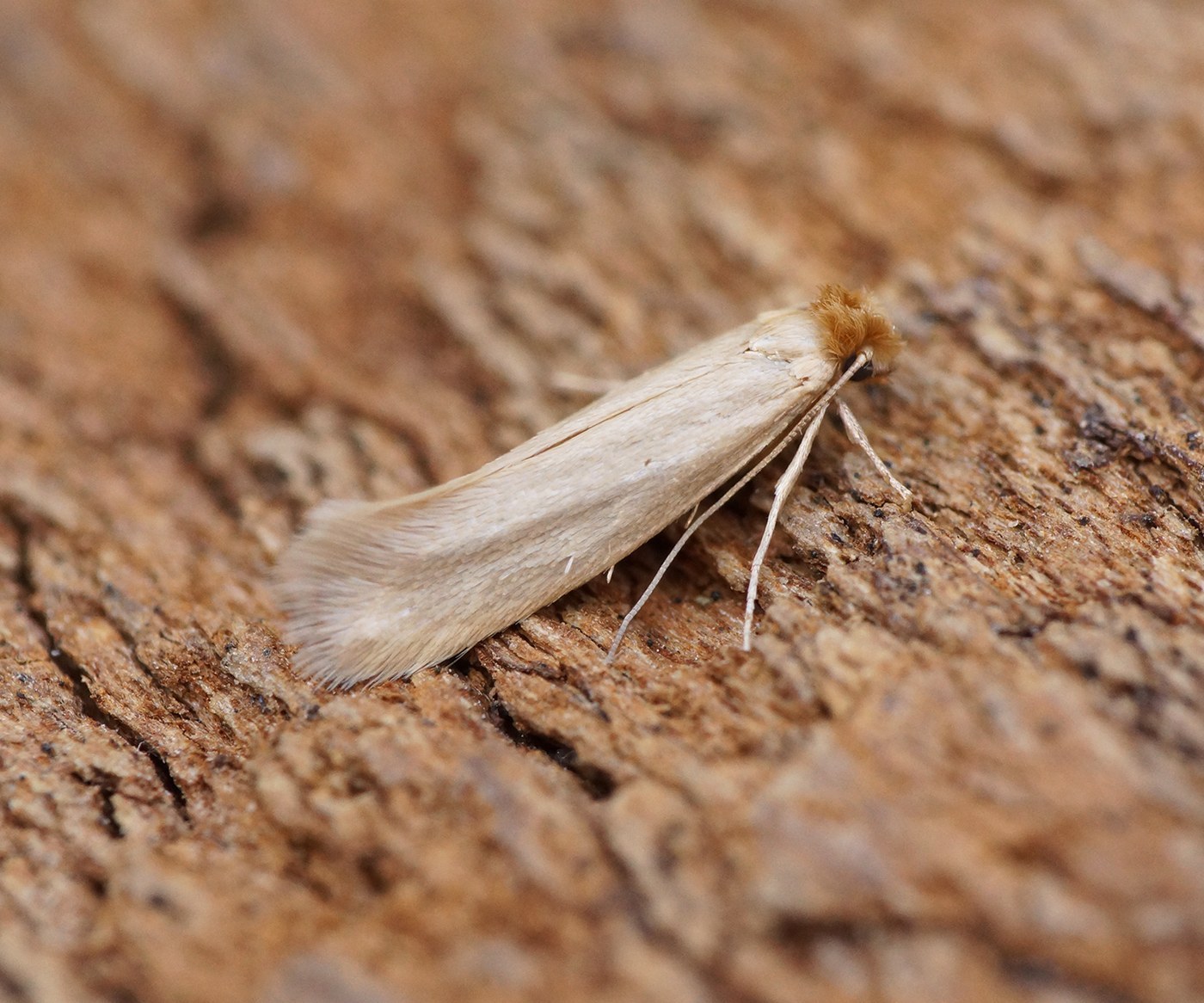
Webbing Clothes Moth
Dark closets, storage areas, and animal nests worldwide
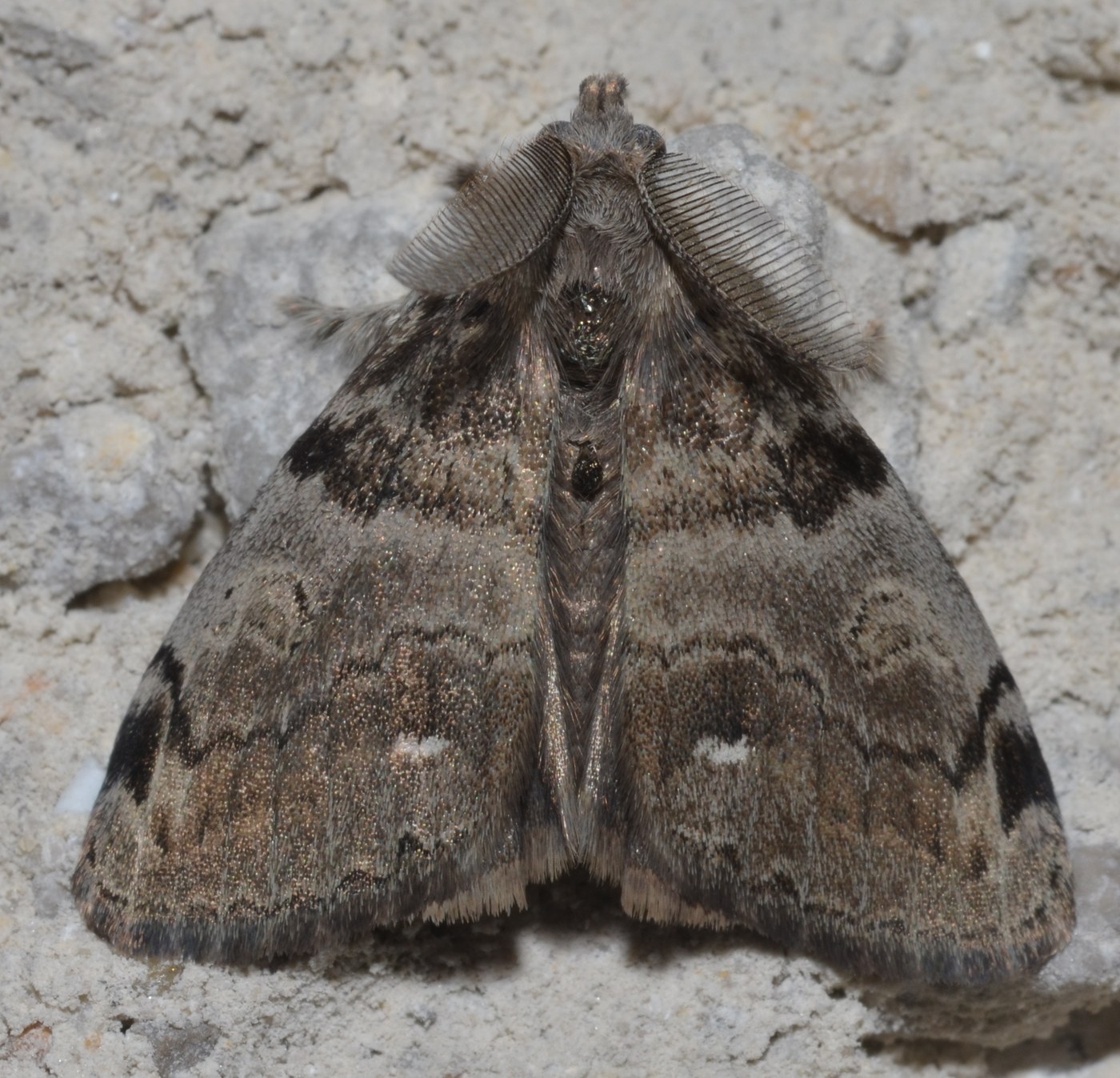
Tussock Moth
Deciduous forests, parks, gardens
Wax Moth
Beehives, apiaries, stored beeswax and comb
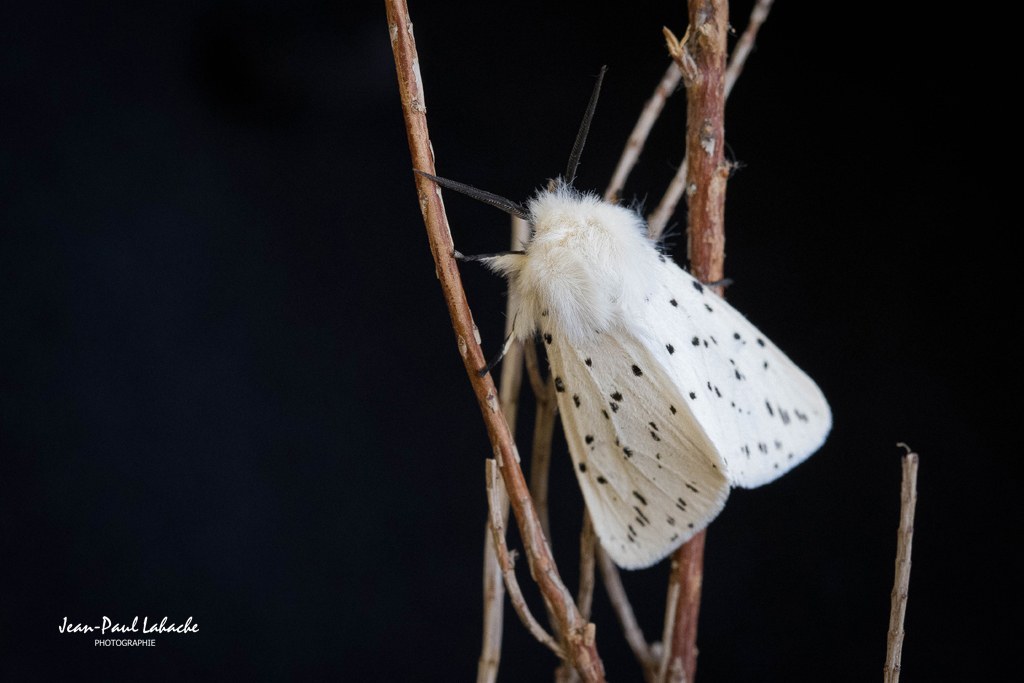
White Ermine Moth
Gardens, meadows, hedgerows
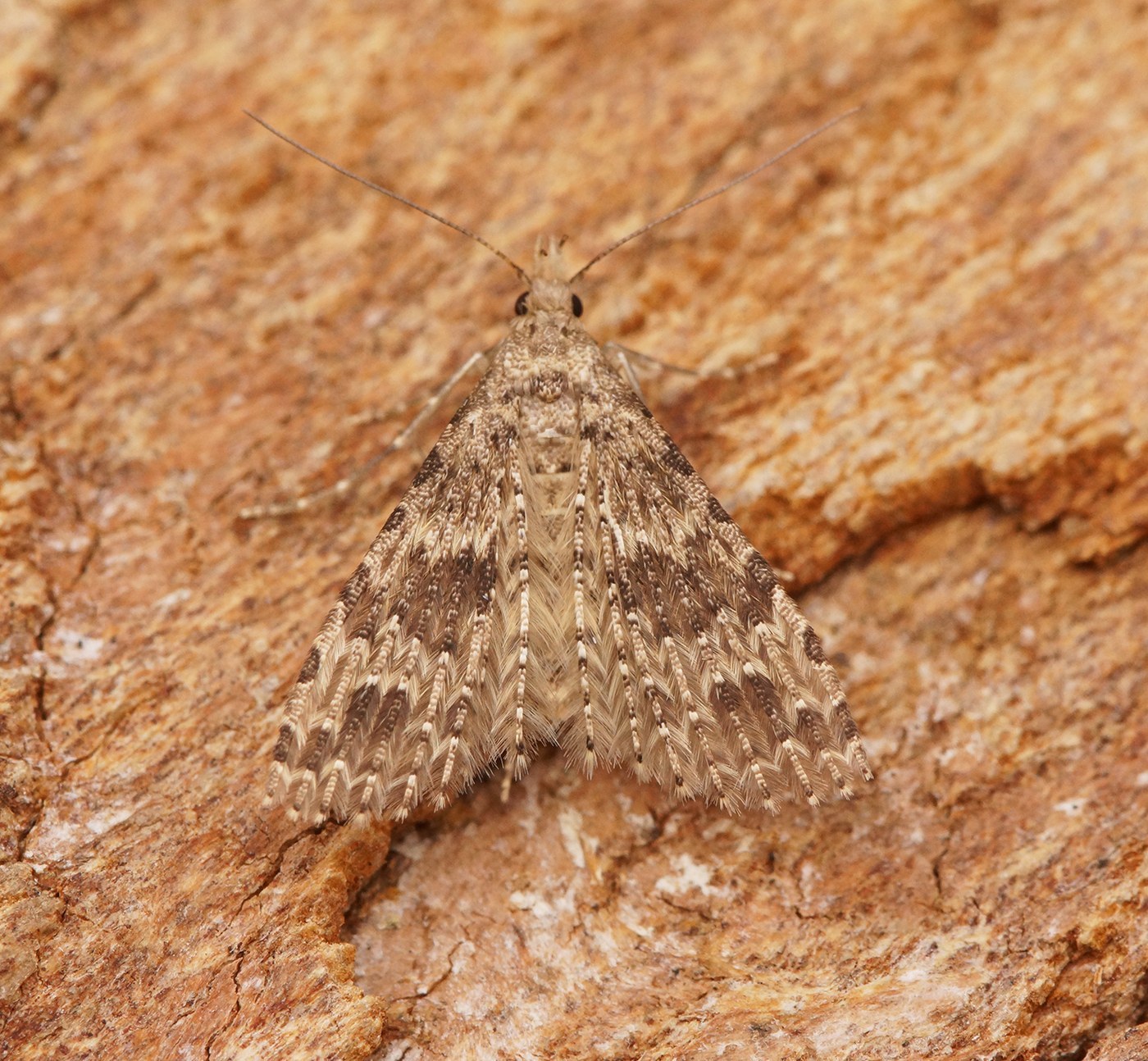
Twenty-plume Moth
Gardens, hedgerows, near honeysuckle
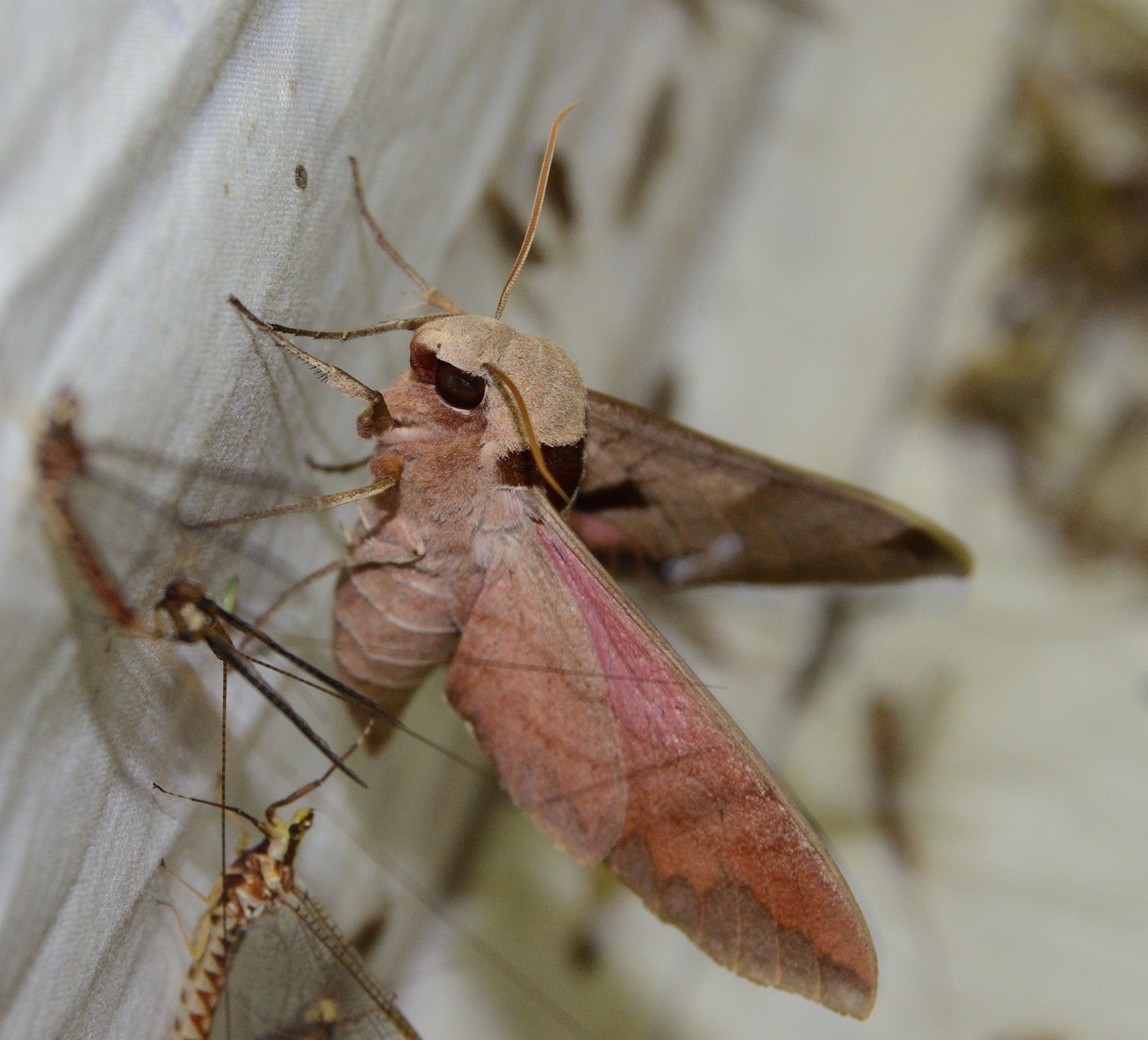
Achemon Sphinx Moth
Vineyards, woodland edges, gardens with wild grape
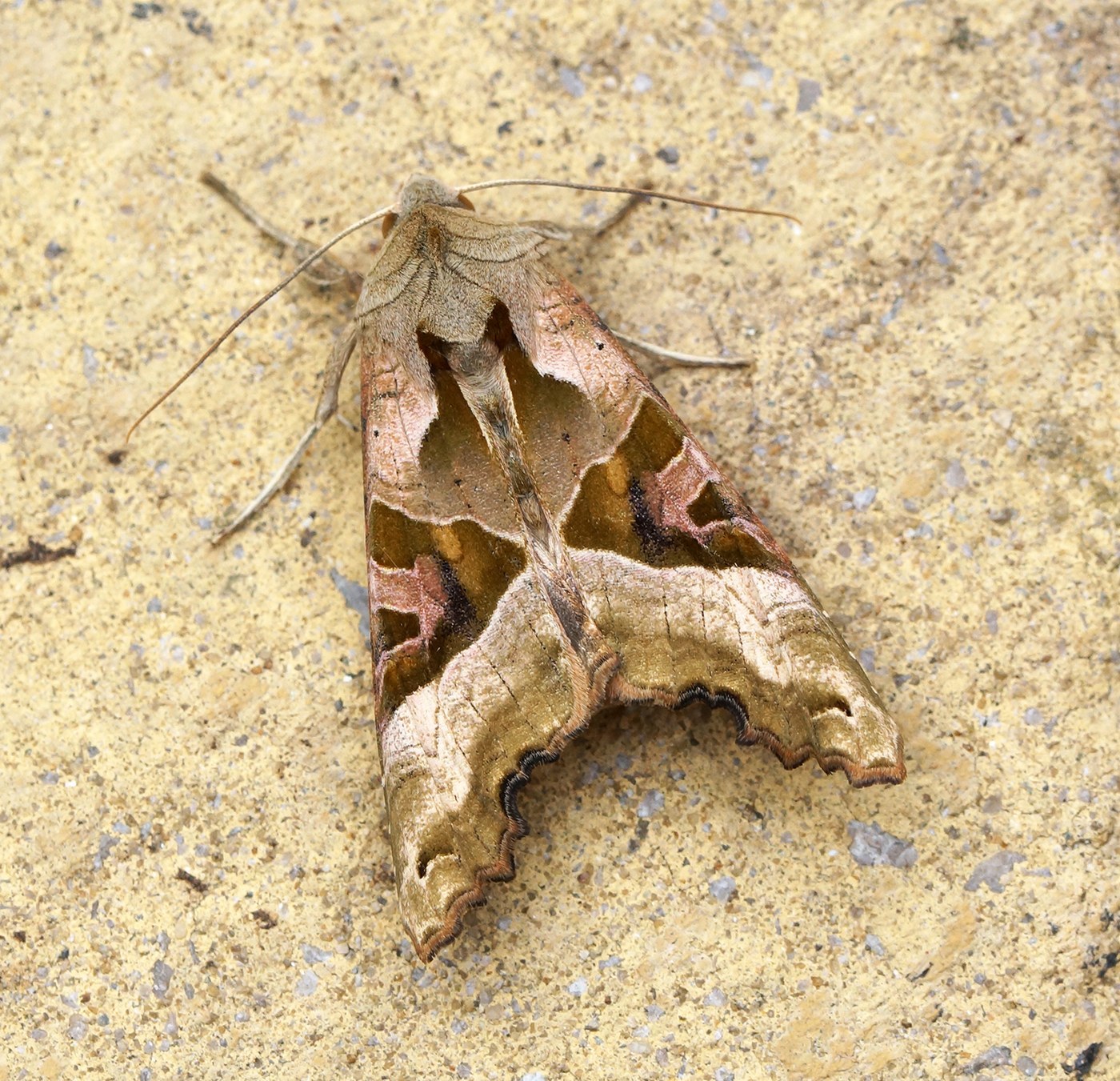
Angle Shades Moth
Gardens, hedgerows, woodland edges, urban parks
Atlas Moth
Tropical and subtropical lowland forests of Southeast Asia