
Polyphemus Moth Caterpillar
Antheraea polyphemus
A plump, apple-green giant silk moth larva with rows of silvery spots that swells to the size of a large finger before spinning a papery brown cocoon.
- Size
- Up to 3.5-4 in (9-10 cm) long at maturity
- Habitat
- Deciduous woodlands, parks, and suburban shade trees
- Danger
- Harmless
Spotted a bug like this?
Identify any bug or insect from a photo, free.
Overview
The Polyphemus moth caterpillar is the larval stage of one of North America's largest and most recognizable silk moths, named for the mythological one-eyed giant because of the huge eyespots on the adult's hindwings. The caterpillar itself is a heavyset, cylindrical eating machine that spends its entire larval life devouring leaves before transforming into a moth with a wingspan that can exceed five inches.
These caterpillars are generalist feeders on a wide variety of deciduous trees, which allows them to turn up in backyards, parks, and forest edges across much of the continent. Despite their large size, they are docile and slow-moving, relying on camouflage rather than aggression to avoid predators.
How to Identify
- Thick, cylindrical body that is bright to lime green, growing to roughly 3.5-4 inches long
- Each body segment bears small silvery or yellow, oval-shaped tubercles arranged in rows
- A faint yellow or reddish diagonal line often runs along the sides
- Sparse, short setae (bristles) project from the tubercles but are not conspicuous
- Head is small and rounded, colored pale green to tan
- Lookalikes include other giant silk moth larvae such as the Luna and Cecropia caterpillars, which share the plump green body but differ in tubercle color and arrangement
Habitat & Range
Polyphemus caterpillars are found across most of the United States and southern Canada wherever suitable deciduous host trees grow, from oak-hickory forests to maple-lined suburban streets. They feed high in tree canopies as well as on low shrubs and are active from late spring through summer, depending on the number of generations in a given region.
Behavior & Diet
The caterpillar is a solitary leaf-feeder with an enormous appetite, capable of consuming many times its body weight in foliage as it grows through five instars. It relies on cryptic green coloration to blend with leaves and will thrash its body or emit a clicking sound with its mandibles if disturbed. In the broader ecosystem it serves as an important food source for birds, and its cocoon can be parasitized by tachinid flies and parasitic wasps.
Life Cycle
Females lay flat, disc-shaped eggs singly or in small groups on host leaves. After hatching, the caterpillar passes through five instars over several weeks, growing from a tiny black-headed larva into the large green form. When mature, it spins a tough, papery oval cocoon wrapped in a leaf, often dropping to the leaf litter, and pupates inside. Depending on climate, the species overwinters as a pupa and produces one generation per year in the north or two in warmer southern regions before emerging as an adult moth that does not feed.
Frequently asked questions
What does a Polyphemus moth caterpillar eat?
It feeds on the leaves of many deciduous trees, including oak, maple, birch, hickory, and willow.
How can I tell a Polyphemus caterpillar from other giant silk moth larvae?
Look for the rows of small silvery tubercles along its green body, which distinguish it from similar species like the Luna or Cecropia caterpillar.
Where does the caterpillar go to pupate?
It spins a papery brown cocoon wrapped inside a curled leaf, often on the ground among leaf litter, where it overwinters.
Does the Polyphemus caterpillar have stinging spines?
No, it lacks stinging or urticating spines; it relies on camouflage and thrashing movements rather than chemical defenses.
Polyphemus Moth Caterpillar guides
In-depth guides for identifying, understanding, and living alongside Polyphemus Moth Caterpillar.
Other bugs you may enjoy
Bagworm
Trees and shrubs, especially conifers and ornamental landscaping
Armyworm
grasslands, pastures, and cereal crop fields
Zebra Longwing Caterpillar
Tropical and subtropical hammocks with passionflower vines
Tomato Hornworm
Gardens and fields with tomato, pepper, and other nightshade plants
Tent Caterpillar
Deciduous trees such as cherry, apple, and other rosaceous species
Tobacco Hornworm
tobacco, tomato, and pepper plants in gardens and fields
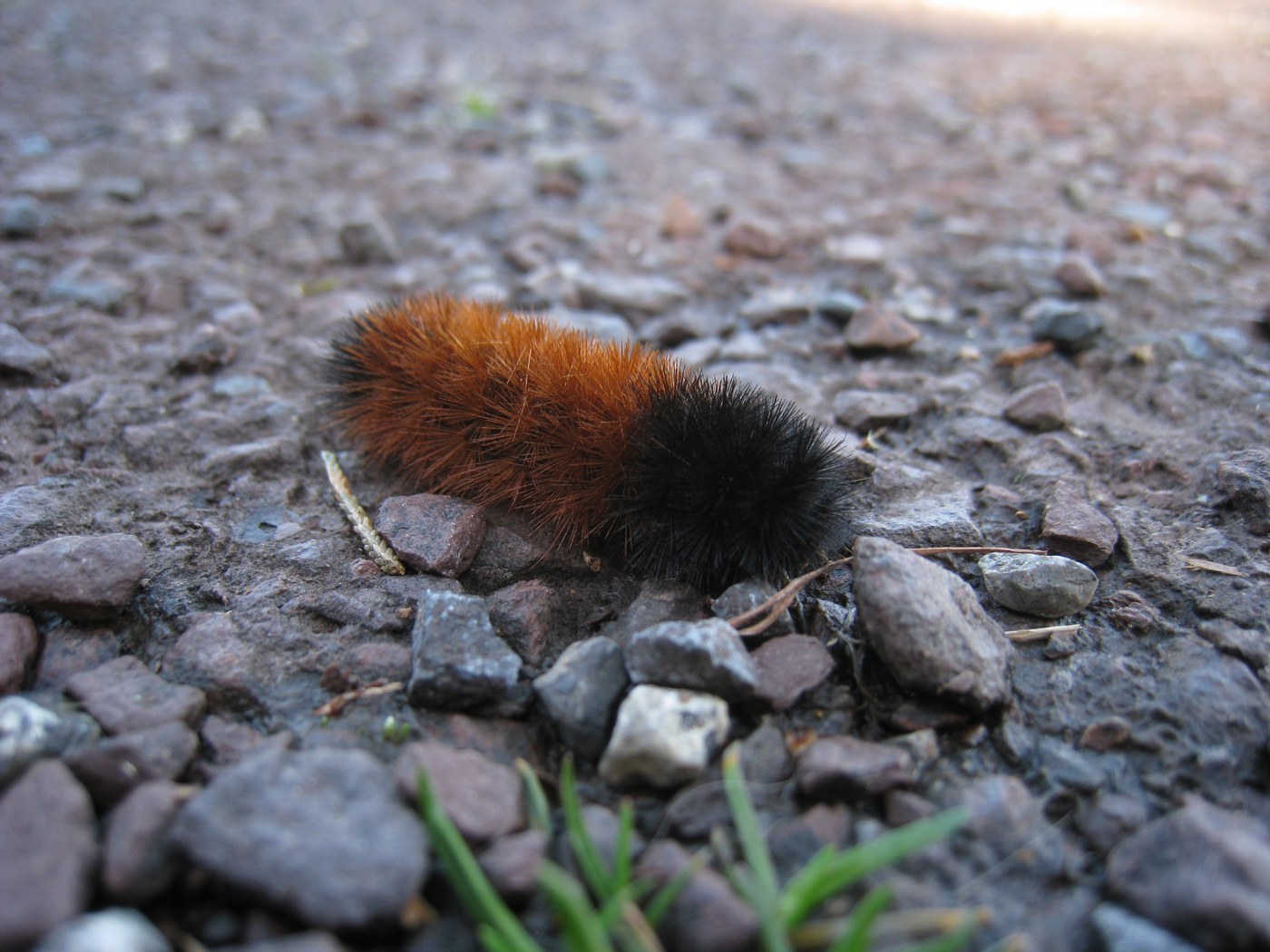
Woolly Bear Caterpillar
Gardens, meadows, roadsides, and woodland edges across North America
Sod Webworm
Turfgrass lawns, golf courses, pastures
Spiny Oak-slug Caterpillar
Deciduous forests and woodland edges with oak and other hardwoods
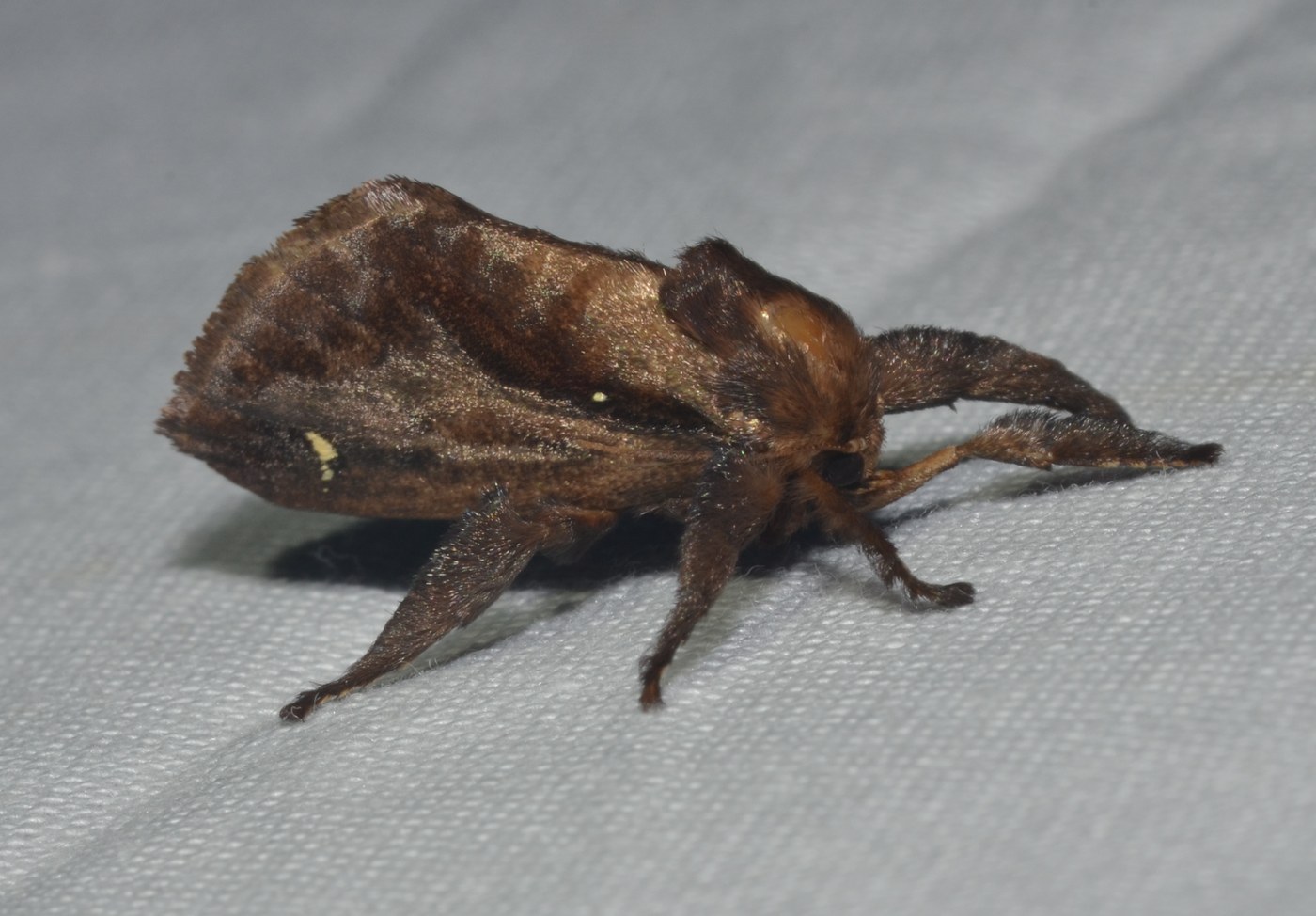
Saddleback Caterpillar
Deciduous trees and shrubs in eastern and southern North America
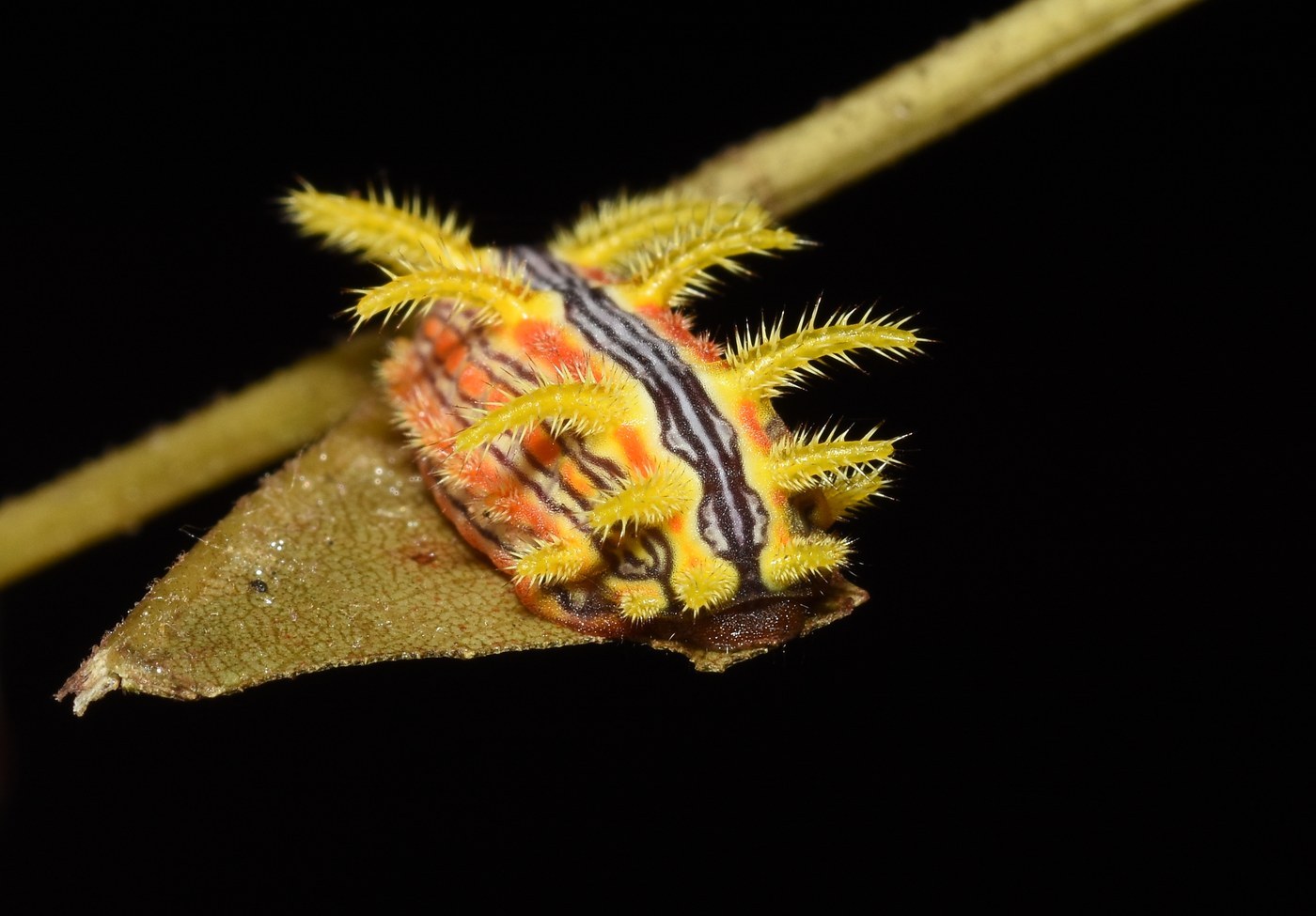
Stinging Rose Caterpillar
Gardens and woodlands with rose, dogwood, or oak
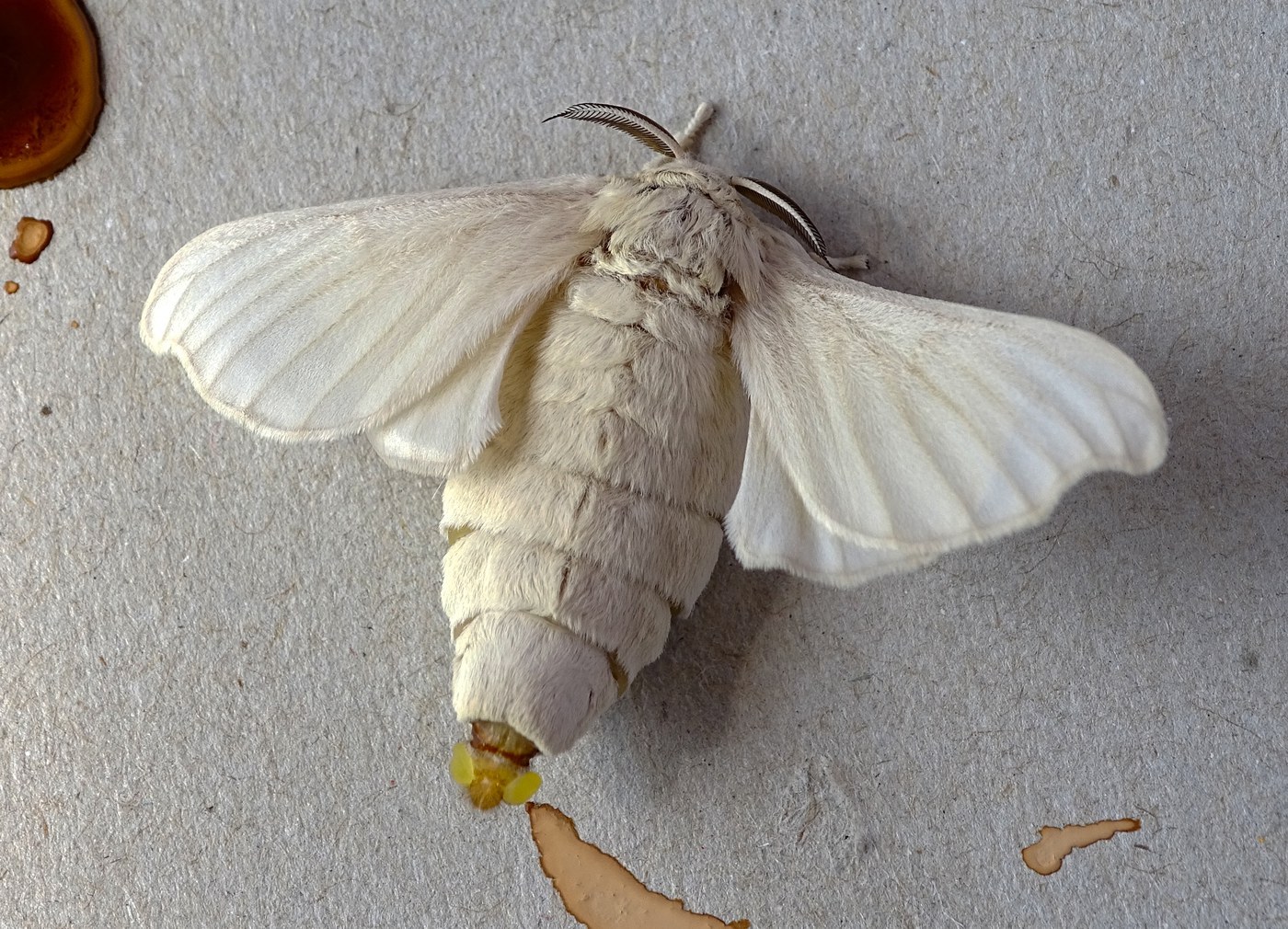
Silkworm
Reared exclusively in captivity on mulberry leaves; no independent wild population