
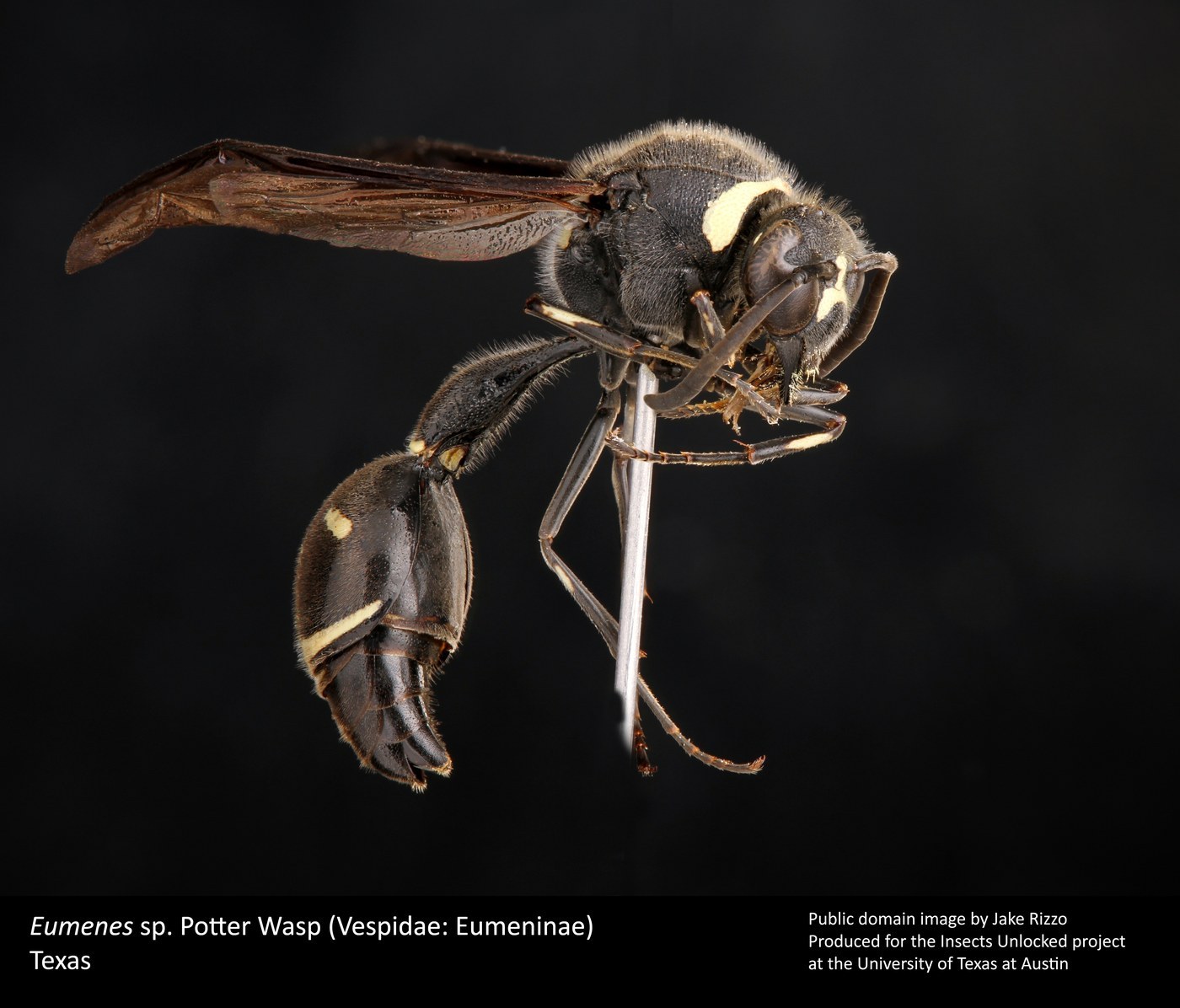
Potter Wasp
Eumenes fraternus
A solitary wasp with a pronounced hourglass waist that sculpts tiny, perfectly rounded mud pots resembling miniature clay jugs, each one stocked with paralyzed caterpillars for a single offspring.
- Size
- 10–20 mm
- Habitat
- Gardens, meadows, woodland edges, and shrubby areas
- Danger
- Stings
Spotted a bug like this?
Identify any bug or insect from a photo, free.
Overview
Potter wasps (also called mason wasps) belong to the subfamily Eumeninae within the family Vespidae, making them close relatives of the social paper wasps and yellowjackets, despite living an entirely solitary lifestyle. Their name comes from the remarkable urn- or jug-shaped mud nests females build, complete with a narrow flared neck, often attached to twigs, stems, or walls.
As solitary predators, potter wasps play a useful ecological role by hunting caterpillars and other soft-bodied larvae to provision their nests, helping regulate populations of plant-feeding insects in gardens and wild habitats alike.
Because each female works alone and has no colony to protect, potter wasps tend to be calm and non-aggressive, generally ignoring people unless directly grabbed or trapped.
How to Identify
- Distinctly narrow, elongated waist connecting a rounded abdomen to the thorax, similar to but often more slender than paper wasps.
- Typically black or dark brown with cream, yellow, or white markings on the face, thorax, and abdominal segments.
- Smoky or lightly tinted wings folded lengthwise over the back at rest.
- Small, tidy mud pot nests (roughly marble to grape-sized) with a distinctive narrow spout are the clearest identification clue.
- Lookalikes: mud daubers have a similarly thin waist but build elongated tube nests rather than rounded jugs; small paper wasps lack the jug-nest habit entirely.
Habitat & Range
Potter wasps occur across most temperate and subtropical regions worldwide, wherever suitable prey caterpillars and nesting surfaces are available. They favor sunny gardens, meadow edges, hedgerows, and open woodland, attaching their mud pots to twigs, plant stems, fences, or building surfaces. Adults are most active in the warmer months of spring through late summer.
Behavior & Diet
Females hunt caterpillars, paralyzing several with their sting and packing them into a single mud pot before laying one egg and sealing the entrance. Adults visit flowers for nectar, making them incidental pollinators as they move between blossoms. Their sting is used almost exclusively for subduing prey rather than nest defense, since there is no colony to protect.
Life Cycle
After sealing a mud pot stocked with paralyzed caterpillars, the wasp egg hatches and the larva consumes the provisions over roughly one to two weeks. It then pupates inside the mud chamber, undergoing complete metamorphosis. Depending on climate, the species may overwinter as a pupa within the pot and emerge the following spring, or produce more than one generation per warm season.
Frequently asked questions
Is a potter wasp the same as a mason wasp?
Yes, both names refer to the same group of solitary, mud-nesting wasps in the subfamily Eumeninae.
What do those tiny clay jugs on my plants belong to?
They are potter wasp nests, each a sealed mud pot provisioned with paralyzed caterpillars for a single developing larva.
Are potter wasps related to paper wasps?
Yes, both belong to the family Vespidae, though potter wasps are solitary rather than colony-forming.
Do potter wasps sting people often?
Rarely; they use their sting mainly to subdue prey and are not defensive of a shared nest since they live alone.
Potter Wasp guides
In-depth guides for identifying, understanding, and living alongside Potter Wasp.
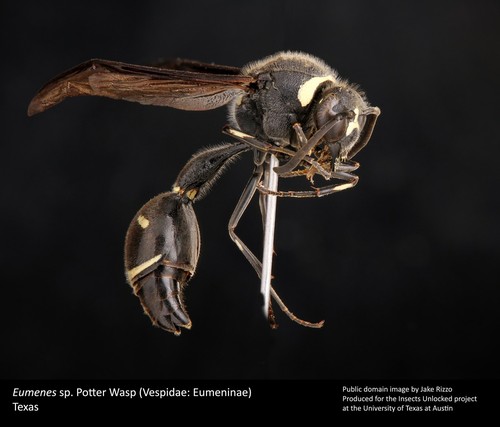
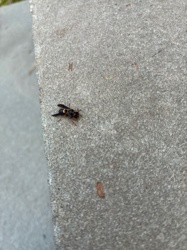
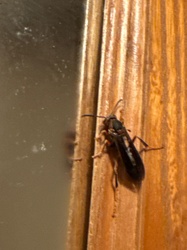
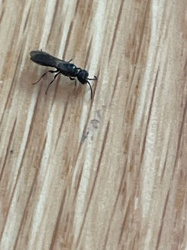
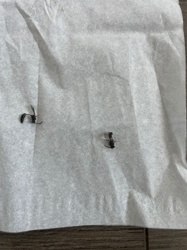
Potter Wasp identified by the community
Real finds identified with Bug Identifier.
Other bugs you may enjoy
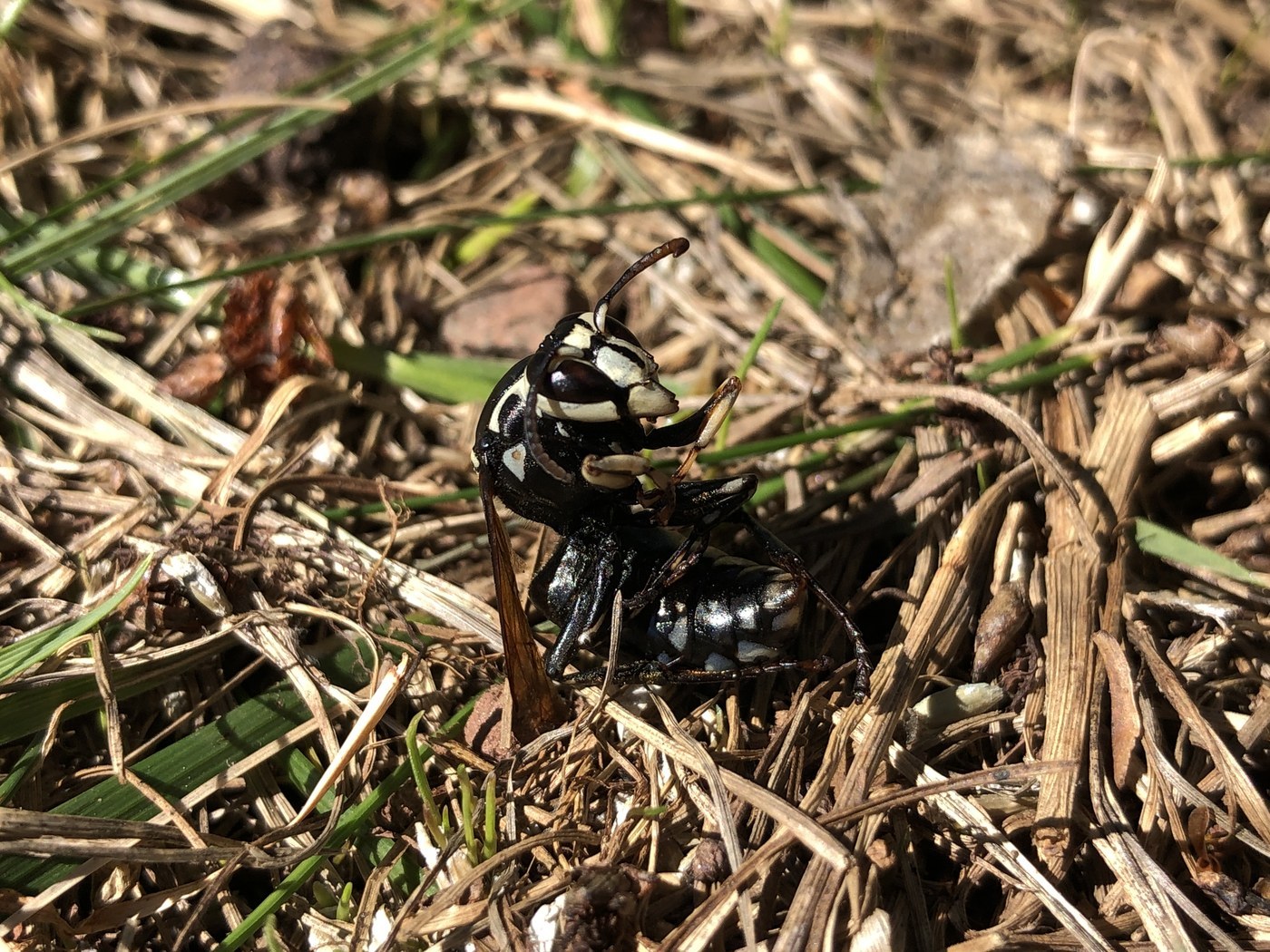
Bald-faced Hornet
Woodland edges, shrubs, and tree branches across North America
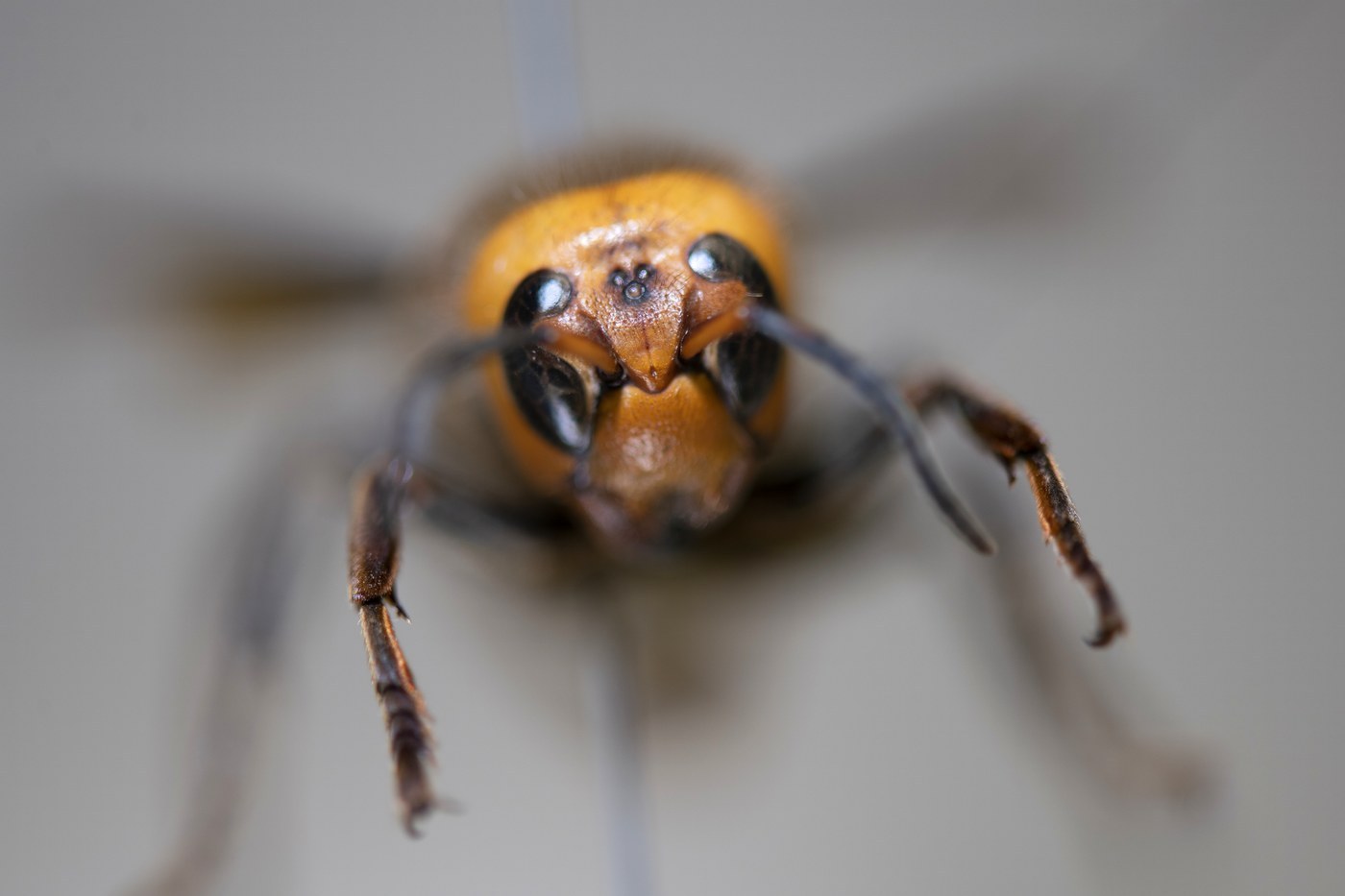
Asian Giant Hornet
Forested lowlands and mountains of East and South Asia; low tree hollows
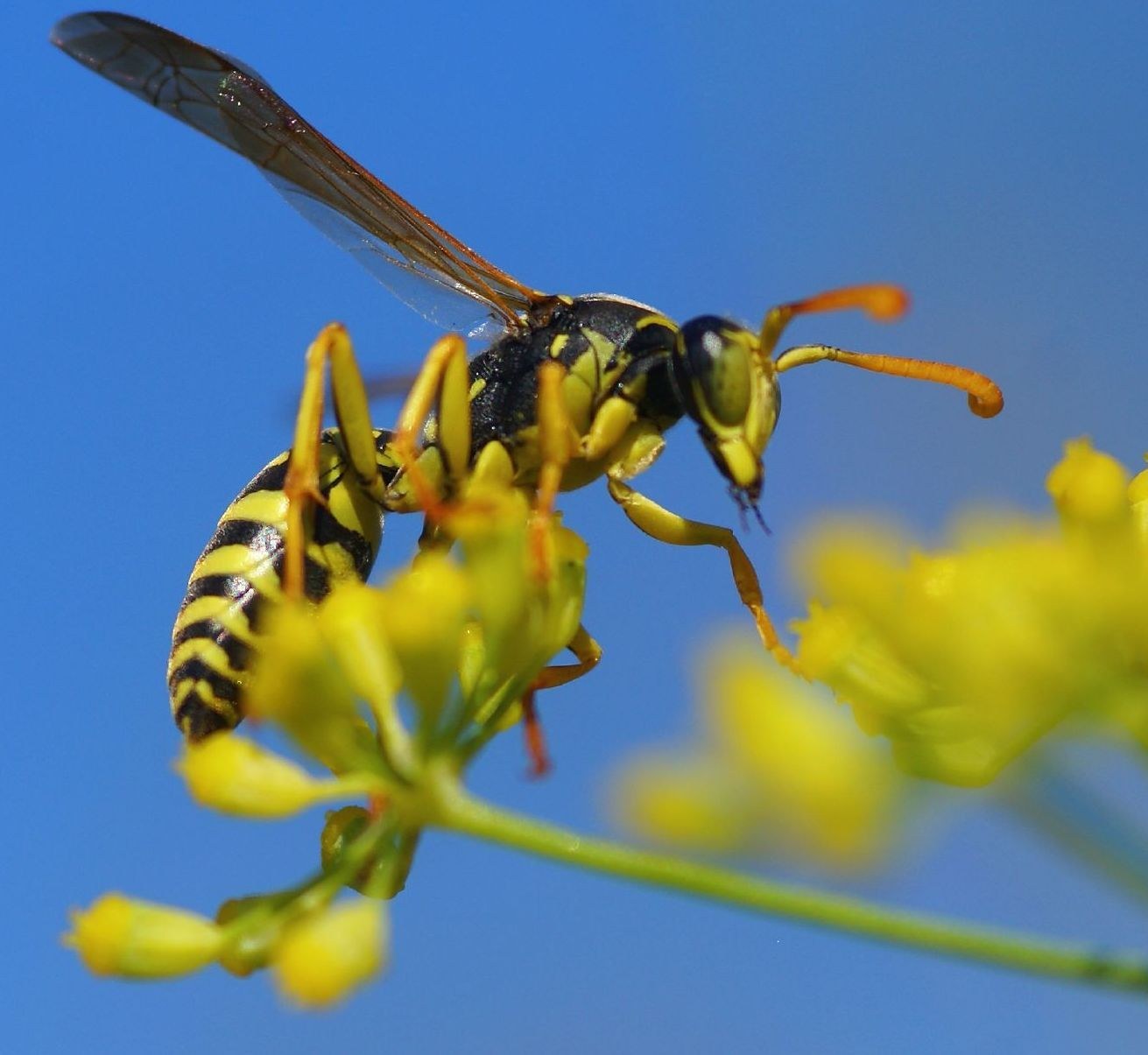
Yellowjacket
Underground nests, wall voids, gardens, picnic areas
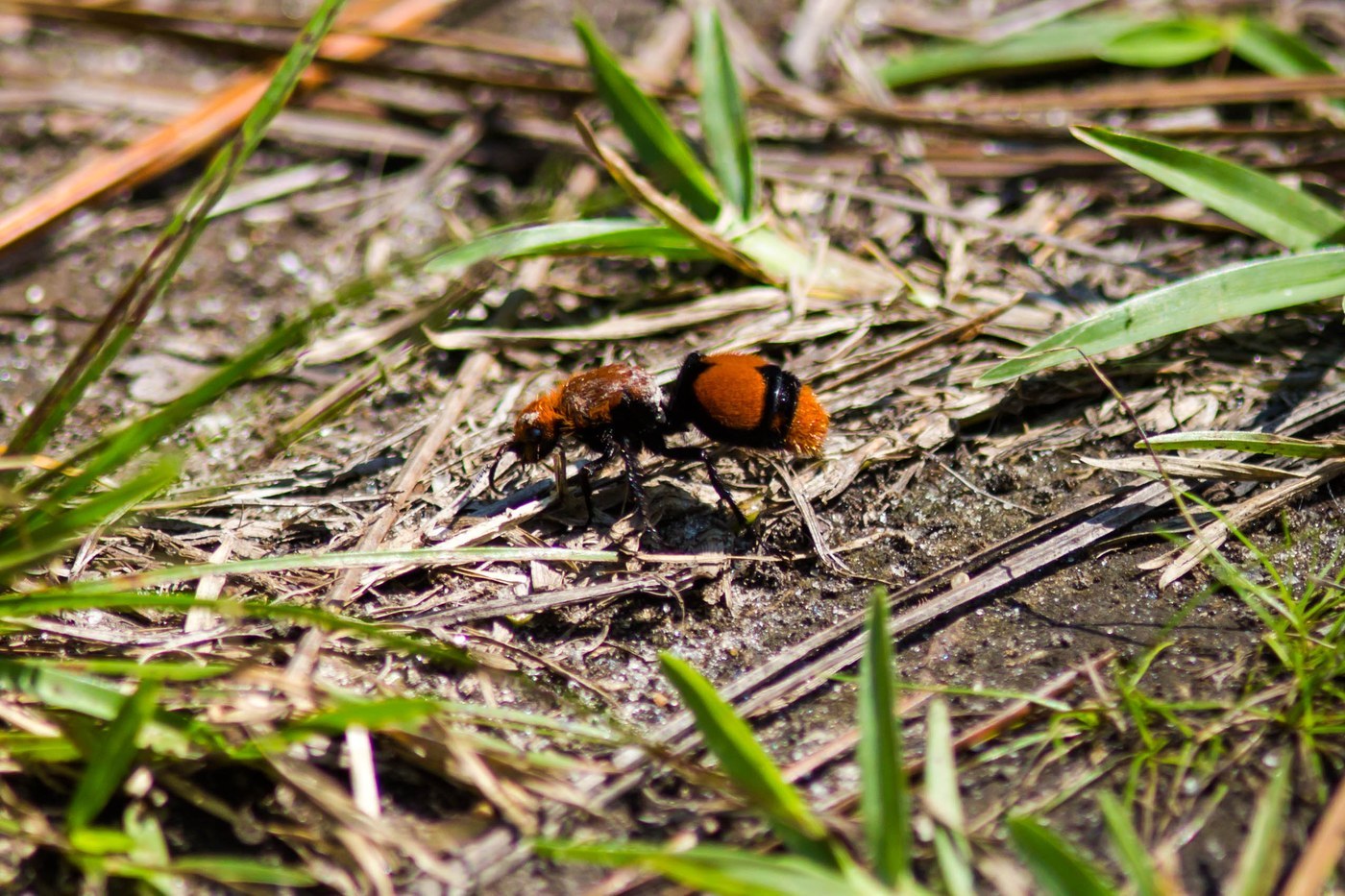
Velvet Ant
Sandy soils, open fields, dunes, roadsides in warm regions
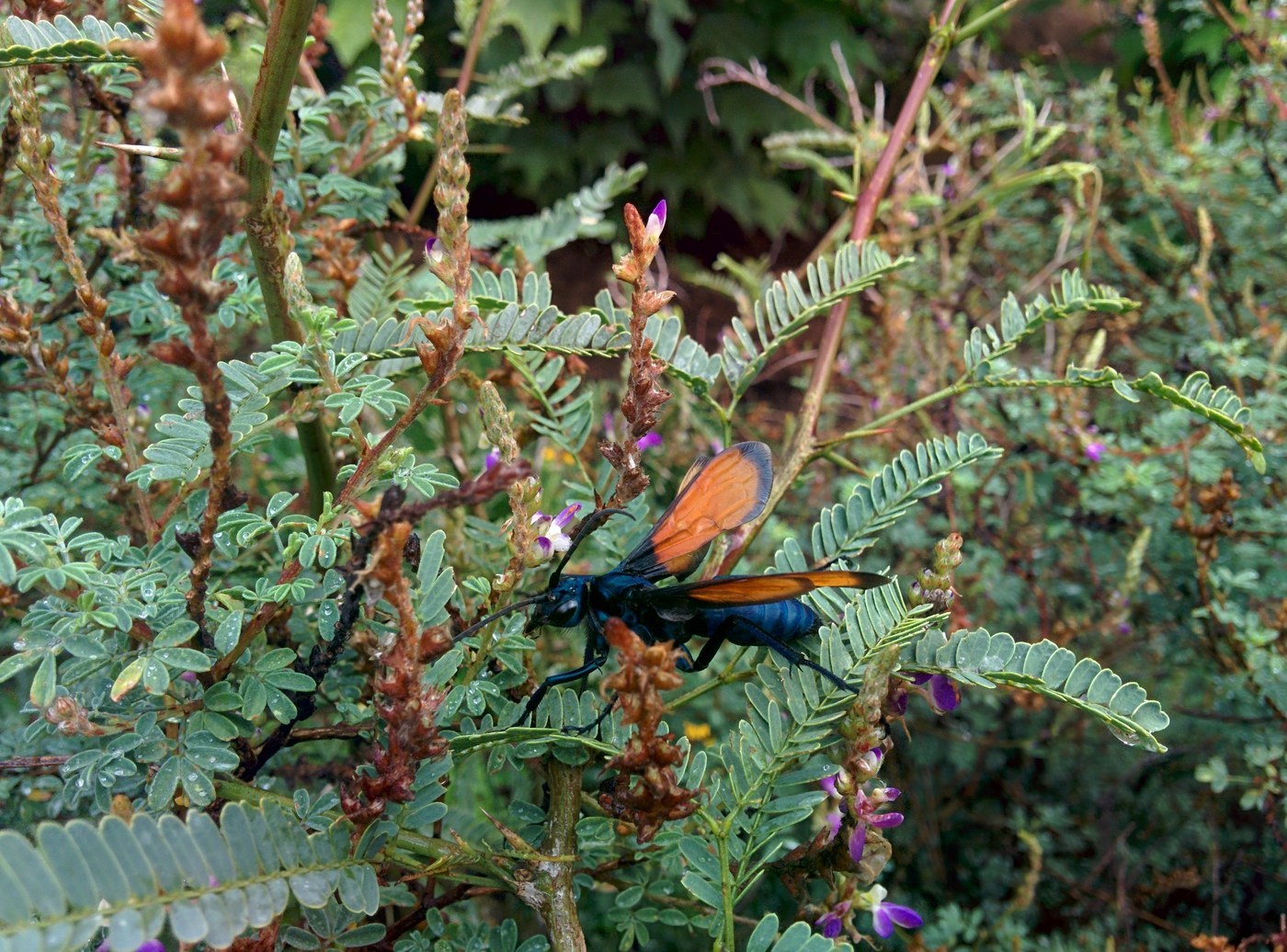
Tarantula Hawk
Deserts, arid scrublands, and dry grasslands
Tarantula Hawk Wasp
Deserts, grasslands, and scrub of the Americas
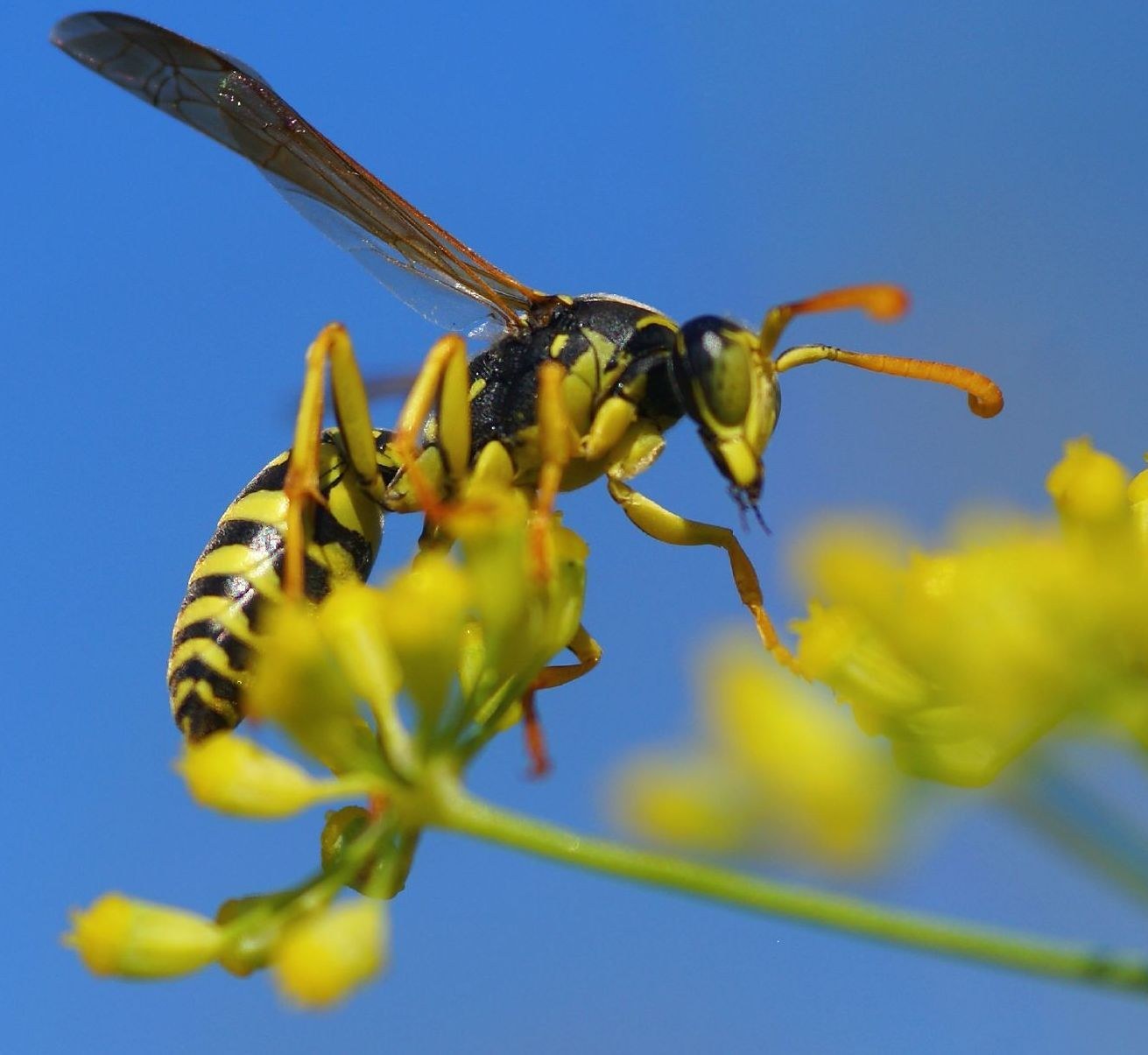
Wasp
Gardens, woodlands, eaves, and urban areas worldwide
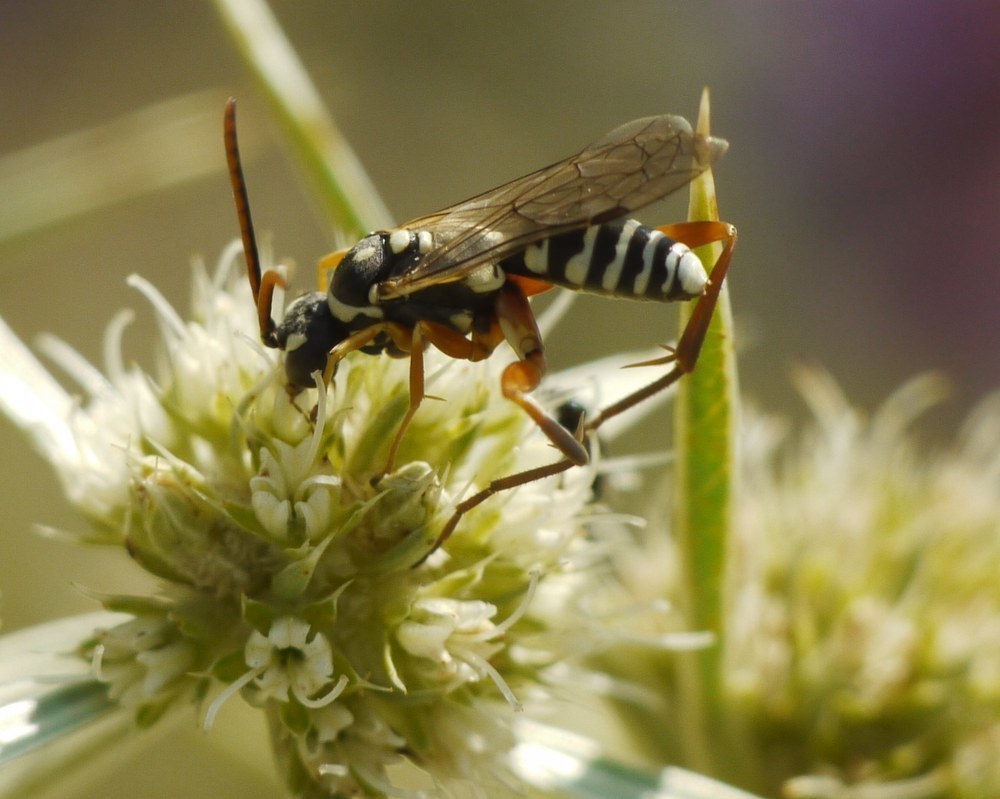
Spider Wasp
Gardens, grasslands, and sandy open areas worldwide
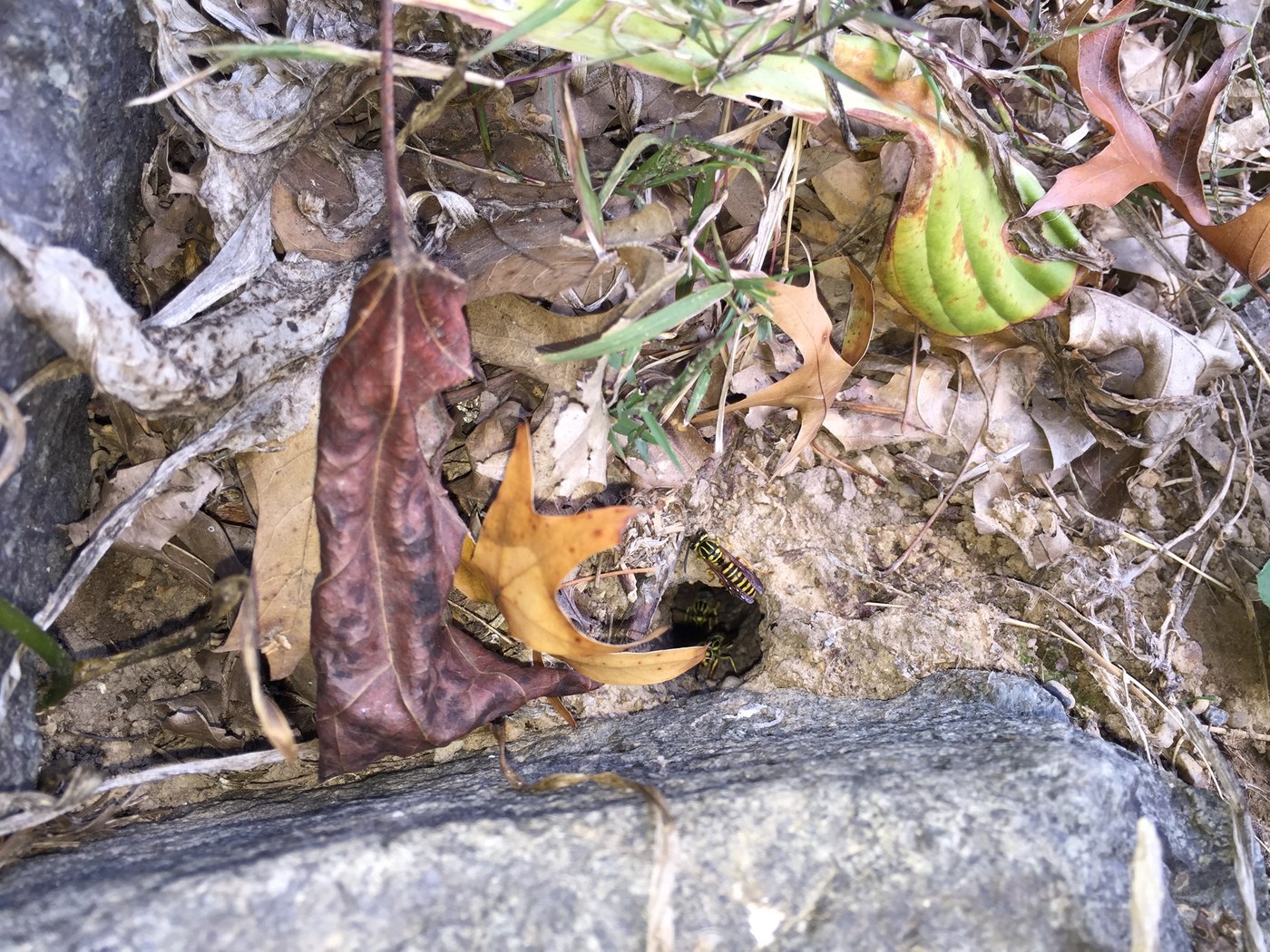
Yellow Jacket
Ground nests, wall voids, parks, and areas near food sources
Sawfly
Gardens, woodlands, and orchards on host foliage
Red Paper Wasp
Eaves, porch ceilings, sheds, open woodland edges, gardens
Trichogramma Wasp
Fields, gardens, and crops worldwide