
Purseweb Spider
Atypus spp.
A secretive, tube-dwelling spider that spends nearly its entire life hidden inside a silk-lined burrow extension camouflaged with soil and debris on the surface.
- Size
- Body length 10-15 mm, males somewhat smaller
- Habitat
- Burrows at the base of trees in woodland and grassy banks
- Danger
- Bites
Spotted a bug like this?
Identify any bug or insect from a photo, free.
Overview
Purseweb spiders are primitive mygalomorph spiders, related to tarantulas and trapdoor spiders, best known for their unusual hunting structure: a silk tube that extends from an underground burrow up the side of a tree trunk or along the ground surface, camouflaged with soil, moss, and debris so that it is almost invisible.
Rather than opening the tube to hunt, the spider remains inside the silk tube at all times, waiting for an insect to walk across the outer surface. When prey is detected through vibrations, the spider bites directly through the silk wall of the tube from the inside, pulls the prey in, and consumes it entirely within the sealed structure, only repairing the silk afterward.
This genus, Atypus, is found across parts of Europe, Asia, and North America, and represents one of the most ancient spider lineages, with a body plan and hunting strategy that has changed relatively little over tens of millions of years.
How to Identify
- Stout, cylindrical body with a glossy dark brown to blackish carapace, typical of mygalomorph spiders
- Large, robust downward-striking fangs (chelicerae) rather than the pincer-like fangs of true spiders
- Constructs a silk tube extending above ground, camouflaged with soil and plant debris, rather than an open web
- Rarely seen outside the tube, as the spider spends virtually its entire life sealed within its silk retreat
- Lookalikes include other mygalomorphs such as trapdoor spiders, distinguished by the purseweb spider's above-ground silk tube extension rather than a hinged burrow lid
Habitat & Range
Purseweb spiders dig burrows at the base of trees, on grassy banks, or in other well-drained soil in woodland and open habitats across parts of Europe, Asia, and eastern North America. The silk tube extends from the burrow entrance up a tree trunk or along the ground, disguised with attached soil particles and plant matter.
Behavior & Diet
The spider remains inside its silk tube at all times, sensing vibrations of insects walking on the outer surface. When prey is detected, it bites through the silk from within to seize and immobilize the insect, then repairs the puncture afterward. This unique bite-through-silk hunting method means the spider never fully exposes itself outside its retreat, making it one of the most rarely observed spiders despite sometimes being locally common.
Life Cycle
Females lay eggs within the safety of the silk tube and burrow, where the young remain protected during early development. Spiderlings eventually disperse to dig their own burrows and construct their own silk tubes nearby. Growth to maturity is slow, often taking several years, consistent with the long lifespans typical of mygalomorph spiders, with females capable of living considerably longer than males.
Frequently asked questions
How does a purseweb spider catch prey without leaving its tube?
It waits inside the silk tube and, upon detecting an insect walking on the surface, bites directly through the silk wall from within to seize and pull the prey inside.
Why is it so rarely seen?
It spends virtually its entire life sealed inside its camouflaged silk tube, only rarely exposed, such as during mate searching by males.
Is the purseweb spider related to tarantulas?
Yes, it belongs to the mygalomorph group of spiders, which includes tarantulas and trapdoor spiders, sharing features such as downward-striking fangs.
Purseweb Spider guides
In-depth guides for identifying, understanding, and living alongside Purseweb Spider.
Other bugs you may enjoy
Woodlouse Spider
Damp leaf litter, under logs, stones, and mulch
Wolf Spider
Gardens, grasslands, forests, leaf litter, ground burrows
Wandering Spider
Tropical and subtropical forest floor, foliage, and banana plants
Banded Garden Spider
Tall grass, meadows, and gardens with open sunny vegetation
Banana Spider
Wooded trails, forest edges, and gardens across the southeastern U.S. and the American tropics
Sydney Funnel-web Spider
Burrows in moist soil, gardens, and forested gullies around the Sydney basin of eastern Australia
Trapdoor Spider
Self-dug silk-lined burrows with a camouflaged door, in dry, well-drained soil worldwide
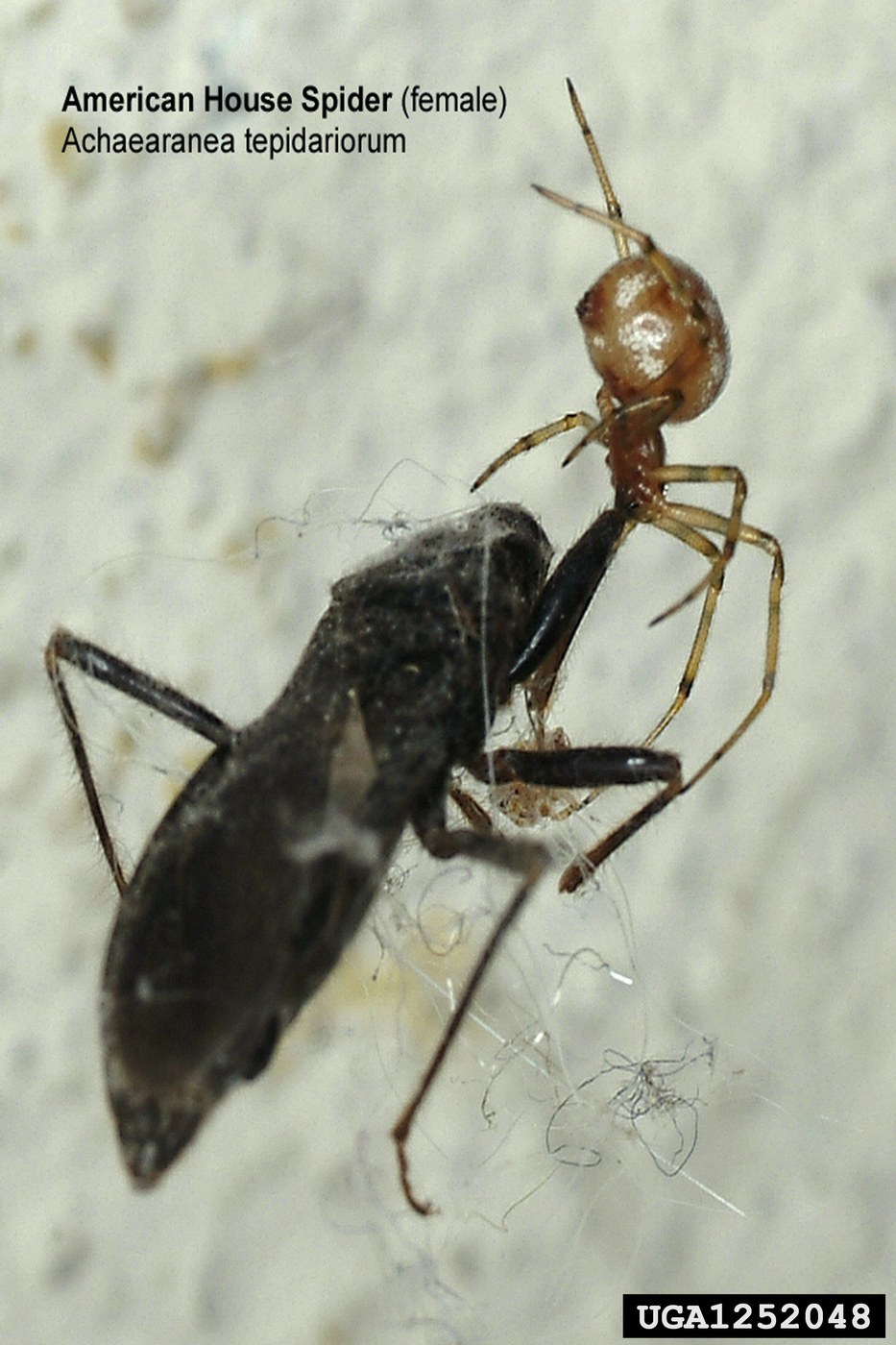
American House Spider
Corners, basements, garages, and outbuildings worldwide
Tube Web Spider
Wall crevices, bark, rockeries, and masonry
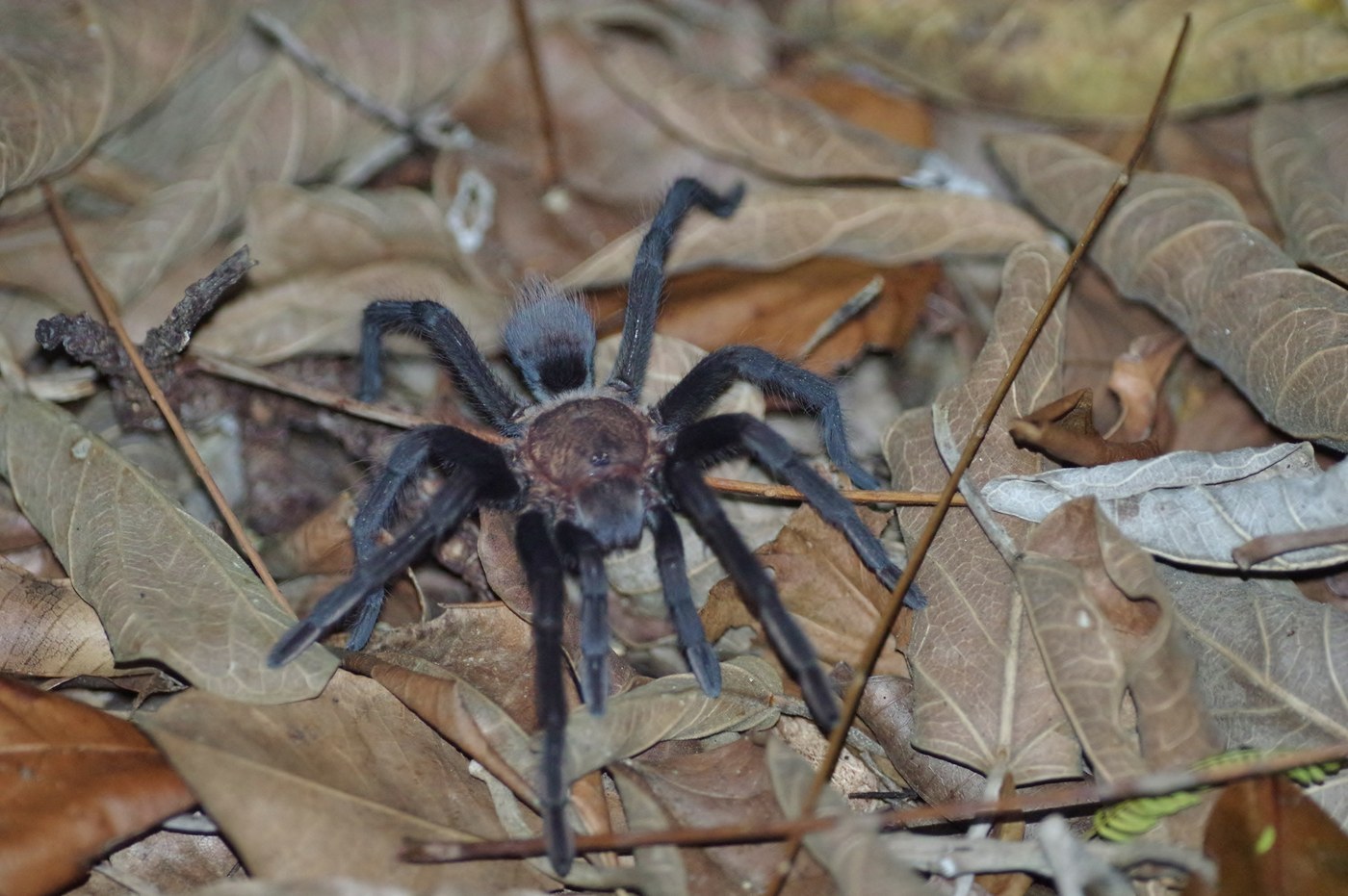
Tarantula
Burrows, rock crevices, and tree hollows in deserts, grasslands, and tropical forests worldwide
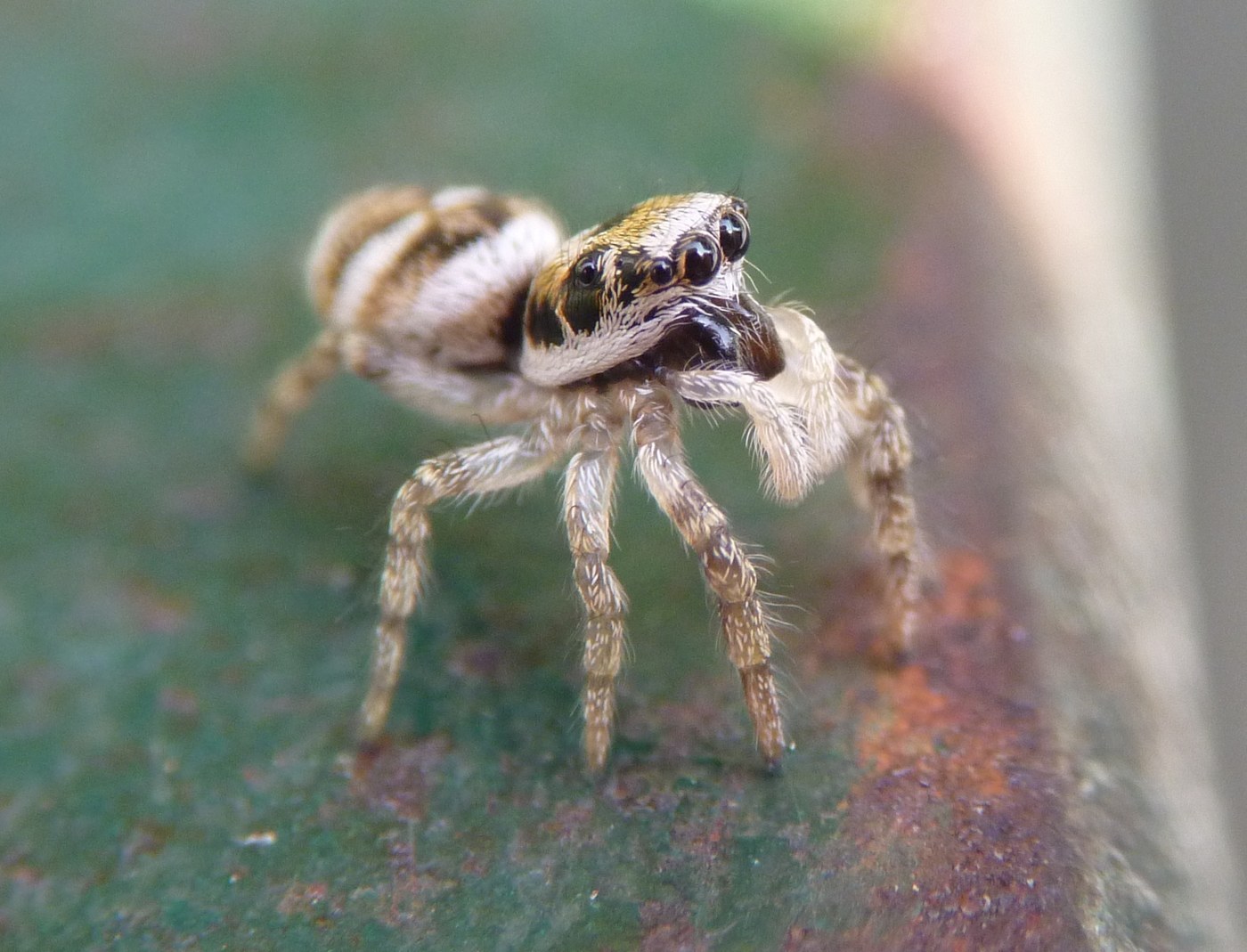
Zebra Jumping Spider
Sunny walls, fences, tree bark, and building exteriors
Wall Spider
Cracks and crevices on exterior and interior walls