
Riffle Beetle
Optioservus spp.
Tiny and unassuming, riffle beetles cling tightly to submerged rocks in swift, clean streams for their entire lives, making them one of the most reliable living indicators of healthy water.
- Size
- 2-5 mm (0.08-0.2 in), very small
- Habitat
- Fast-flowing, well-oxygenated stream riffles
- Danger
- Harmless
Spotted a bug like this?
Identify any bug or insect from a photo, free.
Overview
Riffle beetles are a family (Elmidae) of small, dull-colored aquatic beetles that spend both their larval and adult lives clinging to rocks and gravel in fast, well-aerated stretches of streams known as riffles. Unlike most aquatic beetles, which surface periodically to breathe air, riffle beetles rely on a permanent layer of air held against fine hairs on the body (a plastron) that allows them to extract dissolved oxygen directly from the water, meaning they never need to leave the stream to breathe.
Because they require consistently high oxygen levels and cannot tolerate silt, pollution, or warm, stagnant conditions, riffle beetles are widely used by biologists as bioindicators of stream health. Their presence in a survey sample is generally taken as a positive sign of good water quality, while their absence can point to degraded conditions. Both larvae and adults are found in the same riffle habitats, often side by side, feeding on algae and decaying organic matter coating the rocks.
How to Identify
- Very small, elongated to oval body, usually dull brown, gray, or blackish, sometimes with fine ridging on the wing covers
- Six short, strongly clawed legs adapted for gripping smooth or rough rock surfaces in current
- Larvae are elongated, cylindrical, and armored, with a similar clinging posture to the adults
- Both life stages are found underwater simultaneously, unlike beetles that pupate on land
- Distinguished from similarly sized water pennies (beetle larvae of a different family) by a more elongated, less disc-like body shape
Habitat & Range
Riffle beetles are restricted to cool, fast-flowing, highly oxygenated sections of streams and rivers, clinging to the underside of rocks, gravel, and coarse woody debris. They are found on every continent except Antarctica, generally in clean headwater and mid-order streams rather than ponds or lakes.
Behavior & Diet
Both larvae and adults graze on the thin film of algae, diatoms, and decaying organic matter (biofilm) coating submerged rocks, playing a role in recycling nutrients within stream ecosystems. Their permanent underwater lifestyle and reliance on a plastron for gas exchange make them extremely sensitive to changes in water chemistry, oxygen levels, and sedimentation. Riffle beetles move slowly and deliberately, clinging tightly to substrate to avoid being swept away by current.
Life Cycle
Females lay eggs on submerged rocks or debris within riffle habitat. The aquatic larvae hatch and continue living and feeding on the same rock surfaces as the adults, undergoing several instars over months to more than a year depending on species and water temperature. Unusually among aquatic beetles, riffle beetle larvae typically pupate in a chamber near the water's edge, after which the newly emerged adult beetle returns directly to the water rather than dispersing widely by flight.
Frequently asked questions
Why are riffle beetles considered indicators of clean water?
They rely on a permanent air layer (plastron) to absorb dissolved oxygen and cannot survive in silty, warm, or polluted water, so their presence generally signals a healthy, well-oxygenated stream.
Do riffle beetles need to surface to breathe?
No, they hold a thin permanent film of air against fine body hairs that lets them exchange gases directly with the water, so they remain submerged their entire lives.
How can I find riffle beetles?
Look on the underside of rocks and gravel in fast-flowing, riffle sections of clean streams, since they cling tightly to hard surfaces in current.
Are riffle beetle larvae different from the adults?
Both are elongated and armored for clinging to rock surfaces, but larvae are more cylindrical and lack the hardened wing covers of the adult beetle.
Riffle Beetle guides
In-depth guides for identifying, understanding, and living alongside Riffle Beetle.
Other bugs you may enjoy
American Carrion Beetle
Forests, fields, and roadsides across North America, near decaying animal carcasses
Asparagus Beetle
Asparagus patches, gardens, and farm fields
Asian Lady Beetle
Gardens, crop fields, woodlands, buildings
Acorn Weevil
Oak woodlands and forests, on and beneath oak trees
Wireworm
Soil of grasslands, gardens, and cultivated fields worldwide
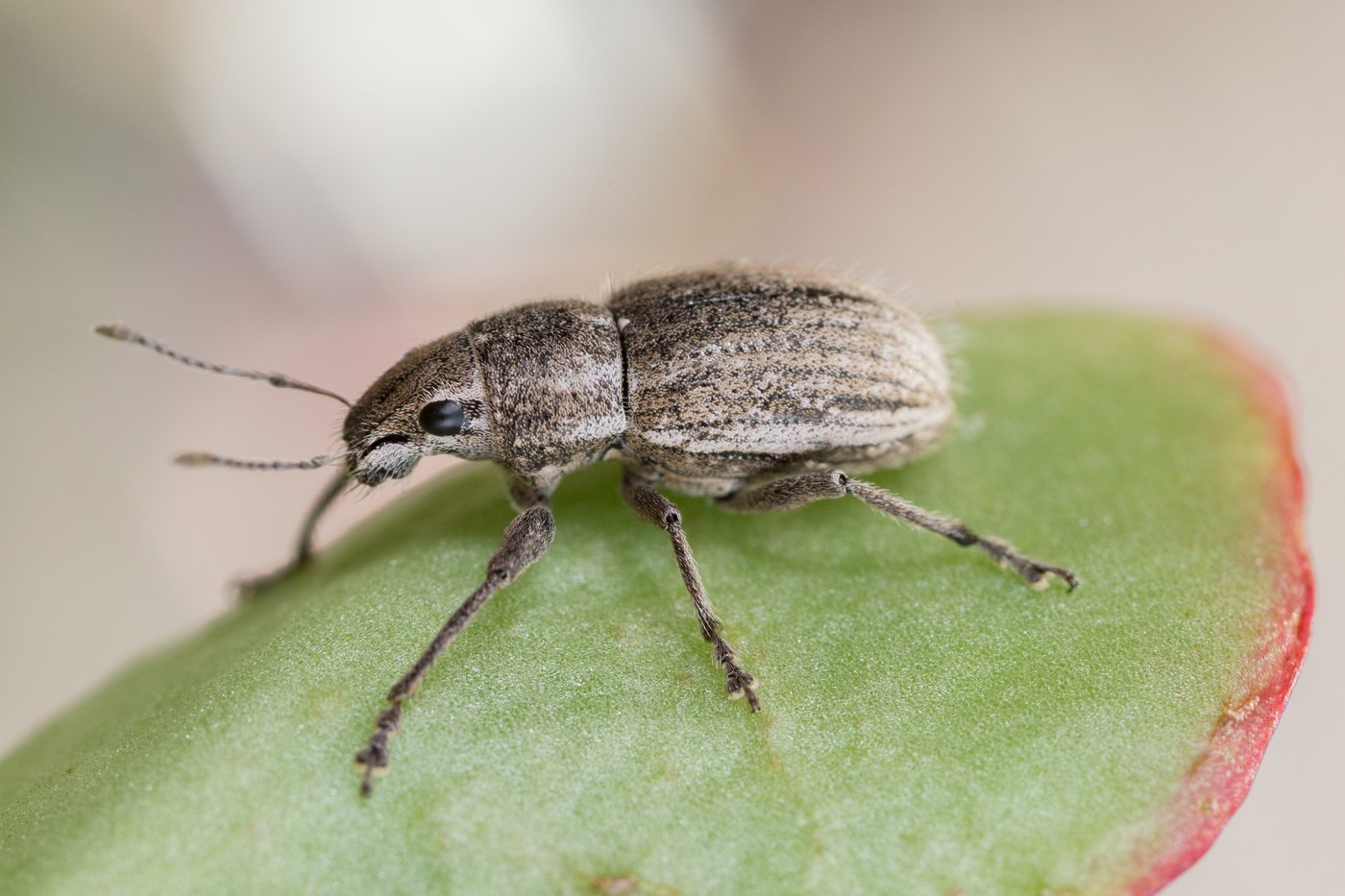
Whitefringed Beetle
Pastures, row crops, lawns, disturbed soils
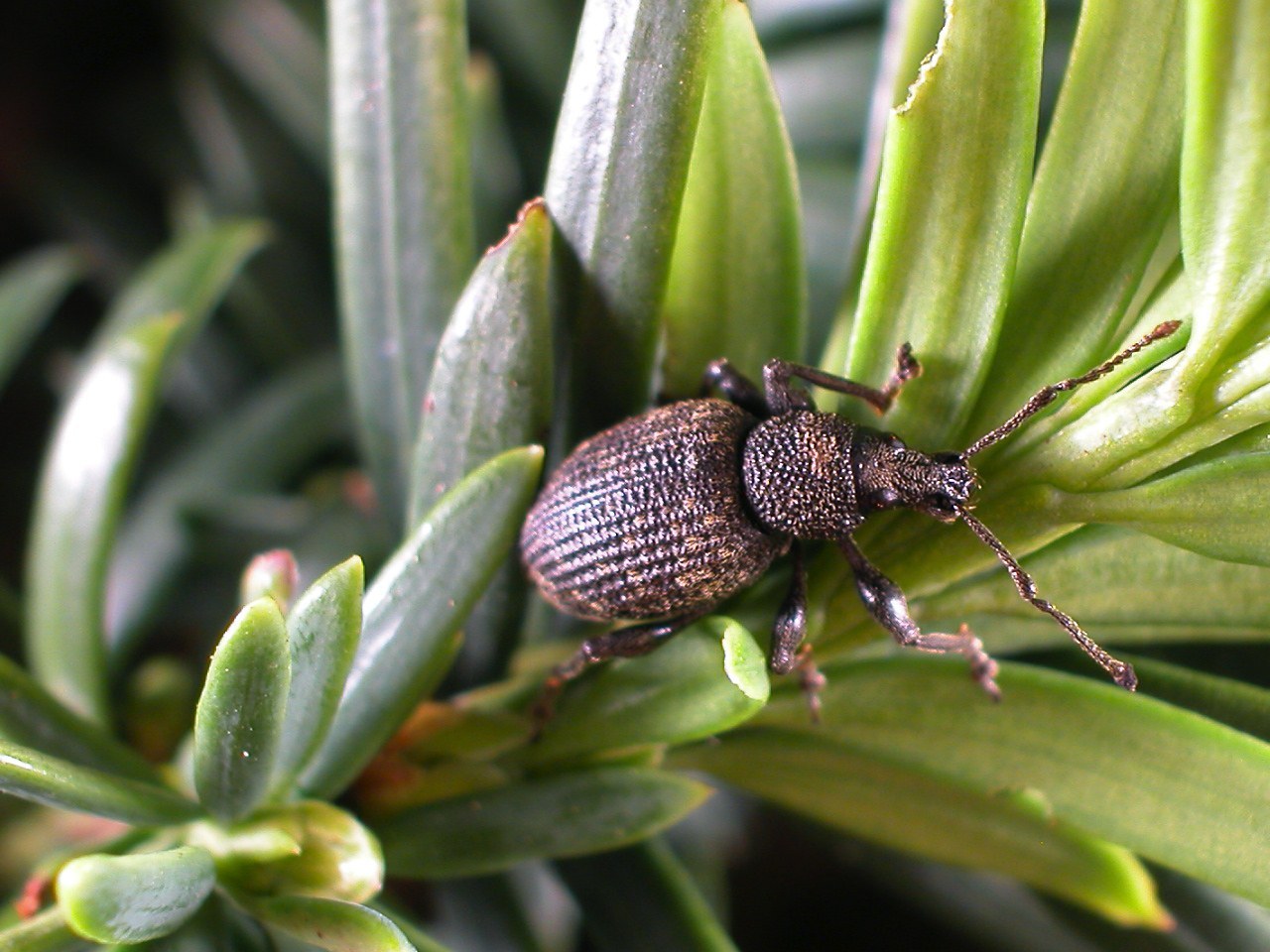
Vine Weevil
Gardens, nurseries, greenhouses, and container plantings
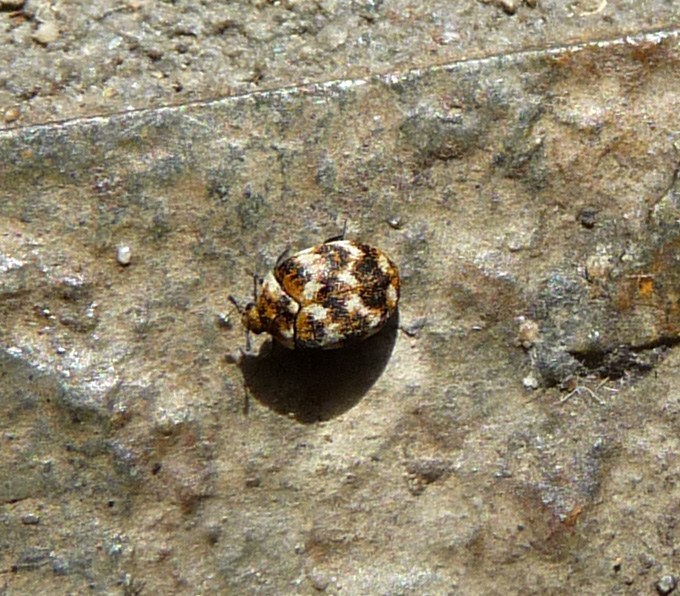
Varied Carpet Beetle
Homes, nests of birds and mammals, and flowers outdoors
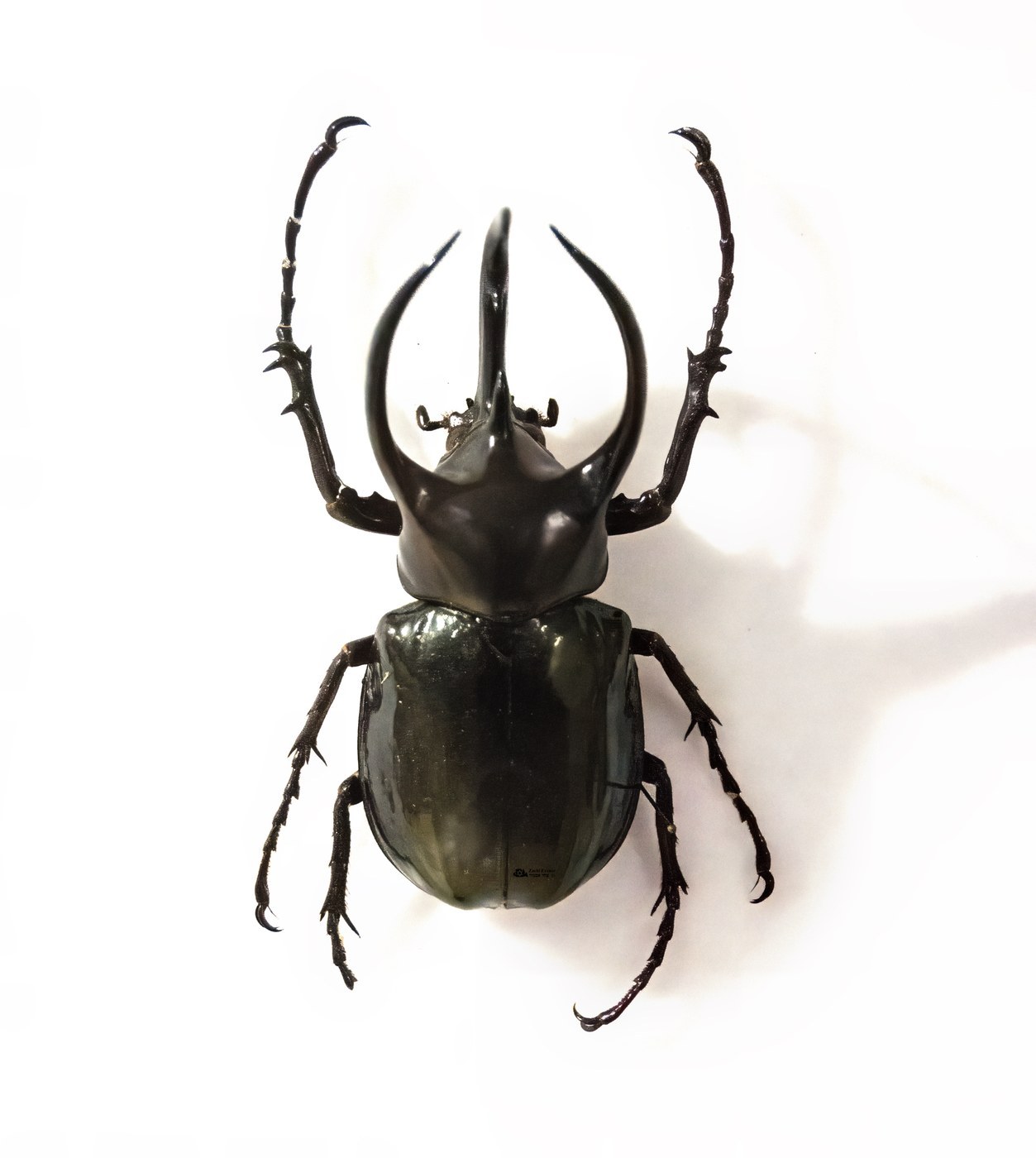
Atlas Beetle
Tropical forests of Southeast Asia
Titan Beetle
Amazon rainforest of South America
Ten-lined June Beetle
Sandy soils, pine forests, and orchards of western North America
Squash Beetle
Vegetable gardens and fields growing squash, pumpkin, and other cucurbits