
Phantom Midge Larva
Chaoborus spp.
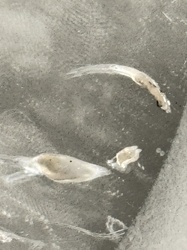
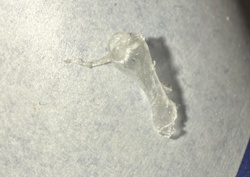
Almost invisible in open water, the phantom midge larva is a slender, transparent predator that drifts through the water column, using a pair of internal gas-filled sacs to hover at precise depths while hunting tiny prey.
- Size
- 8-15 mm
- Habitat
- Open water of ponds and lakes
- Danger
- Harmless
Spotted a bug like this?
Identify any bug or insect from a photo, free.
Overview
The phantom midge larva, often called a glassworm for its near-total transparency, is the aquatic larval stage of a small, non-biting midge. Unlike most other midge larvae that cling to the bottom or vegetation, phantom midge larvae live suspended in open water, drifting through the water column of ponds and lakes largely unseen by predators thanks to their glass-clear bodies.
These larvae are active predators of other small planktonic organisms, using a pair of hooked, prehensile antennae to seize prey such as tiny crustaceans and other insect larvae. They possess two pairs of gas-filled sacs within their body that function like swim bladders, allowing them to hover motionlessly at a chosen depth or adjust their buoyancy to rise and sink through the water column.
Many populations of phantom midge larvae exhibit a striking daily vertical migration, remaining near the bottom of a pond or lake during daylight to avoid visually hunting fish, then rising toward the surface at night to feed on plankton under cover of darkness. This behavior makes them an important, if rarely seen, link in freshwater food webs.
How to Identify
- Slender, elongated, worm-like body 8-15 mm long, almost completely transparent or glassy in appearance, giving rise to the name 'glassworm'
- Two pairs of dark, gas-filled sacs visible within the body, used for buoyancy control
- Pair of prehensile, hook-tipped antennae near the head used to grasp prey, unusual among midge larvae
- Lacks the fleshy prolegs seen in many other midge larvae
- Found suspended in open water rather than attached to substrate or vegetation
- Distinguished from non-biting midge larvae (bloodworms) by its transparency and open-water habit, versus the reddish, bottom-dwelling bloodworm
Habitat & Range
Phantom midge larvae live in the open water of ponds and lakes worldwide, particularly water bodies with a distinct deeper zone where they can retreat during the day. They are most abundant in nutrient-rich, well-vegetated ponds and lakes and are present from spring through autumn in temperate regions, with some species overwintering as larvae in bottom sediments.
Behavior & Diet
Phantom midge larvae are active predators of zooplankton and other small aquatic invertebrates, capturing prey with their hooked antennae as they drift through open water. Many populations perform a pronounced daily vertical migration, sinking to darker, deeper water during the day to avoid detection by sight-feeding fish and rising toward the surface at night to hunt more freely. Their internal gas-filled sacs allow fine control over buoyancy, letting them hover in place or move vertically with minimal effort, a highly specialized adaptation among aquatic insect larvae. They serve as an important food source for fish and other predators despite their near invisibility.
Life Cycle
Females lay egg masses on the water's surface, which sink and hatch into the free-swimming, planktonic larvae. The larvae pass through four instars while drifting in open water, feeding on other plankton and growing over the course of weeks to months, often overwintering as larvae in colder climates. When fully developed, the larva transforms into a brief, active pupal stage that also drifts near the surface, and the adult non-biting midge, a small, delicate fly, emerges to mate and disperse, typically living only a few days as an adult.
Frequently asked questions
Why is the phantom midge larva called a glassworm?
Its body is almost completely transparent, making it very difficult to see in open water, hence the nickname 'glassworm.'
How does a phantom midge larva control its depth in the water?
It has two pairs of internal gas-filled sacs that act like tiny swim bladders, allowing it to hover or move vertically through the water column.
What does a phantom midge larva eat?
It preys on small planktonic organisms such as tiny crustaceans, capturing them with a pair of hooked, prehensile antennae.
Is a phantom midge the same as a mosquito?
No, phantom midges belong to a different family (Chaoboridae) and their larvae are predators of other plankton rather than filter feeders, and the adults do not bite.
Phantom Midge Larva guides
In-depth guides for identifying, understanding, and living alongside Phantom Midge Larva.
Phantom Midge Larva identified by the community
Real finds identified with Bug Identifier.
Other bugs you may enjoy
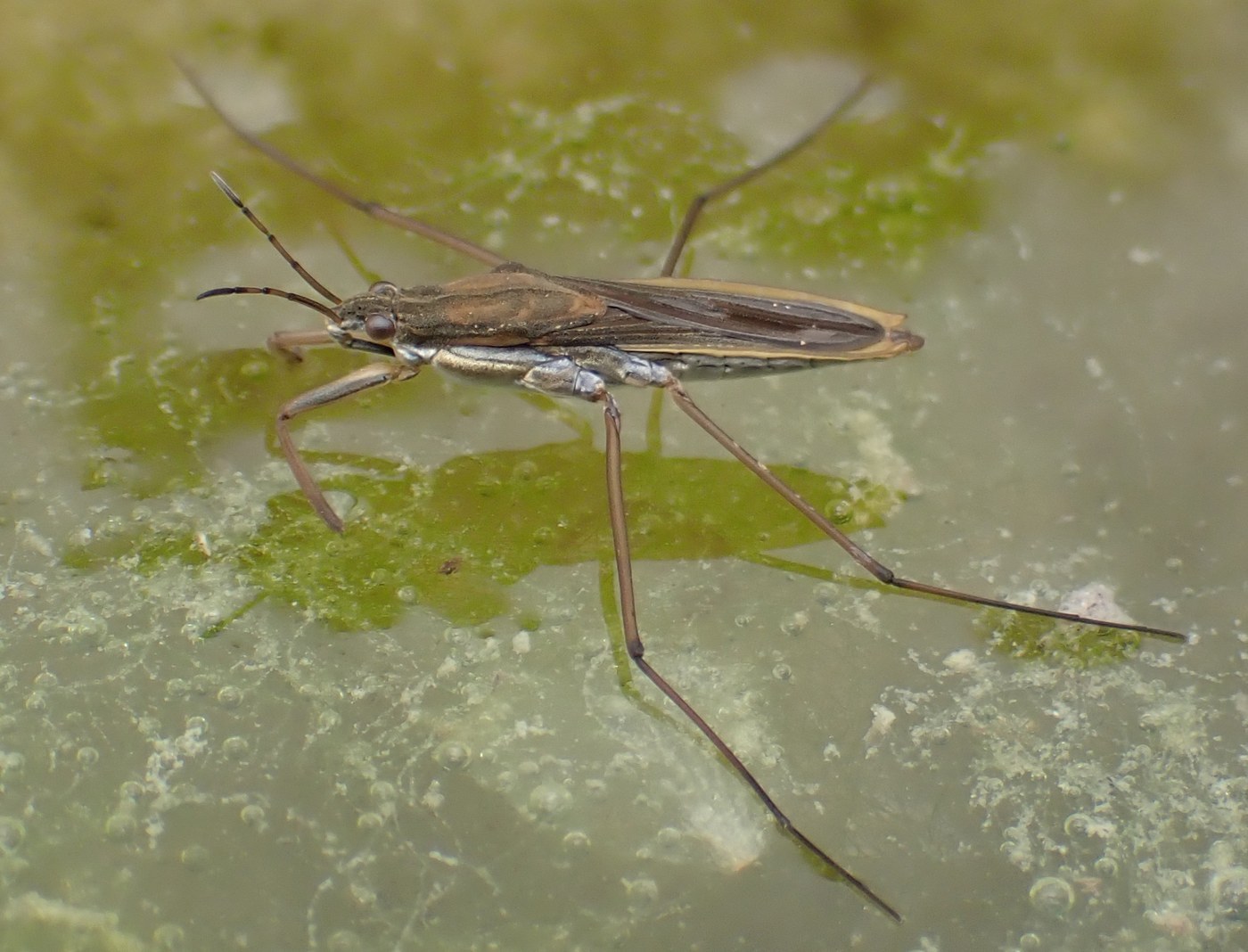
Water Strider
Still or slow-moving fresh water: ponds, lake edges, slow streams, puddles
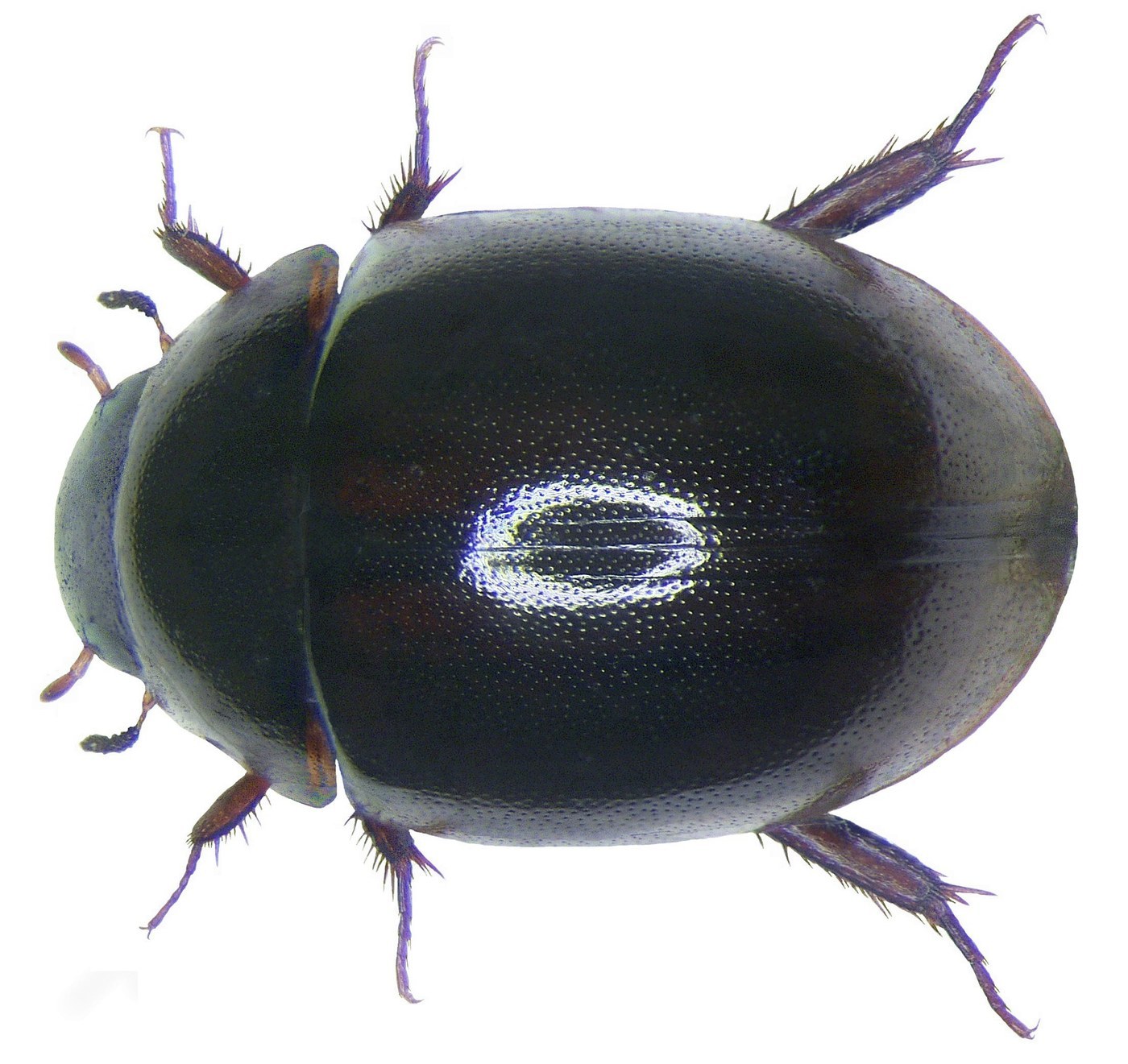
Water Beetle
Ponds, slow streams, marshes, still fresh water
Water Penny Beetle
Fast, rocky, well-oxygenated streams
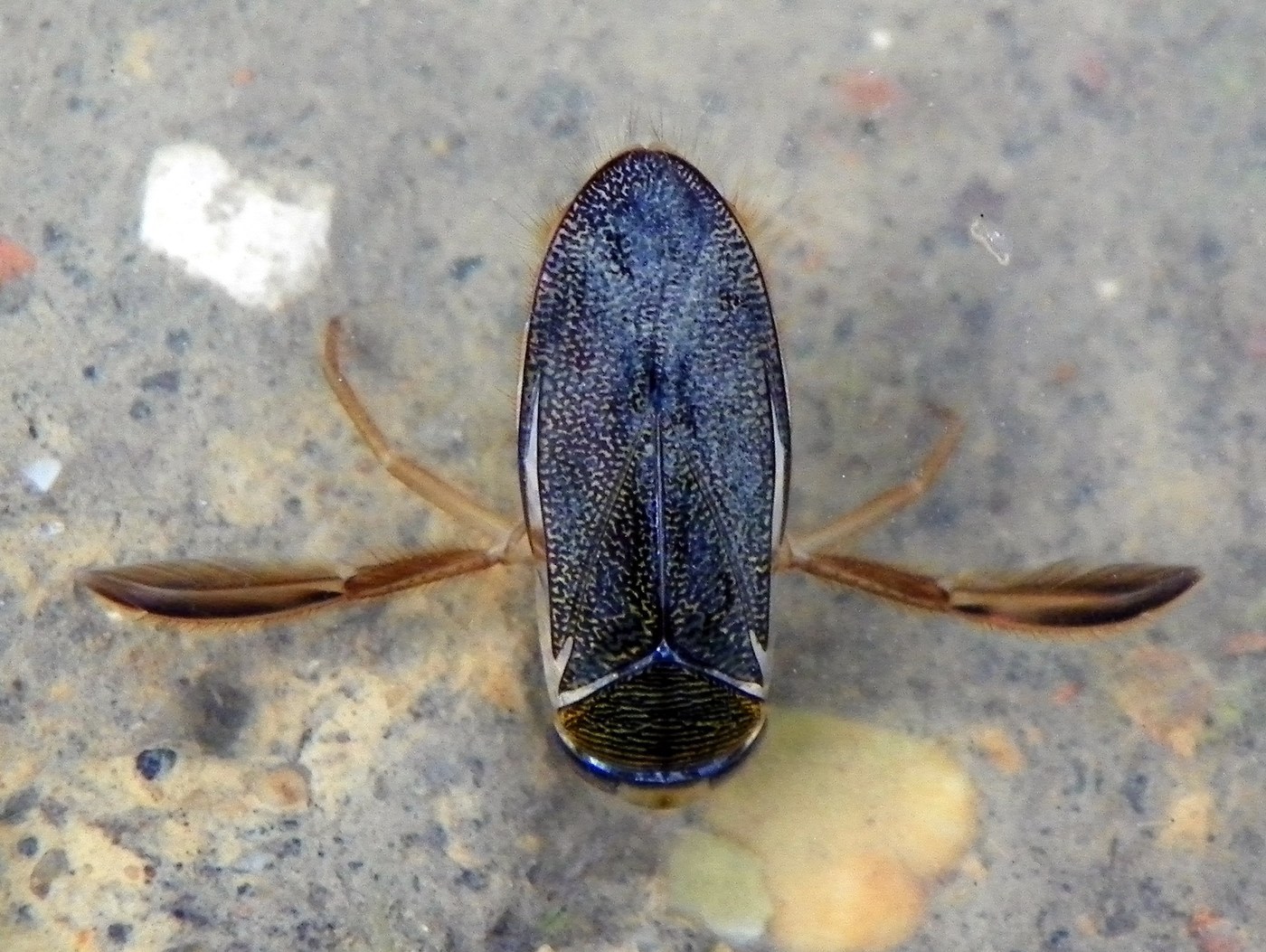
Water Boatman
Ponds, lakes, slow streams, freshwater with vegetation
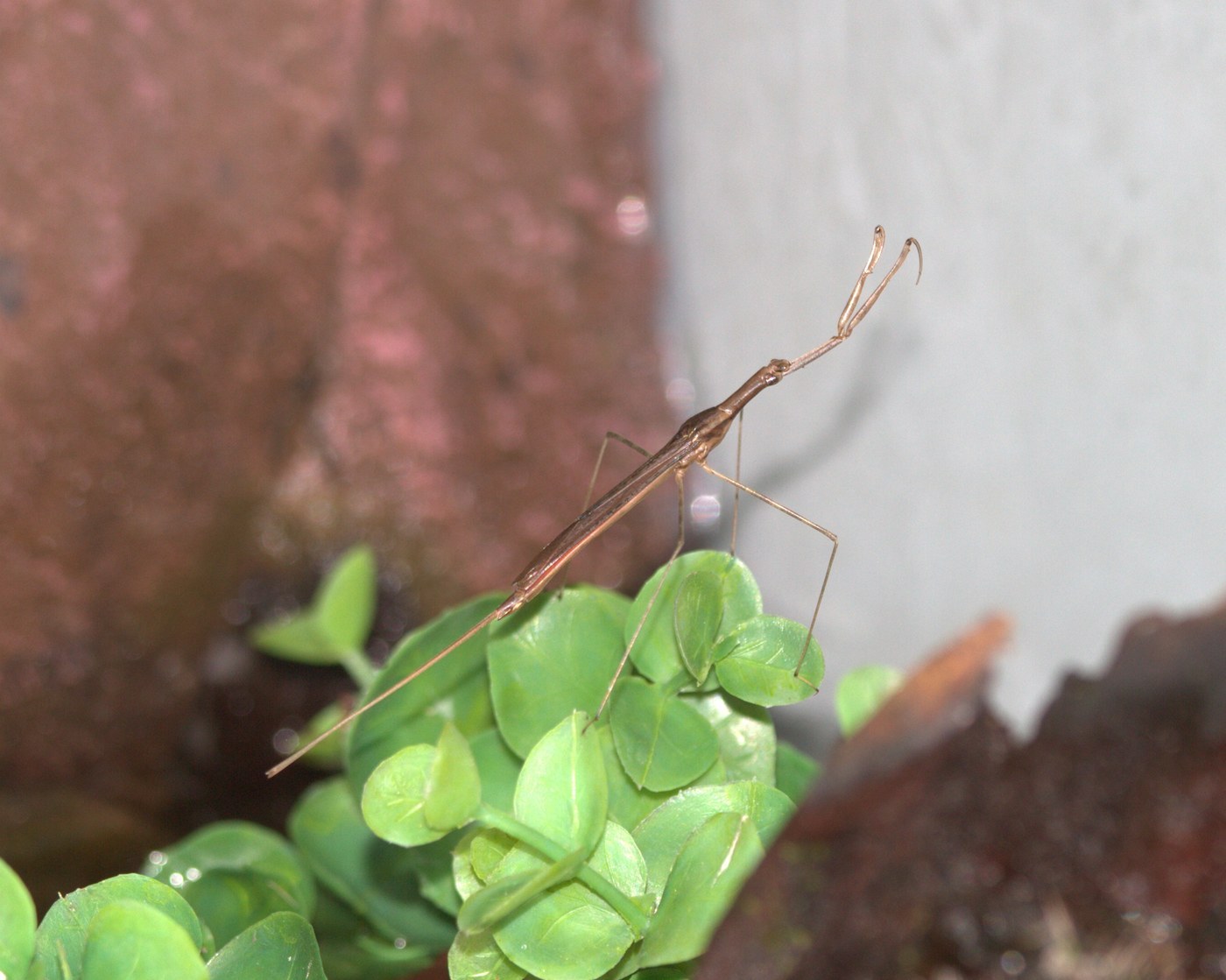
Water Scorpion
Still or slow-moving water with submerged vegetation
Stonefly
Cold, clean, well-oxygenated streams and rivers
Stonefly Nymph
Cold, fast-flowing, well-oxygenated streams
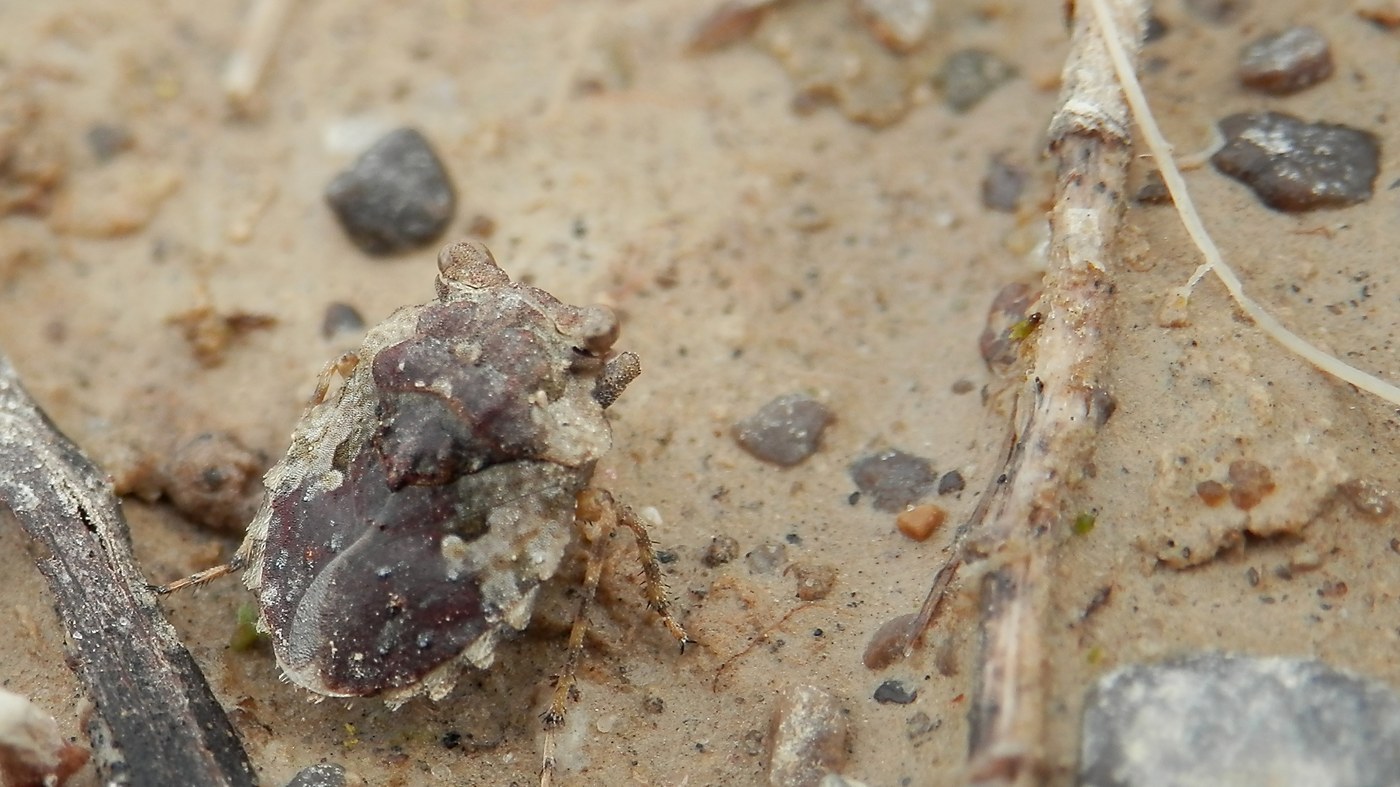
Toad Bug
Muddy or sandy shorelines of ponds, streams, and rivers
Soldier Fly Larva
Ponds, marshes, and slow streams with organic sediment
Mosquito Larva
Standing water in ponds, ditches, containers, and puddles
Whirligig Beetle
Surface of ponds, lakes, and slow streams
Rat-Tailed Maggot
Stagnant, oxygen-poor water such as manure pools, drains, and compost