
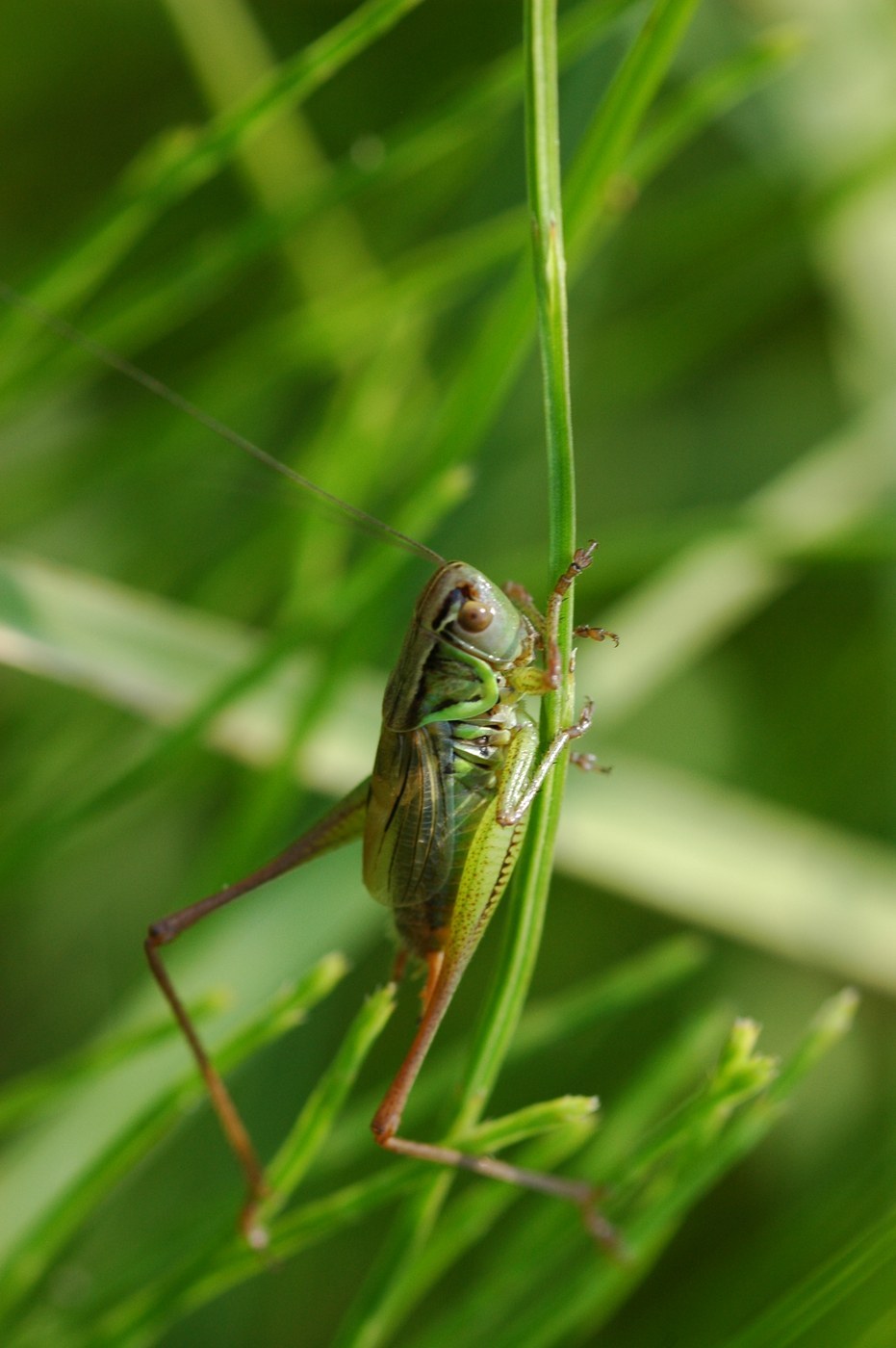
Roesel's Bush Cricket
Roeseliana roeselii
Marked with a pale cream border along its thorax, this compact bush cricket produces a continuous, high-pitched, buzzing song reminiscent of an electrical hum from dense summer grass.
- Size
- Adults roughly 1.5-2.3 cm long
- Habitat
- Damp grasslands, meadows, and roadside verges
- Danger
- Harmless
Spotted a bug like this?
Identify any bug or insect from a photo, free.
Overview
Roesel's bush cricket is a compact, robust species readily identified by the pale cream or yellowish border edging its pronotum, the shield-like plate covering its thorax. Body coloration ranges from green to brown, often with a mottled pattern that helps it blend into grassy vegetation.
Originally more localized in distribution, this species has expanded its range considerably across parts of Europe in recent decades, now commonly found in damp grasslands, meadows, and roadside verges. Males are known for producing a continuous, high-pitched, buzzing song that can persist for extended periods on warm days, and while most individuals have short wings, some develop long-winged forms capable of dispersal flight.
How to Identify
- Compact, robust body, typically green to brown with a mottled pattern
- Distinctive pale cream or yellowish border along the edge of the pronotum, the shield-like plate on the thorax
- Most individuals have short wings that do not reach the tip of the abdomen, though occasional long-winged forms occur
- Long, thin antennae typical of bush crickets
- Females have a relatively short, slightly upcurved ovipositor
- Distinguished from similar bush crickets primarily by the pale-edged pronotum marking
Habitat & Range
This species is found across much of northern, central, and eastern Europe, including the UK where it has expanded its range significantly in recent decades. It favors damp, tussocky grasslands, meadows, marsh edges, and roadside verges with tall grass, and is most active and vocal from mid-summer through early autumn.
Behavior & Diet
Roesel's bush cricket feeds on a mix of grasses, other plant material, and small invertebrates, reflecting an omnivorous diet typical of many bush crickets. Males produce a distinctive, continuous, high-pitched buzzing song, often compared to the hum of an electrical wire, from within grass tussocks to attract females during warm weather. While most individuals are short-winged and largely sedentary, environmental pressures such as crowding or high temperatures can trigger the development of long-winged forms capable of dispersal flight, helping the species colonize new areas. Within grassland ecosystems, it contributes to natural insect population dynamics both as a consumer and as prey for birds and other predators.
Life Cycle
Females deposit eggs into plant stems or soil near the base of grass tussocks, where they overwinter before hatching the following spring. Nymphs resemble smaller, wingless versions of adults and develop through several molts over the summer, with wing pads becoming functional wings, whether short or long form, by the final molt. There is no pupal stage, consistent with incomplete metamorphosis. Adults are typically present from mid-summer into early autumn, completing one generation per year.
Frequently asked questions
How can you identify Roesel's bush cricket?
Look for the pale cream or yellowish border along the edge of the pronotum, the shield-like plate on the thorax, which distinguishes it from similar species.
What does Roesel's bush cricket's song sound like?
Males produce a continuous, high-pitched buzzing song, often likened to the hum of an electrical wire, from within grass tussocks.
Can Roesel's bush cricket fly?
Most individuals are short-winged and largely flightless, but long-winged forms capable of dispersal flight can develop under certain environmental conditions.
Where does Roesel's bush cricket live?
It favors damp, tussocky grasslands, meadows, and roadside verges across much of Europe.
Roesel's Bush Cricket guides
In-depth guides for identifying, understanding, and living alongside Roesel's Bush Cricket.
Other bugs you may enjoy
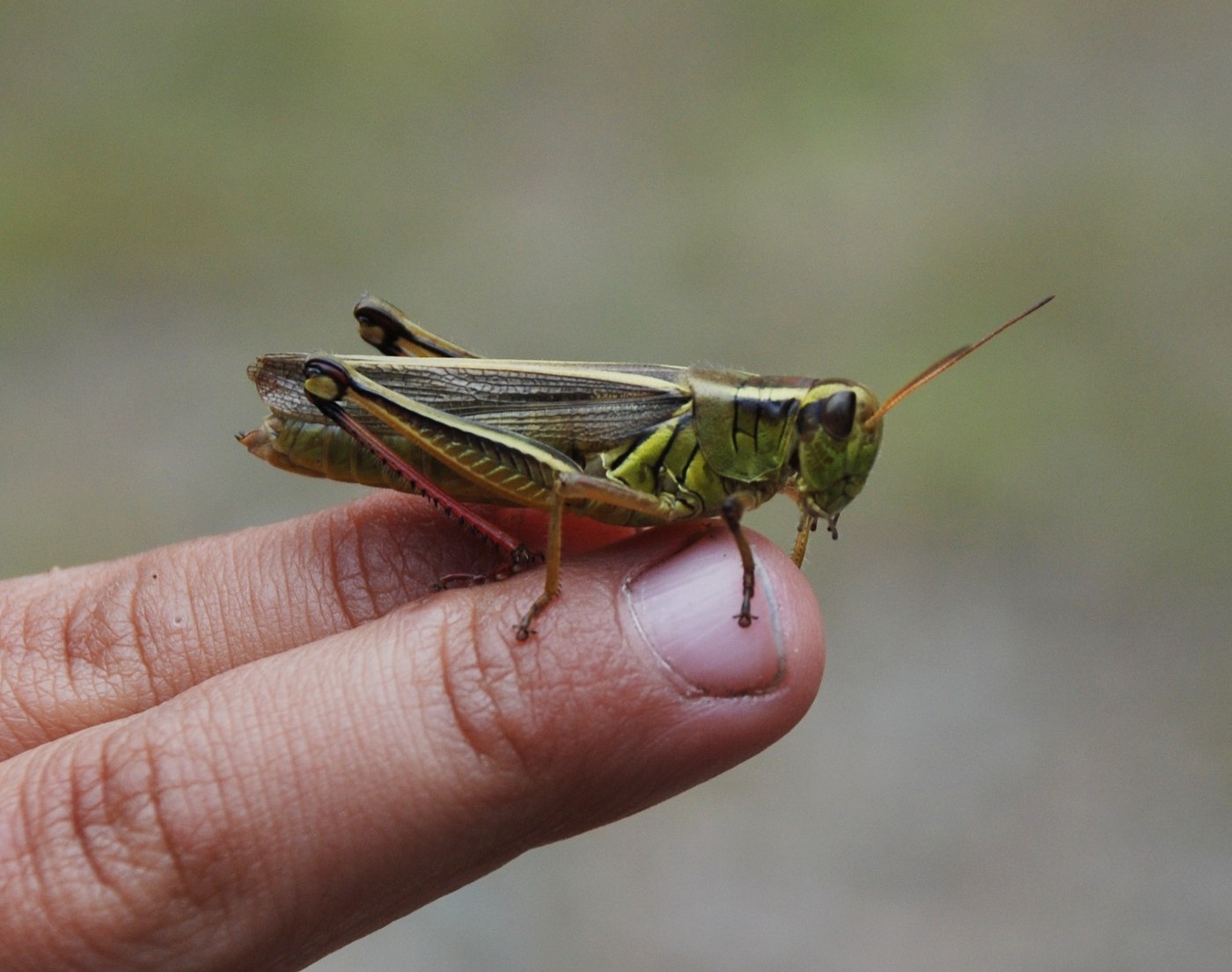
Two-striped Grasshopper
Meadows, pastures, riverbanks, and agricultural fields across North America
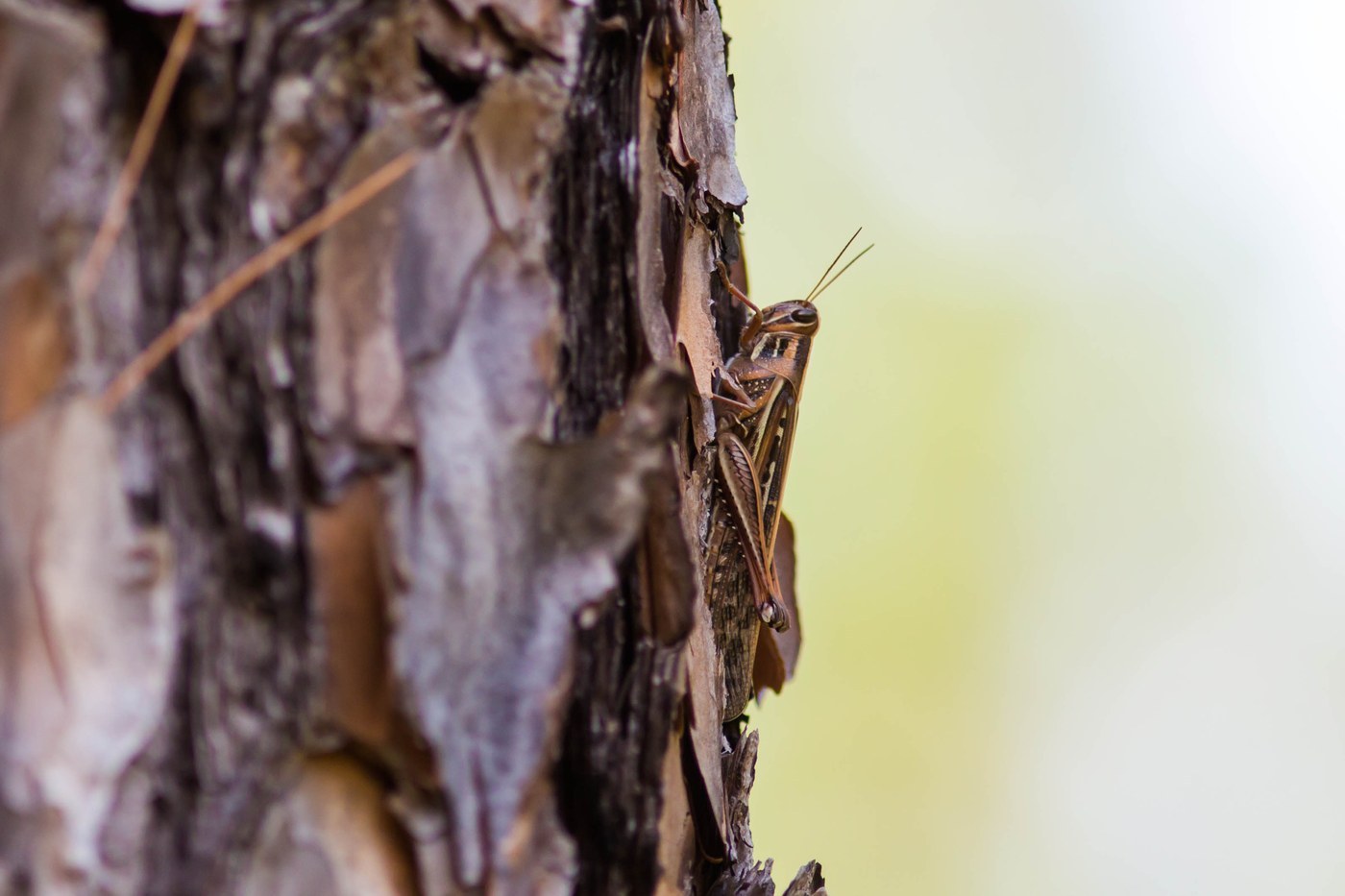
American Grasshopper
Woodland edges, citrus groves, gardens, and open fields across the southern and southeastern United States
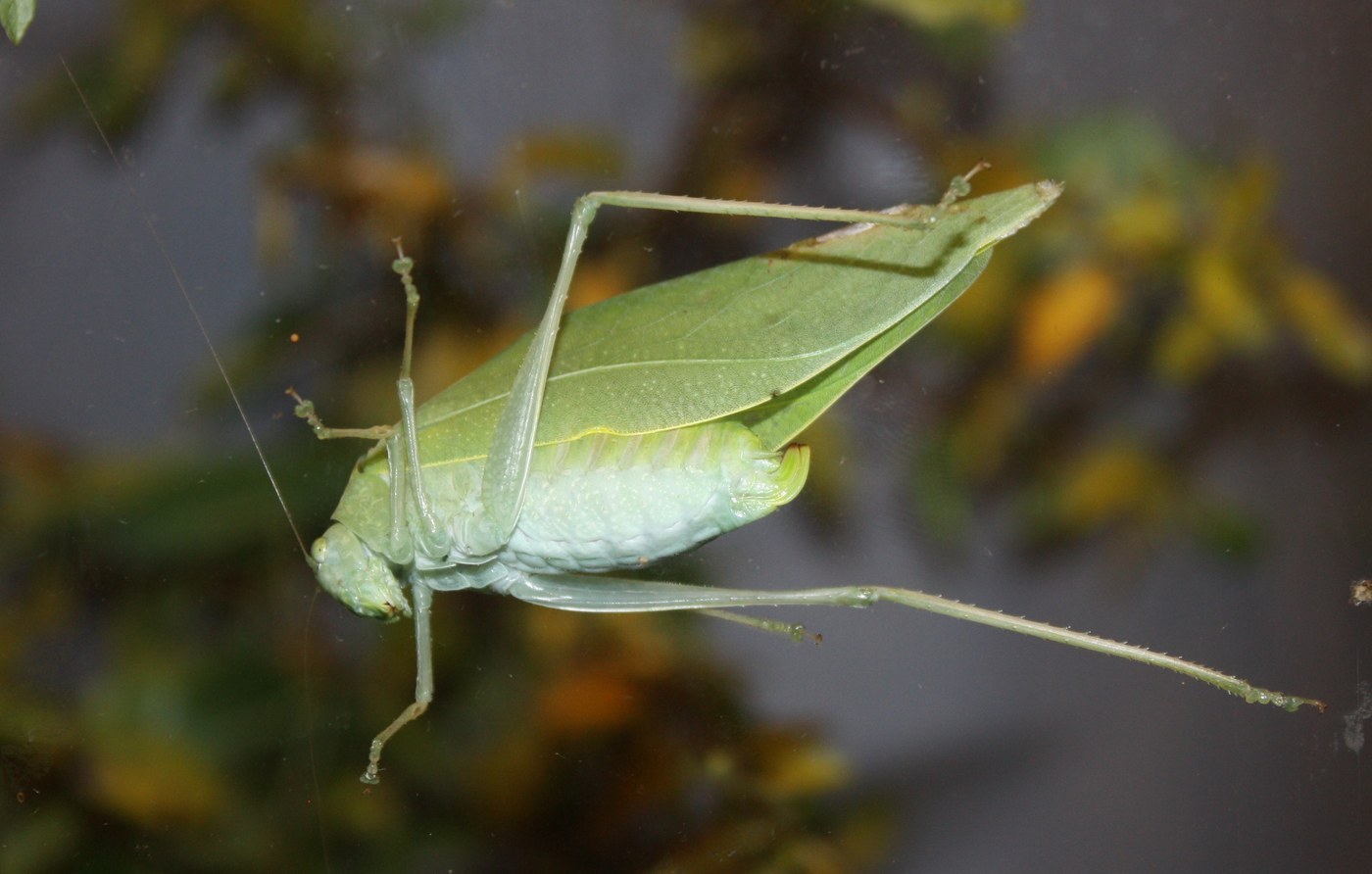
Angular-winged Katydid
deciduous trees, shrubs, and hedgerows across eastern and central North America
Spur-throated Grasshopper
grasslands, meadows, croplands, and roadsides across North America
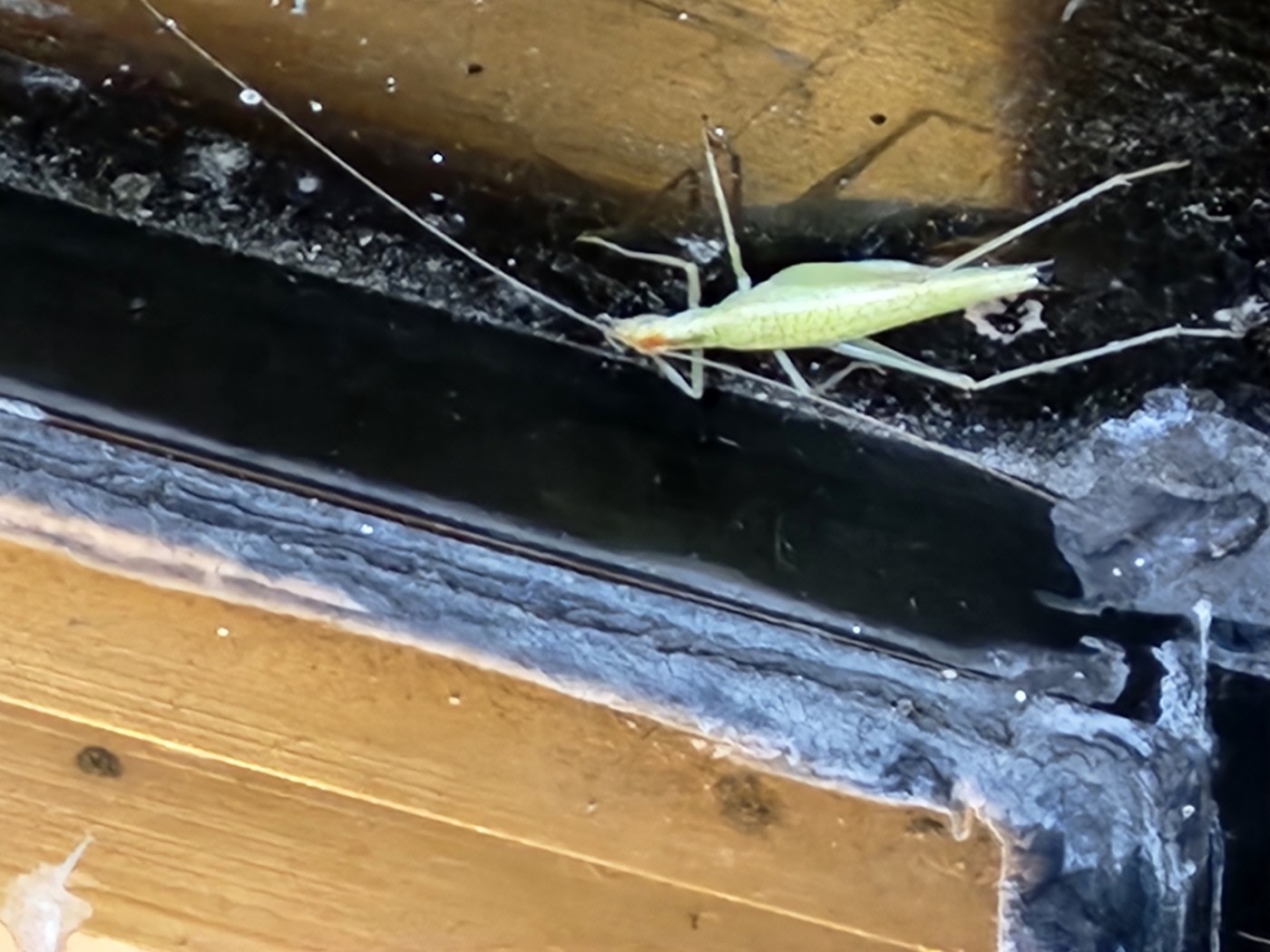
Snowy Tree Cricket
Shrubs, trees, and tall vegetation across North America
Rocky Mountain Locust
historically open grasslands and river valleys of the Rocky Mountains and Great Plains (now believed extinct)
Spotted Camel Cricket
damp caves, crawl spaces, basements, leaf litter, and rotting logs in eastern North America
Pygmy Grasshopper
damp soil, mud, and low vegetation near ponds, streams, and marshes
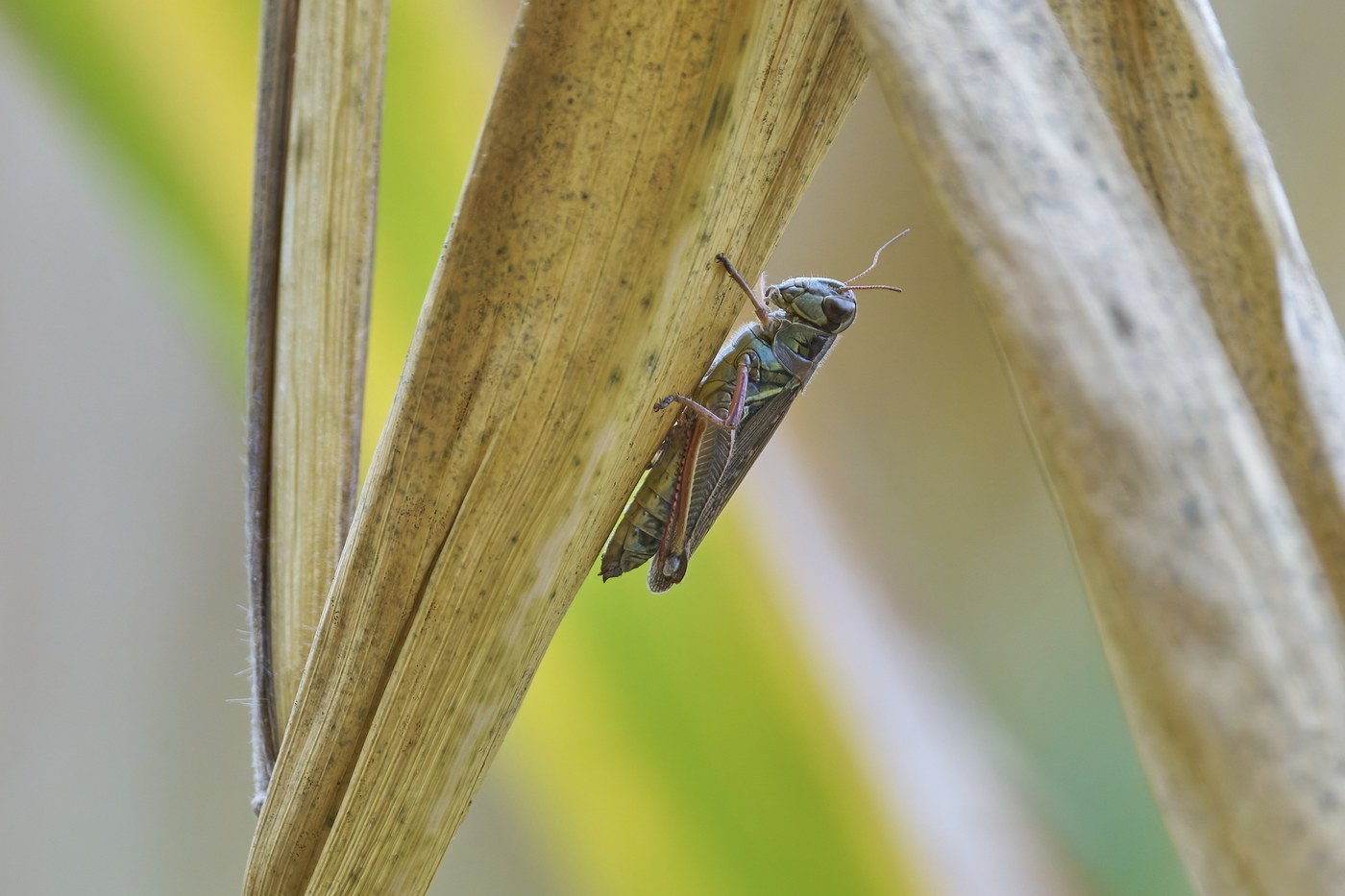
Red-legged Grasshopper
Meadows, pastures, field edges, and gardens across North America
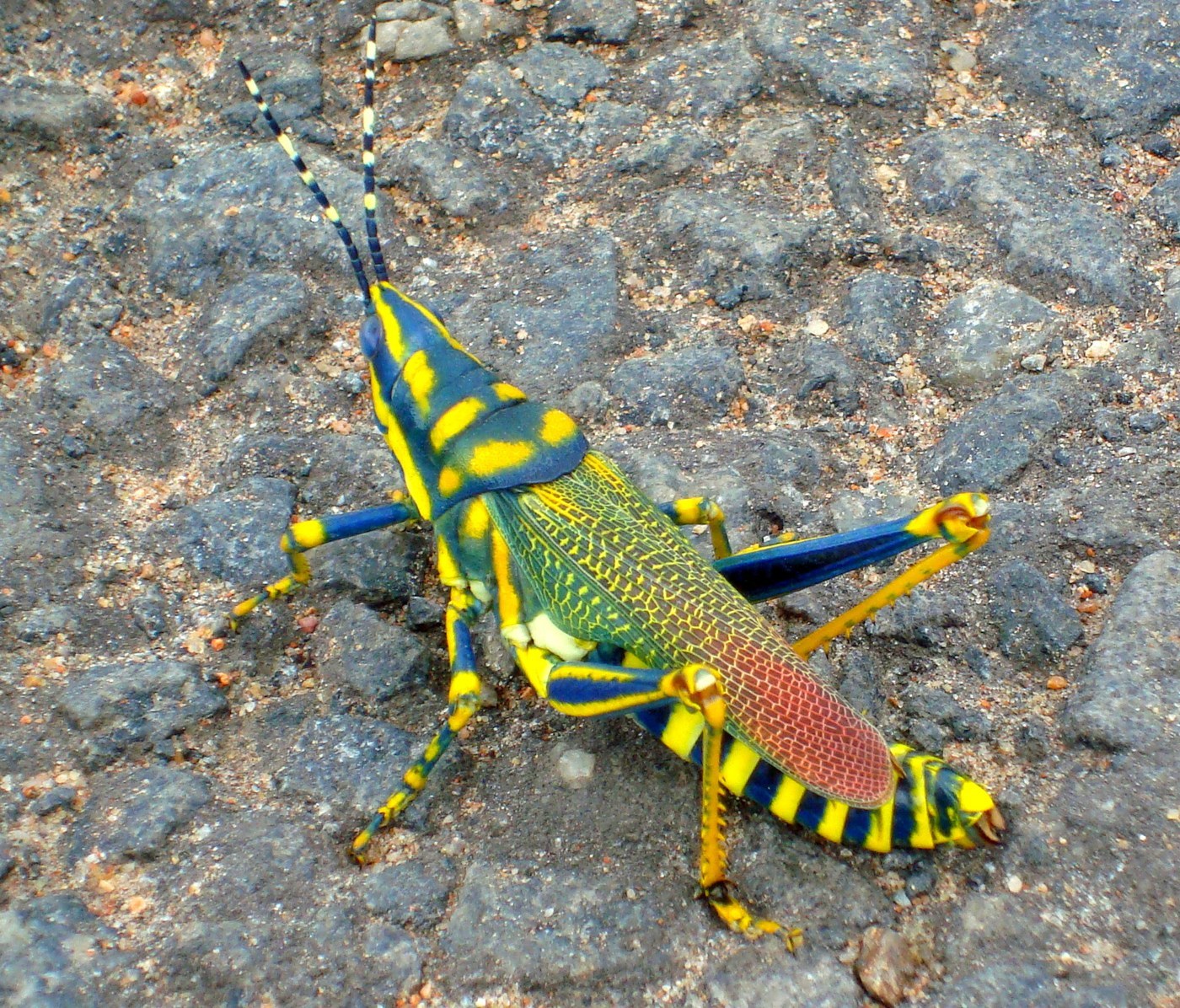
Painted Grasshopper
arid scrub, wastelands, and gardens of the Indian subcontinent, especially near milkweed plants
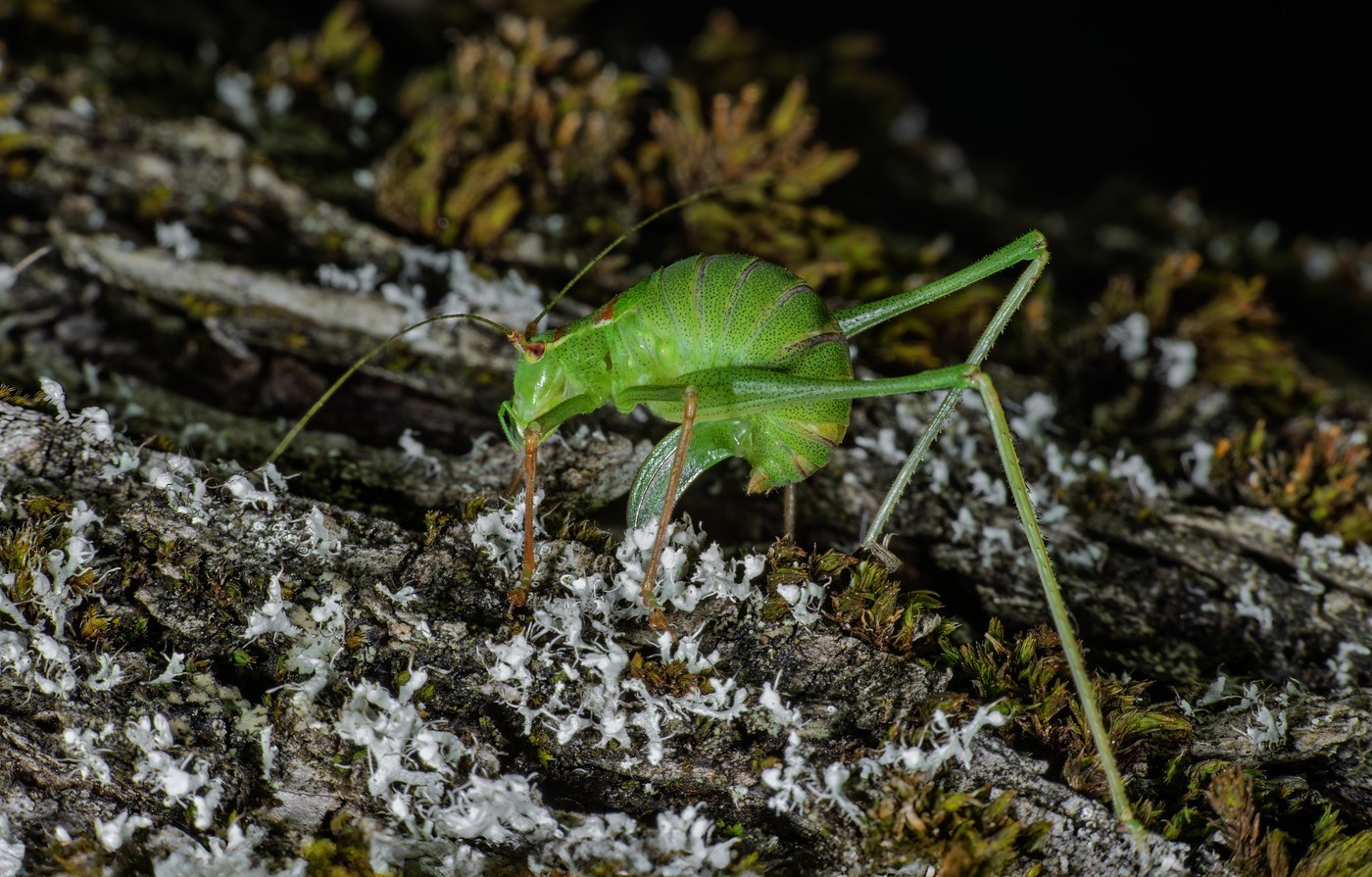
Speckled Bush Cricket
Brambles, hedgerows, nettles, and shrubby vegetation
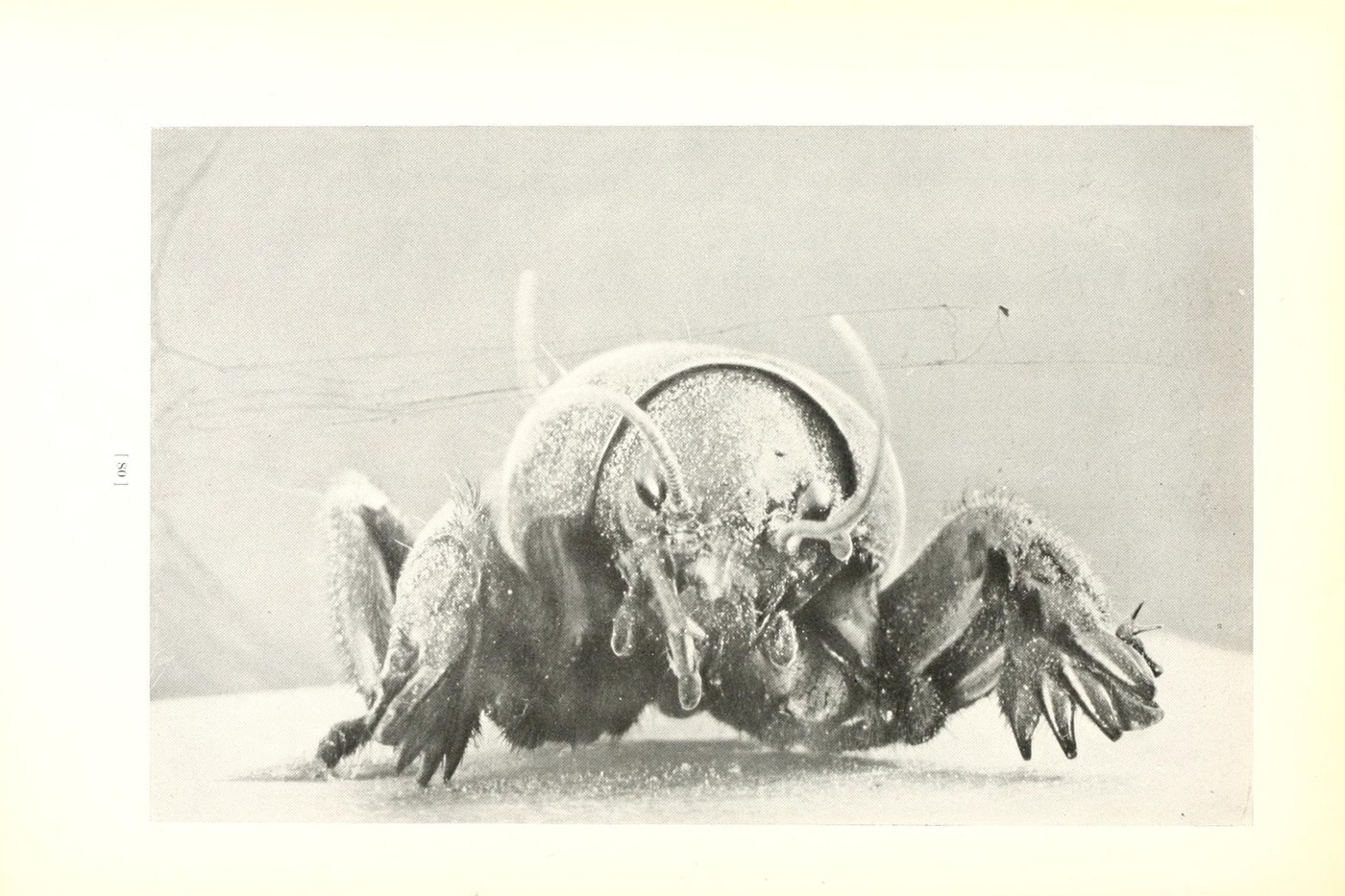
Northern Mole Cricket
wet soil, pond margins, and marshy ground across eastern and central North America