
Rootworm
Diabrotica spp.
Working unseen below ground, rootworm larvae chew tunnels through the root systems of corn and other crops, the underground counterpart to the small, often striped or spotted beetles seen on leaves and flowers above.
- Size
- Larvae up to 1.3 cm (0.5 in) long
- Habitat
- Soil around roots of corn and related crops across the Americas
- Danger
- Nuisance pest
Spotted a bug like this?
Identify any bug or insect from a photo, free.
Overview
'Rootworm' most commonly refers to the larvae of beetles in the genus Diabrotica, particularly the western corn rootworm, Diabrotica virgifera, and the northern corn rootworm, Diabrotica barberi, both native to North America and among the most economically significant below-ground pests of corn on the continent. Adult Diabrotica beetles are small, often greenish or striped, and are frequently seen feeding on corn silks, pollen, and leaves above ground, while the larvae live and feed entirely underground.
The larval stage is the more damaging phase for corn production, as the slender white grubs feed directly on root tissue, tunneling through and pruning roots as the plant develops. This root damage can affect a plant's ability to take up water and nutrients and, in some cases, to remain firmly anchored in the soil.
Because corn rootworms have historically been closely tied to continuous corn cultivation, their biology and population cycles have been extensively studied, and the group is considered one of the most significant below-ground insect challenges in North American corn-growing regions.
How to Identify
- Larva is slender, white to cream-colored, and worm-like, with a distinct light brown head capsule
- Reaches up to about 1.3 cm (0.5 in) in length at maturity
- Has three pairs of small legs near the head and a slightly darker plate on the last abdominal segment
- Found underground around plant roots rather than on foliage, making it far less commonly observed than the adult beetle
- Adult beetles associated with the larvae are small, roughly 6 mm long, and often yellow-green with black stripes or spots depending on species
Habitat & Range
Found in agricultural soils across the corn-growing regions of North America, particularly the Midwestern United States, wherever corn is planted, especially in fields with a history of continuous corn cultivation. Larvae are present in soil from late spring through mid-summer, feeding on developing root systems.
Behavior & Diet
Larvae live entirely within the soil, feeding on and tunneling through the root systems of host plants, primarily corn, though some species also affect the roots of other grasses and, less commonly, related crops. This underground feeding can prune root mass as the plant grows. Adult beetles that develop from these larvae emerge later in the season and feed above ground on corn silks, pollen, and leaves, as well as flowers and foliage of cucurbit crops in some species, linking the below-ground larval stage to more visible above-ground adult activity.
Life Cycle
Adult beetles lay eggs in soil near the base of host plants in late summer, and the eggs overwinter in the soil. Larvae hatch the following late spring as soil warms and host plant roots become available, feeding and passing through three instars over several weeks. Mature larvae form a small earthen cell in the soil and pupate, emerging as adult beetles in mid to late summer. One generation is typically completed per year in most of the range.
Frequently asked questions
What crop is most associated with rootworm damage?
Corn is the primary host, with the western and northern corn rootworm species being especially closely tied to continuous corn cultivation in North America.
Are rootworm larvae and the adult beetles the same insect?
Yes, the underground larva and the small striped or spotted beetle seen on corn silks and leaves are two life stages of the same species.
Why is rootworm damage hard to notice?
Larvae feed entirely underground on root tissue, so the damage is not visible without digging up plants, unlike above-ground feeding by the adult beetles.
When are rootworm larvae active in the soil?
They are typically active from late spring through mid-summer, feeding on developing root systems as the corn crop grows.
Rootworm guides
In-depth guides for identifying, understanding, and living alongside Rootworm.
Other bugs you may enjoy
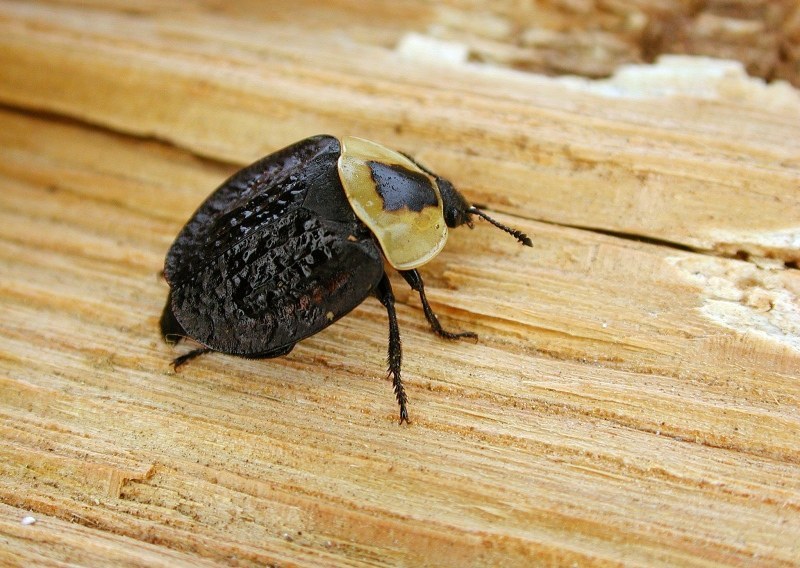
American Carrion Beetle
Forests, fields, and roadsides across North America, near decaying animal carcasses
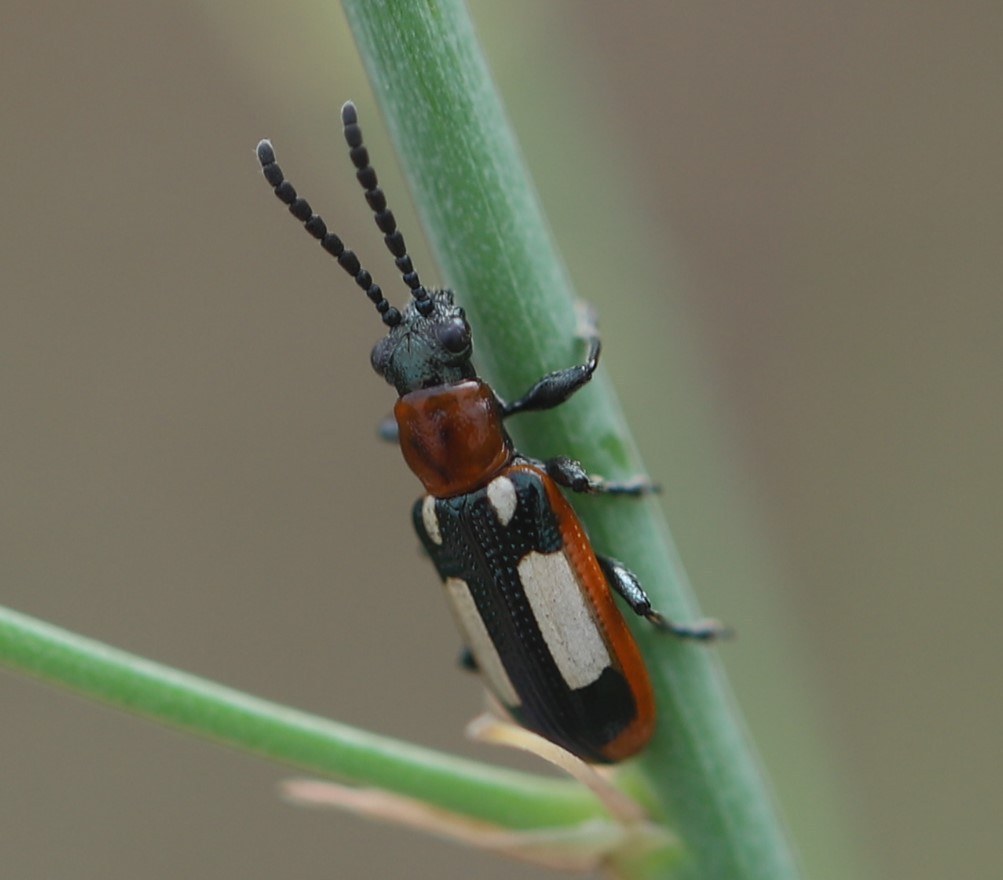
Asparagus Beetle
Asparagus patches, gardens, and farm fields
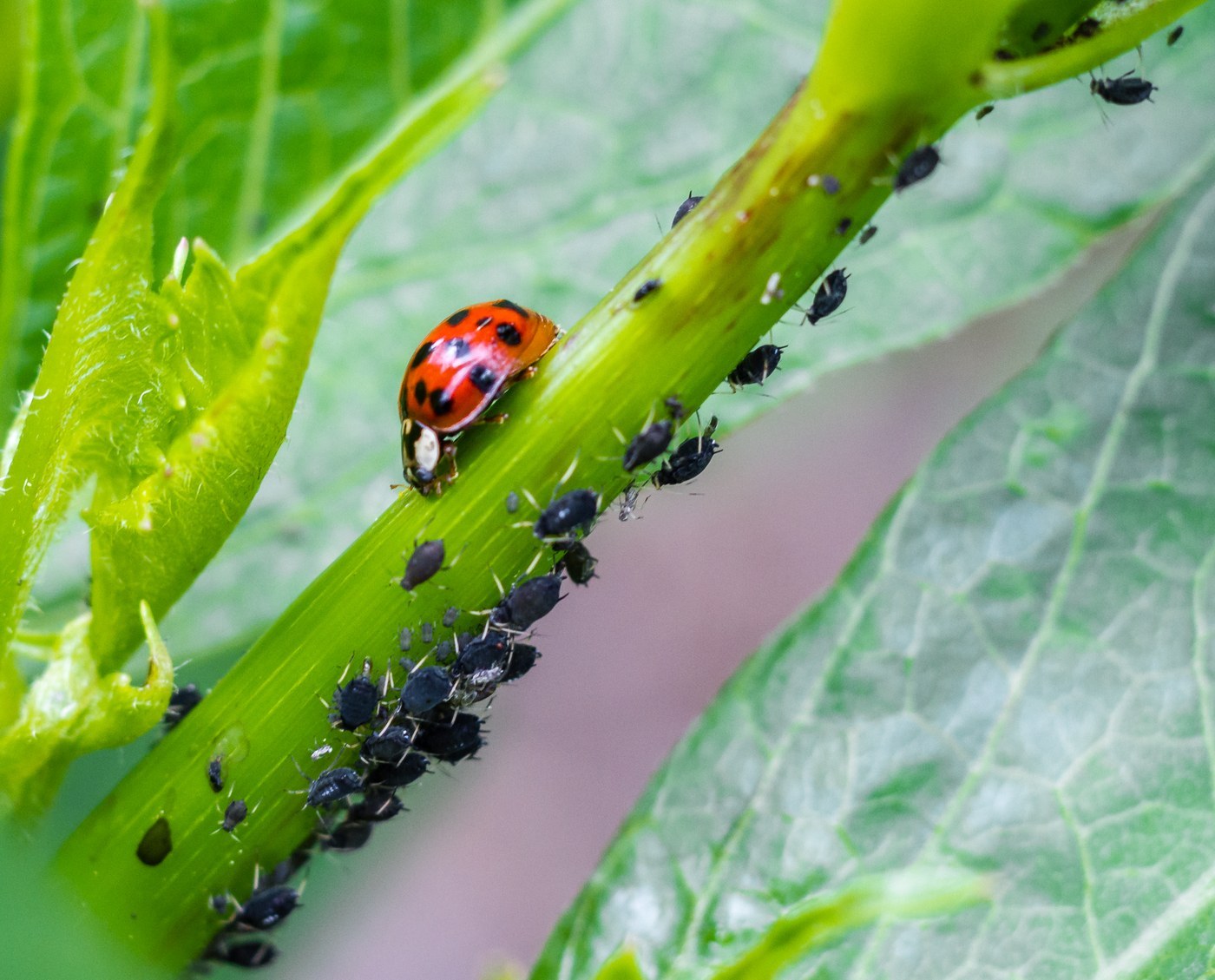
Asian Lady Beetle
Gardens, crop fields, woodlands, buildings
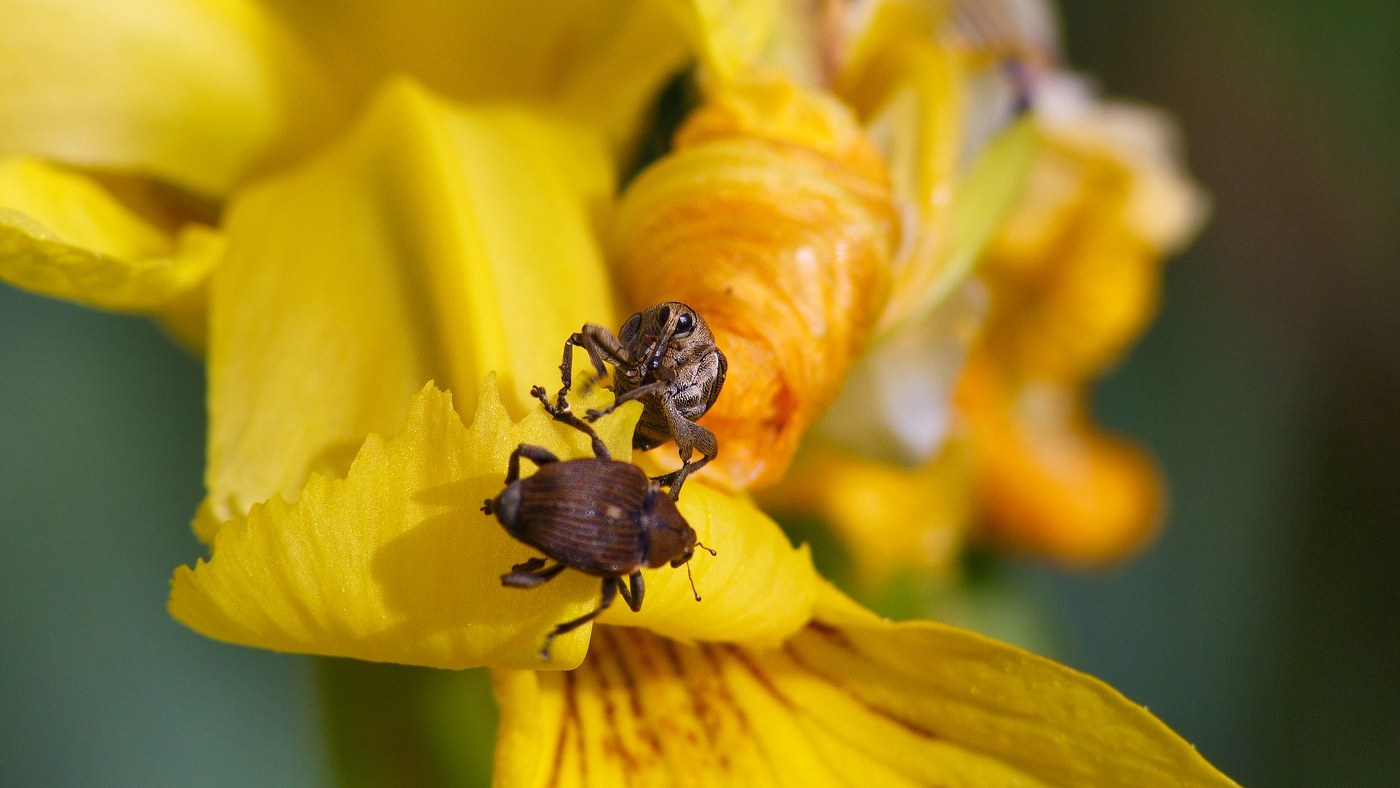
Acorn Weevil
Oak woodlands and forests, on and beneath oak trees
Wireworm
Soil of grasslands, gardens, and cultivated fields worldwide
Whitefringed Beetle
Pastures, row crops, lawns, disturbed soils
Vine Weevil
Gardens, nurseries, greenhouses, and container plantings
Varied Carpet Beetle
Homes, nests of birds and mammals, and flowers outdoors
Atlas Beetle
Tropical forests of Southeast Asia
Titan Beetle
Amazon rainforest of South America
Ten-lined June Beetle
Sandy soils, pine forests, and orchards of western North America
Squash Beetle
Vegetable gardens and fields growing squash, pumpkin, and other cucurbits