
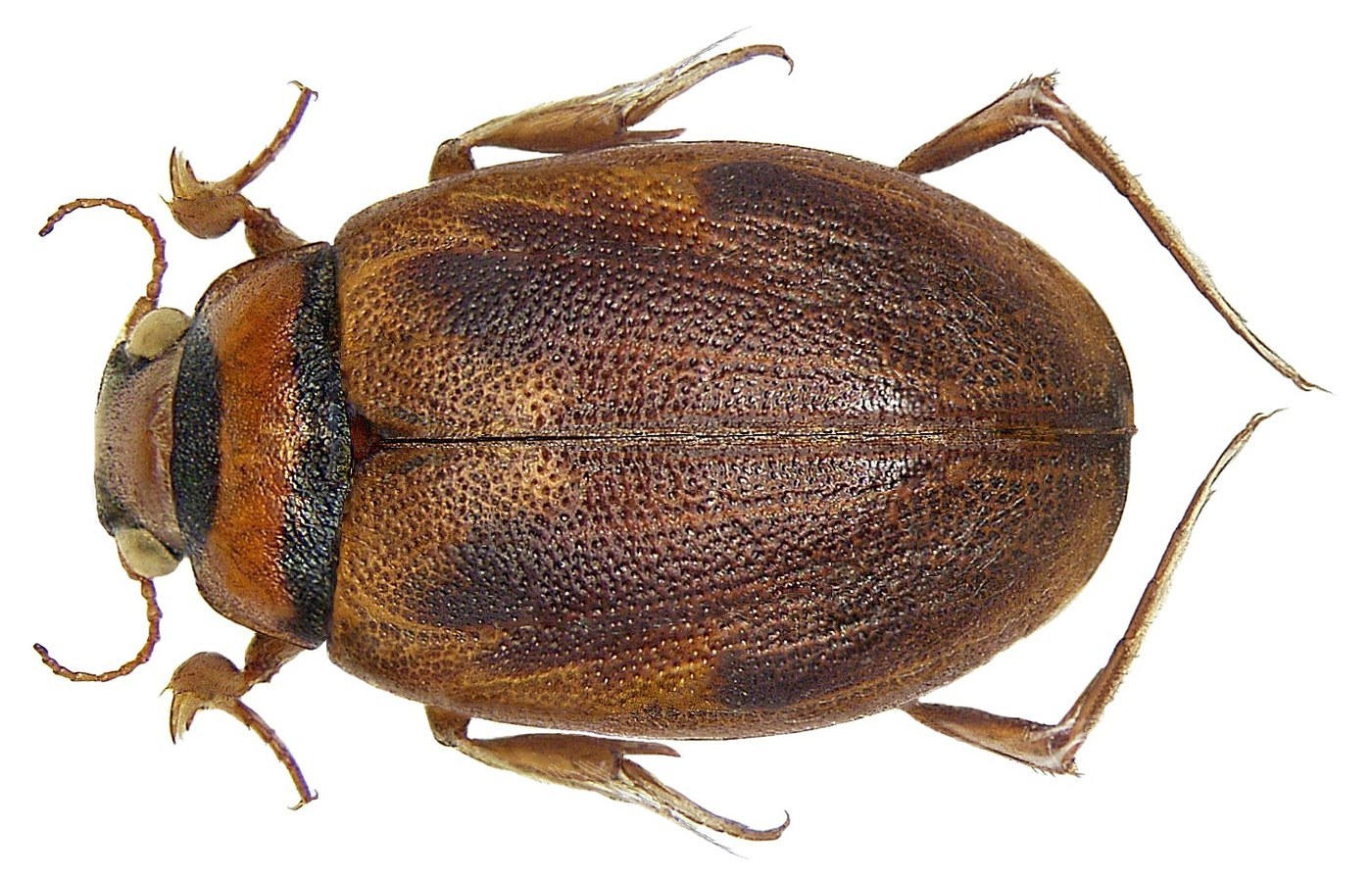
Screech Beetle
Hygrobia hermanni
This small, oval water beetle earns its name from the loud squeak it produces when picked up, a sound made by rubbing internal body parts together rather than by any vocal organ.
- Size
- Approximately 8-10 mm (0.3-0.4 in)
- Habitat
- Muddy, weedy ponds and ditches
- Danger
- Harmless
Spotted a bug like this?
Identify any bug or insect from a photo, free.
Overview
The screech beetle is a small, distinctively shaped aquatic beetle found in muddy ponds across parts of Europe. It forms its own small family, Hygrobiidae, and is easily told apart from other water beetles by its rounded, highly convex, boat-like body and its habit of producing an audible squeaking or screeching sound when disturbed or handled, produced by stridulation between internal body segments rather than through the mouth.
Both adults and larvae of the screech beetle are predatory, feeding chiefly on bloodworms (midge larvae) and other small invertebrates found in soft pond mud. The species favors still, nutrient-rich, often slightly murky water with a silty bottom, and while it can fly, it is most often encountered swimming or resting near the muddy substrate of shallow ponds and ditches.
How to Identify
- Small, strongly convex, oval body, dark reddish-brown to blackish with faint yellowish mottling
- Distinctly domed, almost beetle-shell-like profile compared to the flatter shape of diving beetles
- Produces an audible squeak when handled, caused by rubbing internal structures together (stridulation)
- Short legs adapted for swimming in soft mud rather than open water
- Larvae are elongated and pale with prominent mandibles, quite different in shape from the rounded adult
Habitat & Range
Screech beetles inhabit still, often muddy or silt-bottomed ponds, ditches, and slow ditches with organic debris, typically in lowland areas of Europe. They are most active from spring through autumn and shelter in bottom mud during colder months.
Behavior & Diet
Both larvae and adults are predators, with midge (chironomid) larvae, commonly called bloodworms, forming a major part of their diet, along with other small invertebrates found in soft sediment. The beetle's signature squeak is thought to serve as a startle response when a predator or curious hand picks it up. As predators of midge larvae, screech beetles contribute to natural population control of these abundant pond insects.
Life Cycle
Females lay eggs in or near soft pond mud, and the hatched larvae are active predators that burrow through sediment hunting midge larvae and other small prey. After several larval instars, the mature larva leaves the water to pupate in damp soil at the water's edge. Adults emerge to resume an aquatic, predatory life, and the species typically overwinters as an adult buried in bottom mud.
Frequently asked questions
Why does the screech beetle squeak?
It produces an audible squeaking sound by rubbing internal body parts together, a form of stridulation, when it is disturbed or picked up.
What does the screech beetle eat?
Both the larvae and adults are predators that feed largely on midge larvae, commonly called bloodworms, found in soft pond mud.
Where can screech beetles be found?
They favor still, muddy-bottomed ponds and ditches, typically in lowland areas of Europe, and are most easily found by netting soft sediment.
Is the screech beetle a strong swimmer?
It swims competently but favors staying close to soft muddy substrate rather than open water, using short legs adapted for moving through silt.
Screech Beetle guides
In-depth guides for identifying, understanding, and living alongside Screech Beetle.
Other bugs you may enjoy
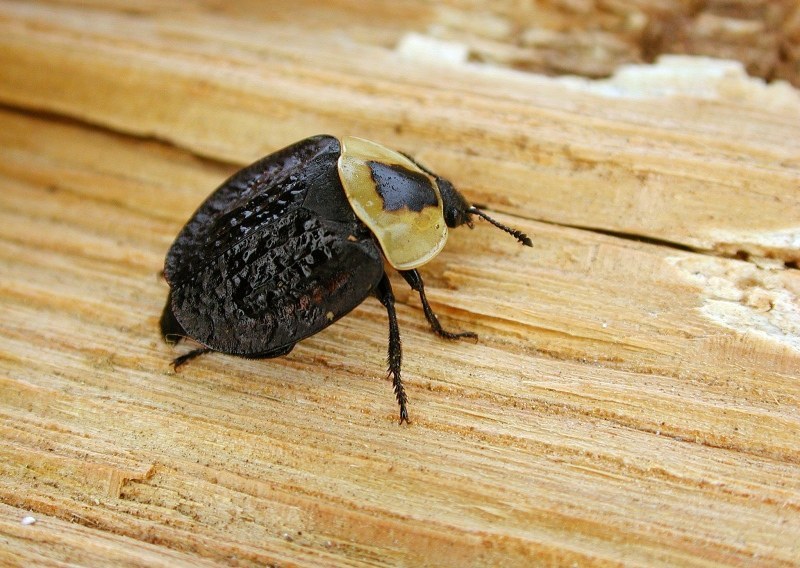
American Carrion Beetle
Forests, fields, and roadsides across North America, near decaying animal carcasses
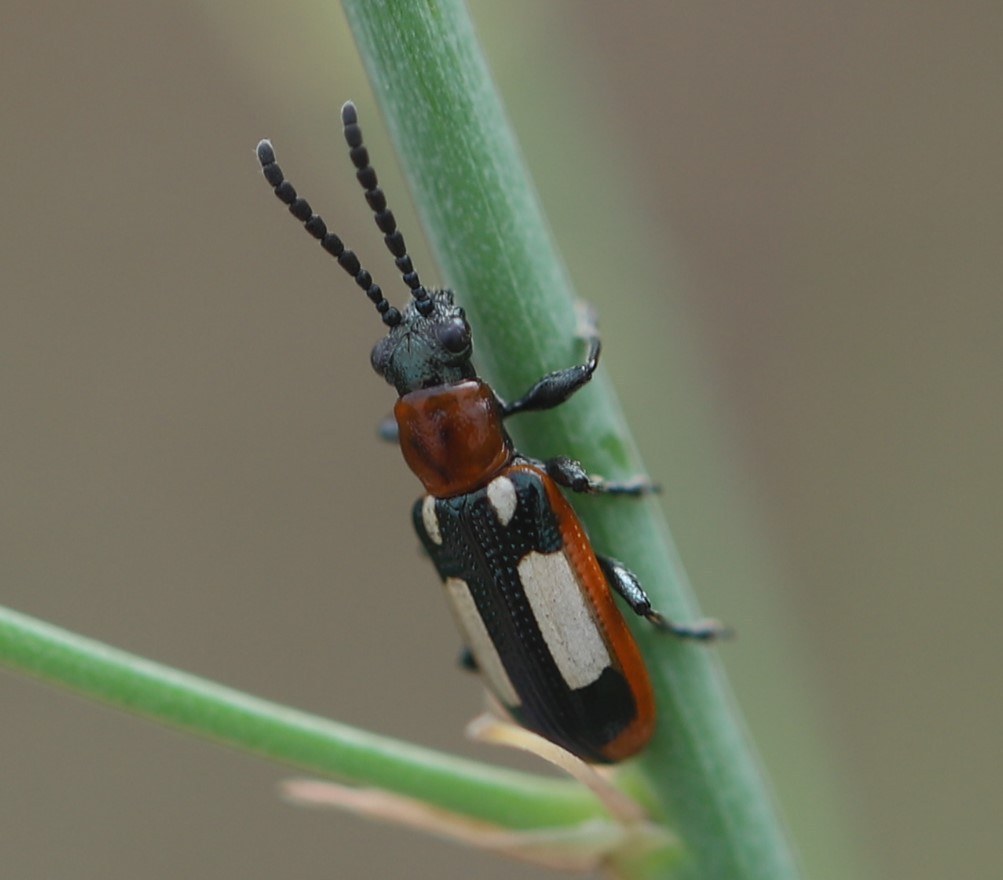
Asparagus Beetle
Asparagus patches, gardens, and farm fields
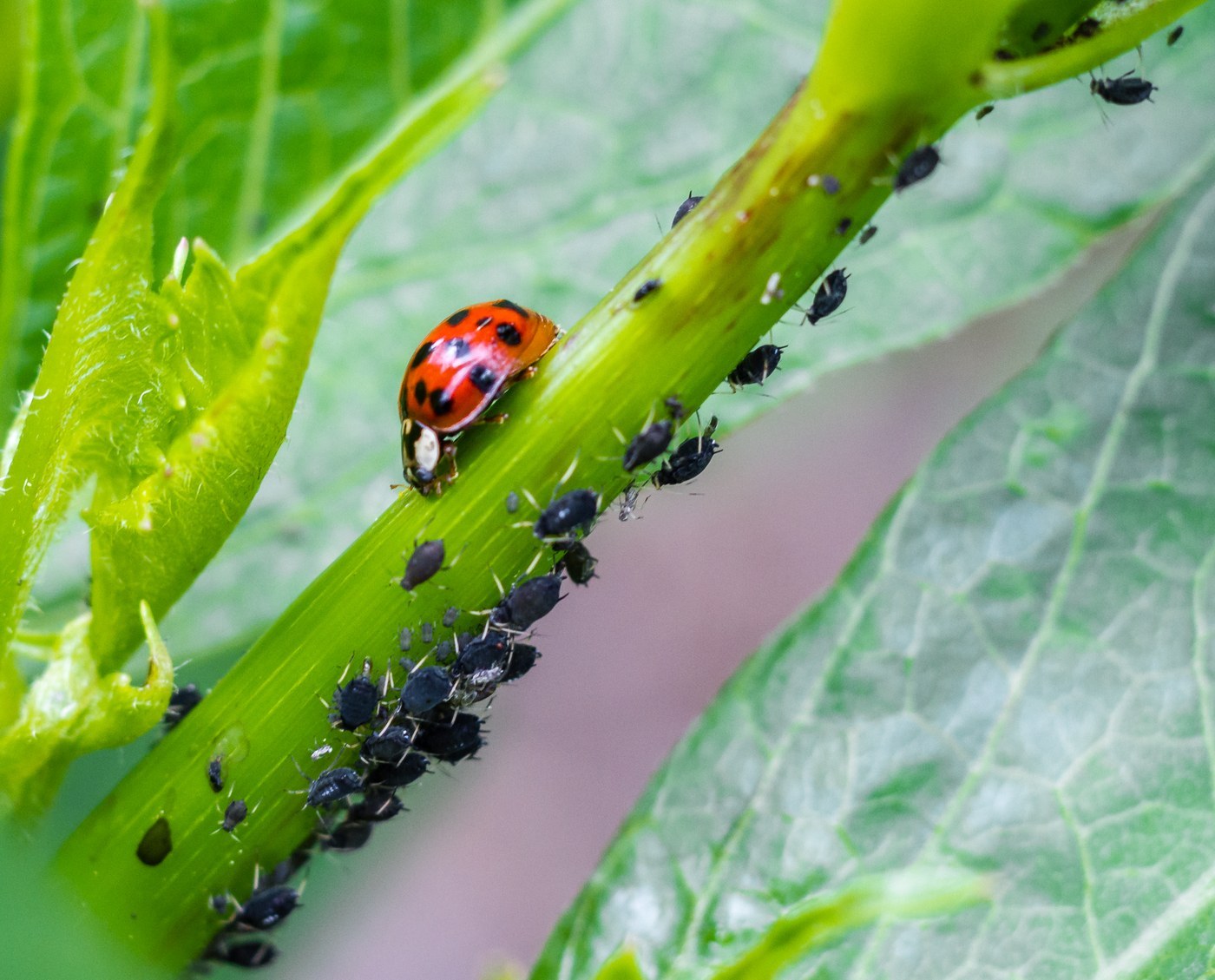
Asian Lady Beetle
Gardens, crop fields, woodlands, buildings
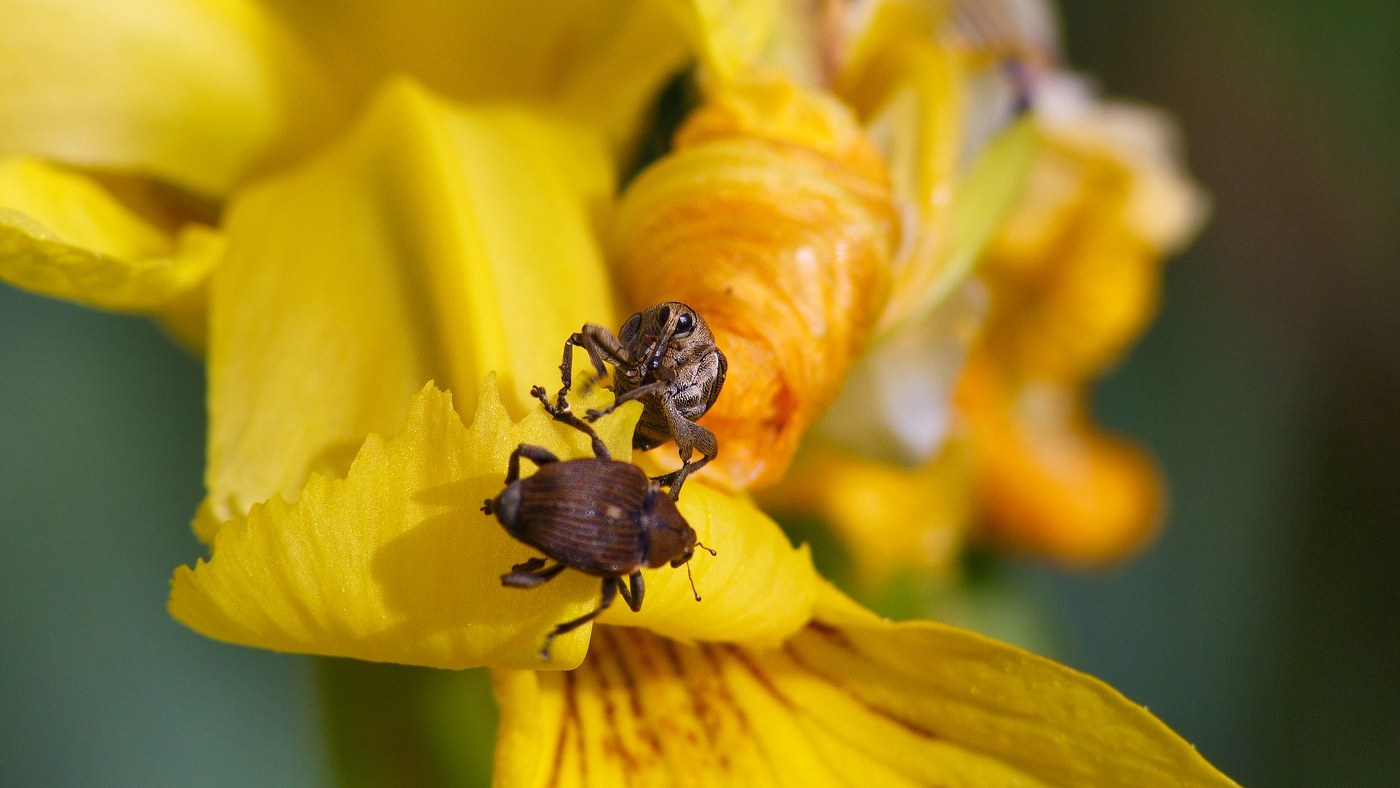
Acorn Weevil
Oak woodlands and forests, on and beneath oak trees
Wireworm
Soil of grasslands, gardens, and cultivated fields worldwide
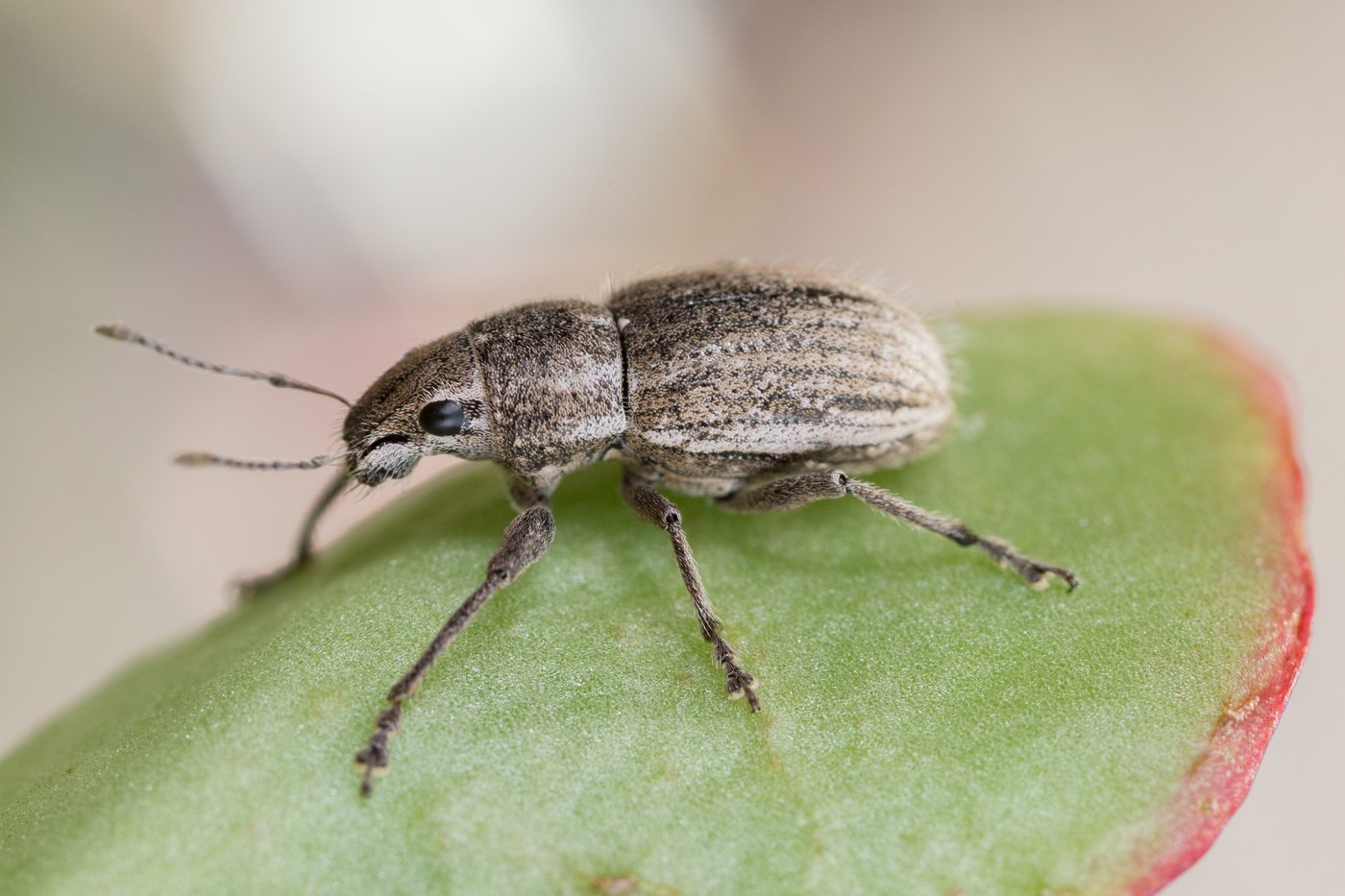
Whitefringed Beetle
Pastures, row crops, lawns, disturbed soils
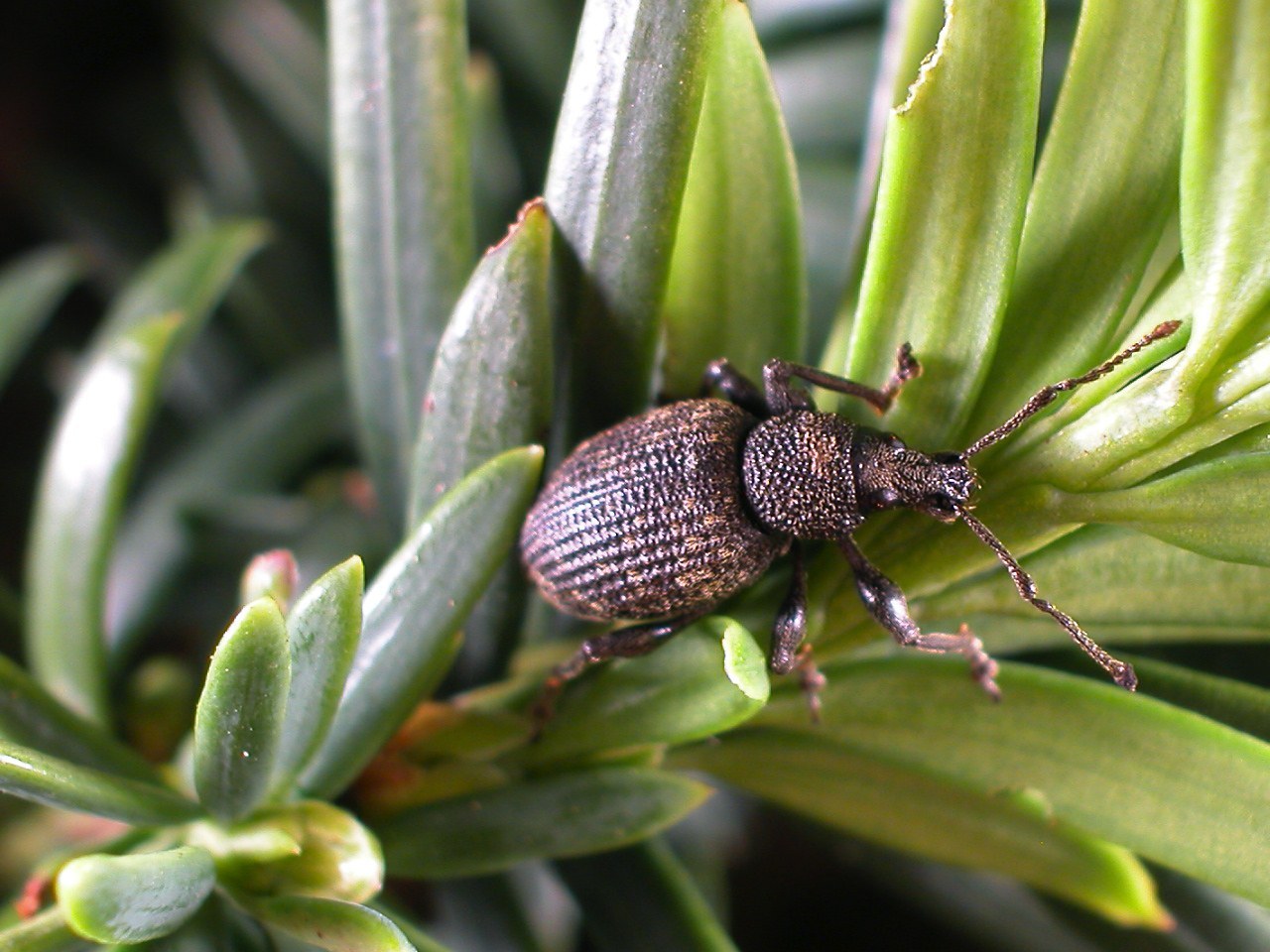
Vine Weevil
Gardens, nurseries, greenhouses, and container plantings
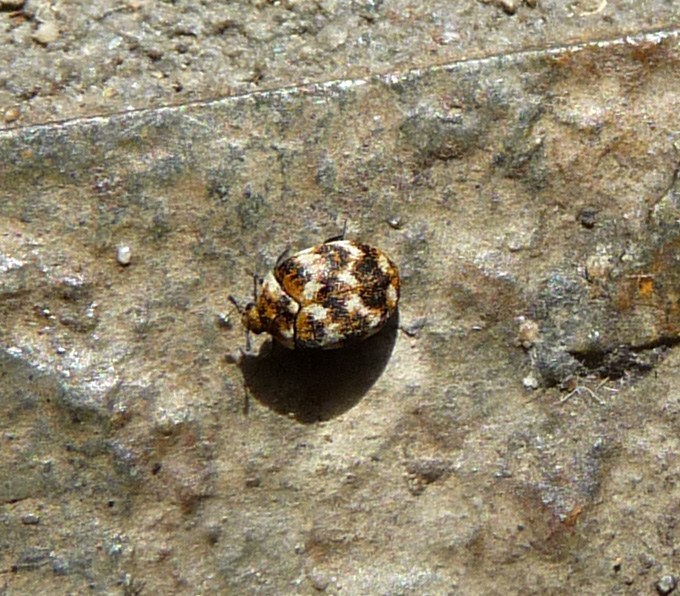
Varied Carpet Beetle
Homes, nests of birds and mammals, and flowers outdoors
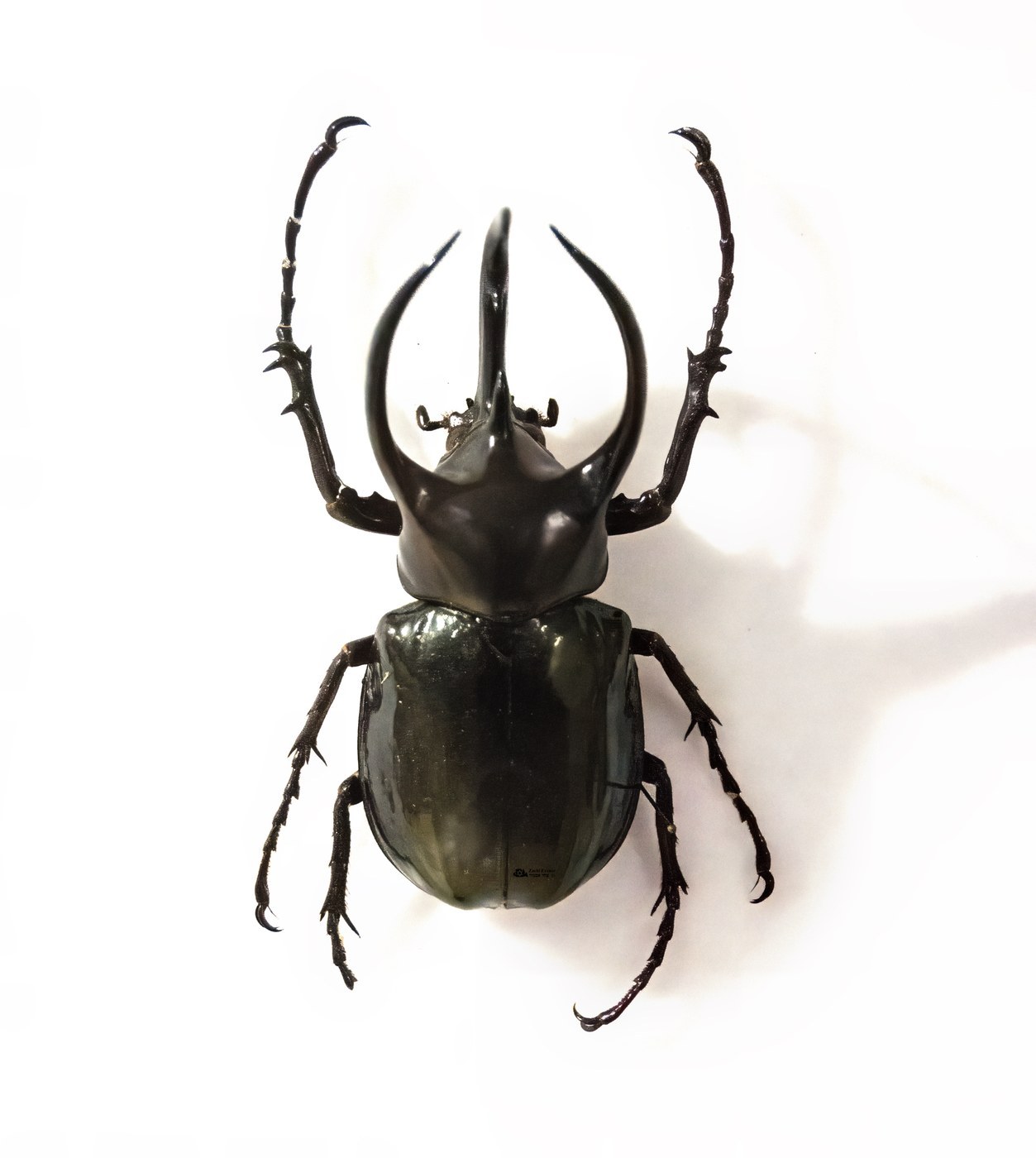
Atlas Beetle
Tropical forests of Southeast Asia
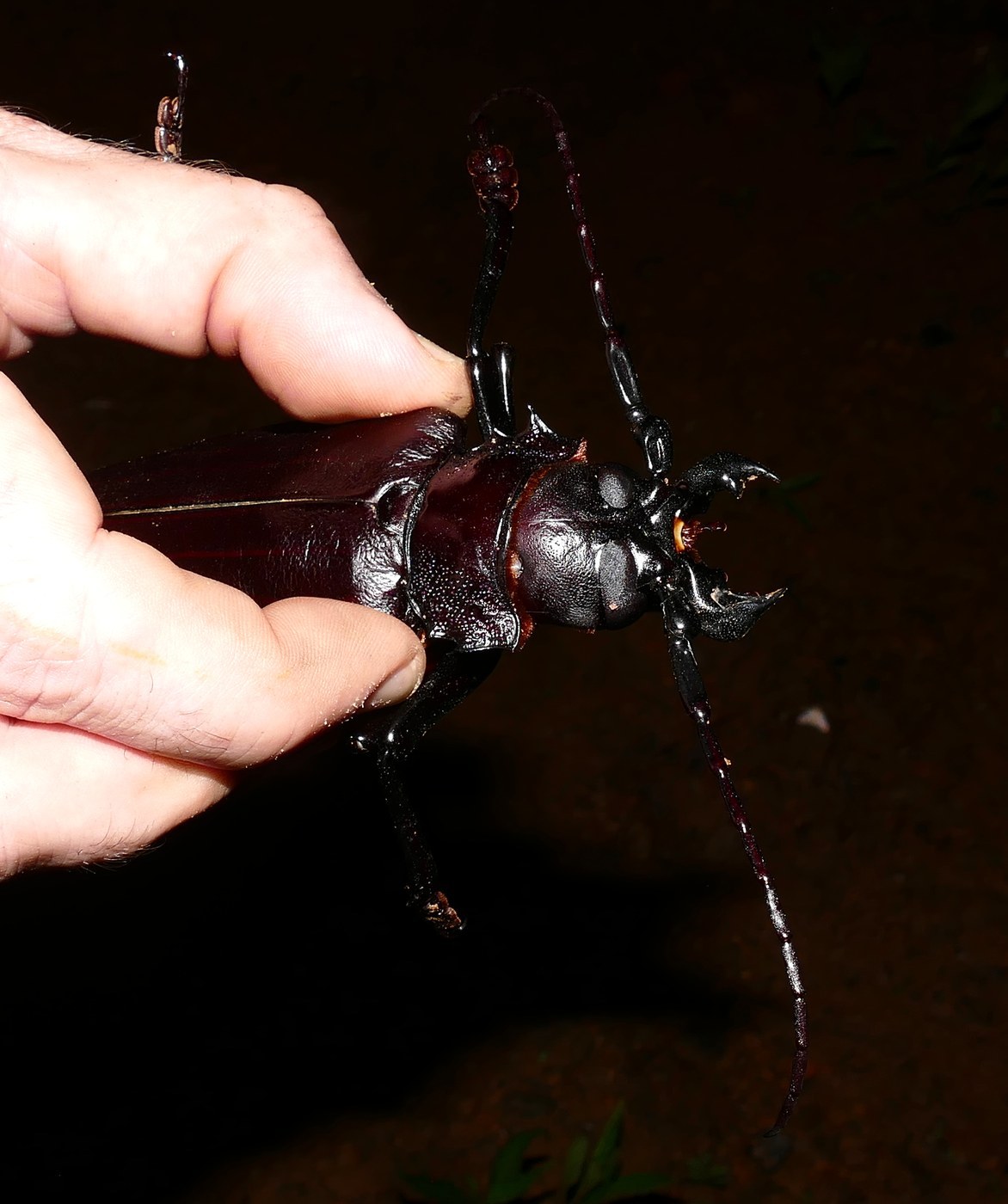
Titan Beetle
Amazon rainforest of South America
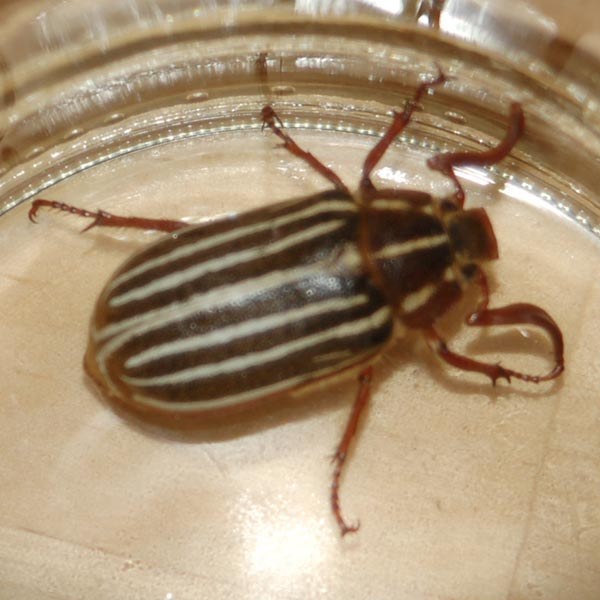
Ten-lined June Beetle
Sandy soils, pine forests, and orchards of western North America
Squash Beetle
Vegetable gardens and fields growing squash, pumpkin, and other cucurbits