
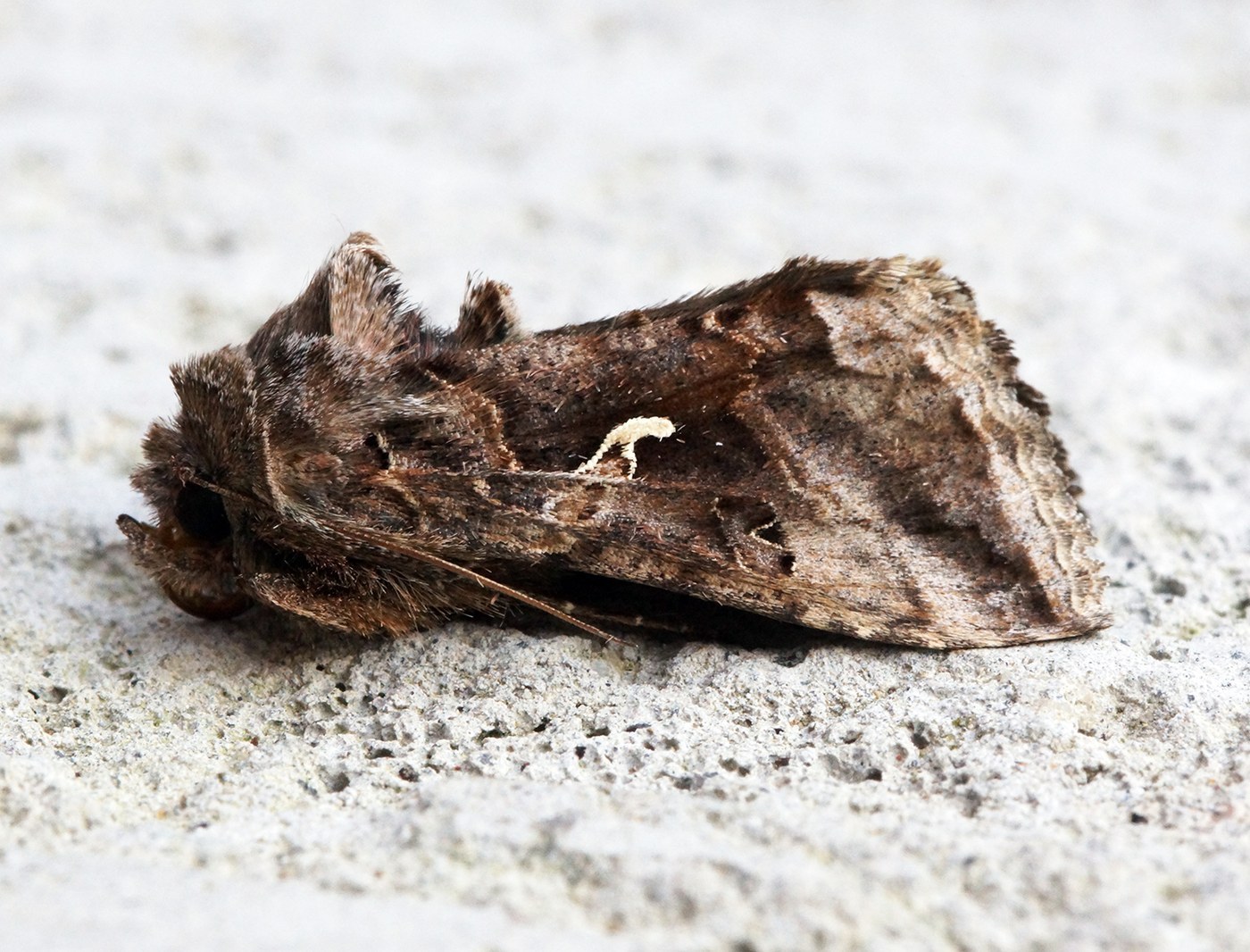
Silver Y Moth
Autographa gamma
A fast-flying, day-active noctuid moth named for the metallic silver Y- or gamma-shaped mark on each mottled grey-brown forewing, famous for its long-distance migratory flights.
- Size
- 30–45 mm wingspan
- Habitat
- Open fields, gardens, meadows, coastal areas; strong migrant
- Danger
- Harmless
Spotted a bug like this?
Identify any bug or insect from a photo, free.
Overview
The Silver Y Moth is a noctuid moth in the subfamily Plusiinae, distinguished by a bright, reflective silvery mark shaped like the letter Y (or the Greek letter gamma, giving it its scientific epithet) on each forewing. It is one of the most abundant migratory moths in Europe and western Asia, capable of mass movements northward each summer.
Unlike many moths, it is frequently seen flying by day as well as at night, hovering at flowers with a rapid wingbeat reminiscent of a hummingbird hawk-moth, which makes it a familiar sight in gardens and along coastlines during migration peaks. Its combination of visible daytime activity and a distinctive metallic marking makes it one of the easiest Plusiinae moths for a beginner to learn.
Ecologically it is significant both as a pollinator, visiting a wide variety of flowers, and as an agricultural presence, since its caterpillars feed on numerous crop and wild plant species, linking it to both semi-natural and farmed landscapes across its migratory range.
How to Identify
- Forewings are mottled grey-brown to purplish-grey with a bold, shiny silvery-white mark resembling a Y or gamma symbol near the center.
- Hindwings are pale brown with a darker border, mostly concealed at rest.
- Body is compact and moth-like, with a tuft of raised scales on the thorax typical of Plusiinae moths.
- Wings are held roof-like or slightly angled at rest, and the moth often flies rapidly and erratically.
- Lookalikes include other Plusiinae "looper" moths, but the crisp metallic Y mark is the key diagnostic feature distinguishing it from similar species with duller or differently shaped markings.
Habitat & Range
Native to warmer parts of Europe, North Africa, and Asia, but famous for migrating in large numbers northward each summer into cooler regions including the British Isles and Scandinavia, where it cannot reliably overwinter. It occupies open, flower-rich habitats such as meadows, farmland, gardens, coastal dunes, and waste ground, and is active from spring through autumn, with numbers peaking during summer migration waves.
Behavior & Diet
Adults are unusual among noctuids for flying readily in daylight as well as at dusk and after dark, hovering at flowers to feed on nectar with rapid, sustained wingbeats. The caterpillars are pale green loopers that feed on an extremely wide range of low-growing plants, including many garden and agricultural species, chewing leaves and sometimes causing noticeable defoliation in dense populations. As strong fliers capable of sustained migratory movements, adults contribute to pollination across the landscapes they pass through and serve as a food source for insectivorous birds and bats along their migration routes.
Life Cycle
Females lay eggs singly or in small groups on host-plant leaves. The green, looping caterpillars pass through several instars while feeding on soft foliage, then pupate in a thin silken cocoon spun among leaves or plant debris. Multiple generations occur each year in warmer source populations, with migrant adults moving northward in successive waves through summer; in cold-winter regions the species generally cannot survive winter in any life stage and relies on fresh migration each year to repopulate northern range.
Frequently asked questions
What does the silvery mark on its wings look like?
It is a bright, metallic-looking Y or gamma-shaped streak near the center of each forewing, which stands out clearly against the mottled grey-brown background.
Is it active during the day?
Yes, unlike most noctuid moths it commonly flies and feeds at flowers in daylight, in addition to being active at dusk and at night.
Why do I see so many in summer?
It is a strong migratory species that moves north in large numbers each summer from warmer source regions, leading to seasonal population surges.
Does it survive winter locally?
In cold-winter regions it generally cannot overwinter reliably in any life stage, so northern populations are refreshed by migration each year.
Silver Y Moth guides
In-depth guides for identifying, understanding, and living alongside Silver Y Moth.
Other bugs you may enjoy
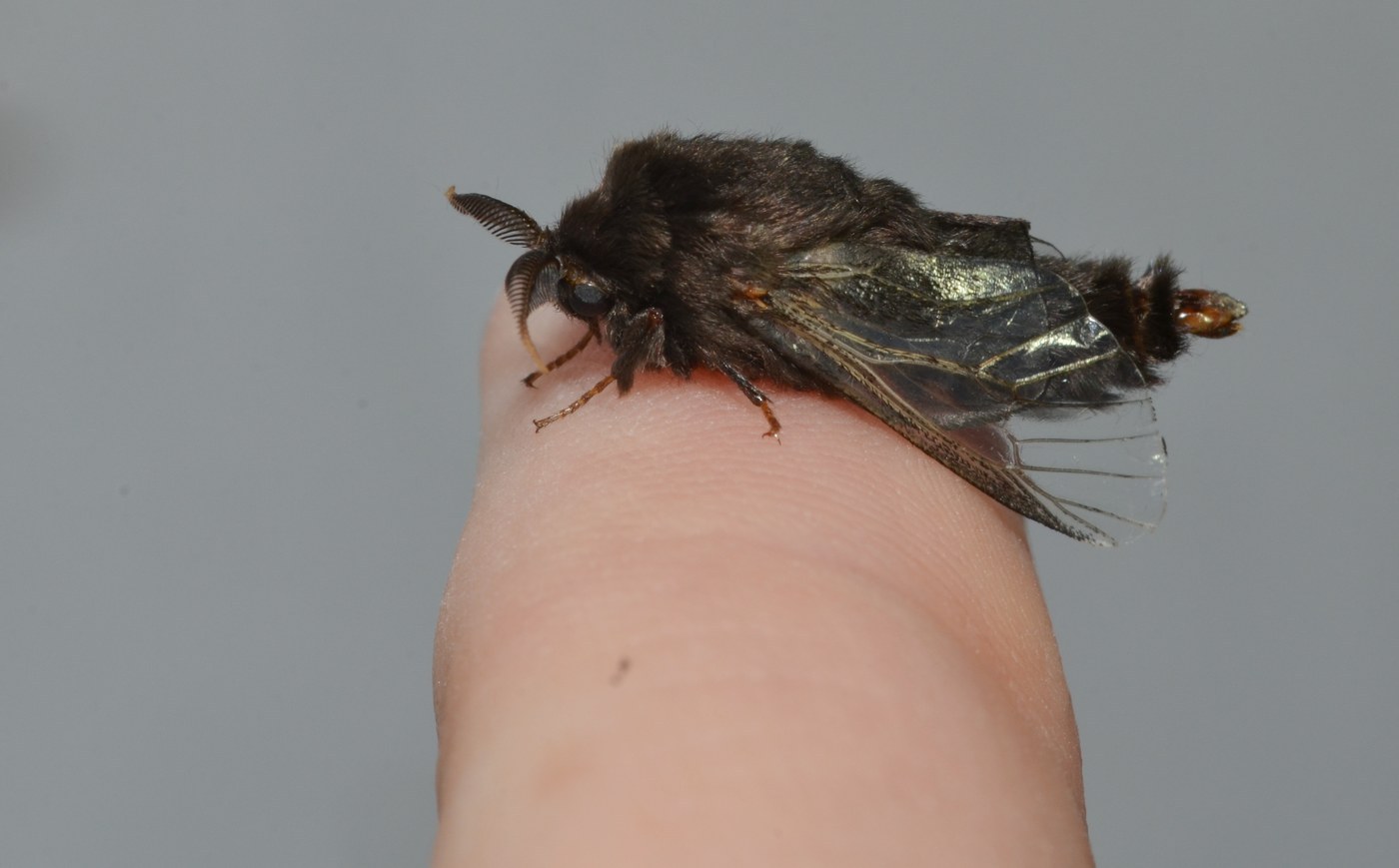
Bagworm Moth
Coniferous and deciduous trees, shrubs, hedges
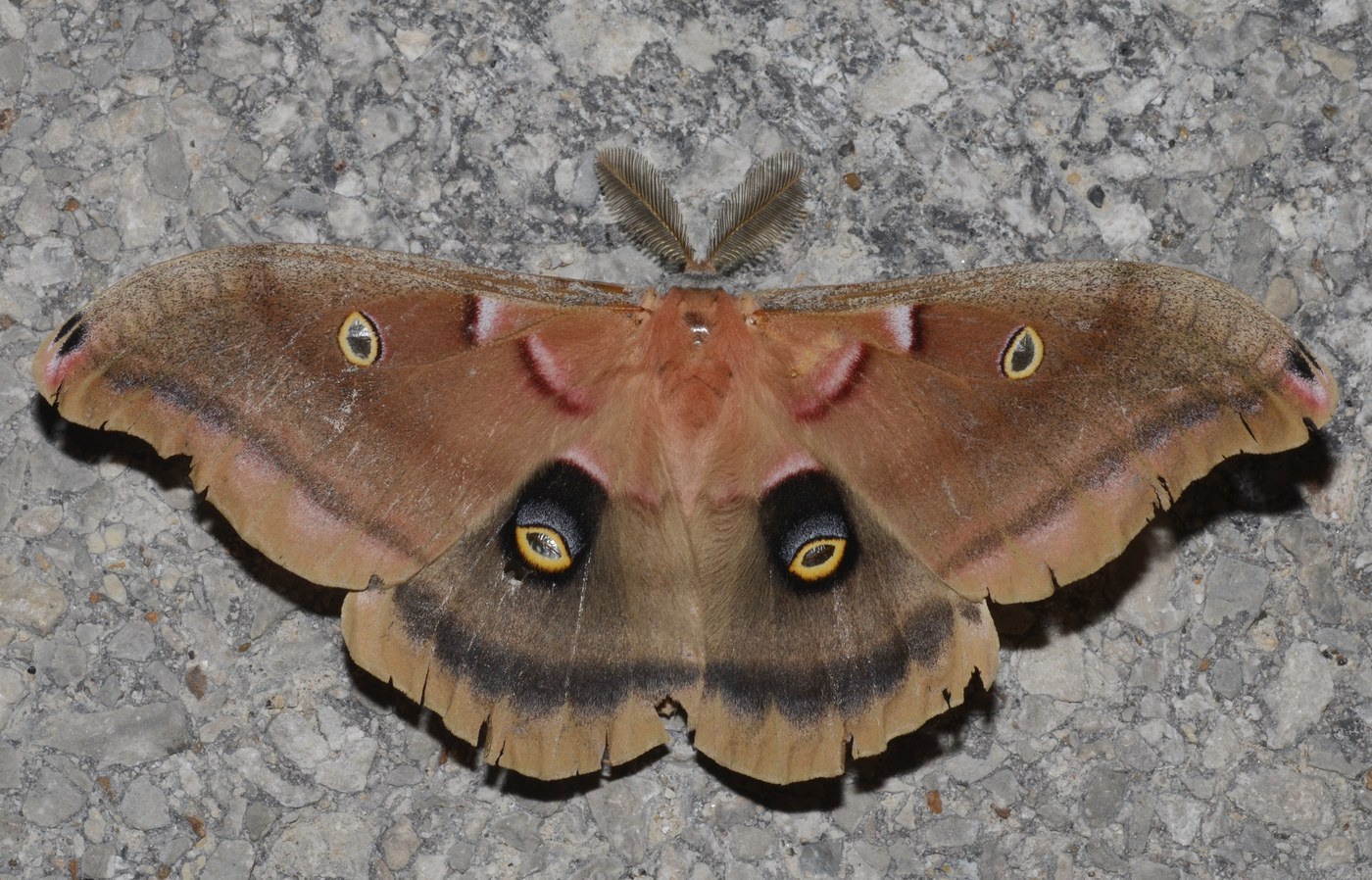
Antheraea Silkmoth
Deciduous forests, woodland edges, orchards
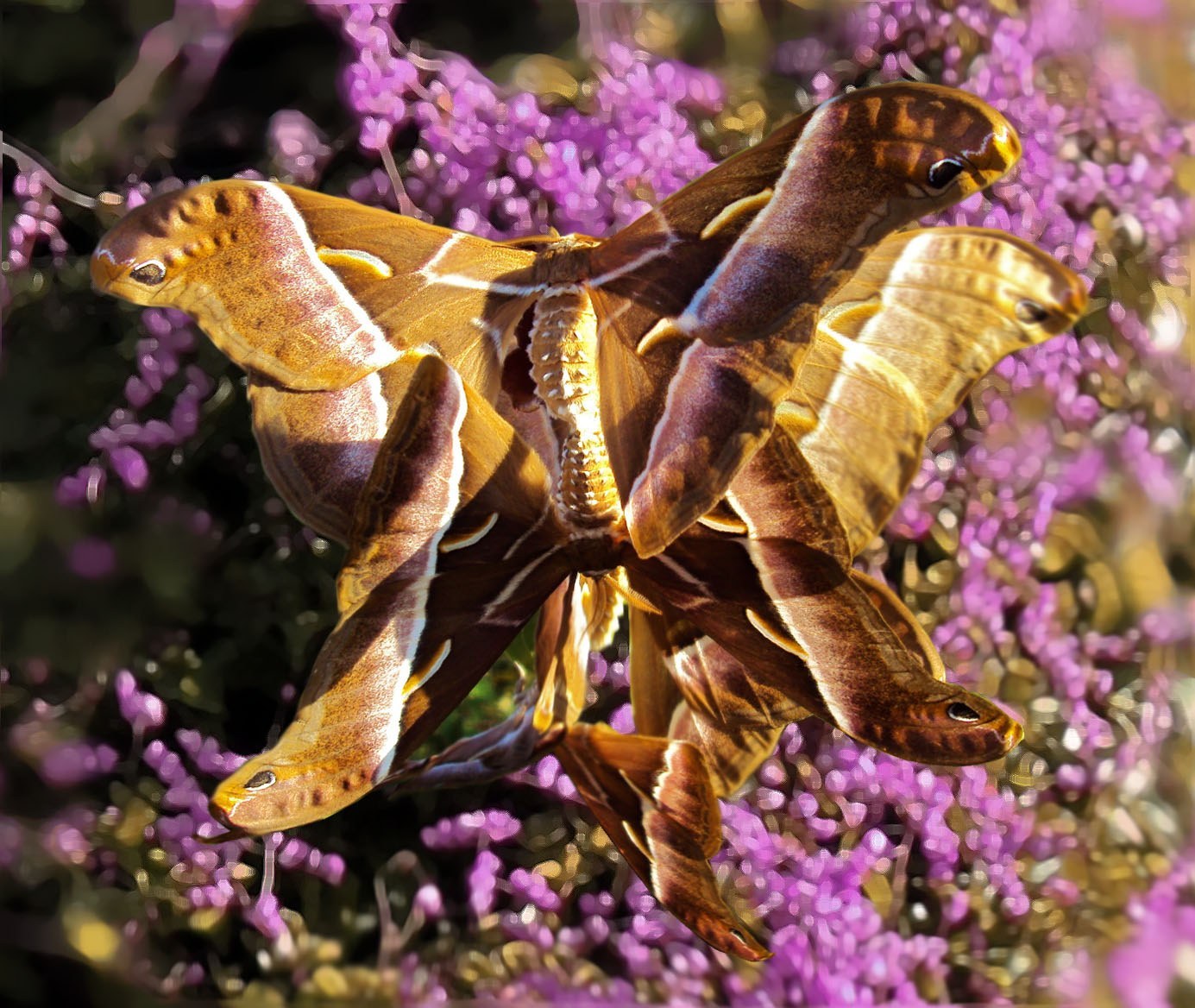
Ailanthus Silkmoth (Cynthia Moth)
Urban parks, wastelands, and woodland edges with tree-of-heaven; native to Asia, introduced in North America and Europe
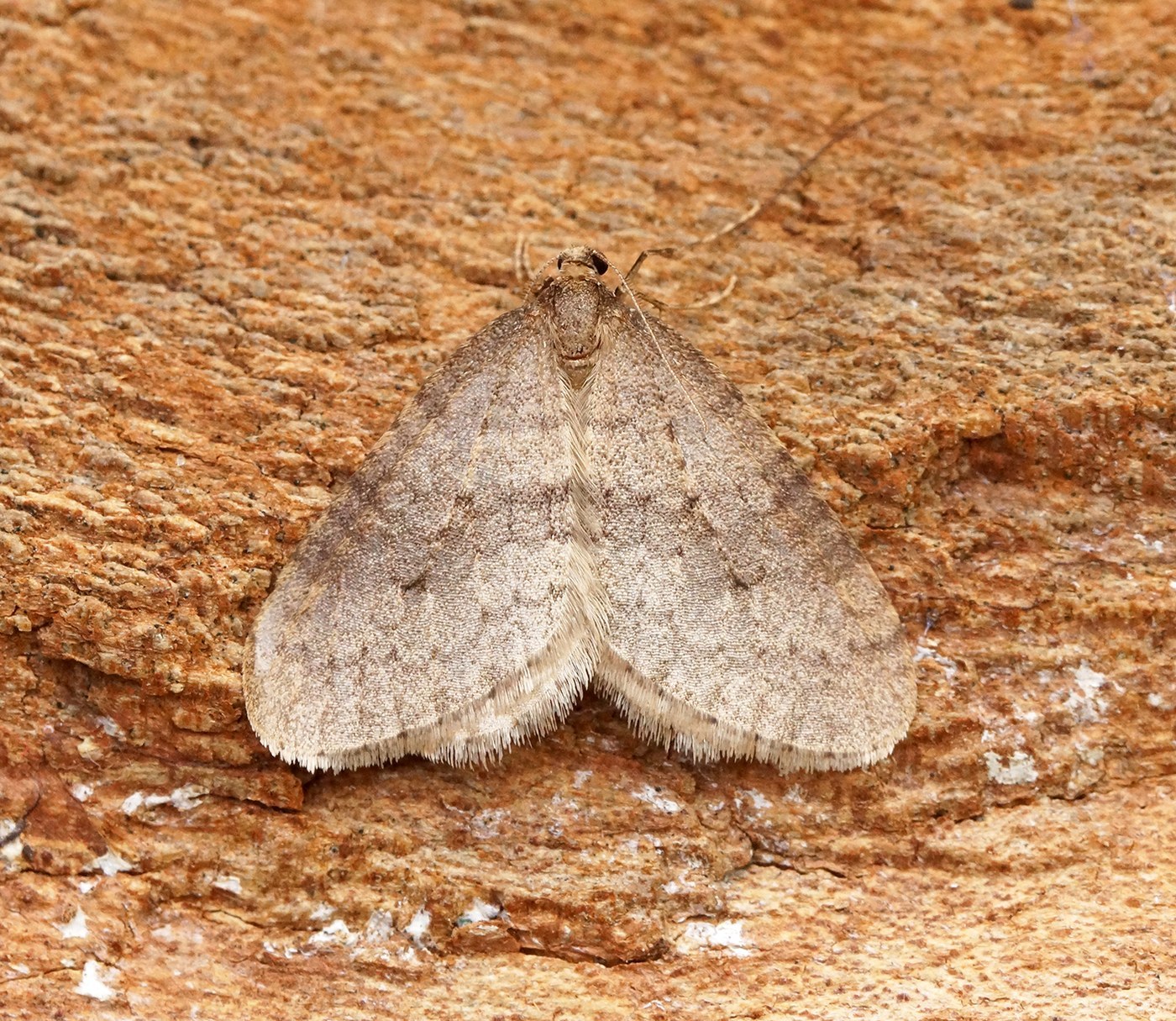
Winter Moth
Deciduous woodland, orchards, gardens, hedgerows
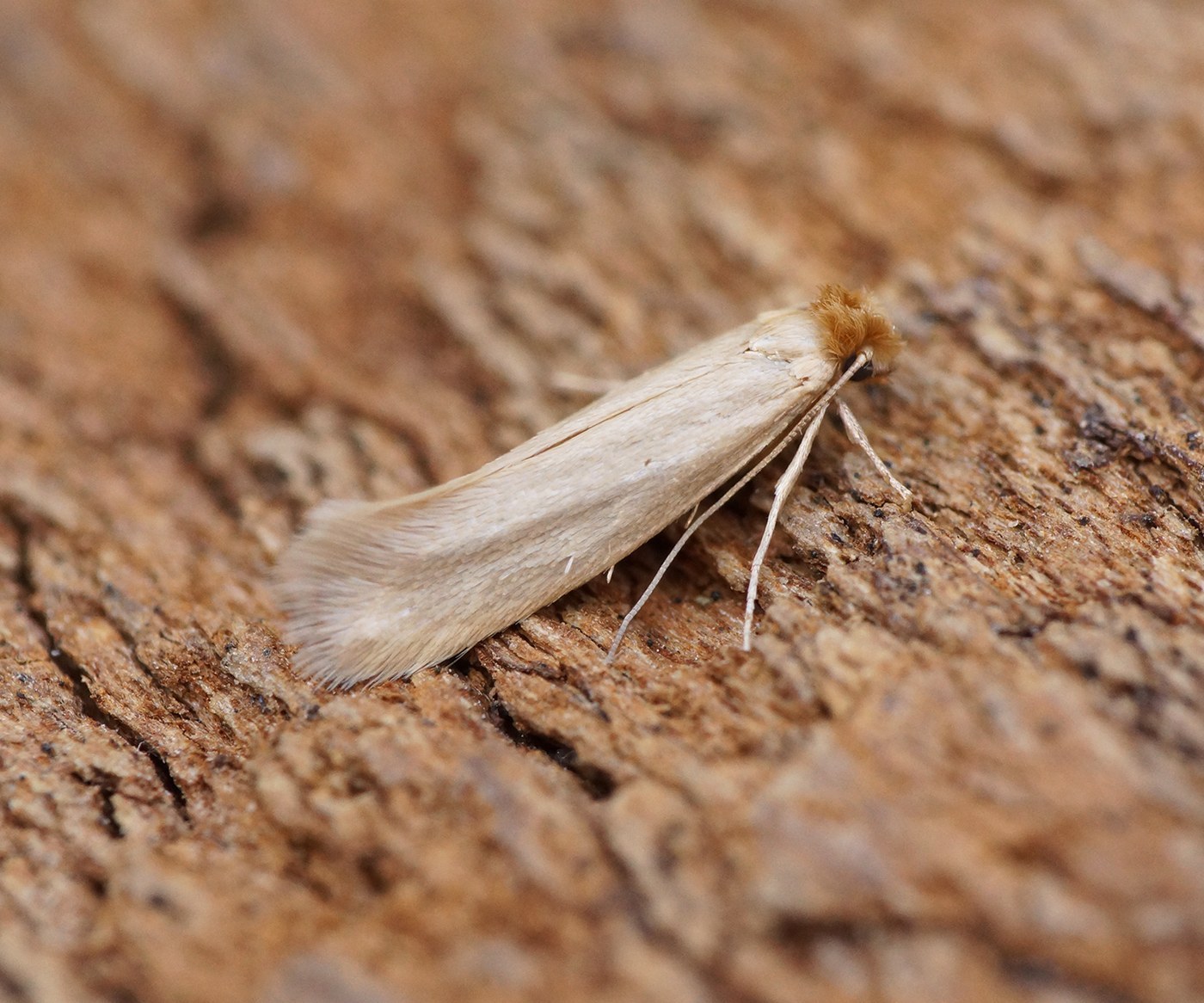
Webbing Clothes Moth
Dark closets, storage areas, and animal nests worldwide
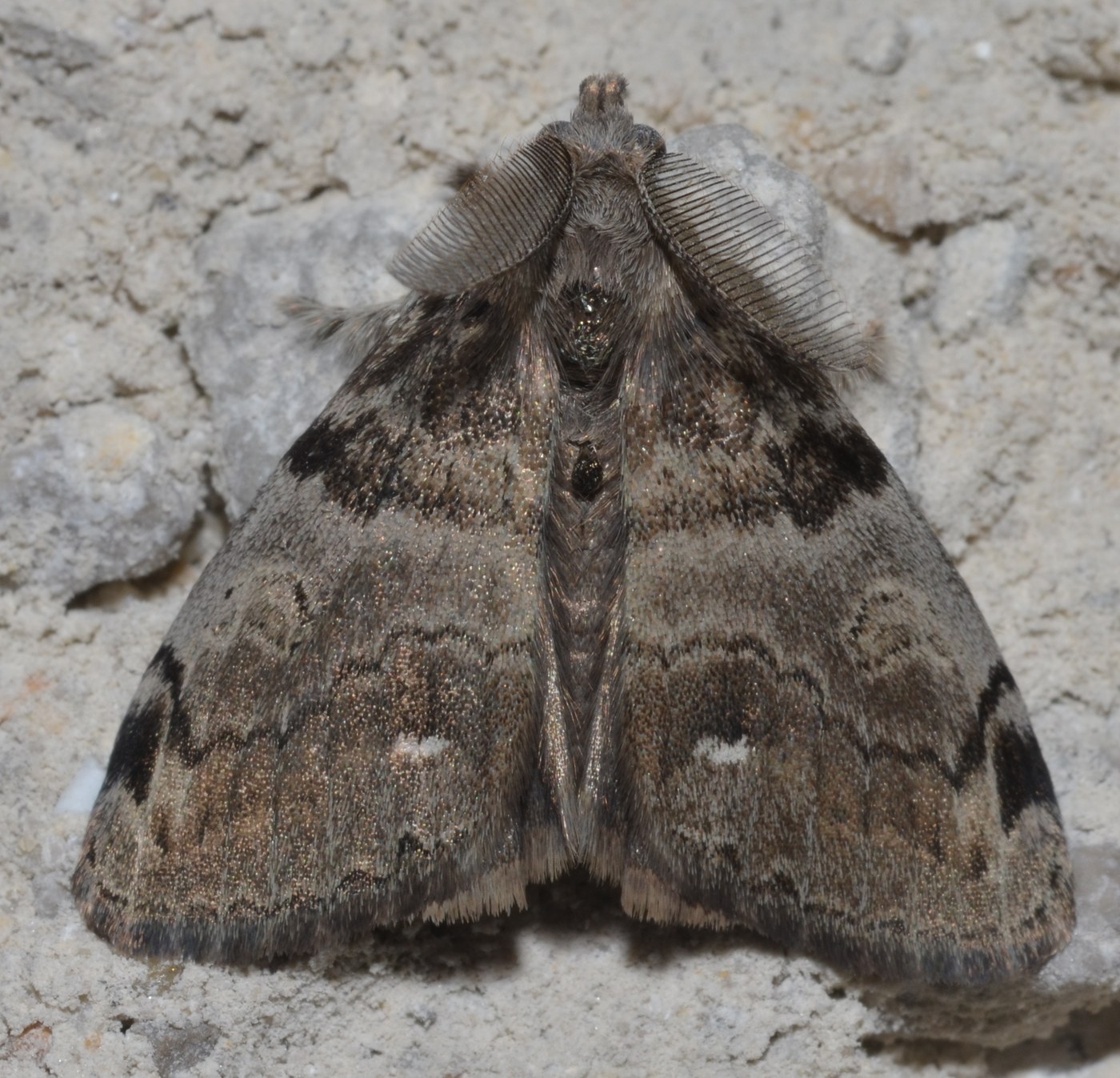
Tussock Moth
Deciduous forests, parks, gardens
Wax Moth
Beehives, apiaries, stored beeswax and comb
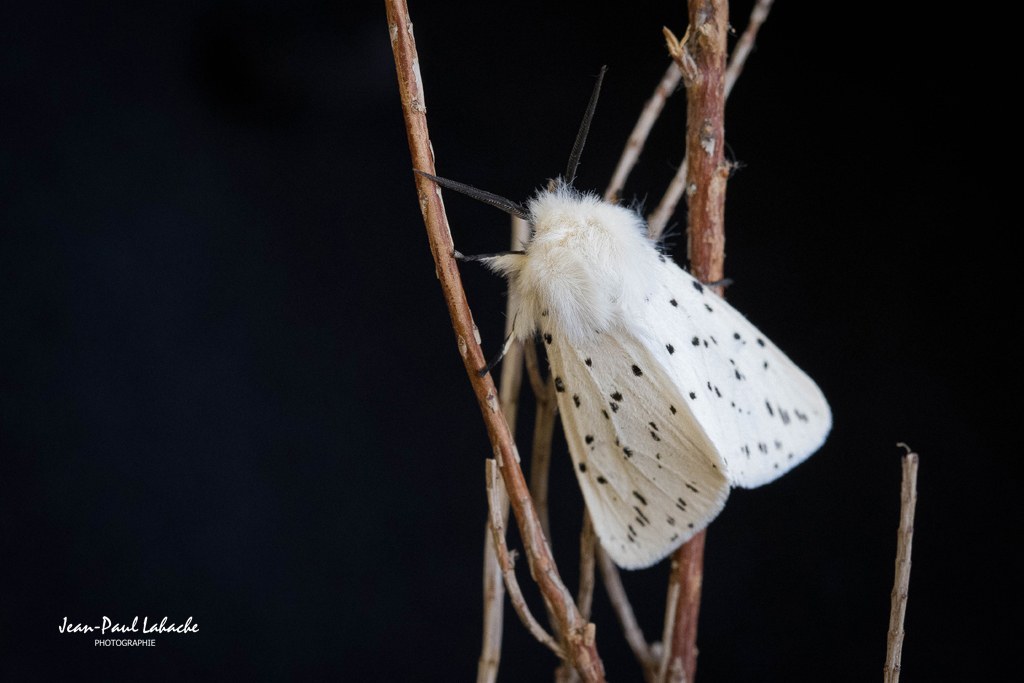
White Ermine Moth
Gardens, meadows, hedgerows
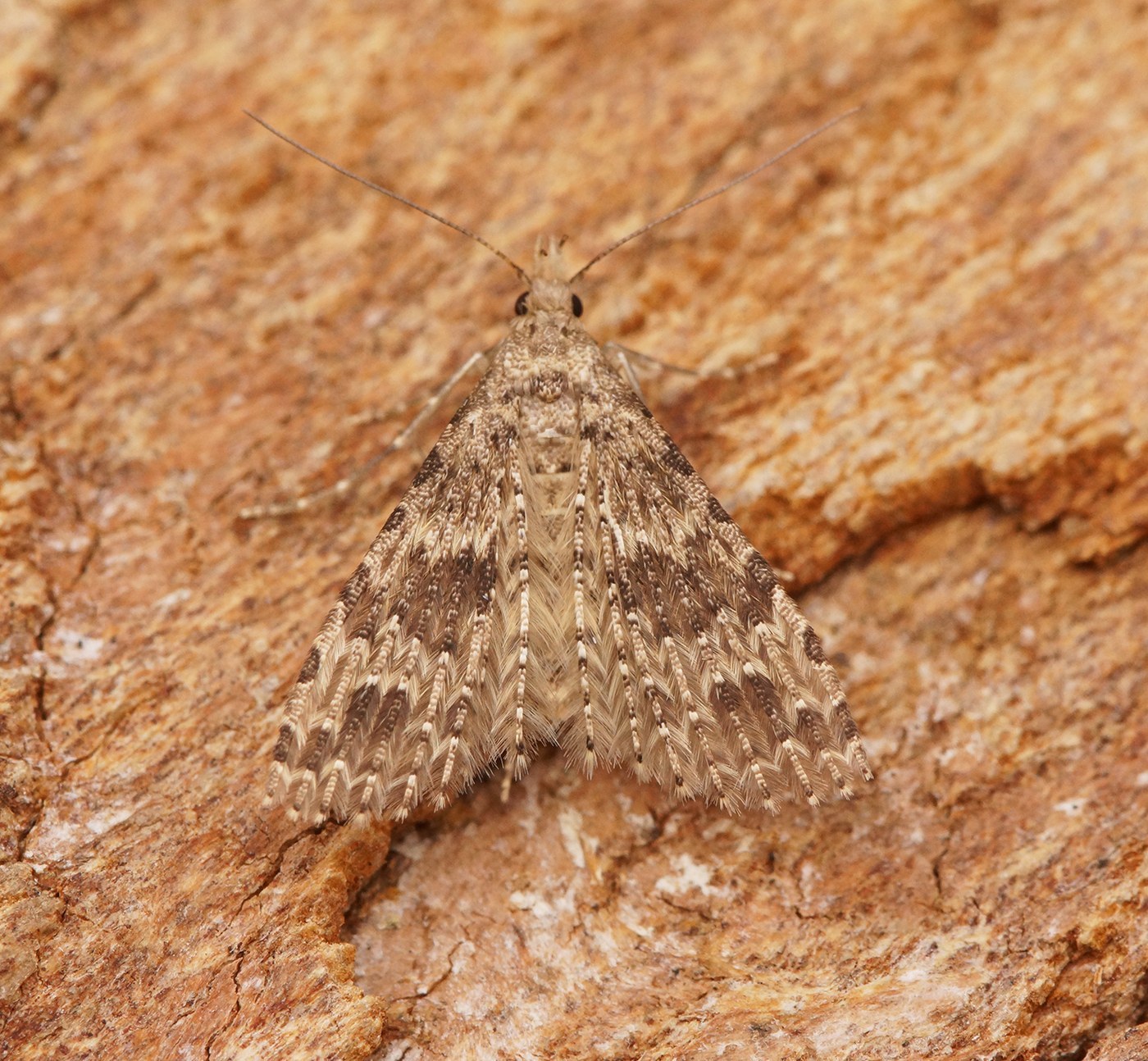
Twenty-plume Moth
Gardens, hedgerows, near honeysuckle
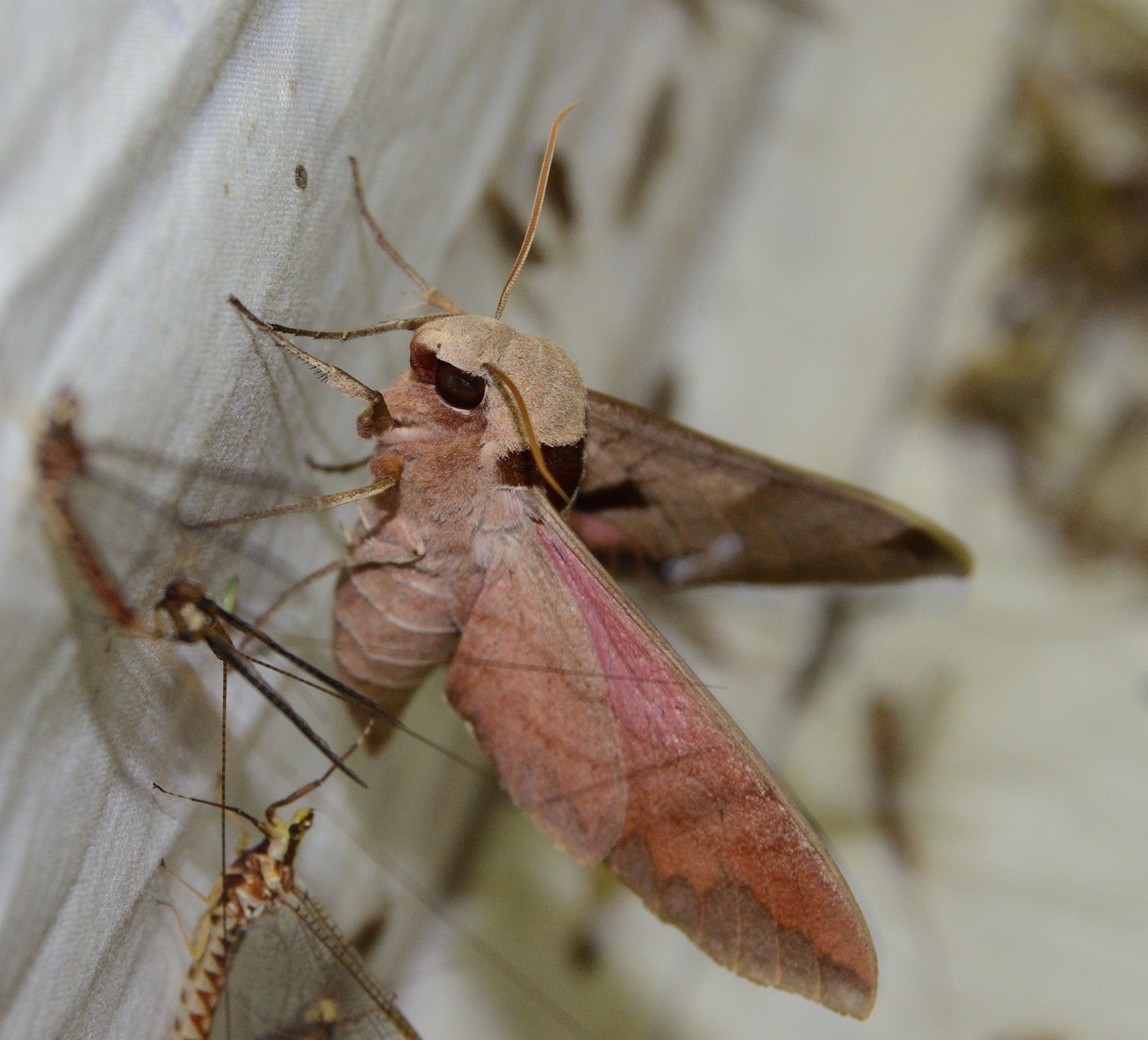
Achemon Sphinx Moth
Vineyards, woodland edges, gardens with wild grape
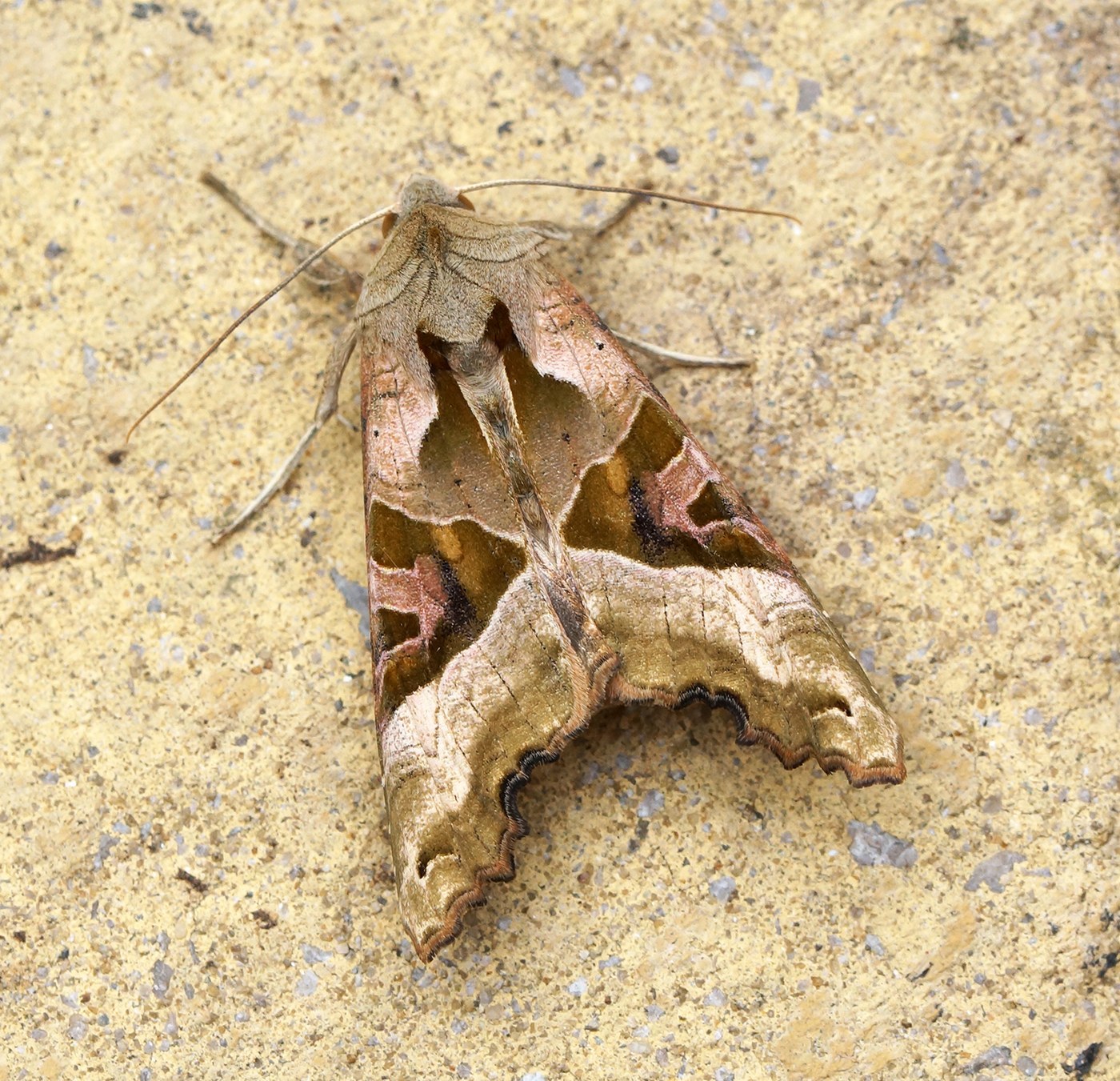
Angle Shades Moth
Gardens, hedgerows, woodland edges, urban parks
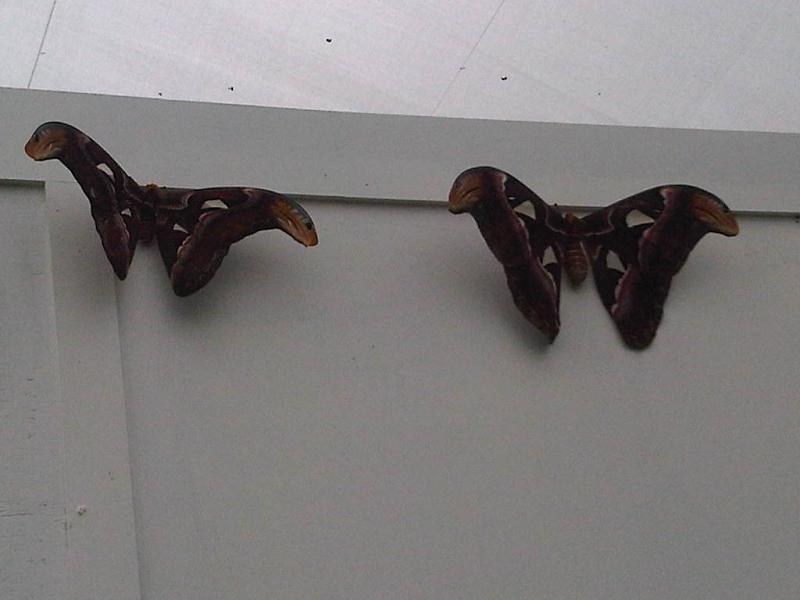
Atlas Moth
Tropical and subtropical lowland forests of Southeast Asia