
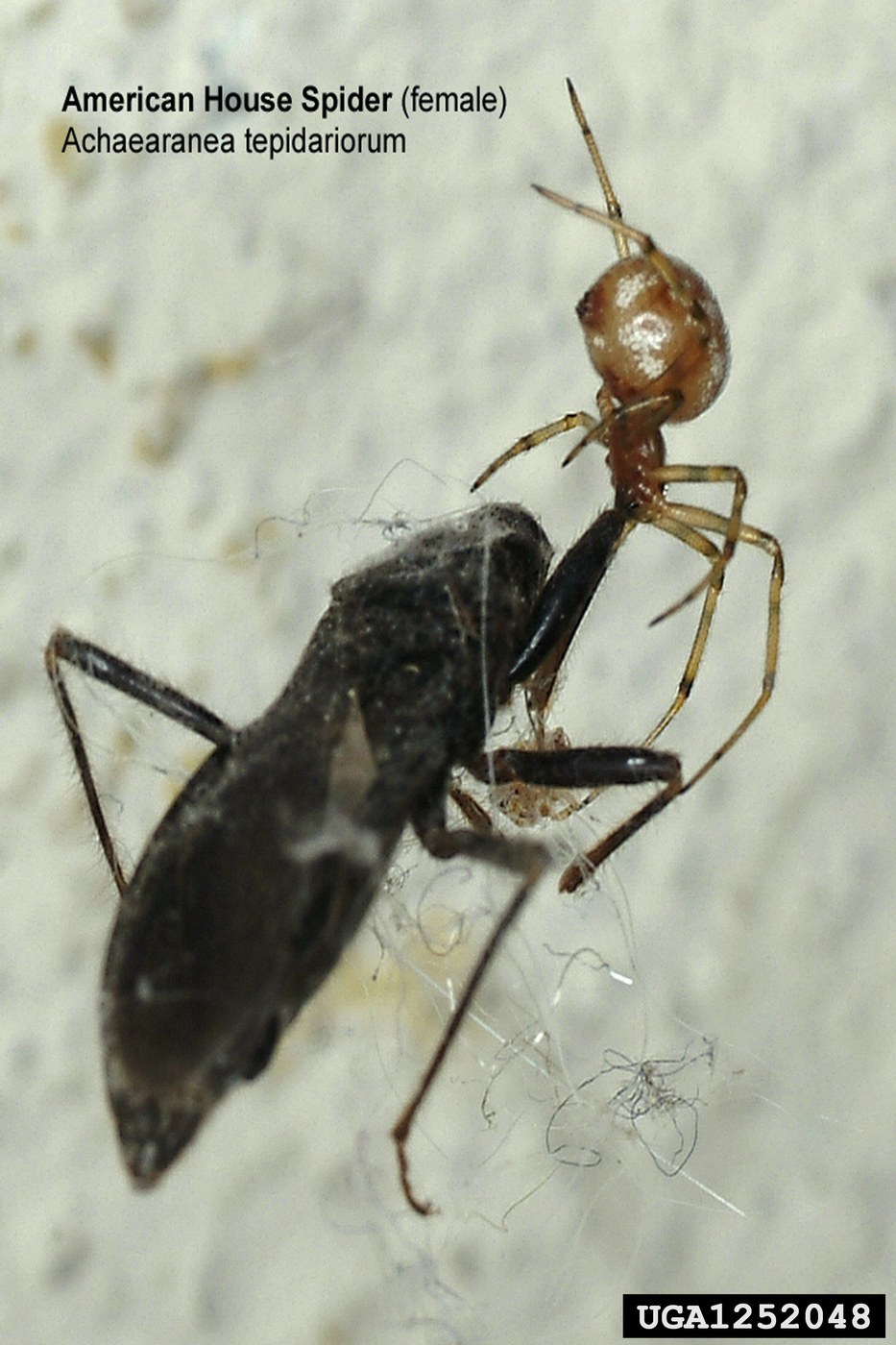
American House Spider
Parasteatoda tepidariorum
A small, brownish spider with a bulbous, mottled abdomen that spins loose, irregular tangle webs in quiet corners, ceilings, and window frames.
- Size
- Body 4–8 mm (females larger than males)
- Habitat
- Corners, basements, garages, and outbuildings worldwide
- Danger
- Bites
Spotted a bug like this?
Identify any bug or insect from a photo, free.
Overview
The American house spider is a small cobweb-weaving spider in the family Theridiidae, one of the most commonly encountered spiders in and around homes across much of North America and, through human transport, in many other parts of the world. Despite the common name, it is not exclusively found in the Americas, having spread widely alongside human structures.
This spider builds the classic messy, three-dimensional tangle web often called a cobweb, typically constructed in undisturbed corners of ceilings, window frames, garages, sheds, and basements. The irregular structure of the web, combined with sticky gumfoot lines that trail down to the ground, is used to snare crawling and flying insects that blunder into the silk.
As a generalist predator of small household and garden insects, the American house spider plays a useful ecological role in controlling populations of flies, ants, and other small arthropods that wander into its web.
How to Identify
- Females have a rounded, bulbous abdomen, roughly 5–8 mm long, typically brownish-gray with darker mottled or chevron-like markings
- Males are smaller and slimmer than females, with a less rounded abdomen
- Legs are relatively long and thin compared to the body, banded with lighter and darker segments
- Builds an irregular, three-dimensional tangle web (cobweb) rather than a symmetrical orb web
- Often confused with other cobweb spiders, including some Steatoda species (false widows), which tend to have a more uniformly dark, shinier abdomen
Habitat & Range
This species is found across most of North America and has been introduced to parts of Europe, Asia, and elsewhere through human activity. It thrives in and around human structures, favoring undisturbed corners of garages, basements, sheds, barns, window frames, and eaves, though it can also occur in natural settings such as under rocks or logs. It is active year-round in heated indoor spaces and seasonally outdoors in temperate climates.
Behavior & Diet
American house spiders are sedentary web-builders, remaining near their irregular tangle web and waiting for prey to become ensnared in the sticky gumfoot silk lines that run down from the web to nearby surfaces. When an insect touches these lines, the spider quickly moves in to subdue and wrap it. They feed on a variety of small arthropods, including flies, ants, and other insects that wander into their webs, making them a beneficial natural predator around structures. Like most spiders, they generally avoid contact with people and will retreat rather than confront a disturbance, though a spider may bite in self-defense if directly handled or trapped against skin.
Life Cycle
Females produce silken egg sacs, often several over their lifetime, each containing dozens to well over a hundred eggs, which are typically suspended within or near the web for protection. Spiderlings hatch after a few weeks and disperse from the egg sac, sometimes ballooning on silk threads to new locations, and begin building their own small webs. Young spiders grow through a series of molts over several months, gradually developing adult coloration and proportions. Adults can live for roughly one to two years under favorable conditions, with reproduction and activity peaking during warmer months.
Frequently asked questions
Is the American house spider dangerous?
It is a shy, non-aggressive spider that generally avoids people, though like most spiders it can bite in self-defense if handled or trapped against the skin.
How can I recognize its web?
It builds a loose, irregular, three-dimensional tangle web, often called a cobweb, typically in undisturbed corners.
What does the American house spider eat?
It preys on small insects and other arthropods, such as flies and ants, that become caught in its web.
How long do American house spiders live?
Adults typically live around one to two years under favorable conditions.
American House Spider guides
In-depth guides for identifying, understanding, and living alongside American House Spider.
Other bugs you may enjoy
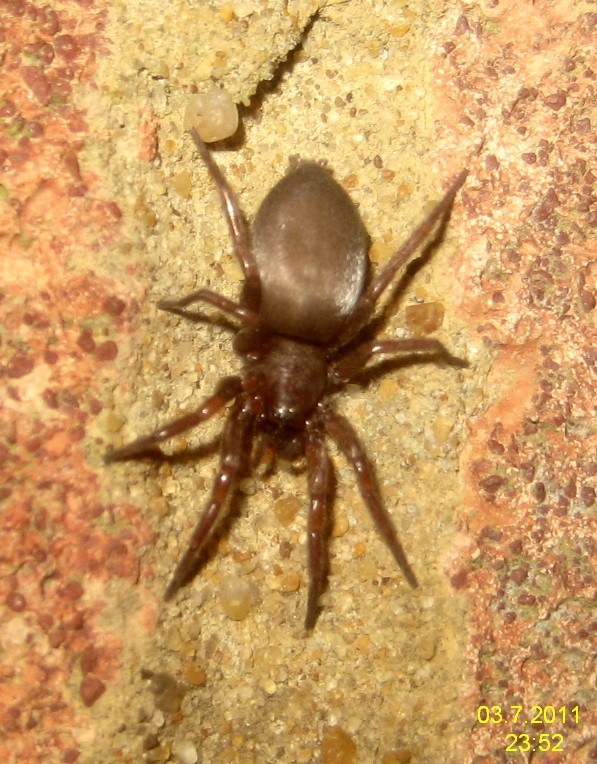
Woodlouse Spider
Damp leaf litter, under logs, stones, and mulch
Wolf Spider
Gardens, grasslands, forests, leaf litter, ground burrows
Wandering Spider
Tropical and subtropical forest floor, foliage, and banana plants
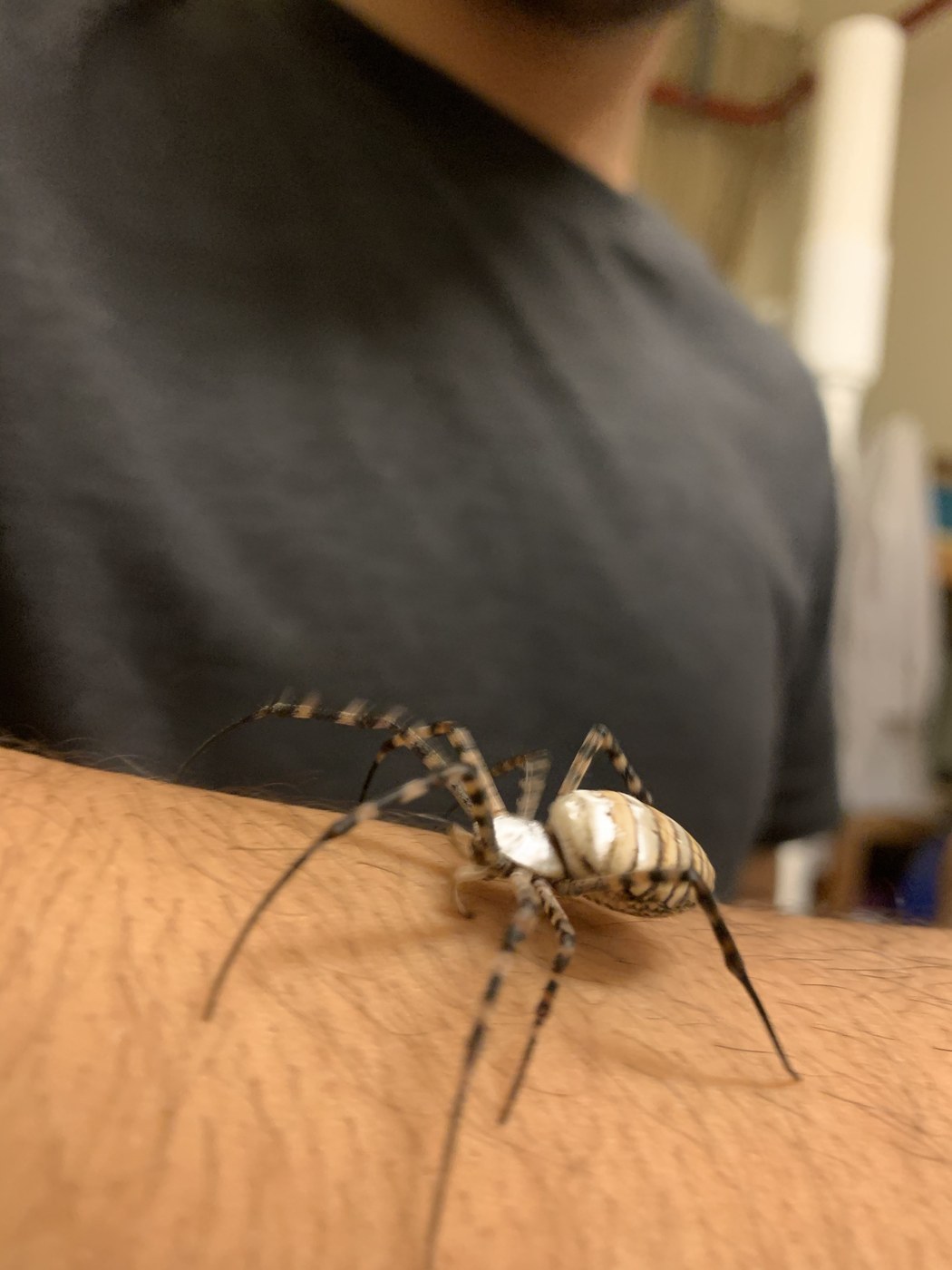
Banded Garden Spider
Tall grass, meadows, and gardens with open sunny vegetation
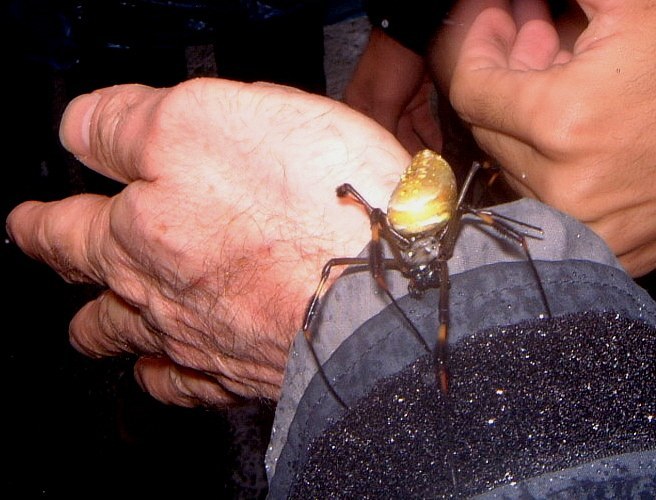
Banana Spider
Wooded trails, forest edges, and gardens across the southeastern U.S. and the American tropics
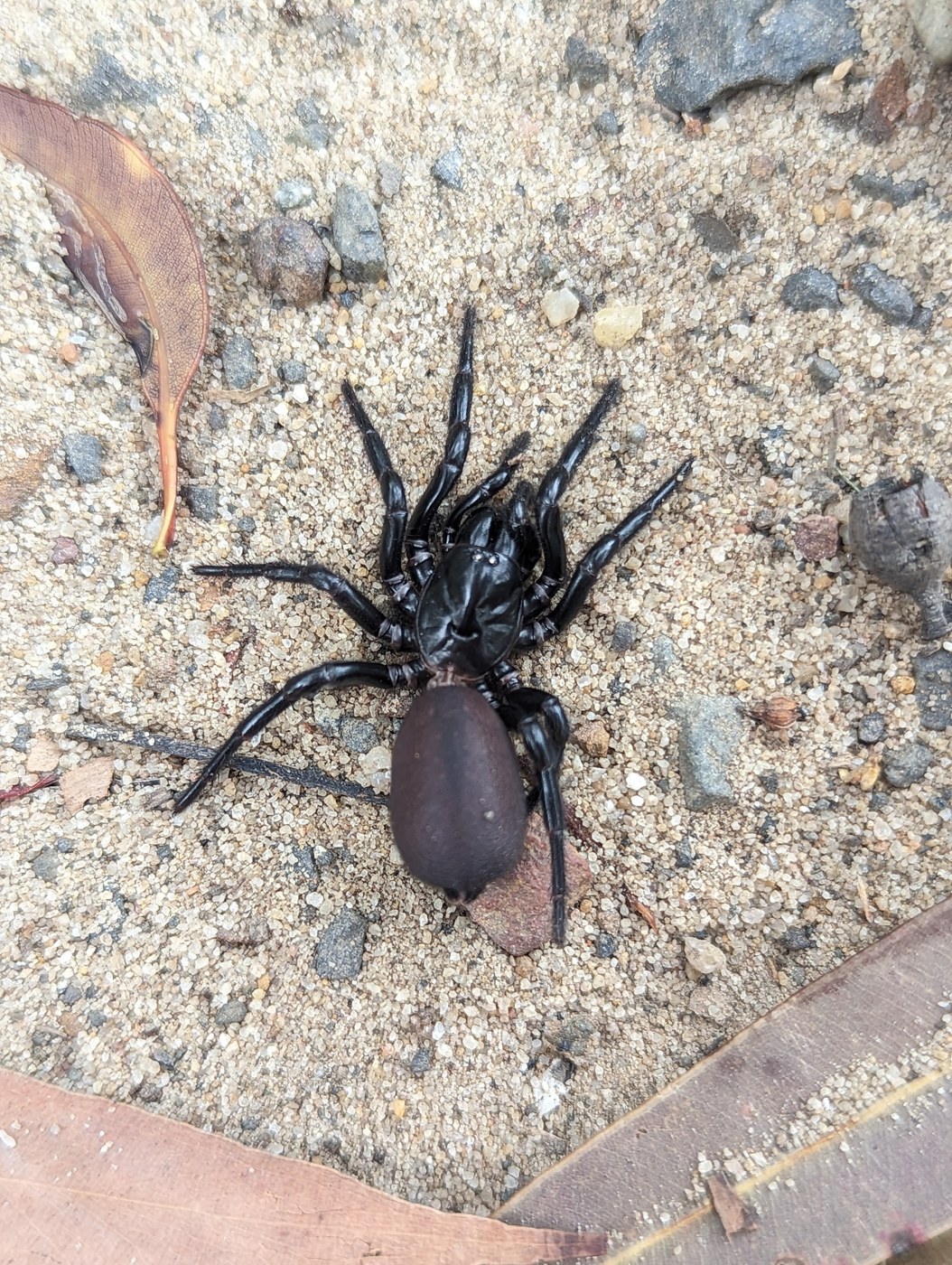
Sydney Funnel-web Spider
Burrows in moist soil, gardens, and forested gullies around the Sydney basin of eastern Australia
Trapdoor Spider
Self-dug silk-lined burrows with a camouflaged door, in dry, well-drained soil worldwide
Tube Web Spider
Wall crevices, bark, rockeries, and masonry
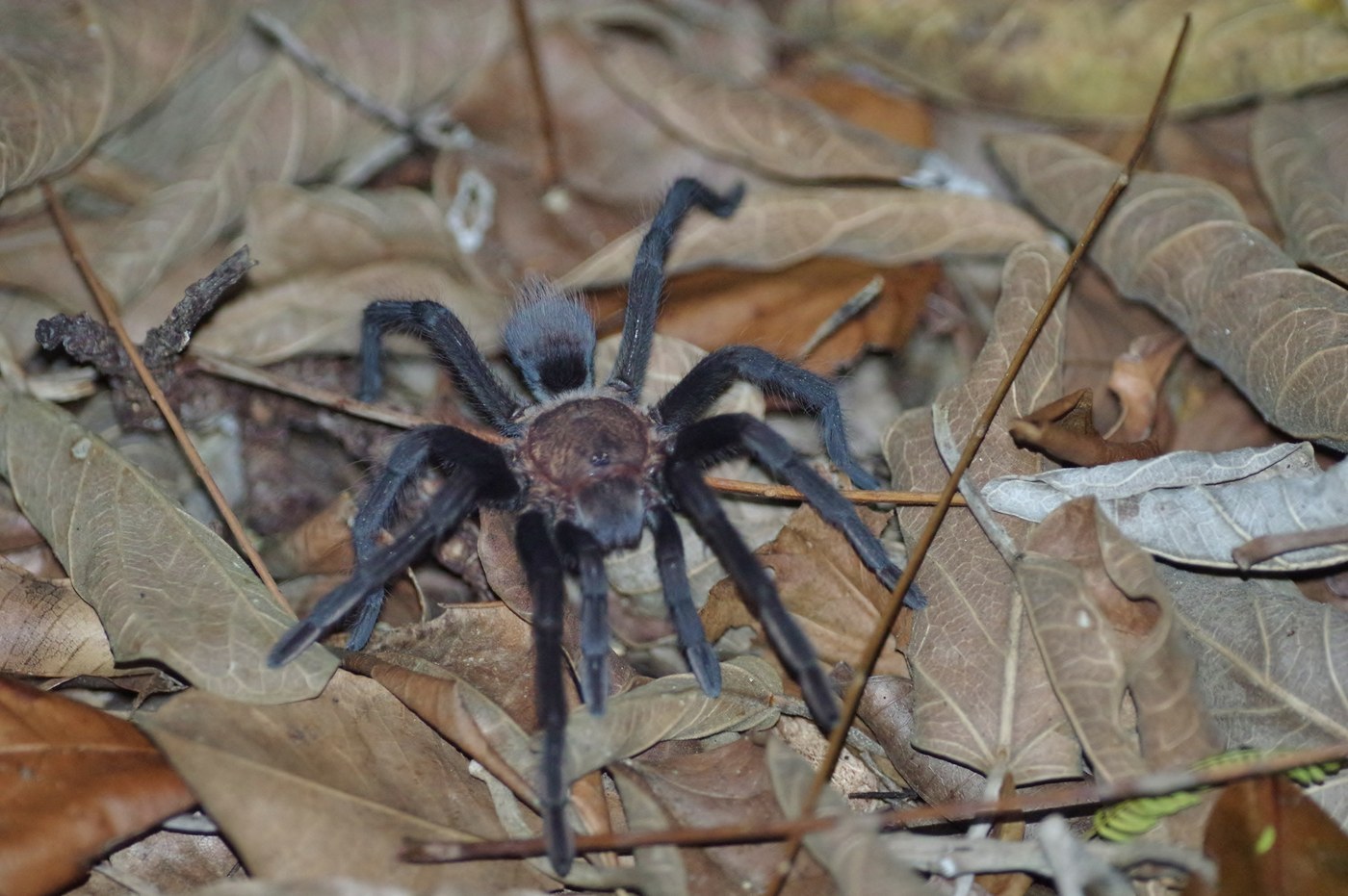
Tarantula
Burrows, rock crevices, and tree hollows in deserts, grasslands, and tropical forests worldwide
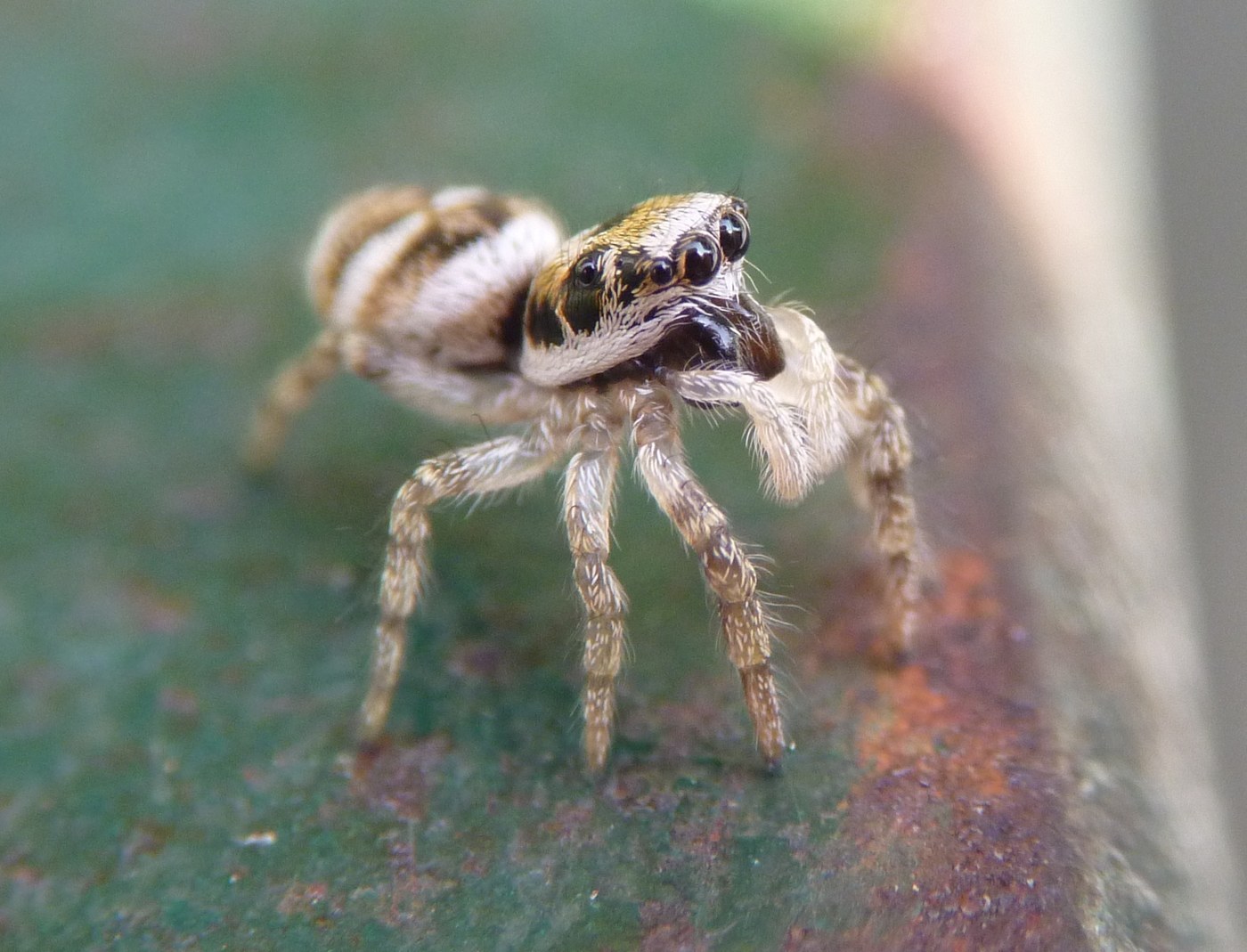
Zebra Jumping Spider
Sunny walls, fences, tree bark, and building exteriors
Wall Spider
Cracks and crevices on exterior and interior walls
Wolf Spiderling
Grasslands, gardens, leaf litter and bare ground